A Symphony of Flavors and Wellness: The Ancient Roots of Shiso Pink Lemonade

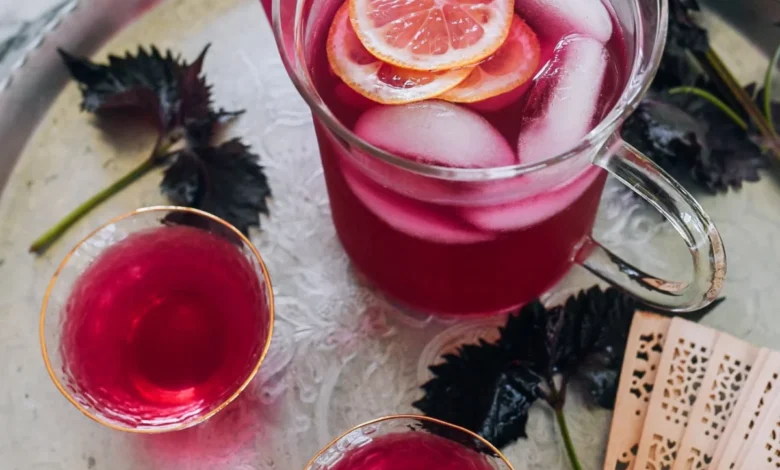
The quest for refreshing and healthful beverages has led to the rediscovery of ancient recipes, with the vibrant shiso pink lemonade emerging as a testament to the enduring wisdom of traditional Asian culinary practices. This striking, naturally colored drink, steeped in history and packed with beneficial compounds, offers a unique alternative to conventional thirst-quenchers, particularly as the summer months approach. Far from a simple flavored water, this beverage is a complex infusion that bridges the gap between delicious refreshment and functional wellness.

The allure of shiso pink lemonade lies not only in its visually arresting magenta hue, a result of the interaction between the herb and acidic ingredients, but also in its deep historical lineage. The origins of this beverage can be traced back approximately 1,000 years to the Song Dynasty of China, a period renowned for its advancements in arts, sciences, and gastronomy. The drink was known then as "perilla herbal infusion" (紫蘇飲子, zǐ sū yǐn zi), a name that hints at its primary ingredient and its medicinal applications. The rediscovery and popularization of this ancient concoction have been further amplified by its appearance in modern media, notably in the 2022 Chinese television drama "A Dream of Splendor" (梦华录, Mèng Huá Lù). The series, set during the Song Dynasty, features a protagonist who skillfully prepares and sells this refreshing infusion in her roadside tea house, bringing the historical drink to the attention of a global audience and sparking renewed interest in its preparation and benefits.
At the heart of this unique beverage is shiso, also known as perilla (Perilla frutescens), an aromatic herb with a prominent place in Japanese and Korean cuisines. While green shiso is more commonly recognized for its presence alongside sushi or in Korean barbecue, it is the red variety that lends shiso pink lemonade its distinctive color. This vibrant pigmentation is attributed to anthocyanins, a class of powerful antioxidants also found in foods like blueberries, red cabbage, and black rice. Anthocyanins are plant pigments responsible for the red, blue, and purple hues in many fruits and vegetables, and they are celebrated for their anti-inflammatory properties and their role in combating oxidative stress within the body.

The transformation of the deep purple of red shiso into the brilliant fuchsia of the finished lemonade is a fascinating chemical reaction. When acidic lemon juice is introduced, it lowers the pH of the mixture. This shift in acidity triggers a change in the molecular structure of the anthocyanins, altering their light absorption and reflection properties, and resulting in the visually stunning color change. This natural color transformation is a key aspect of the drink’s appeal, offering a completely natural and visually engaging experience without the need for artificial colorants.
Beyond its aesthetic and antioxidant qualities, shiso holds a significant place in traditional Asian medicine. Its warming properties are believed to help alleviate excessive heat in the body, dispel dampness, regulate qi (vital energy), and strengthen the digestive system. While the consumption of shiso in this beverage is primarily for refreshment and flavor, its traditional medicinal uses add another layer of appreciation for this ancient infusion. It is important to note, as with any traditional remedy, that consulting a healthcare professional is advised for any specific health concerns or treatments.
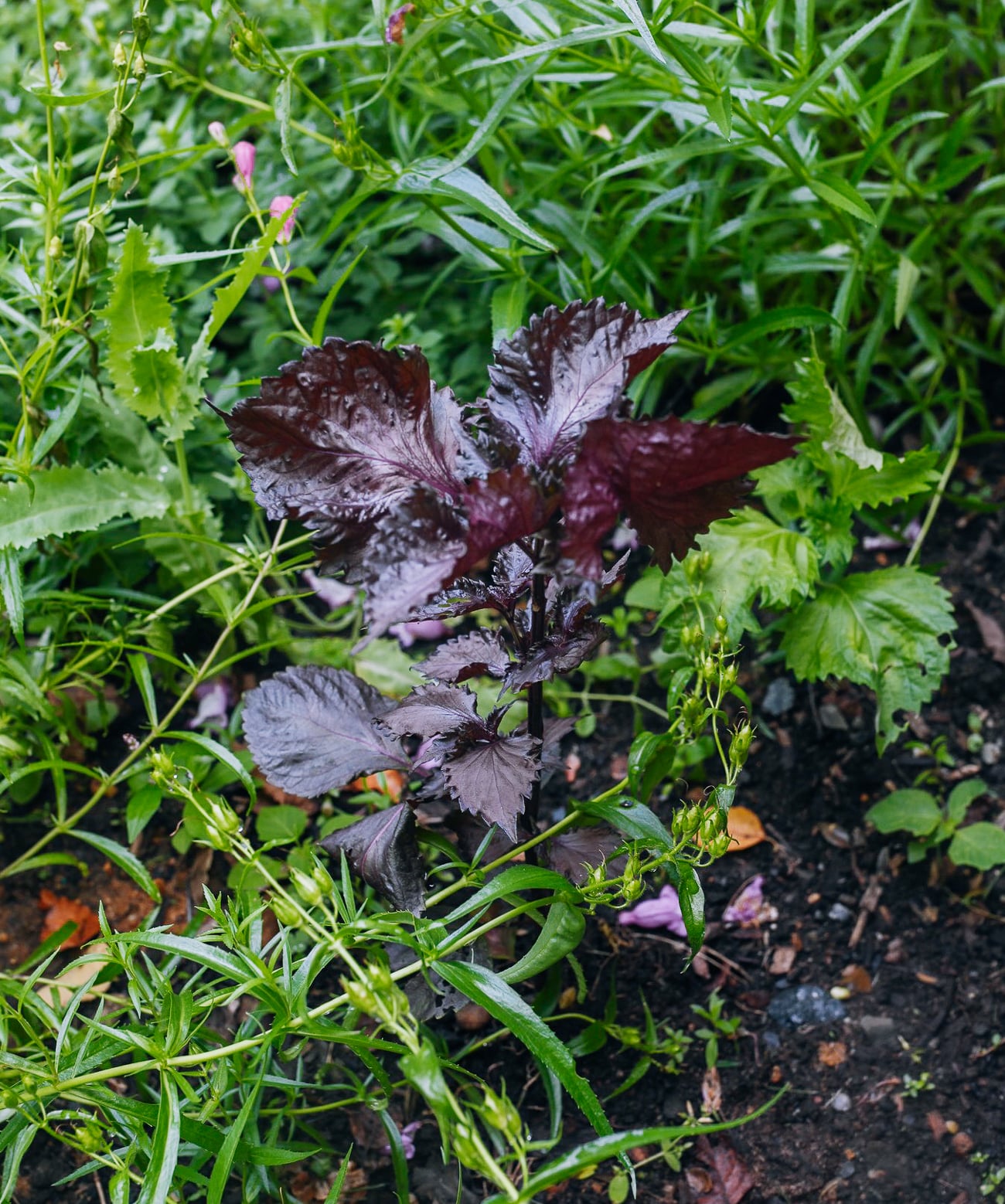
The cultivation of shiso, particularly the red variety, is relatively straightforward, making it an accessible herb for home gardeners. It is known for its ability to reseed itself, ensuring a continuous harvest with minimal care, and is noted for its resilience against common garden pests. For those seeking to grow their own shiso, reputable seed suppliers offer a variety of perilla seeds, ensuring access to this unique herb for culinary and medicinal exploration.
While shiso and lemon juice form the foundation of this drink, the traditional Song Dynasty recipe, as depicted in "A Dream of Splendor," often incorporates additional Chinese herbal ingredients that contribute to both its flavor complexity and its health benefits. These additions, while not always explicitly detailed in simplified modern interpretations, reflect a holistic approach to beverage preparation, where taste and wellness are intertwined. Common additions might include dried mandarin orange peel (chen pi), which aids digestion and imparts a subtle citrusy aroma, and licorice root (gan cao), known for its sweetening properties and its ability to harmonize other ingredients while offering potential soothing benefits for the throat and digestive system. Fresh ginger is another frequent inclusion, adding a warming, zesty note and further enhancing the drink’s invigorating qualities.
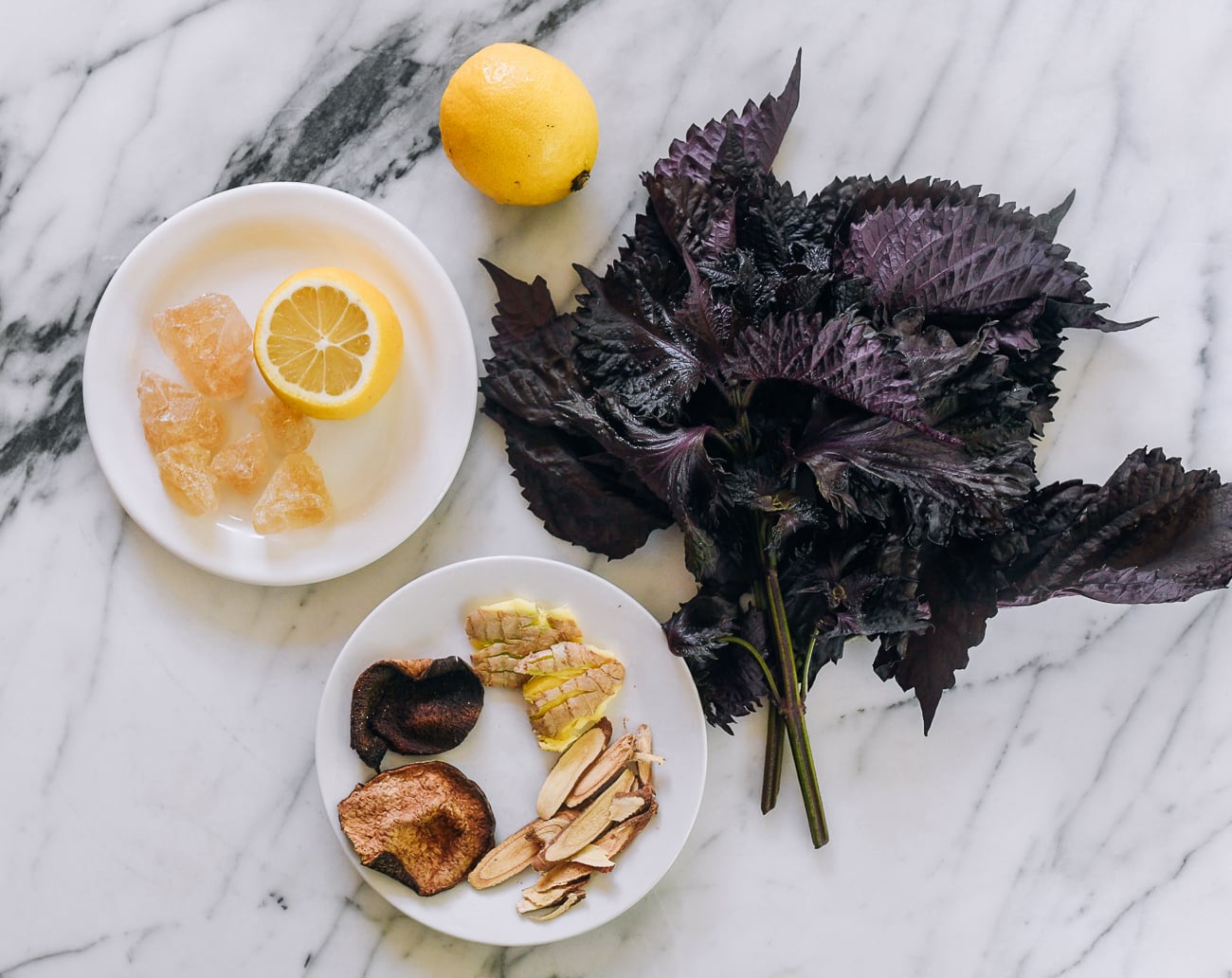
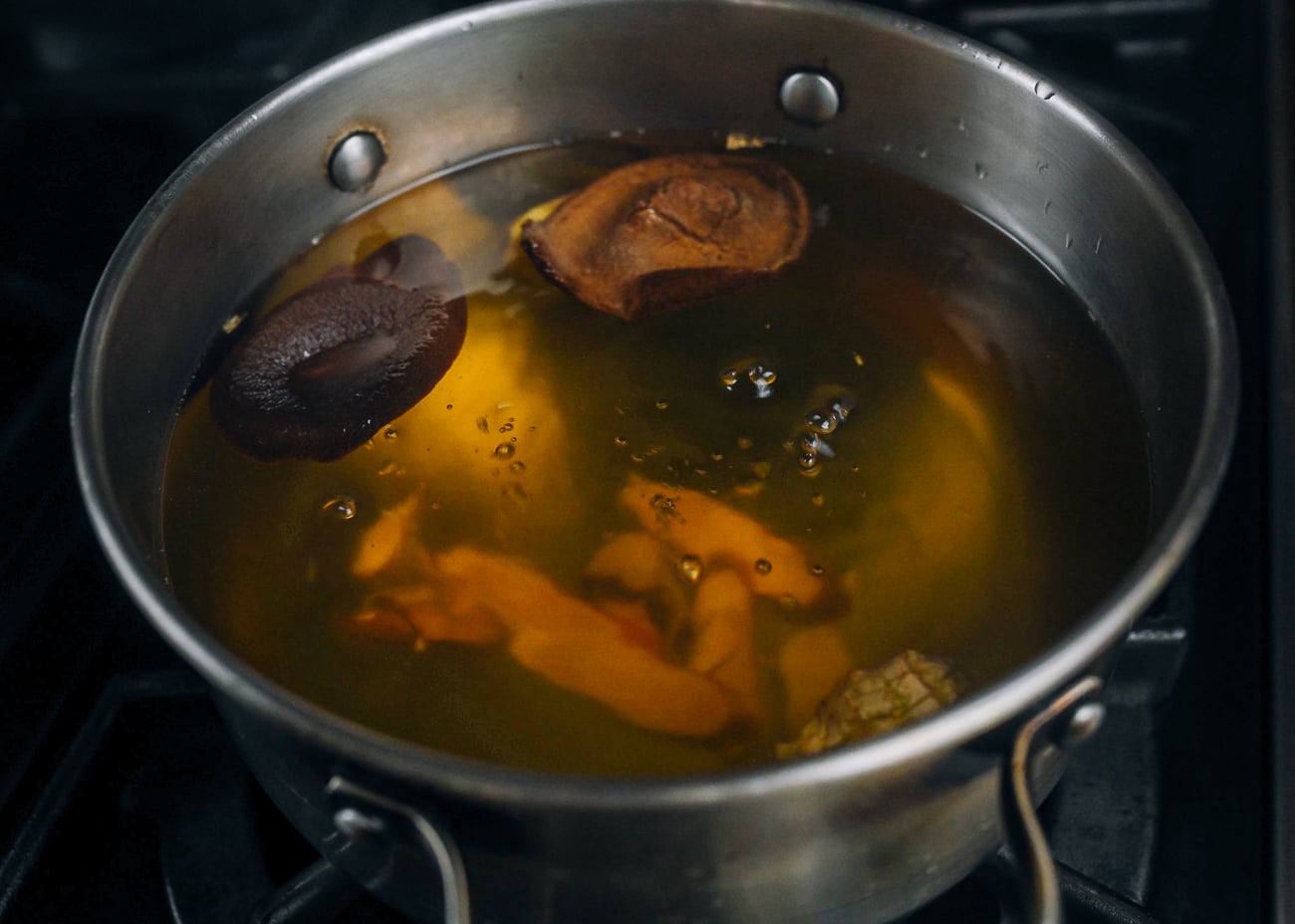
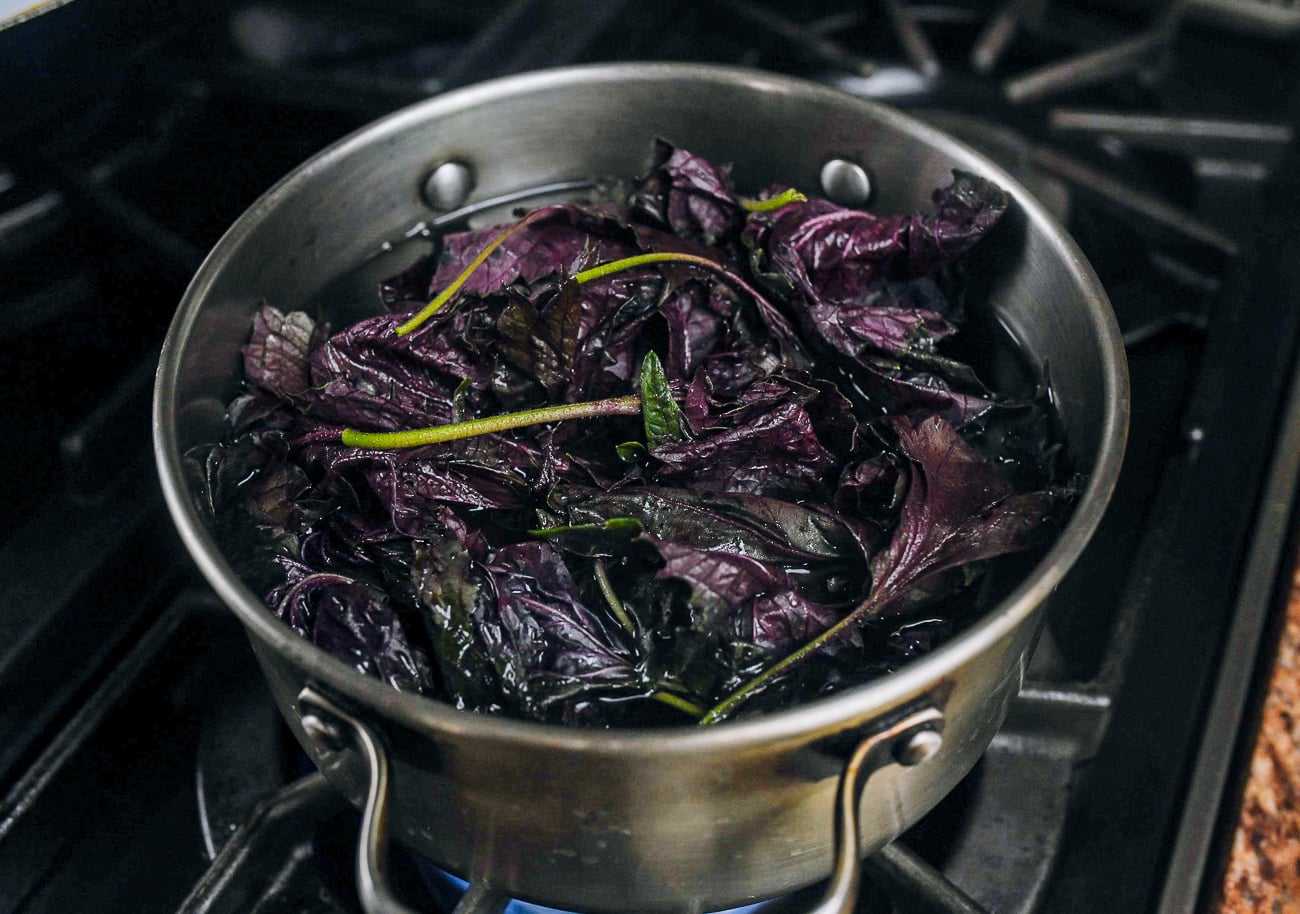
The preparation of shiso pink lemonade, while seemingly simple, involves a nuanced process that unlocks the full potential of its ingredients. The initial step involves thoroughly washing the shiso leaves to remove any dirt or impurities. These leaves are then combined with water, along with the dried mandarin orange peel, licorice root, and ginger, in a pot. This mixture is brought to a boil and then simmered for approximately 10 minutes, allowing the water to infuse with the aromatic and medicinal properties of the herbs and spices.
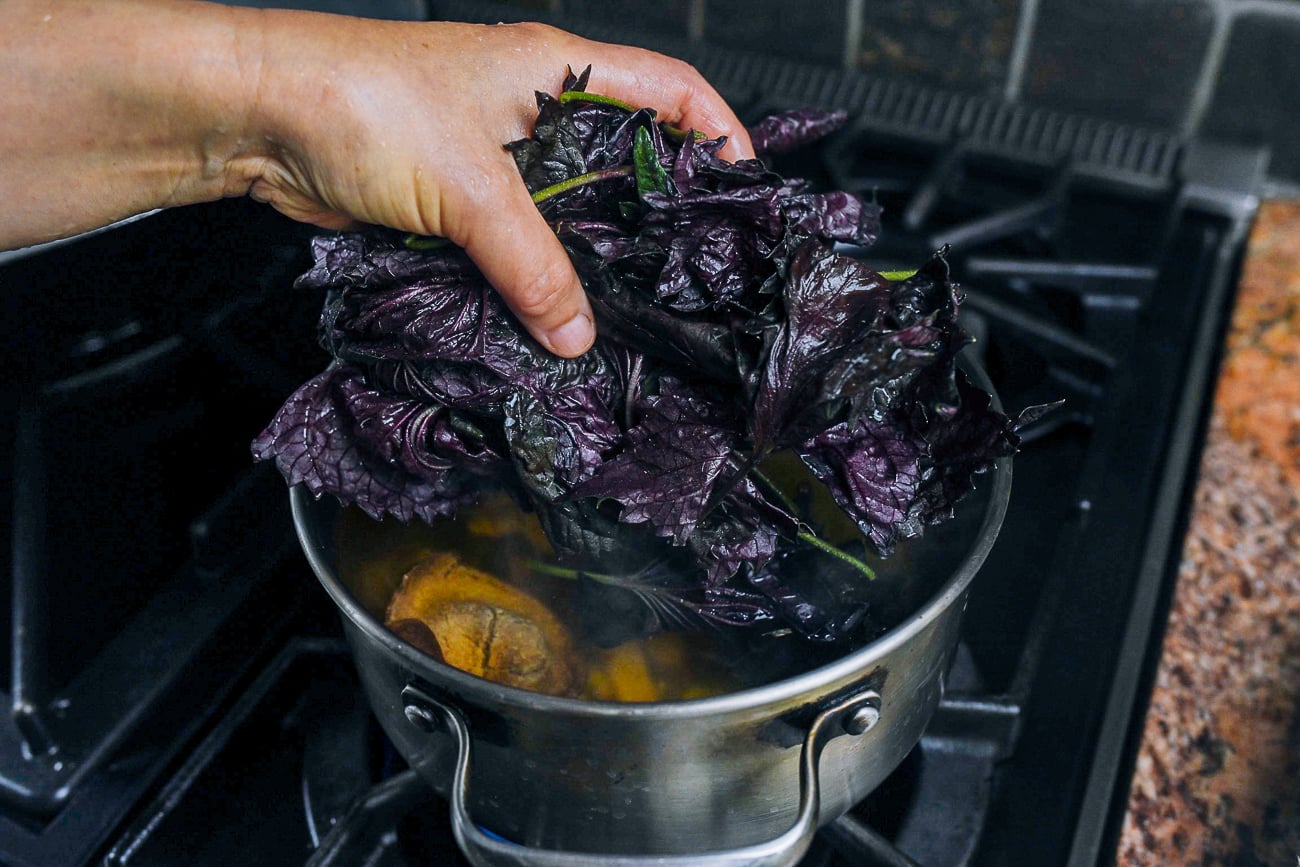
Following this initial infusion, the shiso leaves and a sweetener, such as sugar, are added to the pot. The mixture is then brought back to a boil and simmered for another 7 to 8 minutes. It is during this stage that the vibrant pigments from the red shiso leaves are extracted into the liquid. If a less concentrated flavor or a lighter hue is desired, the cooking time for the shiso can be adjusted. After simmering, the solids are strained out, leaving behind a deep purple or reddish liquid concentrate.
The true magic of shiso pink lemonade is revealed just before serving. At this point, fresh lemon juice is stirred into the cooled concentrate. This acidic addition triggers the dramatic color change, transforming the deep red or purple liquid into a captivating magenta or fuchsia. This visual spectacle is not only pleasing to the eye but also signifies the activation of the anthocyanins and the creation of the signature "pink lemonade" effect.
The resulting beverage can be served in various ways. It can be enjoyed chilled on its own, offering a pure and unadulterated taste of the shiso infusion. For a more diluted and refreshing experience, it can be served over ice, allowing the flavors to mellow and the drink to be savored slowly. Alternatively, for those seeking a sparkling effervescence, the shiso concentrate can be mixed with sparkling water or club soda, creating a delightful fizzy beverage.
While lemon juice is the traditional and most common acidic component, an interesting alternative for achieving the color change and a touch of acidity is apple cider vinegar. However, it is noted that this substitution will alter the flavor profile of the drink, potentially requiring an adjustment in the amount of sweetener used to balance the tanginess.
The nutritional profile of shiso pink lemonade, when prepared with moderate sweetness, offers a low-calorie option with a modest amount of carbohydrates. It contains trace amounts of protein and fat, with minimal saturated, polyunsaturated, and monounsaturated fats. The sodium content can vary depending on the water used and any added salt, though it is generally low. The drink provides a small amount of potassium and is virtually devoid of fiber. While the vitamin content is minimal, the primary health benefits are derived from the antioxidants present in the shiso. The estimated calorie count per serving is around 70 kcal, with carbohydrates making up a small percentage. It is important to recognize that these nutritional values are estimates and can vary based on ingredient brands, preparation methods, and serving sizes.
The enduring appeal of shiso pink lemonade lies in its ability to connect us to a rich culinary heritage while offering a contemporary and health-conscious beverage. Its vibrant color, unique flavor, and historical significance make it more than just a drink; it is an experience that celebrates the intersection of nature, tradition, and modern wellness. As consumers increasingly seek out natural, functional, and visually engaging food and beverage options, shiso pink lemonade stands as a compelling example of how ancient wisdom can be elegantly translated into modern enjoyment. Its story, from the bustling tea houses of the Song Dynasty to the screens of global audiences, continues to unfold, inviting more people to discover the delightful complexities of this ancient herbal infusion.