Chinese Buckwheat Noodle Salad (Cold Soba) Offers a Refreshing Culinary Tradition for Warm Weather Dining

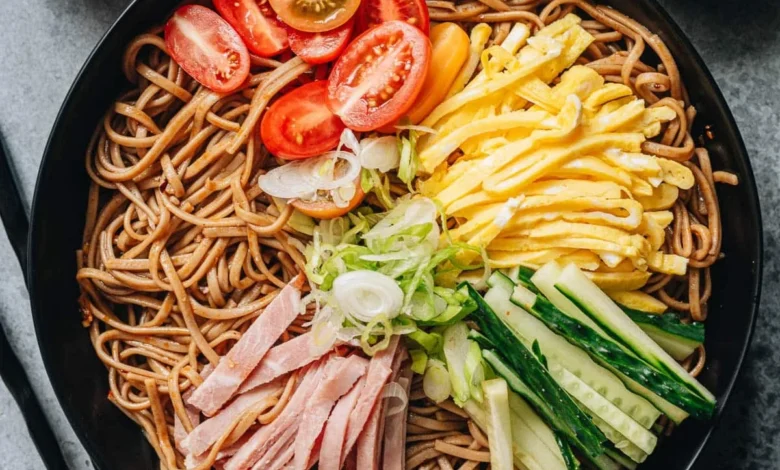
Buckwheat noodles possess a deep, centuries-old heritage embedded within the culinary traditions of northern and northwestern China. Throughout provinces such as Shaanxi, Shanxi, Gansu, and the autonomous region of Inner Mongolia, local culinary practitioners traditionally transform raw buckwheat flour into specialized preparations. Among these, qiaomian hele stands out as a prominent regional staple, created by pressing a soft, malleable dough directly through a dedicated mechanical noodle press into rapidly boiling water. This method yields thick, texturally distinct, and delightfully irregular strands. While Japanese soba features a different preparation style—typically rolled thin and cut into uniform strands—it shares the same foundational, earthy buckwheat profile. This shared characteristic allows both varieties to integrate seamlessly into chilled, dressed noodle dishes or traditional sesame-based preparations.
Cultural Origins and Regional Influences
The cultural footprint of buckwheat noodles extends far beyond domestic Chinese borders, shaped significantly by cross-cultural exchanges in regions such as Dongbei in northeastern China. Historically influenced by a robust local Korean community and proximity to the Korean peninsula, northeastern Chinese cuisine developed a unique synthesis of flavors. Culinary traditions in this area frequently incorporate homemade kimchi and summer cold noodle soups, known locally as lengmian, alongside chilled buckwheat noodle salads. These preparations have historically served as essential seasonal culinary adaptations designed to combat high summer temperatures.
In contemporary culinary spaces, particularly within the diaspora in North America, sourcing authentic, fresh northern Chinese buckwheat varieties like qiaomian hele presents logistical challenges. Consequently, home cooks and culinary professionals frequently adapt by utilizing widely available dried Japanese soba. This substitution preserves the essential earthy flavor profile characteristic of authentic buckwheat noodles while offering a versatile canvas for robust, acid-forward, and savory dressings featuring light soy sauce, Chinkiang vinegar, aromatic chili oil, and fresh aromatics.
Comprehensive Ingredient Profile
Crafting an authentic cold buckwheat noodle salad relies on a balanced assembly of pantry staples, fresh proteins, and crisp seasonal produce, minimizing active stove time during warm weather months.
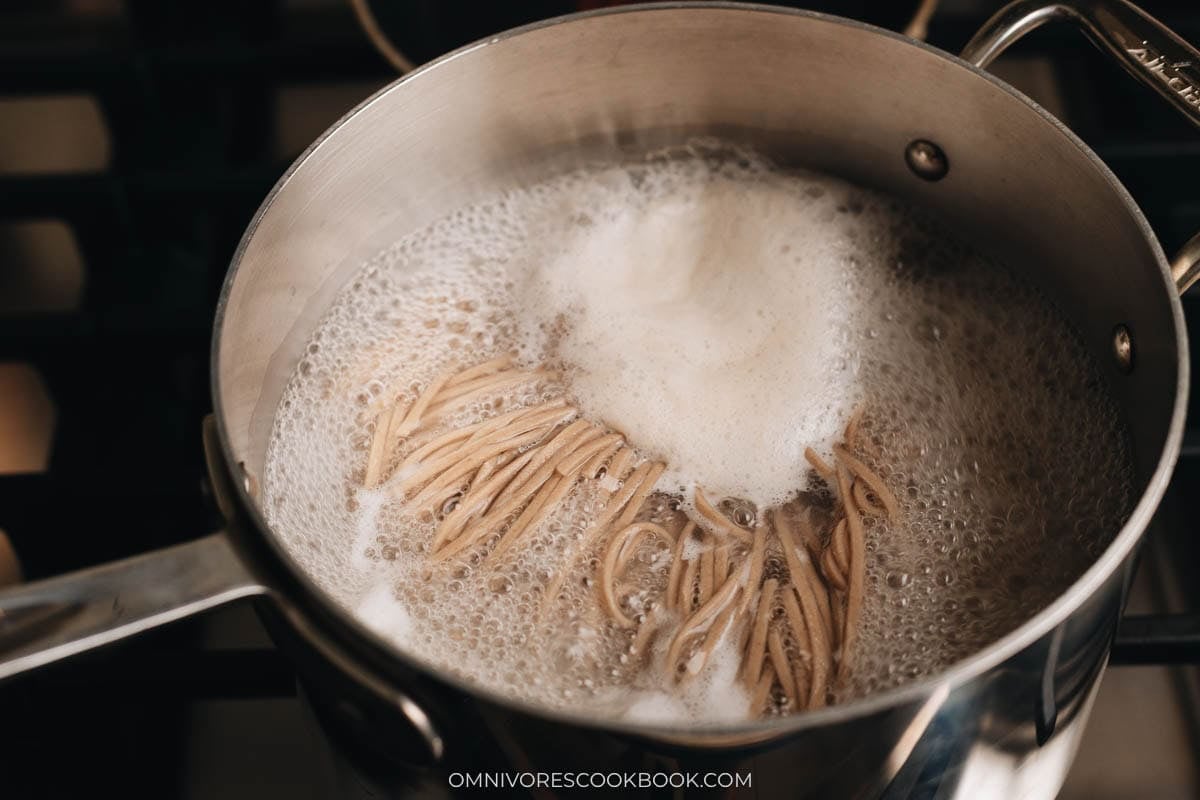
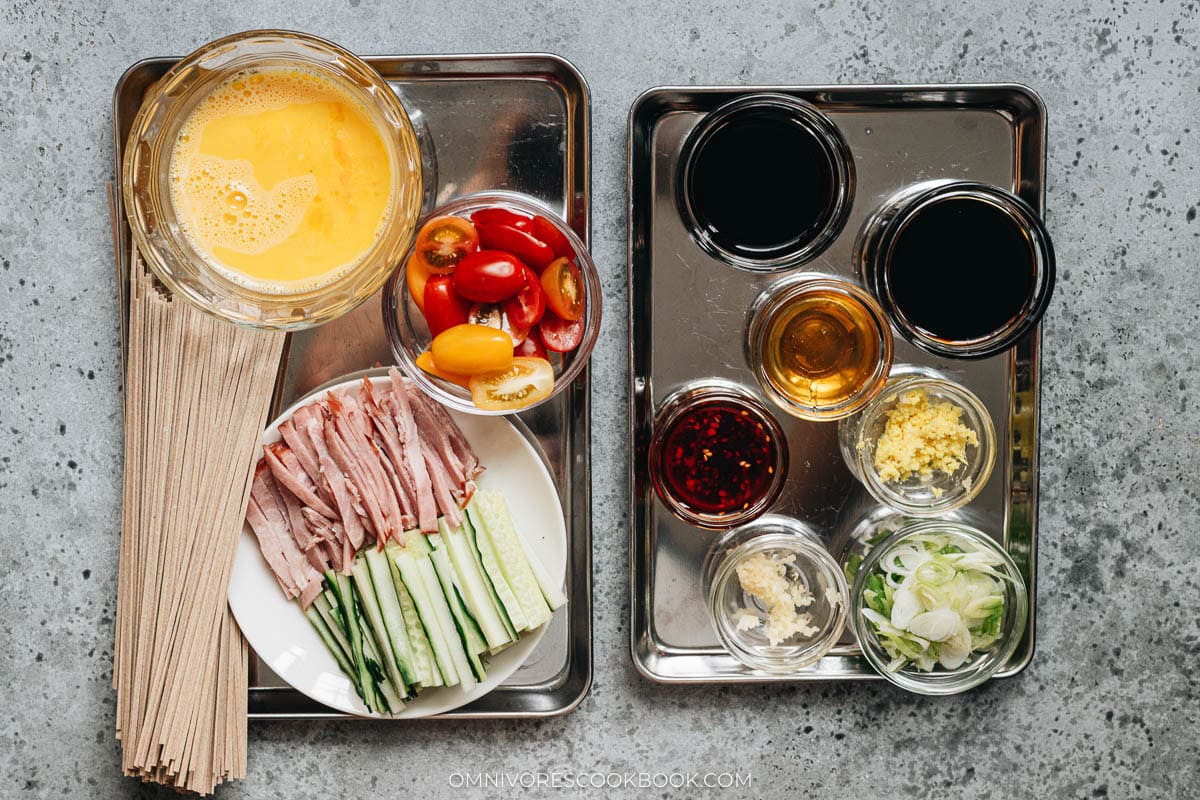
- Buckwheat Noodles: Dried Japanese soba serves as an accessible and reliable substitute for fresh Chinese varieties. Selecting brands with a high percentage of authentic buckwheat flour ensures the preservation of an earthy, nutty flavor profile, distinguishing the dish from refined wheat alternatives.
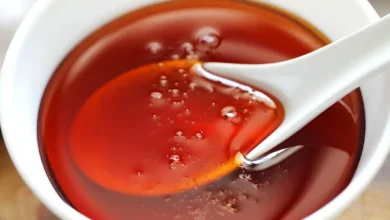
- Aromatic Dressing: The foundational dressing relies on a precise emulsion of light soy sauce, aged Chinkiang vinegar, Chinese chili oil infused with chili flakes, honey for sweetness, and freshly grated garlic and ginger.
- Protein Component: A thinly cooked egg crepe, seasoned lightly with salt, provides a delicate texture and visual contrast when sliced into uniform ribbons.
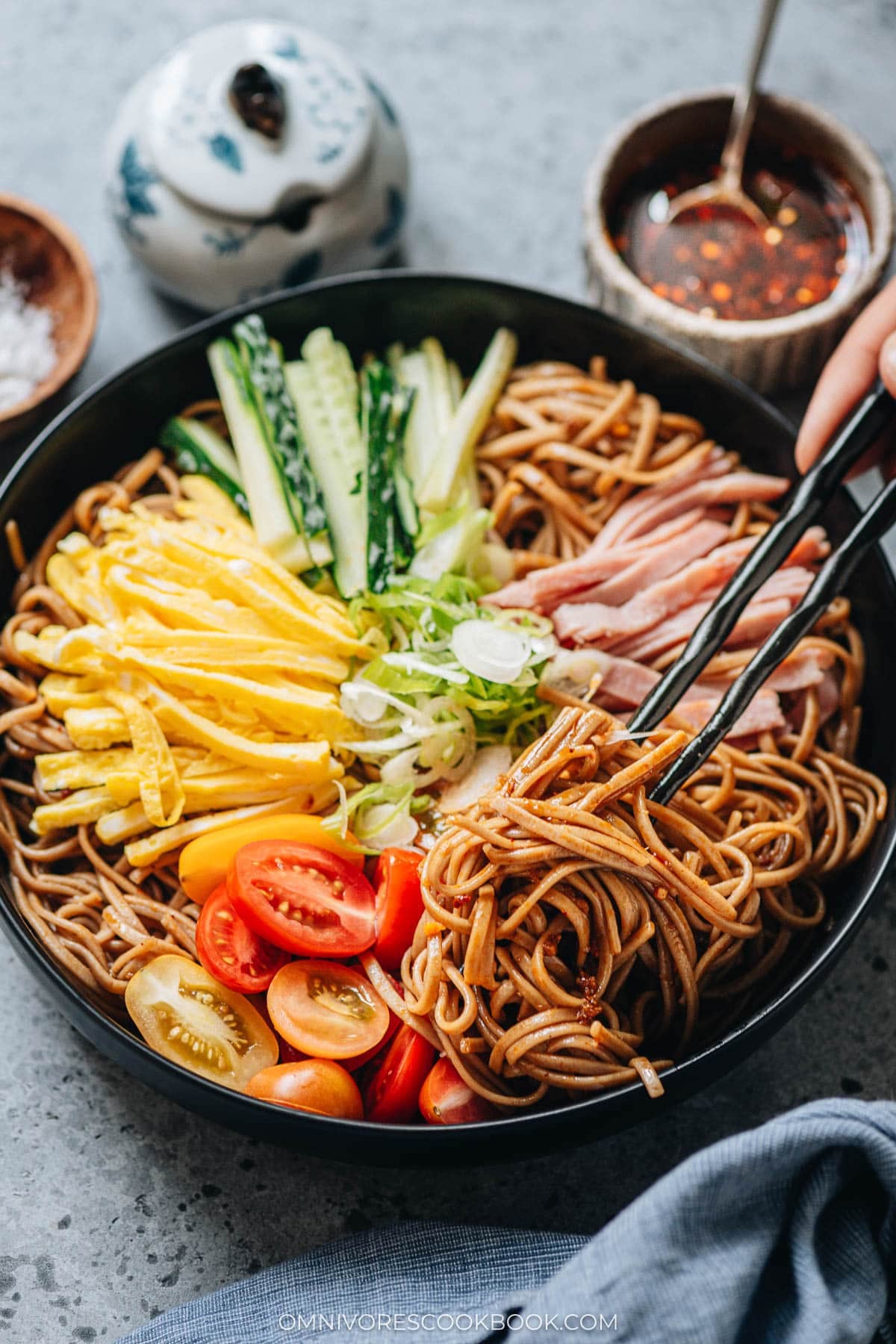
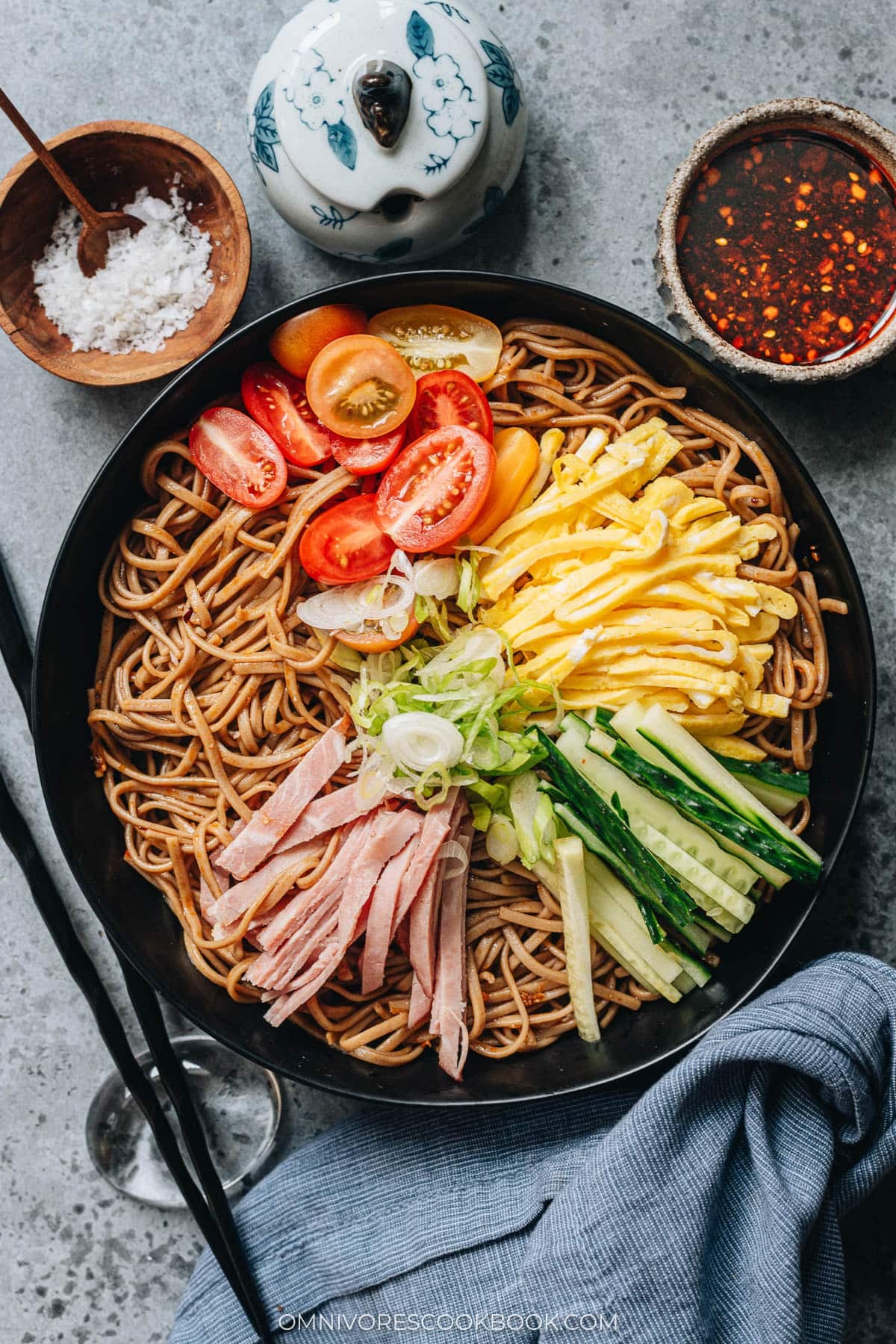
- Fresh Toppings: Thinly sliced uncured ham, fresh scallions, julienned Persian cucumbers, and halved cherry tomatoes contribute vital textural contrast, moisture, and vibrant acidity to balance the earthy flavor of the noodles.
Step-by-Step Preparation Methodology
- Cooking the Noodles: Submerge the dried soba noodles in a large pot of boiling water, cooking strictly according to package instructions until reaching an al dente texture. Immediately drain and submerge the noodles under cold running water to halt the cooking process, eliminate excess surface starch, and prevent clumping. Drain thoroughly before transferring to a mixing vessel.
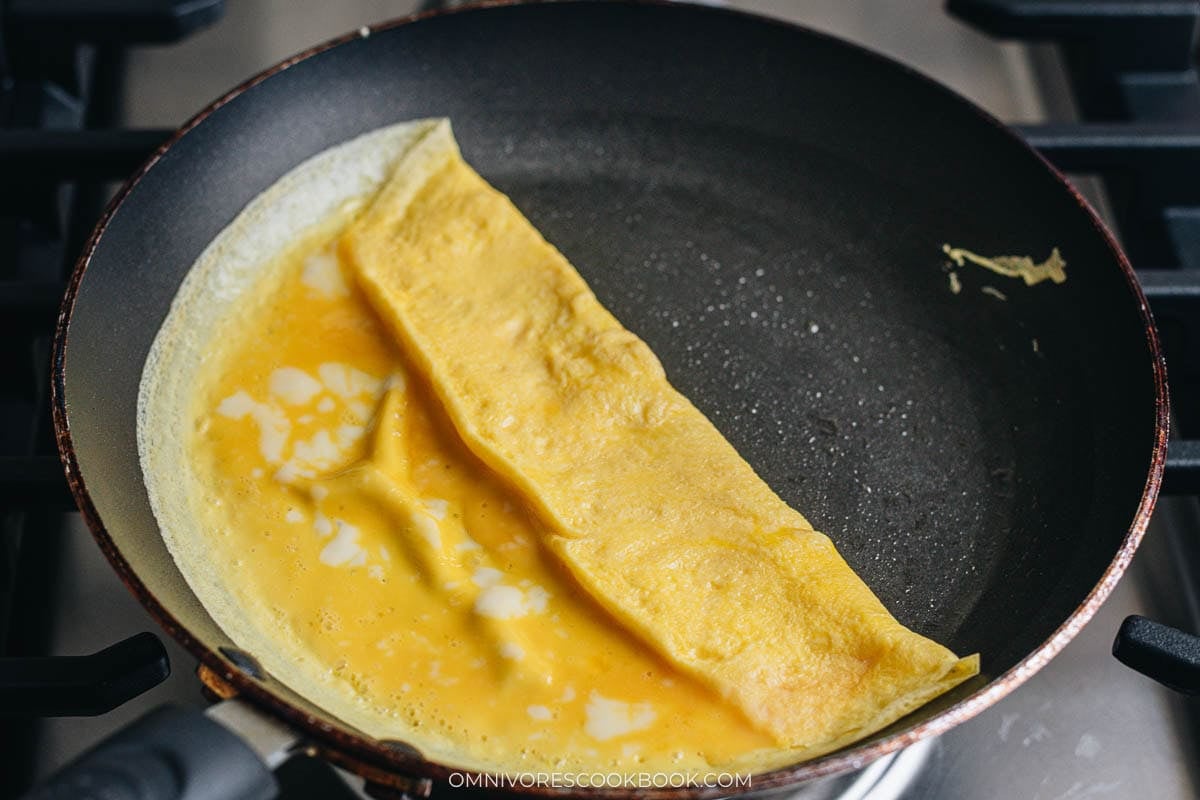
- Preparing the Egg Crepe: Coat a large non-stick skillet with a minimal film of neutral oil using a paper towel. Heat over medium for approximately 20 seconds. Pour in beaten eggs, swirling the skillet rapidly to form a thin, uniform circular layer.
- Setting and Folding: Cook until the egg is completely set, typically one to two minutes. Turn off the heat, gently release the edges with a spatula, and fold the sheet two to three times before transferring to a cutting board to cool.
- Slicing: Once handled safely, slice the cooled egg sheet into uniform strips measuring approximately one-quarter inch (half a centimeter) in width.
- Emulsifying the Dressing: Combine light soy sauce, Chinkiang vinegar, chili oil with flakes, honey, and freshly grated ginger and garlic in a medium bowl, whisking thoroughly to integrate.
- Assembly: Incorporate two-thirds of the prepared dressing directly into the cooled noodles, tossing until evenly coated. Divide the mixture into individual serving vessels and garnish systematically with sliced ham, egg strips, cucumber, cherry tomatoes, and scallions.
- Final Presentation: Drizzle the remaining dressing over the assembled bowls immediately prior to consumption to maintain optimal texture and flavor intensity.
Professional Culinary Tips for Optimal Results
- Precision Cooking: Pull buckwheat noodles from boiling water slightly early to prevent post-cooking softening. Overcooked cold soba loses its essential springy texture.
- Pan Conditioning: Maintain only a microscopic film of oil when cooking the egg sheet to prevent scrambling, ensuring clean, ribbon-like cuts.
- Aromatic Integration: Utilize a microplane to grate garlic and ginger rather than mincing. Grated aromatics integrate smoothly into thin dressings, preventing undesirable settling at the base of the bowl.
- Balancing Act: Taste the dressing independently before incorporating it into the noodles, adjusting salinity, acidity, and sweetness to align with individual preferences and ingredient variations.
- Uniform Slicing: Maintain uniform, thin cuts for all toppings to ensure that every bite delivers a balanced distribution of ingredients.
Serving Suggestions and Dietary Adaptations
Cold buckwheat noodle salads function effectively as independent main courses for lunch or light summer dinners, as well as components of larger shared spreads featuring room-temperature dishes such as wood ear mushroom salad, Sichuan wontons in chili oil, or Chinese eggplant with garlic sauce.
For dietary modifications, the dish adapts easily to vegetarian preferences by omitting the ham and substituting pan-seared firm tofu strips for protein. To reduce spice levels, culinary practitioners can substitute or dilute the chili oil with toasted sesame oil while maintaining sufficient lipid content to coat the noodles properly. Leftovers are best managed by storing components separately; pre-dressed noodles should be avoided to prevent moisture absorption and textural degradation.