Traditional Chinese Red Bean Soup: A Culinary Tradition of Nutrition, Heritage, and Modern Adaptation

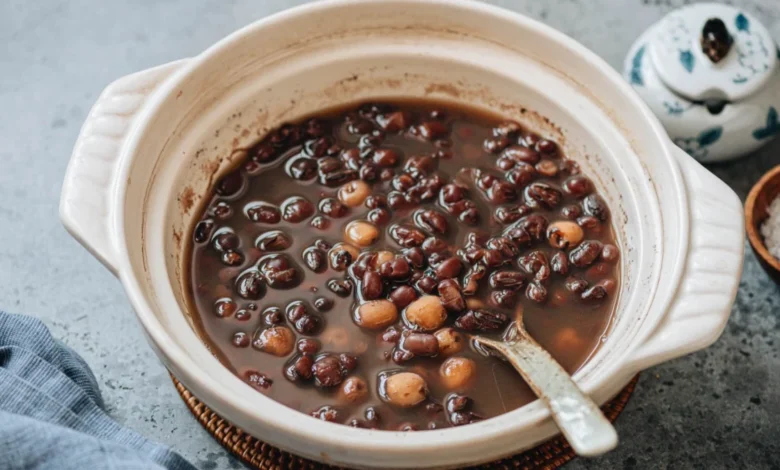
Traditional Chinese red bean soup, known culturally as hóngdòutāng, has long occupied a cherished position within East Asian culinary heritage. Revered for its delicate sweetness, earthy fragrance, and versatile serving temperatures, this classic dessert soup marries simplicity with complex nutritional benefits. As modern nutritional science increasingly validates traditional dietary practices, dishes like red bean soup are experiencing a resurgence in global culinary interest, celebrated not only for their comforting taste profile but also for being naturally vegan, gluten-free, and nutrient-dense.
Historical Background and Cultural Context
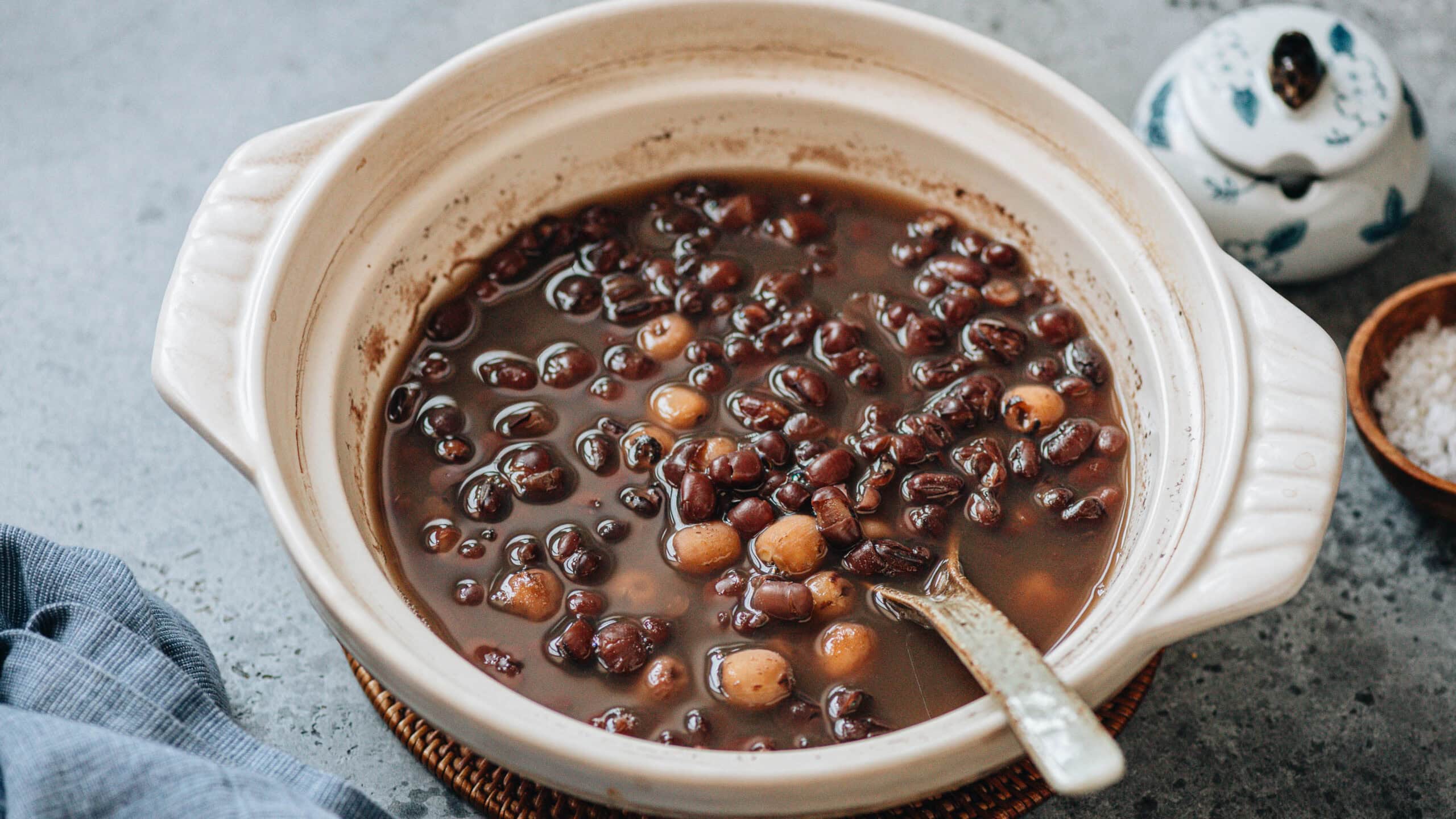
The origins of red bean soup trace back centuries within Chinese culinary history, where azuki beans (Vigna angularis) have been cultivated and utilized for both medicinal and gastronomic purposes since ancient times. Traditionally rooted in the principles of Chinese dietary therapy, azuki beans are categorized as a warming or neutral food depending on preparation, historically believed to promote circulation, reduce swelling, and aid in metabolic functions.
In domestic households across northern and southern China, particularly in cultural hubs like Beijing, variations of red bean soup have served as household staples across generations. Historically consumed to combat seasonal transitions—offering warmth during damp, cold winters and serving as a chilled, electrolyte-rich refreshment during humid summer months—the recipe represents a masterclass in culinary resourcefulness. Requiring only a handful of pantry staples, the dish relies heavily on the quality of its primary ingredient and patient, low-heat simmering to unlock the natural sugars and starches encapsulated within the hard seed coat of the azuki bean.
Nutritional Profile and Health Implications
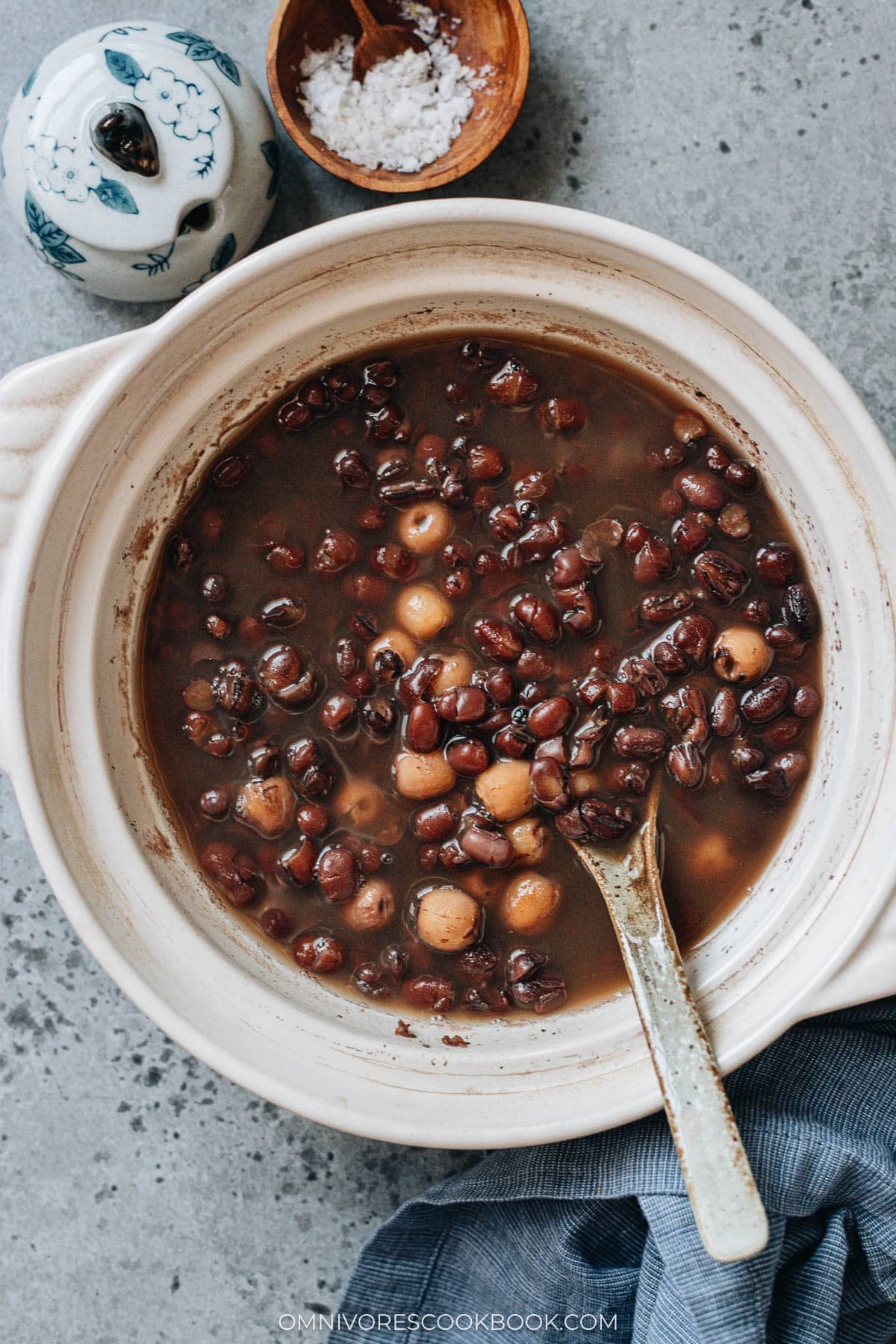
From a contemporary nutritional perspective, traditional red bean soup aligns closely with dietary recommendations promoting plant-based, whole-food consumption. Standard nutritional data for a typical serving of the soup highlights its dense macronutrient and micronutrient composition. A single portion averages approximately 189 kilocalories, containing 37.2 grams of carbohydrates, 10.4 grams of plant-based protein, and an exceptionally low fat content of just 0.5 grams.
Furthermore, the dish is a robust source of dietary fiber, supplying approximately 7 grams per serving, which supports gastrointestinal health and sustained glycemic control. Micronutrient analyses indicate notable levels of potassium (625 milligrams), iron (3.1 milligrams), and calcium (30 milligrams). Because the recipe utilizes unrefined or minimally processed sweeteners like rock sugar in controlled quantities—often yielding around 10 grams of sugar per serving—it avoids the insulin spikes associated with heavily processed Western desserts. The inclusion of optional traditional elements such as dried tangerine peel (chenpi) introduces flavonoids associated with digestive aid, while lotus seeds and raw peanuts contribute complementary amino acids and healthy lipids, enhancing the dish’s overall nutritional completeness.
Culinary Preparation and Methodological Chronology
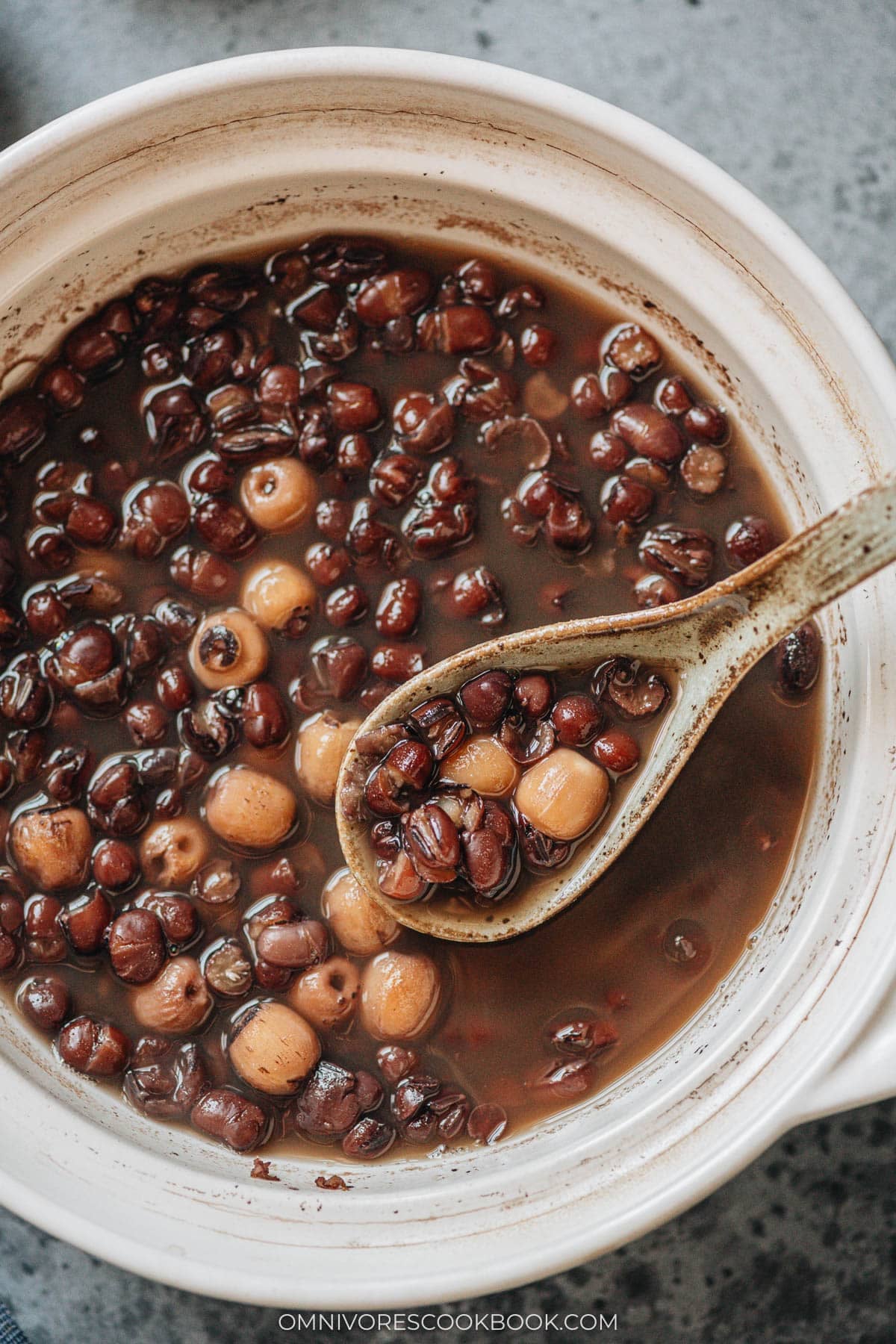
Preparing authentic red bean soup demands an understanding of bean hydration, thermal breakdown, and flavor infusion. The culinary process follows a strict chronological framework designed to optimize texture and flavor extraction.
Phase 1: Hydration and Soaking
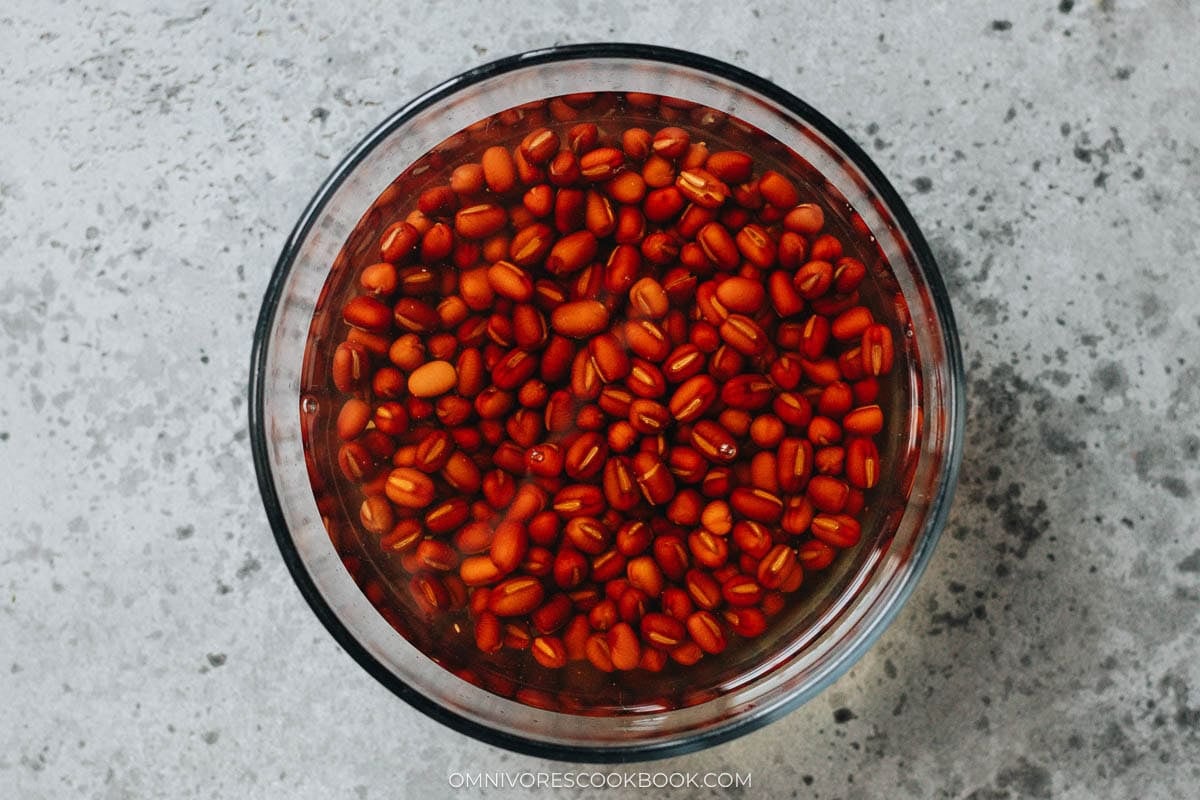
The process initiates with the meticulous rinsing and sorting of dried azuki beans. To ensure uniform cooking rates and soft texturizing, the beans undergo a mandatory overnight soaking period of approximately 8 to 12 hours in excess water. This rehydration phase softens the cellular walls of the legume, significantly reducing subsequent thermal cooking times and facilitating the eventual release of starches necessary for a naturally thickened broth.
Phase 2: Initial Simmering and Aromatics
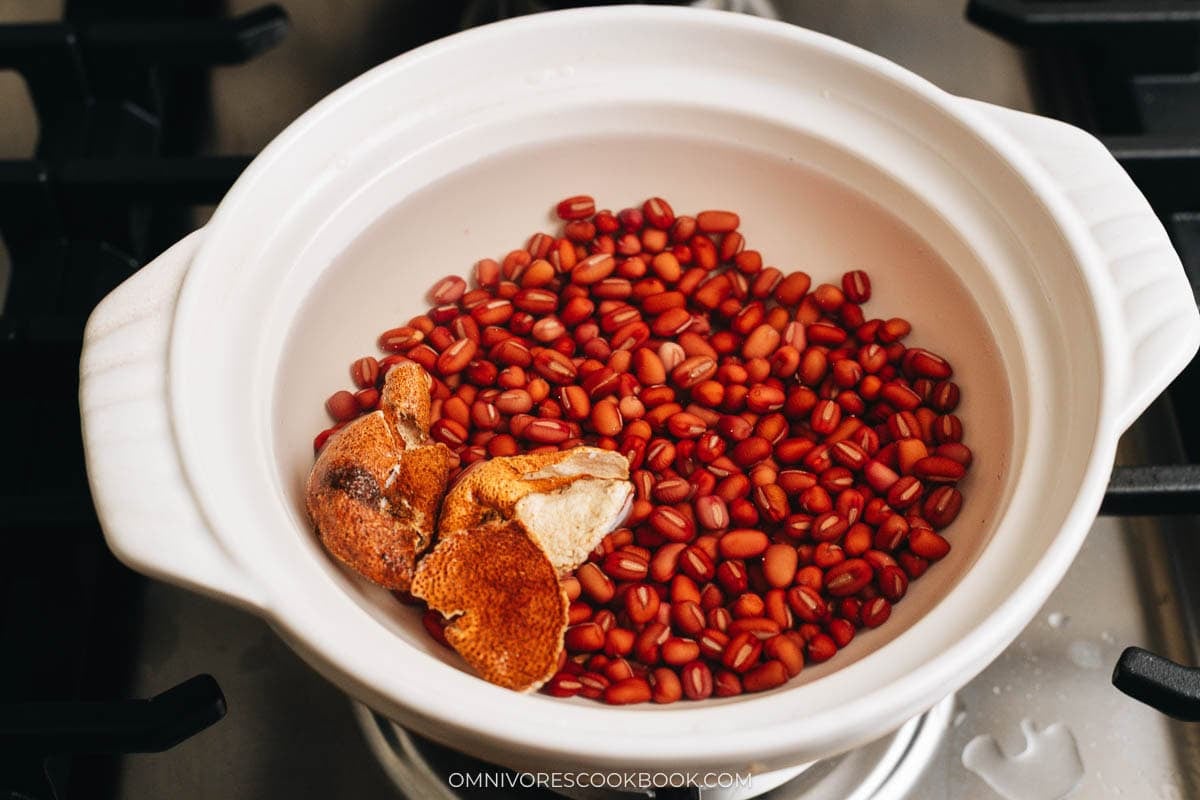
Following the soaking phase, the drained beans are transferred to a heavy-bottomed vessel alongside approximately eight cups of fresh water and a measured quantity of aged, dried tangerine peel (typically restricted to a coin-sized portion to prevent bitterness). For variations incorporating raw peanuts—which possess a dense cellular structure requiring extended heat application—these are introduced at this primary stage. The mixture is brought to a rapid boil before reducing the heat to a medium-low setting, establishing a steady, rolling simmer.
Phase 3: Controlled Reduction
The pot is maintained at a partially covered state for approximately one hour. This equilibrium allows adequate steam venting to prevent boil-overs while encouraging controlled evaporation, concentrating the bean essence into a translucent, reddish broth.
Phase 4: Seasoning and Secondary Additions
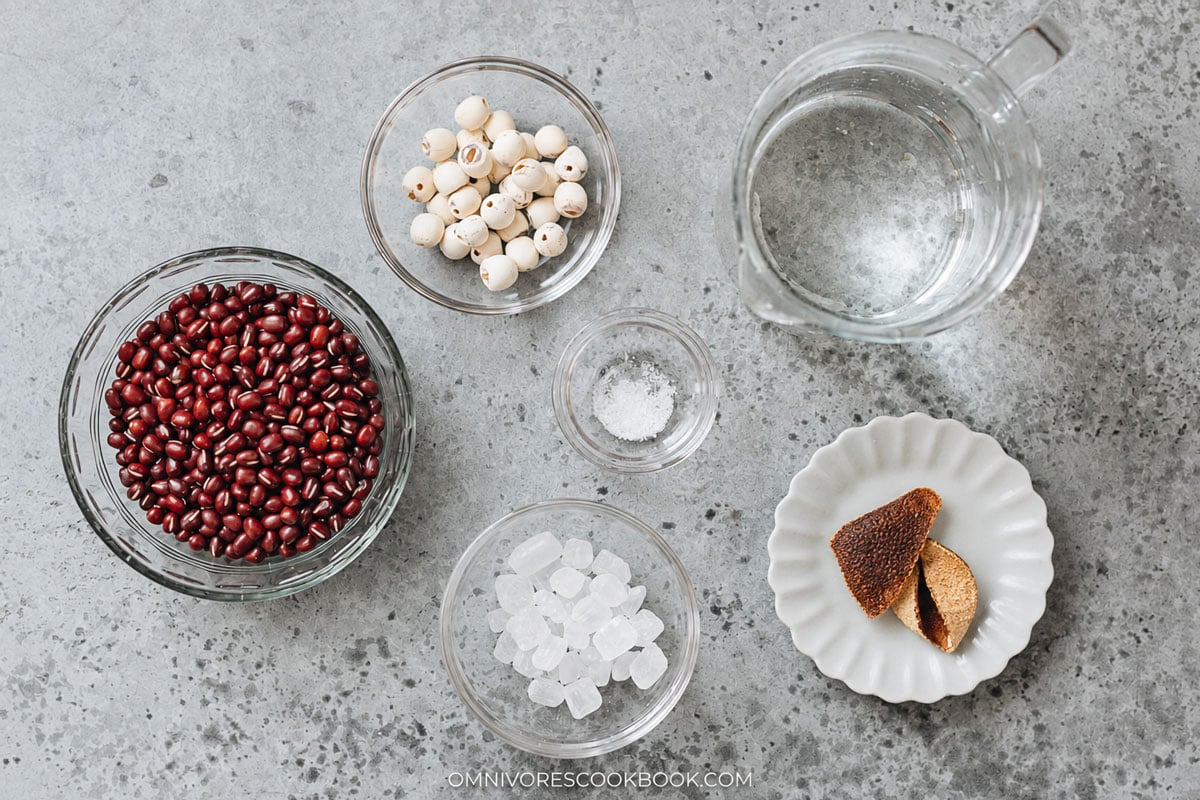
Crucially, sweetening agents and delicate additions are withheld until the final stages of cooking. Rock sugar, a preferred sweetener in traditional Chinese patisserie known for providing a clean, non-cloying profile, along with a precise pinch of salt to balance the flavor matrix, is stirred into the pot alongside optional dried lotus seeds. The mixture continues to simmer for an additional 40 minutes with frequent agitation to prevent starchy bottom-scorching, until the azuki beans achieve a butter-soft consistency and a portion of the legumes naturally disintegrate to yield a velvety, silken broth.
Phase 5: Serving and Temperature Adaptation
Upon completion, the soup is evaluated for sweetness adjustments and served according to seasonal preference. It can be consumed immediately while hot or warm, or chilled thoroughly in refrigeration units for a refreshing, cooling beverage variant.
Modern Adaptations and Troubleshooting
As home cooking trends shift toward kitchen efficiency, contemporary adaptations of the red bean soup recipe have emerged to accommodate time constraints. Most notably, the integration of electric pressure cookers and multi-cookers—such as the Instant Pot—has altered traditional timelines. When overnight soaking is omitted, culinary practitioners utilize pressure cooking parameters (such as high pressure for 30 minutes with natural release) to achieve comparable tenderness in a fraction of the time.
However, culinary experts emphasize adherence to fundamental preparation rules to avoid common pitfalls. For instance, premature addition of sugar can harden the pectin within the bean skins, permanently halting the softening process. Similarly, strict portion control regarding aged tangerine peel remains paramount, as excessive amounts introduce overpowering volatile oils that compromise the broth’s delicate profile. For storage, cooked red bean soup maintains optimal quality in airtight refrigeration for three to four days, though continuous starch absorption requires occasional dilution with hot water upon reheating.
Broader Industry Impact and Cultural Preservation
The enduring popularity of red bean soup underscores a broader global shift toward heritage-based, allergen-friendly gastronomy. Being inherently vegan, dairy-free, and gluten-free without the reliance on chemical texturizers or synthetic binding agents, the dish satisfies modern consumer demands for clean-label, transparent eating. Culinary historians and nutritionists alike note that the preservation of recipes like hóngdòutāng serves as a vital bridge between ancestral wisdom and contemporary nutritional science, validating the health-promoting properties embedded within traditional Asian culinary arts.