The Ultimate Guide to Making Crispy Chinese Salt and Pepper Fried Eggplant at Home

The culinary landscape of home cooking frequently revolves around the search for textures that elevate simple produce into extraordinary dining experiences. Among the various techniques utilized in global gastronomy, the traditional Chinese method of frying vegetables—specifically eggplant—stands out for its ability to yield a shatteringly crisp exterior while maintaining a meltingly tender interior. Culinary researchers and home cooks alike have long sought the ideal methodology to bypass the common pitfalls of cooking eggplant, which often include excess oil absorption and a soggy texture. Recent kitchen developments have highlighted a specialized, multi-stage preparation process that utilizes Chinese eggplant varieties and a classic Cantonese seasoning profile to achieve optimal results.
Main Facts and Culinary Background
At the center of this culinary focus is the salt and pepper eggplant recipe, a dish that diverges significantly from Western preparations such as breaded eggplant parmesan or marinara-topped slices. Instead of relying on heavy breadcrumbs and Italian cheeses, the Chinese technique leverages an intricate balance of aromatics and a unique dredging method.
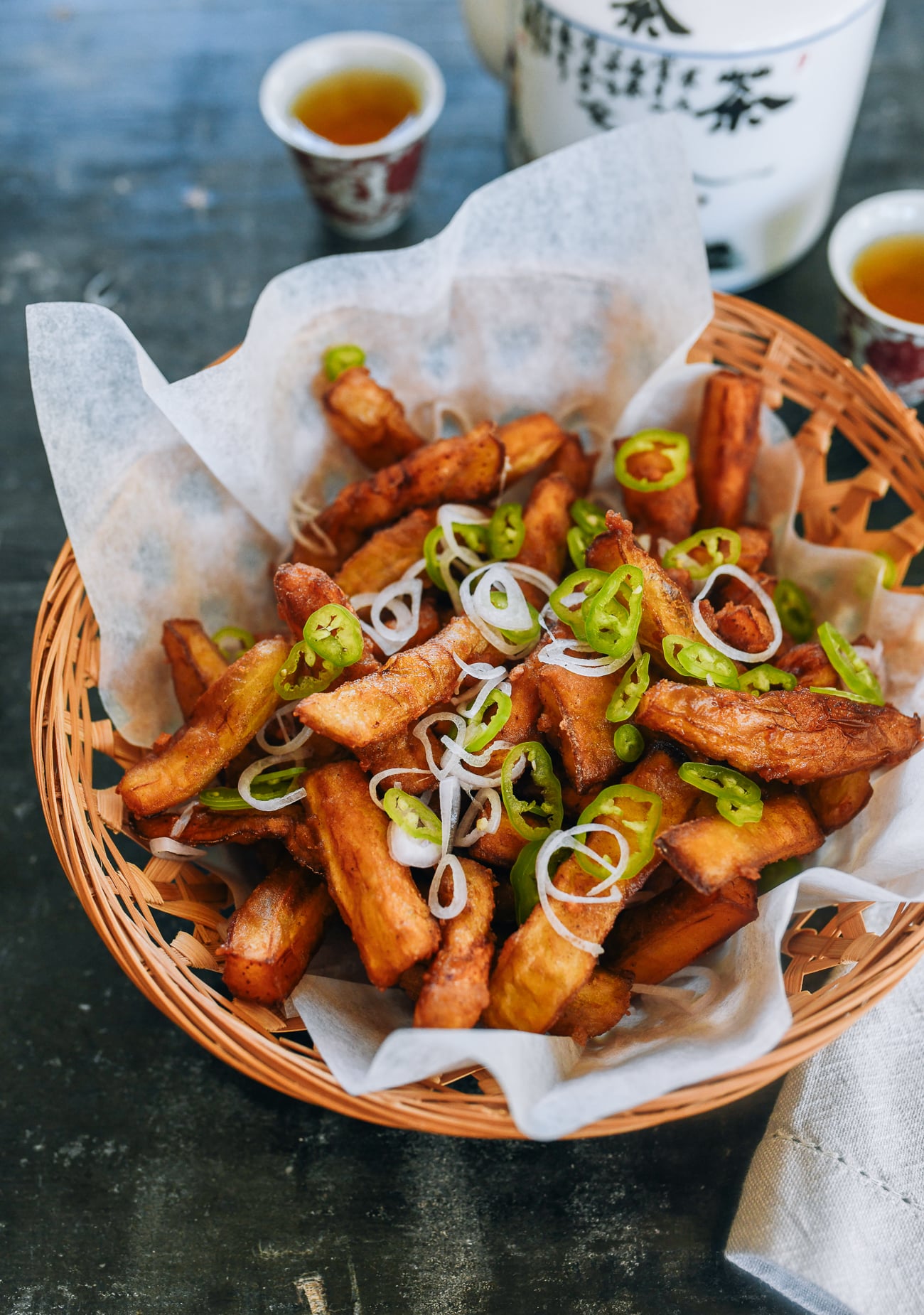
The primary component of the dish relies on the selection of the correct vegetable variety. While standard globe eggplants are widely available in Western supermarkets, culinary experts strongly advocate for long Chinese or Japanese eggplants. Extensive kitchen testing indicates that these slender varieties possess significantly thinner skins and fewer seeds compared to their globe counterparts. Consequently, they yield a sweeter flavor profile, enhanced interior tenderness, and a notable absence of the bitterness frequently associated with larger eggplants. Furthermore, the thinner skin eliminates the labor-intensive requirement of peeling the vegetable prior to cooking.
Seasoning the dish requires a departure from standard black peppercorns. Cantonese cuisine heavily favors the application of white pepper, a spice known for its distinct, aromatic, and deeply powdery warmth that provides a sharper edge than its black counterpart. When combined with fine sea salt, a touch of five-spice powder, garlic powder, and a minimal amount of sugar and sesame oil, the seasoning penetrates the eggplant sticks during a crucial resting phase.
Chronology and Step-by-Step Preparation Methodology
Achieving the desired texture requires strict adherence to a timed sequence of preparation, seasoning, resting, and frying. Professional test kitchens outline a precise chronological framework to ensure structural integrity and maximum crispness without the incorporation of liquid binding agents like eggs.
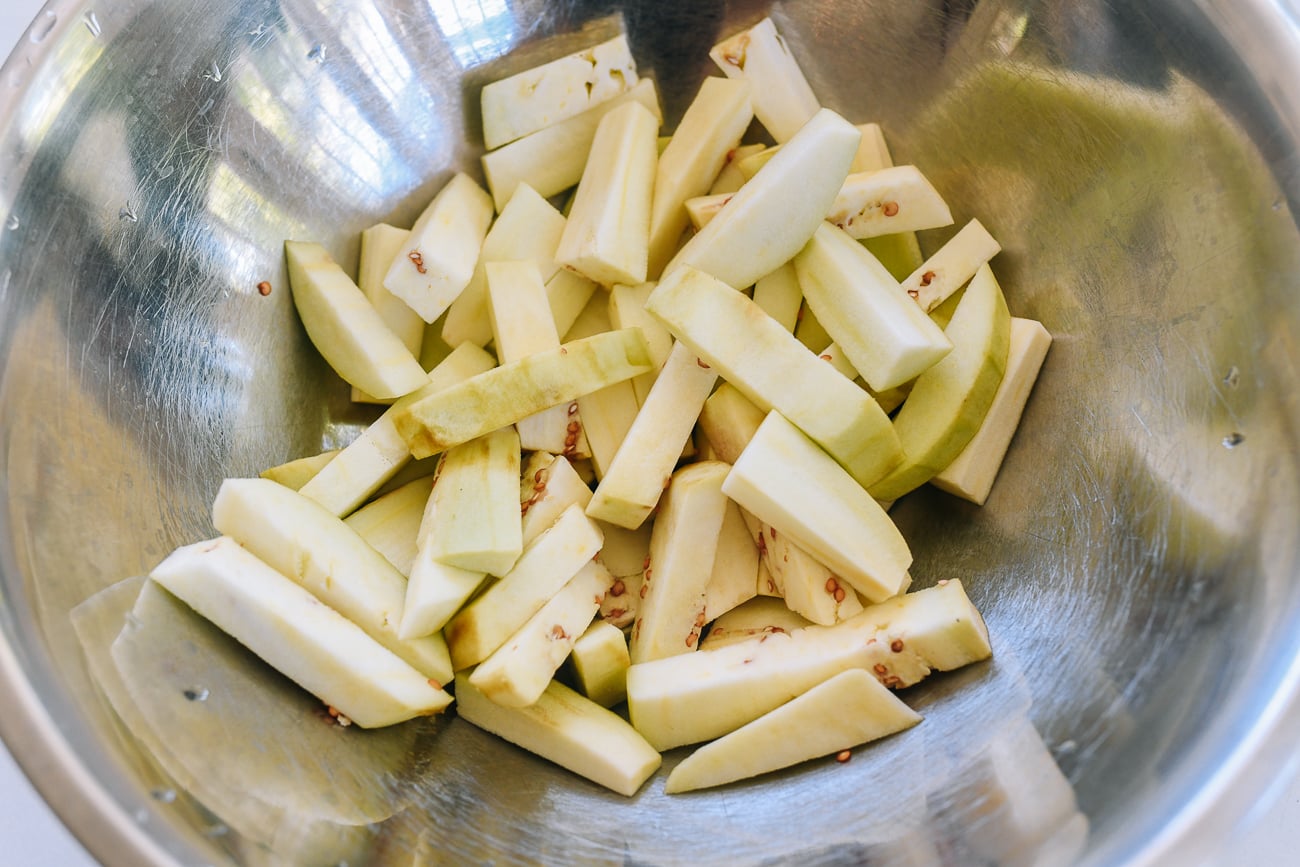
The process begins with the structural reduction of the vegetable. Eggplants are cut uniformly into sticks measuring approximately three-quarters of an inch in thickness and three inches in length.
Phase One: Marination and Moisture Extraction (0 to 10 Minutes)
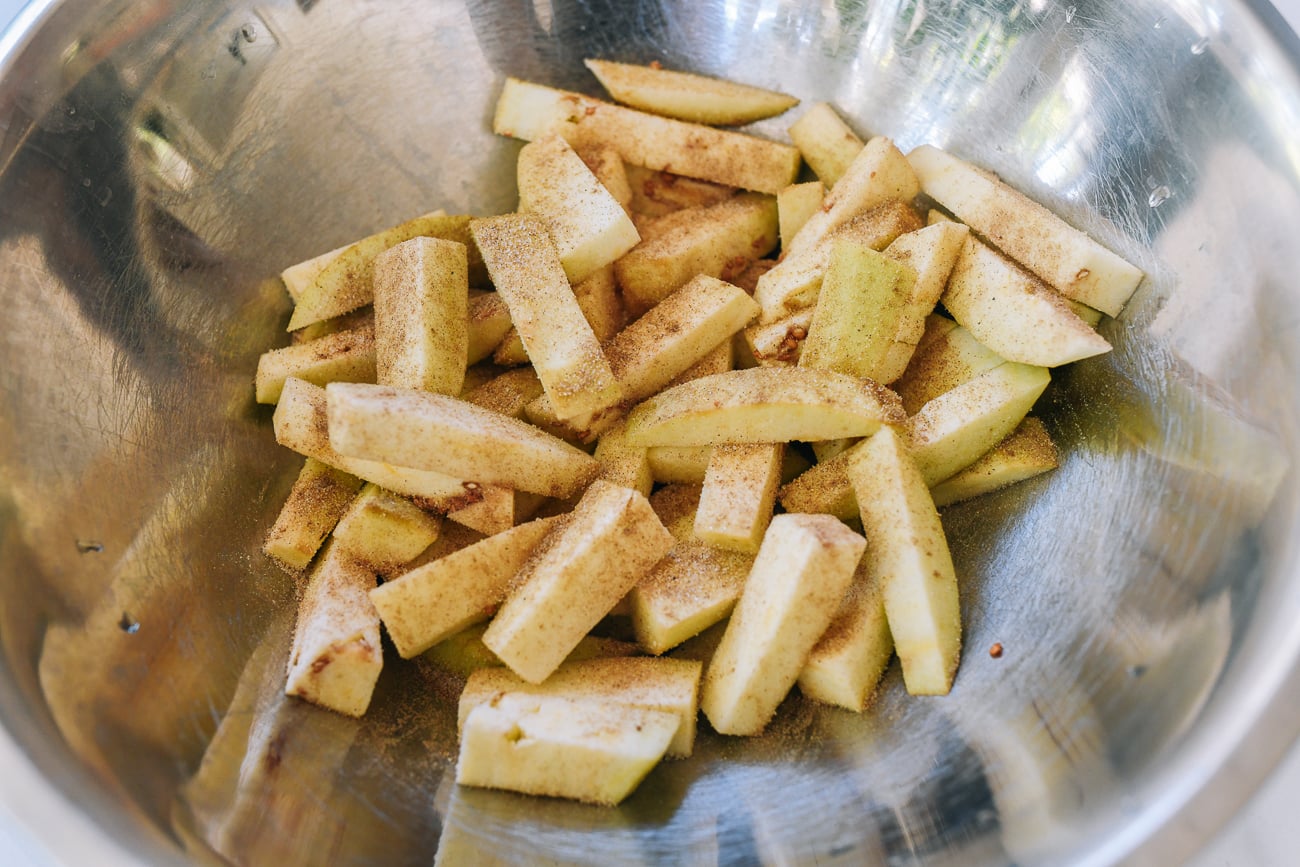
The cut eggplant sticks are transferred to a mixing bowl and combined with salt, white pepper, garlic powder, five-spice powder, a small quantity of sugar, and sesame oil. The mixture is thoroughly tossed to ensure even distribution. The ingredients are then left to rest for 10 minutes. During this window, the osmotic pressure created by the salt draws out excess moisture from the cellular structure of the eggplant, effectively seasoning the interior while reducing the water content that typically causes sogginess during frying.
Phase Two: Initial Coating Application (10 to 15 Minutes)
Following the initial marination, two tablespoons of panko breadcrumbs are sprinkled over the eggplant and lightly tossed, allowing them to adhere to the naturally moistened surface. The mixture rests for an additional five minutes.
Phase Three: The Advanced Dredging Process (15 to 20 Minutes)
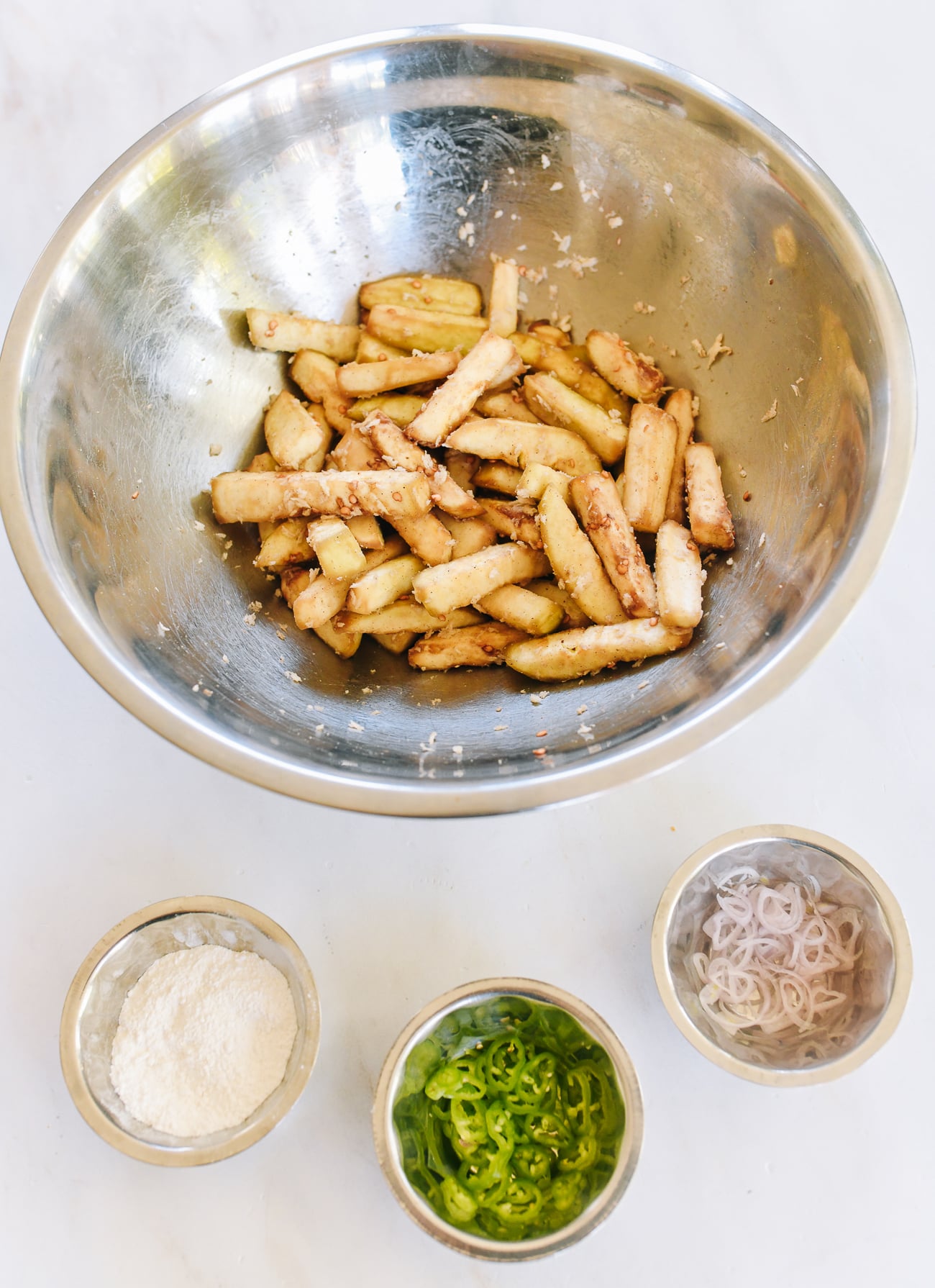
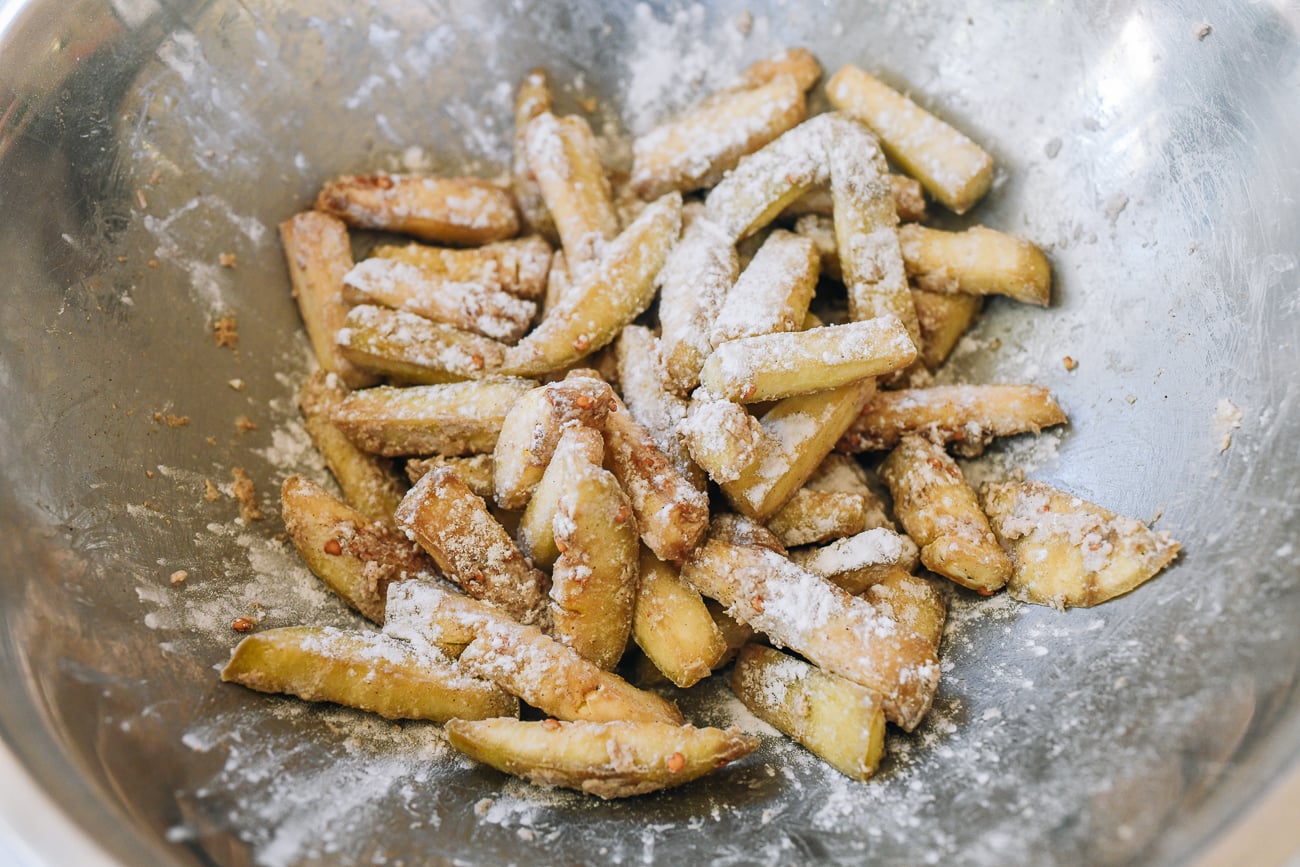
In a separate bowl, a precise blend of cornstarch and rice flour is prepared. Half of this flour mixture is added to the eggplant and tossed. The ingredients are left to rest for a further five minutes. During this period, the eggplant continues to release moisture, which is actively absorbed by the cornstarch and rice flour coating. This natural integration forms a cohesive, uniform layer without the necessity of liquid batters or whole eggs.
Phase Four: The First Frying Stage (Cooking Phase)
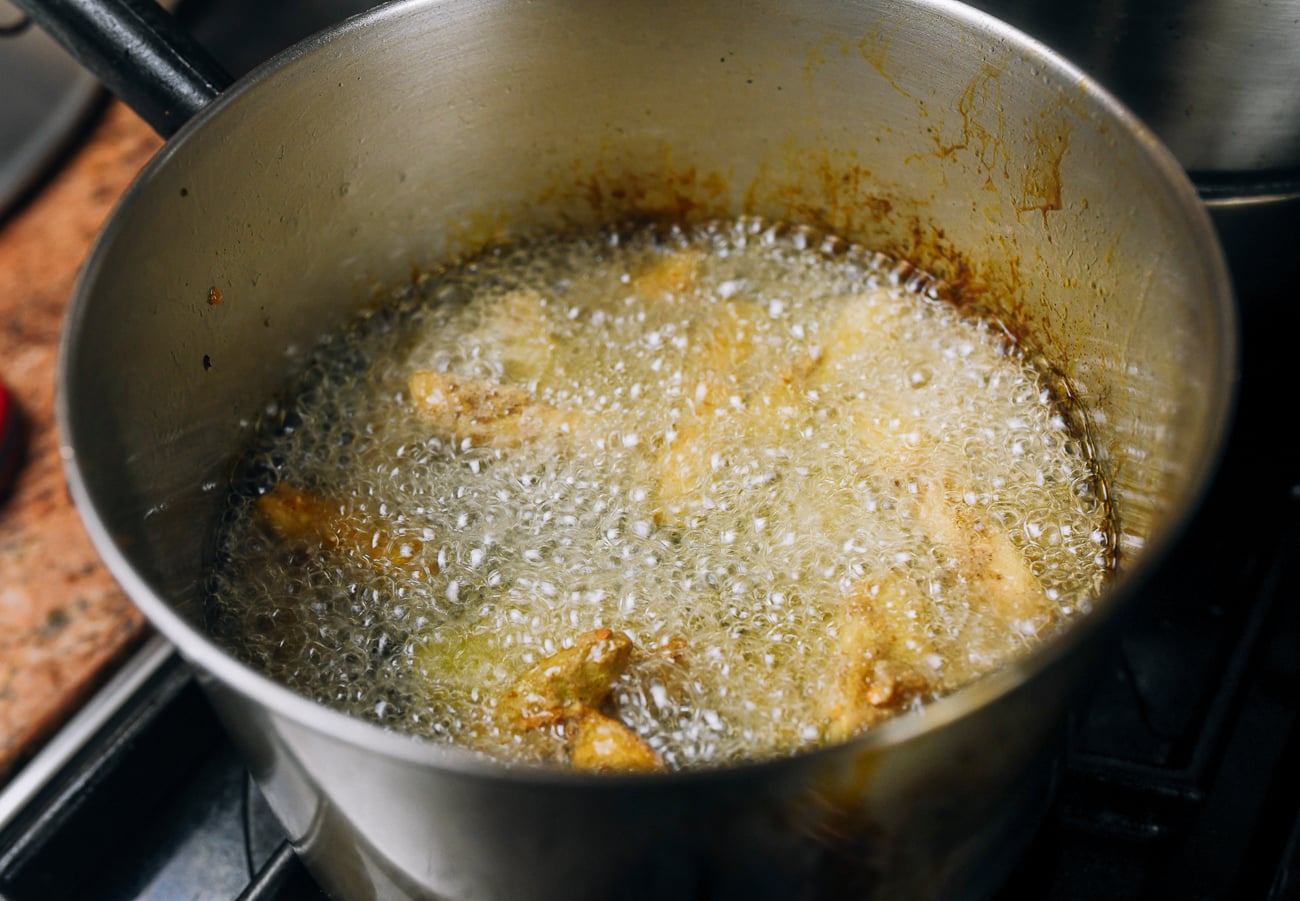
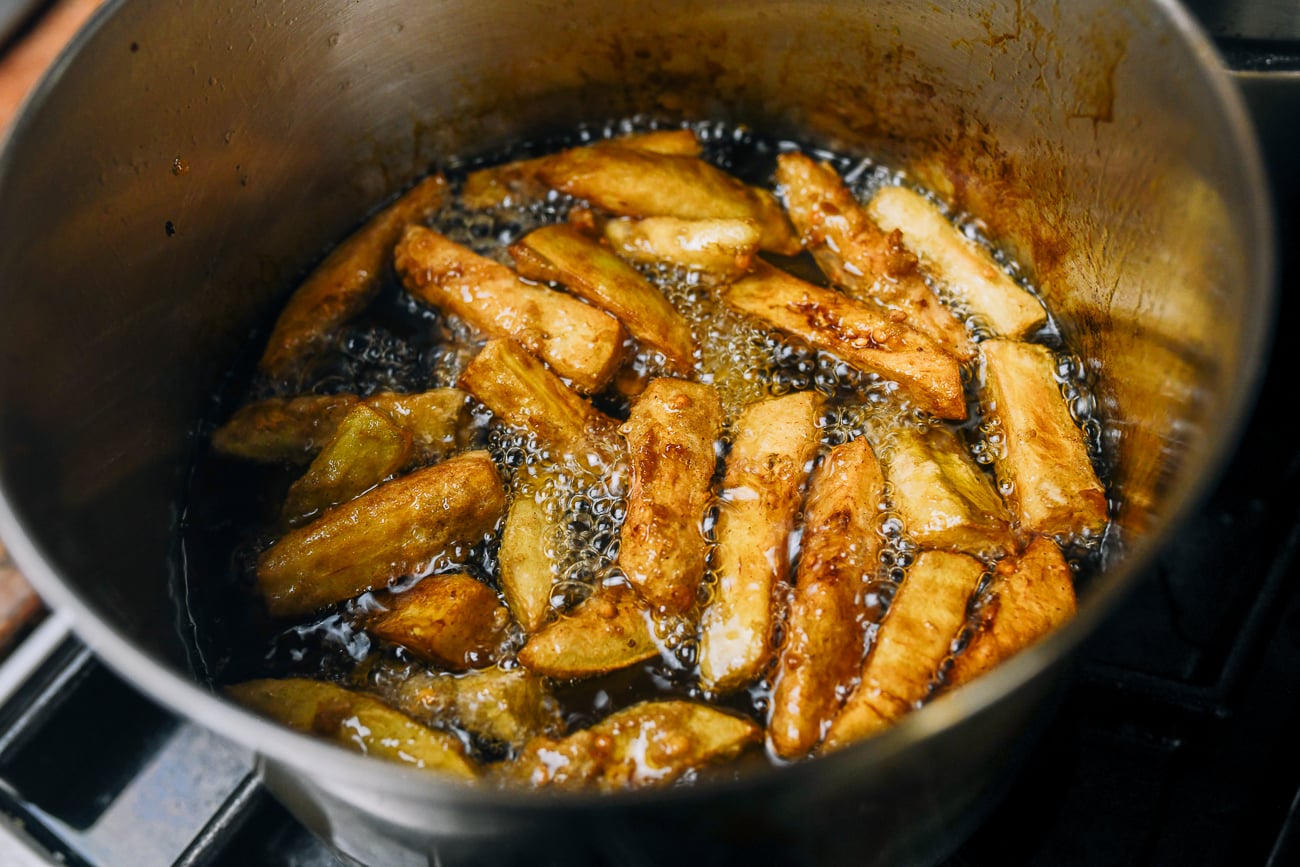
Frying oil is heated in a deep pot to a precise temperature of 325 degrees Fahrenheit (165 degrees Celsius). The remaining half of the cornstarch and rice flour mixture is tossed with the eggplant immediately prior to cooking. The eggplant sticks are then deep-fried in manageable batches for four to five minutes. This initial cooking phase thoroughly cooks the interior vegetable while setting a light, preliminary crust on the exterior. The batches are removed using a culinary spider or strainer, allowed to drain of excess oil, and transferred to paper towel-lined plates.
Phase Five: The Double-Fry Method and Final Assembly (Concluding Phase)
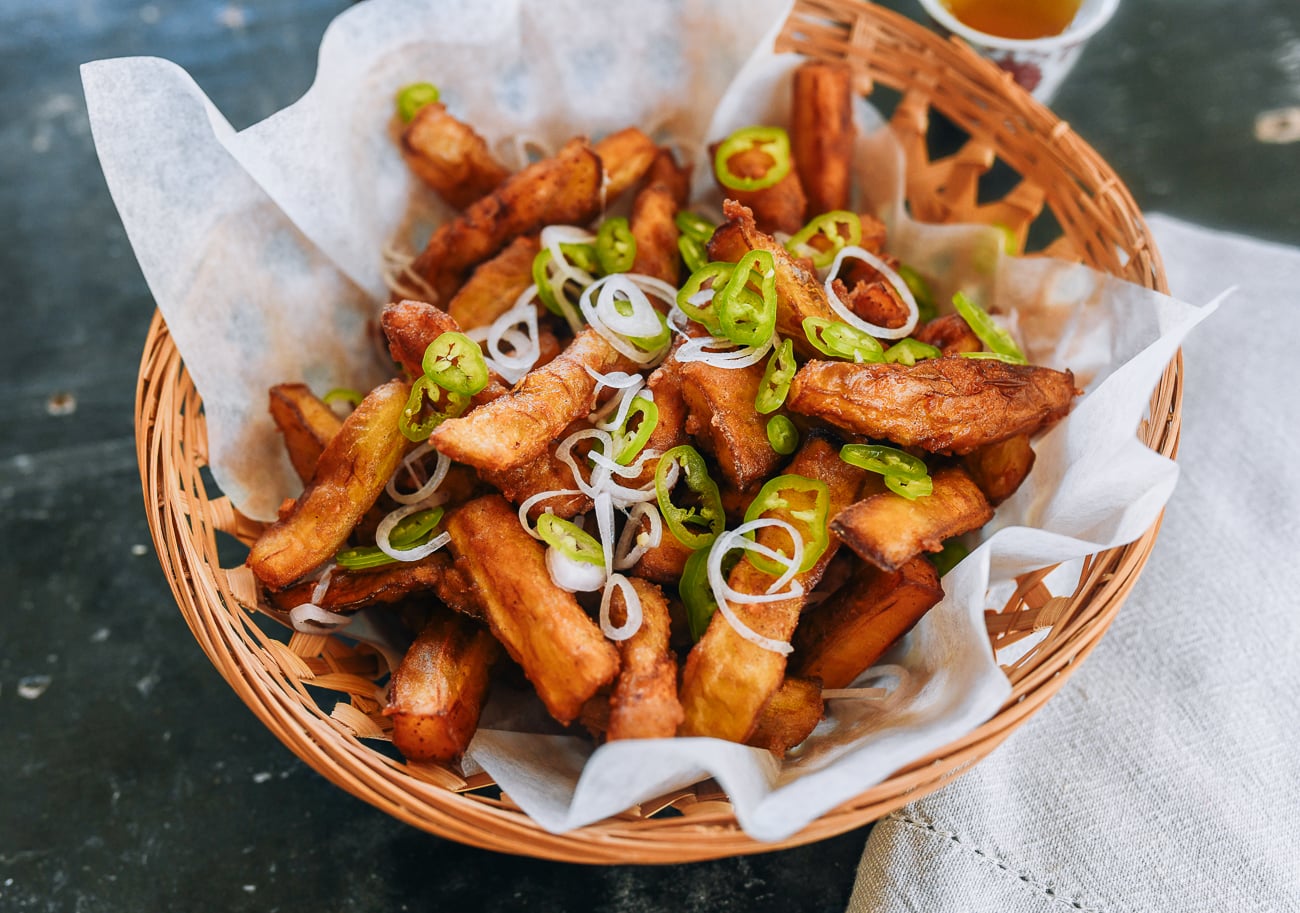
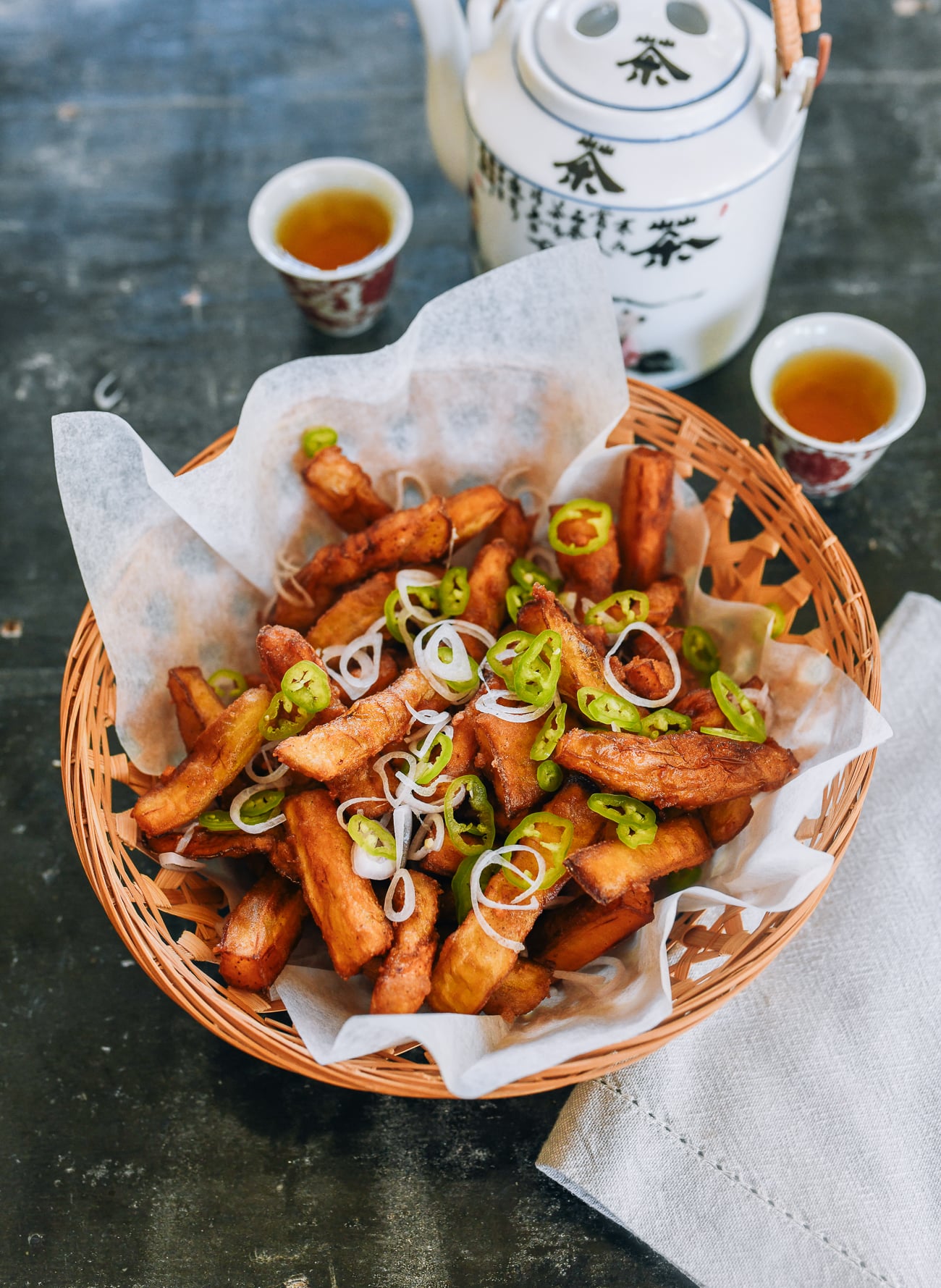
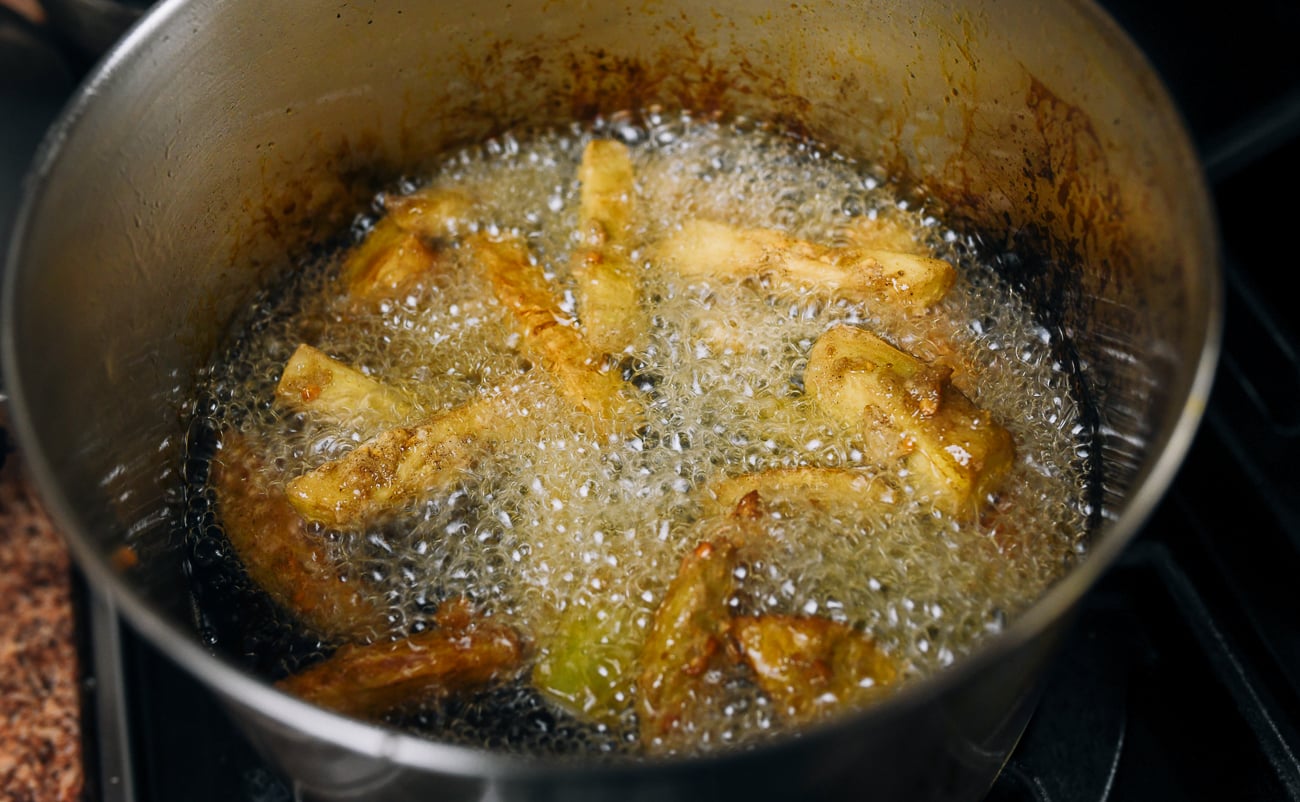
To achieve the characteristic deep golden hue and long-lasting crunch, the frying oil is heated to 350 degrees Fahrenheit (180 degrees Celsius). All the pre-fried eggplant pieces are returned to the hot oil for a final, rapid cooking cycle lasting approximately two minutes. This double-fry technique is a foundational pillar in Asian culinary science; the first fry ensures internal doneness and structural formation, while the second high-heat fry drives off residual surface moisture and locks in the exterior crunch.
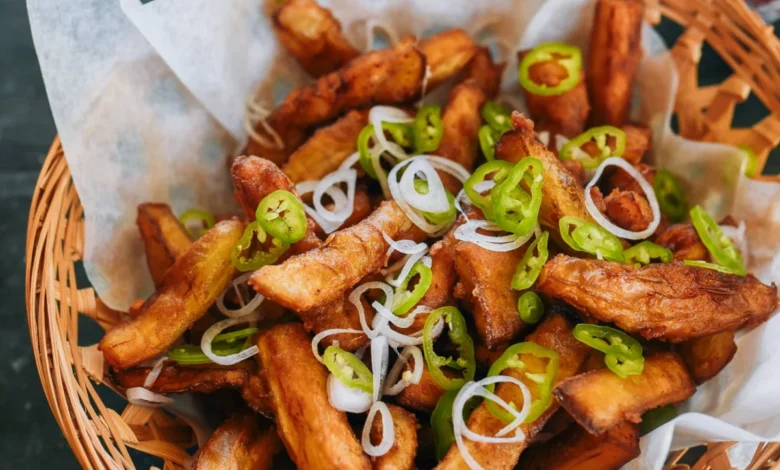
Upon completion of the second fry, the eggplant is drained once more. For service, the dish can be garnished with freshly sliced green peppers and raw shallots, accompanied by an optional final dusting of a salt and white pepper blend.
Supporting Data and Nutritional Profile
Nutritional analysis of the prepared dish provides valuable data for individuals monitoring their dietary intake. Standard dietary evaluations of a typical four-serving preparation indicate the following approximate nutritional values per serving:
- Calories: 206 kcal
- Carbohydrates: 18 grams
- Dietary Fiber: 4 grams
- Sugars: 5 grams
- Protein: 2 grams
- Total Fat: 15 grams (comprising 1 gram of saturated fat, 4 grams of polyunsaturated fat, and 9 grams of monounsaturated fat)
- Sodium: 621 milligrams
- Potassium: 279 milligrams
- Iron: 1 milligram
- Calcium: 22 milligrams
These figures reflect standard ingredient measurements, though culinary specialists emphasize that variables such as oil absorption rates and specific brand formulations can introduce minor fluctuations in the final nutritional output.
Industry Analysis and Broader Implications
The widespread popularity of salt and pepper preparations across various ingredients—ranging from squid and pork chops to tofu and vegetables—demonstrates the enduring appeal of Cantonese flavor profiles in contemporary home and restaurant kitchens. Food historians note that the salt and pepper seasoning technique highlights a broader trend in global gastronomy: the elevation of humble, plant-based ingredients through precision cooking methods rather than reliance on expensive proteins.
Furthermore, the emphasis on the double-fry method underscores the technical precision required in modern home cooking. As culinary education becomes increasingly accessible through digital platforms and specialized test kitchen publications, home cooks are adopting techniques traditionally reserved for professional restaurant environments. The elimination of unnecessary binding agents, such as liquid eggs, in favor of moisture-activated starches represents a refinement in texture science that reduces heaviness while maximizing crispness.
As consumer interest in diverse international flavors continues to expand, recipes that demystify traditional preparation methods while offering accessible ingredient substitutions—such as utilizing globe eggplants when Chinese varieties are seasonally unavailable—bridge the gap between authentic heritage cooking and modern domestic convenience.