The Ultimate Guide to Mastering Traditional Shanghai Wonton Soup at Home

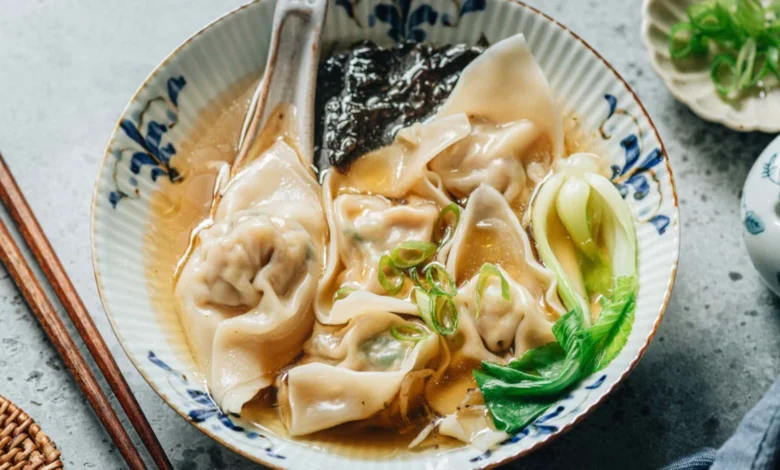
Culinary traditions often trace back to regional adaptations driven by geography, climate, and household economics. Within Chinese cuisine, wontons serve as a canvas for regional identity, shifting dramatically in size, filling composition, and broth preparation as one moves from the fiery kitchens of Sichuan to the delicate noodle houses of Canton, and finally to the hearty, comforting tables of Shanghai. Known locally as dahunhun—literally translating to "Shanghai big wonton"—this specific iteration distinguishes itself not through complex culinary gadgetry, but through sheer scale, deliberate structural balance, and a remarkably efficient approach to home-style broths.
Cultural Context and Regional Taxonomy
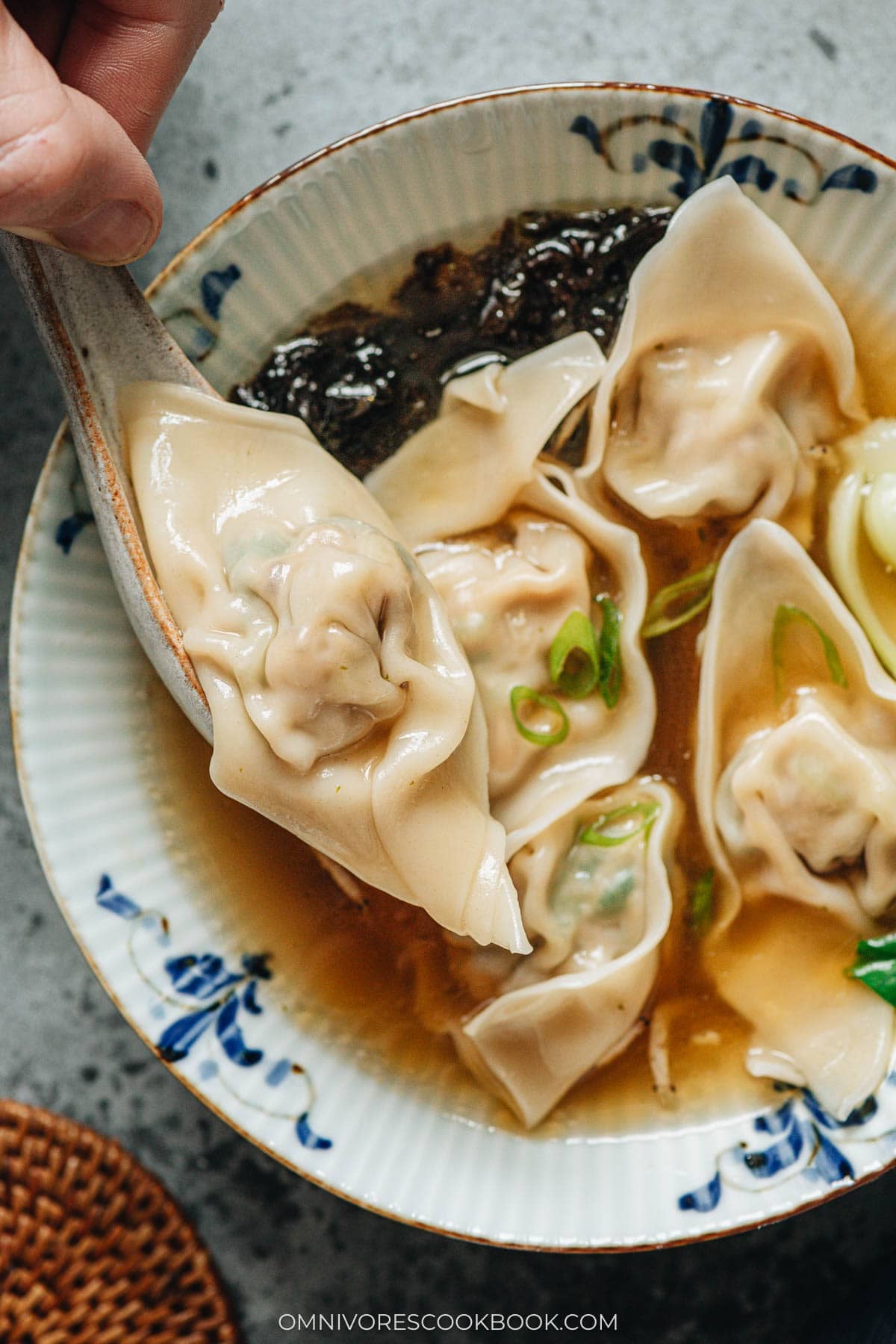
To understand the Shanghai big wonton, one must first contrast it with its southern counterparts. Cantonese wonton soup, ubiquitous globally, typically features small, bite-sized packages wrapped around a delicate mixture of pork and fresh shrimp, requiring intricate folding techniques and a rich, heavily simmered chicken or prawn roe stock. Sichuan red oil wontons (chao shou), by contrast, lean into boldness, bathing medium-sized parcels in a pungent, numbing chili oil and vinegar sauce, served dry without a traditional soup base.
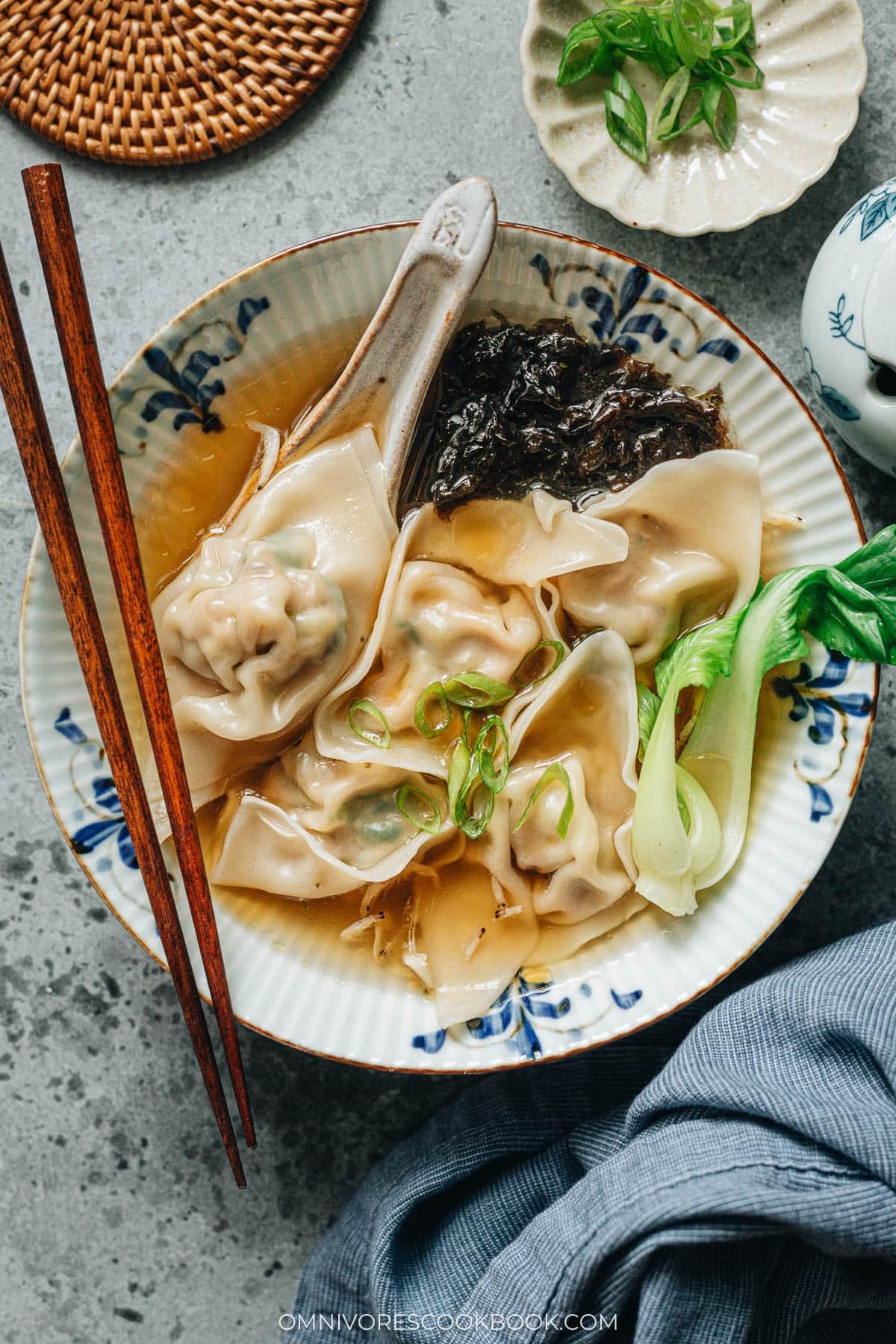
The Shanghai variant occupies a distinct middle ground. It prioritizes a high ratio of robust, rustic filling—predominantly coarsely ground pork and verdant green vegetables—encased in a thicker, wider wrapper characteristic of the Lower Yangtze (Jiangnan) region. Culinary historians note that Jiangnan cooking emphasizes the natural, unadorned flavors of fresh seasonal produce and meats. Consequently, the soup accompanying Shanghai wontons is intentionally kept light, clear, and unpretentious. Rather than competing with the savory, juicy interior of the oversized dumpling, the broth serves as a clean, warm medium designed to unify the dish without overwhelming the palate.
Anatomy of the Dish: Ingredients and Structural Integrity
Achieving the characteristic texture of authentic Shanghai wonton soup relies on precise ingredient selection and mechanical preparation rather than expensive components. Home cooks and culinary experts highlight several key elements essential to the recipe’s success.
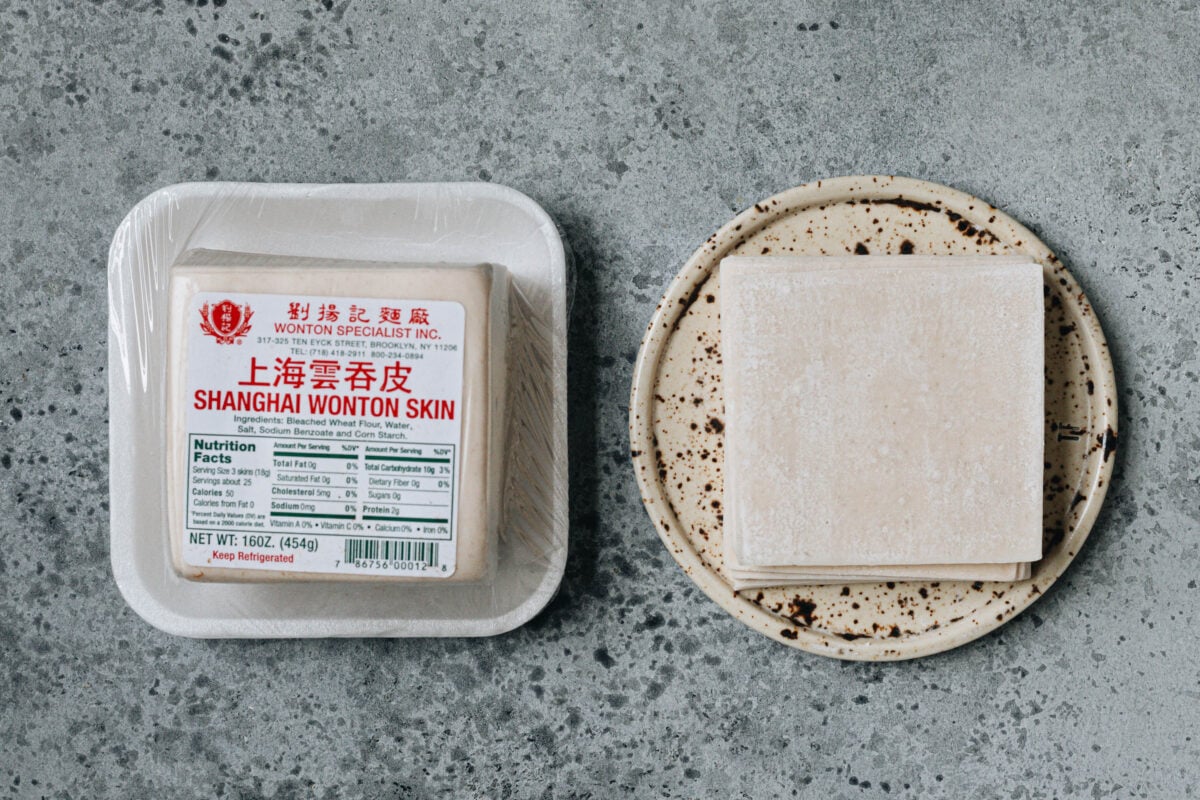
- The Wrappers: Shanghai-style wrappers are noticeably wider and possess a slightly heavier gauge than standard commercial wonton skins. This structural resilience is vital; it prevents the dough from disintegrating under the weight of a generous, tablespoon-sized meat and vegetable filling and maintains a pleasant, al dente chew after boiling.
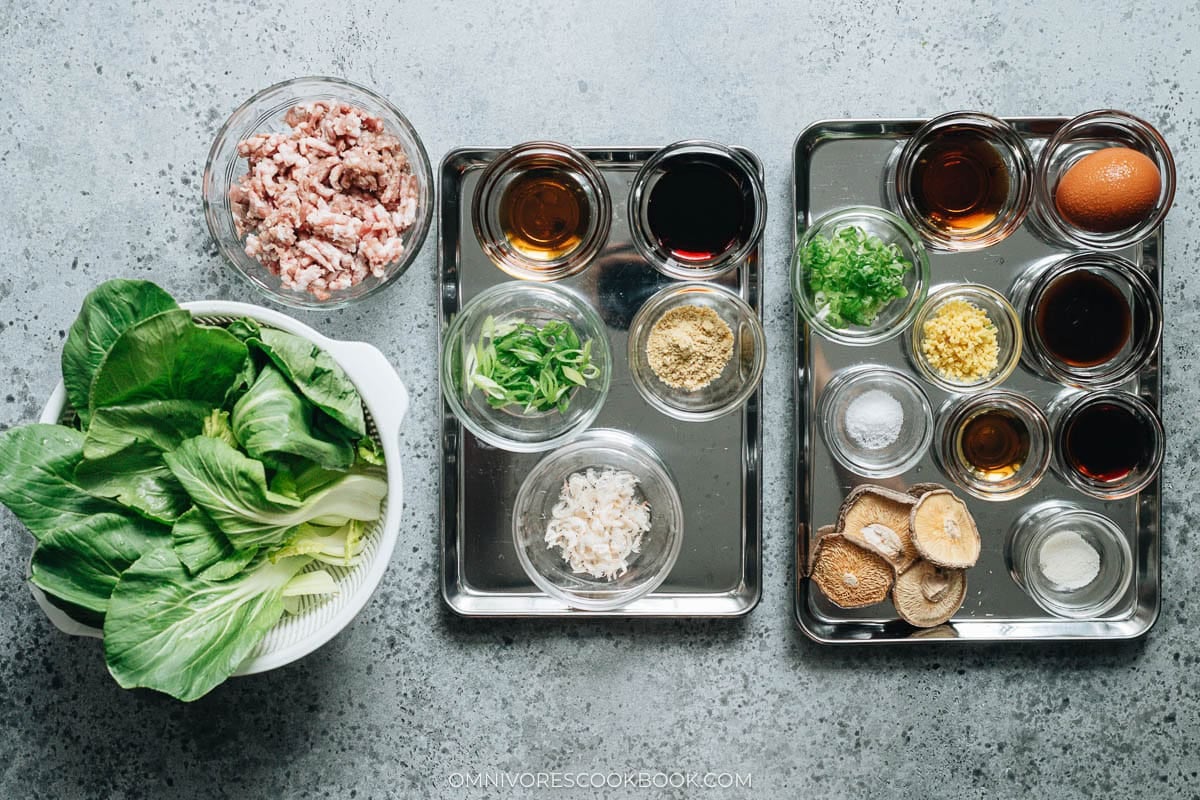
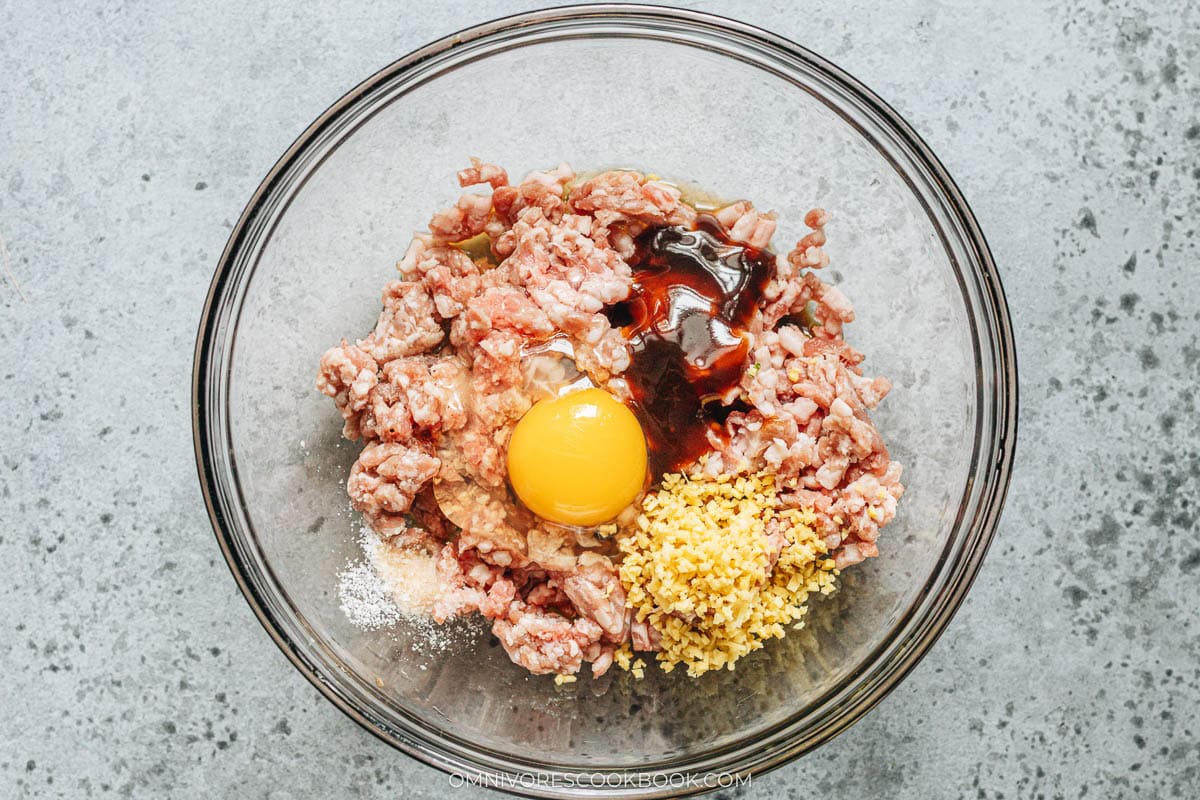
- The Protein Base: Coarsely ground pork with a higher fat-to-lean ratio is standard. Fat is the primary vehicle for moisture and flavor in meat fillings; leaner cuts result in a dry, mealy texture. Incorporating aromatics like minced fresh ginger, Shaoxing rice wine, light soy sauce, oyster sauce, and a single egg binds the mixture.
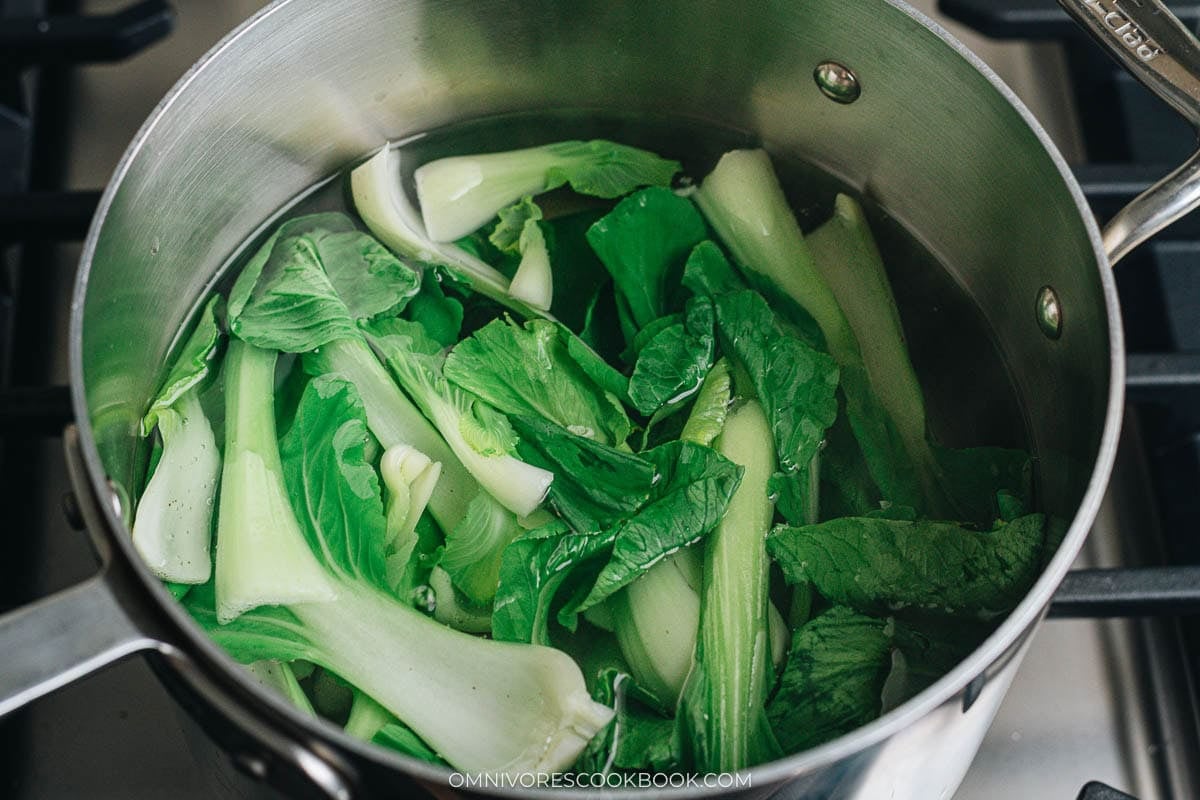
- The Vegetable Component: Baby bok choy is the traditional vegetable of choice. Crucially, the bok choy must be blanched, cooled, and rigorously wrung out to eliminate excess moisture. Failing to extract this water causes the vegetables to weep during cooking, compromising the structural integrity of the filling. Dried shiitake mushrooms, rehydrated and finely minced, are frequently added to provide an umami-rich counterpoint to the fresh greens.
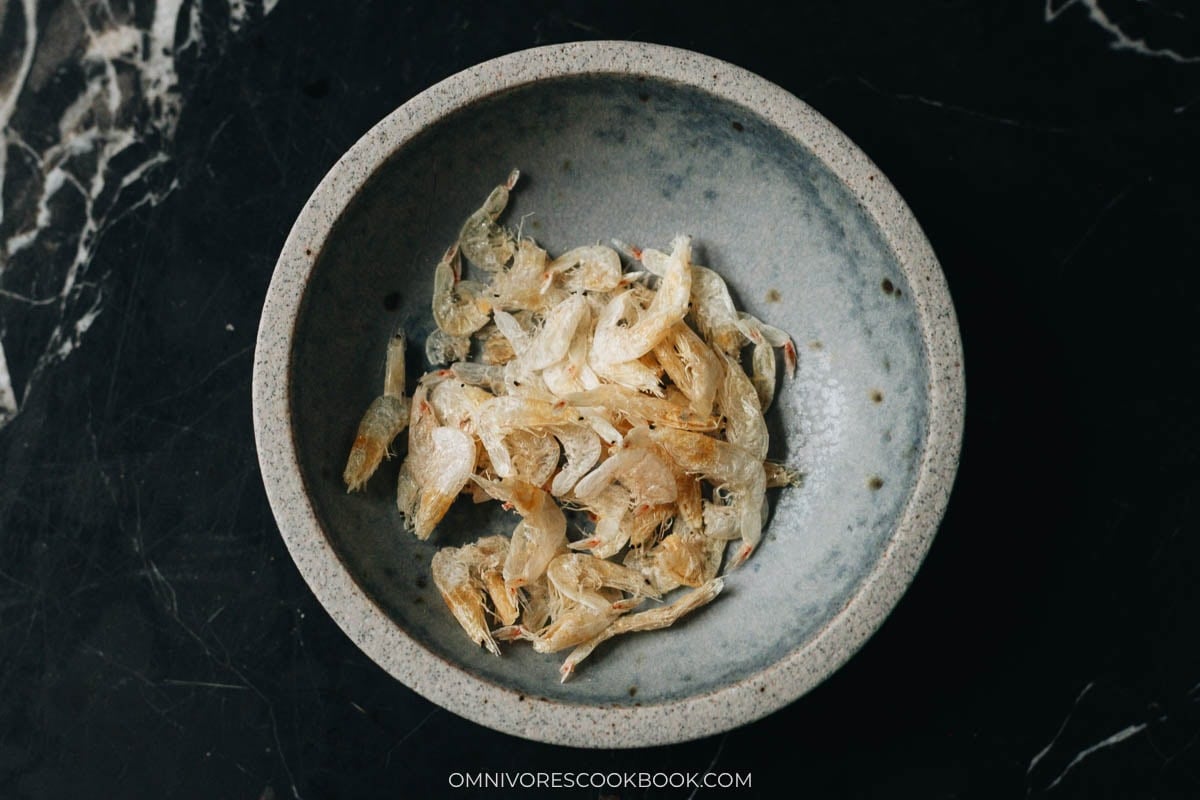
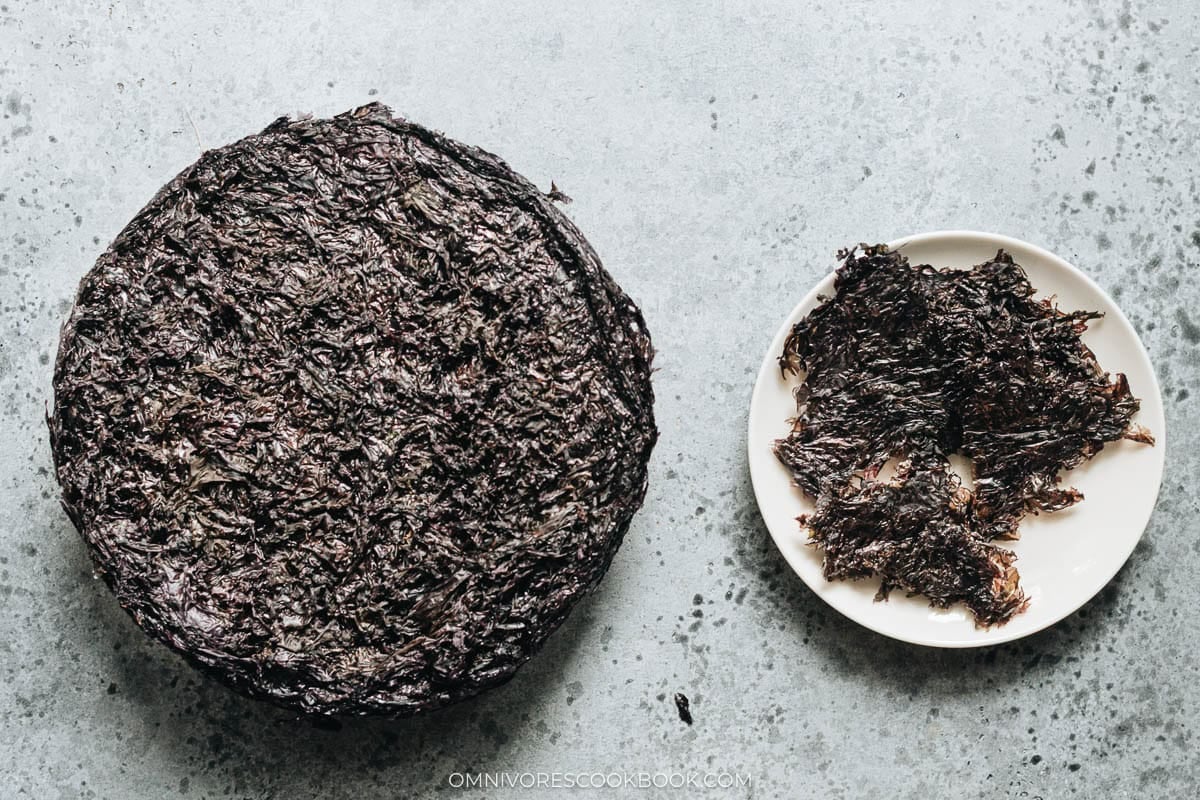
- The Minimalist Broth Base: Unlike Western stocks that rely on long-simmered bones and aromatic root vegetables, the traditional Shanghai method seasons each serving bowl individually. A base of chicken bouillon powder, light soy sauce, dried papery shrimp (papi), and Chinese dried seaweed (ziCai) is placed directly into the bowl. The boiling, starchy water in which the wontons were cooked is then ladled over these ingredients, instantly rehydrating the seafood and seaweed while creating a silky, cohesive broth.
Step-by-Step Methodology and Preparation Chronology
Successful execution of Shanghai wonton soup follows a structured timeline, making it an ideal weekend project with high utility for weeknight meal-prepping.
Phase 1: Filling Preparation
The process begins by rehydrating dried shiitake mushrooms in warm water for approximately 15 to 20 minutes until softened. Once pliable, the stems are discarded, and the caps are finely minced. Simultaneously, baby bok choy is washed thoroughly to remove residual grit, blanched in boiling water for 30 to 60 seconds, plunged into cold water to set the color, and wrung dry before being chopped into uniform 1/4-inch pieces.
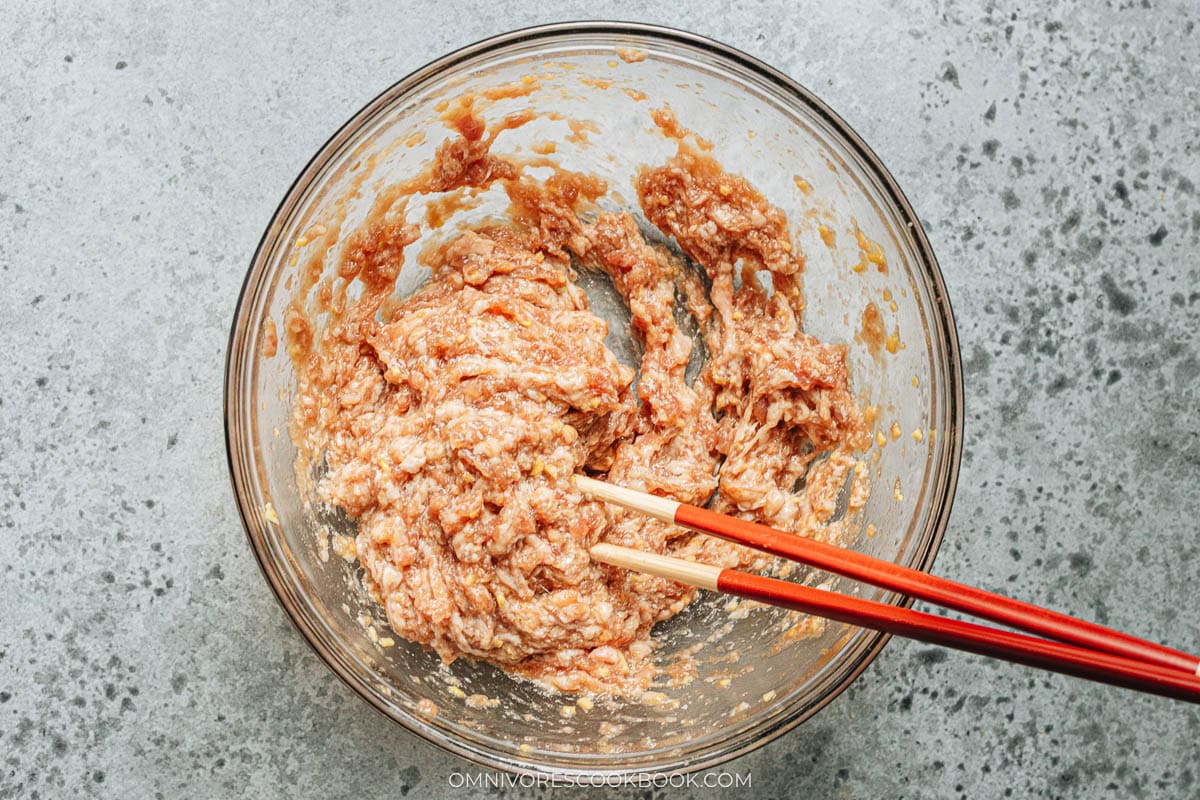
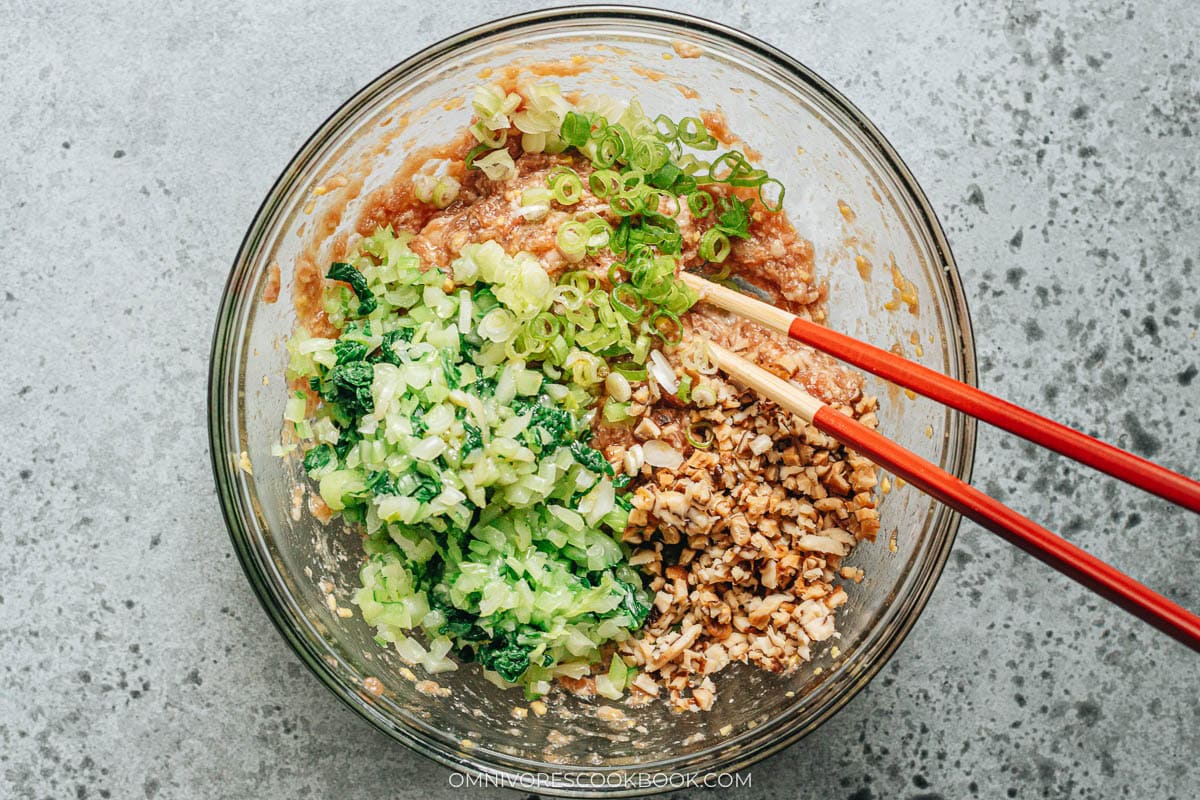
The ground pork is combined with liquid seasonings (egg, Shaoxing wine, soy sauce, oyster sauce) and aromatics. A defining technique of Chinese dumpling making is stirring the meat mixture continuously in a single direction for roughly three minutes. This mechanical action encourages the proteins to cross-link, creating a tacky, cohesive paste that absorbs the liquid completely and ensures the filling holds together as a tender, meatball-like mass even if the wrapper splits. Finally, the prepared bok choy, scallions, minced mushrooms, and sesame oil are folded gently into the meat paste.

Phase 2: Wrapping and Preservation
Station setup is critical for efficiency. Wrappers are stacked and kept beneath a damp paper towel to prevent them from drying out and cracking. A small bowl of water serves as the adhesive.
The wrapping technique for big wontons utilizes a triangular fold:
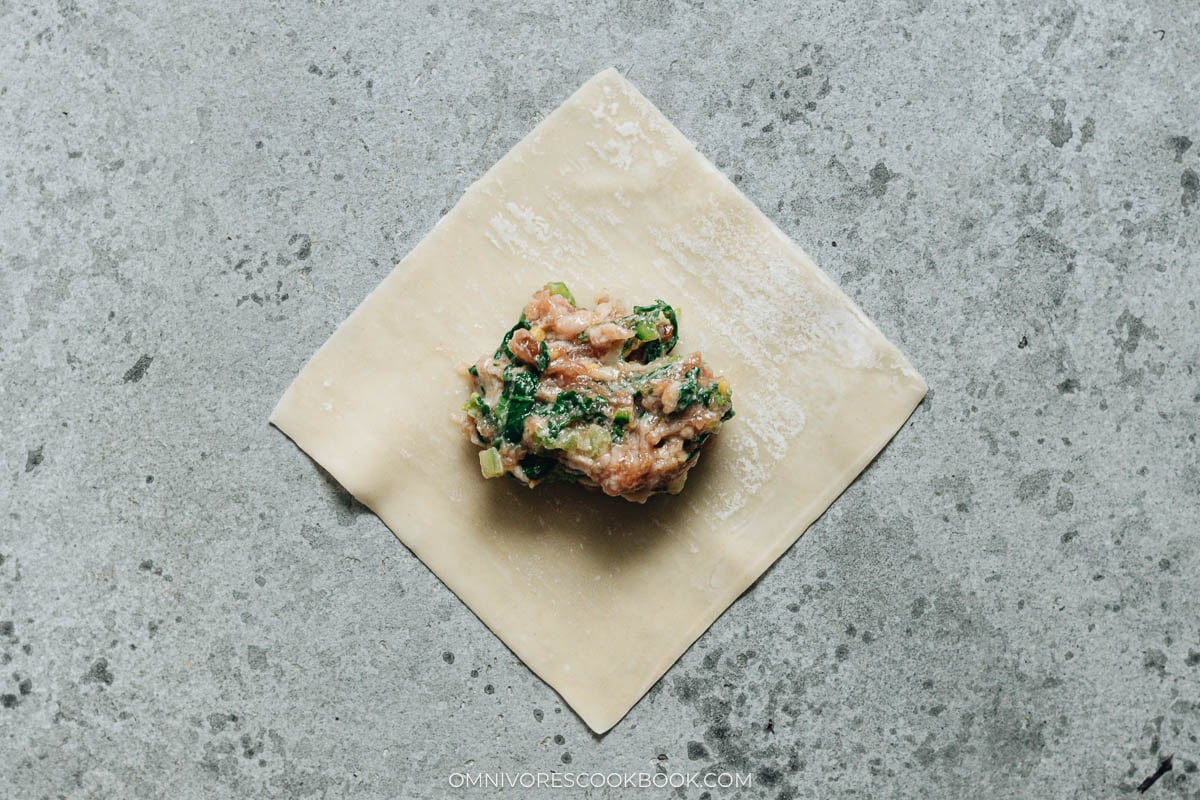
- Place approximately two teaspoons of filling in the center of a diamond-oriented wrapper.
- Moisten the edges with water.
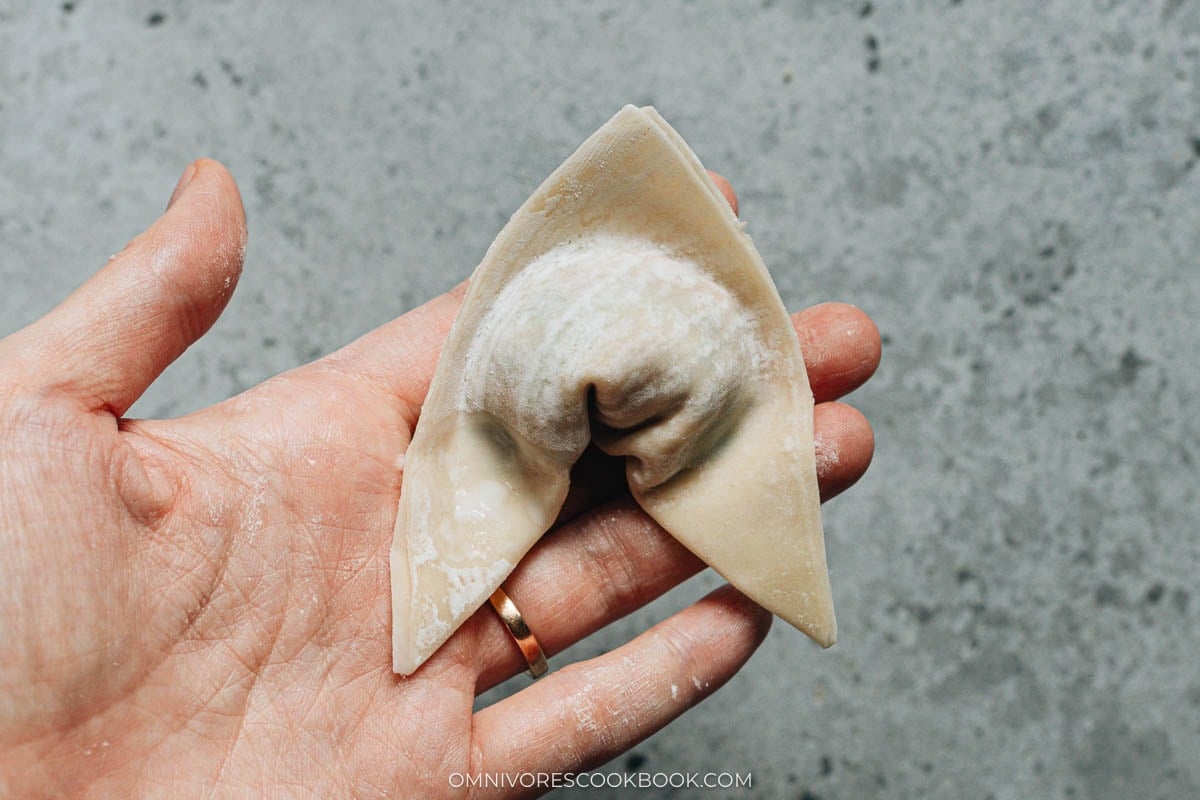
- Fold the bottom corner up to meet the top corner, creating a secure triangle, and press firmly around the filling to expel trapped air.
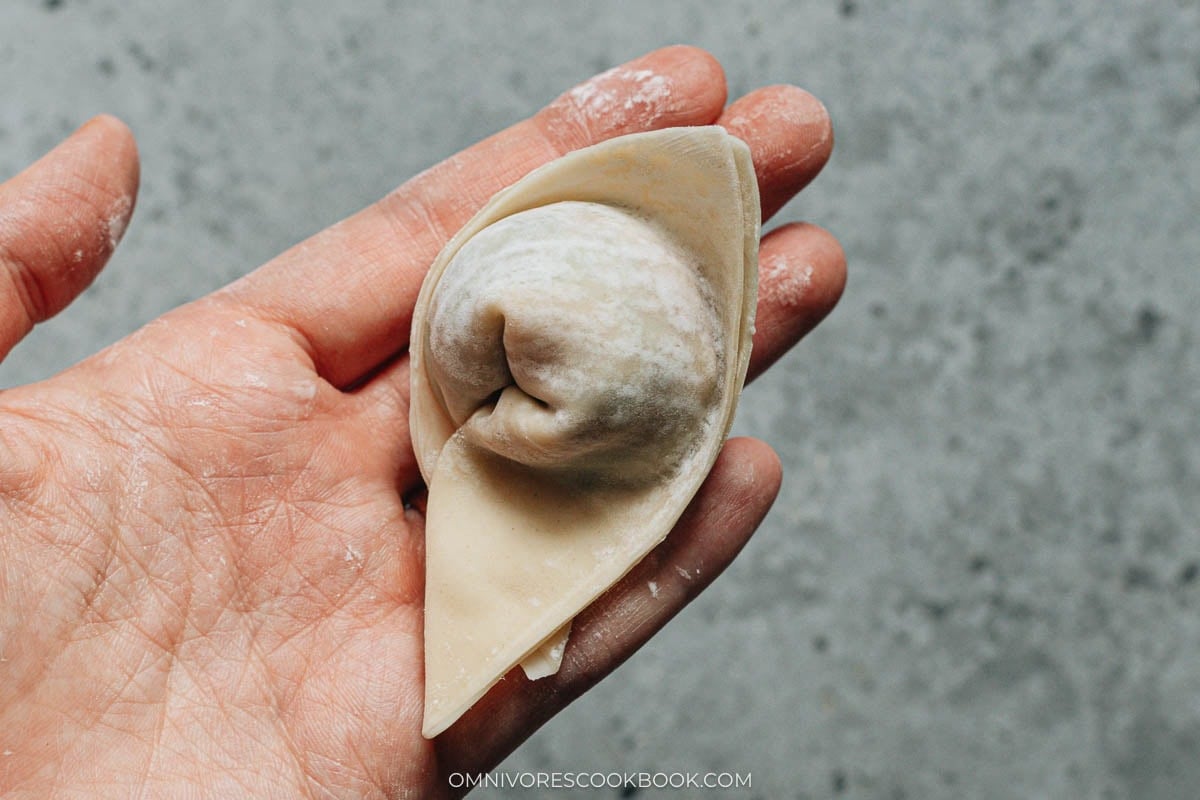
- Wet the two bottom lateral corners of the triangle, overlap them slightly, and press them together to form a cap-like shape.
For long-term storage, home cooks arrange freshly wrapped wontons in a single layer on a parchment-lined tray and freeze them until solid. Once frozen, they can be transferred to an airtight freezer bag, where they maintain quality for up to two months.
Phase 3: Assembly and Cooking
To serve, individual bowls are pre-seasoned with chicken bouillon, light soy sauce, dried shrimp, and a disc of Chinese dried seaweed. A large pot of water is brought to a rolling boil. Wontons are added in small batches to prevent overcrowding and temperature drops, ensuring even cooking. After the dumplings float to the surface, they are simmered for an additional one to two minutes until the pork filling is thoroughly cooked through.
The wontons are transferred directly into the prepared seasoning bowls, and approximately two cups of the starchy cooking water are ladled over them. Garnished with extra scallions, a few reserved blanched greens, and a final drizzle of sesame oil, the dish is served immediately.
Nutritional Profile and Culinary Adaptability
From a nutritional perspective, a standard serving of Shanghai wonton soup—typically calculated at five to eight large wontons per bowl—offers a balanced macronutrient distribution. An average portion provides roughly 360 to 370 kilocalories, approximately 37 grams of carbohydrates derived largely from the wheat wrappers, 19 grams of protein from the pork and egg, and 15 grams of fat. While sodium levels can be elevated due to the soy sauce and bouillon base (averaging around 1,270 mg per serving), the inclusion of bok choy and seaweed contributes essential dietary fiber, calcium, iron, and vitamins A and C.

The recipe’s versatility extends beyond its traditional presentation. During warmer summer months, when hot soups are less appealing, home cooks frequently omit the broth entirely, serving the boiled wontons chilled or at room temperature. They can be dressed in a pungent Sichuan chili oil and black vinegar sauce or tossed over chili crisp noodles (Lao Gan Ma) to create a heavier, dry-style noodle dish.
Broader Culinary Impact and Modern Relevancy
The endurance of Shanghai wonton soup in contemporary home cooking highlights a broader cultural shift toward efficient, high-utility comfort foods. As urban schedules become increasingly demanding, recipes that bridge the gap between scratch-cooking and convenience retain immense value. By leveraging freezer-stable batches of handmade dumplings, households can produce a traditional, culturally resonant meal in under ten minutes without relying on heavily processed convenience foods.
Furthermore, dishes like the Shanghai big wonton serve as a vital link to regional diaspora communities, preserving specific texture and flavor profiles that mass-produced commercial frozen dumplings often fail to replicate. As culinary enthusiasts continue to explore authentic regional Chinese fare beyond standard takeout menus, the humble, oversized Shanghai wonton remains a masterclass in how simple ingredients, treated with traditional techniques, can yield deeply satisfying culinary results.