Raspberry Cream Pie Represents a Sophisticated Evolution of Traditional Fruit-Based Dessert Preparation

The culinary landscape has witnessed a significant shift in dessert preferences over the last decade, with a marked move toward "hybrid" confections that balance textural contrast and flavor complexity. At the forefront of this trend is the Raspberry Cream Pie, a chilled dessert that effectively merges the structural integrity of a traditional fruit pie with the decadent, smooth profile of a cheesecake. This dessert has gained prominence in both professional pastry kitchens and home environments due to its adaptability, allowing for the use of both seasonal fresh produce and commercially viable frozen berries.
Historical Context and Culinary Evolution
The history of the fruit-based pie dates back to the medieval era, though the incorporation of a cream cheese base—often referred to as a "cream layer"—is a more modern development rooted in 20th-century American baking. While early versions of fruit pies relied heavily on a starchy filling or a custard-based binder, the introduction of a stabilized cream cheese layer serves two distinct purposes: it provides a physical barrier between the crust and the acidic fruit, preventing sogginess, and it introduces a fat-forward, tangy component that mitigates the inherent tartness of raspberries.
This specific iteration of the dessert has become a staple for year-round catering, particularly for social gatherings where temperature-controlled environments are available. By eschewing the traditional lattice-top crust in favor of a layered architecture, bakers have streamlined the production process, reducing the risk of structural failure while increasing the visual appeal of the finished product.
Structural Composition and Technical Preparation
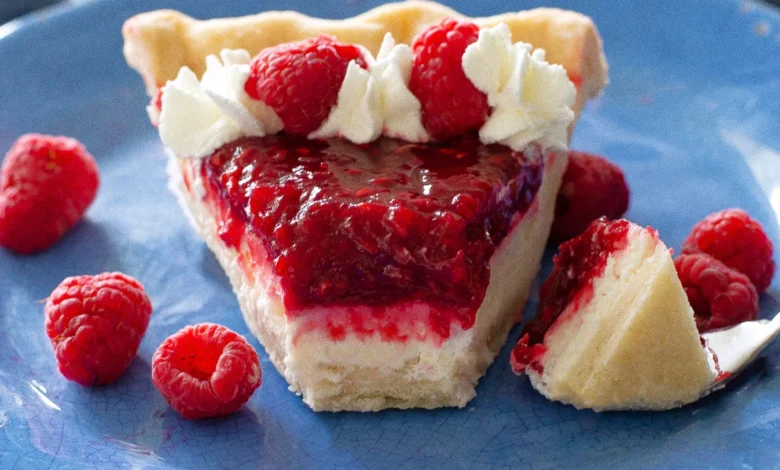
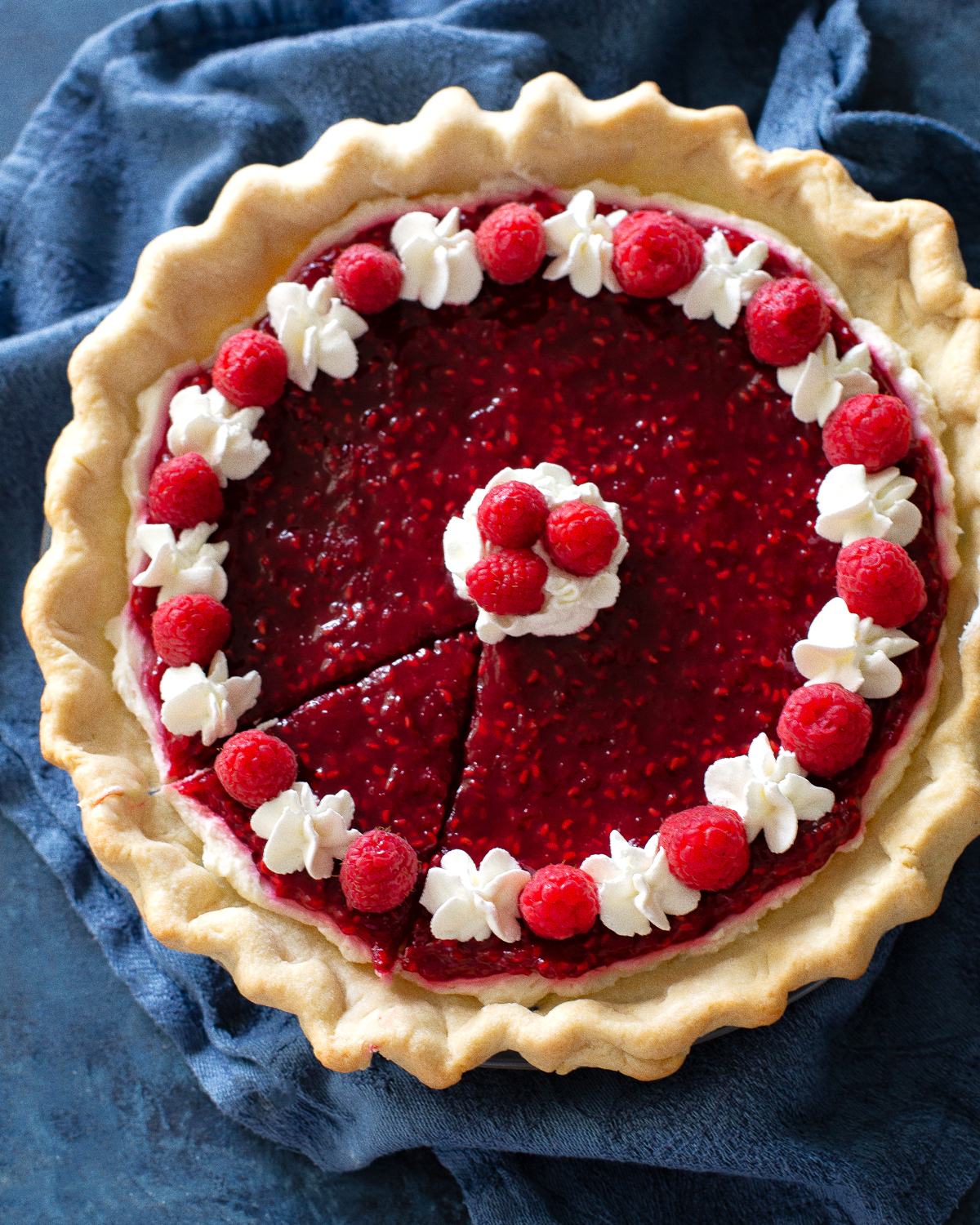
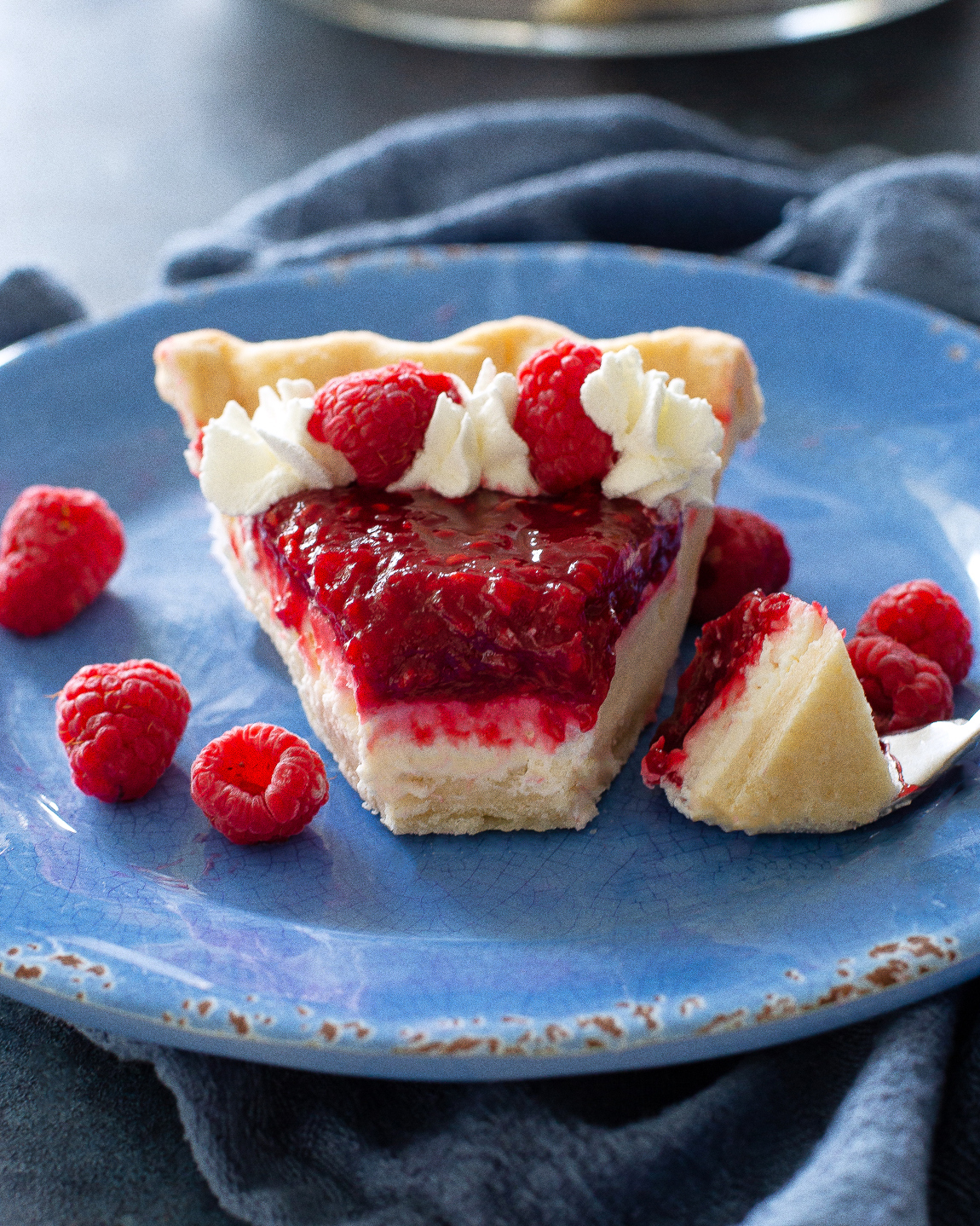
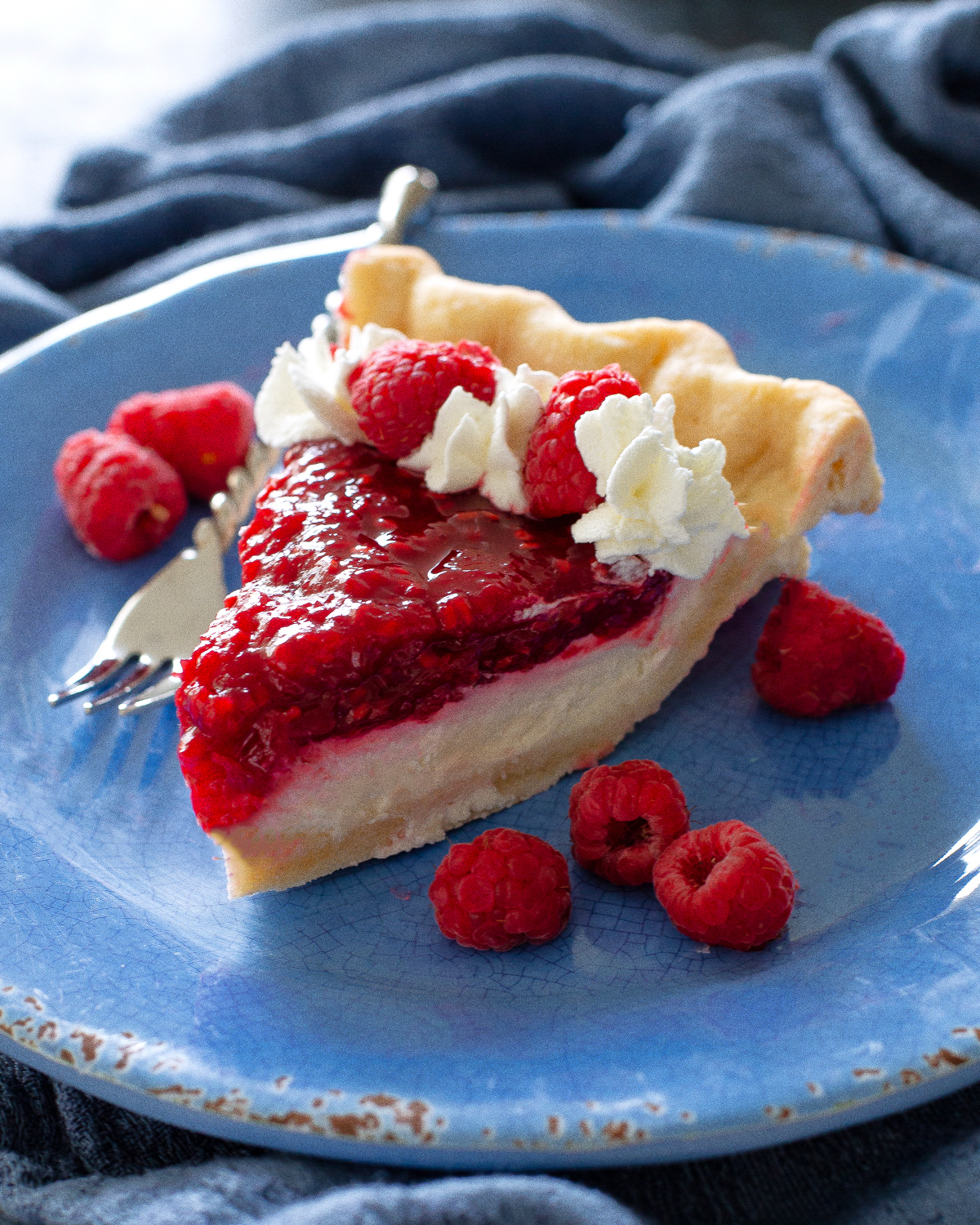
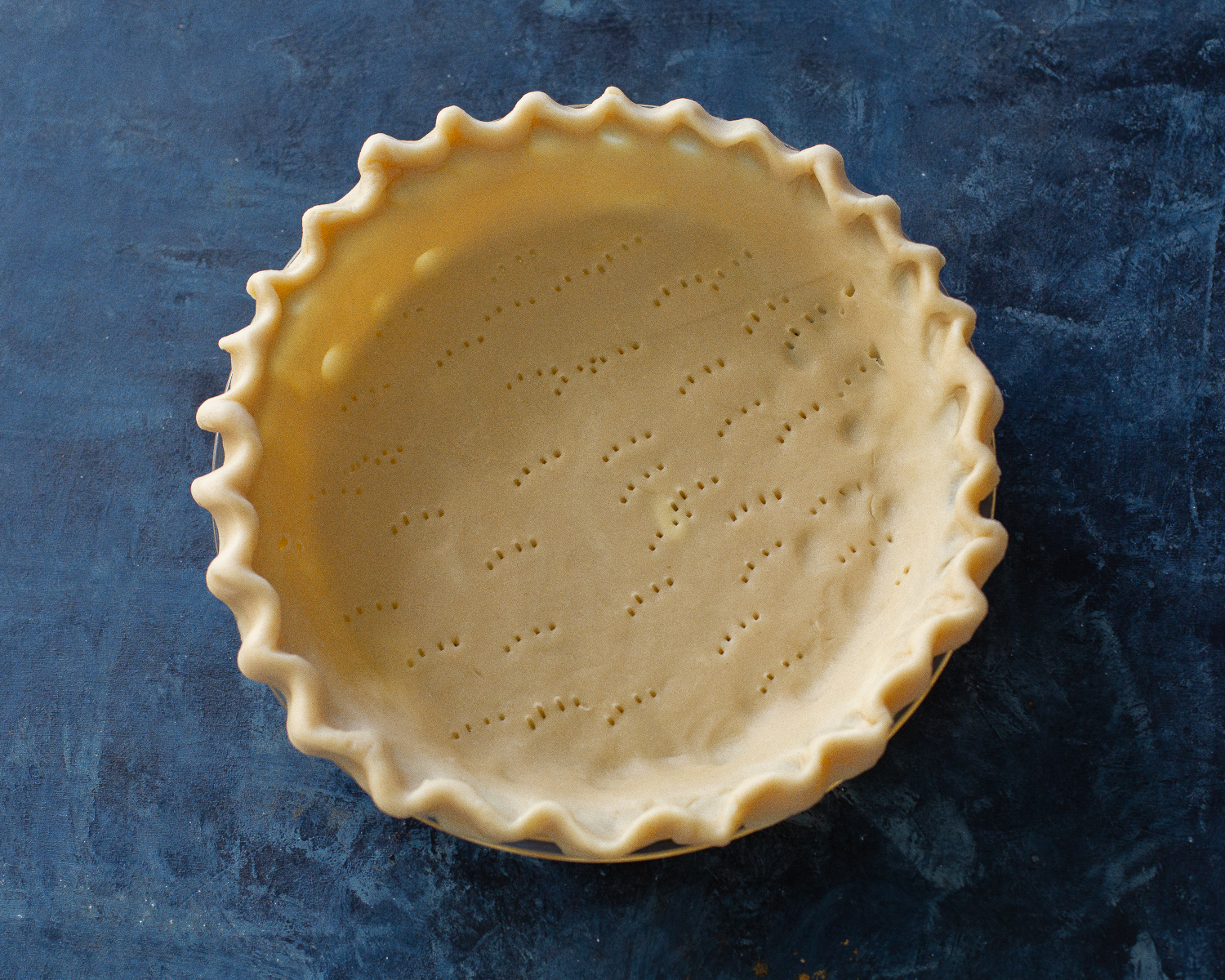
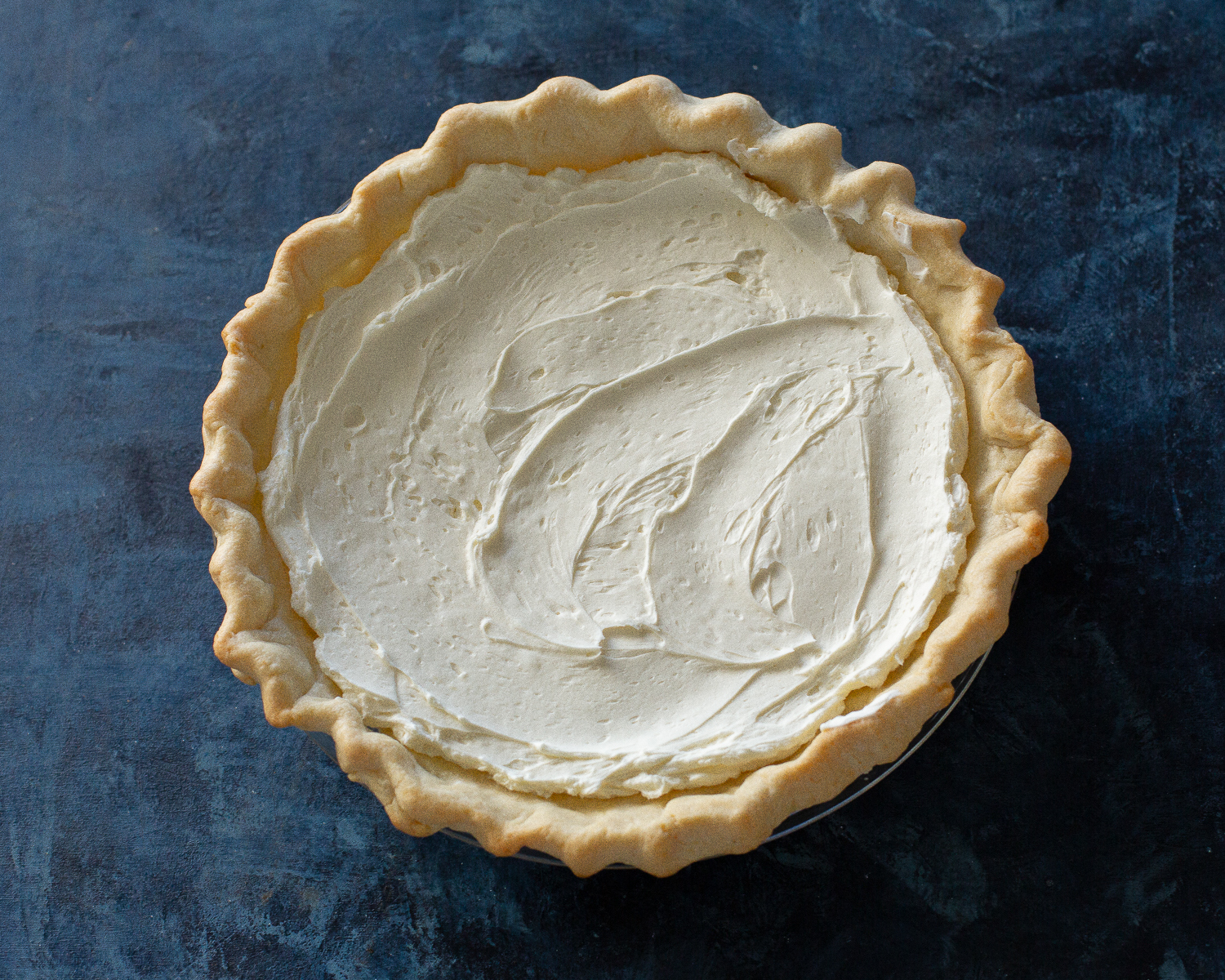
The Raspberry Cream Pie is defined by a three-tiered construction: a base crust, a sweetened cream cheese filling, and a cooked raspberry topping. The technical requirement for the crust is a "blind-baked" or pre-baked shell, which ensures that the pastry retains its crispness despite the moisture of the filling. Whether using a traditional flour-based pastry or a crumb-based crust—such as a graham cracker variant—the objective remains the same: to create a structural foundation capable of supporting the weight of the heavier, chilled filling.
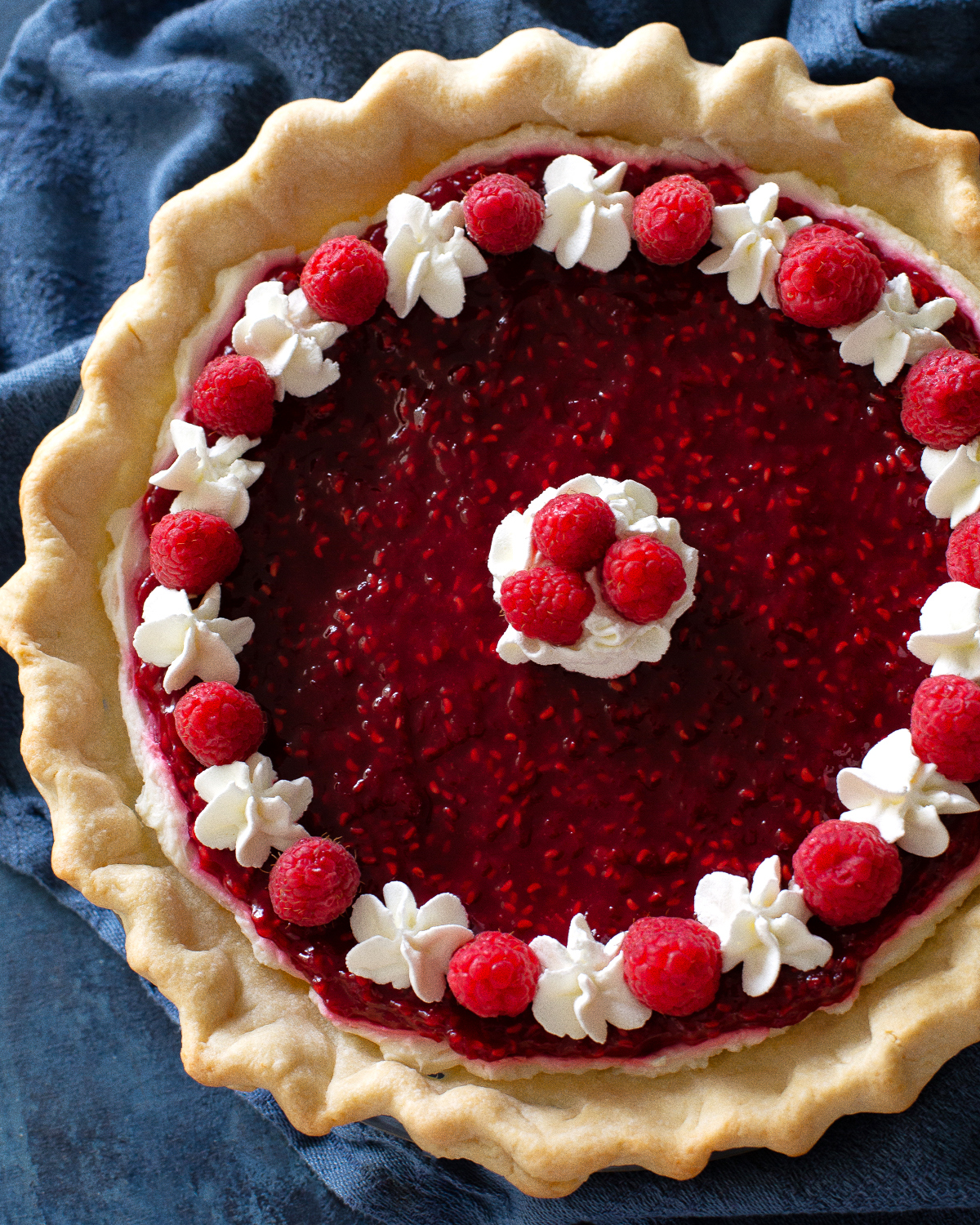
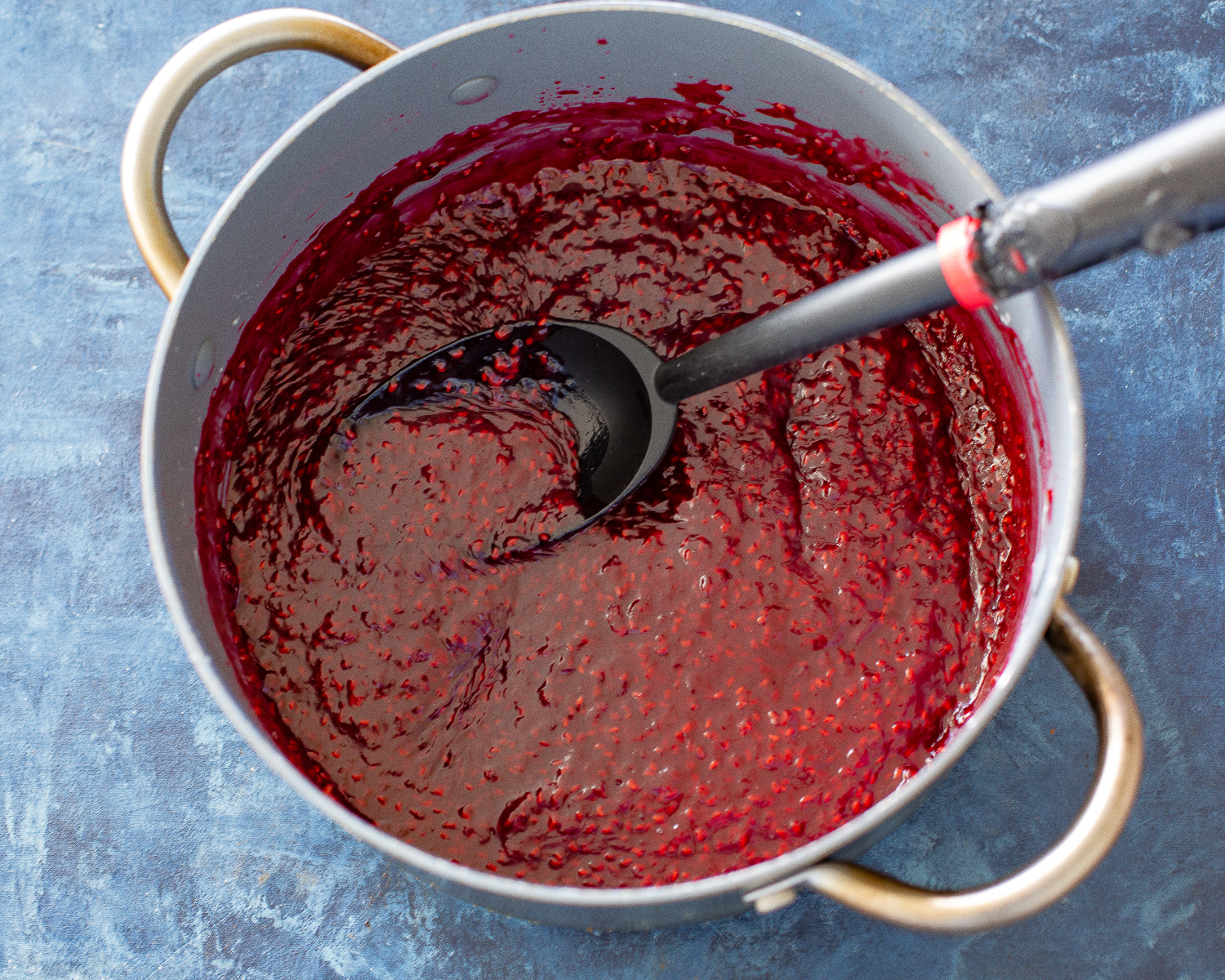
The cream layer is typically composed of softened cream cheese, granulated sugar, and occasionally a leavening agent or thickener to ensure stability during the chilling process. This layer requires a minimum of four hours in a refrigerated environment to achieve the necessary consistency. The final, crowning layer is the raspberry topping. Unlike standard fruit fillings that are baked inside the crust, this topping is prepared via a stovetop reduction, where fresh or frozen raspberries are heated with sugar and a thickening agent, such as cornstarch or tapioca, until the mixture achieves a glossy, thickened consistency.
Comparative Analysis of Ingredients: Fresh vs. Frozen
A primary consideration for bakers is the selection of primary fruit components. Data from culinary supply chains indicate that while fresh raspberries are preferred for their aesthetic integrity and peak-season flavor, frozen raspberries provide a consistent, cost-effective alternative that does not compromise the final chemical composition of the pie.
Frozen berries, often flash-frozen at the point of harvest, maintain a nutritional profile nearly identical to their fresh counterparts. When used in a cooked filling, the moisture content of frozen berries is higher, necessitating a slightly longer reduction time on the stove to ensure the pectin and starch binders are fully activated. This flexibility makes the dessert an all-season commodity rather than a restricted summer item, significantly increasing its utility for events ranging from winter holiday celebrations to mid-summer outdoor gatherings.
Economic and Logistical Implications
From a logistics perspective, the Raspberry Cream Pie is categorized as a "make-ahead" dessert. Culinary experts note that the flavor profile benefits significantly from a resting period, typically between 12 and 24 hours, which allows the cream cheese layer to fully integrate with the sugars and the raspberry topping to set completely. This efficiency makes it an ideal candidate for high-volume service, such as large-scale events or potluck scenarios.
Furthermore, the storage requirements are minimal but precise. The finished product must be maintained at temperatures below 40 degrees Fahrenheit to ensure food safety, particularly because of the dairy content in the cream layer. While the pie can be frozen, industry guidelines suggest removing the whipped cream topping before freezing, as the aeration in the cream can lead to textural degradation upon thawing.
Expert Perspectives on Troubleshooting
Common issues in the preparation of this dessert are usually rooted in temperature control or ingredient ratios. The most frequent complaint—a "runny" or unstable raspberry topping—is almost exclusively the result of insufficient heating during the reduction phase. For a sauce to thicken, the slurry must reach a boil, allowing the starch granules to swell and absorb the excess liquid. Failure to reach this critical temperature, or an imbalance in the sugar-to-fruit ratio, often results in a topping that fails to hold its shape upon slicing.
Similarly, the choice of crust influences the overall "sliceability" of the pie. While a traditional butter-based pie crust provides a classic, flaky texture, it is more susceptible to moisture absorption over time. A graham cracker crust, being inherently drier and more porous, creates a more cohesive bond with the cream cheese layer, which can be an advantage for bakers prioritizing ease of service over traditional aesthetic presentation.
Broader Impact on Dessert Trends
The rise of the Raspberry Cream Pie reflects a broader movement toward "accessible sophistication." In a professional culinary context, consumers are increasingly moving away from overly ornate or complex desserts in favor of items that prioritize high-quality ingredients and clean, recognizable flavors. The marriage of a sharp, acidic fruit with a smooth, neutral-sweet dairy base is a classic flavor pairing that continues to resonate across diverse demographics.
The trend also highlights the importance of the "chilled" category of desserts. As modern kitchens become more advanced with refrigeration technology, the ability to serve chilled, set desserts has expanded. Unlike warm pies that require specific timing for service, the Raspberry Cream Pie remains stable at room temperature for short periods, yet maintains its intended texture for extended service windows, providing a reliable solution for event planners and home hosts alike.
Future Outlook and Variations
Looking forward, the adaptability of this dessert ensures its longevity in modern recipe collections. Variations involving different berry combinations—such as the inclusion of blackberries for a deeper, more robust flavor, or the addition of citrus zest to the cream cheese layer to enhance the brightness—are already emerging in test kitchens.
As food costs fluctuate, the ability to utilize either fresh or frozen produce remains a significant advantage for the home cook. The Raspberry Cream Pie serves as an exemplar of how simple, accessible ingredients can be elevated through proper technique to create a dessert that is visually striking, reliable in its execution, and widely appealing to a broad range of palates. By focusing on the fundamentals of temperature management, ingredient selection, and proper cooling, bakers can ensure a consistent result that bridges the gap between classic comfort food and contemporary pastry design.