Silent Killers on the Pavement: How a Tire Chemical is Threatening Pacific Northwest Salmon and How the Nisqually Tribe is Fighting Back

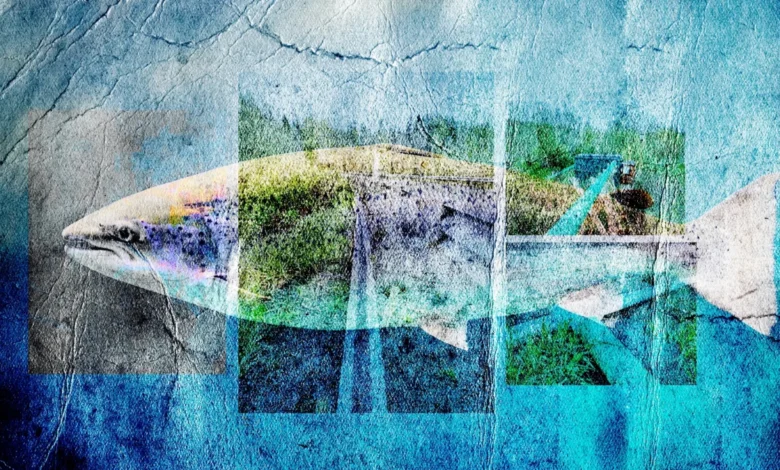
The seasonal transition from late winter rains to blossoming spring foliage along Washington State’s Highway 7 paints a picturesque portrait of the Pacific Northwest. However, beneath the serene surface of this lush landscape lies an invisible, lethal threat to one of the region’s most ecologically and culturally significant species: the coho salmon. As vehicles traverse the asphalt highways carving through western Washington, they leave behind an invisible, highly toxic residue. When the region’s famous rains arrive, they wash this automotive byproduct directly into local watersheds, transforming vital spawning grounds into death traps.
For the Nisqually Tribe, whose ancestral homelands encompass these vulnerable waterways, this chemical contamination represents an existential crisis. Collaborating with researchers, conservationists, and municipal partners, the Tribe has deployed pioneering engineering solutions in an urgent race against time to intercept the poison before it wipes out generations of coho salmon.
The Anatomy of an Ecological Crisis
To understand the gravity of the current situation, one must examine the life cycle of the Pacific coho salmon (Oncorhynchus kisutch). These remarkable fish spend the initial phase of their lives in freshwater streams, such as Ohop Creek, which passes directly beneath Highway 7. After maturing in these nurseries, juvenile coho begin an arduous migration to the open ocean, where they spend years feeding and growing.
Eventually, the surviving adults embark on a final, instinct-driven journey back to the very freshwater streams where they were born, using their acute sense of smell to navigate upstream to spawn and complete the cycle of life. Historically, this migration yielded millions of pounds of fish annually, serving as a cornerstone of the Pacific Northwest ecosystem, a vital food source for wildlife from orcas to eagles, and an indispensable element of the traditional diet and cultural identity of Indigenous tribes. In 2019 alone, commercial and recreational fisheries harvested approximately 27 million pounds of coho in the United States.
However, over the past two decades, field biologists, urban residents, and tribal monitors near major metropolitan hubs like Seattle and Tacoma noticed a deeply troubling phenomenon. Adult coho returning to spawn in urbanized watersheds were suddenly falling ill en masse. Long before reaching their spawning grounds, these fish would exhibit erratic, disoriented behavior—swimming in spirals, gasping for air near the water’s surface, and succumbing to death within hours of exposure.
For years, the exact cause of this Urban Runoff Mortality Syndrome remained a mystery, confounding marine biologists and frustrating conservation efforts. The breakthrough finally arrived in late 2020, when a team of environmental researchers successfully identified the precise culprit behind the devastation: 6PPD-quinone.
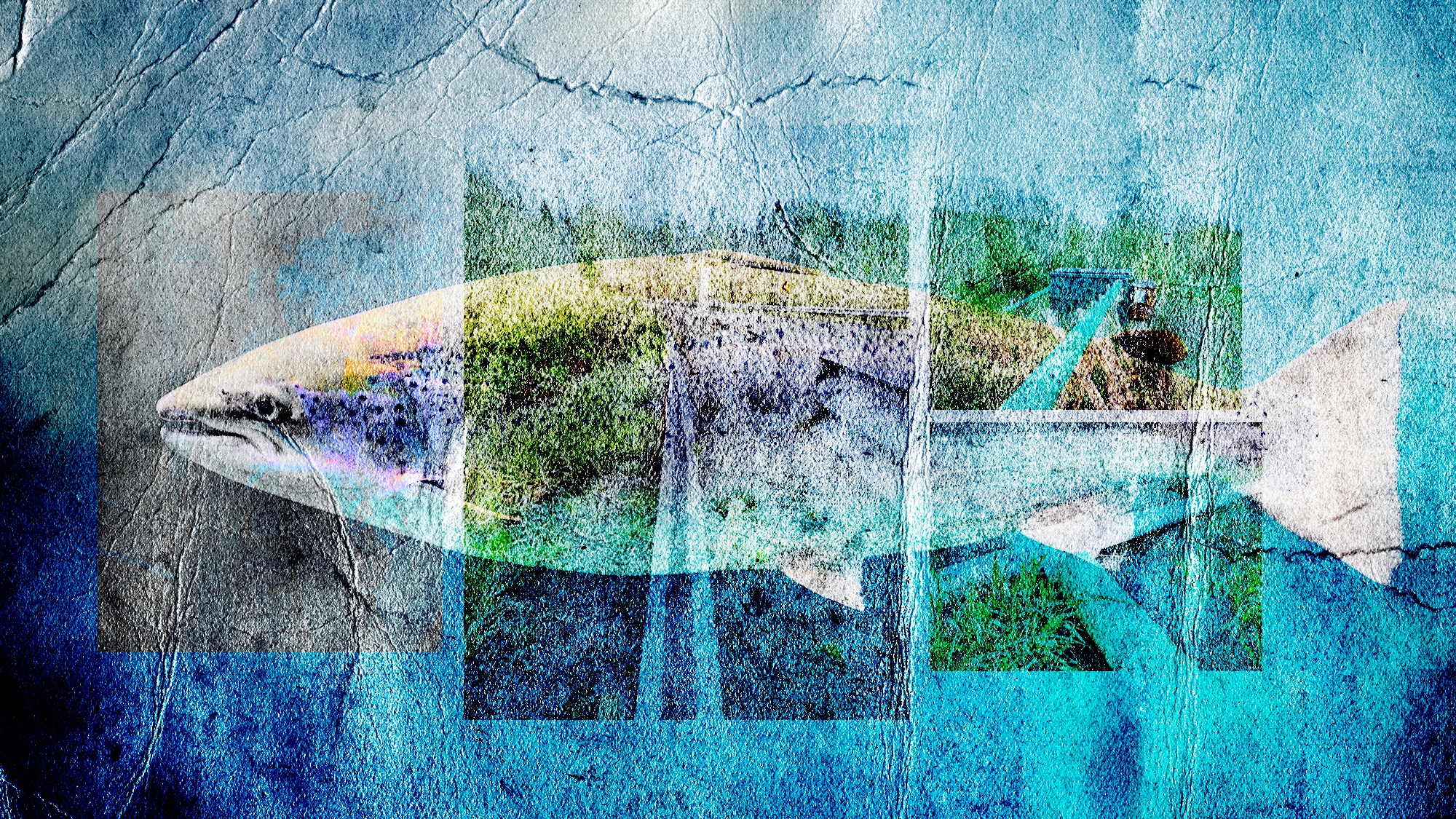
Unmasking the Culprit: The Science Behind 6PPD-Quinone
The scientific breakthrough that finally named the poison was spearheaded by Zhenyu Tian, then a research scientist at the Center for Urban Waters at the University of Washington, Tacoma, and now an assistant professor at Northeastern University. Utilizing cutting-edge high-resolution mass spectrometry—a sophisticated analytical technique capable of identifying chemical compounds based on molecular weight—Tian and his colleagues analyzed urban stormwater runoff samples.
Their findings, published in the prestigious journal Science in December 2020, pinpointed 6PPD-quinone. The parent chemical, 6PPD, is a ubiquitous antiozonant added to rubber during tire manufacturing to prevent degradation, cracking, and premature aging caused by ozone in the atmosphere.
However, when tires wear down on roadways, microscopic particles of rubber are shed onto the pavement. When exposed to ozone in the air, 6PPD undergoes a chemical transformation, mutating into 6PPD-quinone. This derivative is water-soluble and extraordinarily toxic to coho salmon.
The geography and climate of the Pacific Northwest exacerbate the lethality of this chemical. The region’s damp, rainy climate creates frequent precipitation, while extensive impermeable urban surfaces—pavement, highways, and parking lots—prevent natural absorption into the soil. Consequently, rainwater flows rapidly across roads, sweeping up 6PPD-quinone alongside heavy metals, petroleum residues, and lawn fertilizers, and funneling this toxic cocktail directly into urban watersheds and salmon streams.
A Tribal Response Rooted in Stewardship
For the Nisqually Tribe, whose 5,000-acre reservation sits near these crucial waterways and whose Department of Natural Resources has spent decades engaged in habitat restoration, the discovery of 6PPD-quinone was both validating and alarming.
"It’s pretty remarkable for us in the salmon recovery world to be able to pinpoint it so precisely," said David Troutt, the natural resources director for the Nisqually Tribe, who first encountered the research at a late 2020 meeting of the Puget Sound Salmon Recovery Council. "It was terrifying, because we’re all driving cars with tires. But it was exciting, in that we finally had a smoking gun that we could deal with."
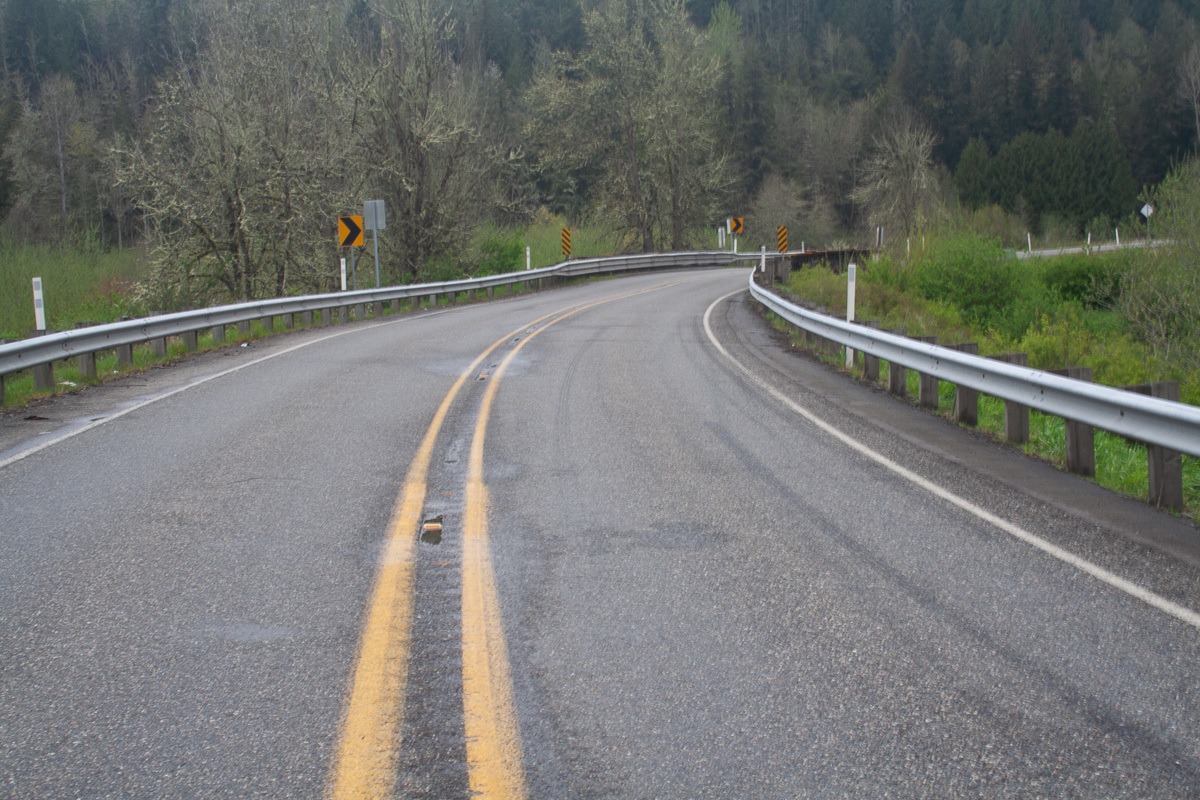
Armed with the knowledge of their enemy, the Nisqually Tribe quickly mobilized. Troutt and his team recognized that protecting the coho required a multifaceted strategy spanning source elimination, regulatory intervention, and immediate filtration infrastructure.
Because tires cannot simply be banned overnight, eliminating the source requires finding an eco-safe, salmon-safe alternative to 6PPD that still provides necessary ozone protection for automotive safety. Finding and adopting such an alternative requires urgent action from manufacturers and regulatory bodies. Furthermore, even if an ideal replacement were developed immediately, legacy pollution trapped in road dust and infrastructure would continue leaching 6PPD-quinone into the environment for the next 15 to 20 years.
Therefore, immediate mitigation at the street level is essential. To bridge this critical gap, the Nisqually Tribe partnered with Long Live the Kings, a Seattle-based nonprofit dedicated to salmon recovery, to pilot an innovative stormwater treatment system along Highway 7 at Ohop Creek.
Engineering Solutions: The Highway 7 Biofiltration Pilot
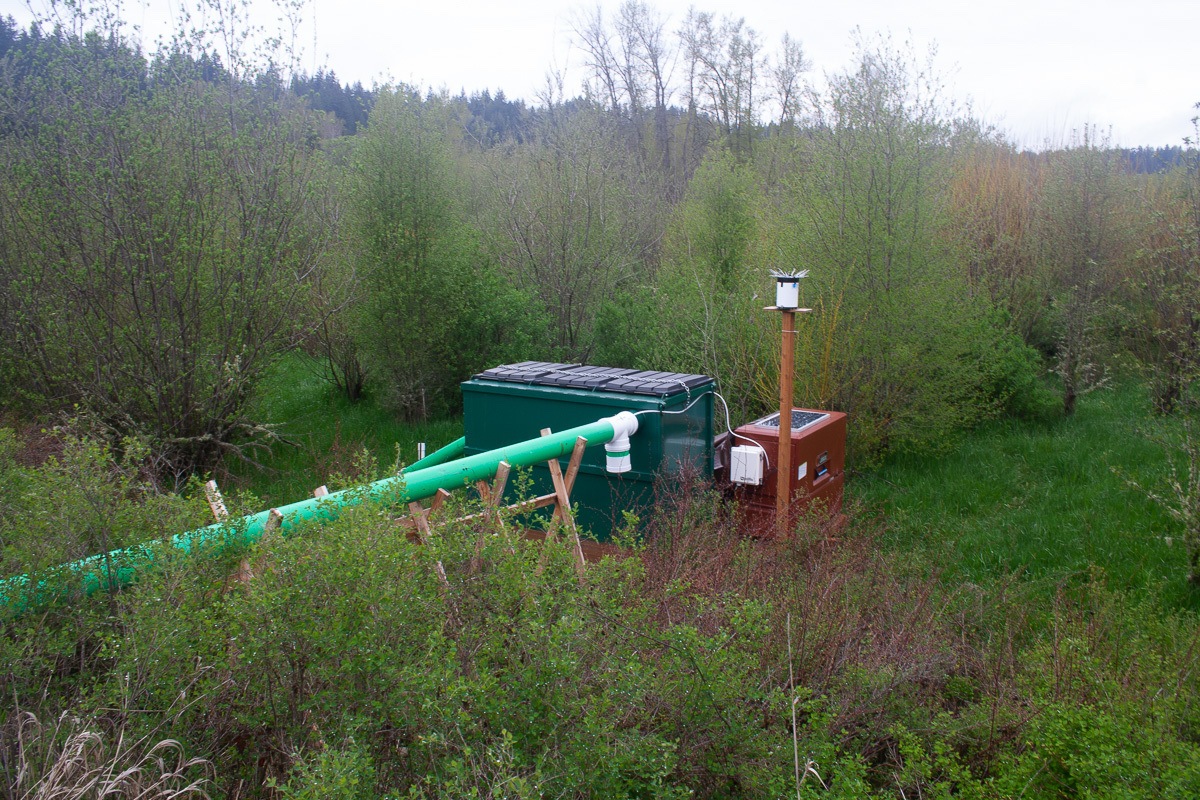
The pilot installation represents a marriage of grassroots conservation and advanced environmental engineering. Designed to capture runoff before it reaches the creek, the system diverts stormwater from the two-lane highway into a dumpster-sized containment unit. Inside this unit, the polluted water is filtered through a proprietary blend of organic matter and sand.
The technology behind this biofiltration box was informed by years of research led by Dr. Jenifer McIntyre, an aquatic toxicologist at Washington State University. McIntyre previously collaborated with Cedar Grove Composting and the city of Bellevue, Washington, to test "BURitos" (Bioretention Urban Retrofits), which utilize compost-based filtration media in stormwater retention ponds. Those tests demonstrated that organic bioretention media could successfully strip numerous toxic contaminants from runoff, significantly reducing overall water toxicity.
Adapting these findings for a mobile, scalable application, the Nisqually Tribe’s Highway 7 installation treats the runoff on-site, stripping away 6PPD-quinone and other automotive pollutants before releasing the cleaned water safely back into the surface watershed.
Broader Implications, Policy Shifts, and Future Challenges
The battle against 6PPD-quinone has rapidly expanded beyond local creek beds into the halls of government and industrial boardrooms. In July 2021, Dr. McIntyre testified before the U.S. House of Representatives regarding the severe ecological threat posed by the chemical. Concurrently, state and federal regulators have ramped up pressure on industry stakeholders.
The Washington State Department of Ecology has initiated collaborative dialogues with industrial and municipal entities holding permits under the National Pollutant Discharge Elimination System (NPDES)—the federal program authorized by the Clean Water Act to regulate point-source discharges. These discussions aim to shape future regulatory frameworks governing stormwater management and chemical usage across the state. Furthermore, researchers are engaging with organizations such as the U.S. Tire Manufacturers Association to explore pathways toward safer chemical formulations.
Despite these regulatory strides, fundamental scientific questions remain unanswered. Researchers are still working to determine the precise physiological mechanism by which 6PPD-quinone kills coho salmon—specifically whether the toxin attacks the central nervous system or compromises cardiovascular function. Scientists are also urgently investigating the potential susceptibility of other aquatic species, as well as any broader ecological or human health implications. While the adult coho returning to spawn are at the end of their lifecycle and are not typically harvested for human consumption, the pervasive nature of synthetic chemicals in aquatic food webs demands comprehensive toxicological study.
Looking ahead, experts estimate that fully understanding the long-term environmental fate of 6PPD-quinone will take at least another five years of rigorous research. In the interim, the primary challenge remains scaling up mitigation infrastructure across the broader Pacific Northwest landscape.
Back in the Nisqually valley, David Troutt views the Ohop Creek biofiltration project as merely the foundational first step. While certain high-flow weather events may occasionally exceed the capacity of single-unit biofiltration systems, the Tribe hopes that the empirical success of the Highway 7 pilot will inspire widespread adoption by state and local transportation departments.
For the Nisqually people, whose identity, culture, and heritage are inextricably bound to the silver-scaled fish swimming upstream against the current, the fight to remove tire toxins from the rain is nothing less than a defense of their way of life. Through a combination of cutting-edge science, indigenous stewardship, and infrastructural innovation, a pathway is emerging to ensure that future generations of coho salmon can complete their ancient journey unhindered by the hidden costs of modern transportation.