Toxic Tire Residue and the Battle for Pacific Northwest Salmon: The Nisqually Tribe’s Fight Against 6PPD-quinone

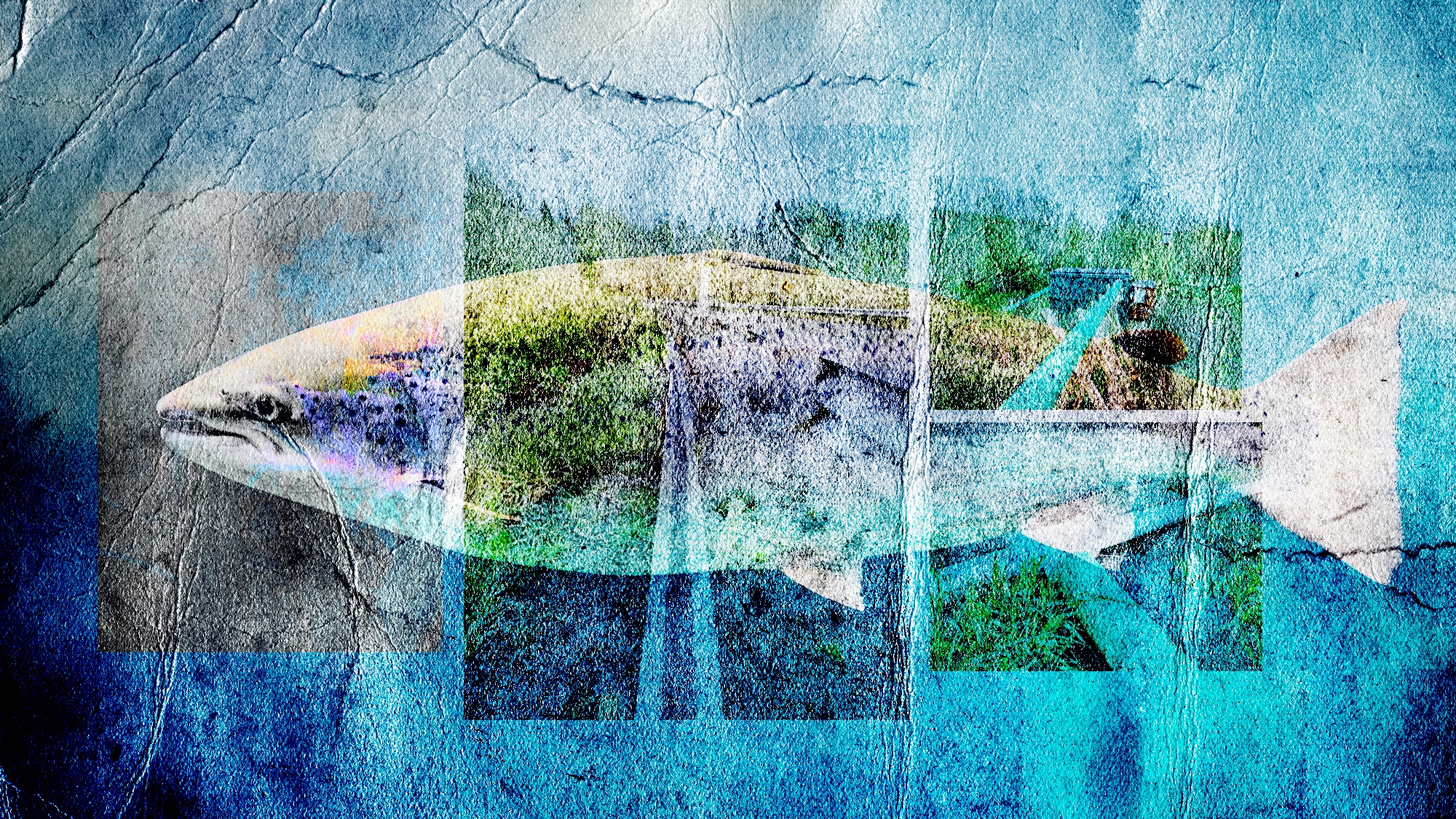
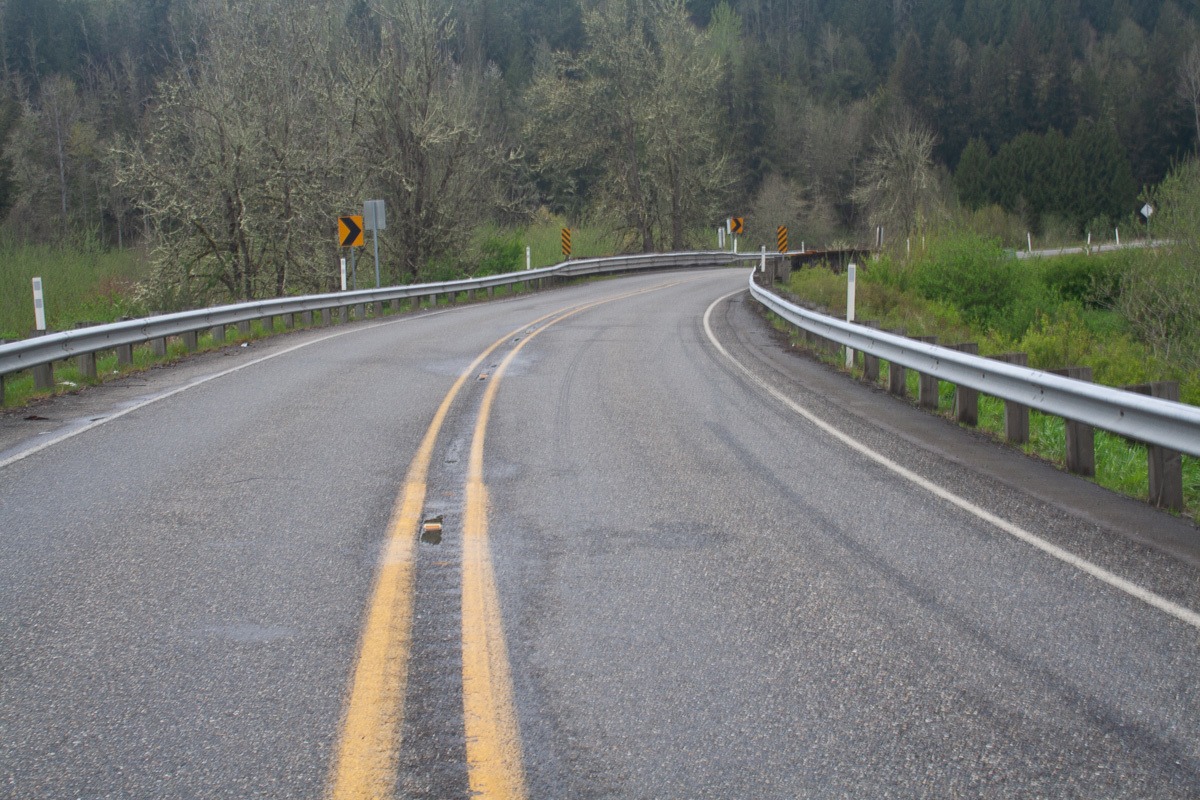
In the rugged landscape of western Washington, where Highway 7 winds through the ancestral territories of the Nisqually people, a silent ecological catastrophe has been unfolding for decades. Each time the characteristic rains of the Pacific Northwest sweep across the asphalt, they carry a lethal cocktail of chemicals into the fragile watersheds that serve as the cradle for one of the region’s most iconic species: the coho salmon. For years, the cause of sudden, mass die-offs of returning adult salmon remained a mystery, leaving conservationists and tribal leaders in a state of growing alarm. However, a landmark discovery by researchers in late 2020 finally identified the culprit as 6PPD-quinone, a toxic byproduct of a chemical used to weatherize car tires. Today, the Nisqually Tribe, in collaboration with scientific partners and non-profits, is spearheading a desperate effort to intercept this "smoking gun" before it can wipe out the next generation of salmon.
The Lethal Legacy of the Roadway
The phenomenon, once known vaguely as "urban runoff mortality syndrome," has haunted the Pacific Northwest for more than 20 years. In urbanized watersheds near cities like Seattle and Tacoma, residents and biologists frequently reported disturbing sights: adult coho salmon, having successfully navigated thousands of miles of open ocean to return to their natal streams, would suddenly become disoriented. These fish, heavy with eggs and nearing the end of their life cycle, were observed gasping for air at the surface, swimming in erratic circles, and losing equilibrium. Within hours of exposure to stormwater runoff, up to 90% of a returning population could perish before having the chance to spawn.
The breakthrough came in December 2020, when a team of researchers led by Zhenyu Tian, then of the Center for Urban Waters at the University of Washington, Tacoma, published a definitive study in the journal Science. Using high-resolution mass spectrometry, the team isolated a specific molecule that was consistently present in the blood of dying fish and the toxic runoff: 6PPD-quinone. This chemical is not added to tires directly; rather, it is the result of 6PPD (N-(1,3-dimethylbutyl)-N’-phenyl-p-phenylenediamine), an antioxidant used to prevent tire rubber from cracking, reacting with ground-level ozone. As tires wear down against the pavement, they leave behind microparticles of rubber containing 6PPD, which then transforms into the highly toxic quinone version upon contact with the atmosphere.
A Cultural and Economic Crisis for the Nisqually Tribe
For the Nisqually Tribe, the identification of 6PPD-quinone was both a relief and a terrifying revelation. The Tribe, which has over 650 enrolled members, maintains a 5,000-acre reservation near the Nisqually River and has spent decades investing millions of dollars in salmon recovery. To the Nisqually, salmon are not merely a natural resource; they are a "treaty right" and a fundamental pillar of their identity as a "People of the River."
The cultural stakes are mirrored by significant economic implications. According to the National Oceanic and Atmospheric Administration (NOAA), approximately 27 million pounds of coho salmon were harvested for consumption in the U.S. in 2019 alone. The commercial and recreational fishing industries in the Pacific Northwest generate billions of dollars in economic activity and support thousands of jobs. The collapse of coho populations would not only devastate tribal food sovereignty but also ripple through the regional economy, affecting everything from tourism to high-end culinary markets.
David Troutt, the Natural Resources Director for the Nisqually Tribe, emphasized the urgency of the situation. While the discovery of the chemical provided a clear target for mitigation, it also highlighted the ubiquity of the threat. Every vehicle on the road, from passenger cars to commercial freight trucks, serves as a mobile source of the toxin. On Highway 7, where the road crosses Ohop Creek—a vital spawning ground—the threat is immediate and constant.
Engineering a Defense: The Biofiltration Pilot at Ohop Creek
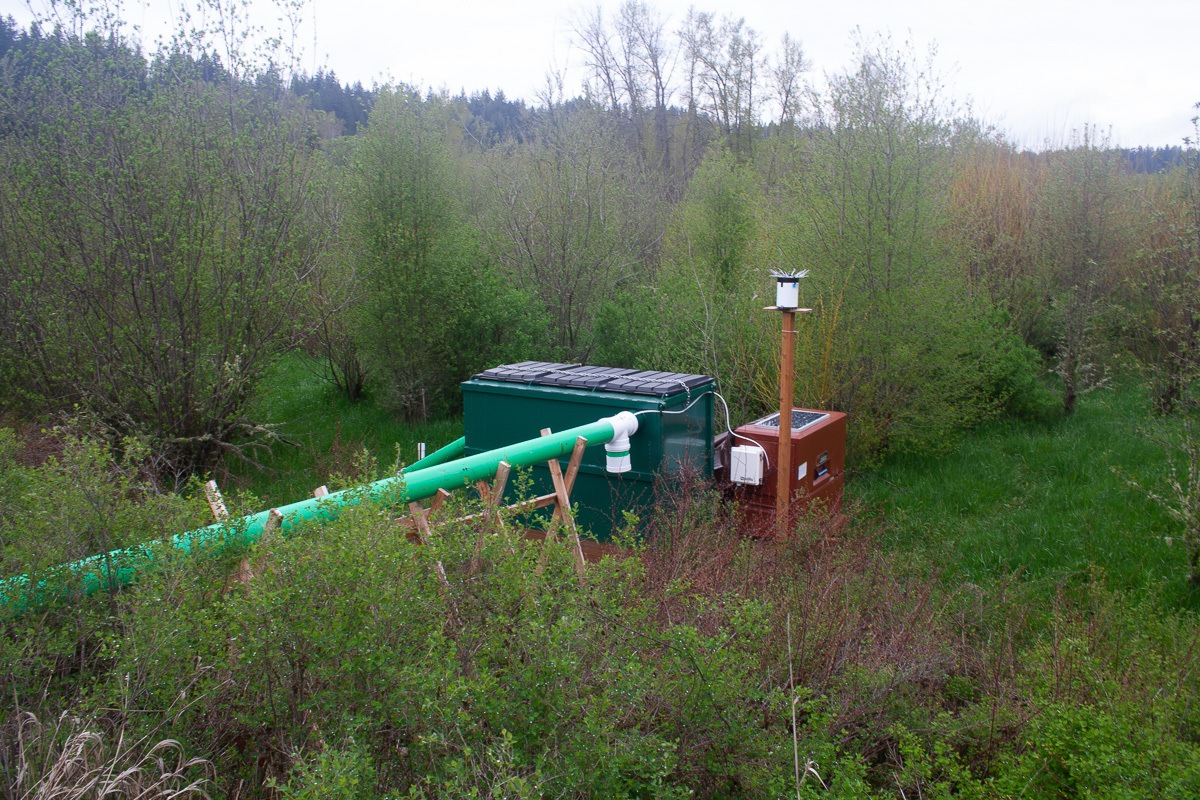
Faced with a threat that literally falls from the sky and washes off the roads, the Nisqually Tribe’s Department of Natural Resources has turned to green infrastructure. In partnership with the Seattle-based nonprofit Long Live the Kings and Cedar Grove Composting, the Tribe has installed a pilot biofiltration system along Highway 7 at Ohop Creek.
The system is deceptively simple but scientifically rigorous. It consists of a large, dumpster-sized treatment box designed to intercept stormwater as it flows off the highway. Inside, the water is channeled through a specialized "media" composed of a specific blend of sand and organic matter (compost). This process, known as bioretention, mimics the natural filtration of a forest floor.
Research led by Jenifer McIntyre, an assistant professor of aquatic toxicology at Washington State University, has demonstrated that even basic biofiltration can be remarkably effective. In laboratory and field tests, water that was 100% lethal to coho salmon was rendered non-toxic after passing through a column of soil and gravel. The organic matter in the compost binds with the 6PPD-quinone and other heavy metals, preventing them from reaching the creek. The Nisqually pilot project aims to prove that these systems can be scaled and retrofitted into existing highway drainage networks, providing a "stop-gap" measure while the tire industry seeks safer alternatives.
A Chronology of Discovery and Action
The timeline of the 6PPD-quinone crisis reflects a rapid transition from mystery to active policy debate:
- Early 2000s: Biologists first document high rates of pre-spawn mortality in coho salmon in Seattle-area restoration sites.
- 2010–2019: Researchers at the University of Washington and Washington State University narrow the cause to "stormwater runoff" but struggle to identify the specific toxicant among thousands of chemicals.
- December 2020: The study identifying 6PPD-quinone is published, providing the "smoking gun."
- July 2021: Dr. Jenifer McIntyre testifies before the U.S. House of Representatives, calling for federal intervention and research into tire chemistry.
- Late 2021: The Washington State Department of Ecology begins collaborating with the U.S. Tire Manufacturers Association (USTMA) to evaluate the safety of potential 6PPD alternatives.
- May 2022: The Nisqually Tribe and Long Live the Kings deploy the Highway 7 biofiltration pilot, marking one of the first targeted field applications of the research.
Regulatory Hurdles and the Search for Alternatives
While biofiltration offers a local solution for critical spawning areas, the long-term resolution of the 6PPD-quinone crisis requires "source elimination." However, replacing a chemical that has been the industry standard for tire safety for over half a century is a monumental task. The USTMA has expressed a commitment to finding an alternative but cautions that any replacement must meet rigorous safety standards to prevent tire blowouts and accidents.
The regulatory landscape is also shifting. The Washington State Department of Ecology is currently exploring how to regulate 6PPD-quinone under the National Pollution Discharge Elimination System (NPDES), a program authorized by the Clean Water Act. This could lead to new requirements for municipalities and departments of transportation to implement advanced stormwater treatment for all new road construction and major retrofits.
Furthermore, the California Department of Toxic Substances Control (DTSC) has moved to list tires containing 6PPD as a "priority product," a designation that requires manufacturers to conduct an "alternatives analysis." This regulatory pressure from two major West Coast states is forcing the global tire industry to accelerate its research and development cycles.
Broader Ecological and Human Health Implications
The 6PPD-quinone crisis extends beyond the survival of a single fish species. While coho salmon appear to be uniquely sensitive to the chemical—dying at concentrations as low as 0.8 micrograms per liter—other species are also at risk. Preliminary research suggests that brook trout and rainbow trout also show sensitivity, though to a lesser degree than coho. The impact on the broader food web, including the endangered Southern Resident killer whales that rely on salmon as their primary food source, is a matter of grave concern for ecologists.
There are also looming questions regarding human health. While humans do not typically consume pre-spawned salmon, the presence of a highly toxic, airborne-derived chemical in the regional water supply raises significant questions. As Zhenyu Tian noted, the full scope of 6PPD-quinone’s impact on the environment and potentially on human physiology remains unknown. The chemical’s ability to bypass traditional wastewater treatment and its persistence in the environment suggest that the "legacy effects" of current tire usage will be felt for decades.
Conclusion: A Model for Regional Resilience
The work being done by the Nisqually Tribe at Ohop Creek represents a vital intersection of indigenous knowledge, environmental justice, and cutting-edge science. By taking immediate action to filter runoff, the Tribe is buying time for the ecosystem. However, as David Troutt and other leaders argue, the responsibility cannot rest solely on the shoulders of tribal nations and local nonprofits.
The 6PPD-quinone discovery has fundamentally changed the conversation around urban planning and automotive safety. It has highlighted the hidden environmental costs of modern transportation and the necessity of "salmon-safe" industrial design. As the pilot program on Highway 7 continues to collect data, it serves as a blueprint for other regions grappling with the toxic legacy of the automobile. The survival of the coho salmon, a symbol of the Pacific Northwest’s wild heritage, now depends on a global shift in how we manufacture tires and how we manage the water that flows from our roads to our rivers.