The Vanishing Local Abattoir: How the Decline of Small Slaughterhouses Threatens British Farming Welfare and Food Security

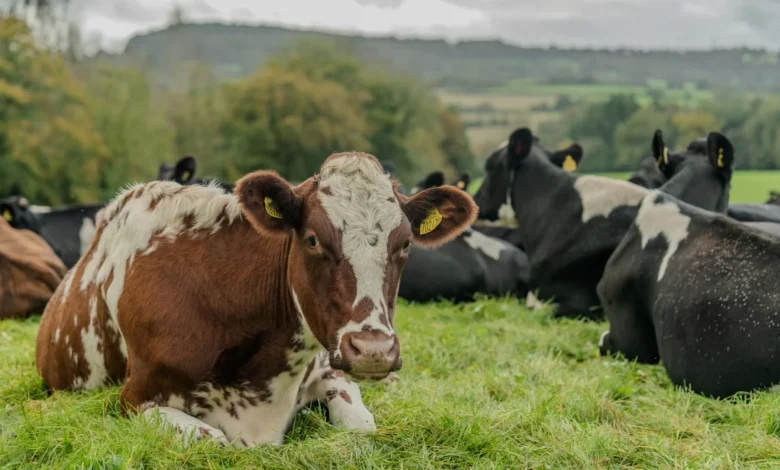
The British agricultural landscape is currently grappling with a quiet but devastating structural collapse that threatens the viability of small-scale farming, animal welfare standards, and the availability of high-quality organic meat. Since the 1970s, the number of abattoirs in the United Kingdom has plummeted from approximately 2,500 to a mere 203 today. This 92 percent decline represents more than just a loss of infrastructure; it signifies the erosion of a vital link in the local food chain, forcing livestock to travel longer distances and stripping farmers of the ability to sell directly to their communities.
As the network of local slaughterhouses continues to thin, the implications for the UK’s food sovereignty and rural economy are becoming increasingly dire. Small-scale farmers, who often rely on "private kill" services to maintain their brand identity and organic status, are finding themselves boxed out of a system increasingly designed for industrial-scale processing.
The Shrinking Map: A Half-Century of Consolidation
The trajectory of the British meat industry over the last fifty years has been defined by consolidation and centralization. In the 1970s, a farmer in almost any corner of the UK could find a local abattoir within a short drive. Today, that is no longer the case. The closure of these facilities has been driven by a combination of factors, including the rise of supermarket dominance, the high cost of regulatory compliance, and a shift toward massive, high-throughput facilities located near major motorway networks.
According to a recent comprehensive survey conducted by the Sustainable Food Trust (SFT), which gathered data from over 850 farmers, the loss of local facilities is not merely an inconvenience but a threat to business survival. The survey revealed that many smallholders would be unable to continue selling meat directly to consumers if their nearest local abattoir were to close. Smaller facilities are unique in offering "private kill" services—a process where a farmer’s specific livestock is slaughtered and the meat returned to them for direct sale. Without this service, farmers are forced into wholesale markets, an option that 58 percent of survey respondents deemed unprofitable for their specific business models.
Impact on Welfare and the Organic Sector
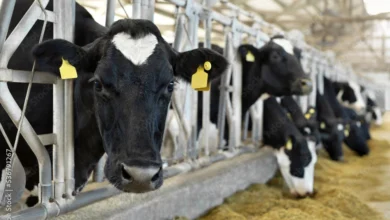
The geographical gaps in the UK’s abattoir network have created a welfare crisis for livestock. As local facilities vanish, animals are subjected to significantly longer journeys. While ten percent of the farmers surveyed already travel more than 60 miles with their livestock, many more fear that further closures will push travel times past acceptable limits. High on-farm welfare standards, which British consumers increasingly demand and are willing to pay a premium for, are fundamentally undermined when an animal must endure hours of stressful transport at the end of its life.
The organic sector has been particularly hard hit. To sell meat as "certified organic," the slaughterhouse itself must hold organic certification. As small, certified facilities close, farmers are left with no choice but to use non-organic large-scale plants. The SFT survey found that 19 percent of organically certified respondents have already been forced to stop selling their meat as organic due to a lack of access to specialized services. Furthermore, 18 percent of farmers reported that they have been forced to sell off their livestock entirely because they could no longer find a viable route to slaughter.
Case Study: The Symbiosis of Dartmoor Farming
The importance of local infrastructure is best illustrated by farms like Challacombe Farm, situated on Duchy of Cornwall land on Dartmoor, Devon. Managed by Mark Owen and Naomi Oakley, the farm maintains 20 Welsh Black Bullock cows and 200 Shetland X Icelandic sheep. These rare, non-commercial breeds are essential for land management, but their value is tied to the farm’s ability to process them locally.
Challacombe Farm utilizes Gages abattoir in Buckfastleigh, located just nine miles away. This proximity ensures that the animals experience minimal stress. "The only journey the animals take off the farm is to the abattoir, and we know exactly what happens to them," Owen explains. The farm’s livestock is 100 percent grass-fed and certified by ‘A Greener World,’ a standard that requires year-round field access.
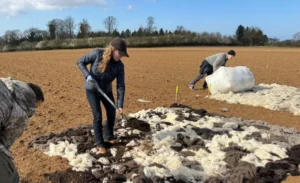
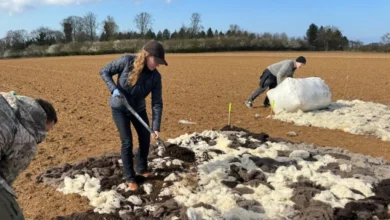
The local ecosystem extends beyond the meat. Just two miles from the abattoir lies Devonia Sheepskins, the oldest tannery in Britain. By using these local links, Challacombe can sell organic meat and high-quality sheepskin rugs directly to consumers who value provenance and environmental impact. This "closed-loop" system is only possible because of the presence of a small, flexible abattoir like Gages, which has been run by the Lang family for over 80 years.
The Labor Crisis and Succession Planning
One of the most significant threats to the remaining 203 abattoirs is a lack of new talent. The workforce is aging rapidly, with the average age of abattoir owners in the UK currently between 60 and 70 years old. The work is physically demanding, involving the movement of heavy carcasses and the management of live animals in the lairage. Even with modern mechanization, the roles of butchers, meat processors, and abattoir technicians require high levels of skill and stamina.
Despite the availability of government-funded apprenticeships, the intake is alarmingly low. Between 2019 and 2025, only 22 abattoir apprentices completed their training—an average of just five per year. This is despite the fact that 82 percent of abattoirs and butchers surveyed by the National Craft Butchers in 2023 expressed a desire to host an apprentice.
Industry experts suggest that the meat sector suffers from a perception problem. Sarah Dyke, the Liberal Democrat MP for Glastonbury and Somerton, has advocated for a change in how food production is taught in schools. "There should be more on the curriculum on food and farming—all that connection with food, but with rearing animals as well," Dyke stated. Without a clear educational pathway and an effort to make the industry attractive to younger generations, many small abattoirs will likely close simply because there is no one left to run them.
The Economic Collapse of Byproducts
Historically, the sale of hides and sheepskins provided a vital secondary income stream for abattoirs, often covering a significant portion of their operational costs. However, the global market for these byproducts has collapsed. Fifteen years ago, an abattoir could receive £6 to £8 for a sheepskin; today, they must pay approximately £1.60 per skin to have them removed. Similarly, the value of cow hides has plummeted from around £50 to just £4 or £5.
This shift is largely attributed to the dominance of Chinese and Turkish markets, which account for 84 percent of worldwide sheepskin exports. With no robust domestic market for leather and skins, approximately 15 million UK sheepskins are discarded annually, with only one percent being utilized. This forces small abattoirs to absorb the costs of waste disposal, further squeezing their already thin margins.
Regulatory Pressure and the Role of the FSA
The Food Standards Agency (FSA) plays a critical role in the industry, overseeing food safety and veterinary inspections. While safety is paramount, small abattoir owners often feel the regulatory framework is designed for high-output industrial plants and fails to account for the bespoke nature of smaller operations.
A significant concern is the cost of on-site veterinarians, whose presence is mandatory. While the government recently retained a 90 percent discount on veterinary charges for small facilities, the base hourly rate for these vets increased by 17.7 percent in 2025 alone. One-third of farmers surveyed indicated that if these costs continue to rise, they will be forced to pass the increases on to consumers, making high-welfare meat less accessible to the general public.
The Abattoir Sector Group (ASG) is currently calling for ring-fenced funding to support the industry. While a £4 million "Small Abattoir Fund" was established under the previous Conservative government, only £1 million was ever allocated before the scheme was discontinued. Advocates like Sarah Dyke MP argue for a "marked change" in the FSA’s relationship with small businesses, moving away from punitive, surprise inspections toward a more collaborative, administrative partnership.
Global Trade and the Future of British Meat
The decline of local infrastructure coincides with a shift in the UK’s international trade policy. New trade deals, such as those with the United States, Australia, and New Zealand, threaten to flood the UK market with cheaper beef and lamb produced under different regulatory and welfare standards. For example, a deal with the US may lift tariffs on hormone-fed beef, while major retailers like ASDA have already begun stocking Uruguayan beef to keep prices low.
These imports threaten to undercut British farmers at a time when their domestic costs are soaring due to the loss of local processing. If the UK loses its network of small abattoirs, it effectively loses the ability to produce and sell differentiated, high-welfare, local meat. Consumers may unknowingly find themselves purchasing imported products as the domestic "farm-to-fork" supply chain becomes physically impossible to maintain.
The survival of the remaining 203 abattoirs is therefore a matter of national importance. Supporting local infrastructure—from the farm to the butcher and the tannery—is essential to ensuring that high-welfare British meat remains a viable choice for consumers rather than a relic of the past. As the industry faces a crossroads, the focus must shift toward succession planning, regulatory flexibility, and the restoration of value to the entire animal, ensuring that the link between the land and the table is not permanently severed.
Related posts: