California Lawmakers and Advocates Push for Universal Food Assistance to Address Rising Hunger Among Undocumented Immigrants

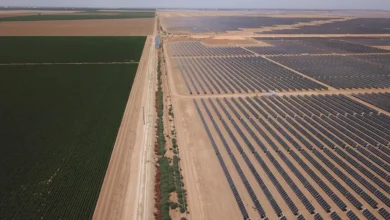
In the heart of California’s Central Valley, a region often referred to as the "salad bowl of the world" for its massive agricultural output, a stark and bitter irony persists: the very workers who harvest the nation’s produce are increasingly unable to afford food for their own families. As the state grapples with an unprecedented $68 billion budget surplus, a growing coalition of lawmakers, civil rights advocates, and community leaders is intensifying pressure on Governor Gavin Newsom to eliminate immigration-based restrictions from the state’s nutrition safety net. The movement, spearheaded by the Food4All campaign and legislative efforts like Senate Bill 464, seeks to provide state-funded food assistance to all low-income Californians, regardless of their documentation status or age.
Currently, undocumented immigrants are systematically excluded from the federal Supplemental Nutrition Assistance Program (SNAP), known in California as CalFresh. While the state-funded California Food Assistance Program (CFAP) was designed to assist some immigrants who do not qualify for federal aid, it currently excludes those without legal residency. Governor Newsom’s 2022-2023 budget proposal offered a partial remedy by expanding CFAP to undocumented adults aged 55 and older, but advocates argue that this age-restricted approach leaves hundreds of thousands of vulnerable families, including essential farmworkers and young parents, in a state of chronic hunger.
The Magnitude of Food Insecurity in the Golden State
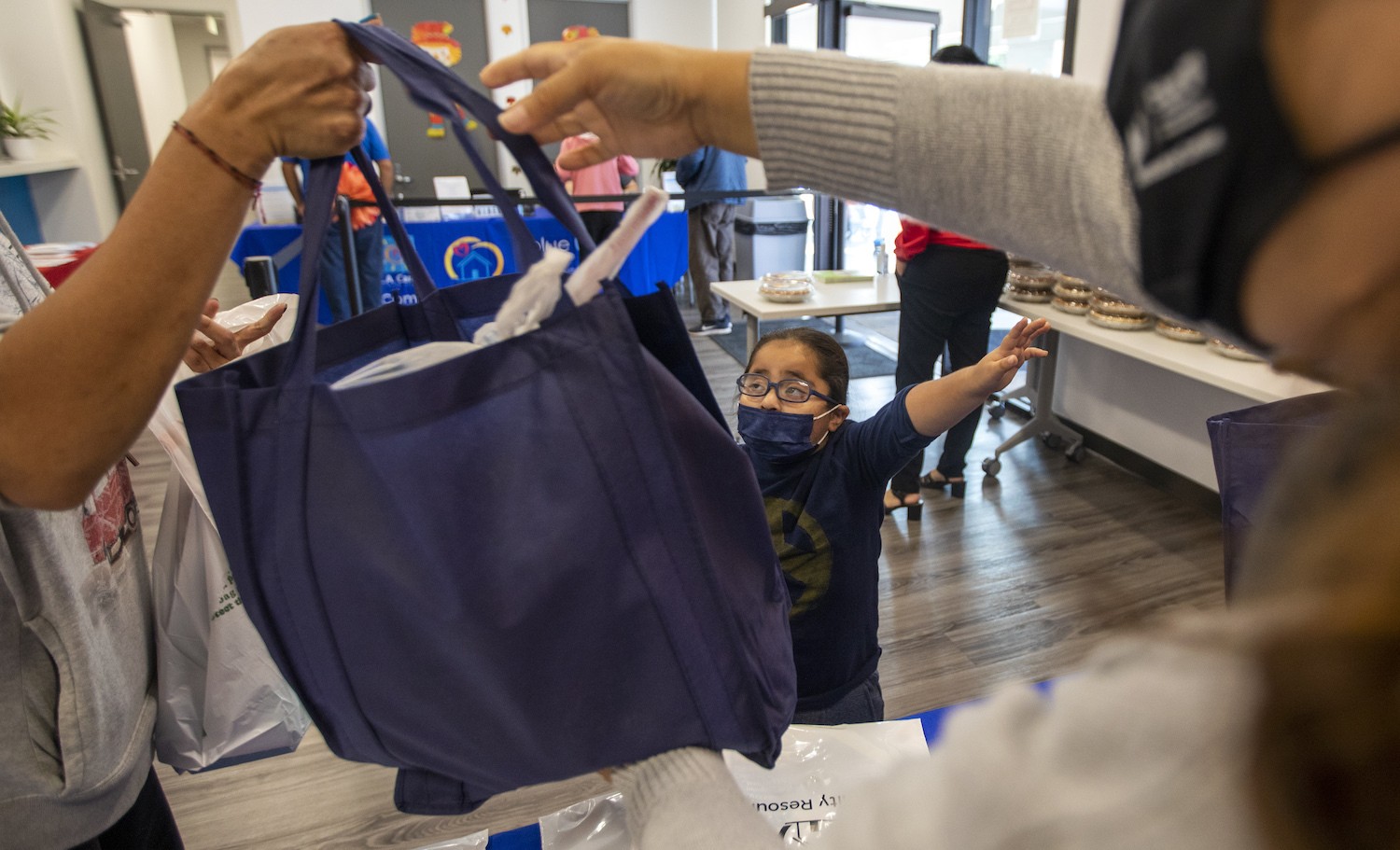
The scale of the crisis is supported by sobering data. Research indicates that approximately 45 percent of undocumented immigrants in California experience food insecurity, a rate significantly higher than the general population. This disparity exists despite California’s status as the fifth-largest economy in the world and the top agricultural producer in the United States. According to the U.S. Census Bureau’s Supplemental Poverty Measure, California consistently maintains the highest poverty rate in the nation when the cost of living is factored in, making the lack of access to basic nutrition even more catastrophic for marginalized communities.
For many undocumented households, the struggle to put food on the table is exacerbated by seasonal labor cycles. In the agricultural sector, workers may find themselves with only a few hours of labor per day during the off-season, leading to a total loss of purchasing power for fresh vegetables and protein. Families often pivot to inexpensive staples like rice, beans, and maseca, but even these basic necessities can become unaffordable during periods of extreme heat, drought, or wildfire—conditions that have become increasingly common in California’s changing climate.
A Chronology of Exclusion: From Proposition 187 to the Public Charge Rule
The current barriers to food assistance are the result of decades of restrictive state and federal policies that have created a "chilling effect" within immigrant communities. Understanding the current legislative battle requires a look at the history of these exclusions:
- 1994: Proposition 187: California voters passed this ballot measure, which sought to deny undocumented immigrants access to public education and non-emergency healthcare. While it was eventually struck down as unconstitutional, it established a lasting narrative of exclusion and fear, signaling to immigrant communities that seeking state help could lead to deportation.
- 1996: The Personal Responsibility and Work Opportunity Reconciliation Act (PRWORA): Signed by President Bill Clinton, this federal welfare reform law significantly restricted immigrant access to federal benefits. It forced even Lawful Permanent Residents (green card holders) to wait five years before becoming eligible for SNAP, a move that led to a sharp decline in participation among eligible immigrant households due to fear and confusion.
- 1997: Creation of CFAP: In response to federal cuts, California established the California Food Assistance Program to provide a safety net for "qualified" immigrants who were ineligible for federal SNAP benefits due to the five-year residency requirement. However, undocumented immigrants remained entirely excluded.
- 2019: Expansion of the "Public Charge" Rule: The Trump administration expanded the definition of a "public charge" to include the use of non-cash benefits like SNAP. This led many families—including those with U.S. citizen children—to withdraw from assistance programs out of fear that it would jeopardize their future legal status.
- 2021-2022: The Food4All Movement: State Senator Melissa Hurtado introduced SB 464 to expand CFAP eligibility to all Californians regardless of status. Simultaneously, the Food4All campaign, led by Nourish California and the California Immigrant Policy Center (CIPC), began a concentrated push to include universal food access in the state budget.
Legislative and Advocacy Efforts: The Fight for SB 464
Senator Melissa Hurtado, whose district encompasses parts of the Central Valley, has been a vocal proponent of expanding food access. As the daughter of immigrants who experienced food insecurity, Hurtado views the exclusion of farmworkers from nutrition programs as a "cruel reality." Her legislation, SB 464, aims to modernize CFAP by removing the immigration status requirement entirely.
"These are people who feed us," Hurtado stated, emphasizing that farmworkers have remained on the front lines through the COVID-19 pandemic, extreme heatwaves, and smoke-filled fields during wildfire seasons. Advocates from Nourish California argue that the current system is rooted in "racist and xenophobic laws" that must be dismantled to ensure an equitable safety net.
The Food4All campaign is currently focused on the June budget negotiations. While Governor Newsom’s proposal to include undocumented seniors is seen as a historic first step, advocates like Betzabel Estudillo of Nourish California argue it is insufficient. They point to the state’s $68 billion surplus as a once-in-a-generation opportunity to make a permanent, long-term investment in human rights rather than relying on short-term fixes like gas tax rebates.
Cultural and Linguistic Barriers to Access
Even if the law is changed, significant hurdles remain regarding the implementation of these programs. A substantial portion of California’s agricultural workforce consists of Indigenous migrants from Mexican states such as Oaxaca and Guerrero. These communities often speak native languages like Mixtec, Zapotec, or Purépecha, and may have limited proficiency in both English and Spanish.
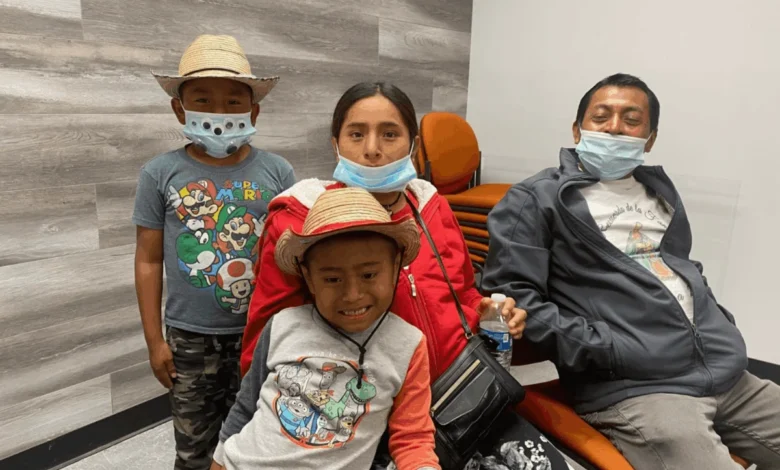
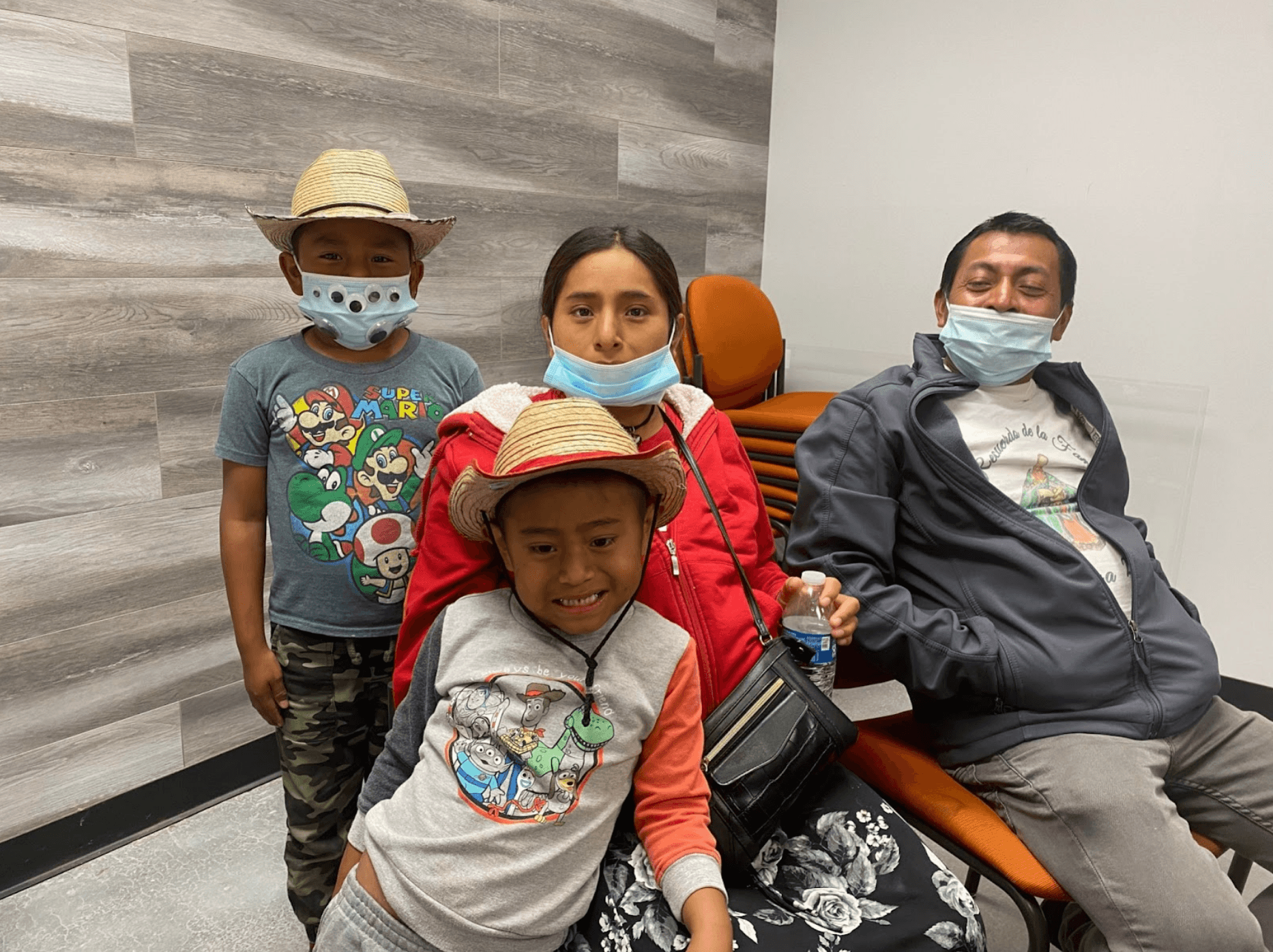
Community members like Guillermo and Augustina, undocumented Mixtec farmworkers, highlighted the difficulties of navigating a system that does not provide services in their primary language. Beyond the language barrier, there is a deep-seated fear that participating in government programs could result in "payback" demands in the future or negatively impact their children’s adulthood.
"We would sign up for the support if it was guaranteed the law would not change to hurt us in the future," Guillermo noted, reflecting a common sentiment among families who have lived through shifting political administrations and the weaponization of public benefits. Organizations like the Central Valley Immigrant Integration Collaborative (CVIIC) and the Mixteco Indigena Community Organizing Project (MICOP) are working to bridge this gap, but they emphasize that state agencies must coordinate with Indigenous language speakers to ensure equitable access.
Official Responses and Economic Analysis
The Governor’s office has defended its record, pointing to "historic investments" in immigrant communities. A spokesperson highlighted the expansion of Medi-Cal (California’s Medicaid program) to all eligible residents regardless of status, as well as the creation of college savings accounts for immigrant children. However, the administration has remained non-committal regarding the full expansion of CFAP to all ages, citing the need to balance various spending priorities in the face of economic uncertainty.
From an economic and public health perspective, the implications of food insecurity are profound. Research consistently links inadequate nutrition to poor physical and mental health outcomes, particularly in children, where it can cause irreversible developmental delays. By excluding a significant portion of the workforce from food assistance, the state may be incurring higher long-term costs in healthcare and lost economic productivity.
Furthermore, critics of the Governor’s proposed $200 gas rebates argue that such measures do little for the most impoverished residents who may not own vehicles. "You can’t eat a gas rebate," Estudillo remarked, echoing the sentiment that the budget surplus should be used to address the most fundamental of human needs: hunger.
Broader Implications and Future Outlook
As the deadline for the California state budget approaches, the eyes of the nation are on Sacramento. If California moves to provide universal food assistance, it would set a major precedent for other states with large immigrant populations. The move would represent a shift from viewing food assistance as a privilege of citizenship to viewing it as a fundamental human right and a necessary component of a stable economy.
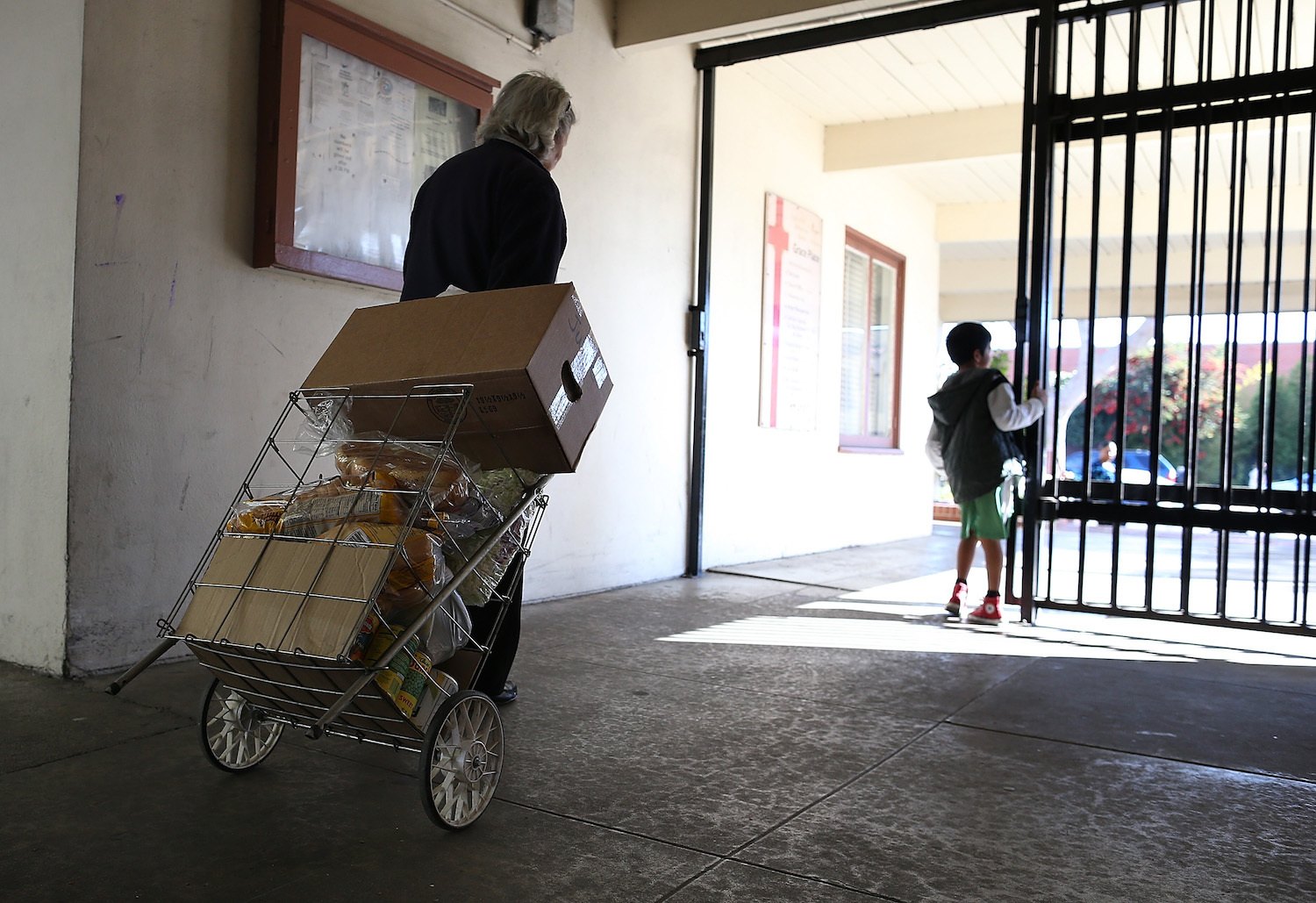
The outcome of this legislative session will determine whether hundreds of thousands of Californians continue to rely on overstretched food banks or if they will finally gain access to the same nutritional safety net as their neighbors. For the farmworkers of the Central Valley, the decision is not merely a matter of policy, but a question of whether the state that relies on their labor is willing to ensure they do not go hungry.