The Global Shift Toward Keratin-Based Circularity: Repurposing Human Hair and Animal Fiber for Agricultural and Ecological Restoration

The global beauty and textile industries are witnessing a paradigm shift as once-discarded biological waste, specifically human hair and animal wool, is being reimagined as a high-value resource for sustainable agriculture and environmental remediation. Long considered a nuisance for landfills due to its slow rate of decomposition and tendency to clog drainage systems, hair is now being recognized for its unique chemical properties, including its high nitrogen content and hydrophobic nature. Organizations such as Barcelona-based Clic Recycle, the UK’s Green Salon Collective, and the San Francisco-based nonprofit Matter of Trust are leading an international effort to integrate these keratin-rich fibers into the circular economy. By transforming salon waste into biodegradable mulch, soil amendments, and pest deterrents, these innovators are addressing two simultaneous crises: the overwhelming accumulation of urban waste and the degradation of global soil health.
The Science of Keratin: Why Hair is an Ideal Agricultural Resource
To understand the sudden interest in hair recycling, one must look at the biological composition of the material. Human hair is composed of approximately 95% keratin, a durable structural protein characterized by high concentrations of sulfur and nitrogen. In traditional agriculture, nitrogen is a primary component of synthetic fertilizers, which are energy-intensive to produce and often lead to nutrient runoff that contaminates local waterways. Hair offers a natural, slow-release alternative. Because keratin is a complex protein, it does not break down immediately upon contact with soil. Instead, it undergoes a gradual biodegradation process, releasing nitrogen and other micronutrients into the earth over several months.
This slow-release mechanism acts as a "supplement pill" for plants, as described by industry experts like David Rigg of the Green Salon Collective. Unlike synthetic fertilizers that provide a sudden burst of nutrients followed by a sharp decline, hair-based products provide a steady supply of nourishment that aligns more closely with the natural growth cycles of vegetation. Furthermore, hair is naturally hydrophobic, meaning it repels water on a structural level while remaining porous. This allows rainwater or irrigation to pass through the fiber into the soil, but once the moisture is beneath the hair layer, the fibers act as an insulating barrier that prevents evaporation.
Innovations in Biodegradable Mulch: The Clic Recycle Model
In the Mediterranean region, where water scarcity is an escalating concern due to climate change, Clic Recycle has developed a patented solution that leverages these hydrophobic properties. Founded by CEO Valérie Itey, the company collects tons of human hair from a vast network of salons across Spain, Portugal, France, and the Netherlands. This hair is processed and blended with industrial hemp and natural vegetable fibers to create a biodegradable mulch mat.
The implications for water conservation are significant. Independent testing of Clic Recycle’s mulch revealed that it can reduce irrigation requirements by 40% or more. By shielding the soil from direct sunlight and wind, the mulch keeps the ground cooler and more humid. Beyond moisture retention, the physical density of the hair-hemp blend serves as a highly effective weed suppressant, significantly reducing the need for chemical herbicides. This dual benefit—saving water and reducing chemical inputs—positions hair mulch as a critical tool for the future of regenerative farming in arid climates.
Chronology of a Growing Movement: From Niche to National Parks
The journey of hair recycling from a niche environmental concept to a recognized industrial practice has spanned several decades, gaining significant momentum in the last five years. Matter of Trust, founded in 1998, initially gained international attention for using hair "booms" to soak up oil spills, such as the Deepwater Horizon disaster in 2010. However, the organization’s focus has expanded into soil science and urban restoration.
In recent years, the timeline of hair-based ecological intervention has accelerated:
- 2020: The Green Salon Collective is established in the United Kingdom, providing the first large-scale infrastructure for salons to divert hair, foil, and chemicals from landfills.
- 2021-2022: Clic Recycle expands its operations across Southern Europe, patenting its specific blend of hair and vegetable fiber mulch.
- 2023-2024: Matter of Trust partners with the Presidio Trust in San Francisco for a landmark study on grassland restoration.
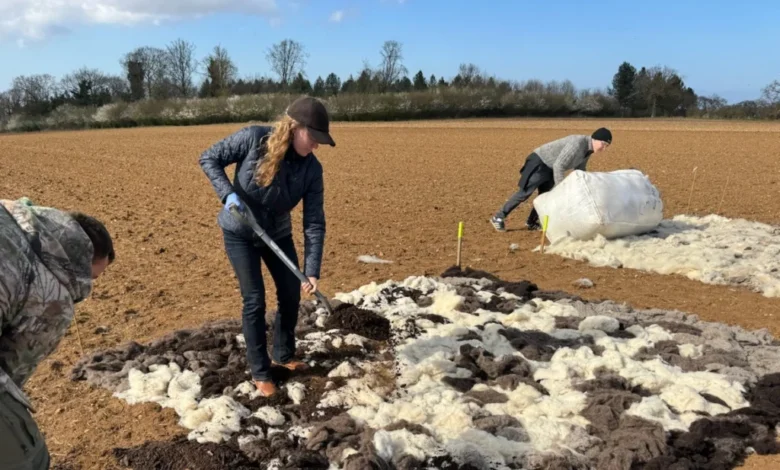
The Presidio National Park project represents one of the most ambitious tests of hair’s restorative potential. In this study, researchers divided plots of land contaminated with heavy metals and toxic chemicals into various testing zones. These zones were treated with either hair mulch, straw mulch, compost, fertilizer, or left untreated as a control group. While formal analysis of the soil chemistry is ongoing, the visual results have been stark. Plots treated with hair mulch have produced lush, green vegetation, significantly outperforming the straw and compost plots, which showed only sparse growth. This suggests that hair may not only provide nutrients but also assist in phytoremediation—the process of using plants to clean up contaminated soil.
Pest Management and Pollinator Support: The Multi-Functional Fiber
The utility of human hair extends beyond soil chemistry into the realm of behavioral ecology. Farmers and gardeners have long noted that the scent of humans can act as a deterrent for certain wildlife. Professional-grade hair products are now being used to formalize this traditional knowledge. Deer, which can devastate crops and young orchards, are particularly sensitive to the human scent lingering in hair. By strategically placing hair along the boundaries of fields, farmers can create an olfactory "fence" that repels deer without the need for physical barriers or harmful chemicals.
Similarly, small mammals like rabbits, rodents, and wild boar are deterred by the physical irritation hair causes to their sensitive nostrils. In more specialized agricultural settings, such as coconut or fruit orchards, balls of hair are used to protect trees from rhinoceros beetles. The beetles become entangled in the fibers, preventing them from boring into the tree trunks.
Conversely, while hair repels many pests, it can serve as a magnet for beneficial insects. Lisa Gautier of Matter of Trust notes that moths are naturally attracted to animal and human fibers. While moths are often viewed as household pests, in a wild or agricultural context, they are highly efficient pollinators, often surpassing bees in their ability to move pollen across diverse plant species. By providing a habitat or attractant for moths, hair-based mulches can inadvertently boost the local pollination network, leading to higher crop yields and greater biodiversity.
Addressing the Wool Waste Crisis
The movement to recycle human hair is closely linked to the struggle of the wool industry. In the United States, it is estimated that approximately 50% of wool produced is wasted. As synthetic fibers have dominated the fashion industry, the market value for raw wool—particularly the coarser varieties not suitable for high-end apparel—has plummeted. Sheep farmers often find themselves with massive bales of wool that cost more to transport than they are worth on the open market, with some attempting to sell it for as little as 10 cents a pound.
This surplus of wool represents a massive untapped reservoir of keratin. Like human hair, wool can be felted into mats for erosion control or pelletized into fertilizer. By creating a market for "waste" wool in the agricultural sector, organizations are providing a secondary income stream for farmers while preventing the environmental hazards associated with burying or burning unsold fleeces.
Data-Driven Environmental Impact and Future Implications
The environmental benefits of diverting hair and wool from landfills are quantifiable. Since its inception in 2020, the Green Salon Collective has diverted more than 225 tons of waste from landfills. In 2025, the organization is projected to avoid over 14.2 tons of carbon dioxide emissions through its recycling initiatives. When hair decomposes in the anaerobic environment of a landfill, it can contribute to the production of methane, a potent greenhouse gas. By moving that decomposition process to the surface of a farm field, where it occurs aerobically, the carbon and nitrogen are sequestered back into the biological cycle.
The broader implications for global policy and industry standards are profound. As governments move toward "Extended Producer Responsibility" (EPR) laws, the beauty industry will likely face increasing pressure to manage its waste. The infrastructure currently being built by companies like Clic Recycle and the Green Salon Collective provides a blueprint for how a decentralized waste stream—comprising thousands of individual hair salons—can be consolidated into a centralized industrial resource.
However, challenges remain. Scaling these solutions requires significant logistics and public education. There is also a "psychological barrier" to overcome; the idea of using human hair in food production can be unappealing to some consumers. Nevertheless, as the data continues to prove the efficacy of hair in reducing water use, eliminating weeds, and restoring toxic land, the transition from "waste" to "wealth" seems inevitable. The success of the hair-recycling movement suggests that the future of sustainability may not lie in new synthetic inventions, but in the intelligent repurposing of the very biological materials that humans and animals produce every day.
Related posts: