The Industrialization of the Plate: Understanding the Rise, Risks, and Regulation of Ultra-Processed Foods

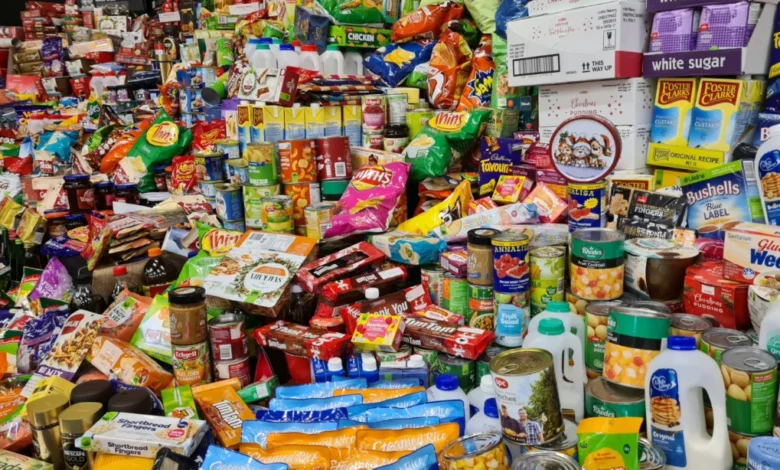
The modern global food landscape has undergone a seismic shift over the last century, transitioning from a reliance on whole, minimally processed ingredients to a system dominated by industrial formulations known as ultra-processed foods (UPFs). These products, which now comprise approximately 75 percent of the United States food supply, are not merely "processed" in the traditional sense of cooking or preserving; they are sophisticated edible matrices designed for hyperpalatability, long shelf lives, and high profitability. As UPFs come to account for more than half of the total caloric intake for adults in high-income nations, public health experts, nutritionists, and policymakers are sounding the alarm regarding their role in a global epidemic of non-communicable chronic diseases.
Defining the Industrial Formulation: The NOVA Classification
To understand the impact of ultra-processed foods, one must first distinguish them from traditional food processing. Food processing is an ancient human endeavor, encompassing techniques such as fermentation, drying, and smoking, which were originally developed to enhance safety and extend the seasonality of harvests. However, the advent of the NOVA classification system, developed by researchers at the University of Sao Paulo, Brazil, has provided a framework to categorize foods based on the extent and purpose of their processing rather than their nutrient content alone.
Under the NOVA system, UPFs are defined as Group 4: industrial formulations typically composed of five or more ingredients. These ingredients often include substances not found in a domestic kitchen, such as protein isolates, hydrogenated oils, modified starches, and a cocktail of additives designed to mask unpleasant tastes or create artificial textures. Common examples include carbonated soft drinks, mass-produced packaged breads, reconstituted meat products, "instant" noodles, and sweetened breakfast cereals. Unlike Group 1 foods (unprocessed or minimally processed) or Group 3 foods (processed foods like simple canned vegetables or artisanal cheeses), UPFs are engineered to be "ready-to-consume," replacing freshly prepared meals with convenient, shelf-stable alternatives.
A Century of Transformation: The Chronology of Ultra-Processing
The rise of UPFs is inextricably linked to the industrialization of the 20th century. Following World War II, the food industry pivoted toward efficiency and mass production, driven by a need to feed growing urban populations and a burgeoning middle class seeking convenience.
- Early 20th Century: Food preservation focused on safety and longevity. Canned goods and pasteurized milk became staples, reducing the incidence of foodborne illnesses but maintaining the integrity of the original ingredients.
- The 1950s and 60s: The "Convenience Revolution" introduced TV dinners and highly refined flour products. The entry of more women into the workforce and the rise of car culture shifted consumer habits toward quick-prep meals.
- The 1980s: This decade marked a significant turning point with the widespread introduction of high-fructose corn syrup (HFCS) and the refinement of extrusion technology. These advancements allowed manufacturers to create hyperpalatable snacks with unprecedented profit margins.
- The 21st Century: Global trade and aggressive marketing have exported the "Western Diet" to emerging economies. In 2009, the formal definition of "ultra-processed food" was introduced via the NOVA system, providing a scientific basis for studying the health impacts of these industrial products.
Today, the displacement of traditional dietary patterns is nearly complete in many regions. In the United Kingdom and Canada, UPFs account for nearly 50 to 60 percent of daily energy intake. In emerging economies like Brazil and Mexico, while the percentages are lower, the rate of increase is significantly higher, often outpacing the development of healthcare infrastructure to manage the resulting chronic diseases.
The Biological Mechanism: Why UPFs Lead to Overconsumption
The primary concern regarding UPFs is their inherent "hyperpalatability." By combining specific ratios of fats, sugars, and sodium, manufacturers can trigger the brain’s reward system in a manner similar to addictive substances. This neurological stimulation often overrides the body’s natural satiety signals—the hormones that tell the brain when the stomach is full.
A landmark clinical trial conducted by the National Institutes of Health (NIH) and published in Cell Metabolism provided empirical evidence for this phenomenon. In the study, 20 healthy volunteers were sequestered and provided with either an ultra-processed or a minimally processed diet for two weeks each. Both diets were matched for total calories, carbohydrates, fat, and fiber. Despite the nutritional parity, participants on the ultra-processed diet consumed an average of 500 more calories per day and gained approximately two pounds during the two-week period. Participants on the unprocessed diet lost an equivalent amount of weight. The study concluded that the physical structure and chemical composition of UPFs encourage faster eating and delayed fullness, leading to passive overconsumption.
Furthermore, the "matrix effect"—the physical structure of food—is destroyed during ultra-processing. In whole foods, fiber acts as a scaffold that slows the absorption of sugar. In UPFs, this scaffold is removed, leading to rapid spikes in blood glucose and insulin, which over time can lead to insulin resistance and metabolic dysfunction.
Supporting Data: The Link to Chronic Disease
The health implications of a diet high in UPFs are extensive and well-documented through large-scale longitudinal studies. Research involving hundreds of thousands of participants across the globe has consistently shown that high UPF consumption is a significant risk factor for several life-threatening conditions.
- Cardiovascular Health: A study published in the British Medical Journal (BMJ) found that for every 10 percent increase in the proportion of UPFs in the diet, the risk of cardiovascular disease, coronary heart disease, and cerebrovascular disease increased by more than 10 percent.
- Metabolic Disorders: High intake of UPFs is strongly correlated with a higher incidence of Type 2 diabetes. The lack of fiber and the presence of artificial sweeteners and emulsifiers are believed to alter the gut microbiome, further exacerbating metabolic issues.
- Cancer Risks: Evidence suggests a link between UPFs and an increased risk of colorectal and breast cancers. This is attributed not only to the poor nutritional profile but also to the presence of neo-formed contaminants produced during high-heat industrial processing and the migration of chemicals from plastic packaging.
- Mental Health: Emerging research has identified a "gut-brain axis" connection, where diets high in UPFs are associated with a 22 percent higher risk of depression and a significant increase in reported anxiety.
Socioeconomic Disparities and Food Justice
The prevalence of UPFs is not distributed equally across society. Data from the Centers for Disease Control and Prevention (CDC) indicates that children and adolescents are the highest consumers of UPFs, often obtaining more than 60 percent of their calories from these sources. Furthermore, households with lower income and education levels are disproportionately affected.
This disparity is driven by "food environments." In many low-income areas, often referred to as food deserts or food swamps, fresh produce is expensive and difficult to access, while UPFs are ubiquitously available and significantly cheaper per calorie. The industrial efficiency of UPF production allows these products to remain shelf-stable for months, making them a "rational" choice for families with limited refrigeration or time for meal preparation. Consequently, the public health crisis of UPFs is also a matter of social and economic equity.
Nuance in Processing: When Industry Benefits Public Health
While the critique of UPFs is robust, experts like Dr. David Seres of Columbia University Medical Center emphasize that not all food processing is detrimental. It is essential to distinguish between "ultra-processed" industrial formulations and "processed" foods that provide public health benefits.
Pasteurization is perhaps the most significant example, having virtually eliminated milk-borne illnesses like tuberculosis and brucellosis. Similarly, the freezing and canning of fruits and vegetables allow for the consumption of nutrient-dense foods out of season and reduce the staggering levels of global food waste. Fortification—such as adding iodine to salt, folic acid to flour, or Vitamin D to milk—has been a cornerstone of public health in eradicating nutrient deficiencies. Some processed foods, such as plain yogurt, whole-grain breads, and canned legumes, remain associated with reduced risks of chronic disease, highlighting that the nature of the processing matters more than the fact that processing occurred.
Official Responses and Policy Interventions
As the evidence against UPFs mounts, governments are beginning to take legislative action. The most effective strategies to date have focused on transparency and accessibility.
- Front-of-Package Labeling: Countries like Chile and Mexico have implemented "black-stop" warning labels on products high in sugar, sodium, and saturated fats. These labels have been shown to significantly reduce the purchase of unhealthy UPFs, particularly among parents.
- Marketing Restrictions: Marion Nestle, Professor Emerita at New York University, has been a vocal advocate for strict regulations on marketing to children. Nestle argues that the "business-first" model of the food industry intentionally targets youth to create lifelong brand loyalty. She calls for the legal authority to ban UPF advertisements on social media and television during hours when children are likely to be watching.
- Fiscal Policies: Sugar-sweetened beverage taxes have been adopted in dozens of jurisdictions worldwide, successfully reducing consumption and generating revenue for public health initiatives.
Public health experts are now calling for a "Global Treaty on Food" similar to the Framework Convention on Tobacco Control. Such a treaty would aim to limit the political influence of "Big Food" corporations and establish international standards for food quality and marketing.
Implications for the Future
The continued rise of ultra-processed foods poses a significant threat to global healthcare systems. If current trends persist, the economic burden of treating diet-related non-communicable diseases—estimated in the trillions of dollars—could overwhelm the budgets of even the wealthiest nations.
The path forward requires a multi-pronged approach: improving the affordability of whole foods, redesigning urban environments to eliminate food deserts, and implementing rigorous labeling and marketing laws. While UPFs offer unparalleled convenience, the long-term cost to human health and longevity suggests that the "ultra-processed era" requires a fundamental re-evaluation. As society grapples with these complexities, the goal remains clear: returning to a food system that prioritizes biological nourishment over industrial profit.