
The Ultimate Guide To The Classic Egg Salad Recipe For Modern Home Cooking

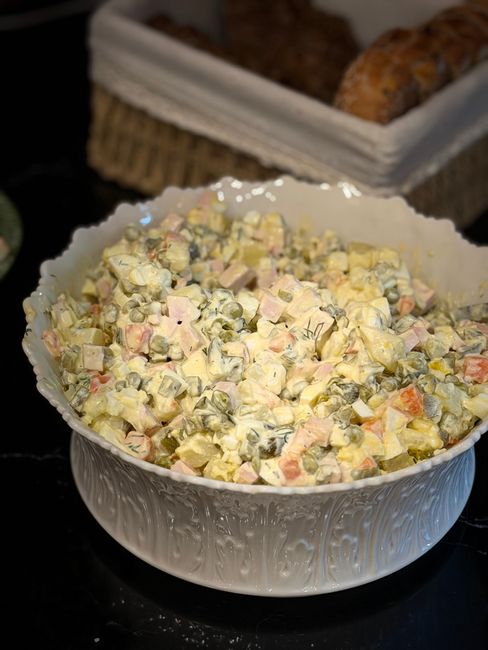
The Ultimate Guide to the Classic Egg Salad Recipe for Modern Home Cooking
Egg salad, a deceptively simple yet profoundly satisfying dish, stands as a testament to the enduring appeal of comfort food. Its ubiquity on sandwich menus, picnic baskets, and potluck tables is a testament to its versatility and universal appeal. Yet, behind its seemingly straightforward preparation lies a world of nuance and opportunity for culinary elevation. This comprehensive guide explores the foundational elements of a classic egg salad recipe, while simultaneously offering modern adaptations and tips to transform this humble dish into a truly exceptional creation for the contemporary home cook. We delve into ingredient selection, optimal cooking techniques, the art of seasoning, and creative ways to serve, ensuring your egg salad transcends the ordinary.
The cornerstone of any exemplary egg salad is, of course, the egg. The quality and preparation of these ovate powerhouses directly dictate the final texture and flavor profile. For optimal results, opt for fresh, large eggs. Free-range or organic eggs often boast richer yolks, contributing to a more vibrant color and a deeper, more satisfying flavor. The method of cooking the eggs is paramount. While hard-boiling is the standard, the execution of this step requires precision to avoid the dreaded rubbery whites and sulfurous, overcooked yolks. To achieve perfectly cooked eggs, a gentle boiling method is recommended. Begin by placing eggs in a single layer in a saucepan and covering them with cold water by about an inch. Bring the water to a rolling boil over medium-high heat. Once boiling, immediately reduce the heat to a simmer, cover the pot, and let the eggs cook for 9 to 12 minutes, depending on desired yolk consistency. For a fully firm yolk, aim for the higher end of this range. After cooking, swiftly transfer the eggs to an ice bath. This rapid cooling halts the cooking process, preventing overcooking and making the shells easier to peel. Patience is key during the peeling stage. Gently tap the wider end of the egg first, then roll it on the counter to loosen the shell, and finally, peel under cool running water. This technique minimizes the risk of tearing the delicate egg white.
Once the eggs are perfectly cooked and peeled, the next critical step is how they are prepared for mixing. The texture of the egg salad is largely determined by how the eggs are chopped or mashed. For a traditional, slightly chunky egg salad, a fork is your best friend. After cooling, place the peeled eggs in a bowl and gently mash them with a fork, leaving some discernible pieces for textural interest. Avoid over-mashing, which can lead to a mushy consistency. For a smoother, more refined egg salad, a potato masher or even a food processor can be employed. If using a food processor, pulse the eggs briefly until the desired consistency is reached. Be cautious not to over-process, as this can result in a paste-like texture. Many home cooks opt for a combination of techniques, perhaps chopping some eggs finely and leaving others chunkier, to achieve a complex mouthfeel. The size of the egg pieces also influences the overall aesthetic and eating experience; smaller, uniform pieces tend to integrate more seamlessly into the creamy dressing, while larger chunks provide delightful bursts of eggy goodness.
The soul of any classic egg salad recipe lies in its creamy binder. Mayonnaise is the undisputed champion in this regard, providing richness, emulsification, and a subtle tang. The quality of the mayonnaise is crucial. Opt for a full-fat, good-quality mayonnaise. Brands that use egg yolks and a balanced blend of oils often offer superior flavor and texture. Avoid low-fat or fat-free versions, as they can compromise the creamy mouthfeel and introduce an off-flavor. The quantity of mayonnaise used is a matter of personal preference and desired consistency. Start with a conservative amount and gradually add more until the egg salad reaches your preferred level of creaminess. Some prefer a looser, more spreadable egg salad, while others favor a firmer, more compact version. A common starting ratio is approximately one tablespoon of mayonnaise per egg, but this is a guideline, not a strict rule. For those seeking to lighten the richness or introduce a different flavor dimension, a combination of mayonnaise and Greek yogurt or sour cream can be employed. Greek yogurt offers a pleasant tang and a thicker consistency, while sour cream provides a similar tang with a slightly richer profile. A 50/50 blend is a good starting point, adjusting to your taste.
Beyond the mayonnaise, a symphony of seasonings elevates a basic egg salad into something truly memorable. Salt and freshly ground black pepper are the foundational elements. Season judiciously, tasting as you go. The salt enhances the natural flavors of the egg and mayonnaise, while black pepper adds a subtle warmth and pungency. Dijon mustard is a classic addition, offering a sharp, vinegary counterpoint to the richness of the mayonnaise and eggs. Its potent flavor can be adjusted to individual preference; a small amount adds a welcome bite, while a more generous dollop can create a zesty, more assertive egg salad. A touch of sweetness can also balance the savory and tangy notes. A pinch of sugar or a tiny drizzle of honey can round out the flavors beautifully, especially if using a sharper mustard. For a brighter, more herbaceous profile, finely chopped fresh herbs are invaluable. Chives, parsley, and dill are perennial favorites, each lending a distinct aromatic quality. Chives offer a mild oniony note, parsley provides a fresh, clean flavor, and dill brings a distinctive anise-like freshness that pairs exceptionally well with eggs.
Beyond these fundamental components, a world of creative additions can transform your classic egg salad. For an added textural crunch and a burst of flavor, finely diced celery is a time-honored inclusion. Its crispness provides a welcome contrast to the creamy egg, and its mild, refreshing taste complements the other ingredients. Red onion, finely minced, can add a pungent sweetness and a vibrant color. If the raw onion flavor is too intense, consider soaking the diced red onion in cold water for 10 minutes to mellow its sharpness. Pickles, whether dill pickles or sweet gherkins, chopped finely, introduce a delightful tang and a satisfying crunch. The briny juice from the pickles can also be incorporated for an extra layer of flavor. For a touch of heat, a pinch of cayenne pepper, a dash of hot sauce, or finely diced jalapeños can add a welcome kick. A small amount of curry powder can transform the egg salad into a flavor-packed Indian-inspired delight, with its warm, aromatic spices. Smoked paprika can impart a smoky depth and a beautiful reddish hue. For a richer, more umami-laden experience, consider adding a finely minced shallot or a tiny amount of finely grated Parmesan cheese.
The art of emulsification and flavor melding is crucial for achieving the perfect egg salad. Once all ingredients are combined, it’s essential to allow the flavors to meld. Cover the bowl and refrigerate the egg salad for at least 30 minutes, and ideally longer, before serving. This resting period allows the seasonings to permeate the eggs and the creamy binder to fully develop its harmonious flavor profile. Proper storage is also important for maintaining freshness and safety. Egg salad should be stored in an airtight container in the refrigerator and consumed within 3 to 4 days.
The versatility of egg salad extends far beyond the traditional sandwich. While a classic white or whole wheat bread sandwich, perhaps adorned with crisp lettuce and a ripe tomato slice, remains a beloved choice, modern culinary interpretations offer exciting alternatives. Serve it in lettuce cups for a low-carb option. Use it as a filling for deviled eggs, creating an extra-special appetizer. Spoon it into hollowed-out bell peppers or avocados for a vibrant and healthy meal. It can also be a delightful topping for crackers, toast, or even a baked potato. For a more substantial dish, consider serving it alongside a fresh green salad or as a component of a larger brunch spread. The possibilities are virtually endless, limited only by your imagination.
In conclusion, the classic egg salad recipe, when approached with care and attention to detail, offers a rewarding culinary experience. By understanding the fundamental principles of egg preparation, the nuances of creamy binders, and the power of thoughtful seasoning, home cooks can elevate this humble dish to new heights. Embracing modern variations and creative serving suggestions ensures that egg salad remains a relevant and delicious staple for contemporary kitchens, proving that sometimes, the simplest ingredients can yield the most profound and satisfying results. The journey from perfectly boiled egg to a perfectly composed spoonful of egg salad is a testament to the enduring appeal of classic comfort food, reimagined for today’s palate.


