
Absolutely Ultimate Potato Soup

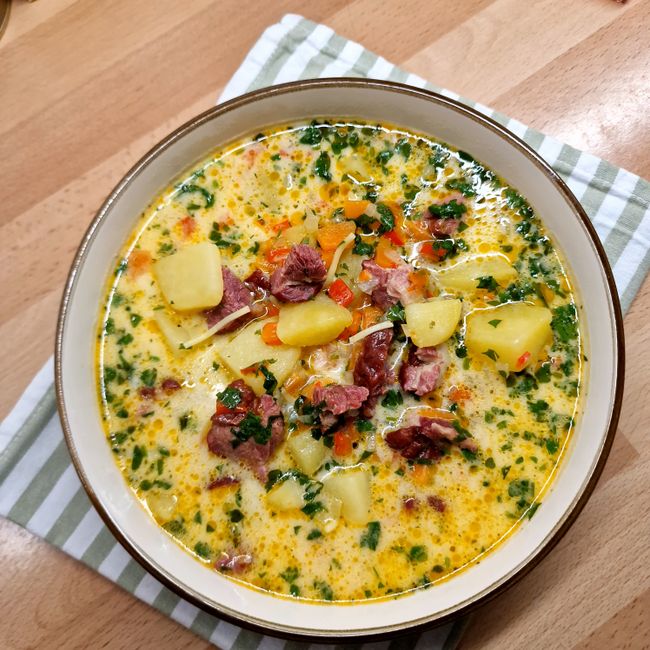
The Absolutely Ultimate Potato Soup Recipe: A Comprehensive Guide for Unrivaled Creaminess and Flavor
Achieving the absolute ultimate potato soup transcends mere ingredient assembly; it demands an understanding of texture, flavor layering, and subtle techniques that elevate a humble root vegetable into a luxurious culinary experience. This guide will dissect the components of a truly exceptional potato soup, providing a roadmap to unparalleled creaminess, depth of flavor, and satisfying heartiness. Forget watery, bland concoctions; this is about creating a silken, intensely savory, and utterly comforting bowl of pure potato bliss. The foundation of any phenomenal potato soup lies in the careful selection and preparation of the potatoes themselves. While a variety of potatoes can be used, a blend offers the most nuanced outcome. Russets, with their high starch content, are paramount for achieving that signature creamy, thick texture. As they break down during simmering, their starch disperses, naturally thickening the soup without the need for excessive flour or cream. However, relying solely on russets can sometimes result in a slightly mealy texture. To counter this and introduce a subtle sweetness and a more tender, almost buttery mouthfeel, a portion of Yukon Golds or red potatoes should be incorporated. Yukon Golds offer a pleasant richness and hold their shape slightly better, providing delightful textural contrast. Red potatoes, with their thin skins, contribute a delicate sweetness and a smooth finish. Aim for a ratio of approximately 60% russets to 40% Yukon Golds or red potatoes for optimal results. The quantity of potatoes is crucial; for a hearty soup serving 6-8 people, you’ll need around 2.5 to 3 pounds. Peeling the potatoes is a matter of preference, but for the ultimate creamy soup, peeling is recommended. The skins, while edible and nutritious, can sometimes impart a slightly gritty texture, especially in a blended soup. Cube the potatoes into uniform, 1-inch pieces. This ensures even cooking, preventing some cubes from becoming mushy while others remain undercooked.
The aromatic base of any truly great soup is non-negotiable, and for potato soup, this means a judicious sauté of mirepoix: onions, celery, and carrots. While often overlooked in simpler recipes, this trio provides the foundational sweetness, savory depth, and subtle vegetal notes that harmonize with the richness of the potatoes. Finely dice one large yellow onion, two to three celery stalks, and two medium carrots. The size of the dice is important; they should be small enough to soften and meld seamlessly into the soup during the simmering process. Heat 2-3 tablespoons of good quality olive oil or unsalted butter in a large, heavy-bottomed pot or Dutch oven over medium heat. Once shimmering, add the diced vegetables. Sauté them slowly and patiently, stirring occasionally, until they are softened and translucent, about 8-10 minutes. Avoid browning them too aggressively, as this can introduce a bitter note. The goal is gentle caramelization, coaxing out their inherent sweetness. This slow sauté builds a crucial layer of flavor that will permeate every spoonful of the finished soup.
The liquid component is the lifeblood of potato soup, dictating both its flavor profile and its body. While water can be used, it will result in a considerably less rich and flavorful soup. Chicken broth or vegetable broth are excellent choices, providing a savory foundation. For an even more profound depth of flavor, consider using a combination of broth and milk or cream. Low-sodium chicken broth is generally preferred to allow for better control over the saltiness of the final dish. You will need approximately 6-8 cups of liquid. Begin with 6 cups, and be prepared to add more if a thinner consistency is desired.
The addition of garlic is another essential element for elevating the soup’s flavor. While whole cloves can be added during simmering and then removed, finely minced garlic, sautéed with the mirepoix, infuses the entire soup with its pungent, aromatic magic. Add 4-6 cloves of minced garlic to the pot during the last minute or two of sautéing the mirepoix. Cook just until fragrant; overcooked garlic can turn bitter.
To introduce a foundational savory depth and umami, incorporating a source of rendered pork fat is highly recommended. Crispy rendered bacon or pancetta, finely diced and sautéed until crisp, provides a salty, smoky, and deeply satisfying flavor that complements the potatoes beautifully. You can either cook the bacon separately and crumble it as a garnish, or sauté the diced bacon directly in the pot before adding the mirepoix. Reserve a tablespoon or two of the rendered bacon fat to sauté the vegetables; this adds an immediate layer of flavor. If you prefer a vegetarian or vegan option, omit the bacon, and ensure your vegetable broth is robust and flavorful. Nutritional yeast can also be used to add a cheesy, umami note in a vegan context.
The simmering process is where the magic truly happens. Once the vegetables are softened and the garlic is fragrant, add the cubed potatoes to the pot. Pour in your chosen broth (start with 6 cups). Bring the mixture to a boil, then immediately reduce the heat to low, cover the pot, and let it simmer gently. The simmering time will depend on the size of your potato cubes, but generally, it will take 20-30 minutes, or until the potatoes are fork-tender. During this simmering period, the starches from the potatoes will begin to release, naturally thickening the broth. Stir occasionally to prevent sticking.
The path to ultimate creaminess involves a multi-pronged approach. While the starch from the potatoes does significant work, a little extra help ensures a silken texture. After the potatoes are tender, it’s time to decide on your method of blending. For a soup with some textural integrity, where you still have discernable pieces of potato and other vegetables, an immersion blender is ideal. Partially blend the soup, leaving some chunks. For a completely smooth and velvety soup, a traditional blender or food processor can be used. Be cautious when blending hot liquids; fill the blender only about halfway, vent the lid, and hold it firmly in place with a kitchen towel. Blend until smooth. Alternatively, you can ladle the soup into a blender in batches.
The dairy component is critical for both richness and that signature creamy mouthfeel. While many recipes rely solely on heavy cream, a combination of milk and cream offers a more balanced richness without being overly heavy. After blending the soup, return it to the pot if you used a countertop blender. Add 1 cup of whole milk and 1/2 cup of heavy cream. For a richer soup, you can increase the heavy cream. For a lighter version, use half-and-half or even more milk. If you are seeking a dairy-free or vegan ultimate potato soup, use full-fat coconut milk or a plant-based milk alternative like cashew or oat milk, and consider adding a tablespoon or two of vegan butter for richness.
Seasoning is paramount. The initial sauté of aromatics and the use of good quality broth provide a good base, but the final seasoning makes or breaks the soup. Once the dairy has been incorporated and the soup is heated through (do not boil after adding dairy, as it can curdle), it’s time to season generously with salt and freshly ground black pepper. Taste and adjust the seasoning frequently. A pinch of nutmeg can subtly enhance the sweetness of the potatoes and add a touch of warmth. A bay leaf simmered with the potatoes adds a subtle herbaceous complexity; remove it before blending.
For an unparalleled flavor boost, consider incorporating a secret ingredient: a touch of Dijon mustard or a splash of white wine vinegar. Dijon mustard, added in small quantities (1-2 teaspoons), adds a gentle tang and complexity that cuts through the richness and brightens the potato flavor. White wine vinegar or apple cider vinegar, similarly, adds a subtle acidity that elevates the overall taste profile, preventing it from becoming flat or one-dimensional. Add these towards the end of cooking, after the dairy has been incorporated.
The final garnishes are not mere embellishments; they are integral to the ultimate potato soup experience, providing textural contrast, bursts of fresh flavor, and visual appeal. Crispy, crumbled bacon or pancetta is a classic for a reason, offering salty, smoky crunch. Fresh chives or parsley, finely chopped, add a vibrant pop of color and a fresh, herbaceous counterpoint. A dollop of sour cream or Greek yogurt, or their vegan counterparts, provides an extra layer of creamy tang. A drizzle of good quality olive oil or a swirl of extra cream can enhance the visual appeal and add a final touch of richness. Toasted croutons, made from crusty bread, offer a satisfying crunch. For those who appreciate a cheesy element, a sprinkle of grated sharp cheddar or Gruyère cheese is always welcome.
To achieve the absolute ultimate potato soup, consider these advanced techniques. For an intensely concentrated potato flavor, roast half of your potatoes beforehand. Toss them with a little olive oil, salt, and pepper, and roast at 400°F (200°C) until tender and slightly caramelized. Add these roasted potatoes to the soup during the simmering process. This method imparts a deeper, more complex potato essence. Another technique for enhanced richness is to incorporate a small amount of Parmesan cheese rind during the simmering process. The rind will release savory, umami-rich flavors into the broth, adding a subtle but significant depth. Remember to remove the rind before blending.
The storage and reheating of your ultimate potato soup are also important considerations. Potato soup can often taste even better the next day, as the flavors meld and deepen. Store cooled soup in an airtight container in the refrigerator for up to 3-4 days. When reheating, do so gently over low heat, stirring frequently. If the soup has thickened considerably, you can thin it with a little extra broth, milk, or cream. Avoid boiling the soup vigorously after it has been reheated, as this can affect its texture.
For those seeking a truly vegan ultimate potato soup, the principles remain the same: prioritize flavorful broth, aromatic vegetables, and creamy alternatives. Use a robust vegetable broth, perhaps infused with dried mushrooms for added umami. Sauté your mirepoix in olive oil or vegan butter. Instead of dairy, opt for full-fat coconut milk, cashew cream (made by blending soaked cashews with water), or a high-quality unsweetened oat or soy milk. Nutritional yeast is your best friend for a cheesy flavor. Consider adding roasted garlic for an extra layer of sweetness and complexity. Garnish with crispy sautéed mushrooms, fresh herbs, and toasted pepitas for crunch.
The ultimate potato soup is not just a recipe; it’s a culinary canvas upon which you can express your personal preferences. Experiment with different herbs like thyme or rosemary during simmering. Consider adding a pinch of smoked paprika for a hint of smokiness. A tiny dash of cayenne pepper can provide a subtle warmth that complements the richness. The goal is to create a soup that is deeply satisfying, incredibly creamy, and bursting with harmonious flavors. This comprehensive approach, focusing on ingredient quality, meticulous technique, and thoughtful seasoning, will undoubtedly lead you to your own absolutely ultimate potato soup.


