The Debate Over Standardizing Regenerative Agriculture Amidst Shifting Federal Oversight and Environmental Goals

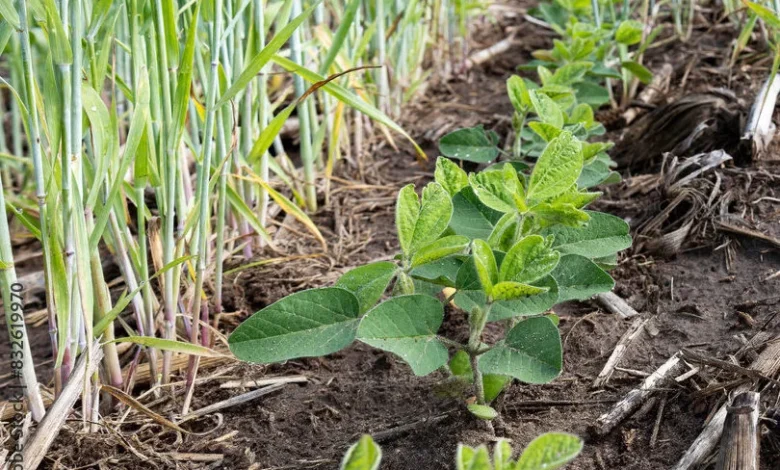
The global agricultural sector stands at a critical crossroads as the term "regenerative agriculture" transitions from a niche environmental philosophy to a mainstream corporate marketing pillar. While the movement promises to restore soil health, increase biodiversity, and sequester carbon, the lack of a legal or standardized definition has sparked a fierce debate among farmers, scientists, and policymakers. At the heart of this dispute is a fundamental question: should regenerative agriculture be defined by the specific practices a farmer implements, or by the quantifiable environmental outcomes those practices produce? As federal interest in the movement grows, including potential regulatory shifts under the Trump administration, the stakes for the future of the American food system have never been higher.
The Practice vs. Outcome Dichotomy
The central tension in the quest to define regenerative agriculture lies in the methodology of verification. On one side of the debate are proponents of practice-based standards. These advocates argue that a definition should focus on the methods used on the land, such as planting cover crops, practicing no-till farming, and integrating livestock. Charlotte Vallaeys, an organic expert and independent agriculture consultant, suggests that focusing on practices is the only way to make certification accessible and verifiable for the average producer.
"Practice versus outcome is one of those debates," Vallaeys noted, emphasizing that if regenerative practices are implemented correctly, positive environmental results naturally follow. From an auditing perspective, it is significantly easier for an inspector to verify that a farmer has planted a cover crop or reduced chemical inputs than it is to measure the precise amount of carbon sequestered in the soil.
Conversely, the outcome-based camp argues that the label "regenerative" should only be applied if there is empirical proof of improvement, such as increased soil organic matter or reduced nitrogen runoff. However, Vallaeys warns that this approach could be prohibitively expensive and logistically impossible for most farmers. "If you’re going to do outcomes-based, then you have to essentially turn every farm into a scientific research site," she explained. The cost of soil testing, carbon flux monitoring, and longitudinal data collection could create a barrier to entry that only the largest, most well-funded industrial operations can overcome.
The Shadow of the USDA Organic Standard
To understand the current struggle over regenerative labeling, one must look at the history and existing framework of the USDA Organic certification. Established by the Organic Foods Production Act of 1990, the federal organic standard took over a decade of public debate and regulatory drafting before it was fully implemented in 2002. Today, it remains the most rigorously verified food label in the United States, governing everything from synthetic pesticide use to animal welfare.
Despite its prestige, the organic label has faced criticism for not going far enough in addressing soil health and climate change. This gap has allowed the term "regenerative" to flourish. However, experts like Kendra Klein point out a significant disconnect in the market: many consumers do not realize that the organic standard already encompasses many of the core tenets of regenerative farming.
"Organic is a deeply meaningful regenerative food label," Klein stated, noting that the shift toward the word "regenerative" by large corporations may be an attempt to bypass the rigid compliance and independent auditing required by the USDA Organic seal. Because "regenerative" currently lacks a legal definition, companies can use the term in marketing without facing the same legal scrutiny or certification costs associated with organic products.
A Timeline of Regulatory and Institutional Milestones
The evolution of regenerative agriculture from a grassroots movement to a regulatory challenge can be traced through several key milestones:
- 1990: The Organic Foods Production Act is passed, laying the groundwork for federal oversight of food labeling.
- 2017: The Regenerative Organic Alliance (ROA) is formed by brands like Patagonia and Dr. Bronner’s, introducing the "Regenerative Organic Certified" (ROC) label to bridge the gap between organic and regenerative practices.
- 2020-2022: Major food conglomerates, including General Mills, PepsiCo, and Nestlé, announce massive "regenerative" acreage goals, aiming to transition millions of acres to regenerative practices by 2030.
- 2023: The State of California concludes a two-year public process to define regenerative agriculture. Despite seven public listening sessions and input from hundreds of stakeholders, the resulting definition was criticized for being too broad and lacking accountability mechanisms.
- 2024-Present: Discussions intensify regarding a national definition, with concerns that a federal process could consume years of resources and potentially be co-opted by industrial agriculture interests.
Supporting Data: The Economic and Environmental Stakes
The push for standardization is driven by the sheer scale of the potential market. According to industry reports, the global regenerative agriculture market was valued at approximately $8 billion in 2022 and is projected to grow at a compound annual growth rate (CAGR) of over 14% through 2030.
However, the "outcomes" that many seek to measure are notoriously difficult to quantify. For example, soil carbon sequestration rates vary wildly based on geography, soil type, and local climate. A study published in Nature found that while cover cropping can increase soil organic carbon, the sequestration potential varies from 0.1 to 1.0 tonnes of carbon per hectare per year. This variability makes it nearly impossible to set a single national "metric" for success, supporting the argument that a practice-based standard is more equitable for farmers in different regions.
Furthermore, the cost of "turning every farm into a research site" is staggering. Professional soil carbon sampling can cost between $10 and $50 per acre. For a mid-sized American farm of 450 acres, annual testing could eat up a significant portion of the profit margin, effectively penalizing small-scale producers who are often the true pioneers of regenerative techniques.
Official Responses and Stakeholder Perspectives
The reaction to potential federal standardization is mixed. Organizations like Mad Agriculture, represented by Phil Kane, view the movement more as a philosophical shift than a set of rigid rules. "I find [regenerative] more useful as a kind of framing, more than anything," Kane said. He argues that any move toward reducing harm and restoring agricultural systems is a step in the right direction, and that getting bogged down in a narrow definition might stifle innovation.
On the other hand, small-scale producers and consumer advocacy groups fear that without a strict, verified definition, "regenerative" will become the next "natural"—a marketing term that sounds environmentally friendly but carries no legal weight. There is a growing consensus among these groups that federal resources would be better spent regulating large-scale agri-corporations and concentrated animal feeding operations (CAFOs) rather than creating a new, potentially diluted label.
The prospect of the Trump administration taking on this task adds another layer of complexity. Historically, the administration has favored deregulation and "America First" agricultural policies. If the federal government moves to define regenerative agriculture, there is a concern that it might prioritize corporate flexibility over environmental rigor, potentially "leveling the playing field" in a way that favors industrial-scale operations over the small-scale farmers who pioneered the movement.
Broader Impact and Future Implications
The outcome of this debate will determine whether regenerative agriculture becomes a transformative force in the fight against climate change or merely a sophisticated form of "greenwashing." If the standard remains too broad, it risks losing consumer trust, much like the "all-natural" label has over the last two decades. If it becomes too narrow or outcome-dependent, it may exclude the very farmers it intends to support.
The precedent set by California’s definition process suggests that a national consensus will be difficult to reach. The California definition, while inclusive, lacks the "teeth" needed for enforcement, leaving it open to interpretation by large food companies. A national process would likely face the same hurdles, potentially consuming years of USDA funding and administrative focus.
Ultimately, the most significant impact may not come from a new label, but from a shift in how agricultural success is measured. If the movement succeeds in moving the needle toward restoration and harm reduction, it could redefine the relationship between food production and the environment. However, many experts agree that the most effective way to protect public health and the environment is not necessarily through a new "regenerative" sticker on a box, but through the robust enforcement of existing environmental laws and the redirection of subsidies away from industrial-scale polluters and toward those truly practicing stewardship of the land.
As the industry waits for federal guidance, the "wild west" of regenerative marketing continues. Consumers are left to navigate a sea of claims, while farmers are left to decide whether to invest in practices that may or may not be recognized by future standards. The path forward requires a delicate balance: maintaining the visionary spirit of the regenerative movement while providing the transparency and accountability that only a rigorous, well-defined framework can offer.