The Ultimate Fall Comfort Dessert: The Evolution and Culinary Appeal of the Classic Apple Crisp

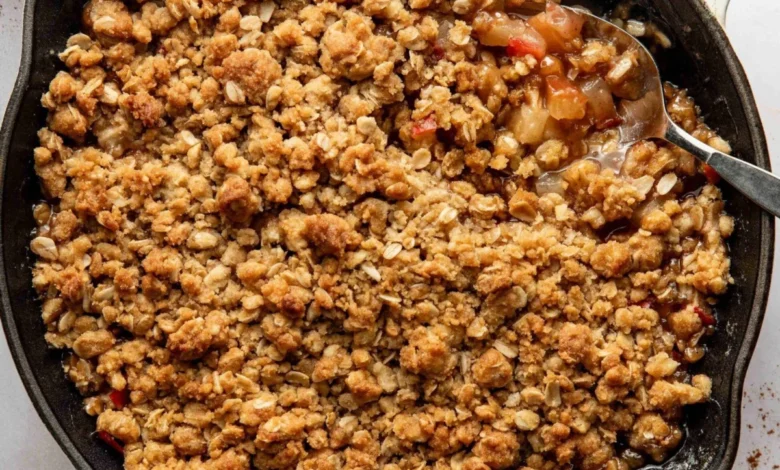
As autumn weather descends and temperatures drop across North America, culinary traditions shift toward warm, spiced, and comforting baked goods. Among the pantheon of seasonal desserts, the traditional apple crisp remains a dominant fixture in home kitchens, community gatherings, and restaurant menus alike. While culinary trends in baking continuously evolve toward complex molecular gastronomy or elaborate multi-tiered creations, home bakers and professional pastry chefs alike consistently return to rustic, unpretentious classics. At the center of this enduring preference is the classic apple crisp—a simple yet deeply satisfying combination of tender, spiced fruit topped with a buttery, brown-sugar oat crumble.
Historical Origins and Culinary Evolution of the Apple Crisp
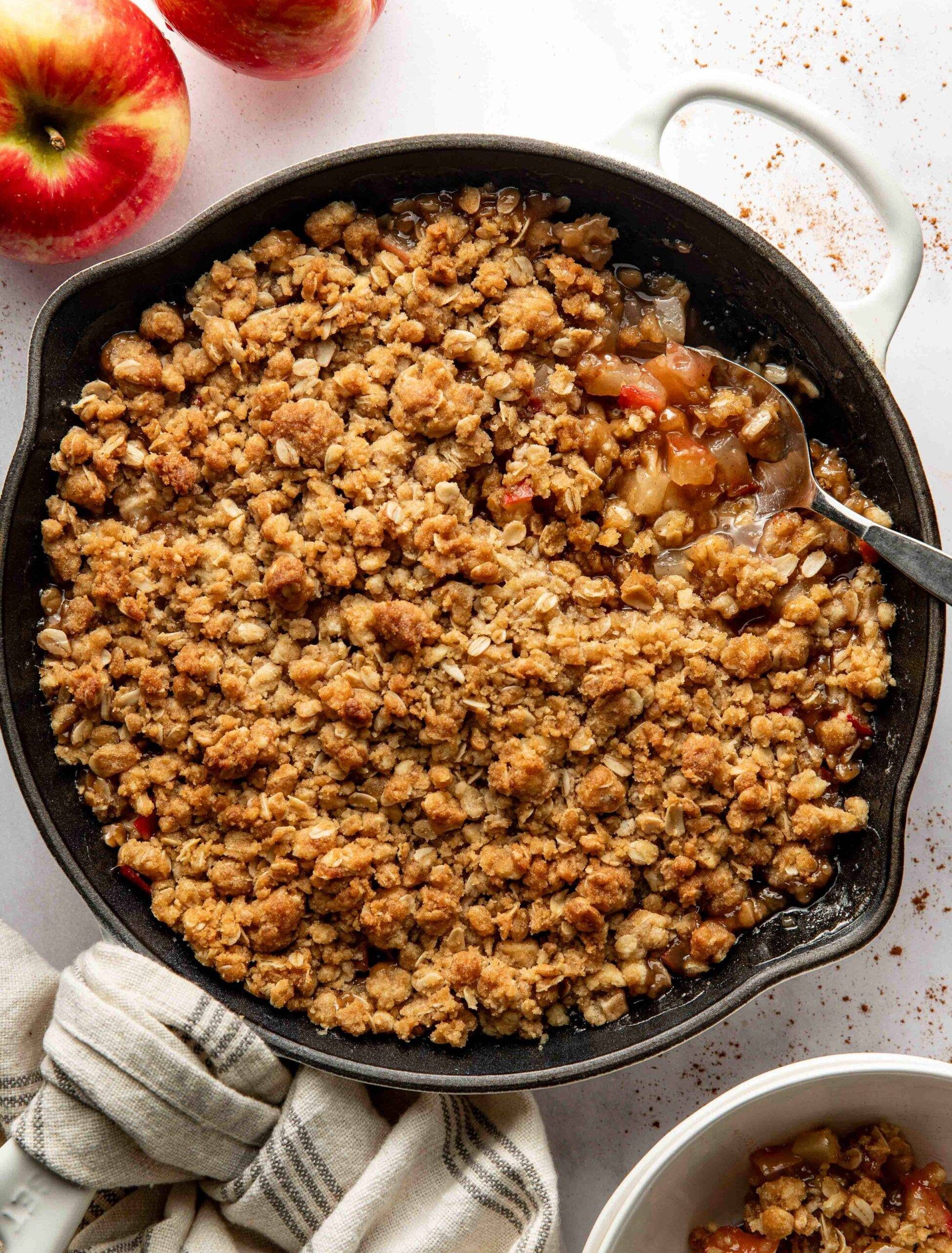
The apple crisp—sometimes referred to interchangeably with the apple crumble, though distinct in its inclusion of oats—has roots deeply embedded in twentieth-century resourcefulness. Food historians generally trace the emergence of crisps and crumbles to the period surrounding World War II in the United Kingdom and the United States. During wartime, strict rationing of traditional baking ingredients such as flour, butter, and sugar made pastry crusts for pies difficult to produce. Home cooks needed a dessert that utilized abundant seasonal orchard fruits while requiring significantly less pastry-making skill and far fewer rationed dry goods.
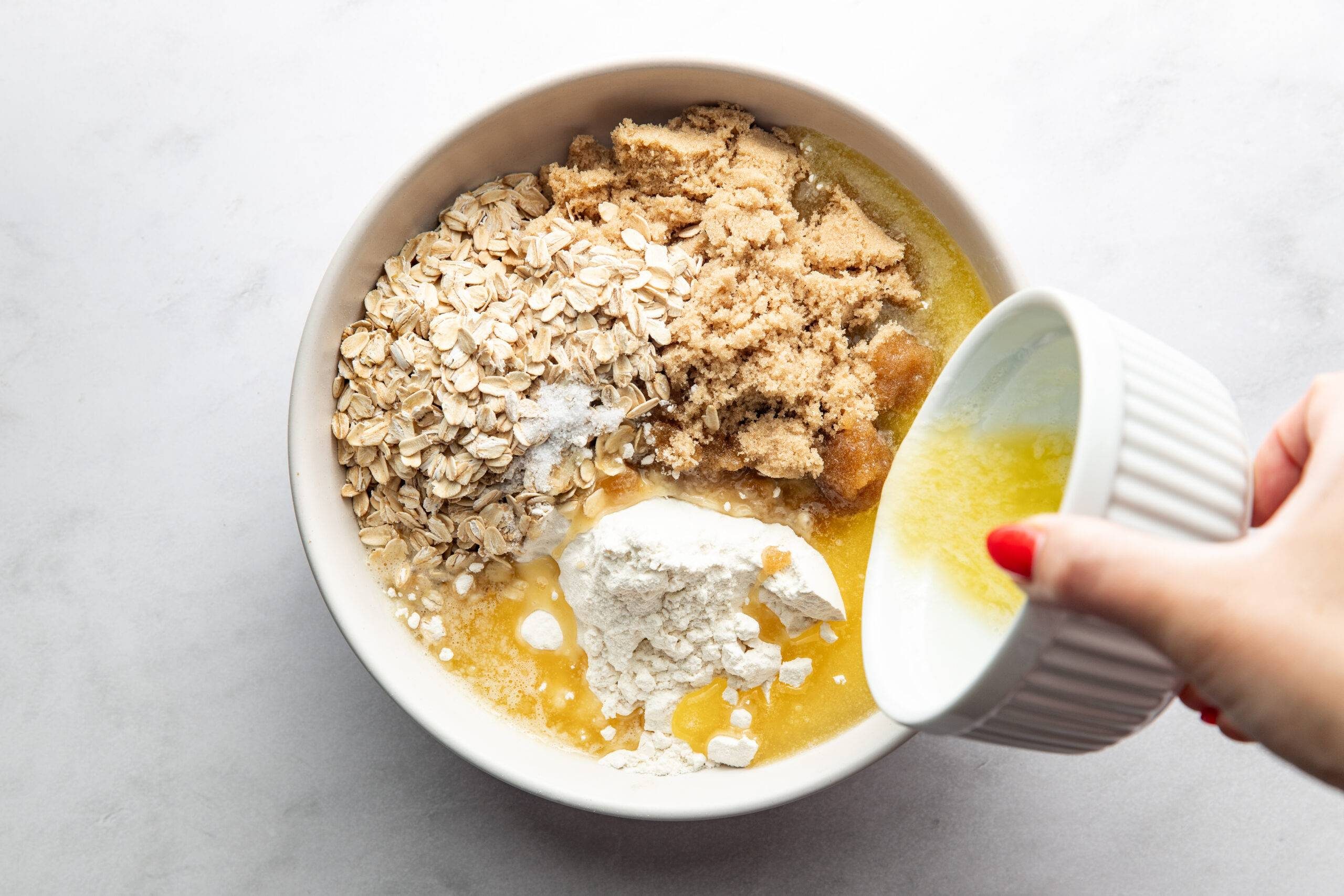
The resulting dish bypassed the labor-intensive rolling of pie dough in favor of a straightforward, textural topping that could be mixed rapidly in a single bowl and scattered over sliced fruit. Over the subsequent decades, the recipe transitioned from a wartime necessity into a celebrated cultural staple of autumn cuisine. The modern incarnation typically pairs firm, sweet-tart apples—such as Honeycrisp, Granny Smith, or Braeburn—with warming spices like cinnamon and nutmeg, finished with a heavy blanket of rolled oats, brown sugar, butter, and flour.
Anatomy of a Balanced Apple Crisp: Texture and Chemistry

Culinary scientists and professional pastry chefs point to textural contrast as the primary driver behind the enduring popularity of the apple crisp. A successful dessert of this category relies on a delicate balance between the soft, jammy consistency of the baked fruit layer and the dry, crunchy architecture of the oat topping.
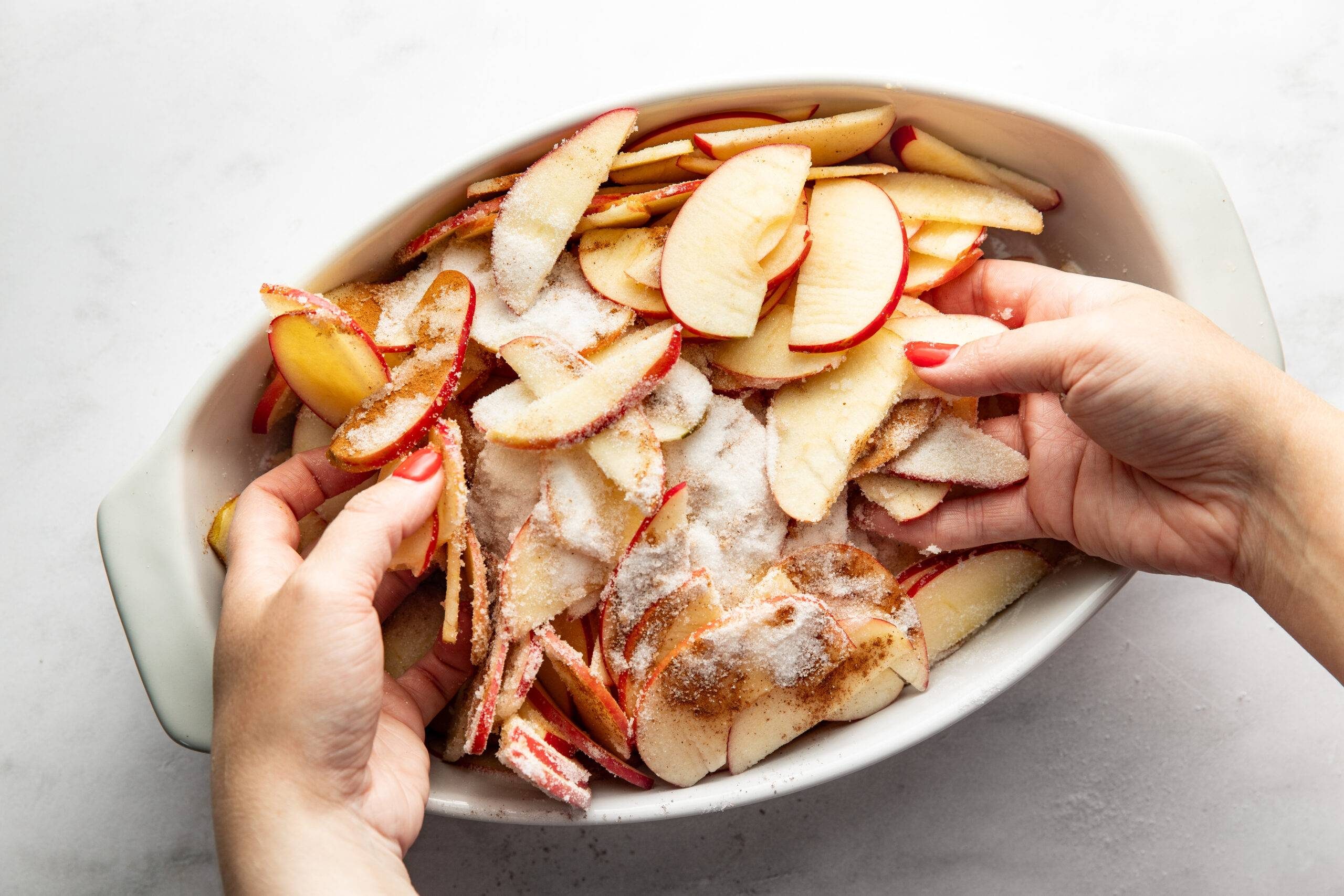
When apples are tossed with sugar, a small amount of flour, and spices before baking, they undergo a controlled breakdown of their cellular walls. Pectin within the fruit softens as heat is applied, allowing the natural sugars and juices to thicken into a rich, caramel-like syrup. Simultaneously, the topping—comprising rolled oats, butter, and brown sugar—dehydrates and browns through the Maillard reaction, creating a robust structural crust.
The magic of the dish occurs at the interface where the two layers meet. As the butter from the topping melts downward and the fruit juices bubble upward, a hybrid zone is formed. This central layer offers a soft, buttery, and cohesive texture that bridges the gap between the crisp topping and the tender fruit below. Furthermore, contemporary culinary practices have embraced rustic preparation methods, such as utilizing heavy cast-iron skillets. Beyond offering even heat distribution, baking in seasoned cast iron imparts a traditional aesthetic that connects modern home cooks to historical baking traditions.
Nutritional Profile and Dietary Adaptations
While traditionally categorized as an indulgent comfort food, the apple crisp possesses inherent nutritional components derived from its primary ingredients. Apples are rich in dietary fiber, particularly pectin, as well as Vitamin C and various antioxidants. Leaving the skin on the fruit during preparation—a practice favored by many home cooks to save time—retains a significant portion of the fruit’s fiber and micronutrients. Furthermore, rolled oats contribute complex carbohydrates and soluble fiber, known as beta-glucan, which supports cardiovascular health.
In response to contemporary dietary preferences and restrictions, the classic apple crisp recipe has proven remarkably adaptable. Modern culinary adaptations frequently feature modifications to accommodate gluten-free, dairy-free, and vegan diets. Substituting standard all-purpose flour with certified gluten-free oat flour or almond flour, replacing traditional butter with plant-based alternatives, and utilizing natural sweeteners such as maple syrup or coconut sugar allow individuals with specific dietary needs to replicate the traditional flavor and texture profile without compromise.

Economic and Agricultural Impact of the Apple Harvest Season
The surge in popularity of apple-based desserts during the autumn months aligns directly with the peak agricultural harvest cycle. According to data from the United States Department of Agriculture (USDA) and various horticultural organizations, the commercial apple harvest typically peaks between late August and October. During this period, orchards across the northern hemisphere yield millions of bushels of fruit, driving both commercial distribution and agritourism.
The cultural ritual of baking apple crisps and pies serves as a significant economic driver for local orchards, farmers’ markets, and pick-your-own agritourism operations. Consumers increasingly seek out specific apple cultivars optimized for baking. While older varieties like Rome Beauty and Granny Smith were historically standard, modern consumer preferences heavily favor varieties like Honeycrisp and Cosmic Crisp, which offer a balanced sugar-to-acid ratio and structural integrity that resists complete disintegration during prolonged baking times.
Cultural Significance and Psychological Comfort of Autumn Baking
Beyond nutritional and agricultural metrics, the widespread preparation of apple crisps in the autumn months carries documented psychological benefits. Environmental psychologists and culinary sociologists note that seasonal baking acts as a powerful form of sensory nostalgia. The volatile organic compounds released by baking apples, cinnamon, and browned butter trigger olfactory receptors linked to memory and emotional comfort.
During periods of seasonal transition—marked by shorter daylight hours and declining ambient temperatures—home cooking serves as an active coping mechanism against seasonal affective shifts. The deliberate, tactile processes of slicing fruit, mixing crumble toppings by hand, and monitoring the oven as a dessert bakes provide a grounding domestic routine. As these culinary traditions are passed down through generations, recorded via modern digital notes apps or handwritten recipe cards, they reinforce familial and community bonds.
Conclusion: The Enduring Appeal of Simplicity
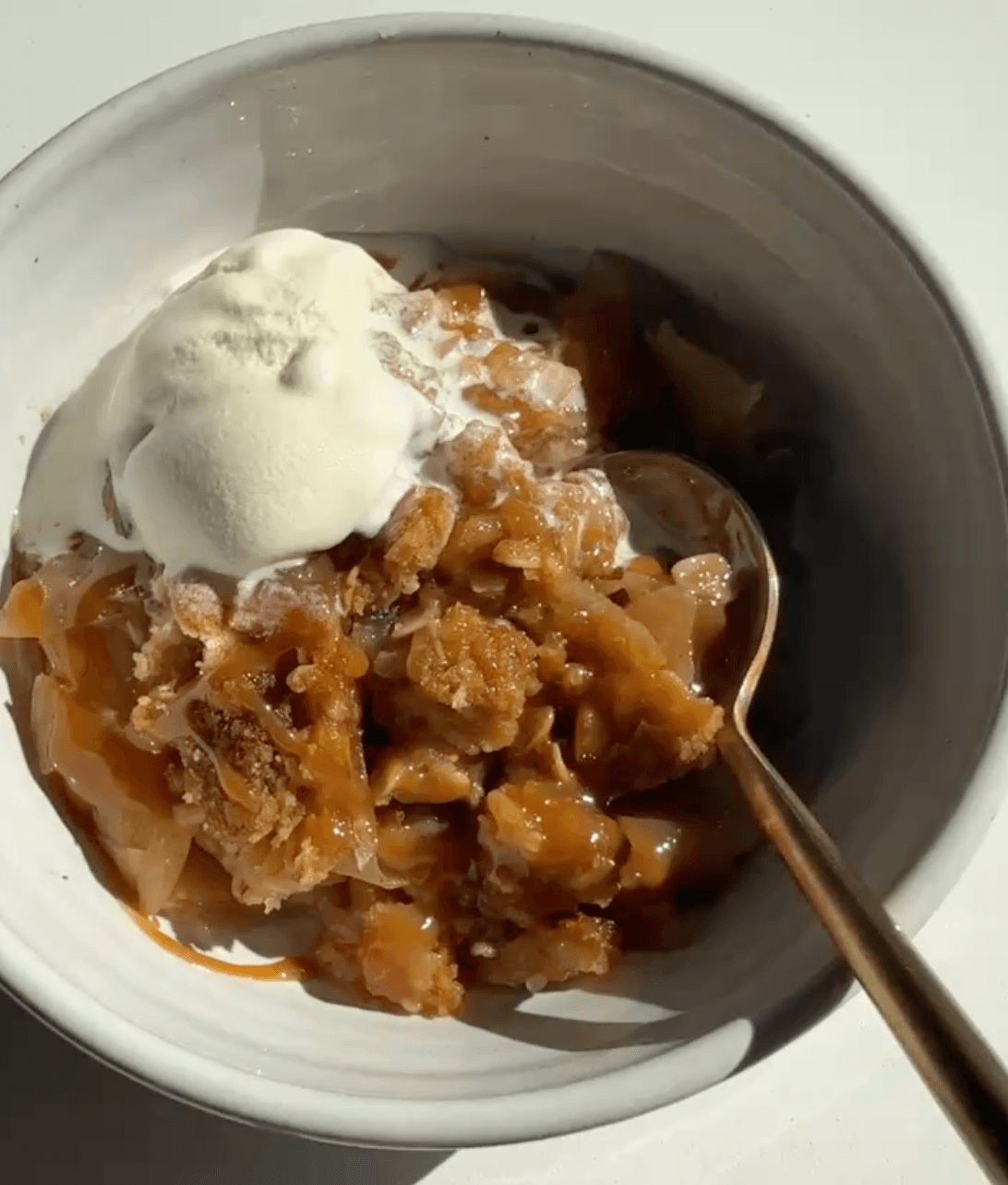
The longevity of the apple crisp within the culinary landscape underscores a broader gastronomic truth: complexity is not a prerequisite for excellence. By relying on fundamental baking chemistry, high-quality seasonal produce, and a deliberate contrast of textures, a simple combination of fruit and oats continues to captivate home bakers. Whether served warm from a cast-iron skillet alongside vanilla bean ice cream or enjoyed quietly on a crisp October evening, the apple crisp remains a definitive monument to the quiet comforts of home baking.