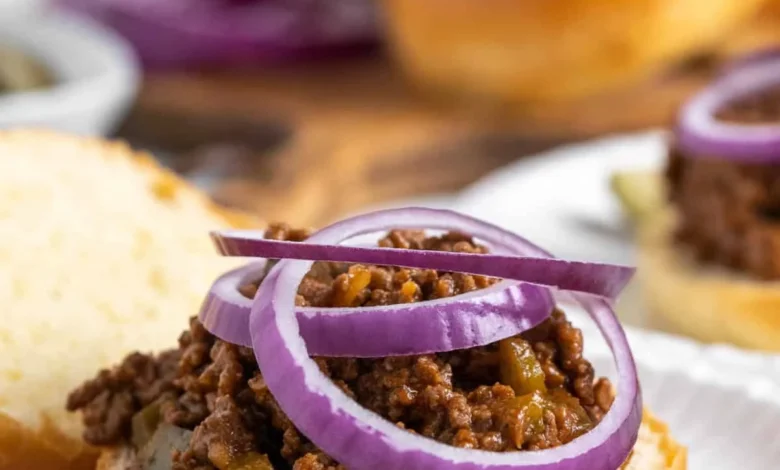
The Sloppy Joe remains one of the most recognizable fixtures in the landscape of American comfort food. Characterized by its unpretentious, high-volume, and distinctly "messy" presentation, this ground-meat sandwich has transitioned from a Depression-era economic solution to a staple of contemporary home cooking. While commercial canned versions—most notably the Manwich brand—have long dominated the market, a growing movement of home cooks is returning to scratch-based preparation methods. This shift is driven by a demand for ingredient transparency, reduced sodium content, and a preference for fresh aromatics over processed additives.

The Historical Context of the Sloppy Joe
The origins of the Sloppy Joe are often debated, with culinary historians frequently pointing to the early 20th century. While the specific geographic origin is difficult to pinpoint, the most cited narrative centers on a cook named Joe in Sioux City, Iowa, during the 1930s. Legend suggests that the cook added tomato sauce to a traditional "loose meat" sandwich—a regional favorite consisting of seasoned ground beef on a bun.
By the mid-20th century, the dish had achieved national ubiquity. Its popularity was fueled by the post-World War II rise of the processed food industry. The convenience of pre-mixed, canned sauce allowed families to prepare a substantial meal in minutes, cementing the dish’s place in school cafeterias and household meal rotations throughout the 1950s and 60s.

The Shift Toward Homemade Preparation
In the current gastronomic climate, the convenience of canned sauce is being weighed against the nutritional and flavor profiles of homemade alternatives. A primary motivation for this shift is the control of ingredients. Standard canned Sloppy Joe sauces often contain high levels of high-fructose corn syrup, preservatives, and sodium levels that can exceed 30% of the recommended daily intake per serving.
By preparing the sauce from scratch, cooks can utilize fresh onions, bell peppers, and high-quality beef while balancing sweetness and acidity through natural ingredients. A standard homemade recipe typically incorporates ketchup or tomato paste as a base, brown sugar for caramelization, and a complex interplay of Worcestershire sauce, apple cider vinegar, and soy sauce. The inclusion of chili powder, cumin, and hot sauce allows for a customized flavor profile that accommodates diverse palate preferences, ranging from mild to significantly spiced.

Nutritional Analysis and Culinary Methodology
From a technical standpoint, the preparation of a high-quality Sloppy Joe requires careful attention to the Maillard reaction—the browning of the meat that produces complex flavor profiles. Expert chefs recommend browning the ground beef thoroughly before adding aromatics, such as diced bell peppers and onions, to ensure that the vegetables retain a slight texture while contributing their own sugars to the base.
The simmering phase is critical to the dish’s success. Unlike quick-fix methods that may result in a watery consistency, a proper simmer allows the liquid to reduce and emulsify. This evaporation process is essential for concentrating the flavors of the Worcestershire and vinegar, ensuring the sauce clings to the meat rather than soaking into the bun prematurely.

From a nutritional perspective, a standard serving of homemade Sloppy Joes—prepared with lean ground beef (90/10)—offers a significant protein source, typically ranging between 25 and 30 grams per serving. When served on a standard hamburger bun, the calorie count generally falls between 350 and 400 kcal, making it a viable option for a balanced weeknight dinner, provided it is paired with vegetable-heavy sides to offset the carbohydrate content of the bread.
Culinary Adaptations and Modern Variations
The adaptability of the Sloppy Joe has led to numerous variations, reflecting regional preferences and dietary trends. While ground beef remains the traditional choice, ground turkey and chicken have gained popularity as lower-fat alternatives. However, because poultry is naturally leaner, cooks often need to incorporate a small amount of olive oil or butter to achieve the desired mouthfeel.

Vegetarian and vegan variations have also emerged, utilizing lentils, textured vegetable protein (TVP), or finely chopped mushrooms to replicate the traditional "loose" texture. Furthermore, the "sloppy" element has been reimagined in fusion dishes, such as Sloppy Joe-inspired pizzas, hand pies, and even taco-stuffed potatoes.
The addition of cheese is another common point of contention among enthusiasts. While purists may argue that the meat-and-sauce mixture should stand alone, the integration of melted sharp cheddar, pepper jack, or provolone on the base of the bun is a common practice in modern home kitchens. This layering technique—placing the cheese on the bun before adding the hot mixture—allows for a controlled melt without compromising the structural integrity of the sandwich.

Storage, Logistics, and Efficiency
The efficiency of the Sloppy Joe as a meal-prep staple is one of its most enduring qualities. Unlike many hot sandwiches that lose quality upon reheating, the sauce-to-meat ratio actually benefits from resting. Storing the mixture in an airtight container for 24 hours allows the spices to permeate the meat, often resulting in a more cohesive flavor profile upon reheating.
For families managing busy schedules, the dish is highly amenable to freezing. By allowing the mixture to cool completely before portioning into freezer-safe containers, the shelf life can be extended to up to three months. This logistical advantage makes it an ideal candidate for "batch cooking," where the dish is prepared in double or triple quantities and stored for future use. When reheating, the addition of a small amount of water or beef stock can restore the original consistency if the sauce has thickened significantly during storage.

Broader Economic and Social Implications
The rise of the "easy" homemade dinner movement is indicative of a broader trend in American consumer behavior. Consumers are increasingly seeking a balance between the speed of processed foods and the health benefits of whole-food preparation. The Sloppy Joe, in its current iteration, serves as a case study for this transition. It represents a dish that is deeply embedded in the American consciousness, yet one that is being reclaimed from the industrial food system and reintroduced to the home kitchen.
This culinary trend also highlights the importance of traditional cooking skills. By moving away from pre-packaged sauces, individuals are learning the fundamentals of flavor balancing—specifically the importance of acidity (vinegar), sweetness (sugar/ketchup), and umami (soy/Worcestershire). These skills are transferable, providing a foundation for more complex culinary pursuits.

As food costs fluctuate, the Sloppy Joe remains an economically efficient dinner option. It utilizes accessible, affordable ingredients that are widely available in grocery stores across the country. The ability to produce a high-satisfaction meal with minimal expenditure has solidified the dish’s resilience during periods of economic instability.
In conclusion, while the Sloppy Joe is often dismissed as a nostalgic, simple dish, it possesses a structural and culinary complexity that rewards the home cook. Whether prepared for a quick 25-minute weeknight meal or frozen for future consumption, the dish continues to evolve alongside the changing dietary needs and culinary expectations of the modern consumer. Through the careful selection of ingredients and a focus on proper preparation techniques, the humble Sloppy Joe remains a relevant, nutritious, and enduring component of the American diet.