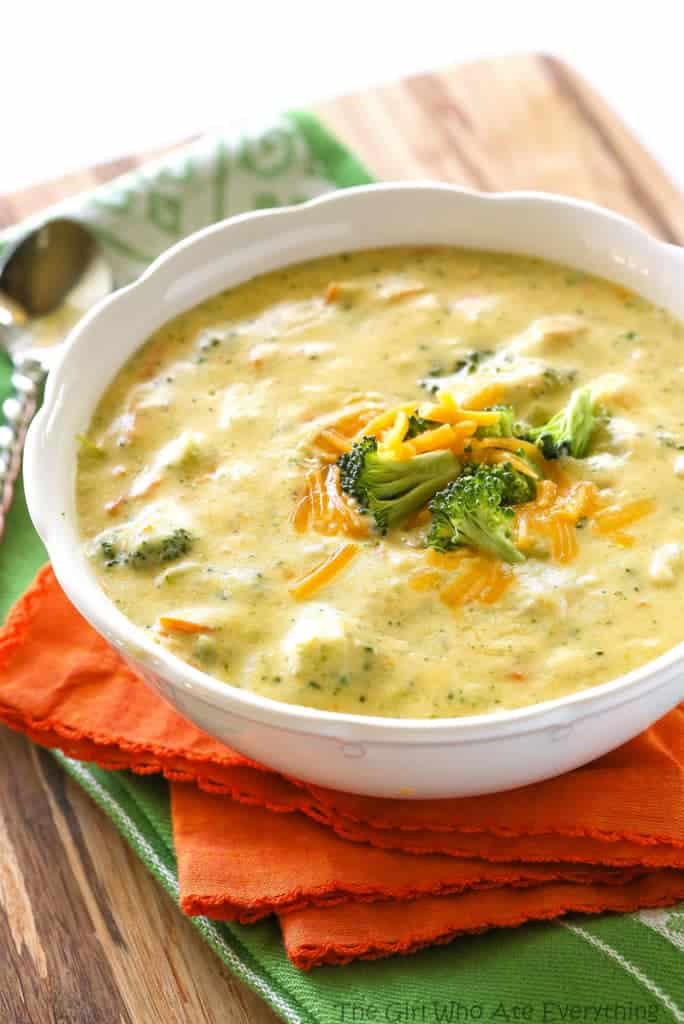
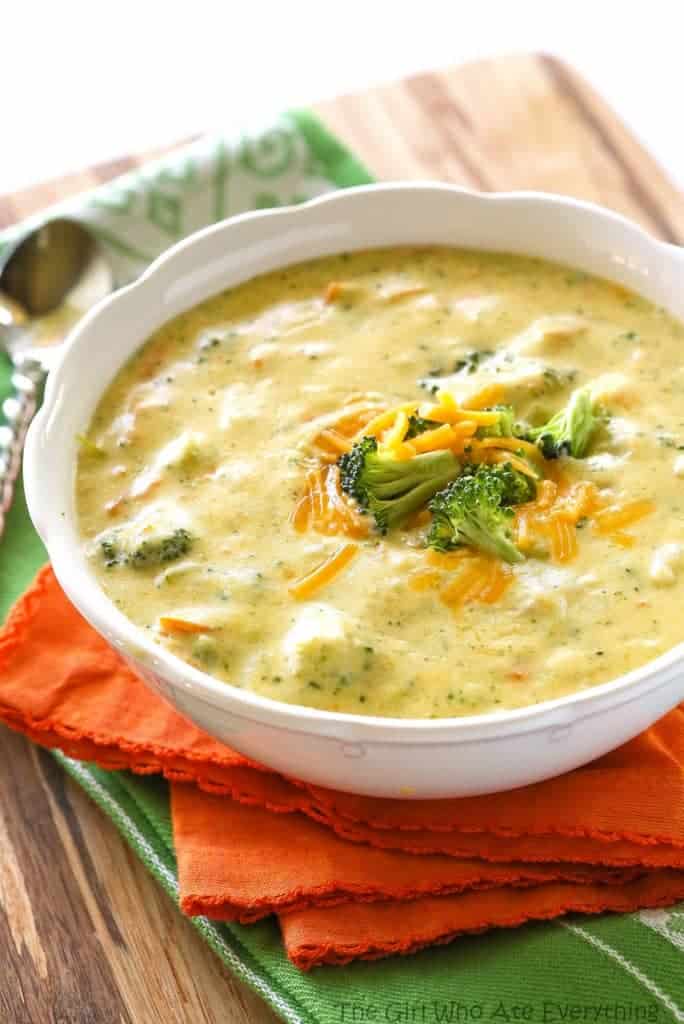
Panera Broccoli Cheddar Soup Copycat Recipe Analysis and Culinary Overview

The popularity of Panera Bread’s signature Broccoli Cheddar Soup has transcended the casual dining sector, establishing itself as a cultural benchmark for comfort food in the United States. For years, home cooks have sought to replicate the specific flavor profile, texture, and nutritional balance of this menu staple. By breaking down the essential culinary components—a roux-based thickener, sharp cheddar cheese, and precise vegetable preparation—home chefs can achieve a near-identical result in a domestic kitchen setting. This analysis explores the technical requirements for recreating the dish, the nutritional implications, and the broader culinary trend of "copycat" dining that has become a fixture in modern home cooking.
The Culinary Composition of Broccoli Cheddar Soup
At its core, the appeal of Panera’s Broccoli Cheddar Soup lies in the synergy between its creamy, velvety base and the structural integrity of the broccoli florets. Unlike many traditional vegetable soups that rely on vegetable stock or water, this recipe utilizes a rich, roux-based foundation. A roux—a mixture of flour and fat, typically butter—serves as the primary thickening agent, providing the soup with a viscosity that allows it to coat the palate, which is a hallmark of high-quality bistro-style soups.
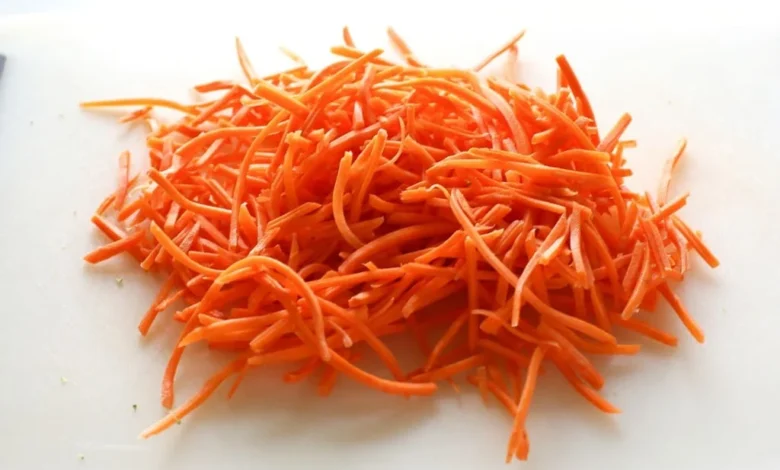
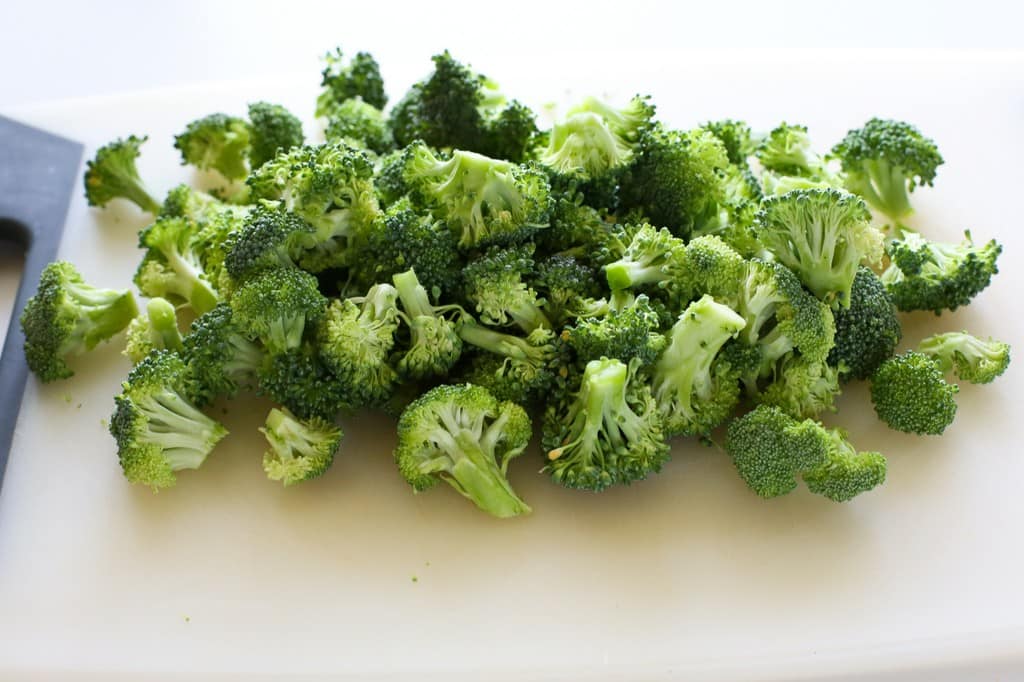
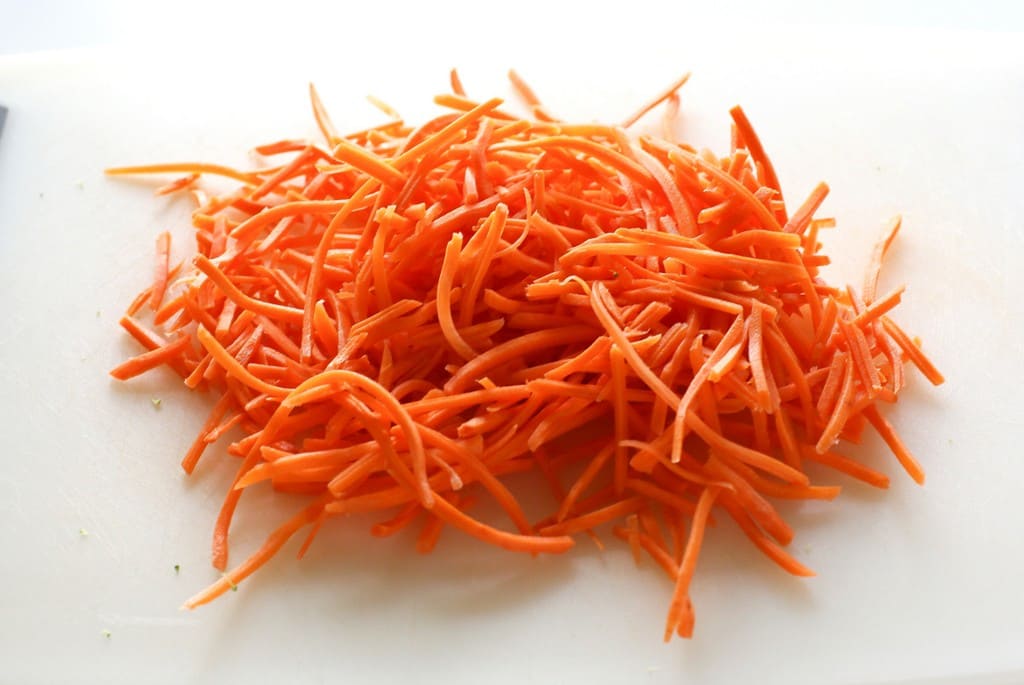
The selection of ingredients is paramount to the final output. Culinary experts emphasize the necessity of using sharp cheddar cheese rather than mild varieties. The higher protein and fat content in aged, sharp cheddar provide a deeper, more complex flavor profile that can withstand the heat of the simmering base. Furthermore, the incorporation of julienned or matchstick carrots serves two purposes: it adds a subtle sweetness to balance the sharpness of the cheese and provides a textural contrast to the soft broccoli and creamy broth.
Chronology and Evolution of the Recipe
The widespread interest in replicating this specific recipe can be traced back to the early 2000s, coinciding with the rise of food blogging and the democratization of culinary techniques. As Panera Bread expanded its national footprint, the accessibility of its menu items fueled a demand for home-based alternatives.
By the mid-2010s, home cooking enthusiasts began formalizing "copycat" methods, sharing them across digital platforms. These recipes evolved from simple estimations to precise, measured techniques. The transition from restaurant-style preparation to home-kitchen execution involved significant adaptations, such as the move toward one-pot methods. This efficiency was driven by the necessity for time-saving, which is a critical factor for modern households balancing work-life demands with the desire for home-cooked meals.
Nutritional Profile and Dietary Considerations
When assessing the nutritional value of a standard serving of this soup, one must account for the density of the ingredients. A single serving, typically defined as one-sixth of a full batch, contains approximately 413 to 417 calories. This caloric density is largely derived from the combination of fats in the cheese and the butter-flour roux.
For individuals with dietary restrictions, the recipe presents specific challenges, most notably regarding gluten content. Because the traditional thickening agent relies on a wheat-based roux, the dish is not inherently gluten-free. However, culinary adaptations have been developed to address this. For instance, the use of a cornstarch slurry—a mixture of cornstarch and liquid added toward the end of the cooking process—serves as an effective, gluten-free alternative for achieving the desired thickness without the use of wheat flour. This modification allows the dish to remain inclusive of various dietary needs without sacrificing its signature mouthfeel.
Technical Best Practices for Preparation
Achieving professional results in a home environment requires adherence to specific technical guidelines, particularly regarding temperature control. One of the most common errors in preparing cheese-based soups is "breaking" the emulsion. This occurs when the cheese is added while the soup is at a rolling boil, causing the fats to separate from the proteins, resulting in a grainy, unappealing texture.
To avoid this, it is standard practice to remove the pot from the heat source entirely before folding in the shredded cheese. The residual heat of the liquid is sufficient to melt the cheese smoothly. Additionally, the quality of the cheese plays a role in the consistency; pre-shredded cheese, which is often coated in cellulose or potato starch to prevent clumping in the bag, can hinder the emulsification process. Culinary professionals strongly recommend grating fresh blocks of sharp cheddar to ensure a seamless, velvety texture.
Market Implications of the Copycat Phenomenon
The rise of the copycat recipe industry reflects a broader shift in consumer behavior. With the increasing cost of dining out and the widespread availability of online culinary resources, consumers are increasingly viewing "dining in" as an opportunity to simulate the restaurant experience at a fraction of the cost.
This trend has significant implications for both food media and the restaurant industry. For food media outlets, providing accurate, high-quality, and tested recipes has become a competitive necessity. For restaurant chains, the proliferation of these recipes does not necessarily signal a loss of revenue; rather, it often serves as a form of brand loyalty. When a consumer replicates a dish at home, it reinforces their association with the original brand, keeping the product top-of-mind.
Broader Impact on Home Cooking Trends
The "Broccoli Cheddar" phenomenon is indicative of a shift toward comfort-centric home cooking. During periods of economic uncertainty or seasonal transitions—such as the onset of autumn—data consistently shows an uptick in searches for high-fat, high-carbohydrate, and nutrient-dense comfort foods.
The simplicity of the ingredients—broccoli, carrots, onions, flour, butter, and cheese—makes this dish highly accessible. Unlike complex recipes that require specialized equipment or hard-to-find ingredients, this soup relies on items that are readily available in most local grocery stores. This accessibility is the primary driver behind its enduring popularity.
Expert Perspectives and Community Feedback
Feedback from home cooks who have successfully implemented these methods highlights the importance of precision. Readers frequently cite the ability to control the quality of ingredients as a primary motivator for cooking at home. For example, by selecting organic produce or specific grades of aged cheese, the home cook can elevate the dish beyond its standard fast-casual baseline.
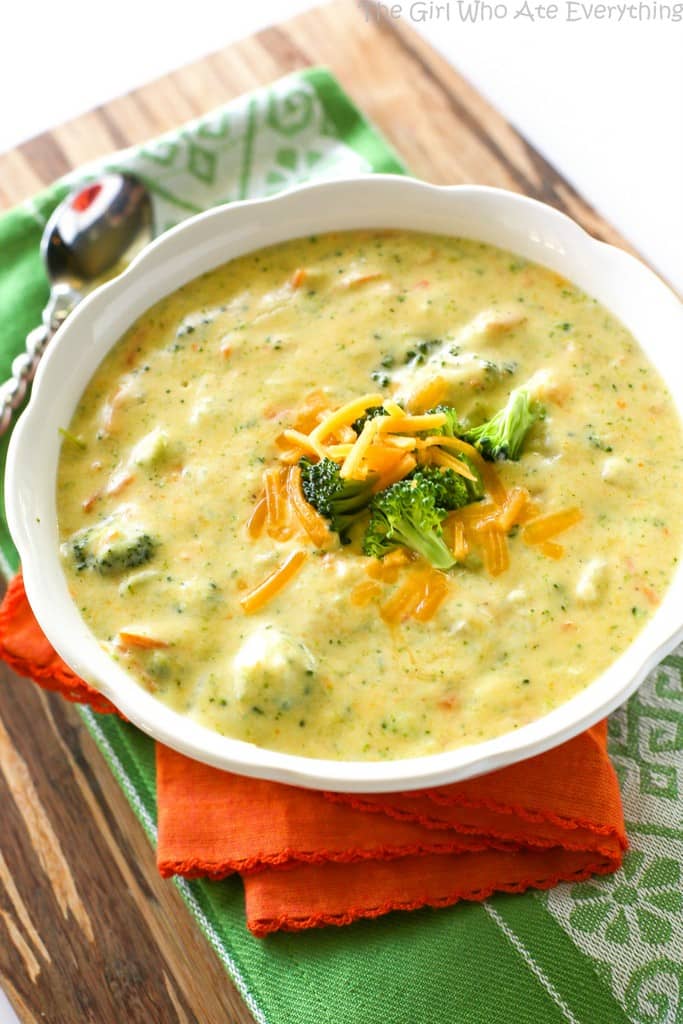
The consensus among cooking communities is that while the dish is relatively simple, the "Panera experience" is maintained through the specific balance of the roux-to-liquid ratio. Maintaining this balance ensures that the soup is neither too thin—which would result in a watery broth—nor too thick, which could mask the nuances of the cheddar.
Conclusion
The enduring appeal of Broccoli Cheddar soup lies in its ability to provide high-level comfort with relatively low-level complexity. By understanding the chemical and physical processes behind the roux and the emulsion, home cooks can effectively bridge the gap between restaurant quality and domestic convenience. As home cooking continues to evolve in response to changing economic and social landscapes, the focus on perfecting such staples will likely remain a central pillar of the modern culinary experience. Whether prepared for a weeknight dinner or as part of a larger catering effort, the recipe stands as a testament to the effectiveness of classic, straightforward techniques in achieving culinary success.