The Historical Evolution of a Peasant Classic
The term "Pasta e Fagioli," translated literally as "pasta and beans," finds its roots in the agrarian traditions of Italy. Historically, the dish was designed as a low-cost, high-energy meal for farming families. By utilizing readily available staples—dry pasta and pulses—the recipe provided essential proteins and carbohydrates without the need for expensive animal proteins.
Over the course of the 20th century, as Italian immigrants integrated into the American culinary landscape, the recipe underwent a significant transformation. In Italy, regional variations abound; some versions are served "dry" with little broth, while others are soupier. The Americanized version, however, typically emphasizes a more consistent, protein-forward profile, often incorporating ground beef or pork, which deviates from the strictly vegetarian or lard-based origins of the Mediterranean iteration. This evolution reflects the broader trend of "protein-centric" meal planning that defined American domestic cooking in the mid-to-late 20th century.
Nutritional Profile and Dietary Composition
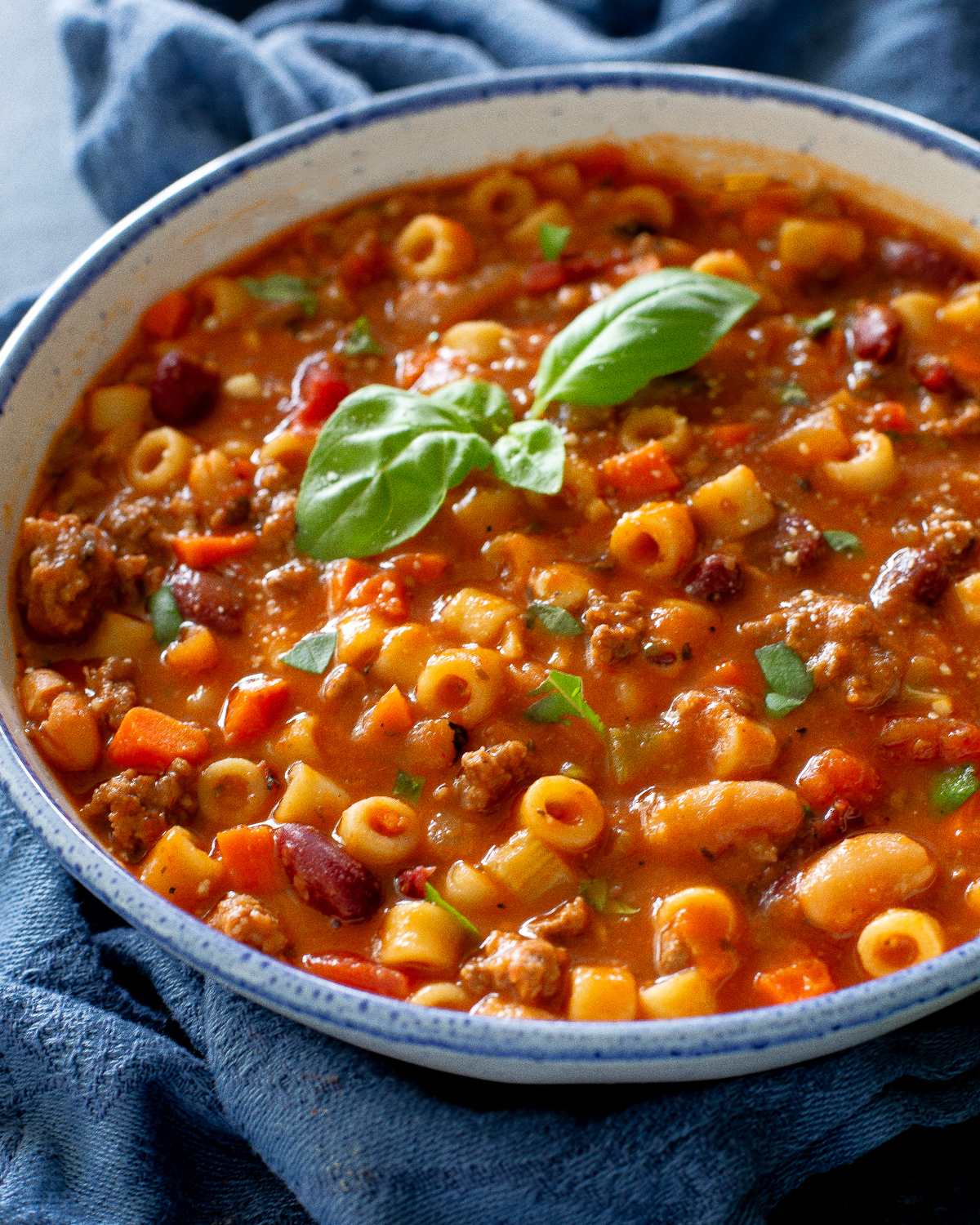
Modern culinary data indicates that a standard 6-serving batch of Pasta e Fagioli provides a balanced macronutrient distribution. A typical serving contains approximately 329 calories, with a protein content of 21 grams, largely derived from the combination of ground beef and the synergistic pairing of kidney and Great Northern beans. The inclusion of these legumes not only enhances the texture but also provides a significant source of dietary fiber—roughly 3 grams per serving—which aids in digestive health and satiety.
From a micronutrient perspective, the dish is high in Vitamin A, containing approximately 3,689 IU per serving, largely due to the vegetable base, which typically includes carrots, celery, and onions. The sodium content, averaging 848 mg per serving, serves as a point of discussion for nutritionists, who often advise consumers to utilize low-sodium beef broth or canned beans rinsed in water to manage salt intake. Despite this, the meal remains a popular choice for families due to its ability to provide a complete meal in a single pot, reducing the complexity of dinner preparation.
Chronology of Preparation and Culinary Methodology
The preparation of an authentic, high-quality Pasta e Fagioli typically follows a structured 45-minute timeline, making it a viable option for mid-week evening meals.
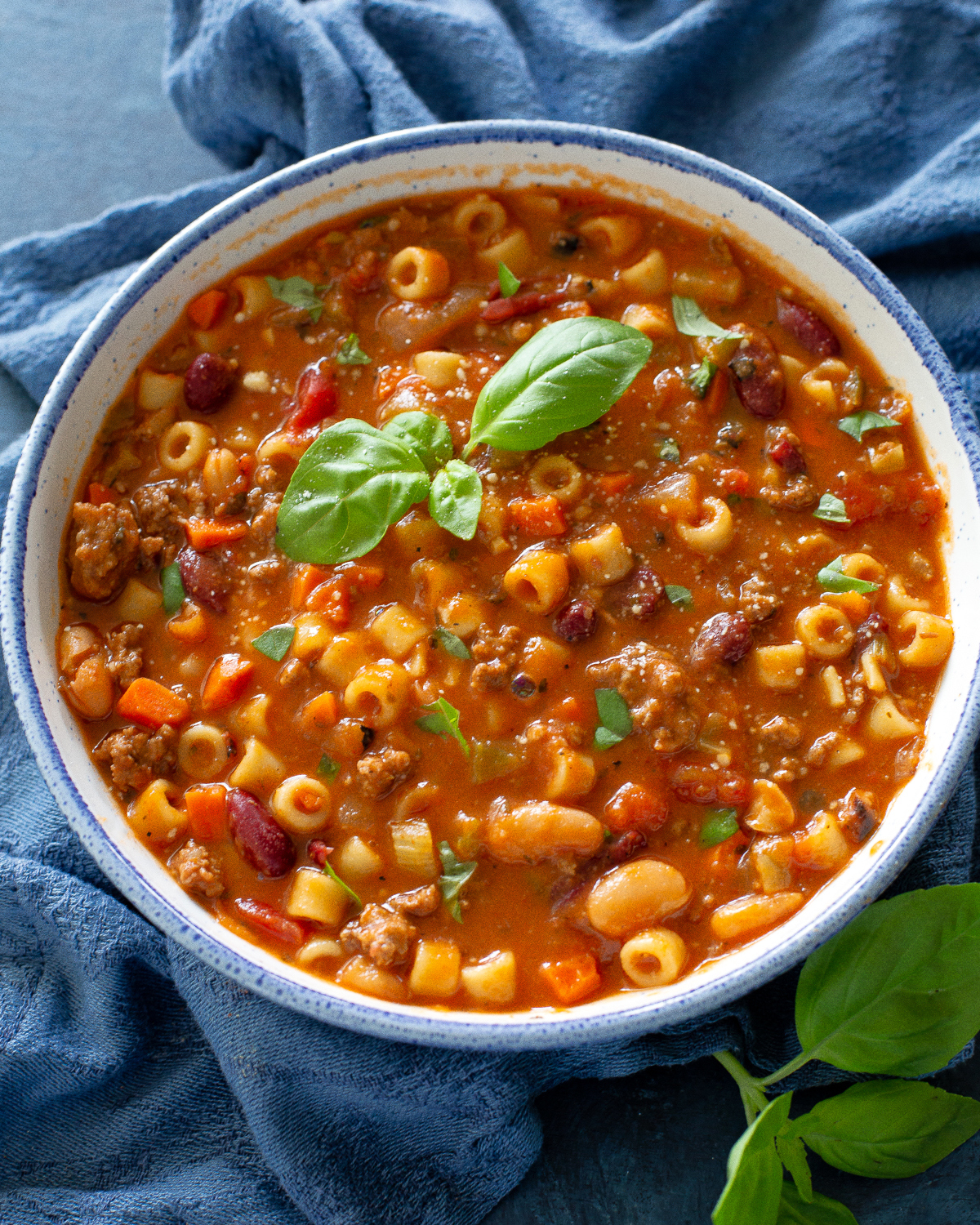
- The Foundation (Minutes 0–15): The process begins with the browning of the ground beef alongside a mirepoix of aromatic vegetables. This step is critical, as the Maillard reaction—the browning of the meat—creates the deep, umami-rich base upon which the soup is built.
- The Integration (Minutes 15–30): Once the meat is browned and the vegetables are softened, the beef broth and tomato-based sauce are introduced. This is the stage where the flavor profile is established. The addition of herbs, such as oregano, rosemary, or parsley, allows the liquid to infuse with savory depth.
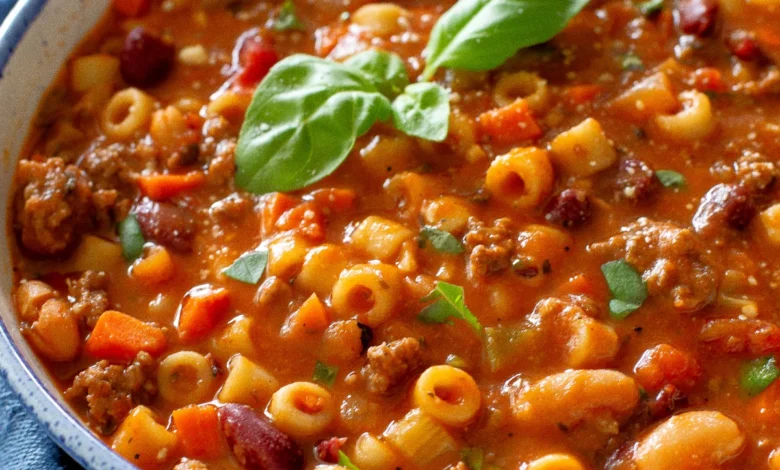
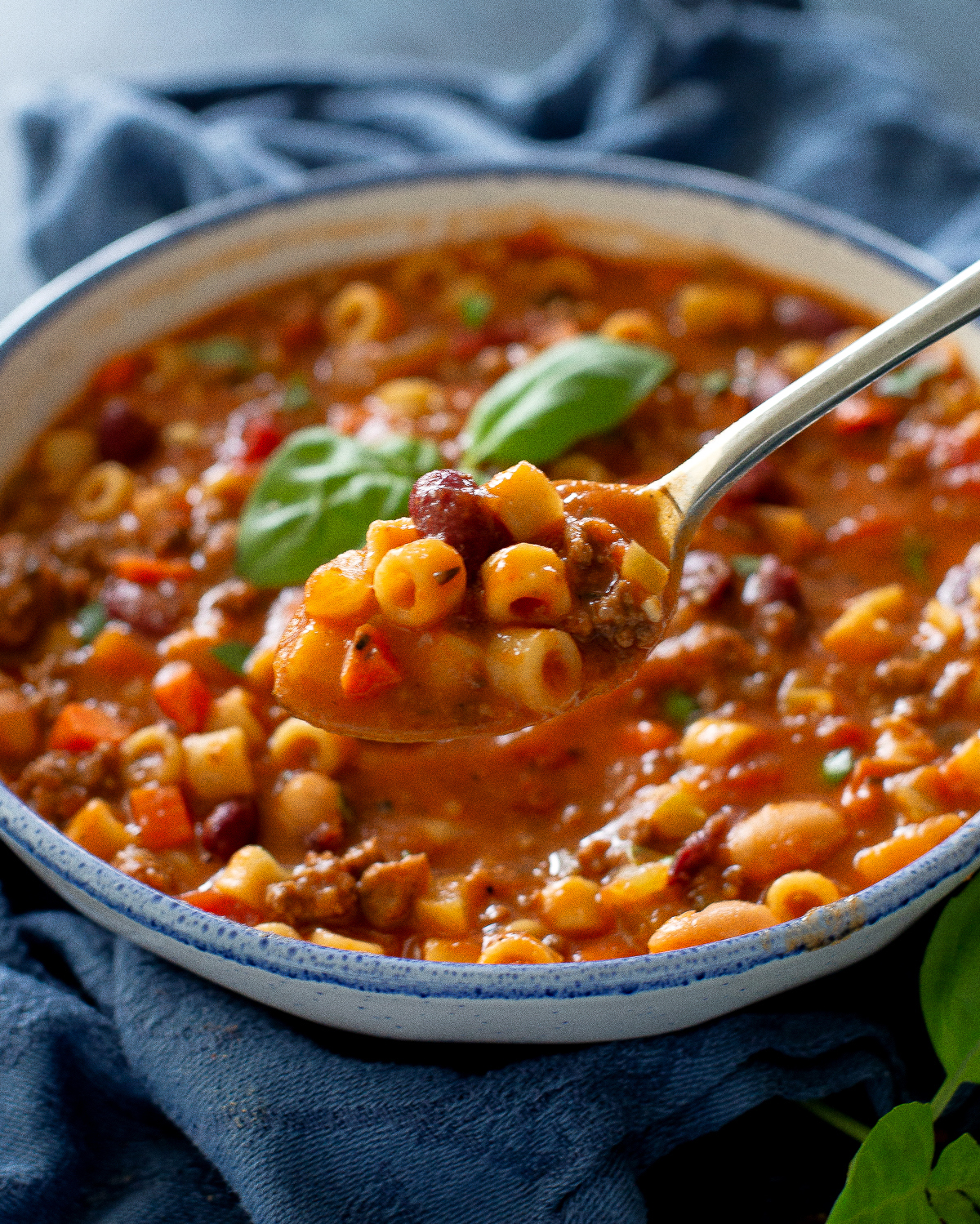
- The Texture Phase (Minutes 30–45): The final addition of the beans and the ditalini pasta completes the dish. Ditalini, a short, tube-shaped pasta, is preferred because its size and shape hold the broth effectively, ensuring that every spoonful contains a balanced ratio of solids to liquids.
Strategic Considerations for Preservation and Storage
A common challenge in the preparation of pasta-based soups is the degradation of the pasta texture over time. As the pasta sits in the broth, it absorbs moisture, leading to an overcooked, mushy consistency. Culinary professionals and food scientists recommend a "separation strategy" for meal prep: cooking the pasta separately from the soup base and combining them only when ready to serve.
If the dish is to be stored, it should be refrigerated for no longer than four days to maintain food safety standards. For long-term storage, the soup base—minus the pasta—can be frozen for up to three months. This method ensures that the structural integrity of the ingredients remains intact upon reheating, effectively preventing the starch from breaking down the broth’s viscosity.
Broader Impact on Domestic Food Trends
The enduring popularity of Pasta e Fagioli in the 2020s speaks to a broader cultural shift toward "cozy" or "comfort" cooking. Following the global supply chain disruptions of the early 2020s, many consumers returned to pantry-staple recipes that utilize long-shelf-life items like dried beans and canned tomatoes.
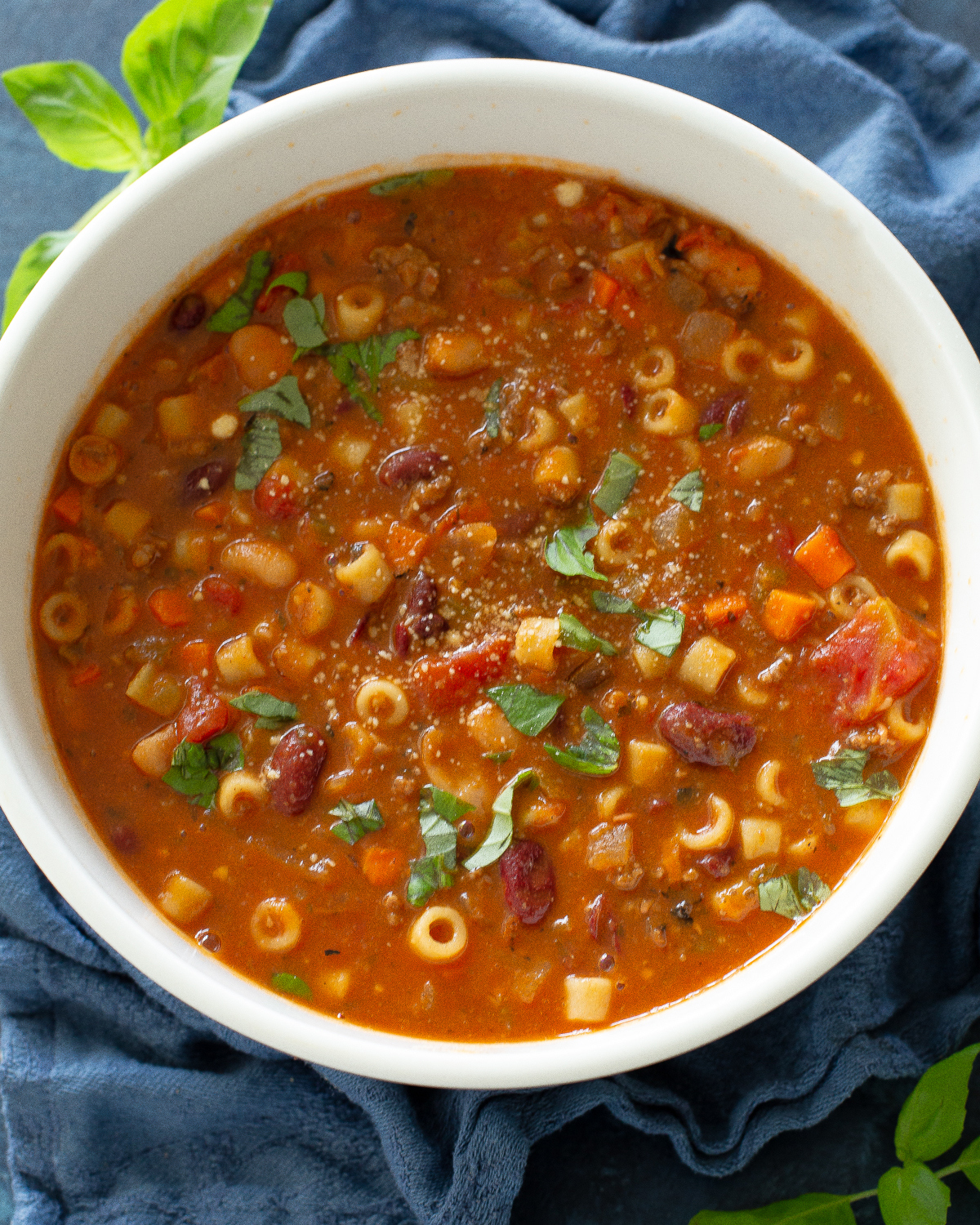
Market analysts have noted that recipes featuring high-yield, low-cost ingredients have seen a resurgence in search volume and social media engagement. Pasta e Fagioli is frequently cited in culinary journalism as a "recession-proof" dish, offering high nutritional value for a relatively low cost per serving. Furthermore, the ease with which the recipe can be modified—allowing for the addition of kale, spinach, or sausage—makes it a versatile vehicle for reducing household food waste.
Culinary Analysis and Expert Recommendations
For those seeking to elevate the dish, professional chefs often emphasize the importance of "bloom time"—allowing the soup to rest for at least 15 minutes after cooking but before serving. This pause allows the flavors of the aromatics to fully penetrate the beans.
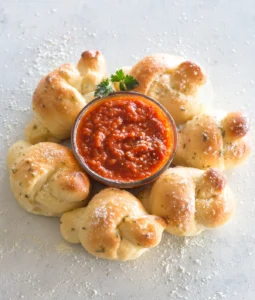
Additionally, the serving presentation is considered an essential component of the dining experience. Because the soup is naturally thick and rich, pairing it with a contrastingly crisp or airy side dish is standard practice. Garlic bread or crusty sourdough loaves are the most frequently recommended accompaniments, as they serve a functional purpose: their density allows for the absorption of the broth, providing a textural counterpoint to the soft beans and tender pasta.
Conclusion: A Staple of Modern Nutrition
Pasta e Fagioli remains a significant subject in the study of modern comfort food, representing the intersection of historical tradition, nutritional efficiency, and culinary versatility. Whether viewed through the lens of its humble peasant origins or its current status as a sophisticated one-pot meal, the dish provides a consistent and reliable solution for domestic nutrition. As food costs continue to fluctuate and the demand for efficient, high-protein meals remains high, the relevance of this Italian-American classic shows no sign of diminishing, solidifying its place in the standard repertoire of the modern kitchen.