The Ultimate Guide to Weeknight Comfort Cooking: Mastering Chicken with Cajun Cream Sauce

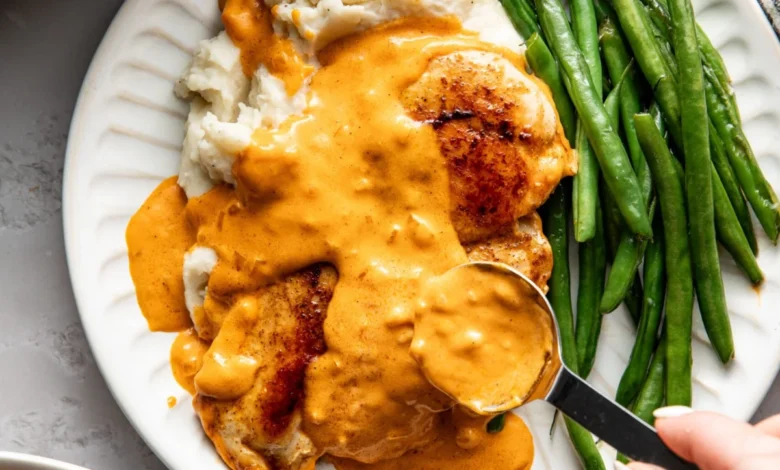
As autumn weather begins to settle across the country, home cooking trends traditionally shift away from light summer grills toward hearty, comforting meals that utilize seasonal ingredients and warming spices. Among the standout recipes capturing the culinary spotlight this season is a pan-fried chicken dish served in a rich, shallot-infused tomato and Cajun cream sauce. Developed by prominent food blogger and recipe creator Lindsay Ostrom of Pinch of Yum, this dish has quickly gained traction as a definitive weeknight comfort food, bridging the gap between restaurant-quality dining and accessible home preparation.
The Culinary Anatomy of the Dish
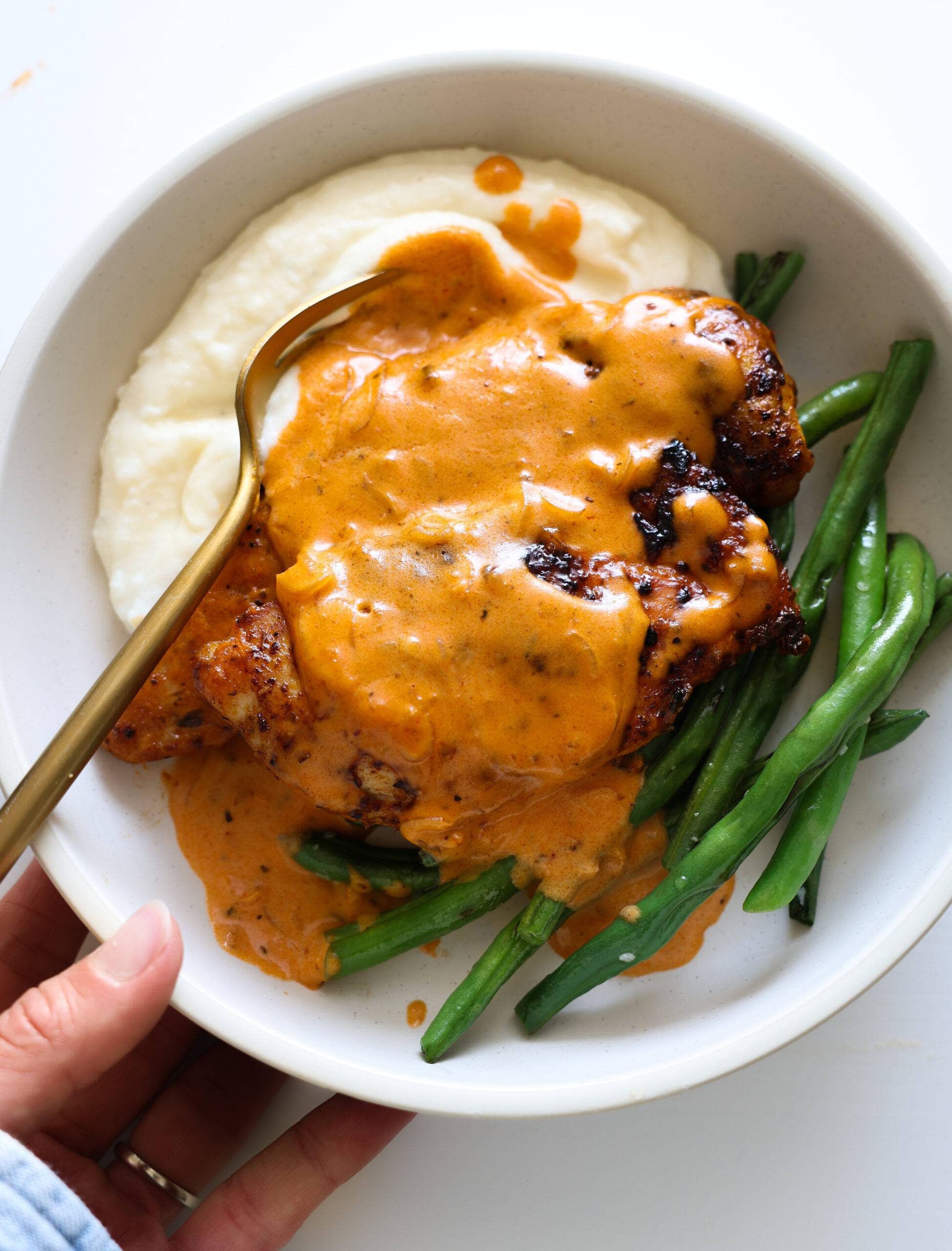
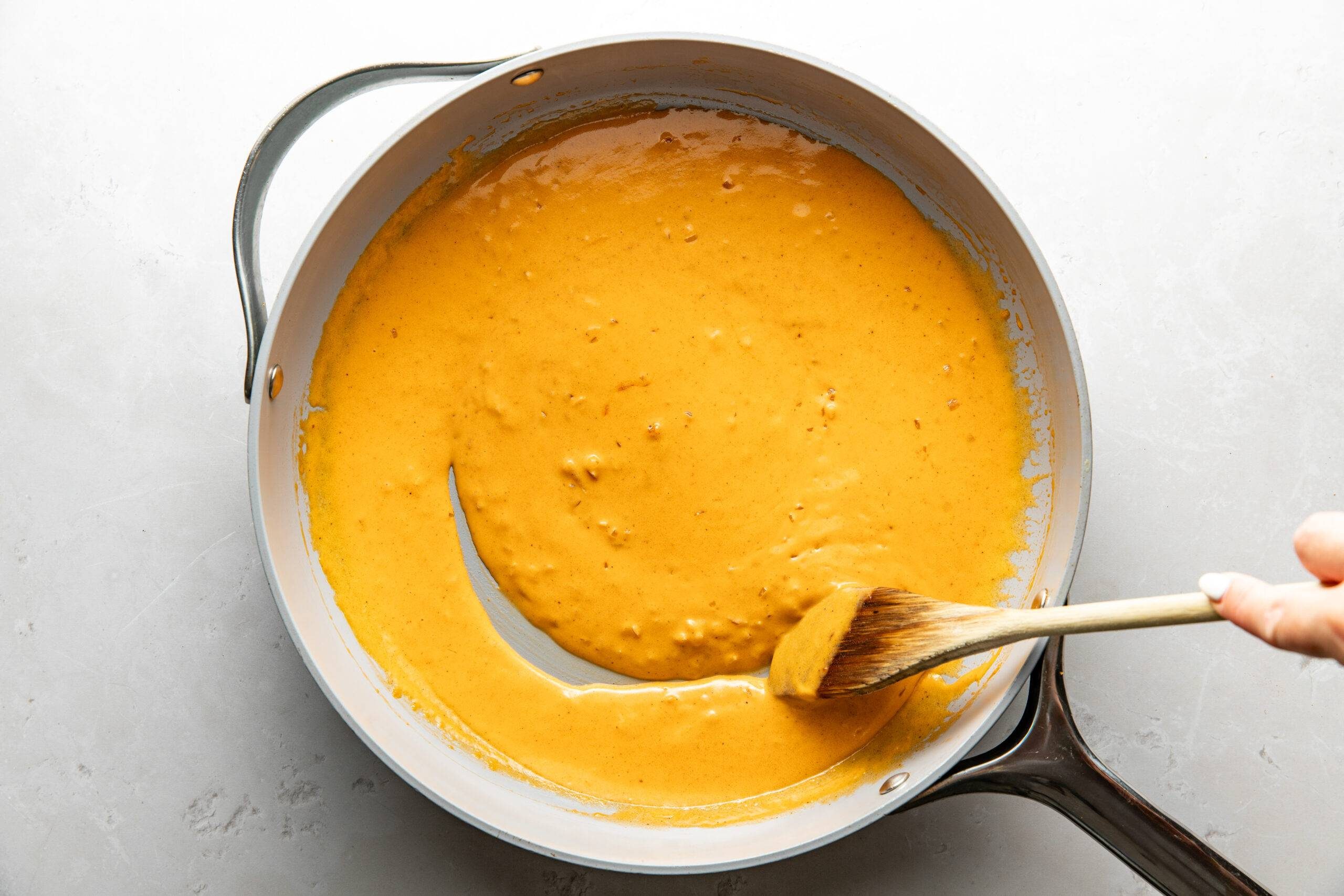
At the core of the recipe’s appeal is its complex flavor profile, which balances heat, acidity, and richness. The dish features pan-fried or air-fried chicken cutlets paired with a specialized cream sauce. Culinary experts note that the foundation of the sauce relies on finely minced or mandoline-sliced shallots that melt down into savory ribbons during the simmering process. Combined with chicken broth, heavy cream, and a distinct blend of Cajun spices infused with tomato elements, the resulting gravy achieves a velvety texture that has drawn praise from home cooks nationwide.

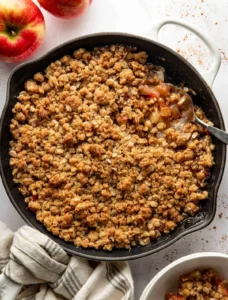
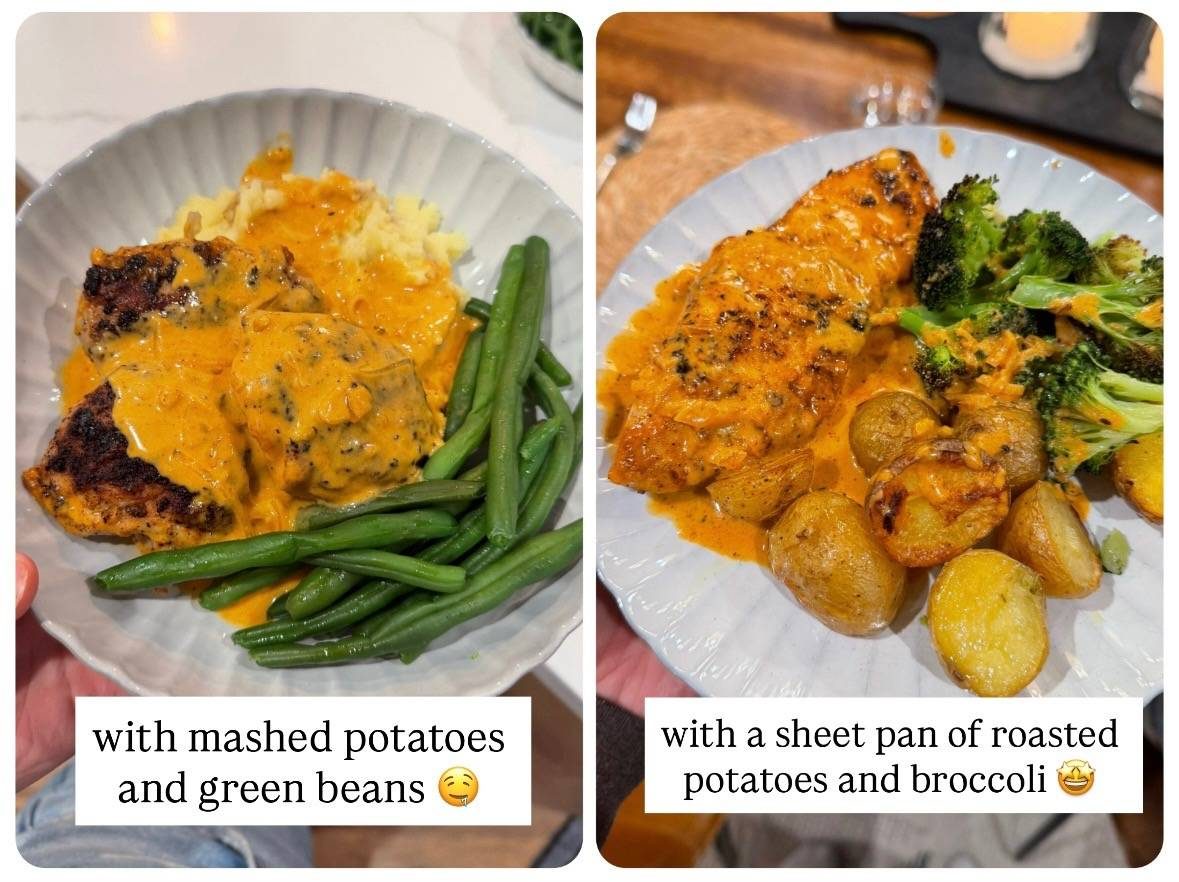
The traditional presentation pairs the protein and sauce with homestyle elements: classic garlic-infused mashed potatoes, crisp green beans, and a complementary dessert such as home-baked apple crisp. According to nutritional data compiled from standard culinary metrics, dishes incorporating heavy cream and poultry provide a dense caloric and macronutrient profile ideal for cooler weather energy demands, though lighter alternatives—such as substituting jumbo shrimp or utilizing vegetable sides—offer versatile variations for diverse dietary needs.
Chronology of the Trend and Seasonal Shifts
The rise of comforting, cream-based skillet dinners aligns with a predictable seasonal shift in consumer behavior. Retail grocery data and culinary search trends historically indicate a sharp increase in the demand for recipes featuring warming spices, root vegetables, and heavy dairy products beginning in mid-September.
The introduction of the Cajun cream chicken recipe followed this precise timeline, debuting on food platforms during the first week of cooler autumn temperatures. Food historians and market analysts point out that home cooking often mirrors psychological needs during seasonal transitions; as daylight hours shorten and temperatures drop, consumers naturally gravitate toward tactile, carbohydrate-dense comfort foods that evoke nostalgia and security. The informal presentation style associated with the recipe—often served in deep bowls during casual family gatherings—reflects a broader post-pandemic cultural shift toward relaxed, experiential dining within the home.

Nutritional and Economic Implications of Weeknight Skillet Cooking
The popularity of skillet-based cream sauces highlights a broader economic and practical trend in modern domestic life: the demand for high-impact, low-complexity weeknight meals. With grocery inflation influencing consumer spending habits, many households are increasingly looking for ways to elevate affordable, staple proteins—such as chicken breasts or thighs—without relying on expensive specialty ingredients.
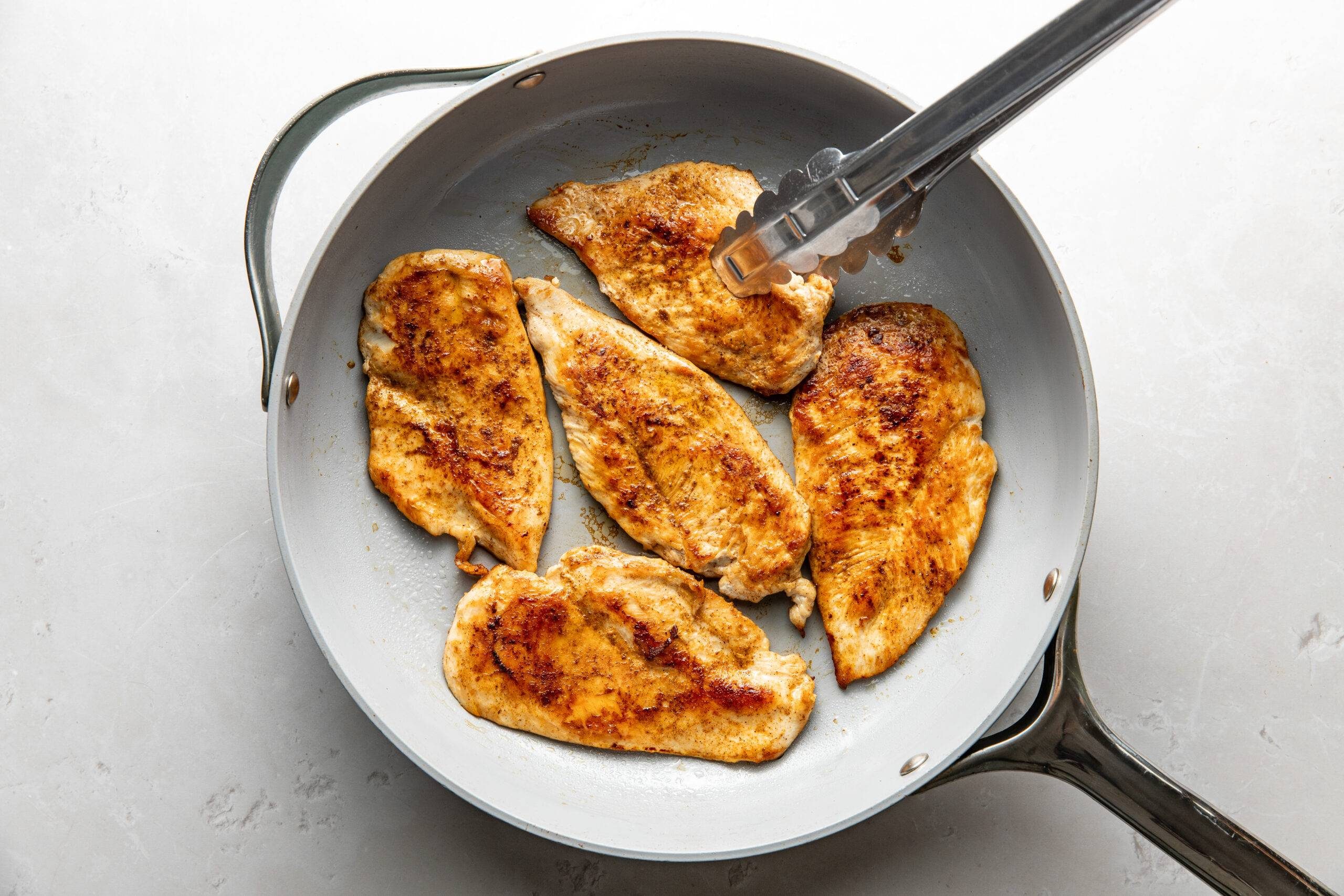
From an economic perspective, utilizing pantry staples like canned broth, basic dairy products, and accessible spice blends allows families to replicate high-end dining experiences at a fraction of the cost. Furthermore, the recipe’s adaptability—offering alternative cooking methods such as air-frying the poultry to reduce oil consumption or substituting seasonal vegetables like broccoli for green beans—caters to the modern consumer’s desire for flexibility and health-conscious modifications.
Public Reception and Expert Culinary Analysis
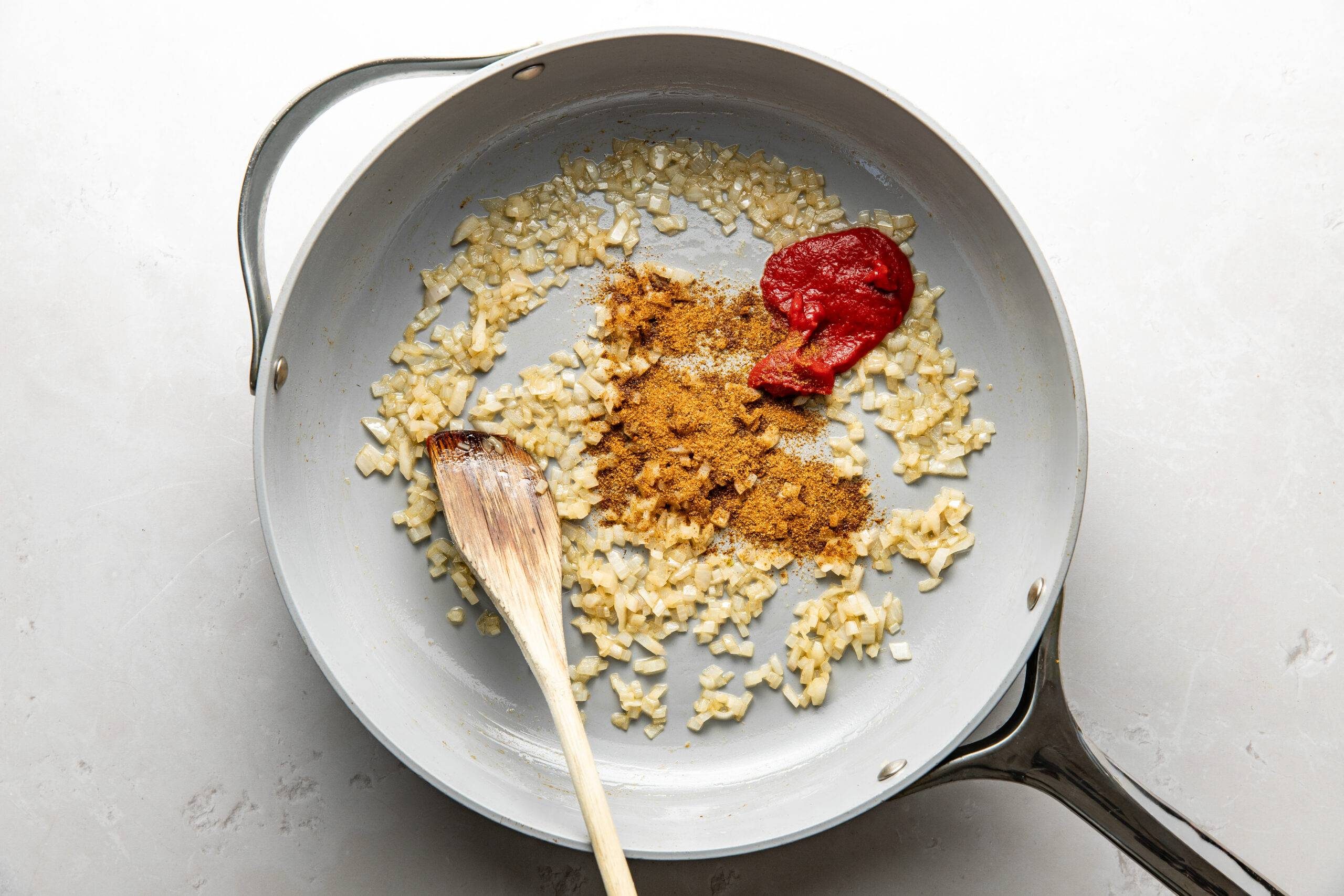
Food critics and domestic lifestyle commentators have noted that the success of recipes like the Cajun cream chicken lies in their sensory engagement. The visual appeal of rich, vibrant orange-red sauces contrasted against the neutral tones of poultry and starches performs exceptionally well across digital media platforms, driving high engagement and replication rates among home cooks.
Culinary instructors emphasize that mastering a foundational pan sauce—building flavor through fond left in the skillet after searing meat, sweating aromatics like shallots, and de-glazing with stock and cream—is a core kitchen skill. The integration of bold spice blends, such as authentic Cajun seasoning, introduces regional American flavor profiles to a national audience, encouraging culinary experimentation within the constraints of a standard 30-minute weeknight timeframe.
Broader Impact on the Home-Cooking Industry
The sustained interest in accessible gourmet comfort food underscores the enduring influence of digital recipe developers on contemporary American diets. As online platforms continue to serve as the primary resource for household meal planning, recipes that successfully balance ease of execution with sophisticated flavor profiles will likely remain dominant fixtures in home kitchens.
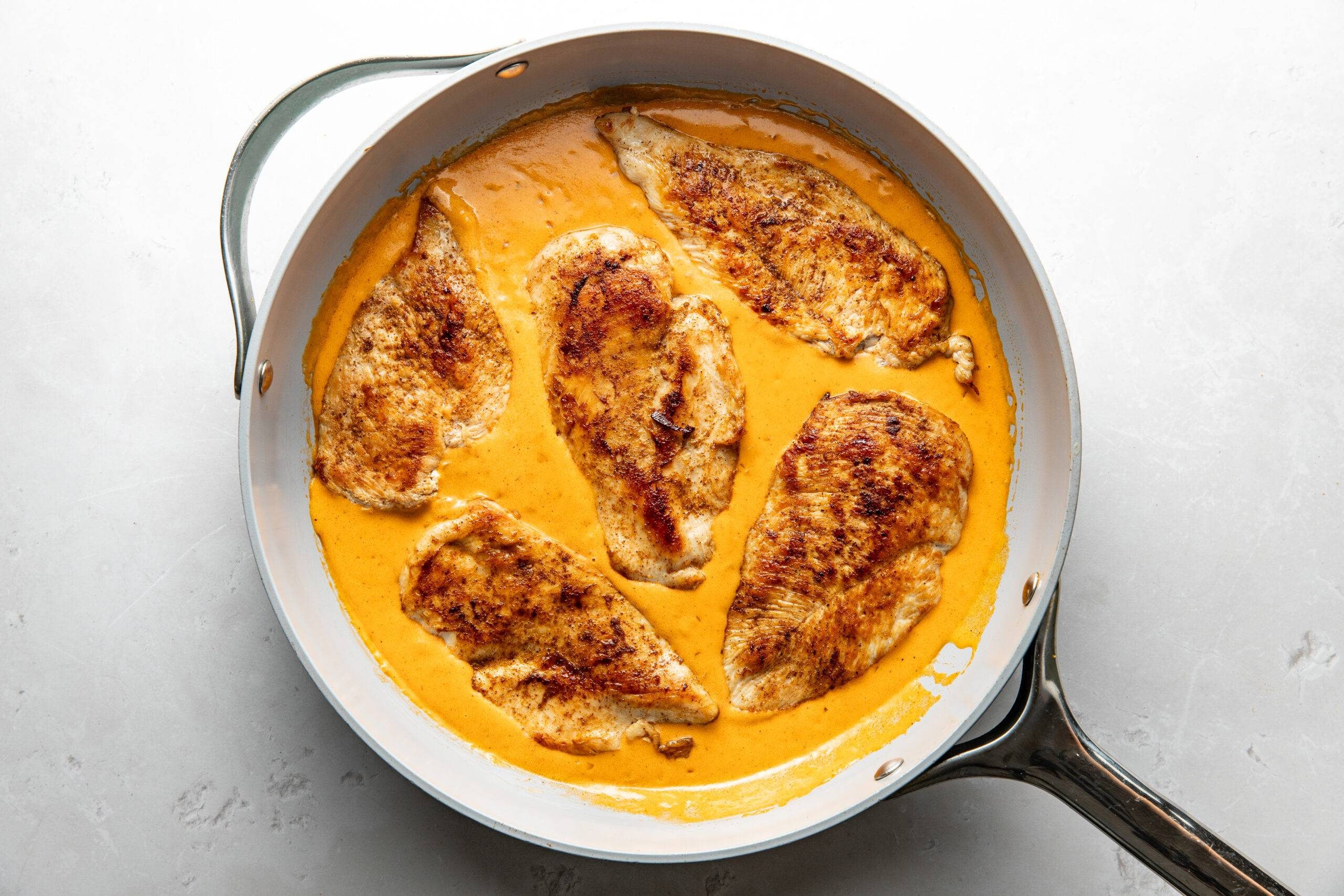
Ultimately, dishes that marry traditional comfort elements with elevated flavor components—such as the fusion of Southern-inspired Cajun spices with French-technique cream reductions—demonstrate the evolving nature of modern home cooking. As consumers continue to seek comfort and efficiency in their daily routines, expertly crafted skillet meals will maintain a central role in culinary culture.