The Ultimate Summer Produce Guide: Over 30 Chef-Approved Recipes to Transform Your Farmer’s Market Haul


The vibrant return of peak summer agricultural yields has once again transformed local weekend rituals across the country, as consumers flood farmers’ markets in search of the season’s freshest corn, cucumbers, bell peppers, tomatoes, zucchini, peaches, green beans, and strawberries. While these sun-ripened yields represent the culinary highlight of the warmer months, they frequently present home cooks with a logistical surplus. Navigating an abundance of perishable produce requires both strategic meal planning and culinary versatility. To address this seasonal challenge, culinary experts and nutritionists have compiled a comprehensive compendium of more than thirty streamlined recipes designed to utilize every component of a weekend market haul within rapid preparation windows.
Economic and Agricultural Context of Peak Season Harvests
The surge in regional farmers’ market participation aligns with broader economic trends surrounding local food systems and consumer preferences. According to recent data from the United States Department of Agriculture (USDA), direct-to-consumer agricultural marketing channels continue to experience high demand during the peak summer months. Consumers increasingly prioritize locally sourced produce not only for its superior flavor profile during peak ripening windows but also for its reduced carbon footprint compared to transcontinental supply chains.
Agricultural economists note that mid-summer overlapping harvest cycles frequently result in market gluts for specific commodities, particularly stone fruits, solanaceous crops like tomatoes and peppers, and cucurbits such as zucchini and cucumbers. This seasonal abundance creates a unique intersection of culinary opportunity and food preservation necessity. Home cooks are challenged to process highly perishable items quickly to minimize household food waste, a metric that environmental agencies cite as a major contributor to municipal landfill volume during the summer quarter.
Chronology and Meal Integration Strategy
Successfully managing a substantial agricultural haul requires a systematic approach to meal integration based on the shelf-life and fragility of individual crops. Culinary logistics experts recommend a structured timeline for utilizing fresh produce over a standard seven-day household cycle:
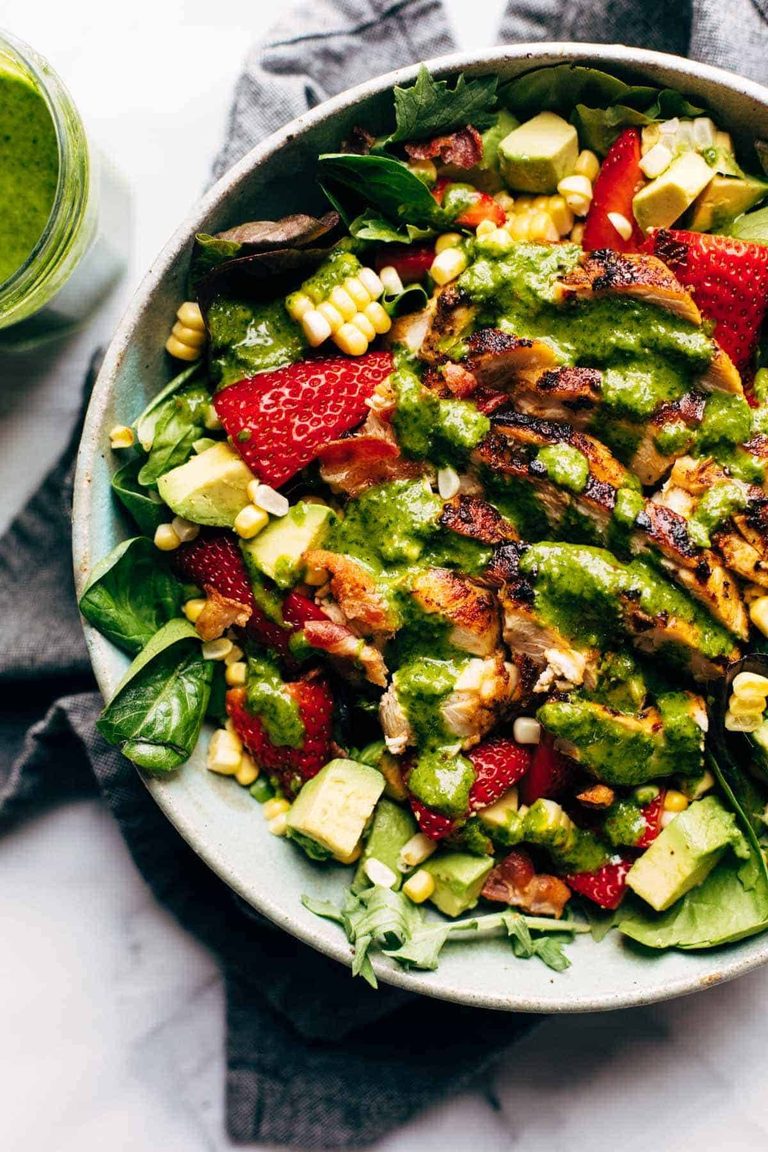
- Days 1 through 2 (Immediate Consumption): Focus on delicate items such as ripe summer berries, stone fruits, and crisp salad greens. Recipes like the Summer Chipotle Chicken Cobb Salad, Gorgeous Peach Salad, or simple preparations involving fresh strawberries and artisanal cheeses allow these ingredients to shine without extensive cooking.
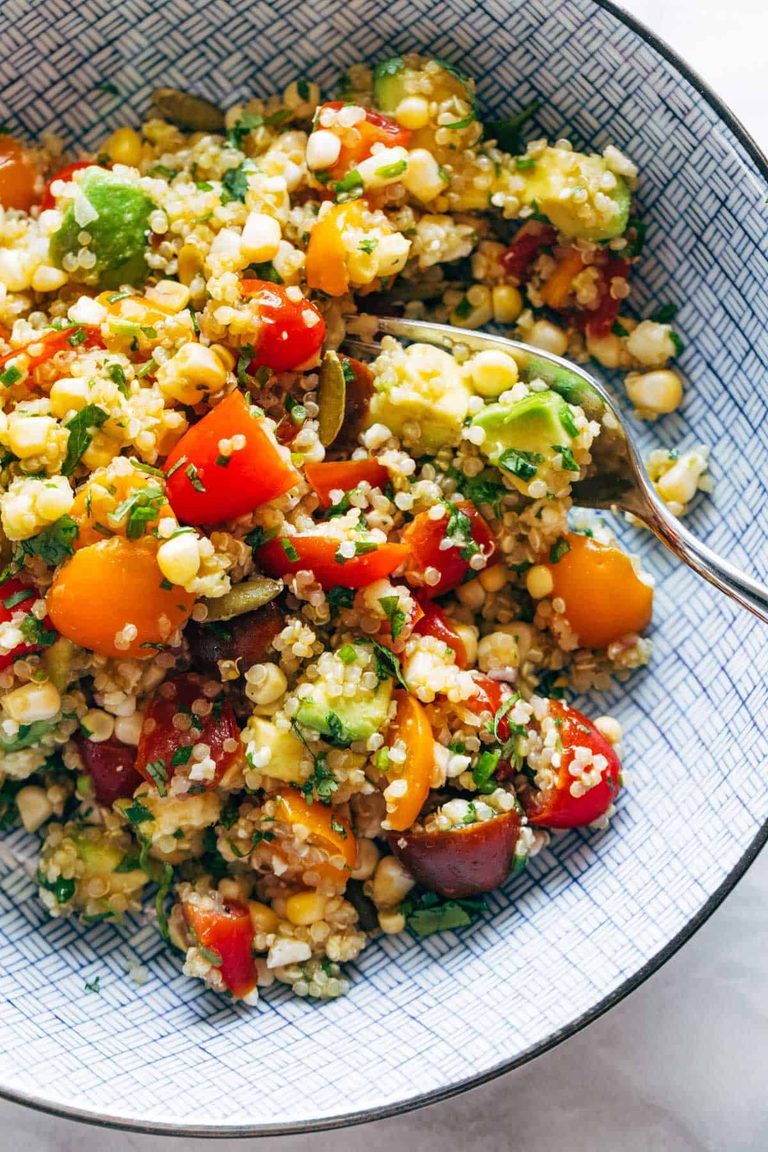
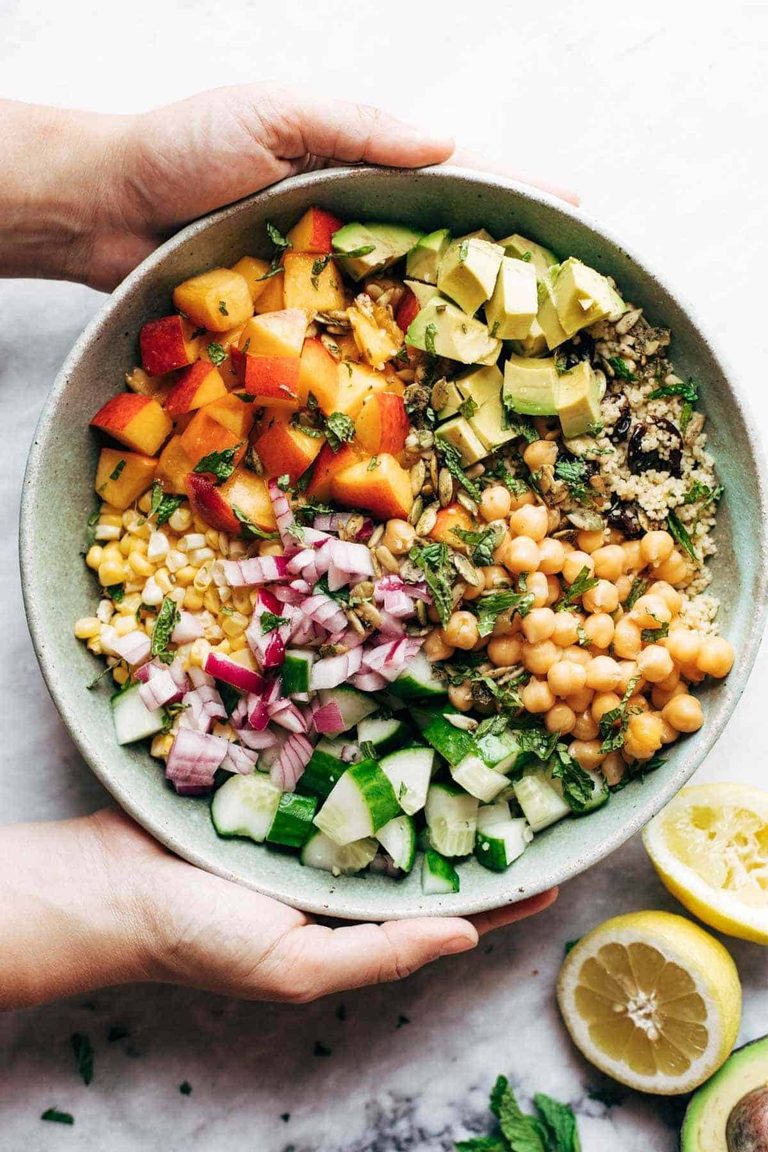
- Days 3 through 4 (Mid-Week Preparation): Transition to robust vegetables and grains. This window is optimal for assembling grain-based side dishes and salads, including the Corn, Avocado, and Quinoa Salad with Marinated Tomatoes, Elote-Style Quinoa Salad, or Couscous Summer Salad. These dishes benefit from a brief resting period as flavors meld.
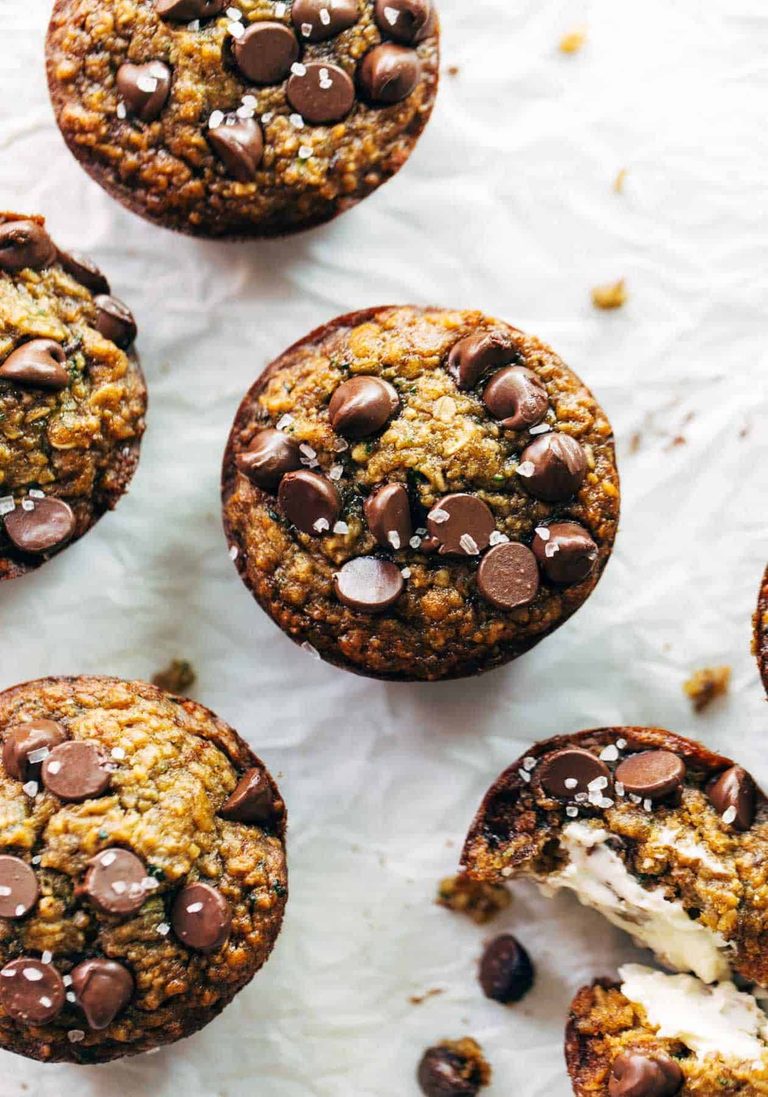
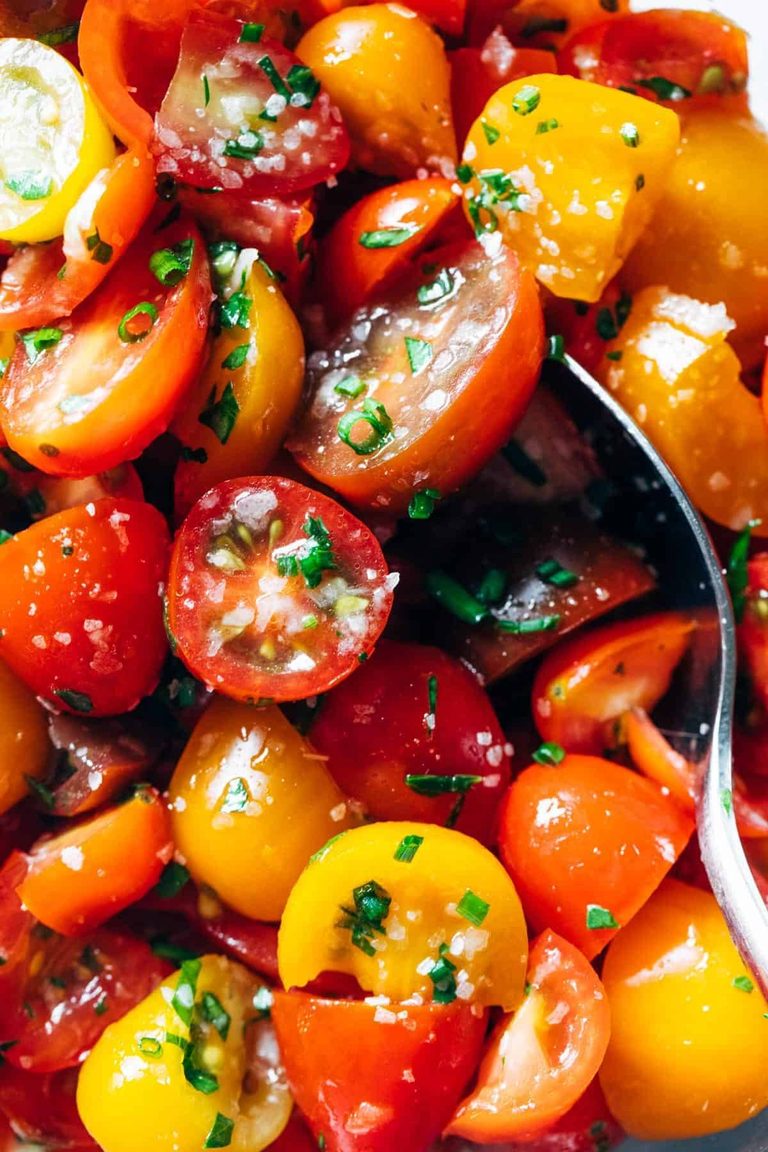
- Days 5 through 7 (Cooking and Preservation): Utilize dense or heavily yielding crops in cooked applications, sheet-pan dinners, and sauces. Zucchini can be processed into baking staples like Feel-Good Zucchini Muffins or Almond Butter Chocolate Chip Zucchini Bars, while surplus tomatoes are ideally suited for slow-simmered sauces, roasted vegetable medleys, or quick marinades.
Culinary Categories and Recipe Innovations
The curated collection of summer recipes bridges the gap between sophisticated dining and accessible weeknight cooking, with preparation times averaging under thirty minutes. The methodology emphasizes flavor balancing—pairing the natural sweetness of peak-season produce with high-acid components, fresh herbs, and complex proteins.
Sweet and Savory Salads
Salads form the foundation of summer culinary strategy, serving as a blank canvas for contrasting textures and temperatures. The Summer Chipotle Chicken Cobb Salad incorporates smoky proteins with sweet corn, avocado, and fresh strawberries, demonstrating how fruit can elevate savory dishes. Similarly, the The Oliver’s Salad—modeled after notable Midwestern restaurant trends—features tender salmon paired with fire-roasted corn, bacon crumbles, and a house-made smoky ranch dressing, proving that salads can constitute a nutritionally dense, filling main course.
Grain salads, including the Elote-Style Quinoa Salad and Crispy Rice Salad with Cucumbers and Herbs, leverage the nutty profiles of ancient grains and textural contrasts like fried rice or toasted seeds. These dishes offer exceptional nutritional profiles, combining complex carbohydrates with high-fiber vegetables and healthy fats from avocados and olive oil.
Fast-Execution Proteins and Mains
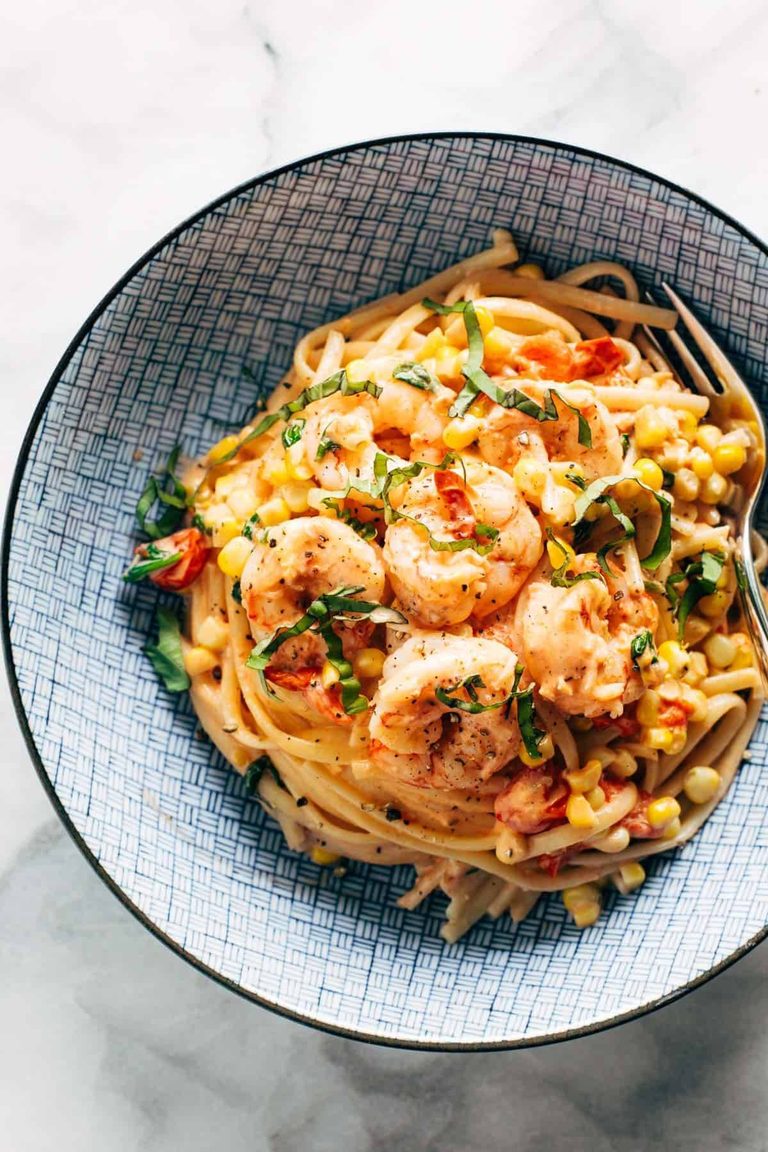
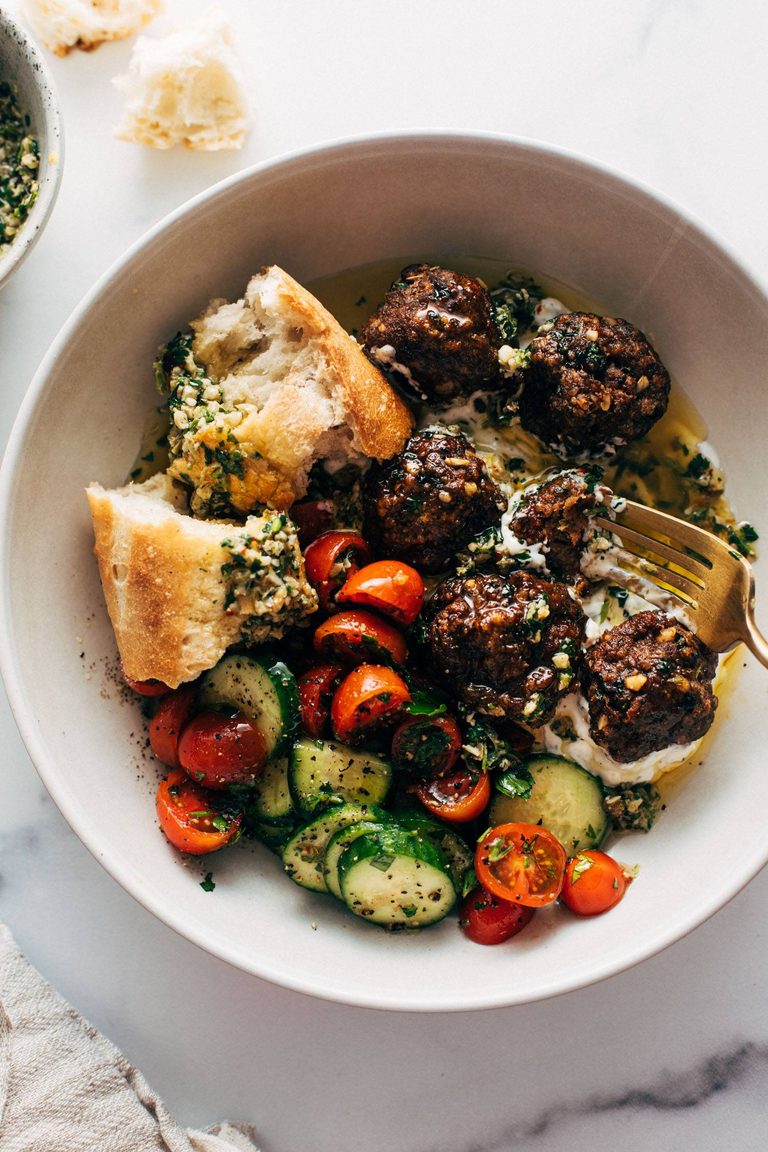
For time-constrained weeknight dinners, recipes such as the Creamy Shrimp Pasta with Corn and Tomatoes, Salmon Tacos with Mango Corn Salsa, and Sheet Pan Meatballs with Tomato Salad and Green Sauce offer streamlined preparation without sacrificing culinary complexity. By utilizing sheet pans and single-skillet methods, these dishes reduce kitchen heat generation during elevated summer temperatures while maximizing the use of fresh aromatics and seasonal vegetables.
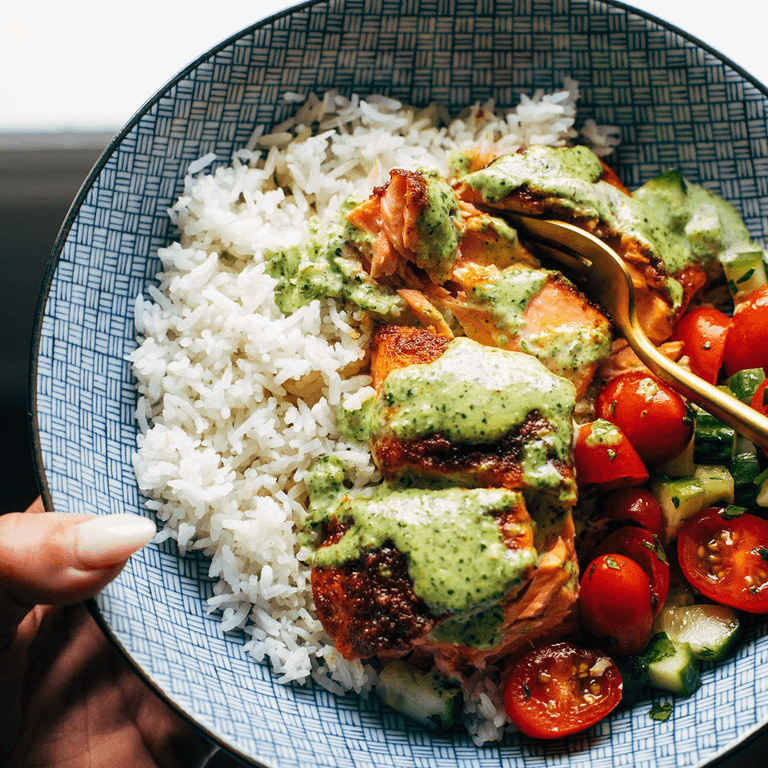
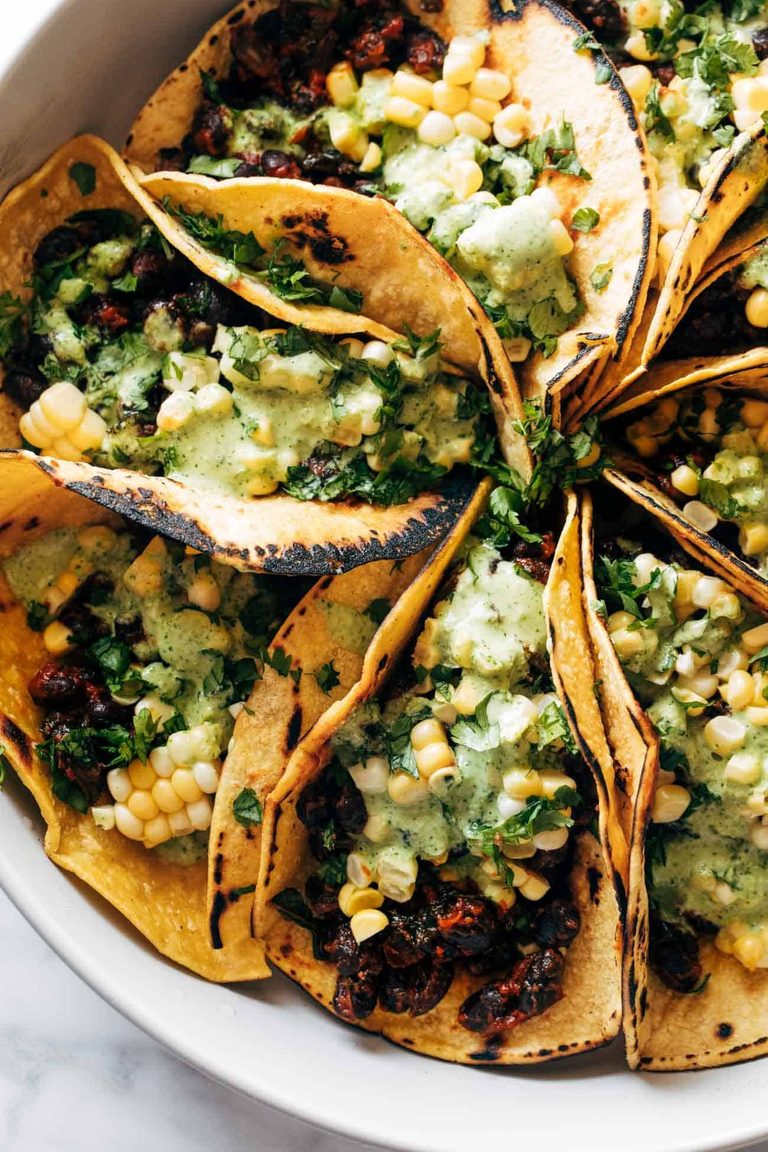
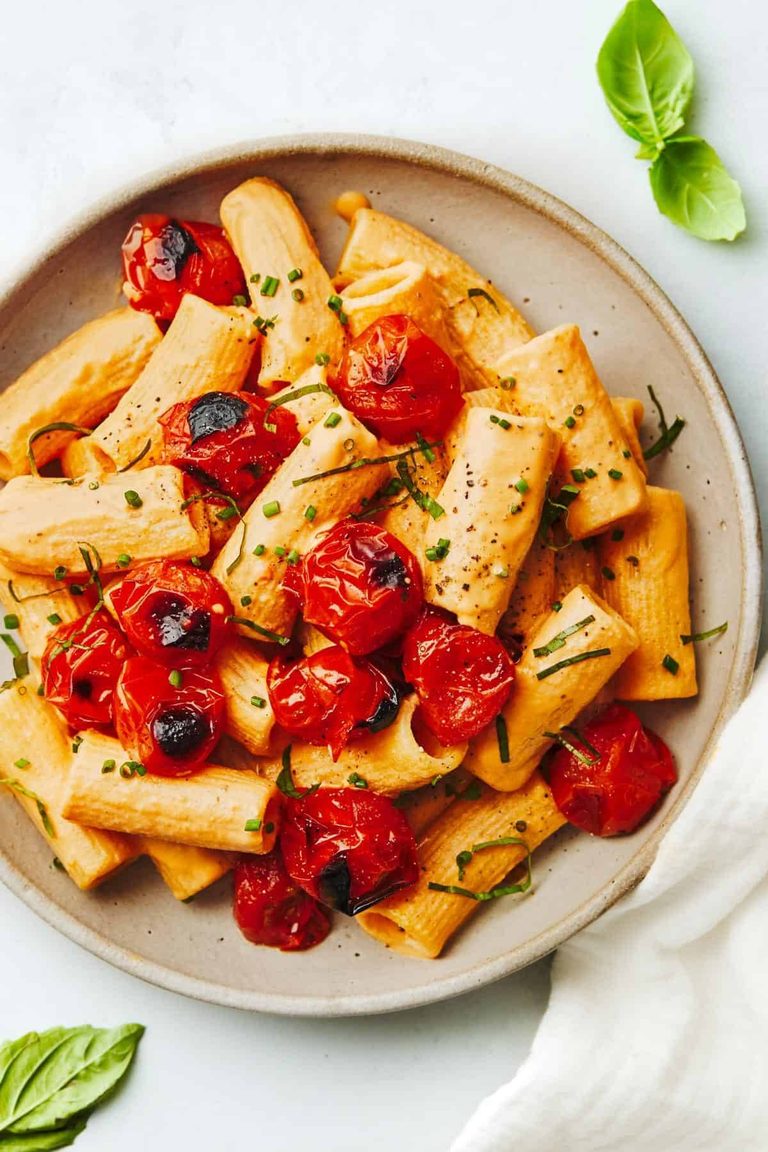
Plant-forward main courses also feature prominently in contemporary summer cooking. The Smoky Beans & Greens Tacos with Aji Verde and Creamy Vegan Red Pepper Pasta with Blistered Tomatoes highlight the capacity of seasonal legumes, leafy greens, and vine-ripened tomatoes to deliver rich, satisfying flavor profiles entirely independent of animal products.
Baked Goods and Desserts
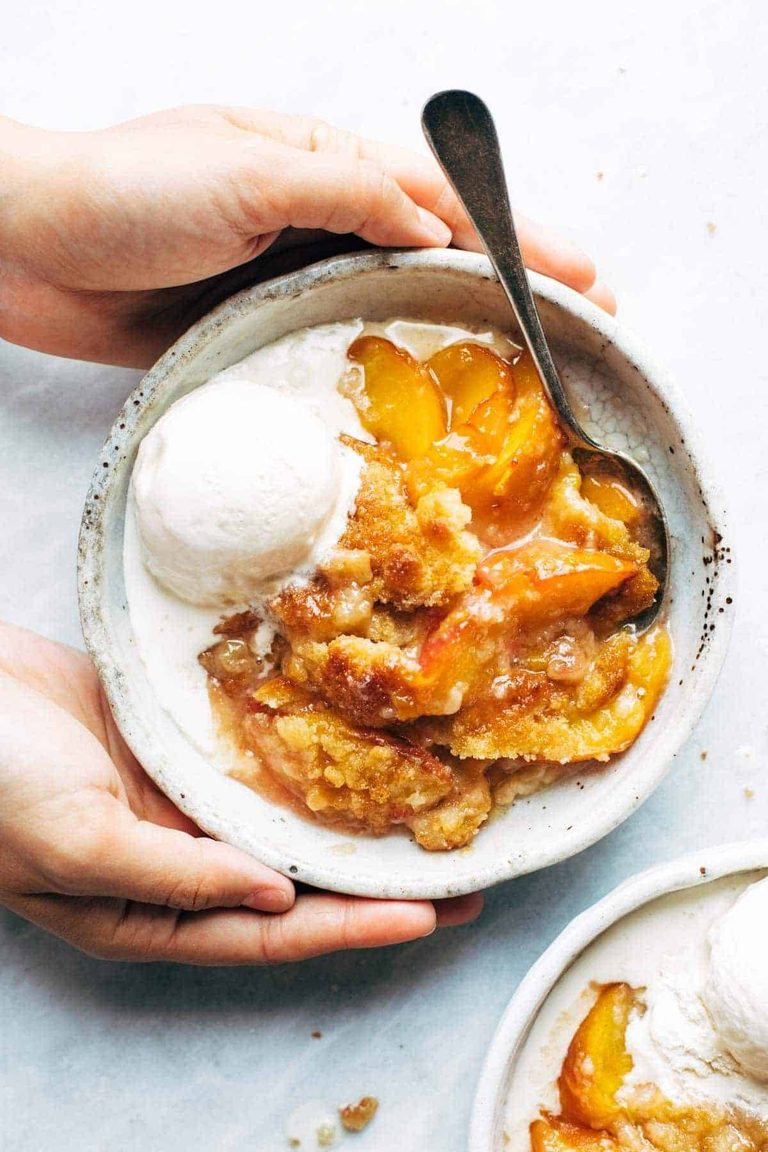
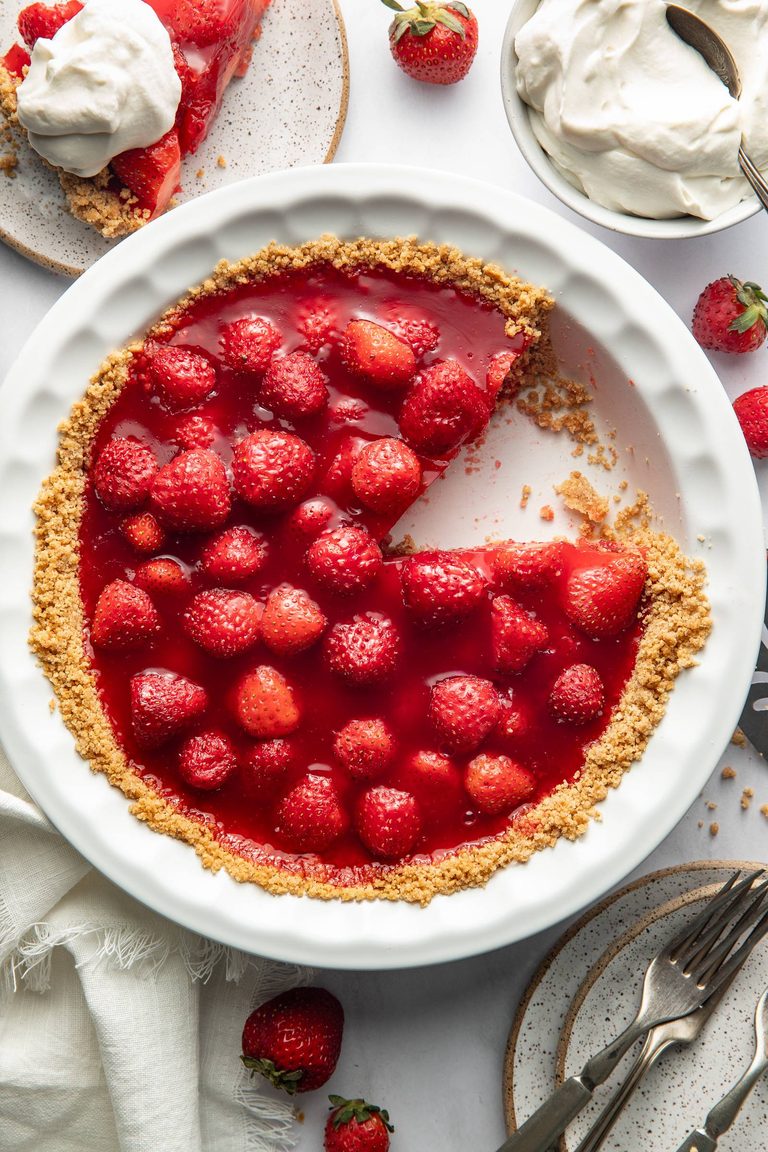
Baking during the summer months shifts toward utilization of prolific garden yields, most notably zucchini and stone fruits. The Best Peach Cobbler utilizes fresh fruit combined with a tender, cookie-dough-style crust and crystallized sugar topping. On the nutritional front, Feel-Good Zucchini Muffins and Almond Butter Chocolate Chip Zucchini Bars incorporate grated zucchini to maintain internal moisture without the need for excessive processed oils or refined sugars, relying instead on natural sweeteners like dates and maple syrup.
Nutritional and Dietary Implications
Public health nutritionists frequently advocate for aligning dietary intake with seasonal agricultural cycles. Peak-season fruits and vegetables generally exhibit higher concentrations of micronutrients, antioxidants, and phytonutrients compared to out-of-season produce harvested prematurely to withstand long-distance transport.
The integration of high-fiber grains, healthy monounsaturated fats from avocados and olive oil, and lean proteins—as demonstrated across this recipe collection—supports cardiovascular health, metabolic stability, and digestive wellness. Furthermore, the reliance on fresh herbs, citrus juices, and vinegars as primary flavoring agents naturally reduces the reliance on sodium, aligning with dietary guidelines established by health agencies for the prevention of hypertension and chronic disease.
Industry and Expert Perspectives
Culinary professionals and food editors emphasize that the primary barrier to home cooking is often decision fatigue rather than a lack of technical skill. Compilations that organize recipes by primary ingredient serve a vital function in modern domestic management.
"When consumers return from the market with twenty different items, the cognitive load of figuring out how they intersect can be overwhelming," notes a prominent food industry analyst. "Providing structured frameworks that group ingredients logically—such as pairing tomatoes with basil and garlic, or zucchini with baking fundamentals—empowers home cooks to experiment with confidence and drastically reduces food waste."
Environmental scientists echo these sentiments, pointing out that domestic food waste peaks during the summer months due to the rapid spoilage of unmanaged produce. By offering immediate, actionable recipes for surplus goods, culinary guides contribute indirectly to sustainability goals at the household level.
Broader Impact and Future Outlook
As the local food movement continues to mature, the relationship between consumers, regional agriculture, and domestic culinary practices will remain interdependent. Farmers’ markets serve not merely as commercial transactions, but as community hubs that foster a deeper appreciation for agricultural seasonality.
The adoption of dynamic, ingredient-driven cooking methods ensures that the bounty of the summer harvest is fully appreciated, transforming potential logistical hurdles into opportunities for culinary creativity. Through thoughtful meal planning, rapid-execution recipes, and an emphasis on whole, seasonal foods, households can maximize both the nutritional and gastronomic value of their local agricultural markets.
Related posts: