Historical Context and Culinary Evolution
The term "Chop Suey" is derived from the Cantonese tsap sui, translating roughly to "miscellaneous leftovers" or "mixed pieces." While its exact origins are a subject of historical debate, it gained widespread recognition in the American culinary landscape in the late 1800s. Early iterations often featured meat, poultry, or seafood combined with bean sprouts, celery, and cabbage, bound together in a thickened, savory sauce.

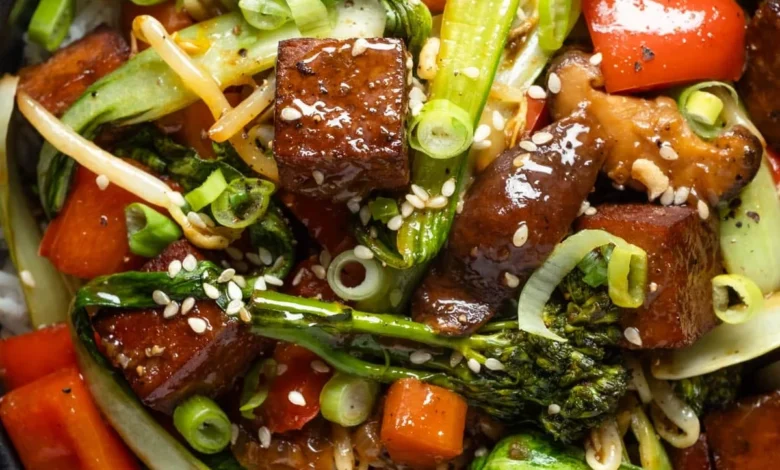
As the food industry has pivoted toward sustainability and plant-based proteins, the traditional recipe has been re-engineered. The modern vegan variant replaces animal proteins with firm or extra-firm tofu, which serves as a highly efficient vehicle for flavor absorption due to its porous texture. This adaptation reflects a broader trend in global gastronomy: the modernization of traditional "comfort foods" to accommodate vegetarians, vegans, and flexitarians without sacrificing the structural integrity or flavor profile of the original dish.

Nutritional Analysis and Ingredient Profile
From a nutritional perspective, this plant-based iteration offers a distinct profile. A standard serving contains approximately 305 calories, 12 grams of protein, and 5 grams of fiber. The reliance on cruciferous and fibrous vegetables, such as bok choy, carrots, and snap peas, increases the intake of essential micronutrients, including vitamins A, C, and K, as well as minerals like potassium and magnesium.

Tofu, the primary protein source, is a complete plant protein containing all nine essential amino acids. By marinating the tofu in a mixture of soy sauce—or its gluten-free counterpart, liquid aminos—garlic, and ginger, the dish achieves a depth of umami that mimics the savoriness traditionally associated with meat-based stir-fries. The use of sesame oil as a cooking medium provides heart-healthy fats, though culinary experts recommend using it for finishing or low-to-medium heat stir-frying to maintain its aromatic integrity.

Optimized Preparation Methodology
The efficiency of this dish is a key factor in its popularity for weekday meal preparation. The methodology follows a standardized sequence designed to minimize cooking time while maximizing flavor extraction:

- Preparation and Marination: The tofu must be pressed to remove excess moisture, ensuring it retains a firm, chewy texture when cooked. A minimum marination period of 15 to 30 minutes is recommended to allow the savory liquids to penetrate the tofu.
- Vegetable Mise en Place: Professional culinary standards dictate that all vegetables be cut into uniform sizes. This ensures even cooking across different types of produce, preventing soft vegetables from overcooking while harder varieties remain raw.
- The Stir-Fry Sequence: The cooking process utilizes high heat for short durations. The protein is browned first to create a Maillard reaction, which is then removed to allow the vegetables to be sautéed until they reach a crisp-tender state.
- Binding and Finishing: The reserved marinade, often supplemented with a thickening agent like cornstarch, is added at the final stage. This creates a glossy, viscous sauce that coats the ingredients evenly.
Strategic Meal Planning and Storage
Data from culinary research suggests that stir-fry dishes are among the most effective for meal planning. Because the components—specifically the vegetables and protein—retain their texture well when properly stored, this dish remains viable for three to four days when refrigerated in airtight containers.

For those managing busy schedules, the components can be pre-chopped and stored separately, allowing for a rapid assembly in under 15 minutes. The dish is also freezer-friendly, although experts note that water-heavy vegetables like celery or bean sprouts may undergo minor structural changes upon thawing. Reheating via microwave is the preferred method for maintaining the moisture content of the sauce, though a brief stovetop flash-reheat is recommended for optimal texture.

Broader Economic and Environmental Implications
The rise of recipes such as Vegan Chop Suey is indicative of a broader shift in consumer behavior. As environmental concerns regarding industrial animal agriculture increase, the transition toward legumes and soy-based proteins is seen as a significant lever in reducing the carbon footprint of individual households.

Economic data indicates that tofu and seasonal vegetables remain among the most cost-effective grocery staples, making this dish an accessible option for diverse demographics. By utilizing "refrigerator staples"—or whatever vegetables are on hand—the recipe encourages the reduction of food waste, a critical issue in modern sustainability efforts. The versatility of the dish allows it to serve as a baseline for culinary creativity, where the base recipe remains consistent while the vegetable components shift based on seasonal availability and local market offerings.

Industry Reception and Future Trends
Culinary critics and nutritionists have noted that the "veganization" of classic dishes like Chop Suey is essential for the long-term success of plant-based diets. By retaining the familiar texture and savory profile of the original, these recipes lower the barrier to entry for consumers who are accustomed to traditional diets.

As food technology continues to evolve, we may see further innovations in the types of proteins used in such stir-fries, including the integration of mycelium-based proteins or high-protein seitan variants. However, for the present, the tofu-based Chop Suey remains the gold standard for a quick, nutritionally balanced, and environmentally conscious dinner.

The widespread dissemination of such recipes through digital platforms has democratized cooking, providing households with the tools to produce high-quality, professional-style meals without the need for extensive culinary training. The success of this dish lies in its simplicity, its adherence to established flavor profiles, and its flexibility in the face of modern, fast-paced lifestyles. Whether served over steamed rice or tossed with noodles, it remains a cornerstone of the modern, sustainable kitchen.