Sichuan Roasted Whole Chicken Offers a Fusion of Western Roasting Techniques and Bold Asian Flavors

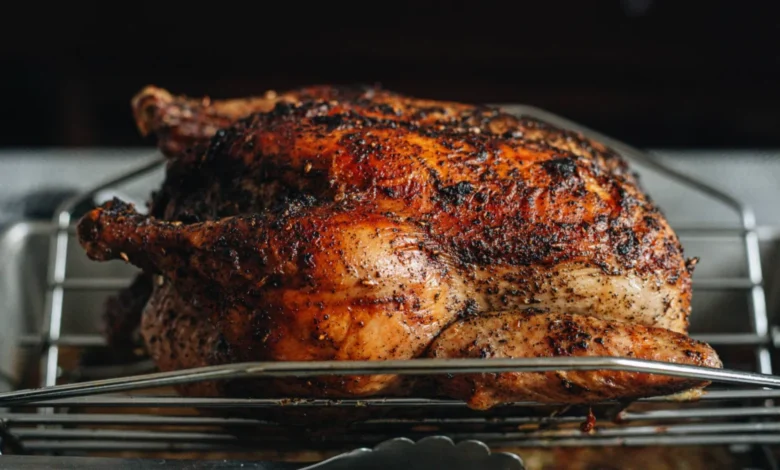
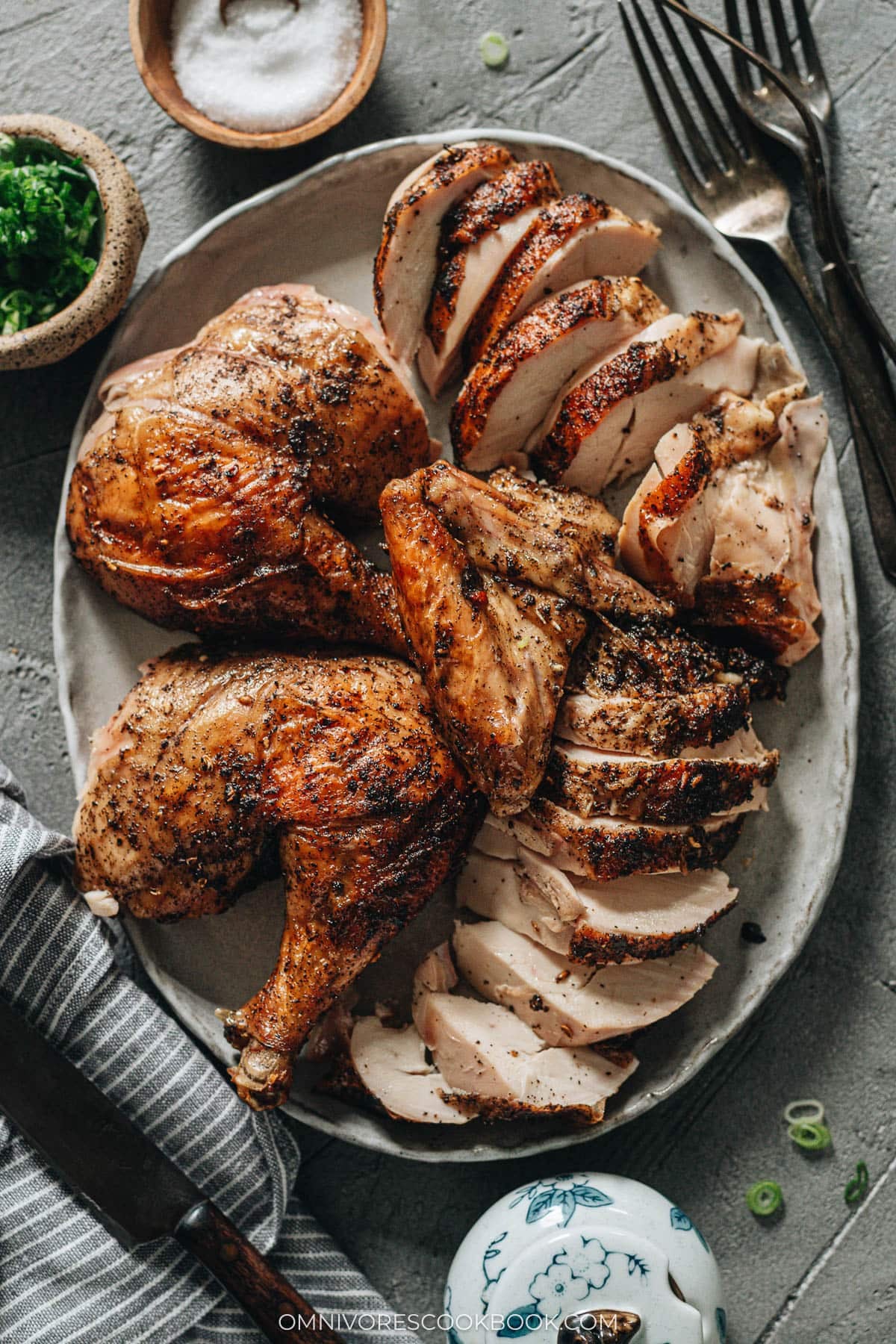
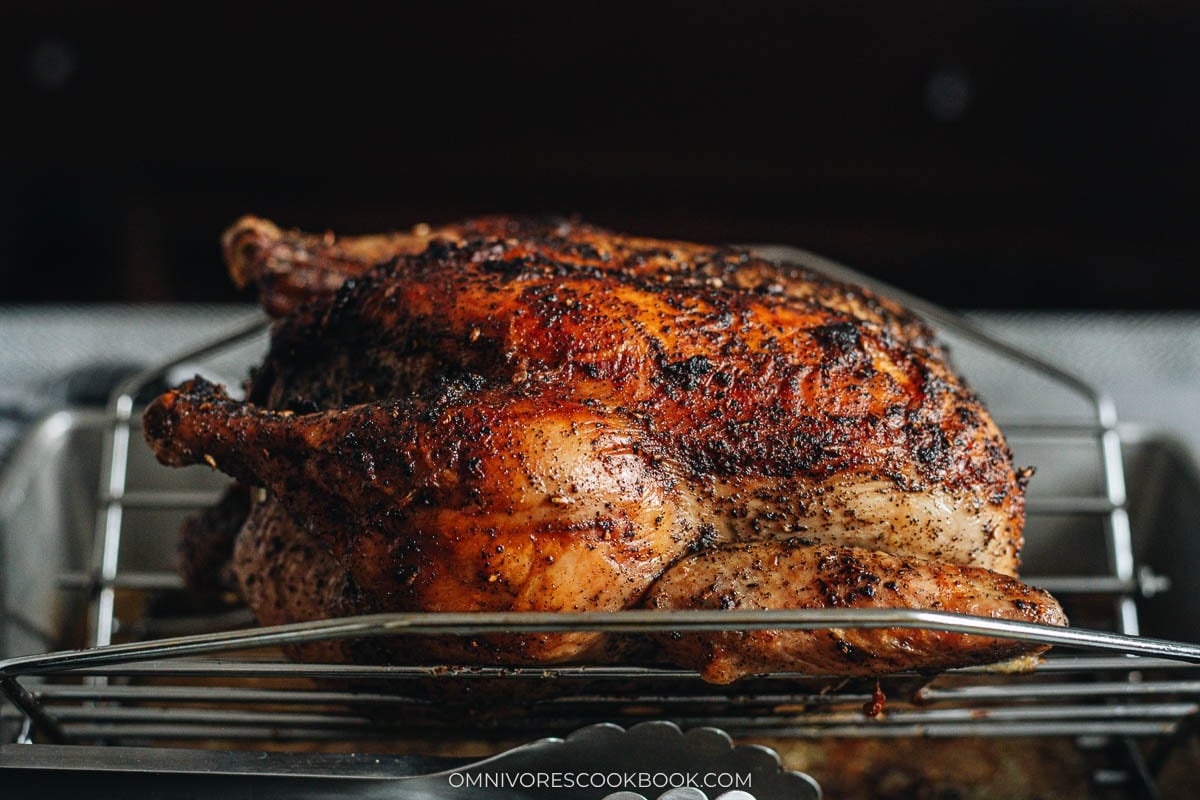
Culinary innovation often stems from the deliberate intersection of distinct culinary traditions. A prominent example of this synthesis is emerging within contemporary home-cooking circles, where the classic Western-style whole roasted bird is reimagined through the application of bold, aromatic ingredients native to Southwest China. This recipe utilizes a bespoke dry-rub technique featuring toasted salt, black tea leaves, and whole Sichuan peppercorns, creating a complex flavor profile defined by smoky depth and a characteristic subtle numbing sensation, or málà. Designed to serve as a striking centerpiece for holiday gatherings, dinner parties, or special family meals, this dish bridges the gap between traditional European roasting methods and the vibrant spice taxonomy of Sichuan cuisine.
Culinary Background and Evolution of the Recipe
The development of this fusion dish reflects a growing interest in incorporating regional Asian flavor profiles into mainstream Western celebratory menus. Traditional Sichuan cooking relies heavily on specific spice combinations to stimulate the palate, with Sichuan peppercorns functioning as a foundational element. By integrating these indigenous aromatics with a conventional whole-chicken roasting protocol, home cooks can achieve an outcome that preserves the juicy interior meat and ultra-crisp skin of a standard roast while introducing an entirely new sensory dimension.
Furthermore, the recipe incorporates efficiency into the preparation timeline. The logistical framework requires most of the labor-intensive steps—such as spice grinding, oil coating, and cavity stuffing—to be completed the night before. This overnight marination period serves a critical functional purpose: it allows the sodium and aromatic compounds in the Sichuan peppercorn salt to penetrate deeply into the muscle tissue, ensuring even seasoning throughout the bird rather than merely on the surface.
Ingredient Architecture and Preparation Methodology
Achieving the distinct flavor profile of this dish requires a precise selection of ingredients and a structured chronology of preparation.
The primary components and their culinary functions include:
- Whole Chicken: Medium-sized birds (approximately 3.5 pounds) are recommended over larger, heavier selections. Smaller poultry yields higher moisture retention and a shorter overall cooking duration, significantly reducing the risk of dry white meat.
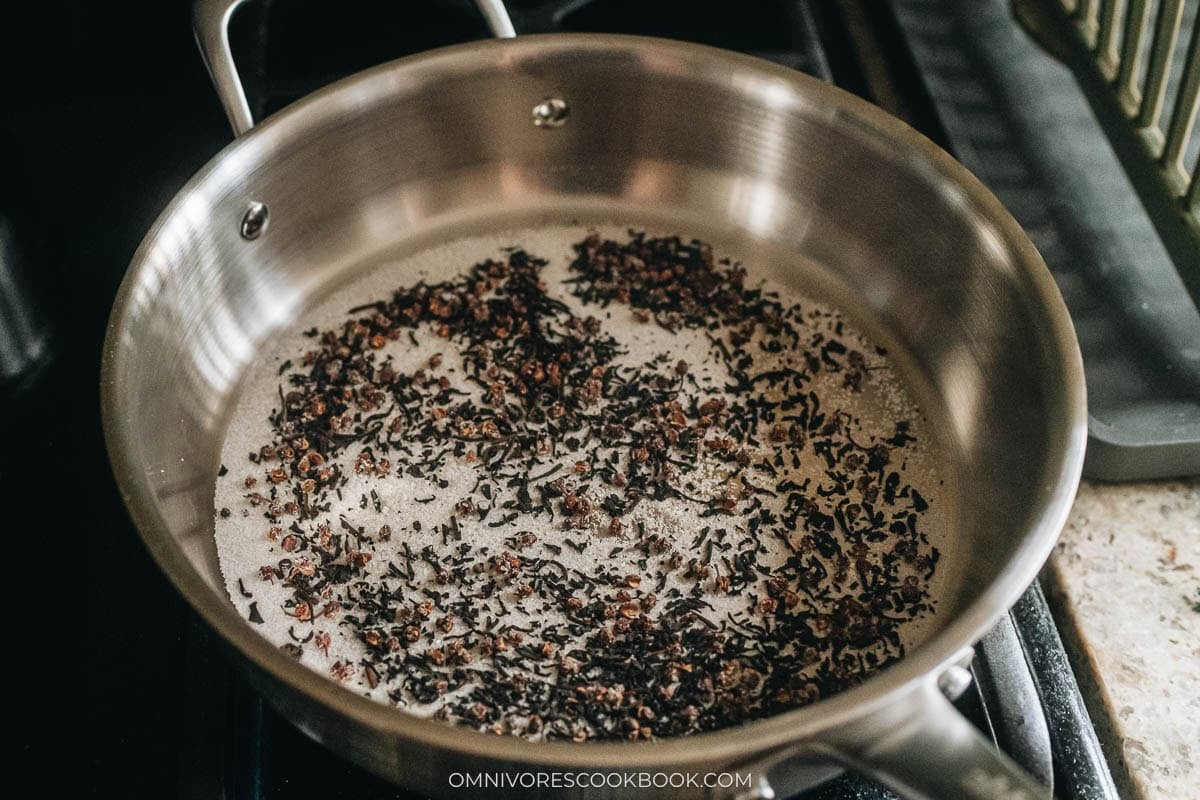
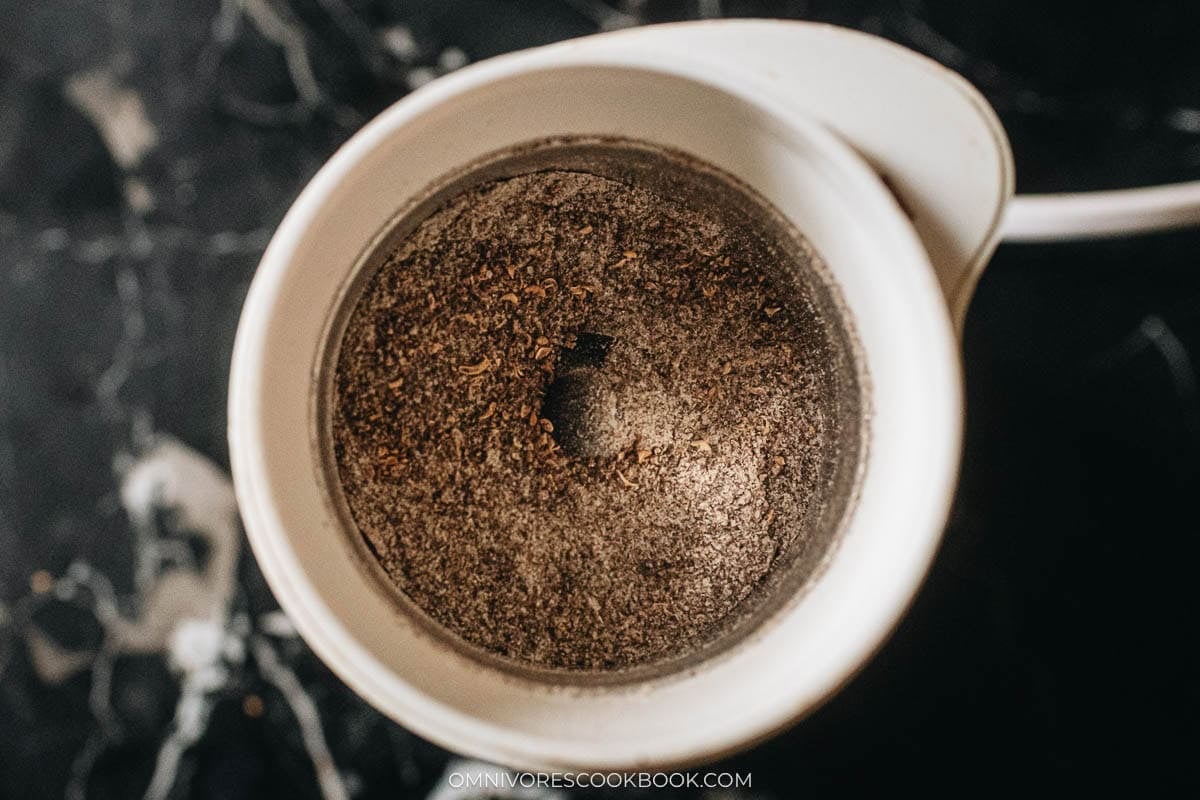
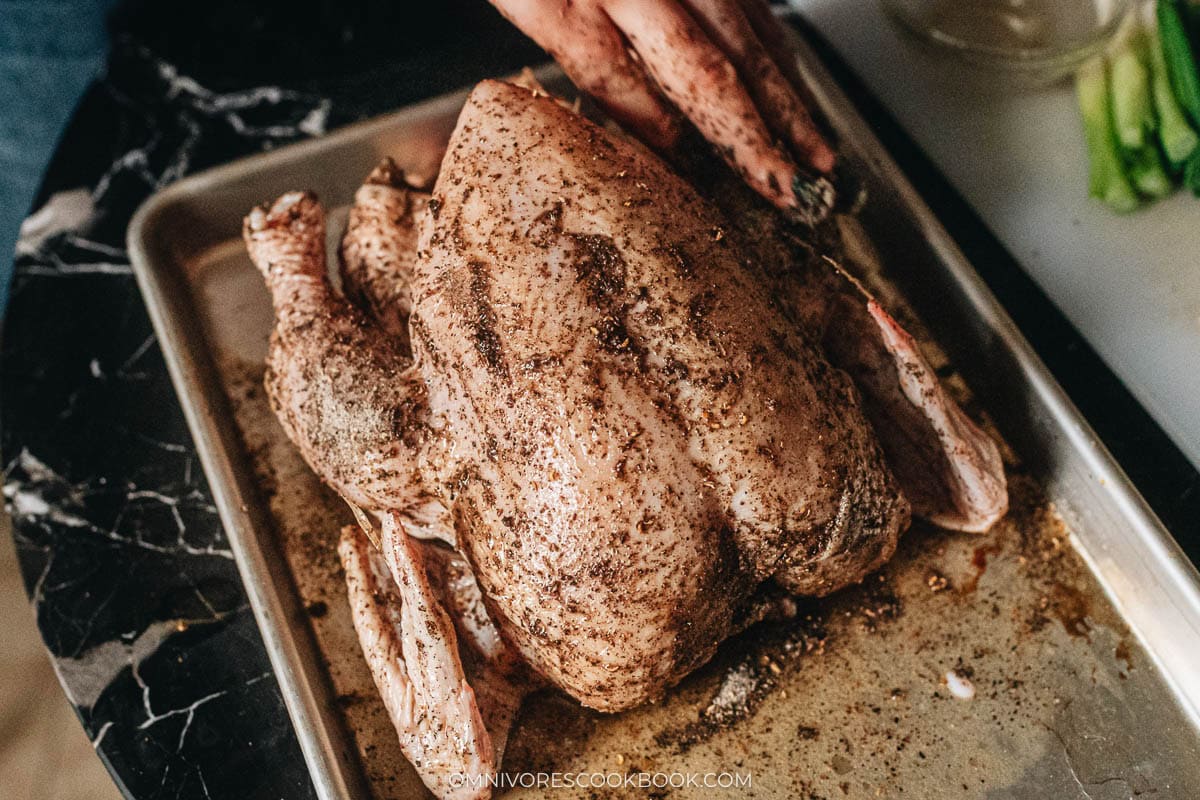
- Sichuan Peppercorn Salt Rub: A dry-pan toasting method is applied to coarse salt, black tea leaves, and whole Sichuan peppercorns until the mixture begins to smoke. This thermal activation releases essential oils from the spices, generating a smoky aroma. Once cooled, the mixture is blended with granulated garlic to form a coarse, highly aromatic rub.
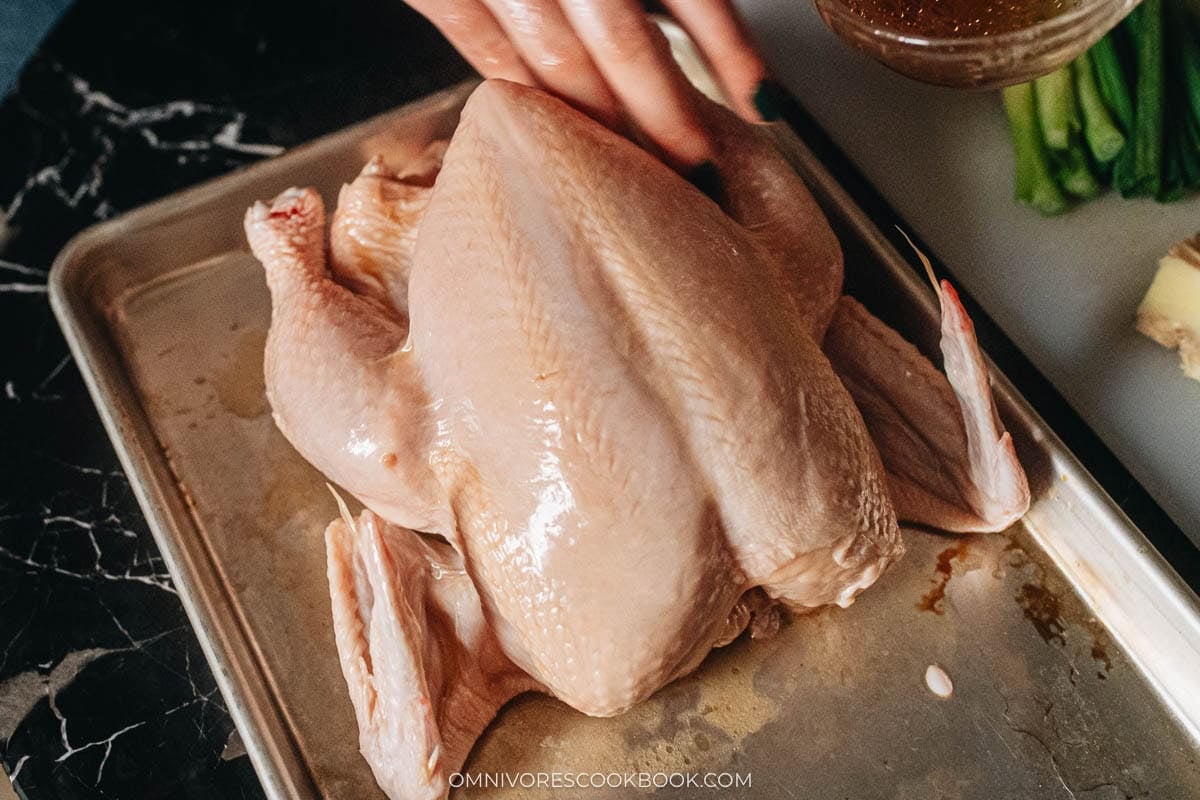
- Wet Rub: A combination of Shaoxing wine and sesame oil coats the exterior and interior of the bird prior to the spice application. The fermented rice wine seasons the interior meat, while the sesame oil promotes optimal skin browning and crispiness during the high-heat roasting phase.
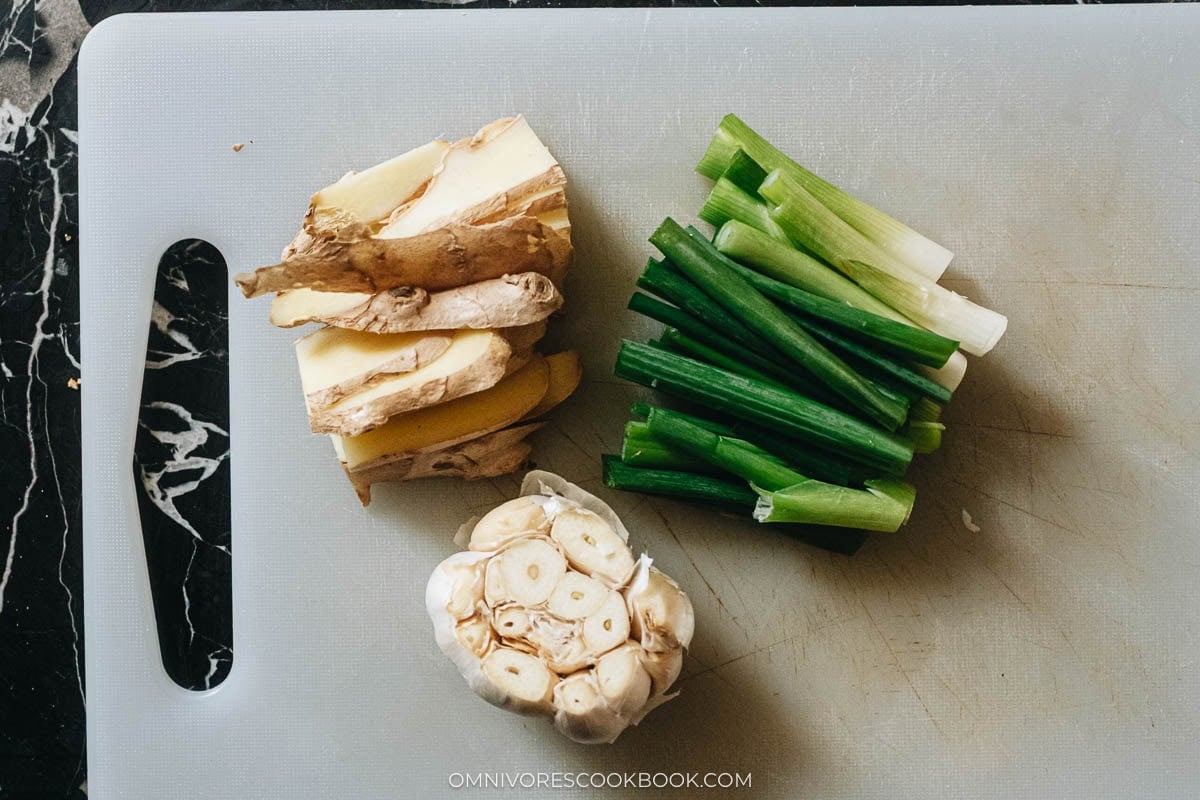
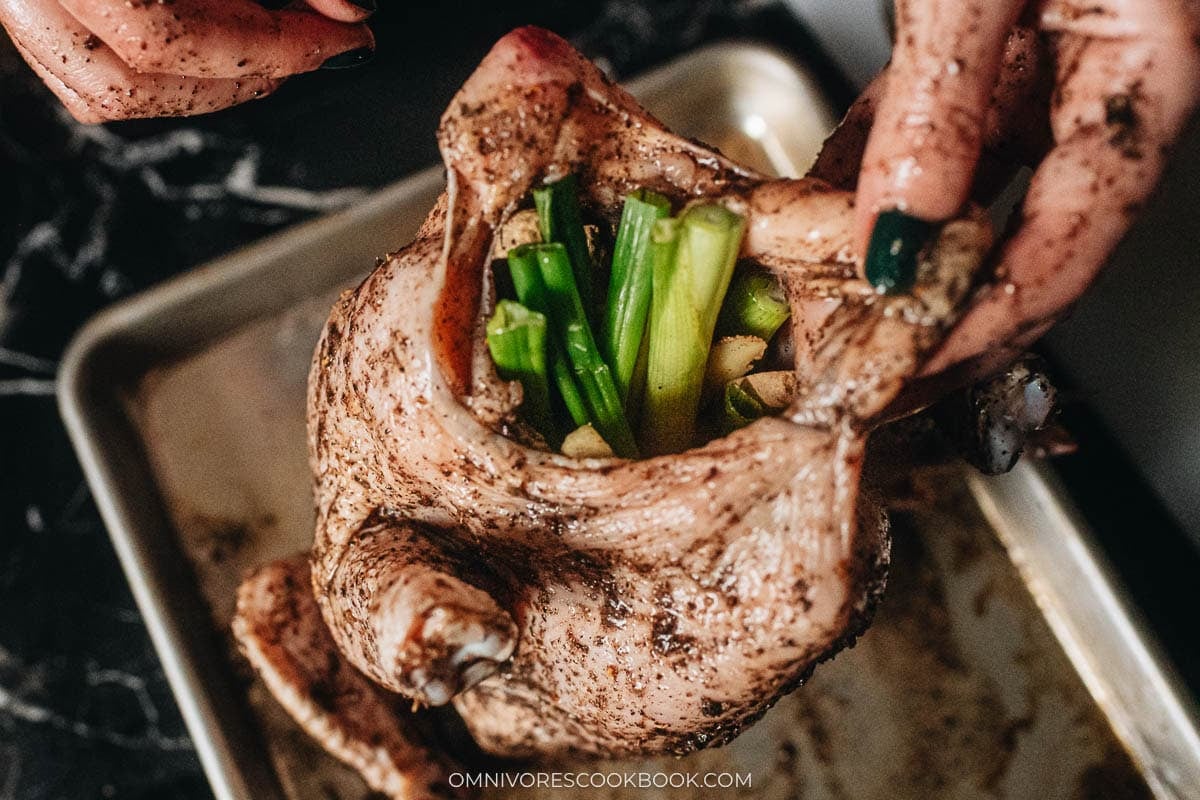
- Cavity Aromatics: The interior of the chicken is stuffed with scallions, sliced ginger, and an entire head of garlic with the top section removed. As the bird roasts, these aromatics undergo internal steaming, infusing the meat from the inside out.
Step-by-Step Chronology of the Roasting Process
The execution of the recipe follows a strict chronological sequence designed to optimize both texture and flavor extraction:
- Spice Activation: Salt, black tea, and Sichuan peppercorns are heated in a dry skillet over medium-low heat until smoking.
- Grinding: The toasted mixture is removed from the heat, combined with granulated garlic, and pulverized into a coarse, granulated consistency.
- Wet Coating: Shaoxing wine and sesame oil are whisked together and thoroughly massaged into the interior and exterior of the chicken.
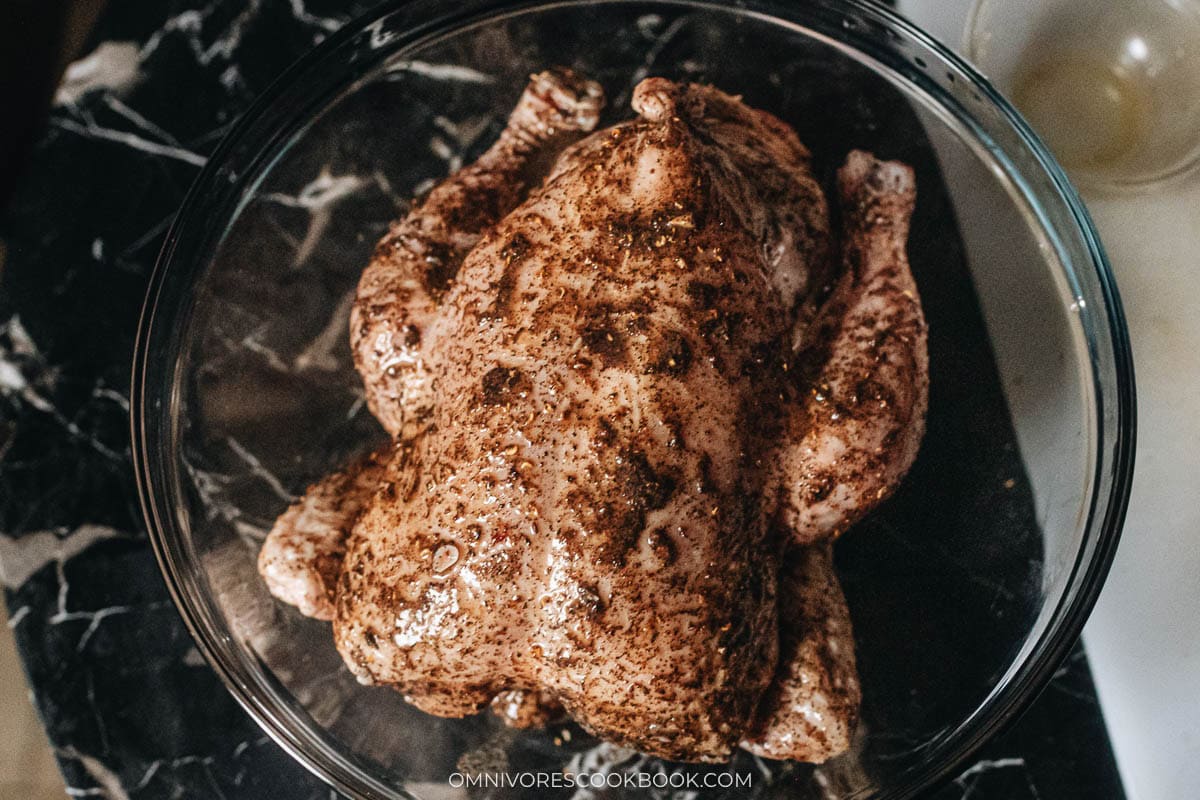
- Rub Application: The prepared Sichuan peppercorn salt is firmly patted across all surfaces of the bird.
- Stuffing and Trussing: Scallions, ginger, and the head of garlic are inserted into the cavity. The opening is secured with a toothpick, and the wing tips are tucked beneath the breasts to prevent scorching.
- Overnight Marination: The chicken is stored breast-side-down in a covered container within a refrigerated environment for a minimum of 12 hours.
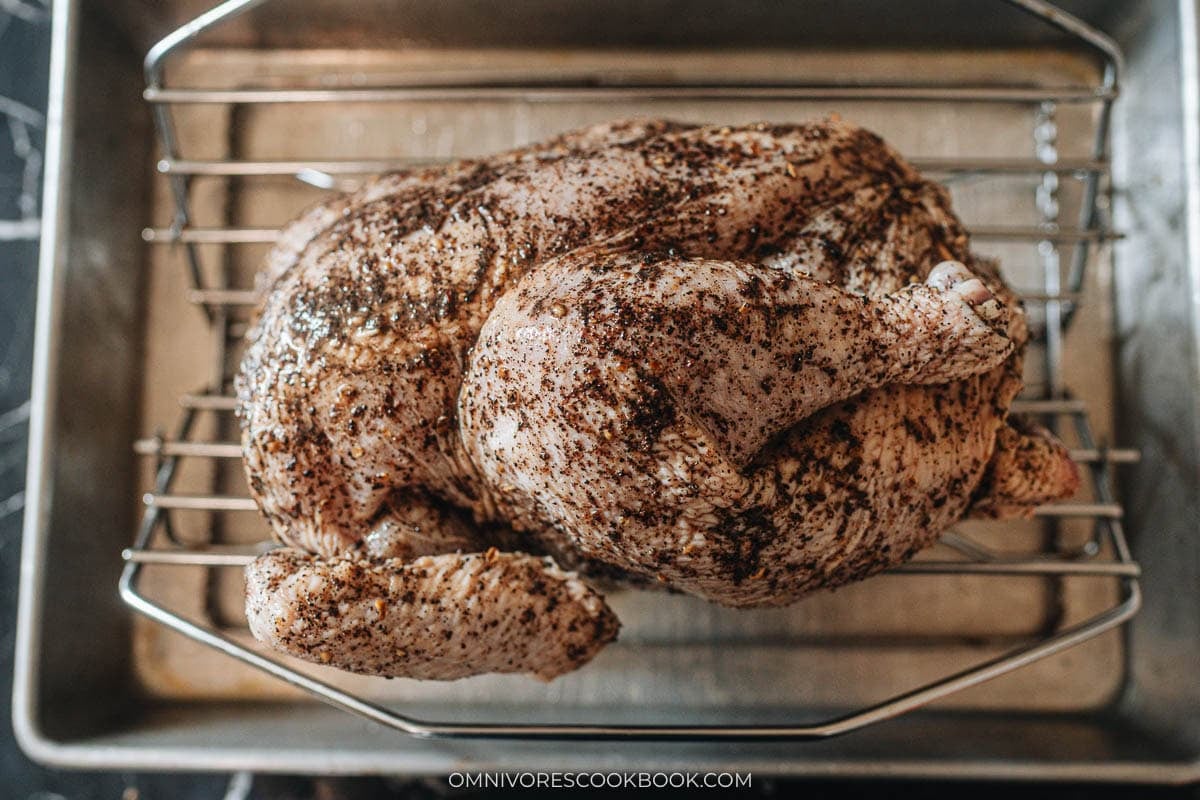
- High-Heat Initial Roast: The oven is preheated to 450°F (232°C). The bird is positioned on a roasting rack above a foil-lined pan containing water to prevent the drippings from burning. The chicken roasts at this elevated temperature for 30 minutes to set the skin color and render initial fats.
- Controlled Temperature Reduction: The oven temperature is lowered to 350°F (176°C) for the remaining duration (approximately 30 minutes), ensuring the interior meat cooks through without over-browning the exterior.
- Thermal Verification and Resting: Internal temperatures are monitored using an instant-read thermometer. The thickest part of the thigh must register at least 160°F (71°C) and the breast at least 155°F (68°C) upon removal, continuing to rise to the USDA-recommended food safety standard of 165°F (74°C) during a mandatory 10-minute rest period.
Culinary Implications and Derivative Dishes
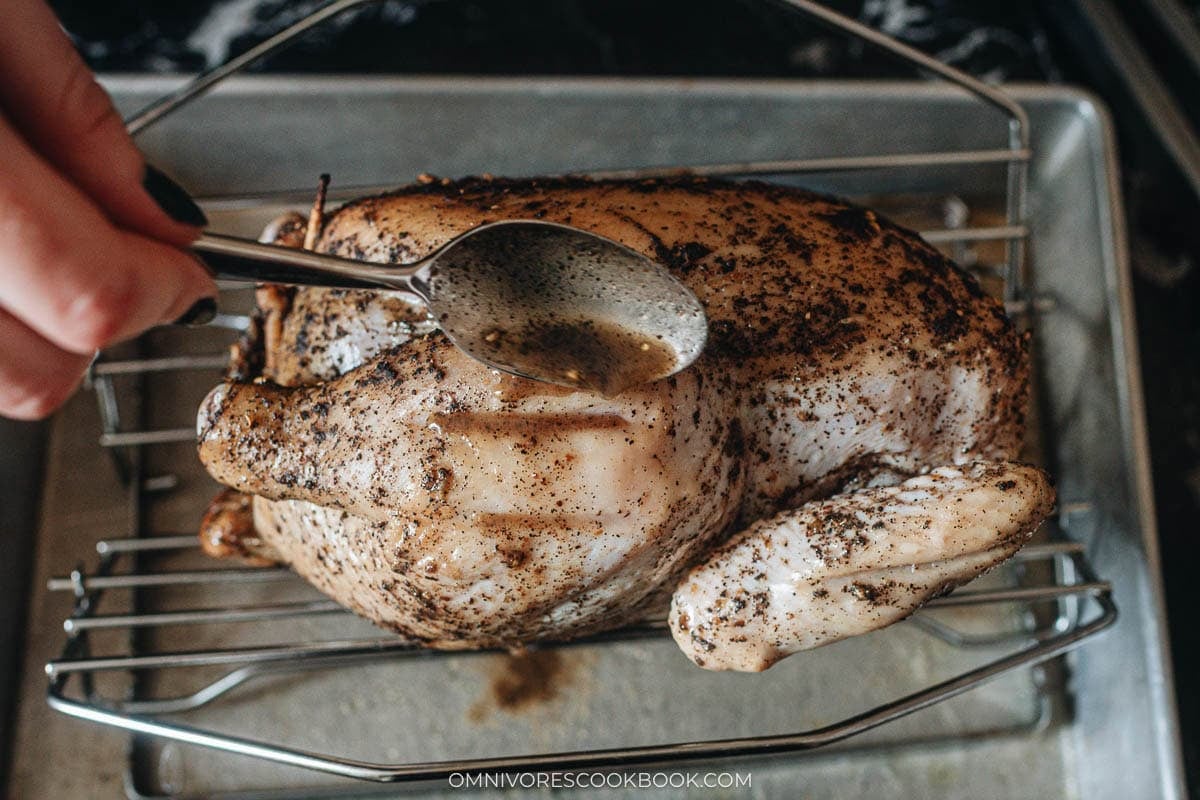
Beyond the primary protein, the methodology maximizes flavor utility by capturing pan drippings to produce a secondary dish: ginger chicken rice. The accumulated fats, infused with rendered chicken juices, Sichuan peppercorn oils, and ginger, are measured, combined with water, and used to cook standard white rice alongside fresh ginger slices. This technique mirrors traditional Hainanese chicken rice practices, providing a cohesive flavor bridge across the entire meal.
From a nutritional and logistical standpoint, adapting traditional ethnic flavor profiles into standard Western meal preparation formats demonstrates the expanding versatility of modern home cooking. By utilizing accessible pantry staples alongside specialized Asian ingredients like Shaoxing wine and Sichuan peppercorns, home cooks can execute complex flavor profiles without requiring specialized commercial equipment. The resulting dish offers a viable alternative to traditional holiday centerpieces, combining the visual appeal of a classic roast with the distinct culinary heritage of Sichuan province.