Mastering the Art of Homemade Caramel in Under Ten Minutes Without a Candy Thermometer

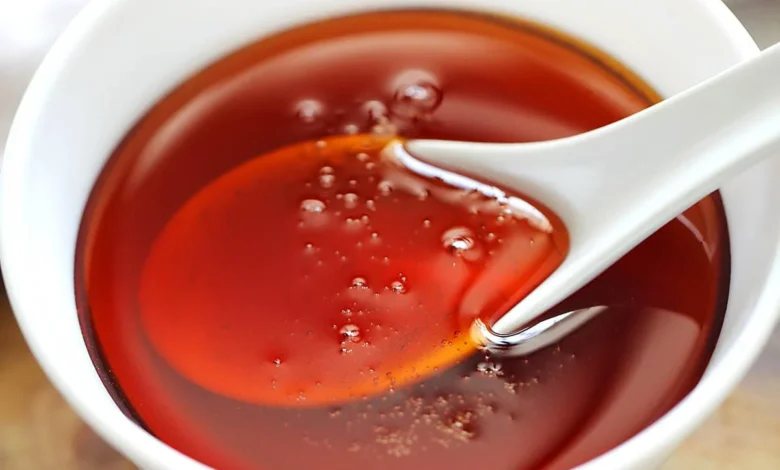
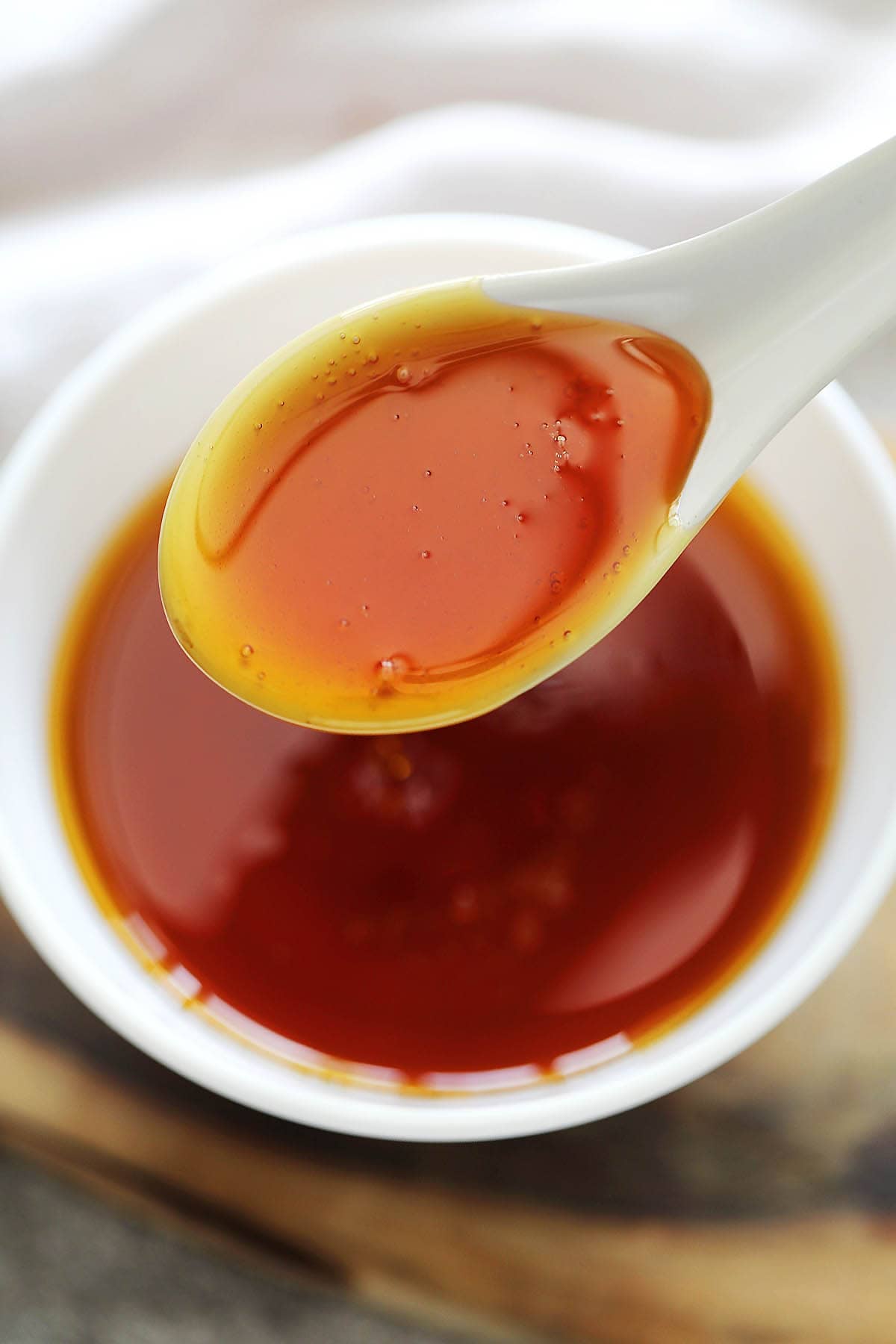
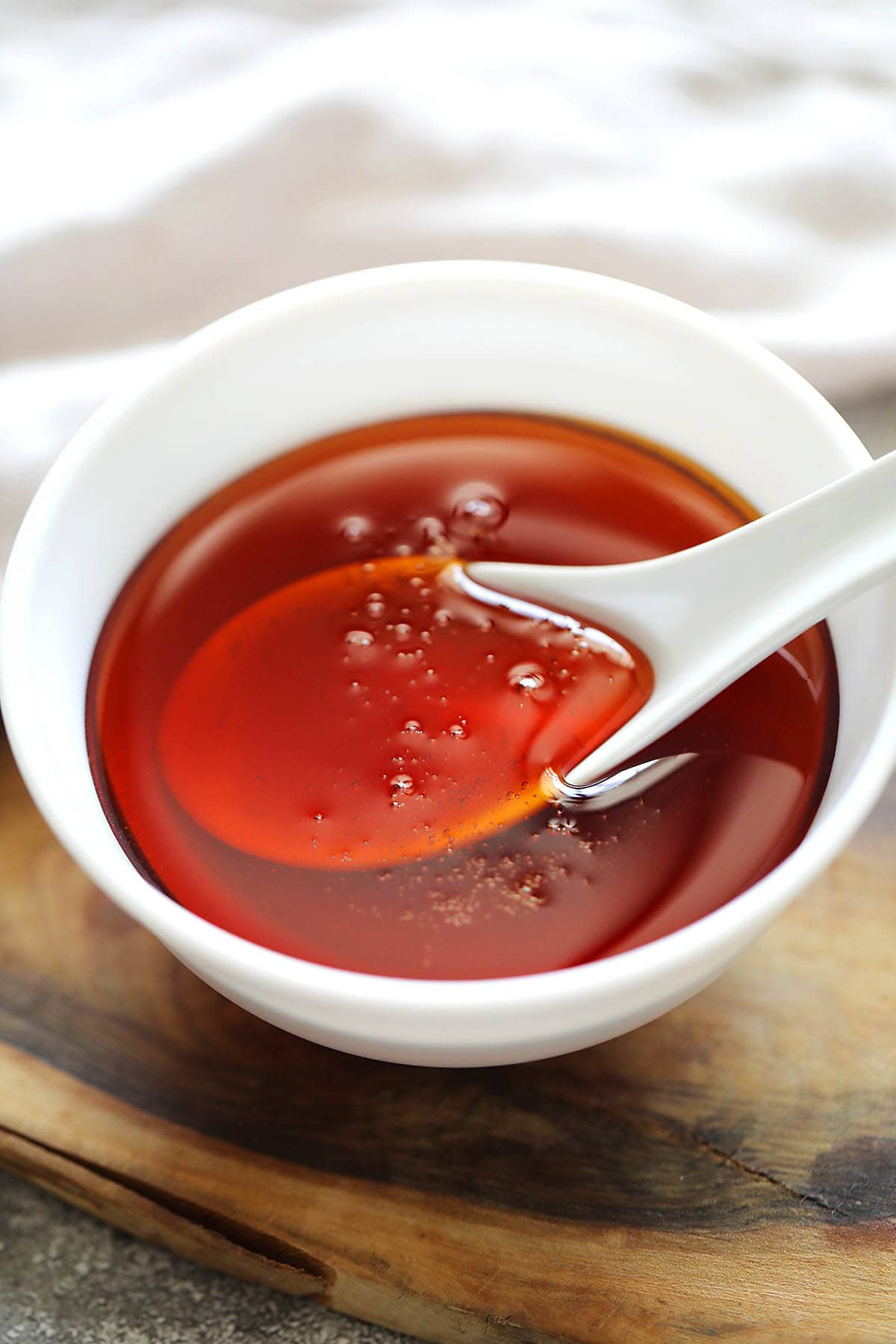
For generations of home bakers and culinary enthusiasts, the preparation of liquid caramel has stood as a formidable barrier in the kitchen. Often associated with scorched pans, crystallized sugar crystals, and the intimidating necessity of specialized equipment like candy thermometers, the creation of this foundational pastry component has frequently been outsourced to store-bought alternatives. However, recent culinary methodology advancements popularized by home-baking authorities emphasize a simplified, highly controllable "wet method" that demystifies the process. Requiring nothing more than standard white granulated sugar, a measured splash of water, and a reliable saucepan, this technique yields a smooth, dark amber caramel in under ten minutes, perfectly suited for coating traditional desserts such as Flan and quesillo pans.
Understanding the Mechanics of Sugar Crystallization
The historical apprehension surrounding caramel-making stems primarily from the unpredictable nature of sugar chemistry. When dry sugar is subjected to intense heat without intervention, uneven hot spots within the cooking vessel frequently cause localized burning while adjacent regions remain undissolved. Furthermore, the introduction of foreign particles or utensils during the heating phase can trigger rapid crystallization, turning a prospective sauce into a grainy, seized solid.
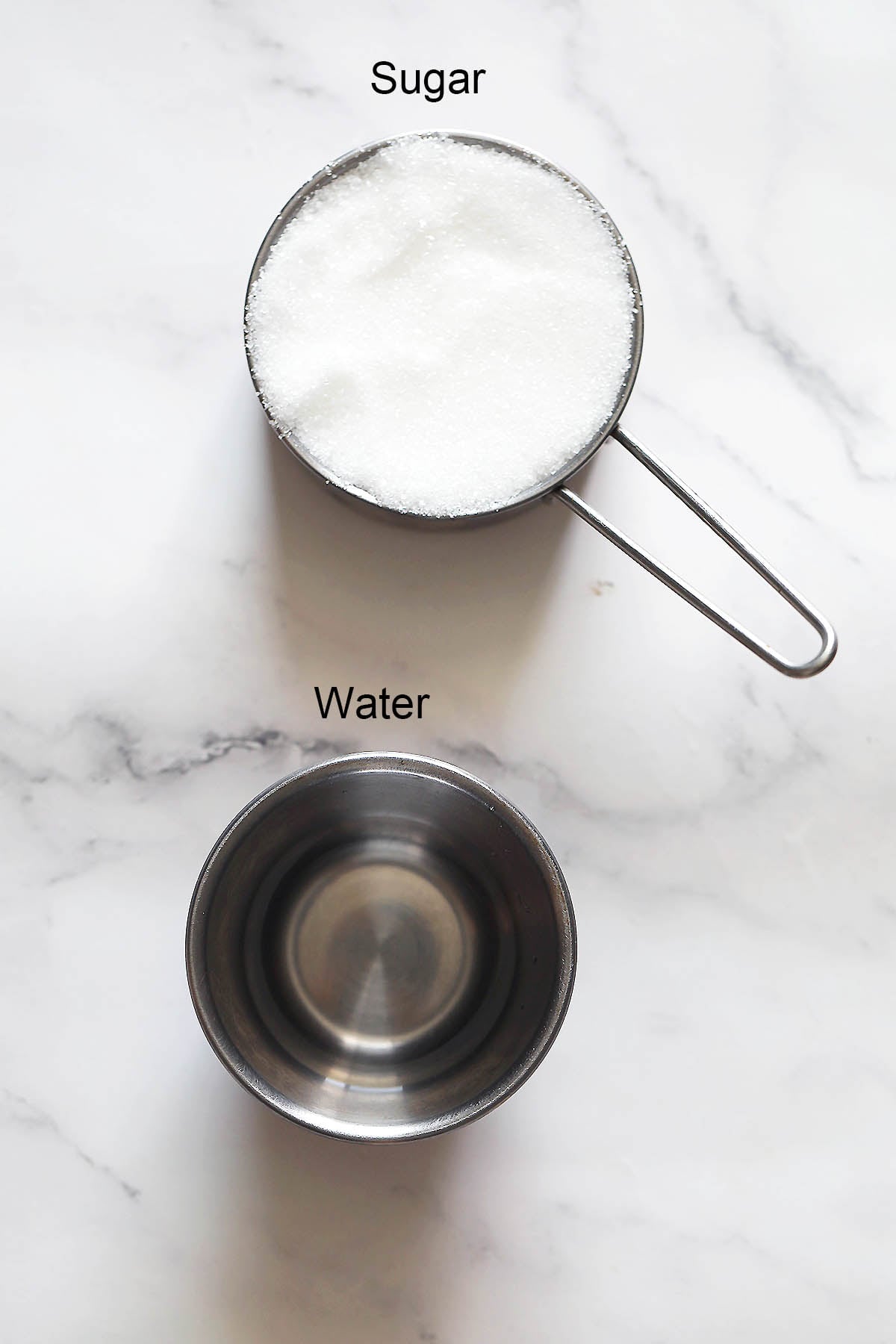
To combat these culinary hurdles, professional pastry chefs and culinary instructors advocate for the wet caramel technique. By incorporating approximately two tablespoons of water with white granulated sugar before applying heat, home cooks establish a crucial pre-dissolution phase. As the mixture warms over low heat on the stovetop, the water ensures that the individual sucrose molecules disperse evenly across the base of the pan. This preliminary step eliminates dry hot spots, allowing the moisture to evaporate gently before the actual caramelization process—thermal decomposition resulting in volatile flavor compounds and rich coloration—begins.
Step-by-Step Chronology of the Ten-Minute Method
Executing this foolproof recipe relies heavily on strict adherence to a precise visual timeline, removing guesswork and reliance on digital thermometers.
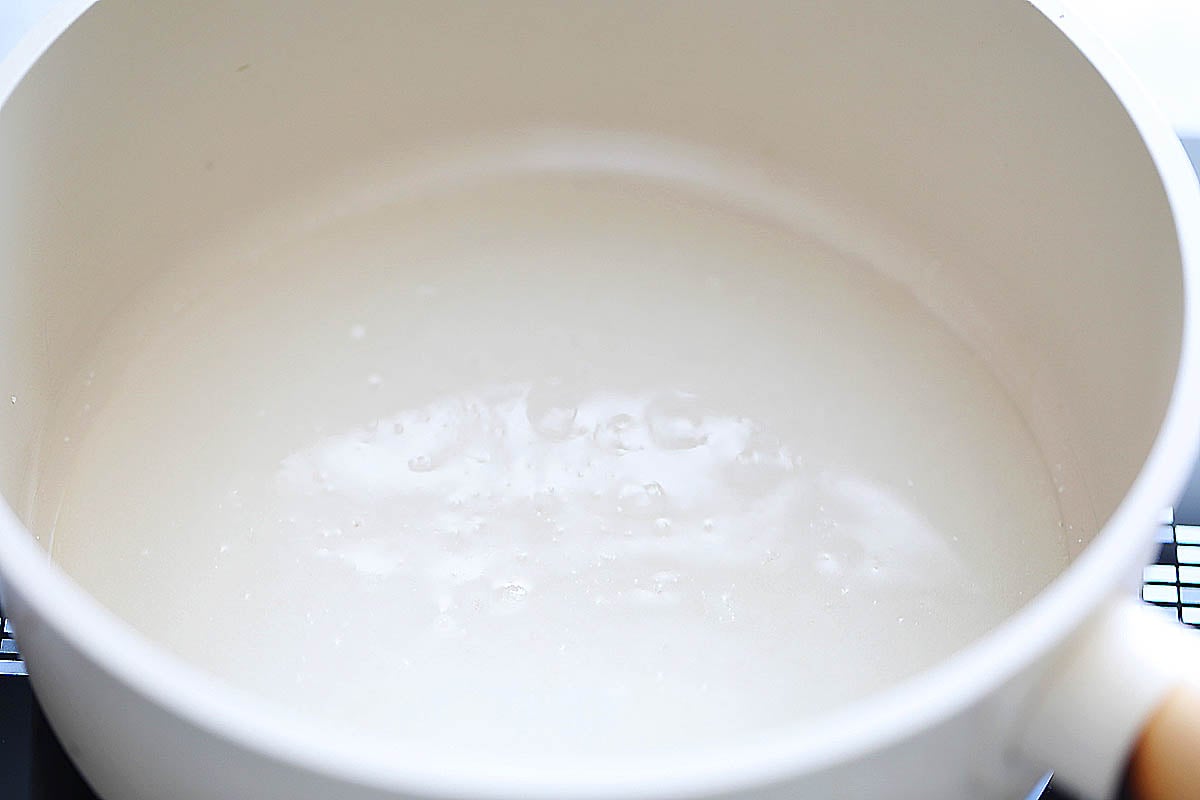
Minute 0 to 3: Preparation and Initial Dissolution
The process commences by combining pure white granulated sugar and water within a small, clean saucepan over a low heat setting. Culinary experts strictly advise against substituting white sugar with brown sugar, as the inherent molasses content in the latter obscures visual color shifts and accelerates burning points. During this initial stage, patience is paramount; the ingredients must remain undisturbed. Stirring at this juncture is strictly discouraged, as utensils introduce microscopic seed crystals that can ruin the emulsion.
Minute 3 to 6: The Gentle Boil and Swirl
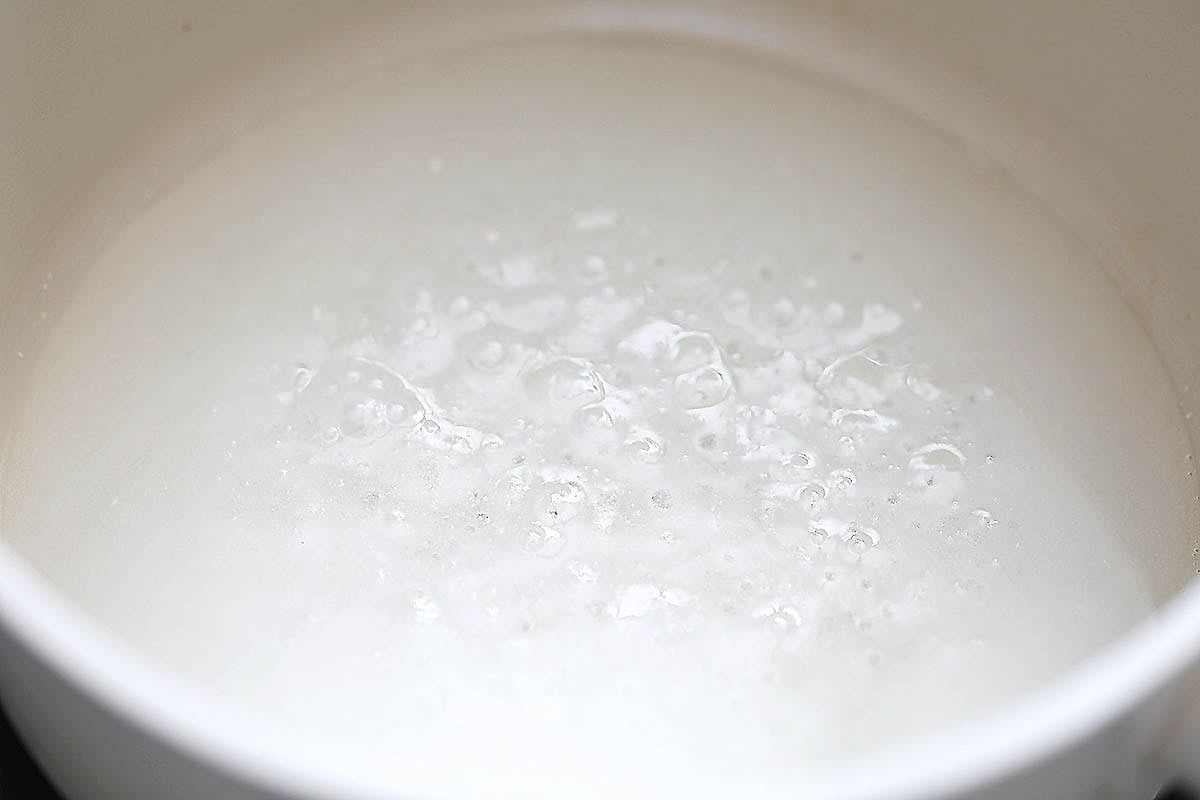
As thermal energy penetrates the pan, the mixture transitions into a gentle, uniform simmer. Once bubbling commences, the cook gently lifts the saucepan, employing smooth, circular wrist motions to swirl the liquid. This action distributes thermal energy evenly across the bottom surface without splashing hot syrup up the container walls.
Minute 6 to 9: The Chromatic Shift from Clear to Amber
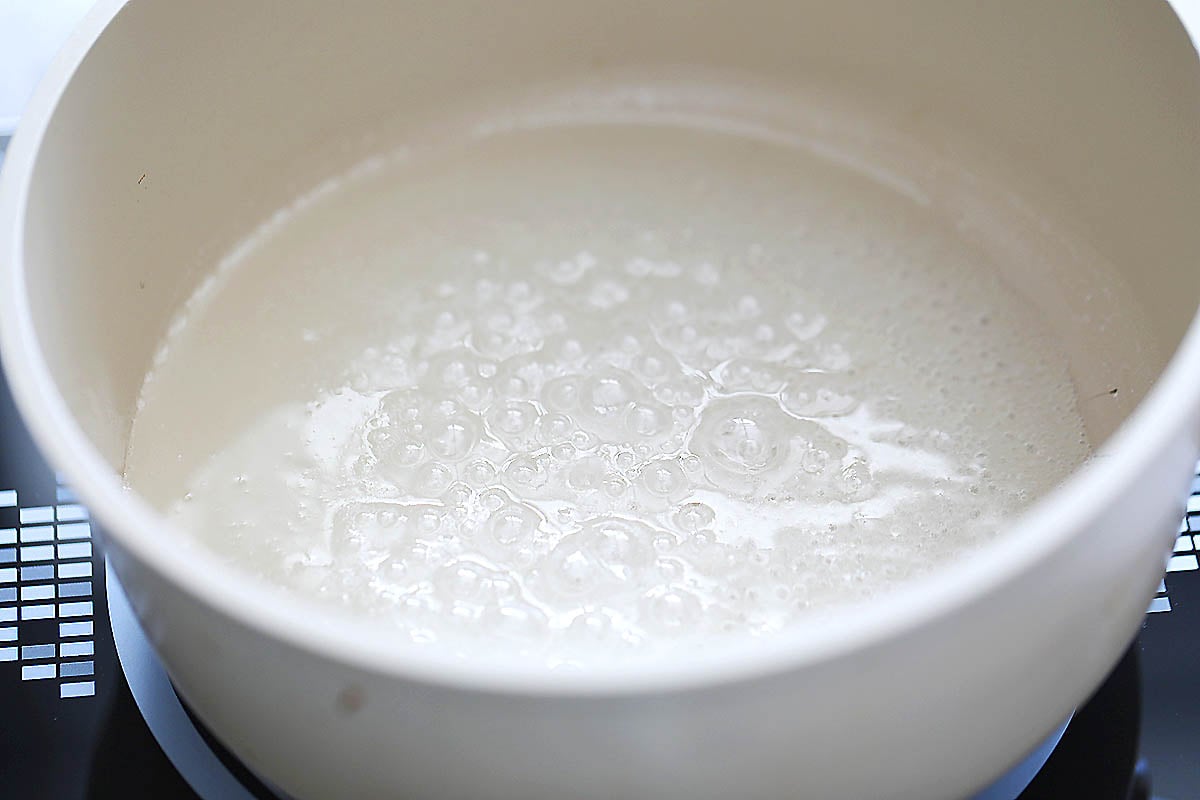
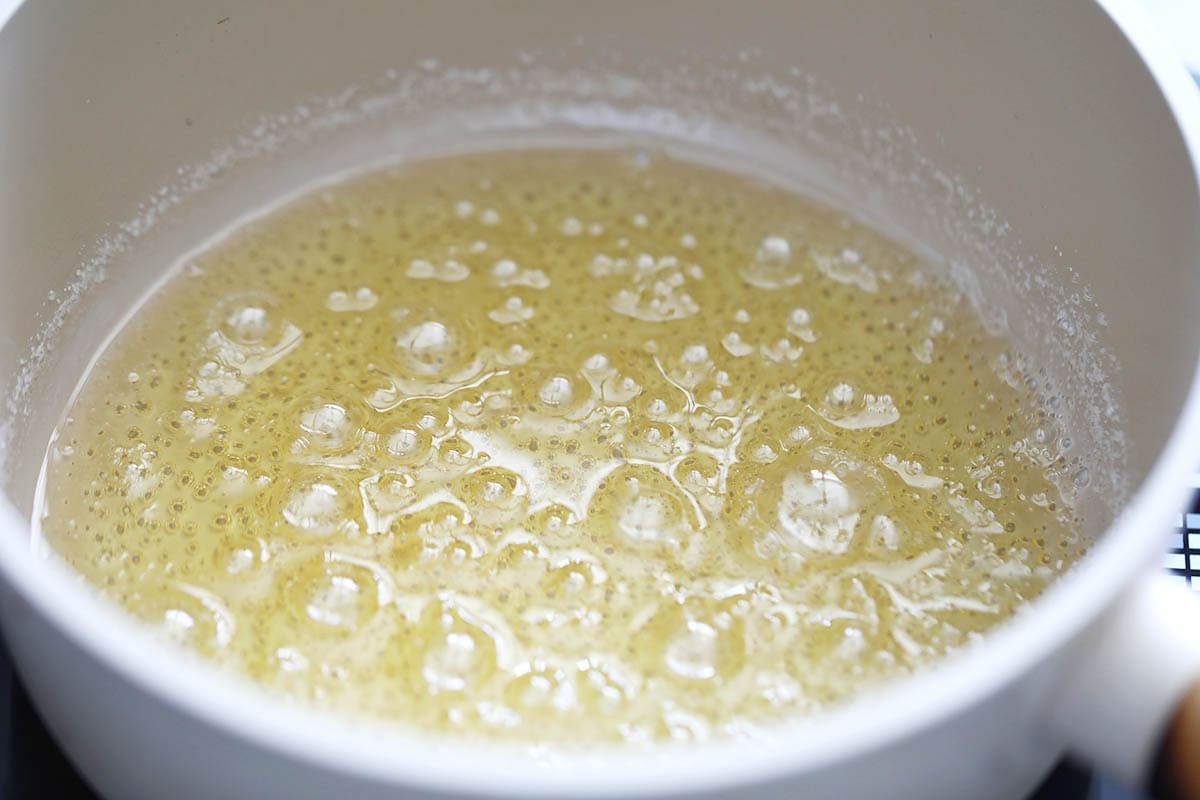
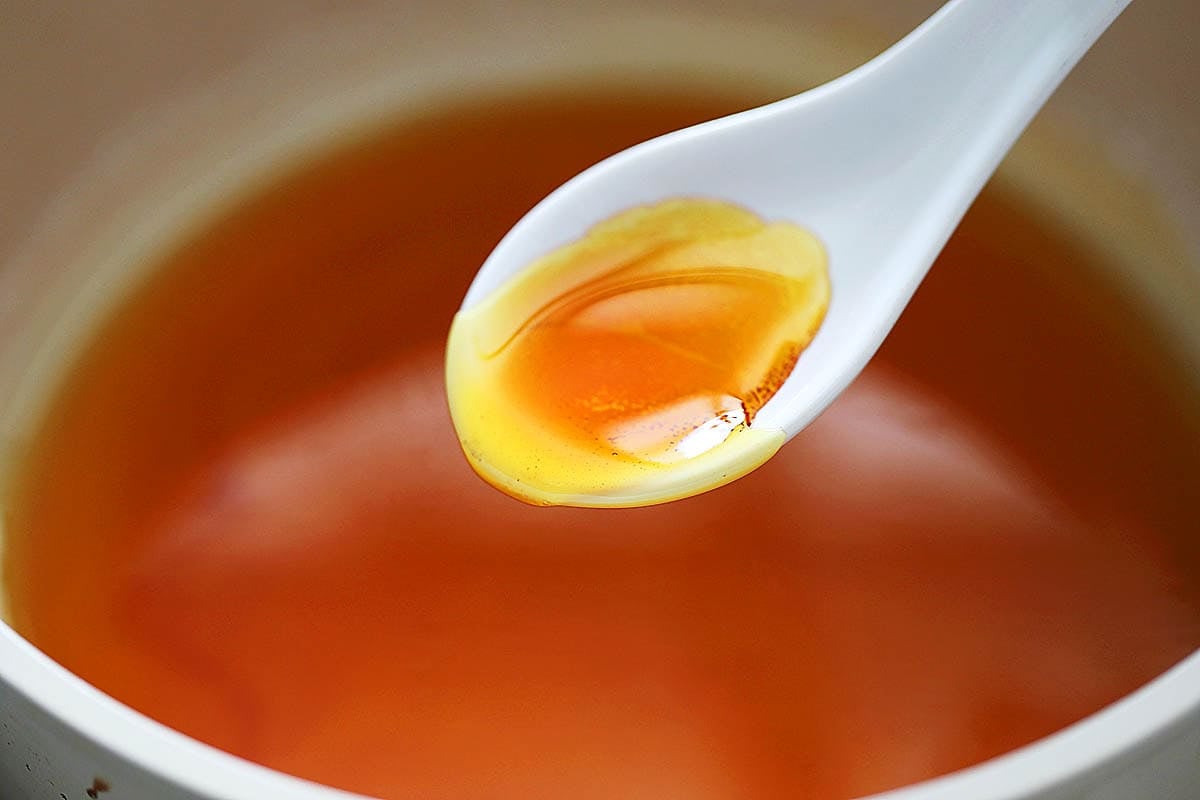
Vigilance is critical during this window. The syrup transforms rapidly from a clear liquid into a light amber hue. Within seconds, the shade deepens into a warm golden amber. Culinary professionals stress that the transformation from a palatable golden tone to acrid, burnt carbon occurs almost instantaneously, necessitating the cook’s physical presence at the stove at all times.
Minute 9 to 10: Thermal Carryover and Immediate Application
The moment the caramel reaches a golden amber color, the pan must be removed immediately from the heat source. Residual thermal energy stored within the metal of the saucepan will continue to cook the syrup, carrying it safely to a rich, dark amber hue without scorching. Without delay, the molten caramel must be poured directly into the designated flan or quesillo mold. Swift tilting of the container is required to coat the base thoroughly before the sugar sets and hardens upon cooling.
Equipment Selection and Environmental Factors
Beyond technique, culinary research underscores the importance of proper hardware selection. Heavy-bottomed stainless steel saucepans are universally recommended over thin, warping aluminum pans, as they distribute heat evenly and prevent localized temperature spikes. Additionally, the surface area of the pan must correspond to the volume of sugar utilized; overcrowding or underutilizing a cooking vessel alters evaporation rates and compromises the final viscosity.
Practical applications dictate that once the caramel sets inside a baking mold, it can safely rest at ambient room temperature for several hours prior to the addition of custard batters. In the event that minor crystallization or premature hardening occurs within the saucepan, returning the vessel to low heat for a matter of seconds restores fluidity. Cleanup is similarly optimized; filling the hardened pan with water and bringing it to a brief boil on the stove dissolves lingering sugar structures within minutes, entirely eliminating the need for abrasive scrubbing.
Nutritional Profile and Culinary Implications
From a nutritional standpoint, standard caramel preparations of this scale—typically yielding multiple portions suitable for standard six-inch cake pans—contribute primarily simple carbohydrates. Standard analytical breakdowns estimate a single portion of this foundational caramel at approximately 193 kilocalories, consisting largely of 50 grams of carbohydrates and negligible fat or protein content. Because it serves principally as a functional flavor and texture layer rather than a standalone dietary component, its primary value remains structural and sensory within international baking traditions.
The widespread adoption of this simplified ten-minute methodology reflects a broader contemporary shift in home economics: the democratization of advanced culinary arts. By stripping away intimidating variables and emphasizing visual cues over professional-grade instrumentation, modern home cooks are increasingly equipped to replicate delicate, heritage-rich desserts like classic Latin American flans and Venezuelan quesillos with professional precision in their own kitchens.