No-Sugar Banana Bread: A Health-Conscious Take on a Beloved Classic

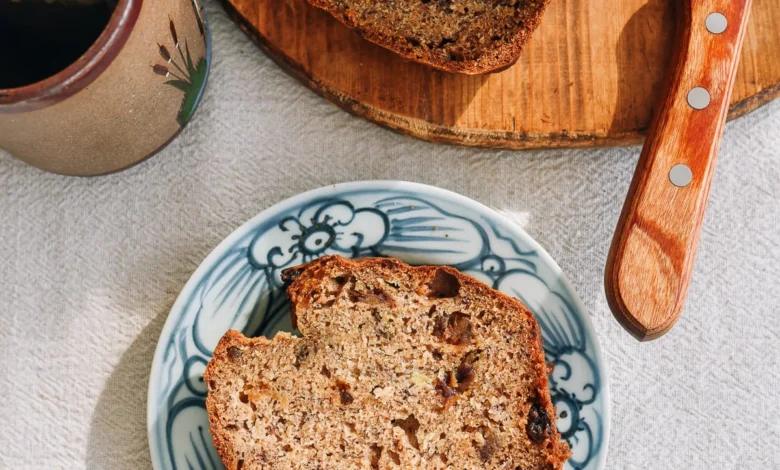
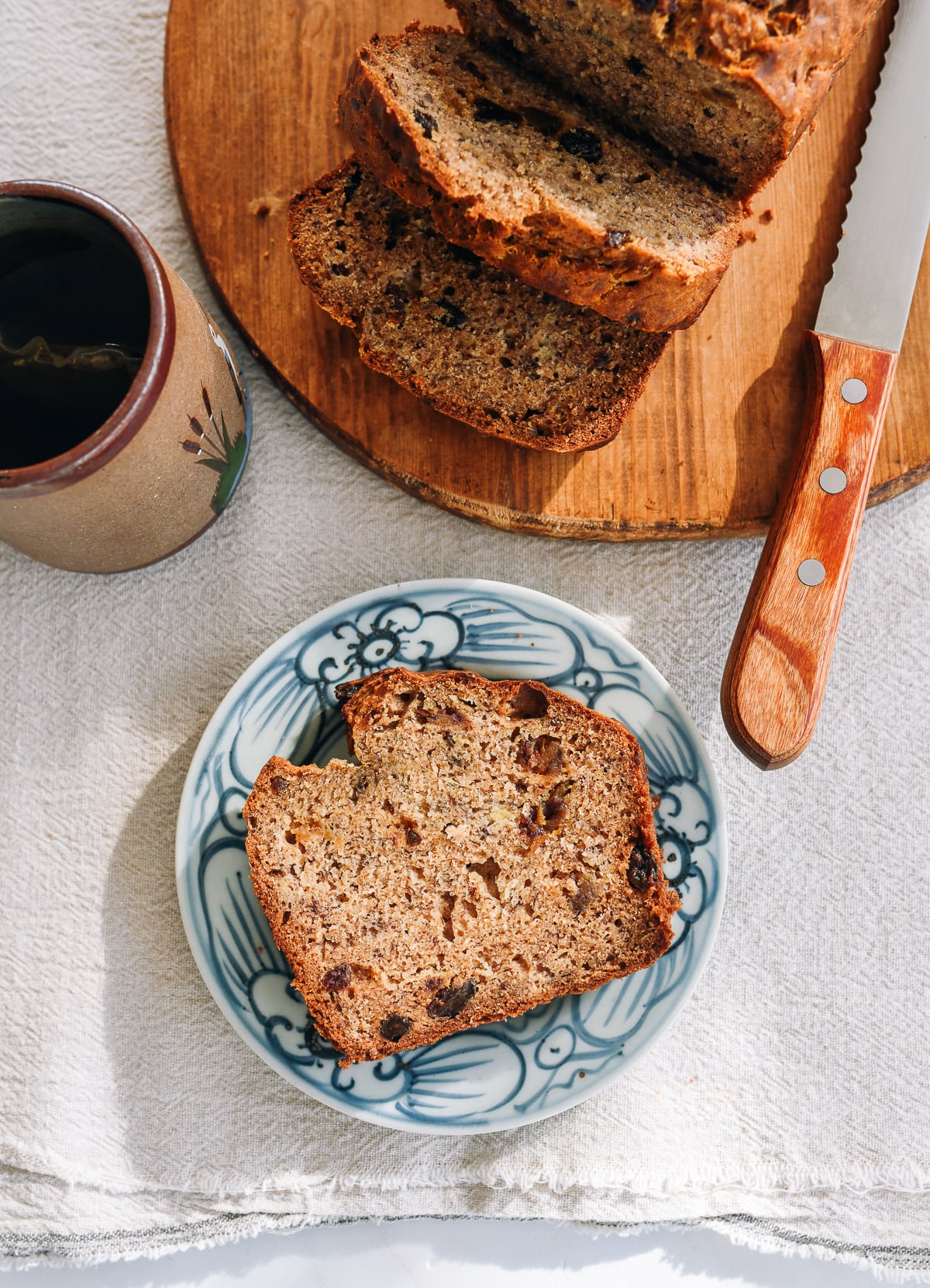
A new recipe for banana bread is gaining traction among health-conscious consumers, promising the familiar comfort of this baked good without added sugars or dairy. Developed after extensive testing, this "no-sugar" banana bread aims to provide a flavorful and tender crumb with a characteristically sticky top crust, all while adhering to stricter dietary preferences. The innovation lies in its complete exclusion of refined sugars like cane sugar, honey, or agave syrup, relying solely on the natural sweetness of whole fruits.

The culinary landscape has seen a significant shift towards reduced sugar consumption in recent years. Market research from Mintel indicates a growing consumer demand for products with lower sugar content, with a substantial percentage of individuals actively seeking to reduce their sugar intake due to health concerns, including weight management and the desire to mitigate risks associated with conditions like type 2 diabetes. This trend has spurred innovation in the food industry, pushing bakers and recipe developers to find creative solutions that do not compromise on taste or texture.
This particular no-sugar banana bread recipe emerges as a response to this evolving consumer demand. The creator, after years of refinement, has achieved a formula that meets the approval of even the most discerning palates, as evidenced by a declaration that the recipe is "good enough for print." This suggests a level of dedication and expertise in formulating a recipe that successfully navigates the challenges of sugar-free and dairy-free baking.

Defining "Sugar-Free" in Baking
It is crucial to clarify what "sugar-free" entails in the context of this recipe. While the final product does contain sugar, this sugar is derived exclusively from whole fruits, primarily ripe bananas. Unlike traditional recipes that incorporate refined sugars, which can lead to rapid blood sugar spikes, the natural sugars in fruit are accompanied by fiber and other nutrients. This composition generally results in a more gradual and sustained release of glucose into the bloodstream, a key consideration for individuals monitoring their sugar intake.
The United States Department of Agriculture (USDA) Dietary Guidelines for Americans recommend limiting added sugars to less than 10% of daily calories. For a 2,000-calorie diet, this translates to no more than 200 calories, or 50 grams, of added sugar per day. By eliminating added sugars and relying on fruit, this banana bread offers a way to enjoy a sweet treat while staying within these recommended limits, provided the overall diet is balanced.
A Simplified Approach to Baking
A significant advantage of this no-sugar banana bread recipe is its accessibility and ease of preparation. The instructions emphasize that no electric mixer is required, allowing home bakers to create this treat with common kitchen tools such as a fork, whisk, and rubber spatula. This streamlined process makes healthy baking more approachable, removing potential barriers related to specialized equipment.
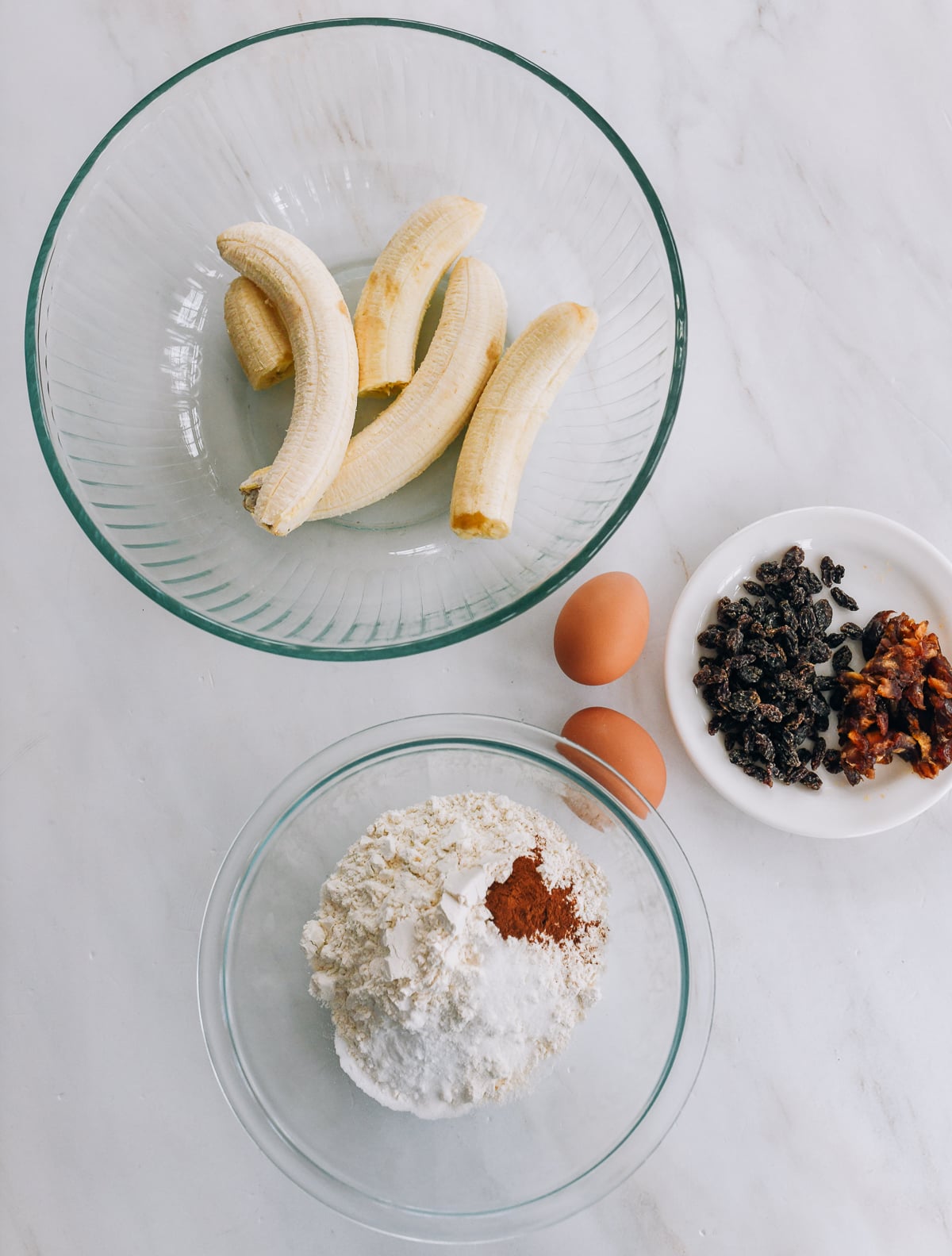
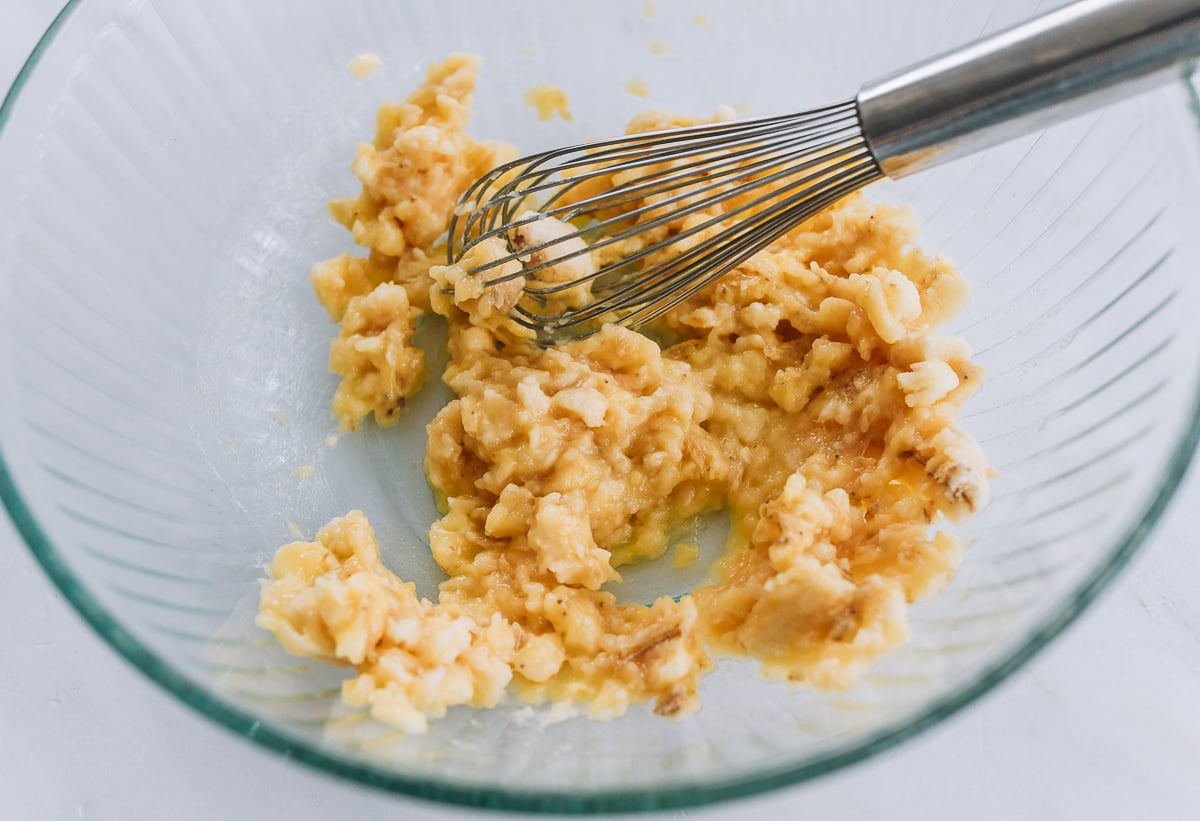
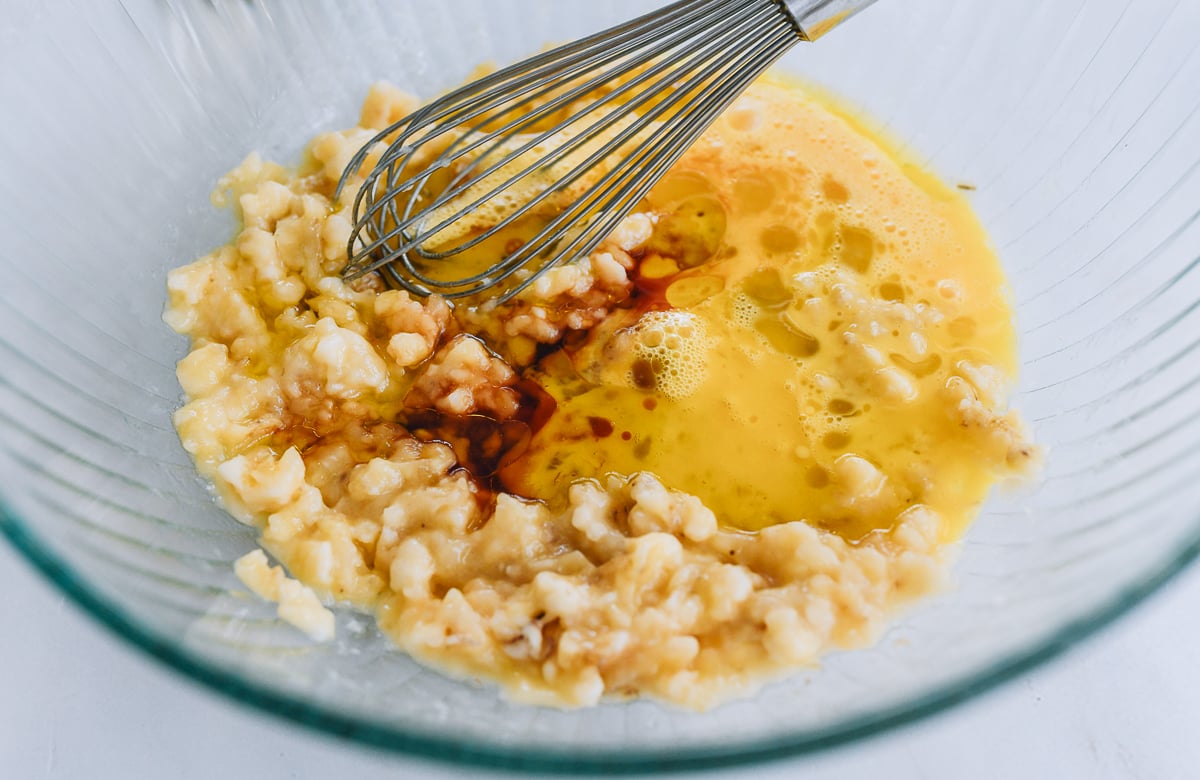
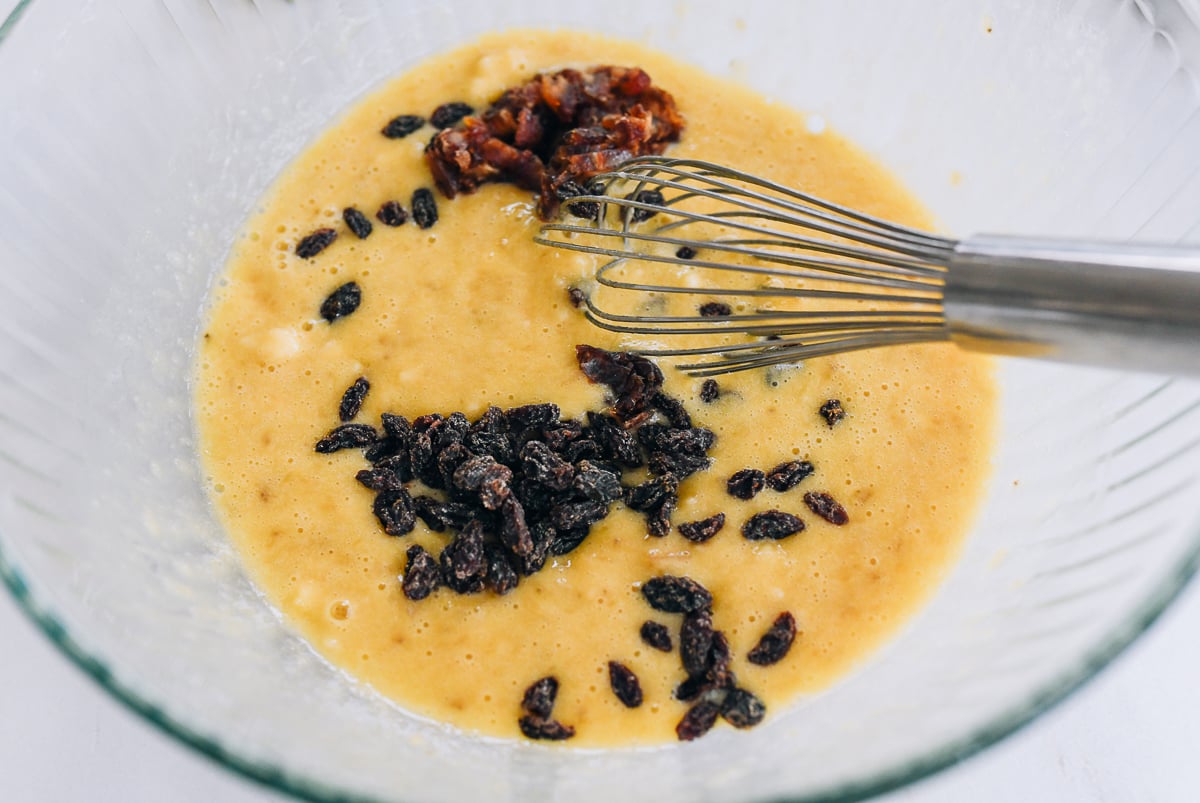
The typical preparation involves mashing ripe bananas in a large bowl, a foundational step that releases their natural sweetness and moisture. Eggs are then beaten separately to a very runny consistency, a technique that can contribute to a lighter texture in the final product. Olive oil is used as the fat component, offering a healthier alternative to butter, which is often found in traditional banana bread recipes and contributes dairy to the mix. Vanilla extract enhances the overall flavor profile, while finely chopped dried fruit can be incorporated for added sweetness and texture.
The dry ingredients, typically including flour, baking soda, cinnamon, and salt, are sifted into the wet mixture. This step is critical for ensuring even distribution of leavening agents and spices, preventing clumps, and contributing to a tender crumb. The batter is then gently folded together, with a strong emphasis on avoiding over-mixing, which can lead to a tough texture.
Customization and Enhancement
The recipe also encourages personalization with optional add-ins and toppings. Chopped walnuts or pecans can introduce a satisfying crunch and healthy fats, while toasted coconut flakes offer a tropical note and additional texture. For those seeking a hint of indulgence, dark chocolate chips are suggested. It’s important to note that dark chocolate, while often considered a healthier option, may contain trace amounts of milk fat to stabilize its composition, a detail relevant for individuals with severe dairy allergies or sensitivities.
A unique serving suggestion involves sprinkling these additions over the top of the batter before baking, allowing them to become more prominent in each slice. This method ensures that the flavor and textural elements are not lost within the cake.
The Baking Process and Optimal Results
The baking instructions are precise, calling for a preheated oven at 325°F (160°C) with a rack positioned in the center. A standard 9×5-inch loaf pan is recommended, generously greased with olive oil to prevent sticking. The batter is poured into the prepared pan and leveled for even baking. The baking time is estimated at 55-60 minutes, with a clear indicator for doneness: a toothpick inserted into the center should come out clean, or an instant-read thermometer should register between 200-205°F (93-96°C).
The cooling process is also highlighted as crucial for achieving the desired texture. After an initial 30 minutes of cooling in the pan, the loaf is removed and then kept covered. This covering helps to develop a sticky top crust, a hallmark of well-made banana bread. The recipe further suggests that the bread’s flavor and texture actually improve after sitting, covered, on the counter overnight. This extended resting period allows the flavors to meld and the moisture to redistribute, potentially enhancing the overall eating experience.
Nutritional Considerations
The provided nutritional information estimates that a single serving of this banana bread contains approximately 248 calories, with 30g of carbohydrates, 4g of protein, and 13g of fat. Notably, the sugar content is estimated at 5g per serving, a figure significantly lower than what would be found in a conventionally sweetened banana bread. This breakdown, while approximate, offers a clear picture of the recipe’s nutritional profile, emphasizing its lower sugar and calorie density compared to traditional versions. The disclaimer accompanying the nutritional information correctly points out that these values are estimates and can vary based on ingredient brands and natural variations in produce.
The development and popularization of recipes like this no-sugar banana bread reflect a broader societal trend towards mindful eating and a desire for healthier alternatives to staple comfort foods. As consumers become more educated about the impact of sugar on their health, the demand for such recipes is likely to continue to grow, driving further innovation in the realm of wholesome baking.