Mastering the Venezuelan Quesillo: A Culinary Analysis of the Viral Custard Dessert Phenomenon


The global culinary landscape has increasingly become a borderless exchange, driven largely by digital platforms that elevate traditional regional dishes to international stardom. Among the most recent beneficiaries of this phenomenon is the Venezuelan quesillo, a classic caramel-topped egg custard that has recently captured the public imagination in Southeast Asia, notably sparking significant consumer demand and lengthy queues at street food stalls across Malaysia. While sharing taxonomic roots with the European crème caramel and the Latin American flan, the Venezuelan iteration possesses distinct textural and compositional properties that set it apart. Culinary researchers and home cooks alike are exploring the exact mechanics of its preparation, shifting away from specialized institutional molds toward accessible kitchen equipment such as standard 6-inch cake pans and conventional domestic steamers. This guide examines the culinary science, precise methodology, historical context, and broader implications of mastering this resilient dessert within a home kitchen environment.
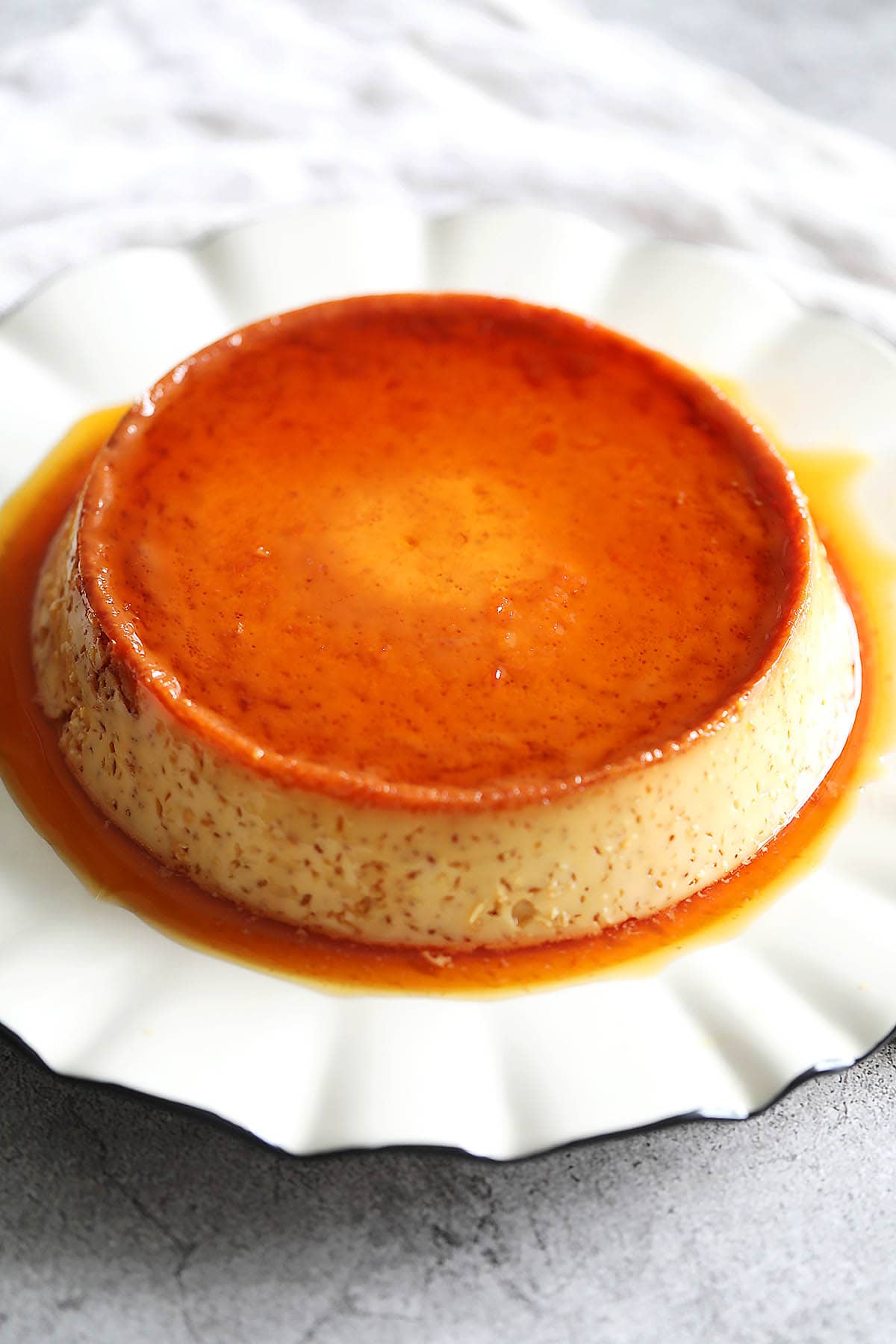
Defining Characteristics: Quesillo Versus Traditional Flan and Crème Caramel
To understand the appeal of the Venezuelan quesillo, one must first delineate its structural differences from its culinary cousins. While all three desserts rely on a foundational base of caramelized sugar and a dairy-egg custard, variations in ingredient ratios and thermal processing yield distinctly different final products.
The traditional French crème caramel typically utilizes whole milk or heavy cream combined with whole eggs and egg yolks, resulting in a delicate, velvety texture that dissolves smoothly on the palate. The Spanish and broader Latin American flan often follows a similar formulation, though regional preferences introduce whole eggs and sweetened condensed milk to varying degrees.
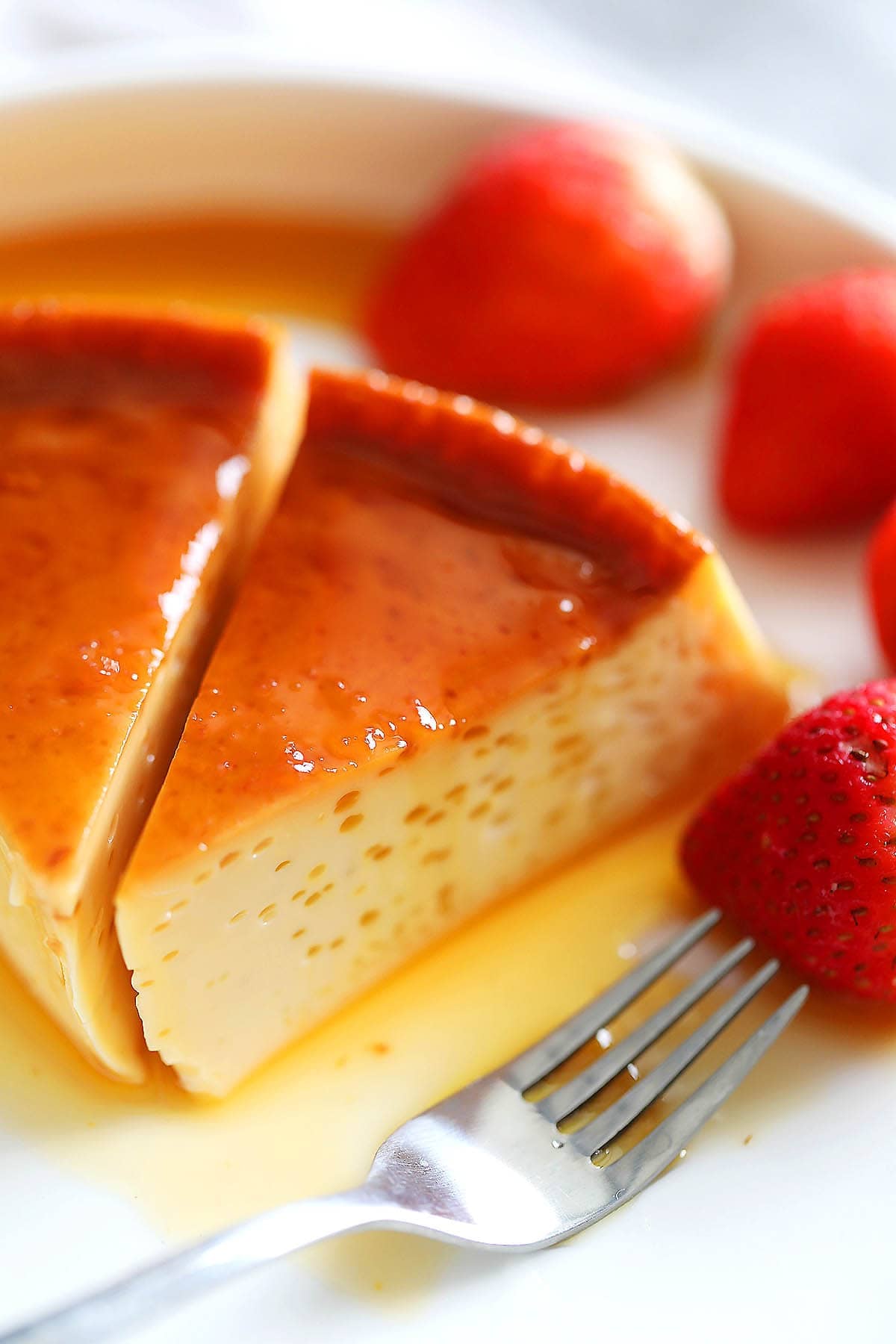
The Venezuelan quesillo, however, is characterized by its notably firmer, denser structure and heightened sweetness profile. These attributes stem directly from its core dairy components: a combination of sweetened condensed milk and unsweetened evaporated milk. Unlike recipes relying heavily on granulated sugar and fresh milk, the condensed milk provides a concentrated source of milk solids and sucrose, which under heat form a stable protein matrix with whole eggs. Furthermore, the inclusion of whole eggs—rather than yolks alone—provides structural rigidity, allowing the dessert to maintain a clean edge when sliced into neat wedges.
The nomenclature itself offers insight into its physical structure. Quesillo translates literally to "little cheese" in Spanish. This moniker was established generations ago due to the microscopic steam bubbles that form throughout the batter during the cooking process. As the egg proteins coagulate under sustained, gentle heat, pockets of air are trapped inside the matrix, leaving behind a porous texture visually reminiscent of the internal holes found in Swiss cheese. These micro-pockets serve a functional purpose beyond aesthetics; they act as microscopic reservoirs that absorb the liquid caramel syrup when the dessert is inverted and sliced.
Culinary Science and Ingredient Selection
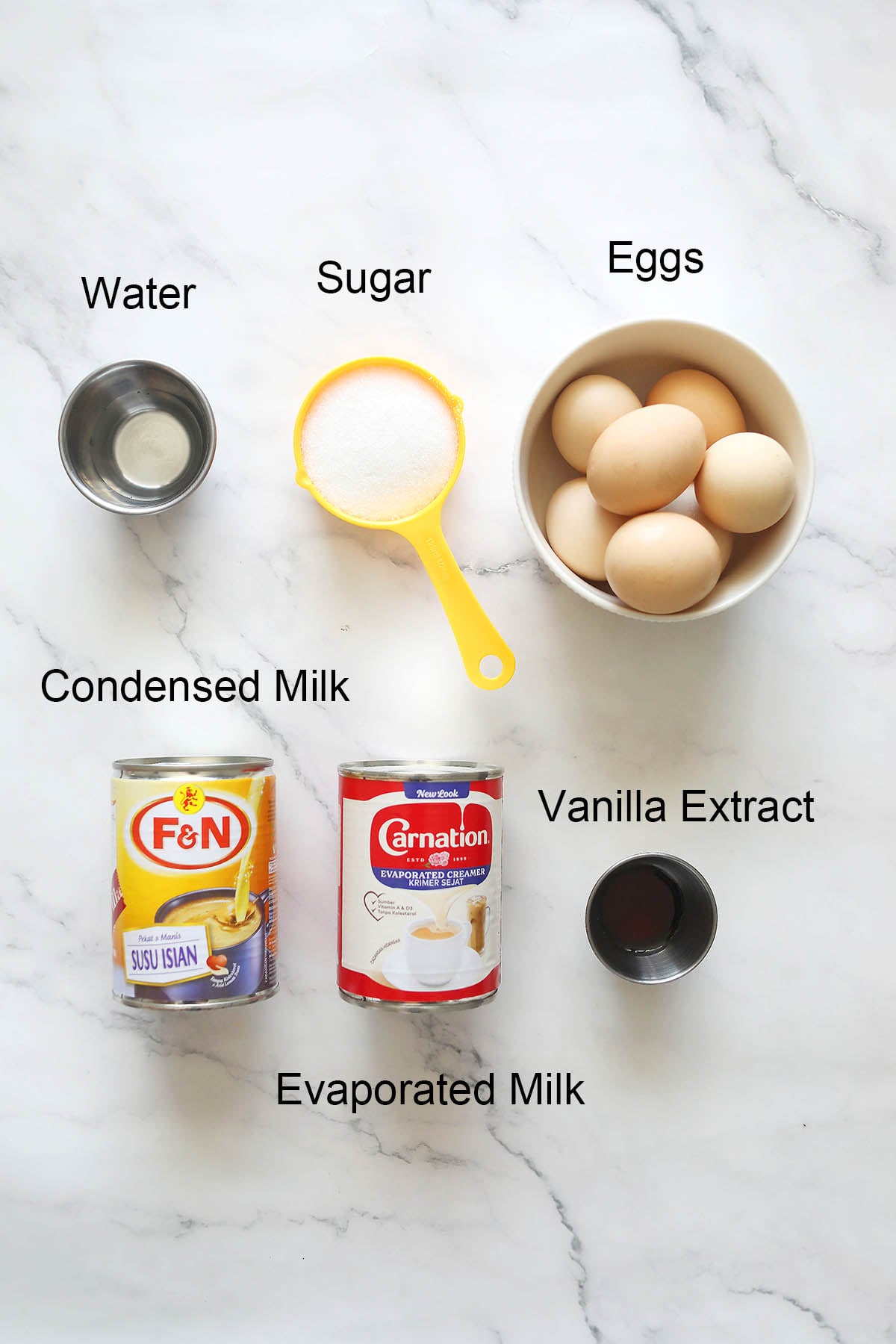
Achieving a successful quesillo requires strict adherence to ingredient specifications. Because the recipe relies on a relatively brief list of components—whole eggs, sweetened condensed milk, evaporated milk, and pure vanilla extract—the quality and chemical composition of each ingredient directly dictate the final outcome.
According to culinary technicians, the primary point of failure in home custard preparation involves the selection of milk products. Standard commercial labels must be inspected closely. Sweetened condensed milk must feature whole milk or milk solids as its principal ingredient. Products designated as "filled milk"—which substitute expensive dairy fats with vegetable oils such as palm oil—interfere with the protein coagulation and fat emulsion necessary for the custard to set. Similarly, evaporated milk must consist of real, unsweetened dairy milk; vegetable-oil-based alternatives will dilute the required richness and result in a watery or unstable gel network.
The role of the whole egg is equally critical. Utilizing room-temperature eggs ensures that the proteins blend evenly into the dairy base without requiring aggressive mechanical whipping, which would introduce an excess of macro-air bubbles. The addition of pure vanilla extract serves a dual purpose: it contributes aromatic complexity and chemically counters the sulfurous notes inherent in cooked whole eggs.
Chronology and Preparation Methodology
The preparation of a traditional Venezuelan quesillo follows a strict chronological sequence designed to manage sugar crystallization, protein denaturation, and thermal cooling curves.
Phase 1: Caramelization
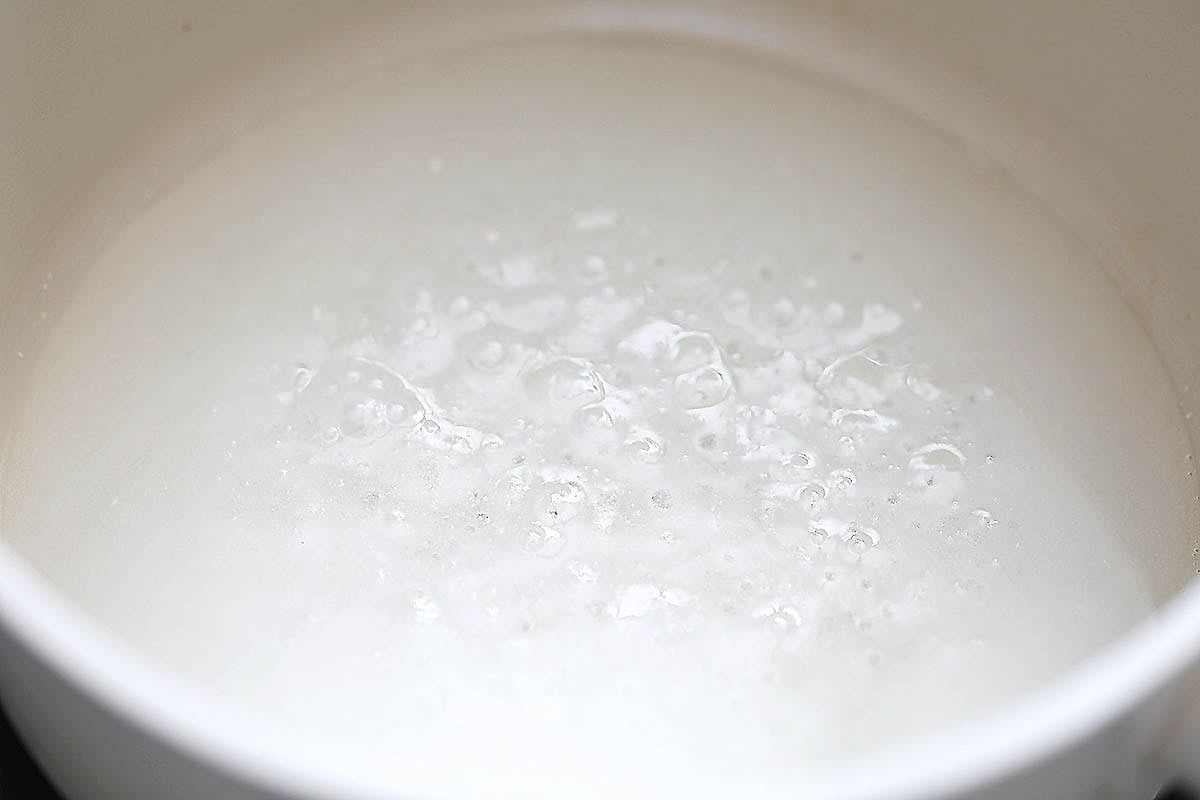
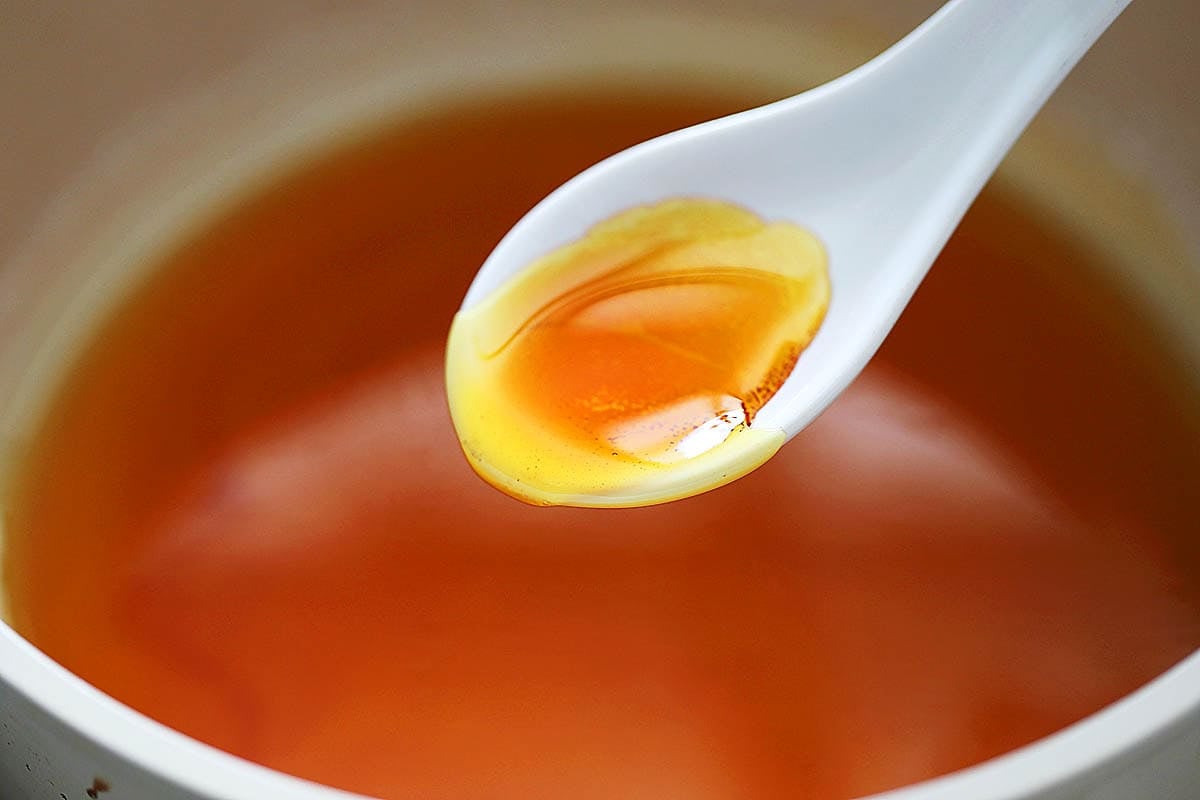
The process begins with the preparation of the caramel base. Granulated sugar and water are combined in a small saucepan over low heat. The cardinal rule of this phase is thermal patience: stirring the wet sugar solution with a utensil induces premature nucleation, causing the sucrose molecules to crystallize and form hard, irreversible clumps. Instead, the pan must remain undisturbed, allowing the heat to dissolve the sugar completely.
As the water evaporates, the solution reaches a gentle boil. At this stage, the cook relies on kinetic motion rather than utensils, gently swirling the pan by its handle. The sugar undergoes thermal decomposition, transitioning from a clear liquid to a pale straw color, and finally to a deep golden amber. This window requires vigilant supervision; caramel possesses a high thermal inertia and can transition from optimal sweetness to acrid bitterness within seconds.
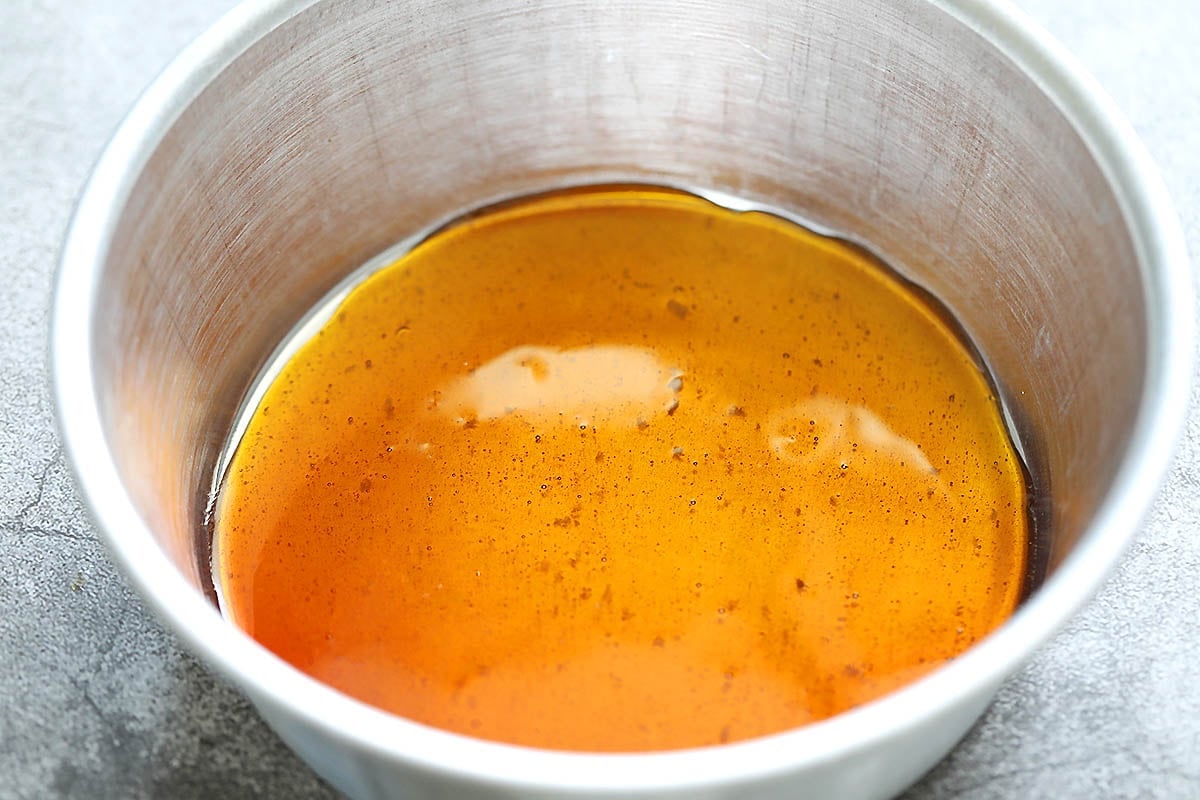
Once the desired amber hue is achieved, the caramel is immediately portioned into two 6-inch round metal cake pans. The pans must be swirled rapidly to coat the bottom and lower sides before the high-density sugar begins to harden. Because the metal conducts heat instantaneously, thermal protection—such as oven mitts—is mandatory during this step.
Phase 2: Custard Emulsification and Straining
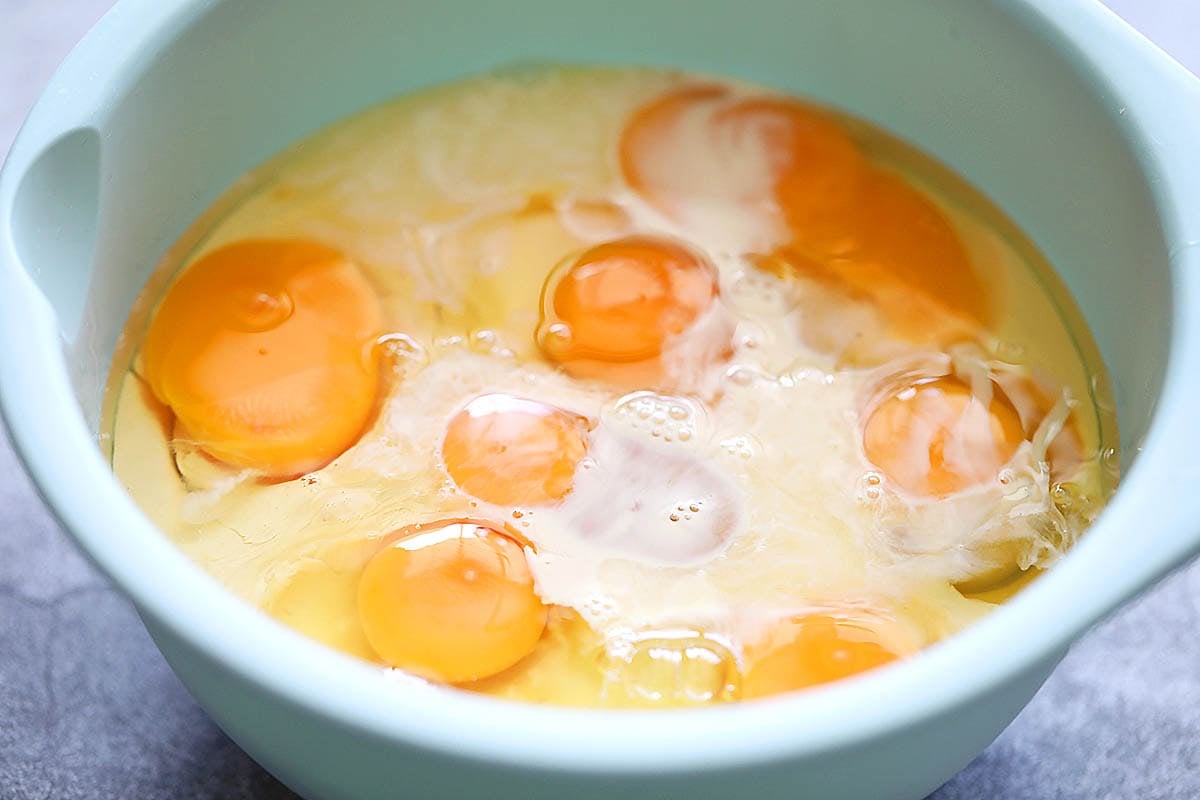
While the caramel cools and solidifies, the custard batter is prepared. Whole eggs, sweetened condensed milk, evaporated milk, and vanilla extract are combined in a mixing bowl. The mixture is beaten until homogeneous.
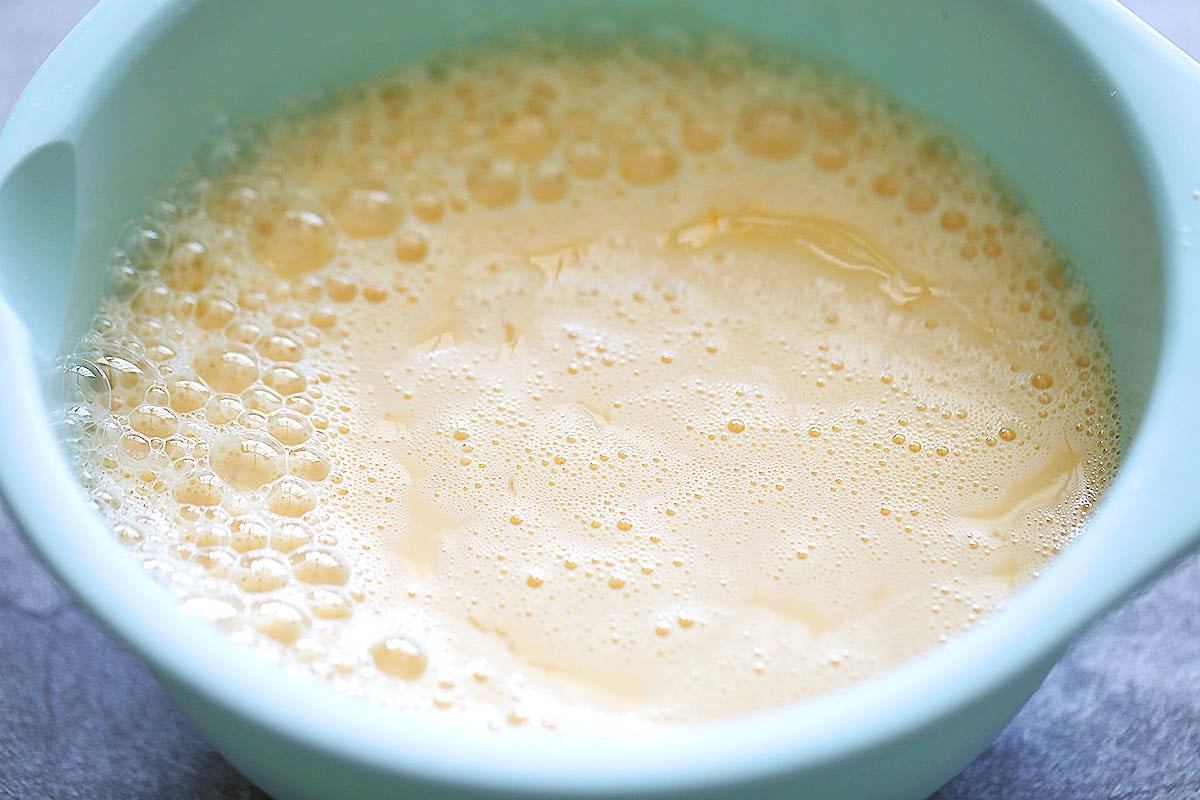
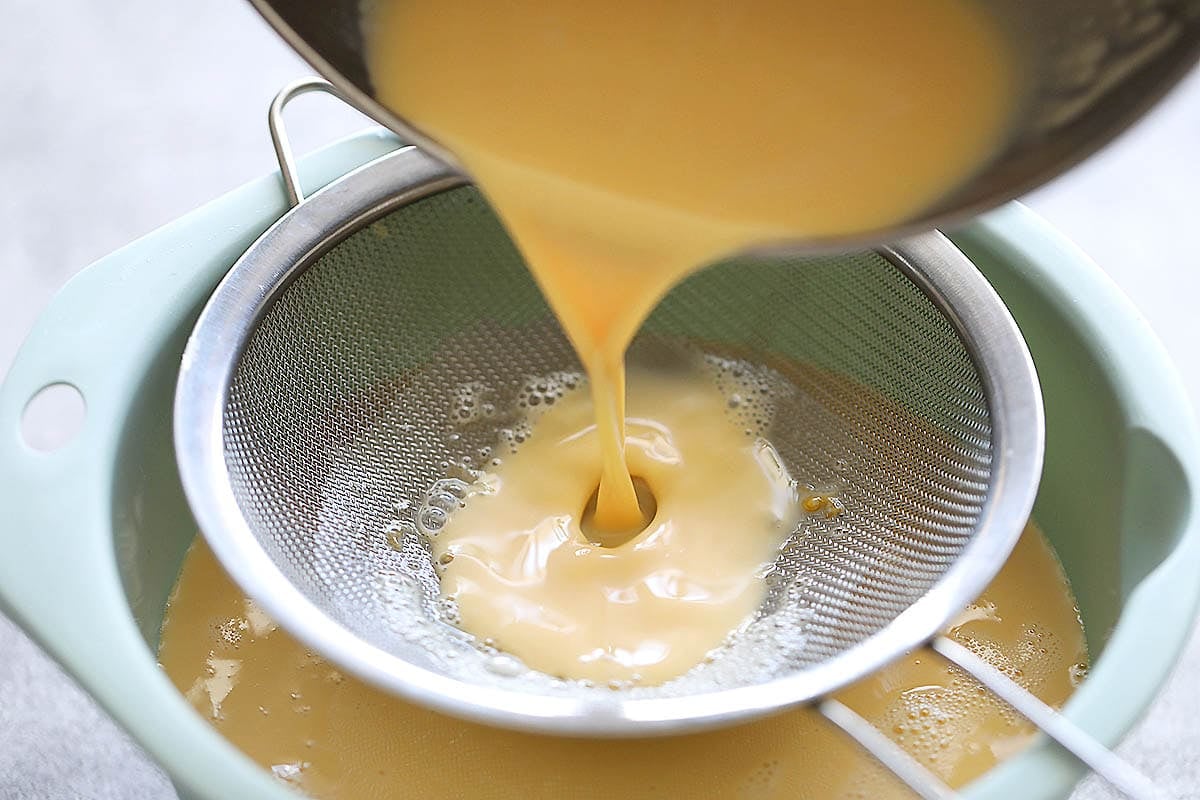
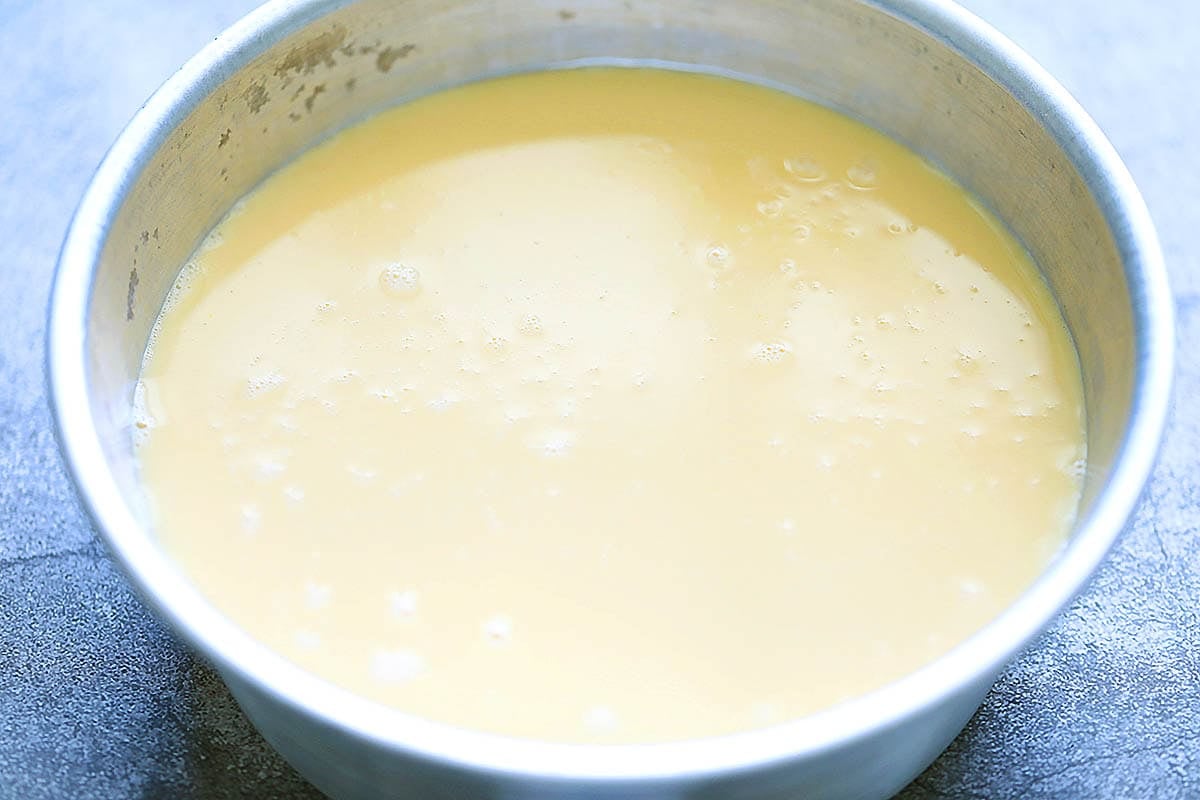
A vital step in professional pastry technique is the double-straining process. Passing the liquid batter through a fine-mesh sieve twice removes unblended chalazae and stringy albumen from the egg whites. This mechanical refinement guarantees a silky, uniform texture. Conversely, if a more traditional, highly porous texture is desired, the batter may be allowed to rest briefly to dissipate larger surface foam before being poured gently over the hardened caramel base. High-altitude or aggressive pouring must be avoided to prevent unwanted surface turbulence.
Phase 3: Controlled Steaming
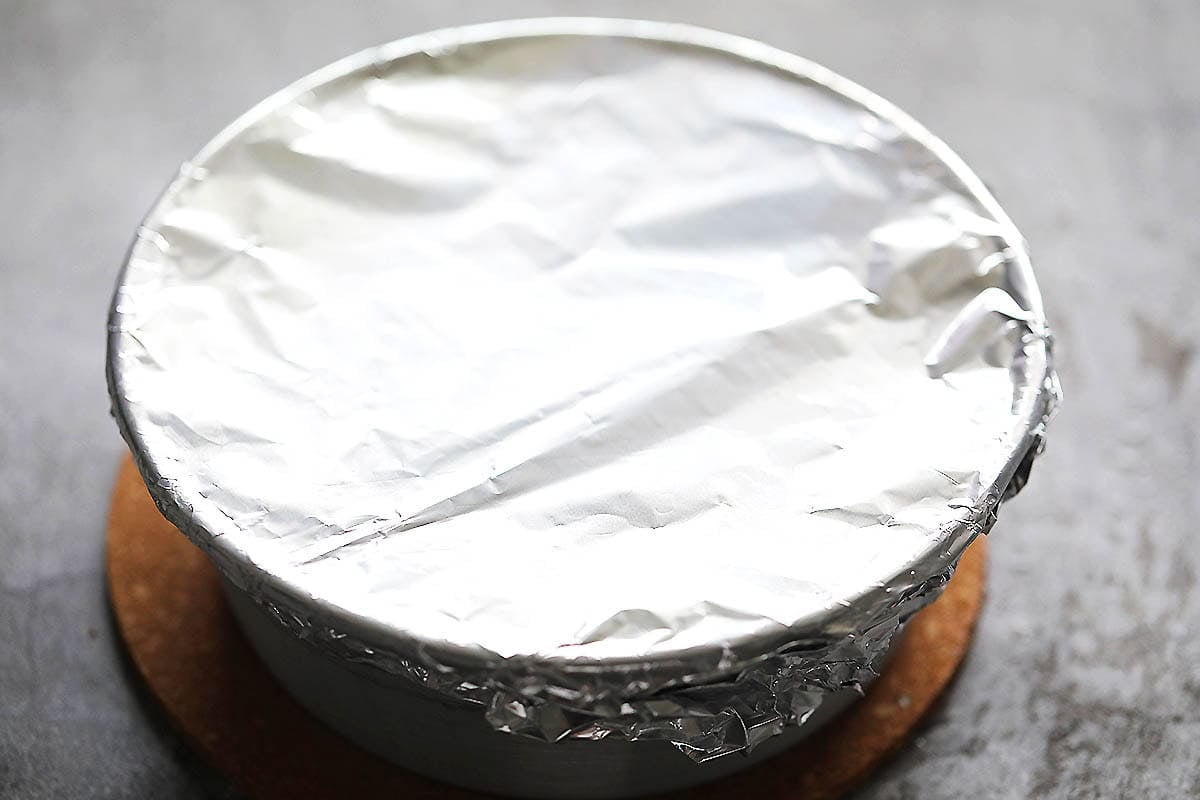
Unlike many European custards that utilize a dry-heat oven water bath (bain-marie), the classic Venezuelan method employs a domestic steamer operating on low heat. The filled cake pans are sealed tightly with aluminum foil. This barrier is non-negotiable; it prevents condensation from the steamer lid from dripping onto the exposed surface of the custard, which would otherwise create localized saturated zones and textural degradation.
The covered pans are steamed over low heat for approximately one hour. Maintaining a low thermal threshold is paramount. Excessive heat causes the egg proteins to tighten too rapidly, squeezing out moisture and yielding a rubbery, porous texture rather than a tender gel. Cooks must monitor the steamer water level at the thirty-minute mark, replenishing it with pre-heated boiling water to avoid thermal shock.
Phase 4: Thermal Stabilization and Inversion
Upon completion of the steaming cycle, the pans must undergo a precise cooling timeline. Rapid temperature drops can fracture the delicate protein matrix. The custards are cooled at ambient room temperature for two to three hours, followed by a mandatory refrigeration period of at least six hours, though overnight chilling is optimal. This prolonged cold rest allows the set custard to firm structurally while enabling the solid caramel at the base of the pan to reabsorb moisture, transforming back into a viscous, fluid syrup.
The final presentation requires careful physical execution. The bottom of the chilled pan is immersed briefly in a shallow vessel of warm water for ten to twenty seconds. This gentle thermal intervention melts the boundary layer of the caramel, releasing the vacuum seal between the metal and the sugar. After running a thin blade around the interior rim, a serving plate featuring a raised lip—essential for containing the fluid caramel runoff—is inverted over the pan. A swift, synchronized flip releases the quesillo onto the plate, where it can be divided into eight clean wedges and adorned with its own amber sauce.
Nutritional Profile and Dietary Considerations
For dietary planning, a standardized breakdown of the recipe—calculated across sixteen total servings—reveals the following approximate nutritional values per individual wedge:
- Calories: 186 kcal
- Carbohydrates: 26 g
- Protein: 7 g
- Total Fat: 6 g
- Saturated Fat: 3 g
- Cholesterol: 89 mg
- Sodium: 93 mg
- Sugars: 26 g
Due to its dairy and egg emulsion, nutritionists note that the dessert is structurally unstable under sub-zero temperatures. Freezing disrupts the water-fat-protein matrix, resulting in syneresis—the expulsion of liquid—upon thawing, which permanently ruins the textural integrity of the custard. Consequently, storage must remain strictly refrigerated, where the product maintains optimal safety and flavor profiles for up to five days.
Broader Economic and Cultural Implications
The viral dissemination of regional specialties like the Venezuelan quesillo underscores the shifting dynamics of contemporary gastronomy. What once required specialized cultural exposure or travel to Latin America is now democratized through digital video content, algorithmic recipe sharing, and international ingredient availability.
Food historians observe that the commercial success of home-baked items during economic transitions often reflects a consumer desire for accessible luxury. Requiring only basic pantry staples and minimal equipment, the quesillo offers a bridge between professional confectionery techniques and domestic feasibility. As global appreciation for diverse dessert traditions expands, recipes adapted for standard household infrastructure—such as the double-pan steaming method documented here—ensure that regional heritage continues to find a welcoming reception on tables around the world.