Chinese-Spiced Air Fryer Cauliflower Brings Bold Northern Flavors to the Modern Western Kitchen

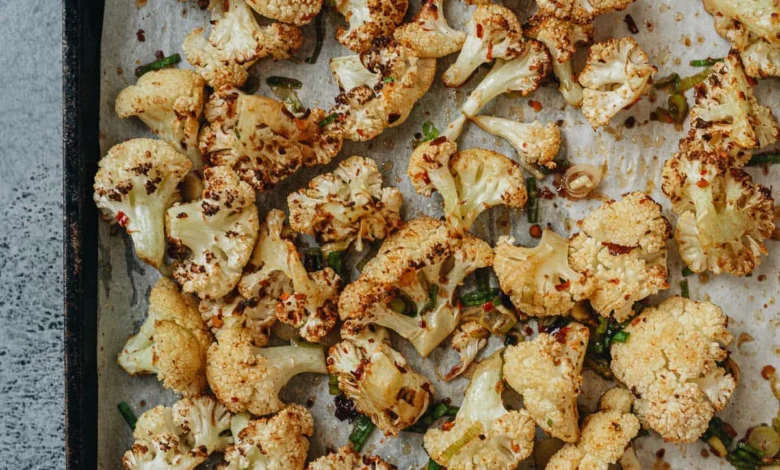
The culinary landscape of home cooking has undergone a profound transformation over the past decade, heavily influenced by the widespread adoption of countertop kitchen appliances and a growing consumer appetite for globally inspired flavor profiles. Among the latest culinary developments bridging traditional regional cooking with contemporary convenience is the adaptation of classic wok-seared vegetables into rapid air-fryer formats. A prime example of this trend is the emergence of Chinese-spiced air fryer cauliflower, a dish that reimagines the street foods and home-cooked meals of northern China—particularly Beijing and the Xinjiang autonomous region—for modern, time-pressed households utilizing hot-air convection technology.
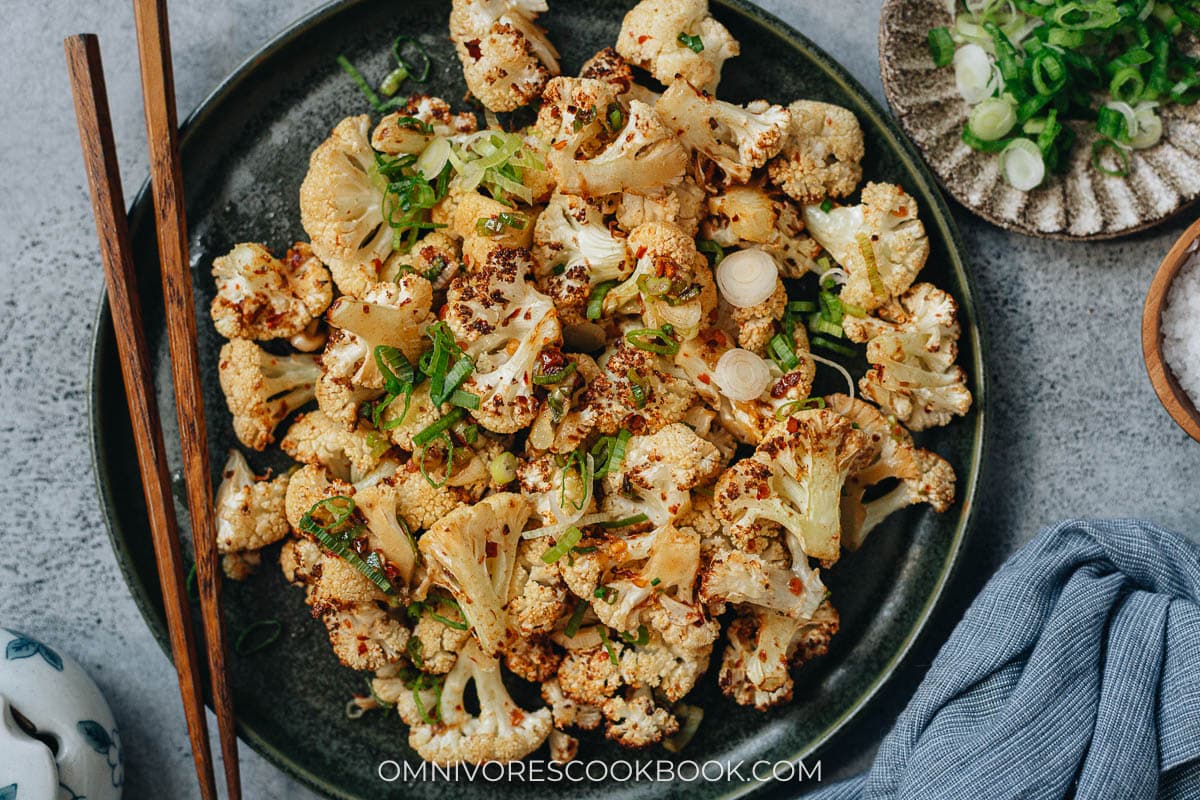
Background Context and Regional Culinary Origins
Traditional vegetable preparations in northern Chinese households frequently rely on high-heat wok cooking, known locally as "bao" or rapid stir-frying, designed to impart a distinct smoky flavor profile often referred to as "wok hei." In Beijing and surrounding provinces, cauliflower—locally termed "huacai"—is rarely subjected to the simple steaming or generic roasting common in Western culinary traditions. Instead, it is customarily stir-fried alongside aromatic elements such as dried chilies, garlic, and fermented soy products, frequently enhanced by the warming notes of cumin and the distinct citrusy, tingling sensation characteristic of ground Sichuan peppercorns (Zanthoxylum)—a spice heavily integrated into regional trade routes influenced by western Chinese provinces.
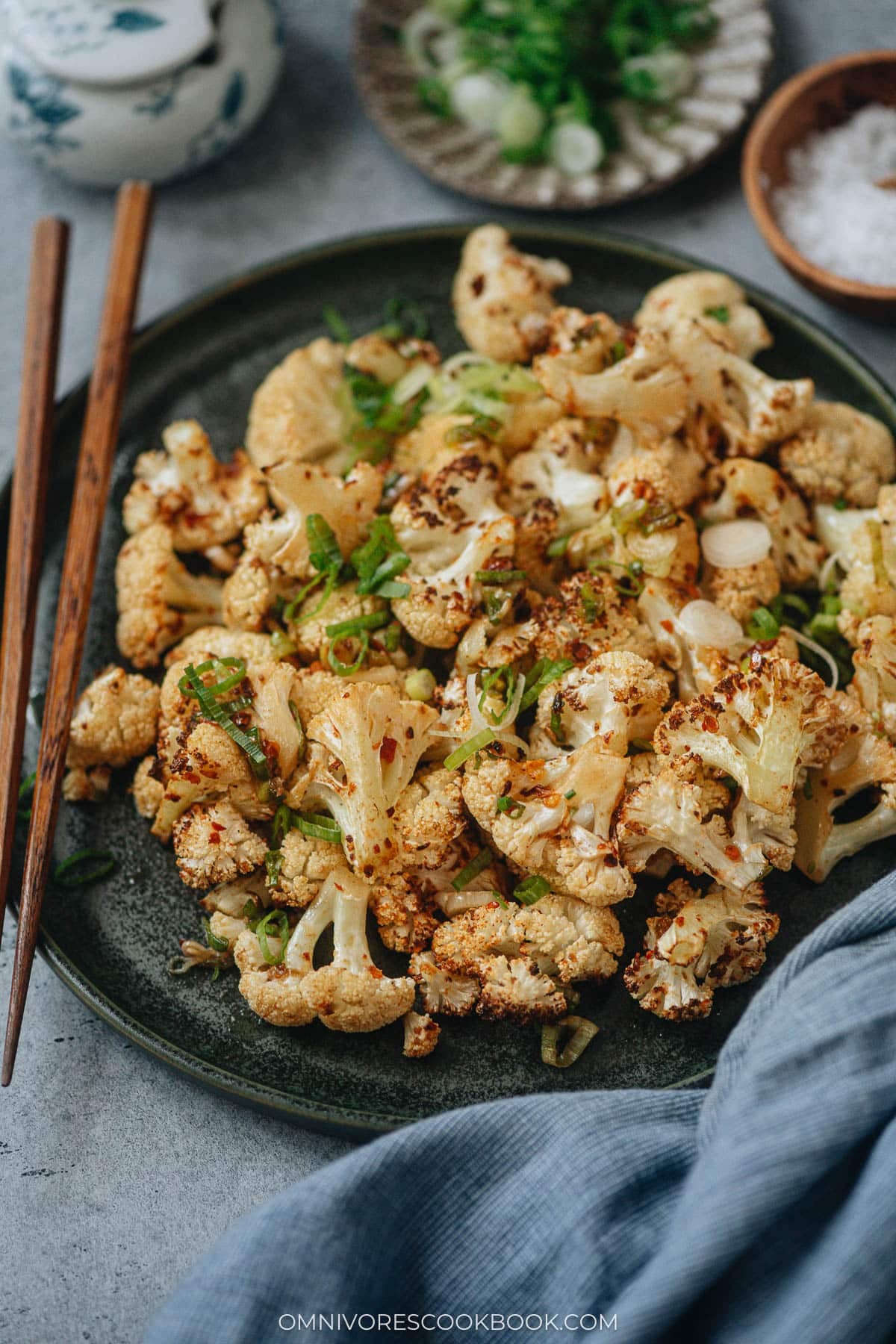
Historically, replicating these complex, high-heat flavor profiles at home required a powerful gas burner and a seasoned cast-iron wok, equipment that many urban kitchens outside of Asia lack. Furthermore, traditional oven-roasting methods, while capable of caramelizing cruciferous vegetables, often demand extended preheating times and can significantly elevate ambient kitchen temperatures during warmer months. The integration of the air fryer—essentially a compact convection oven capable of rapid thermal circulation—provides a functional bridge, allowing home cooks to achieve the characteristic charred edges and tender interior textures associated with wok cooking without the necessity of specialized commercial kitchen infrastructure.
Chronology of the Culinary Adaptation and Cooking Methodology
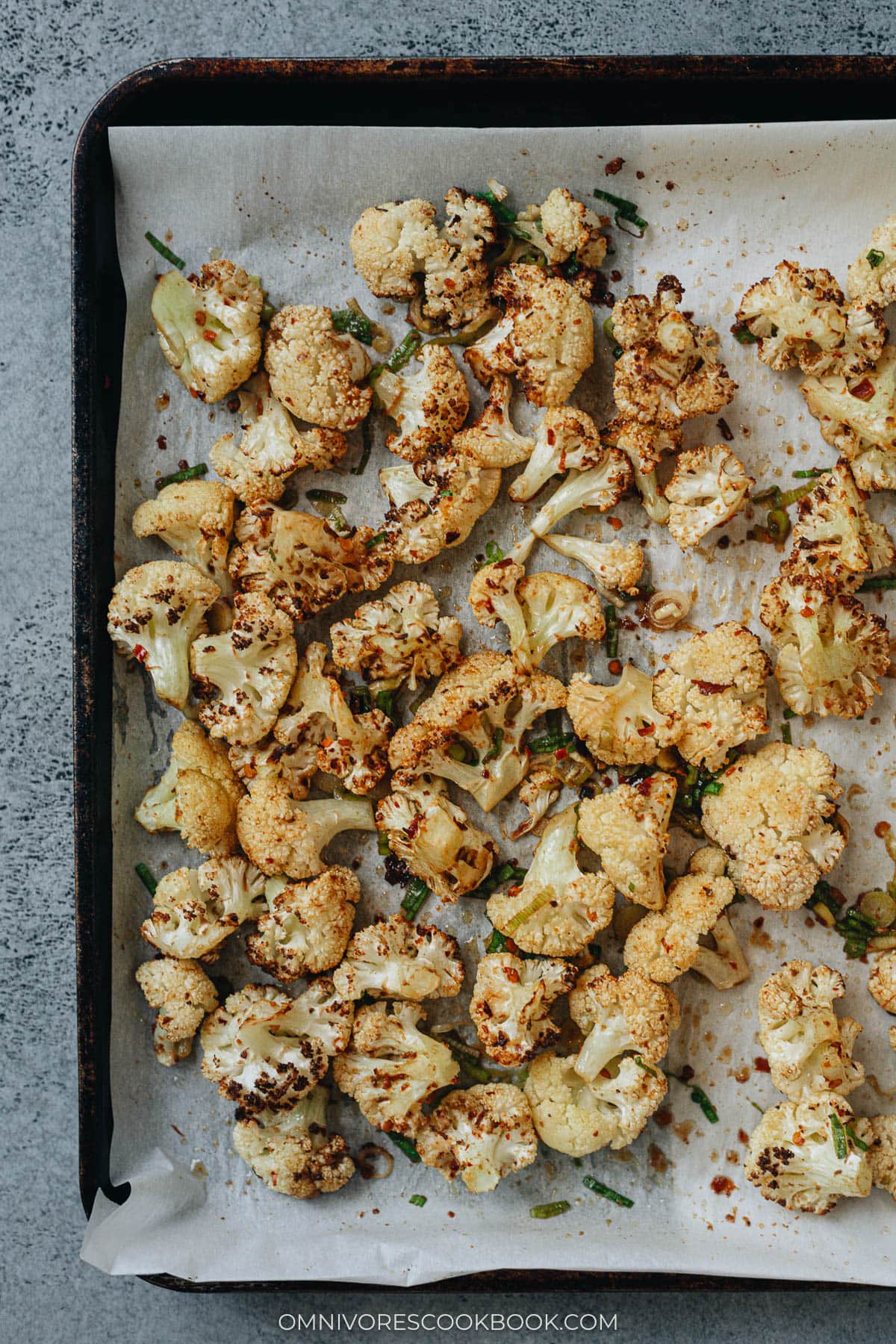
The popularization of air-fried regional vegetables accelerated significantly as home cooks sought efficient methods to prepare nutrient-dense side dishes during weeknight routines. The technical chronology of preparing Chinese-spiced cauliflower in an air fryer is structured around strict thermal management to prevent moisture retention and spice scorching.
According to culinary documentation and recipe development standards, the preparation process follows a precise sequence:
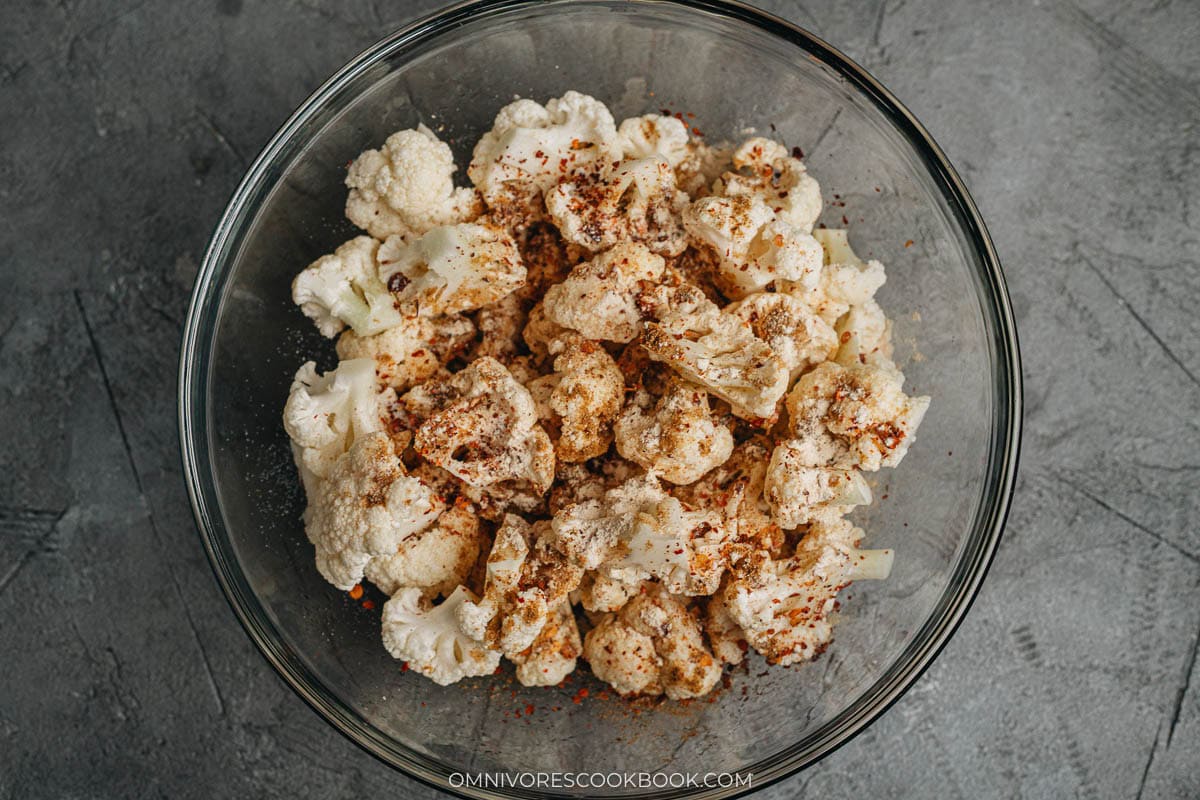
- Preparation and Seasoning: A small-to-medium head of fresh cauliflower is sectioned into uniform, bite-sized florets. Smaller, consistent sizing is critical to ensure that the thermal energy penetrates the core within a constrained cooking window. The florets are tossed in a neutral oil or olive oil, alongside a curated spice blend consisting of Chinese chili flakes, cumin powder, garlic powder, salt, and ground Sichuan peppercorn. To protect delicate aromatics from burning, fresh garlic is deliberately omitted in favor of powder.
- Thermal Preheating: The air fryer unit is preheated to 400°F (200°C) for approximately ten minutes. Industry analysts and culinary experts emphasize that a preheated cooking chamber is essential; introducing food to a cold basket induces steaming rather than roasting, resulting in a soggy texture.
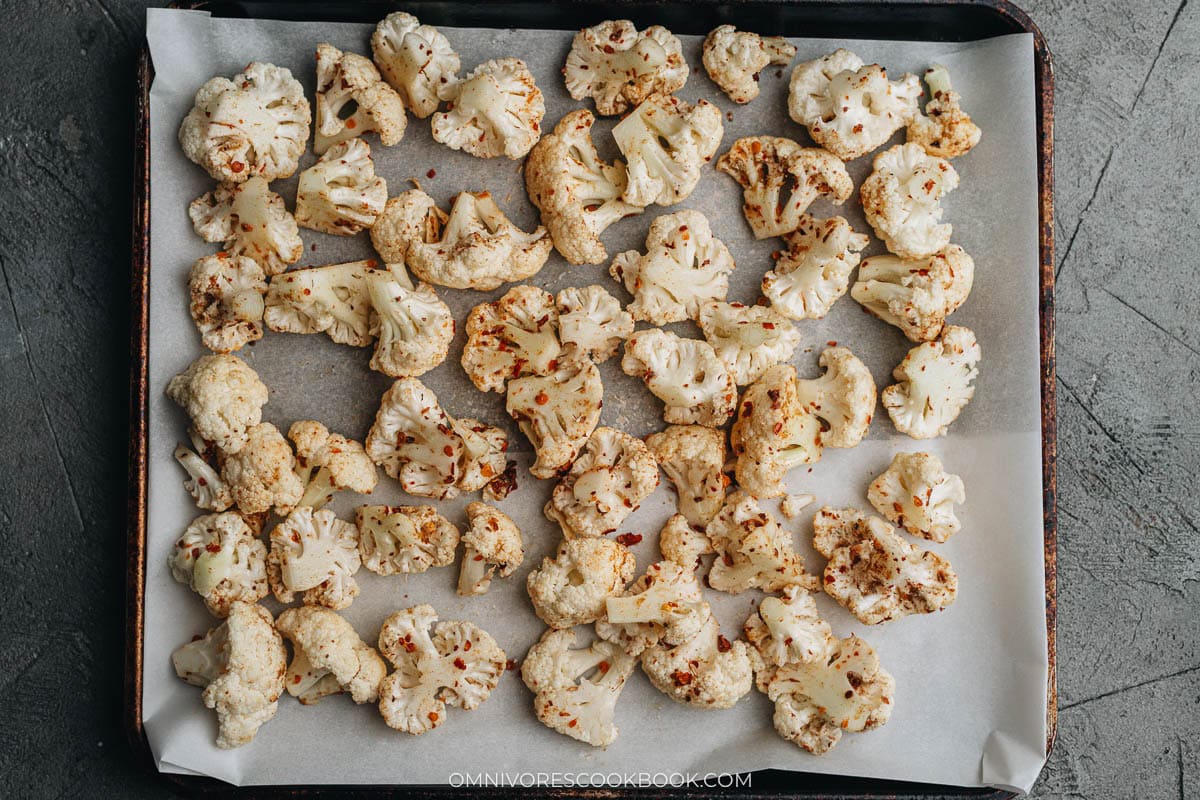
- The Primary Cook Cycle: The seasoned florets are arranged in the air fryer basket, strictly avoiding overcrowding to maintain optimal airflow. The first cooking phase lasts between eight and nine minutes at 400°F, achieving an al dente interior texture alongside pronounced surface charring.
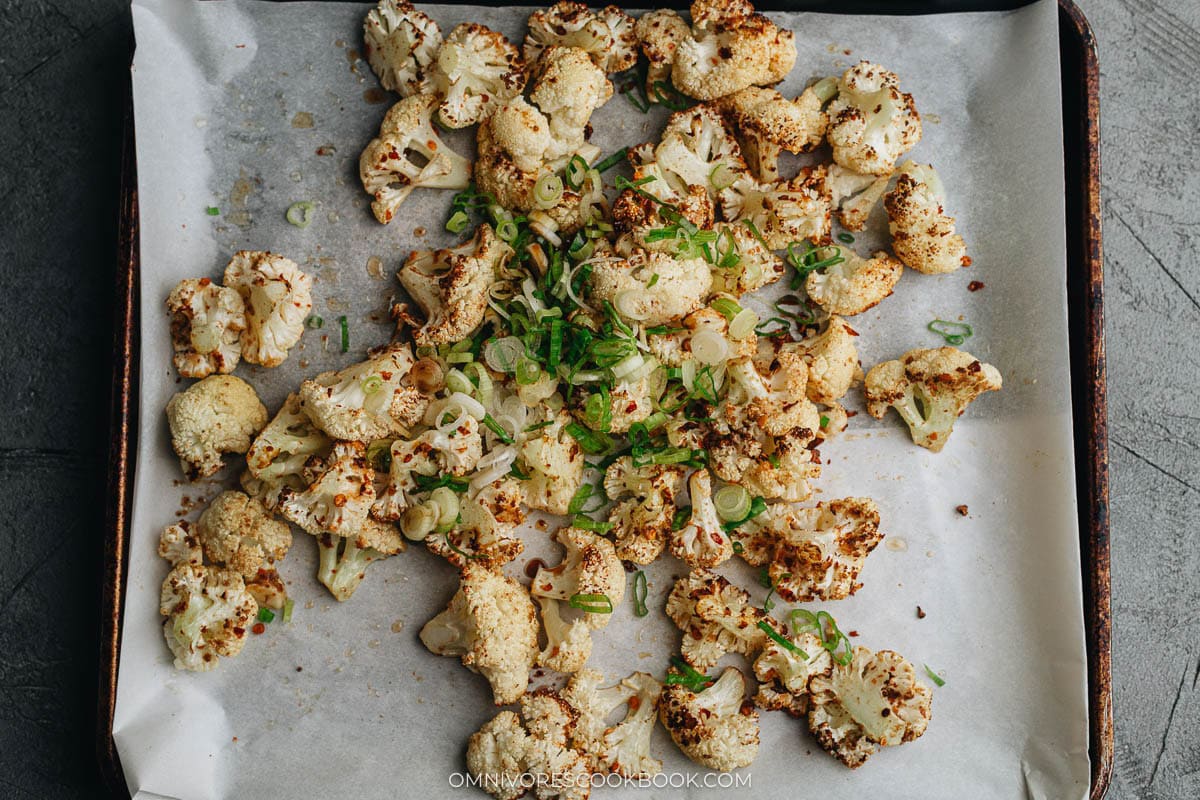
- The Secondary Flavor Infusion: To preserve volatile compounds and prevent high-temperature bitterness, liquid seasonings and fresh aromatics are withheld from the initial stage. Upon completion of the primary roast, the basket is removed, and sliced green onions alongside a measured drizzle of soy sauce (or tamari for gluten-free variations) are folded into the mixture.
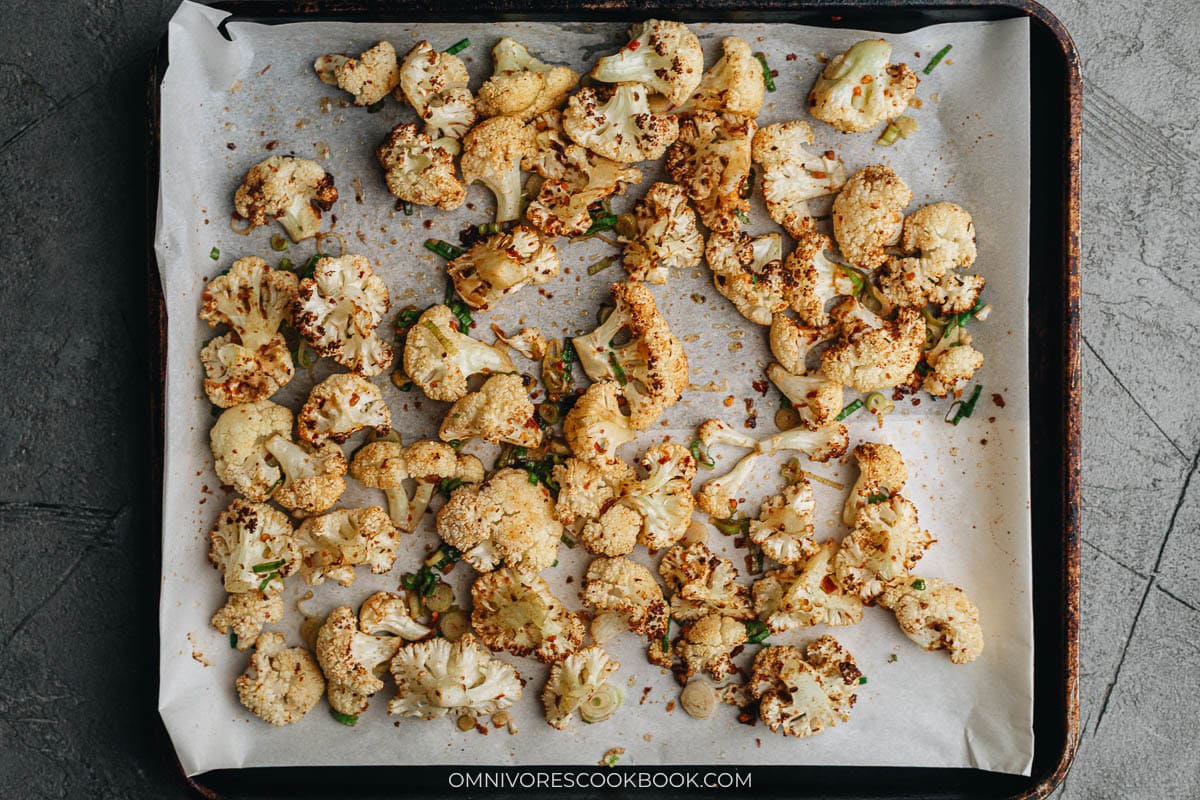
- The Final Finish: The contents are returned to the heat source for an additional two minutes, allowing the soy sauce to caramelize lightly and coat the exterior while the green onions wilt gently.
Supporting Data and Nutritional Metrics
Nutritional analyses of cruciferous vegetables like cauliflower highlight their low caloric density and high fiber content, making them staples in modern dietary planning, including low-carbohydrate and plant-based regimens. A standard single-serving portion of the Chinese-spiced air fryer preparation yields approximately 91 kilocalories. The macronutrient breakdown typically comprises roughly 7.3 grams of carbohydrates, 1.7 grams of protein, and 7.3 grams of total fat—largely derived from the application of healthy cooking oils. Additionally, the dish provides approximately 3 grams of dietary fiber and roughly 199 milligrams of sodium, figures that can be modulated depending on the specific volume of soy sauce utilized during the final seasoning phase.
Consumer Response and Market Implications
The broader market implications of recipes blending traditional ethnic spice profiles with ubiquitous kitchen gadgets reflect changing consumer demographics. Culinary market researchers note an increasing demand for "accessible authenticity"—recipes that utilize pantry staples from international grocery aisles while relying on familiar, modern preparation tools.
Food science and recipe developers have noted distinct functional advantages to this specific cross-cultural adaptation. By substituting fresh garlic with garlic powder, home cooks eliminate the bitter acridity that typically occurs when fresh alliums are subjected to sustained 400°F convection heat. Similarly, the delayed application of soy sauce prevents the amino acids and sugars within the fermented liquid from prematurely scorching, addressing a common technical hurdle encountered by amateur cooks attempting Asian-style pan-roasting at home.
Broader Impact on Weeknight Meal Planning
As households continue to prioritize speed, nutritional value, and sensory diversity in home-cooked meals, dishes that successfully merge traditional global seasoning with rapid thermal appliances are expected to remain prominent. The ability to transform an ordinary agricultural commodity like cauliflower into a complex, regionally inspired side dish within a twenty-minute window underscores the ongoing evolution of contemporary home economics. Whether paired with traditional proteins such as char siu pork or integrated into plant-based dining tables alongside mushroom fried rice and pan-fried tofu, such culinary innovations demonstrate how modern kitchen technology continues to democratize global flavors for the everyday consumer.