The Culinary Evolution of Chinese Broccoli with Mushrooms: A Deeper Dive into Flavor and Tradition

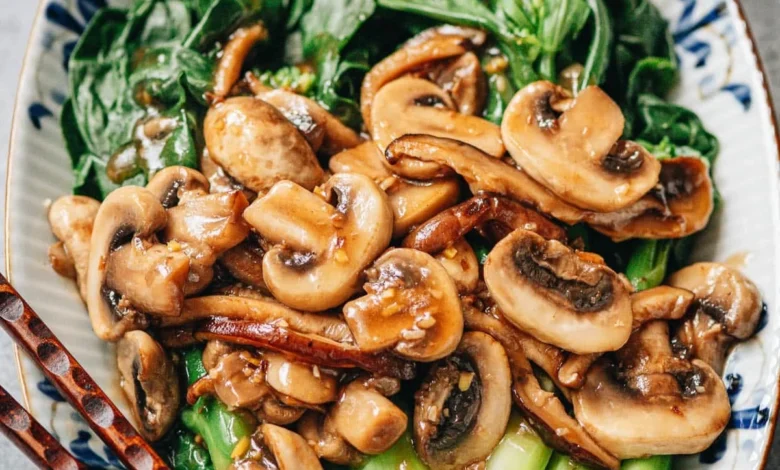
Chinese broccoli, known botanically as Gai Lan, is a cornerstone of Cantonese cuisine, gracing the tables of dim sum establishments and family gatherings across Southern China. Its distinctive thick, crunchy stems and deep blue-green leaves offer a unique textural and flavorful experience that sets it apart from other leafy greens. The preparation of Gai Lan, particularly the careful handling of its stems, is crucial to unlocking its full potential. This involves meticulously peeling away the tough outer skin and a brief blanching in salted water – a time-honored technique that preserves its vibrant character and ensures a delightful crispness, a method also employed in classic preparations like Chinese Broccoli with Oyster Sauce.
Recently, this beloved dish has undergone a thoughtful refinement, aiming to elevate its depth of flavor and complexity. An updated recipe, building upon earlier iterations, introduces a more nuanced mushroom profile by incorporating both earthy dried shiitake and mild fresh white mushrooms. This dual-mushroom approach masterfully balances the intense umami of shiitake with the softer notes of white mushrooms, preventing the latter from overpowering the delicate greens. The result is a sauce with a richer, more integrated flavor that complements, rather than masks, the natural sweetness of the Gai Lan.
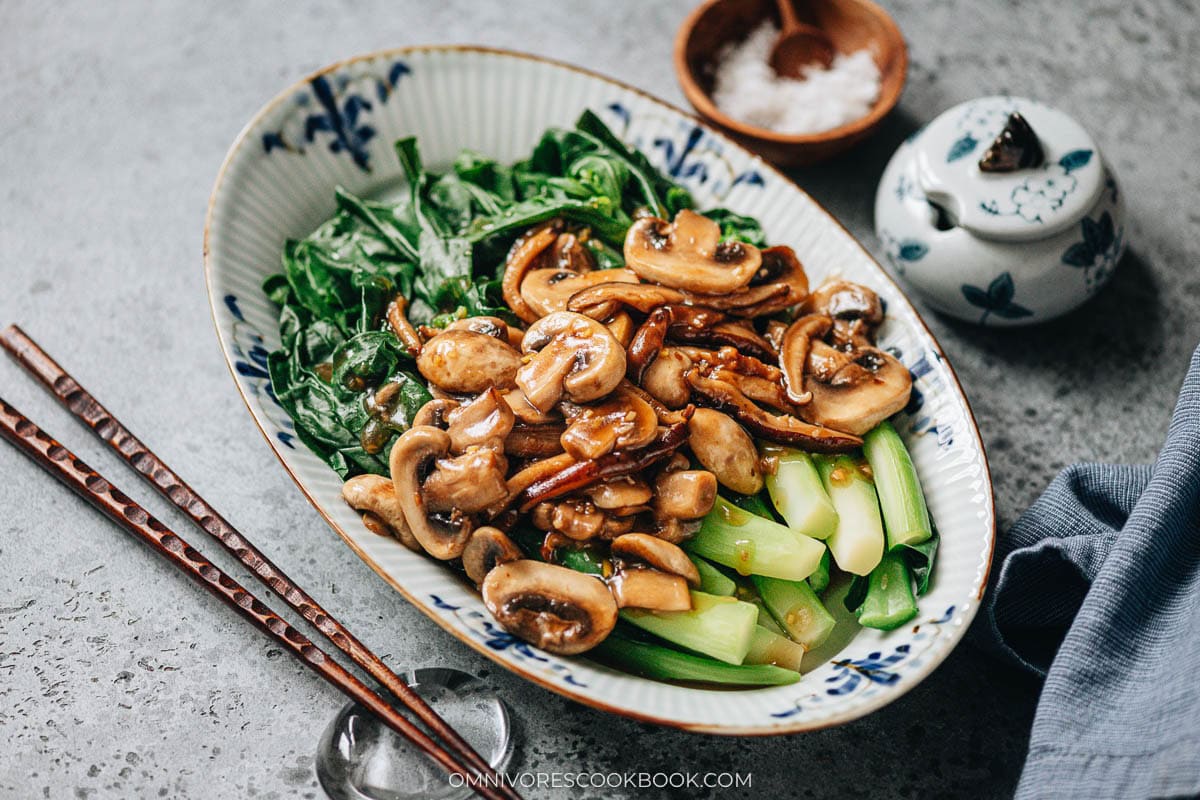
The updated preparation method emphasizes efficiency and flavor development, beginning with the rehydration of dried shiitake mushrooms in warm water while the Gai Lan is prepped. The stems of the Gai Lan are then carefully peeled to remove their fibrous outer layer, a critical step that ensures tenderness without sacrificing the satisfying crunch. Following this, the greens are blanched in lightly salted boiling water until the stems are just tender, a process that cooks them evenly and preserves their vivid green hue. The final stage involves stir-frying aromatics – garlic and ginger – in a hot wok, followed by the rehydrated shiitake and sliced fresh white mushrooms. The prepared sauce, a harmonious blend of chicken stock, light soy sauce, oyster sauce, sugar, and cornstarch, is then added to the wok, thickening into a glossy glaze that coats the mushrooms and is ultimately poured over the blanched Gai Lan. This meticulous, yet straightforward, sequence of steps culminates in a side dish that embodies both tradition and culinary innovation, designed to be shared and savored.
A Symphony of Flavors: The Ingredients Behind the Enhancement
The refined Chinese Broccoli with Mushrooms recipe relies on a carefully selected ensemble of ingredients, each contributing to the dish’s layered taste and texture.
-
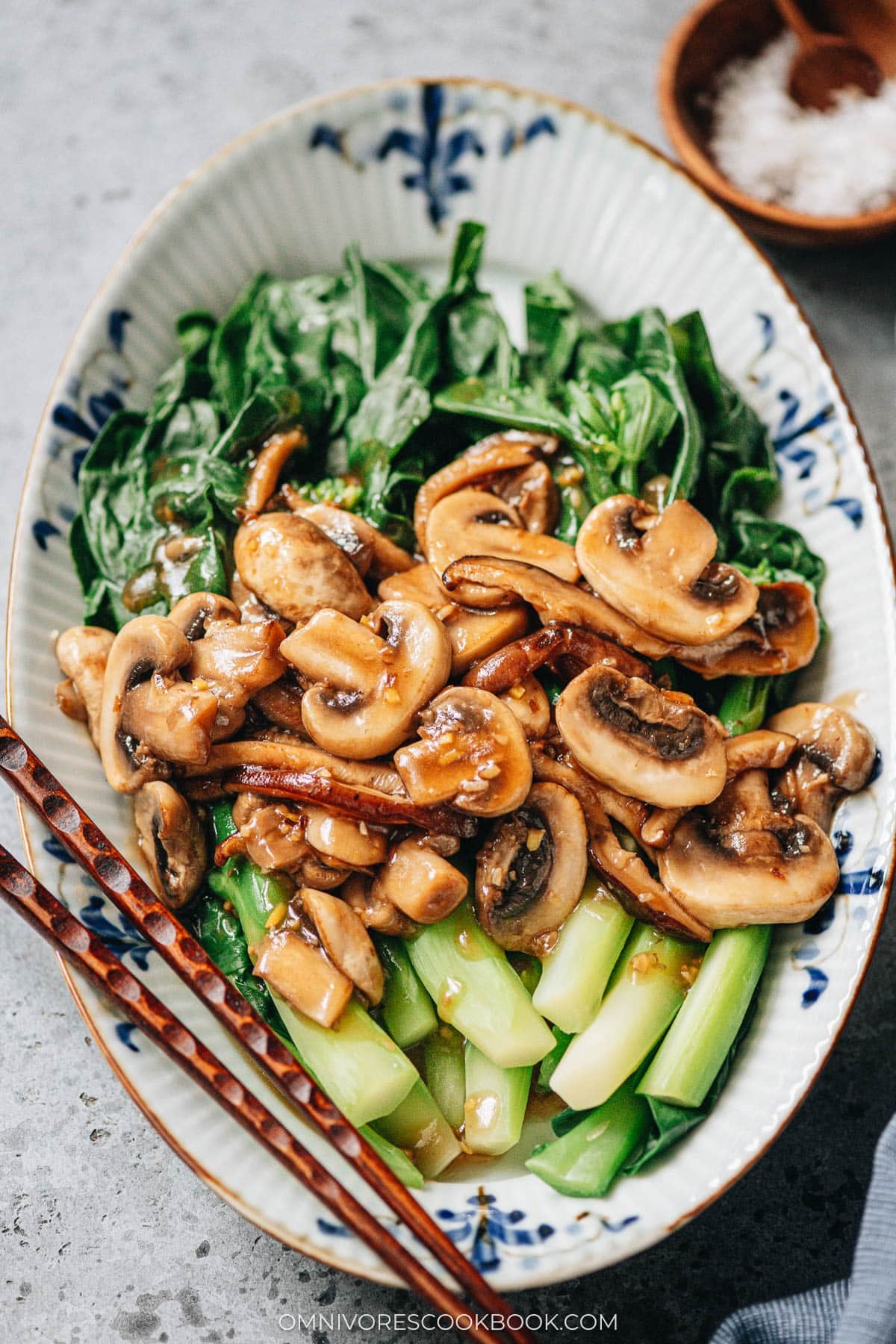
Mushrooms: A Duet of Earthiness and Mildness: The recipe champions a dual mushroom approach. A small quantity of dried shiitake mushrooms is essential for imparting an authentic, earthy Cantonese mushroom flavor. However, to temper the intensity of shiitake and create a more balanced profile, fresh white mushrooms are introduced and sliced. This combination ensures that the mushroom element enhances the Gai Lan without overwhelming its subtle sweetness. Dried shiitake, known for their deep, umami-rich taste, are often used in Chinese cooking to add a profound depth of flavor. Their intense character, while desirable, can sometimes be too dominant for delicate vegetables. The inclusion of fresh white mushrooms, with their milder flavor and tender texture, serves to soften the overall profile, allowing the shiitake’s unique notes to shine through without becoming overpowering.
-
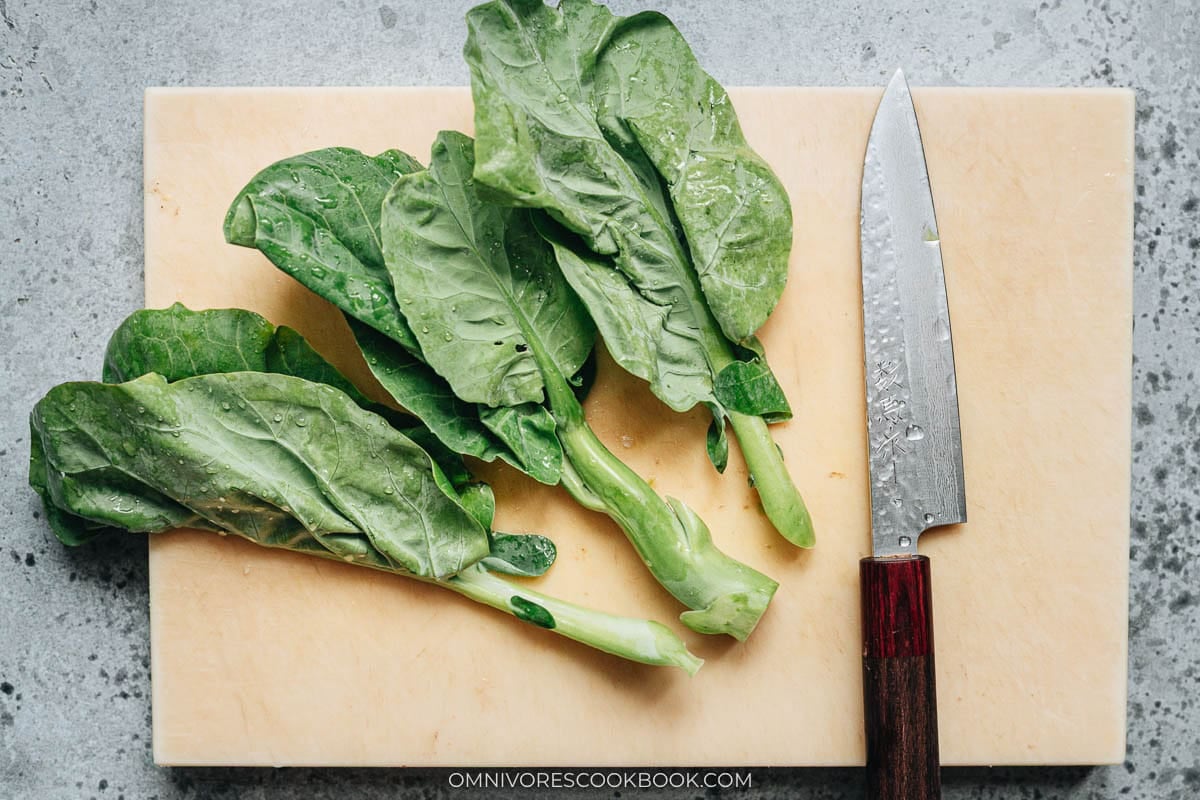
Gai Lan: The Star Green: The choice of Gai Lan, or Chinese broccoli, is paramount. Selecting a bunch with firm stems and unblemished, deep blue-green leaves is key. Thicker stalks are often preferred as they yield a more substantial, tender core after peeling, offering a pleasingly crisp and sweet bite. The visual cues of freshness – rigidity in the stems and vibrant color in the leaves – are indicators of quality and optimal flavor.
-
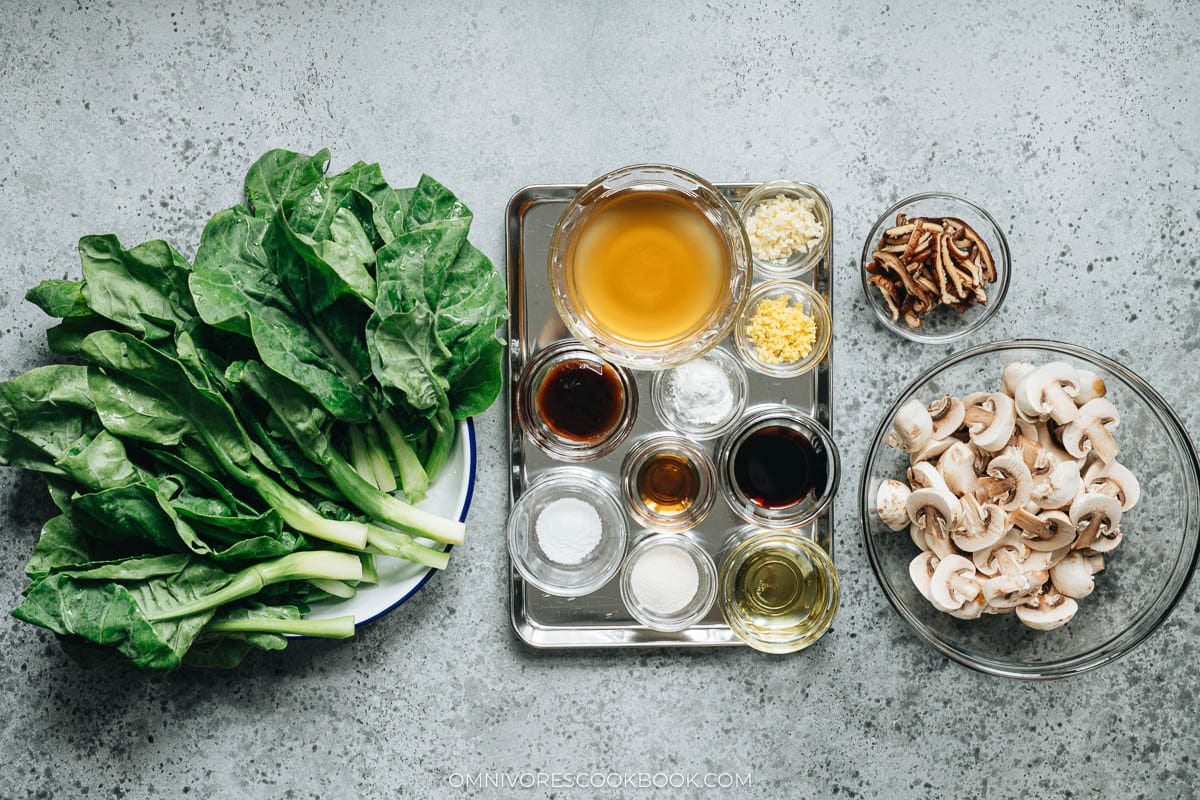
The Savory Glaze: A Foundation of Taste: The sauce, a critical component, is a well-balanced emulsion designed to coat the vegetables and mushrooms in a savory embrace. It is typically composed of:
- Chicken Stock: Provides a savory liquid base, contributing a subtle richness.
- Light Soy Sauce: Imparts salinity and a foundational umami flavor, characteristic of many Chinese stir-fries.
- Oyster Sauce: A quintessential ingredient in Cantonese cooking, oyster sauce adds a unique sweetness, depth, and a glossy sheen to the sauce.
- Sugar: A small amount of sugar is often used to balance the saltiness of the soy sauce and the richness of the oyster sauce, rounding out the flavor profile.
- Cornstarch: Acts as a thickening agent, transforming the liquid mixture into a luscious glaze that adheres beautifully to the ingredients.
-
Aromatics and Finishing Touches:
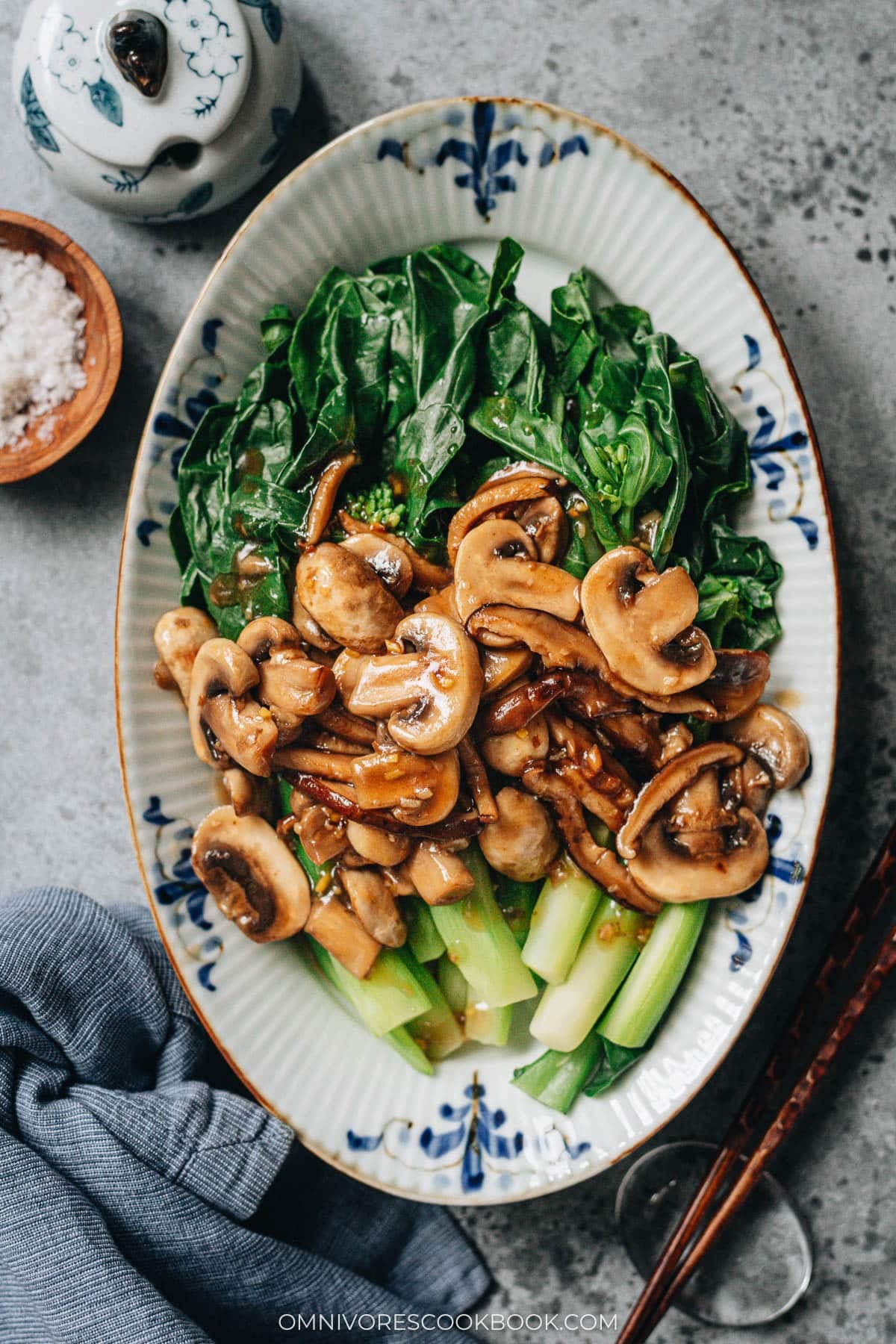
- Garlic and Ginger: Finely minced garlic and ginger form the aromatic foundation of the stir-fry, releasing their pungent and warming fragrances when heated.
- Neutral Vegetable Oil: A high-heat neutral oil, such as vegetable or canola oil, is used for stir-frying, ensuring even cooking and preventing the ingredients from sticking.
- Toasted Sesame Oil: A final drizzle of toasted sesame oil adds a distinct nutty aroma and a touch of toasted flavor, elevating the dish just before serving.
The Art of Preparation: A Step-by-Step Culinary Journey
The creation of this enhanced Chinese Broccoli with Mushrooms dish is a process that prioritizes technique to achieve optimal texture and flavor.
-
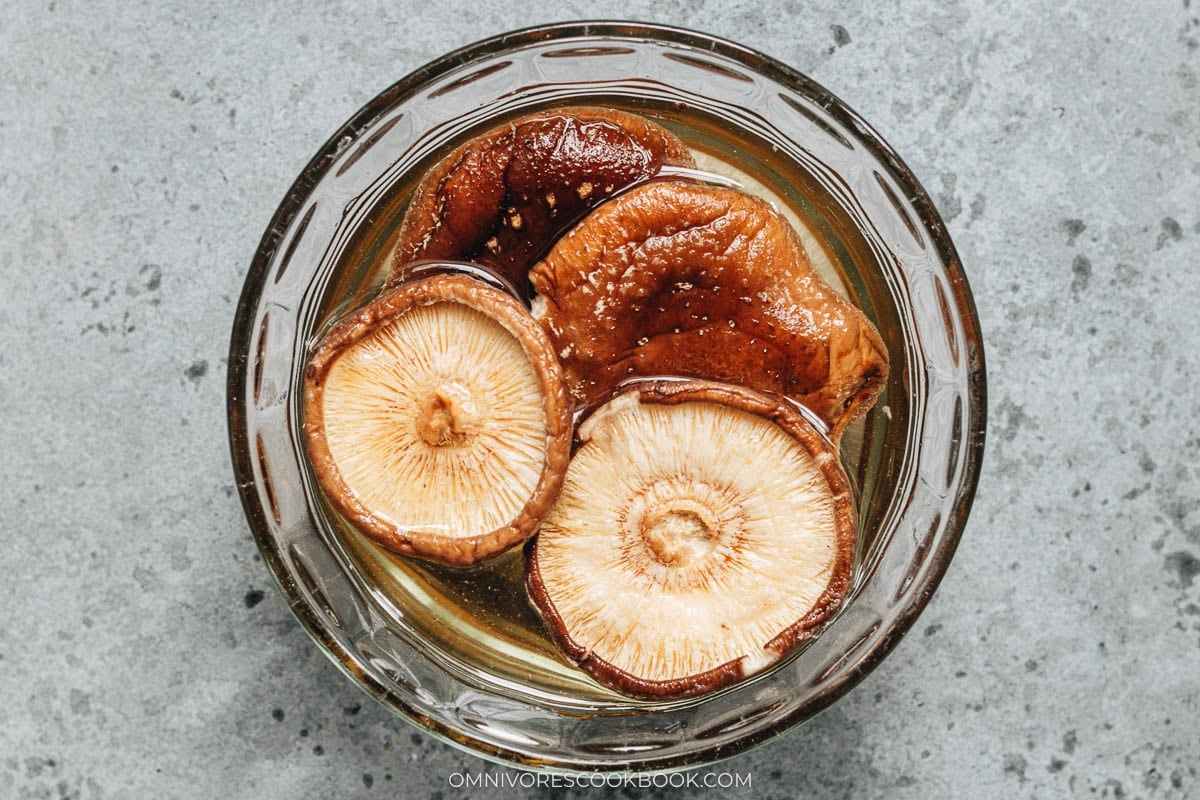
Rehydrating the Shiitake: The process begins by placing dried shiitake mushrooms in a bowl and covering them with warm water. They are left to soak until they become tender, typically around 15 minutes. Once rehydrated, the excess water is squeezed out, the tough stems are removed and discarded, and the caps are sliced into thin strips. The soaking liquid, rich with mushroom essence, is often reserved for future use in soups or braises, showcasing a commitment to minimizing waste and maximizing flavor extraction.
-
Preparing the Gai Lan: The Gai Lan is first rinsed in cold tap water for a few minutes and then thoroughly drained. This initial rinse helps to remove any dirt or grit. Large outer leaves may be removed to facilitate easier handling and peeling of the stems.
-
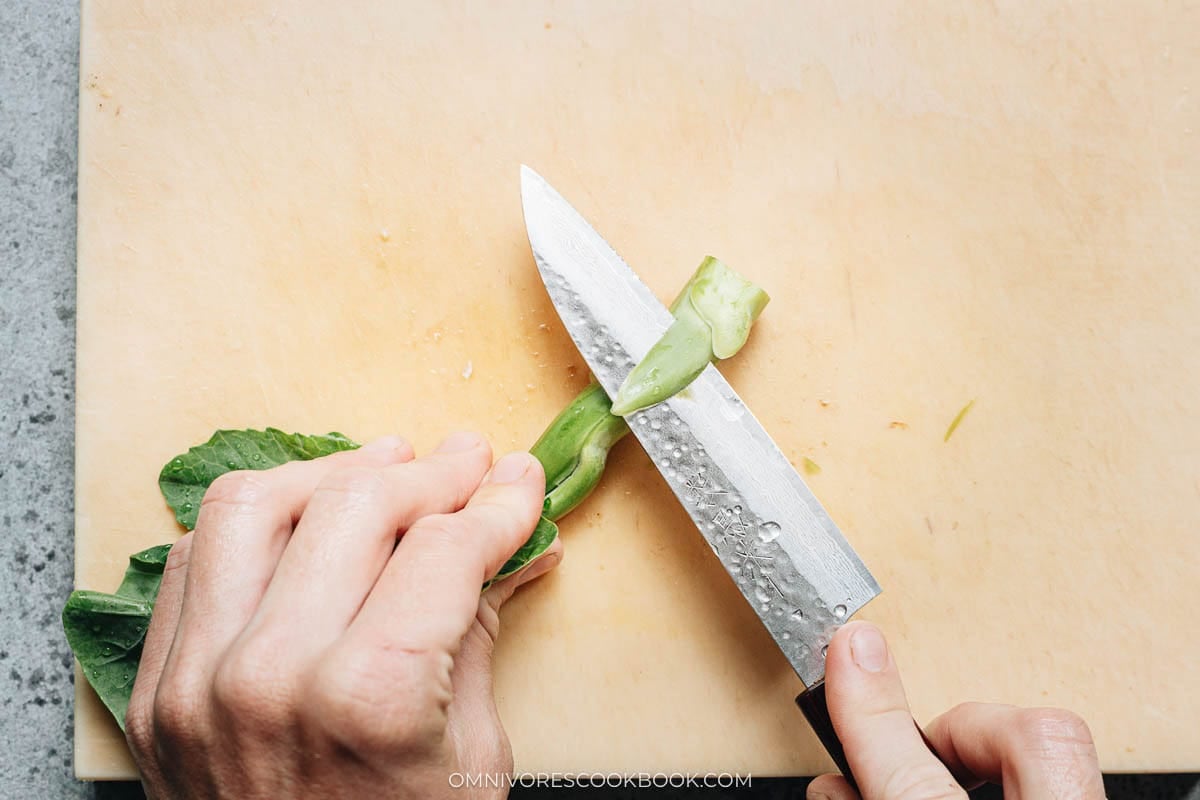
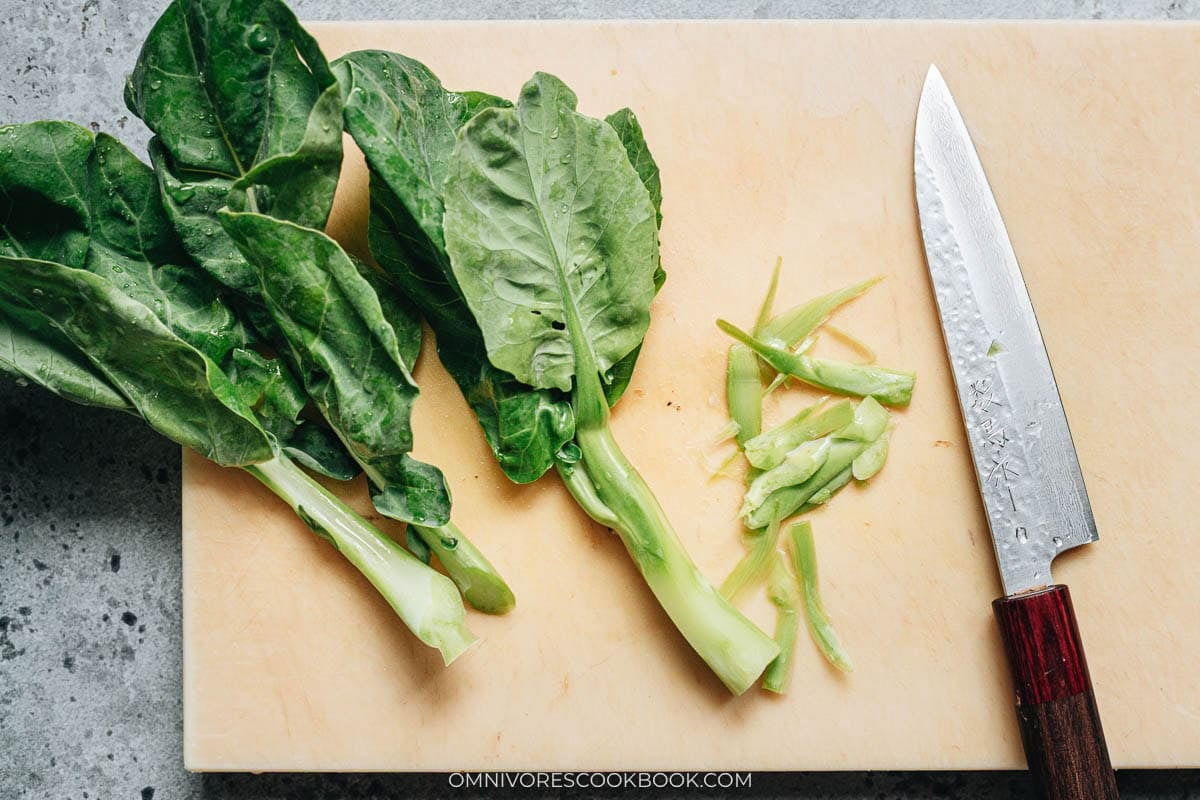
The Crucial Stem Peel: The thick stems of the Gai Lan are then carefully peeled using a paring knife. The goal is to remove the tough, fibrous outer skin, typically extending at least two inches up from the bottom of the stem. A vegetable peeler can also be used, but it may require multiple passes to strip away all the tough layers. The appearance of the pale, white core beneath the green skin indicates that the fibrous layer has been successfully removed. Any remaining green, tough portions will result in an undesirable texture after cooking. This step is vital for ensuring that the stems are tender and enjoyable to eat.
-
Crafting the Sauce: While the shiitake rehydrate and the Gai Lan is prepared, the sauce ingredients are combined. Chicken stock, light soy sauce, oyster sauce, sugar, and cornstarch are whisked together in a small bowl until the cornstarch is fully dissolved. This mixture is kept close at hand, ready to be added to the wok in a single, swift motion.
-
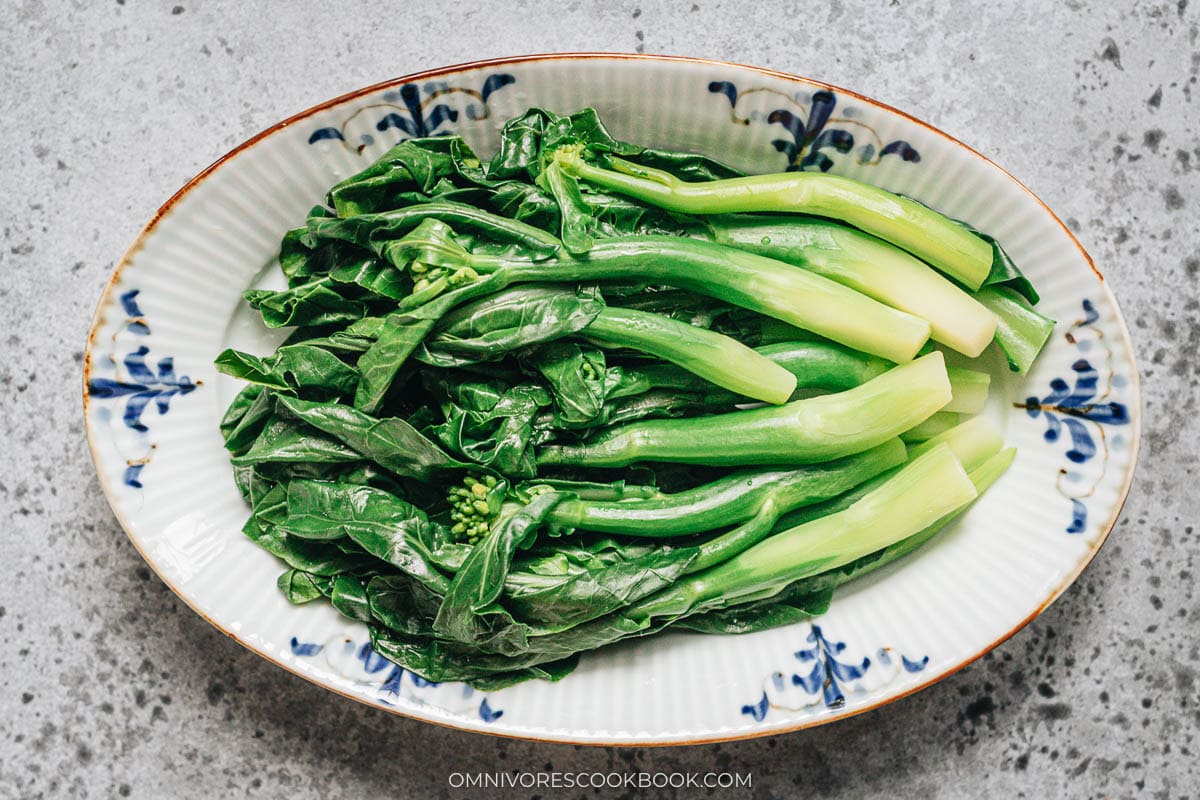
Blanching for Perfection: A large pot of water is brought to a rolling boil, and a teaspoon of salt is added. The prepared Gai Lan is then added to the boiling water and blanched for 2 to 3 minutes, or until the stems are just tender but still retain a crisp bite. The exact blanching time will depend on the thickness of the stems. After blanching, the Gai Lan is drained, lightly dried, and arranged on a serving platter. Blanching in salted water seasons the greens from within, preventing them from tasting bland when served with the sauce.
-
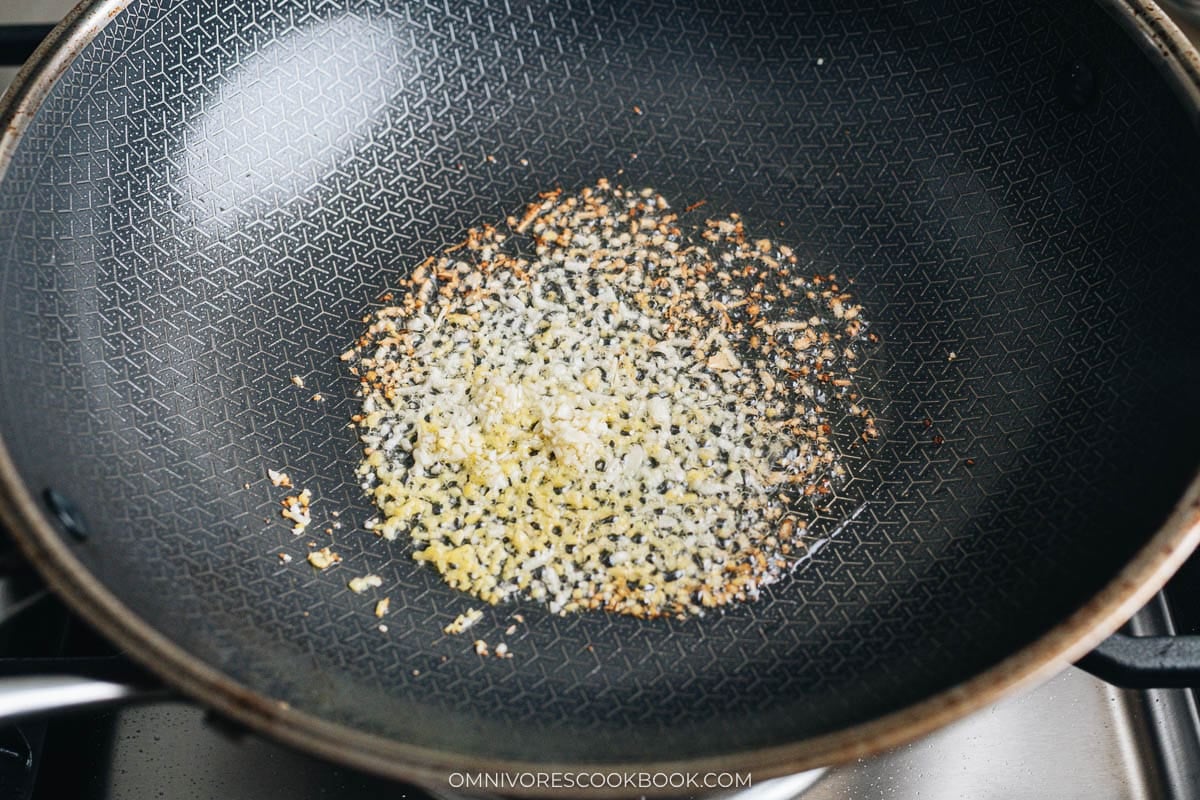
Aromatic Infusion: A wok or large skillet is heated over medium-high heat until shimmering. A neutral vegetable oil is added, followed by the minced garlic and ginger. These aromatics are stir-fried for a few moments until fragrant, taking care to prevent the garlic from browning, which can impart a bitter taste.
-
Sautéing the Mushrooms: The sliced shiitake and fresh white mushrooms are then added to the wok. They are stir-fried for approximately two minutes, or until their edges turn golden and the pan emits a nutty aroma. This process develops their flavor and texture.
-
The Glossy Glaze: The sauce mixture is stirred once more to ensure the cornstarch hasn’t settled. It is then poured into the wok with the mushrooms. The sauce is stirred continuously until it thickens into a glossy glaze that evenly coats the mushrooms.
-
Plating and Finishing: The blanched Gai Lan is arranged on a serving platter. The mushroom and sauce mixture is then generously poured over the greens. A final drizzle of toasted sesame oil is added for aroma and flavor. The dish is served hot as a complementary side.
Culinary Insights and Expert Tips
Achieving the perfect Chinese Broccoli with Mushrooms involves a few key considerations that elevate the dish from good to exceptional.
-
Maximizing Shiitake Flavor: The soaking liquid from the dried shiitake mushrooms is a treasure trove of umami. Straining and storing this liquid in the refrigerator allows it to be used as a flavorful base for future Chinese soups, braises, or stir-fries, adding depth and complexity to a variety of dishes.
-
The Importance of Salted Blanching Water: Blanching vegetables in plain water can result in a bland final product. Adding a teaspoon of salt to the blanching water seasons the Gai Lan from the inside out, ensuring each bite is flavorful. This pre-seasoning is crucial, as the sauce alone may not fully compensate for unseasoned greens.
-
Avoiding Crowded Mushrooms: When stir-frying fresh white mushrooms, it’s essential not to overcrowd the pan. Mushrooms release a significant amount of water during cooking. If they are piled on top of each other, they will steam rather than brown, leading to a less desirable texture and flavor. Spreading them evenly across the surface of the wok and allowing them to sit for a minute before stirring promotes proper browning and develops a richer, nuttier taste.
-
Ensuring a Non-Watery Sauce: To prevent the sauce from becoming diluted, it’s important to plate the blanched Gai Lan while it is relatively dry. Allowing the blanched greens to drain in a colander for a minute and then blotting the serving platter with a paper towel before arranging the greens ensures that the sauce pools and coats the vegetables effectively, rather than watering down.
Serving Suggestions: Integrating into a Cantonese Feast
Chinese Broccoli with Mushrooms is a versatile side dish that seamlessly integrates into a traditional Cantonese meal. Its vibrant color and savory flavor make it an ideal accompaniment to a variety of main courses.
-
Weeknight Harmony: On busy weeknights, this dish pairs beautifully with steamed fish with black bean sauce or a comforting claypot rice. The rich mushroom sauce can also double as a delicious condiment for steamed rice, adding an extra layer of flavor once the greens have been consumed.
-
Elevated Dining: For more elaborate gatherings with friends, consider serving it alongside classic Cantonese dishes such as Char Siu (Chinese barbecue pork) and Cantonese Wonton Noodle Soup. The Gai Lan and mushrooms provide a refreshing and balanced vegetable component to a richer spread.
-
Culinary Exploration: The Omnivore’s Cookbook website offers a wealth of additional Cantonese recipes, providing ample inspiration for creating a complete and authentic dining experience.
Frequently Asked Questions: Addressing Common Culinary Inquiries
How do I know when the Gai Lan stems are cooked through?
The tenderness of the Gai Lan stems can be assessed by inserting the tip of a paring knife into the thickest stem. It should slide in with slight resistance and be easily removed. This indicates that the core is tender while the stalk still maintains a crisp texture. Tasting a piece of the stem is also a reliable method to determine doneness according to personal preference. Overcooked stems will yield to the knife with no resistance and may appear soft.
Can I skip the blanching step and stir-fry the Gai Lan directly?
It is not recommended to skip the blanching step. The dense stems of Gai Lan require more time to cook than the delicate leaves. Blanching in salted water ensures the stems become tender before the leaves overcook in the wok. Attempting to stir-fry raw Gai Lan often results in fibrous stems and overcooked, limp leaves.
Can I use broccolini instead of Chinese broccoli?
Yes, broccolini is a suitable substitute. Its flavor is milder and slightly sweeter than Gai Lan, but it cooks similarly and works well in this recipe. If using regular broccoli, the florets should be blanched until crisp-tender before being incorporated with the sauce.
Can I make this recipe vegetarian or vegan?
This recipe can be adapted for vegetarian and vegan diets. Substitute vegetarian oyster sauce (often mushroom-based) for the regular oyster sauce and use vegetable stock instead of chicken stock. While the flavor profile will vary slightly, the dish will remain rich and savory.
A Culinary Legacy: The Enduring Appeal of Gai Lan
The enduring popularity of Chinese broccoli with mushrooms lies in its ability to bridge the gap between traditional home cooking and sophisticated culinary presentation. The careful refinement of this dish reflects a broader trend in contemporary Chinese cuisine, where age-old techniques are revisited and enhanced with thoughtful ingredient pairings and meticulous preparation. The resulting dish is not merely a side; it is a testament to the nuanced flavors and textures that define Cantonese culinary artistry, offering a satisfying and wholesome addition to any meal. The integration of both dried and fresh mushrooms, alongside the precise handling of Gai Lan’s distinctive stems, showcases a deep understanding of ingredient synergy and cooking methodology, ensuring this classic dish continues to delight palates for generations to come.