Air Fryer Coconut Shrimp Delivers Restaurant-Quality Crunch Without the Deep-Fryer Mess

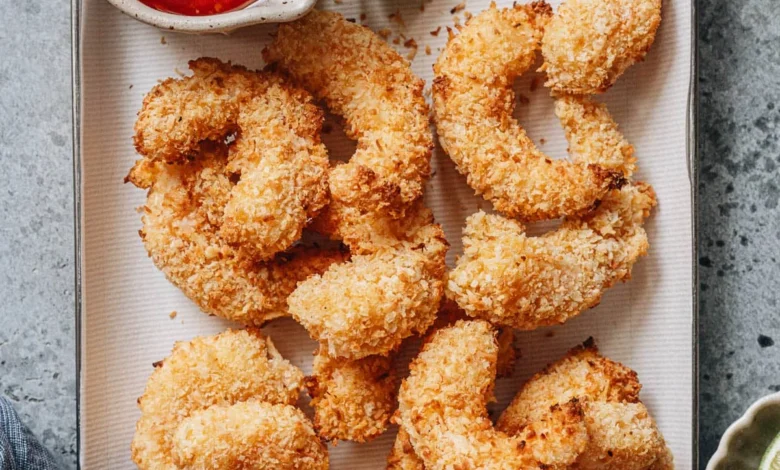
The culinary landscape of home cooking has undergone a quiet revolution over the past decade, driven largely by the mainstream adoption of countertop air fryers. Among the myriad dishes successfully adapted to this convection technology, coconut shrimp—a staple appetizer of American casual dining and tropical-inspired menus—has emerged as a prominent favorite. By eliminating the necessity for deep immersion in boiling oil, home cooks can now replicate the sought-after contrast of a crisp, golden crust and succulent interior with significantly lower fat content and drastically reduced kitchen cleanup.
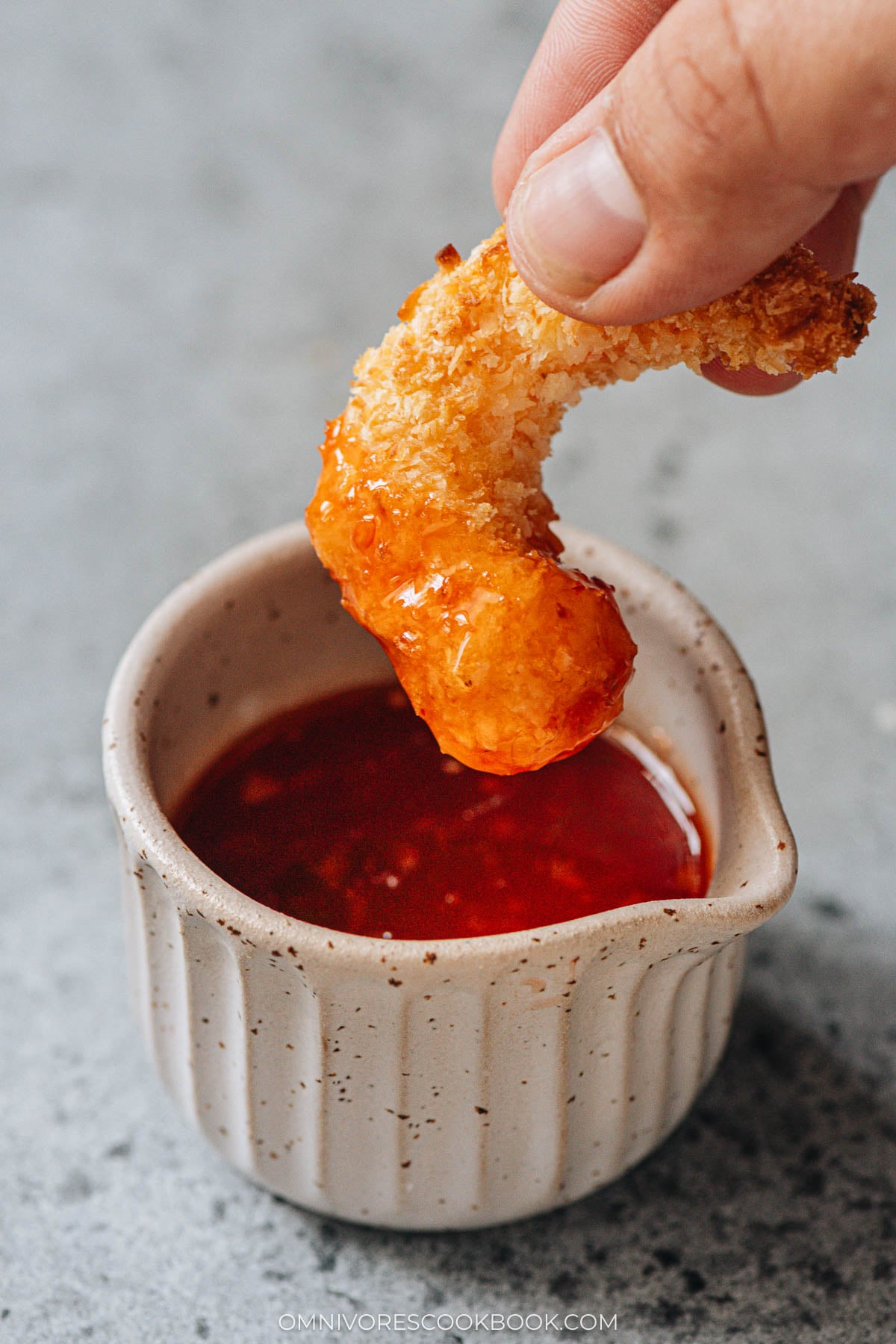
Culinary developers and food historians note that coconut shrimp itself is a hybrid creation, rarely found in traditional coastal villages of Asia, but rather popularized globally through American fusion restaurants and Polynesian-themed eateries established during the mid-20th century. While its flavor profile borrows heavily from Southeast Asian condiments—such as sweet chili, lime, and fish sauce—its preparation aligns with traditional Western breading techniques. However, successfully translating this dish from a commercial deep fryer to a residential air fryer has historically presented distinct technical hurdles, prompting a re-evaluation of standard breading methodology.
The Technical Challenge of Air-Frying Coconut
Achieving an optimal crust on coconut shrimp outside of a commercial deep fryer involves overcoming several chemical and physical variables. Coconut meat is naturally high in moisture and plant fats, causing it to brown rapidly under intense heat. When exposed to dry convection currents without proper pre-treatment, raw coconut tends to burn before the underlying crust can set or the interior shrimp can thoroughly cook. Furthermore, shrimp possess a naturally smooth, damp exterior protein surface, which traditionally causes standard breading layers—such as flour, egg, and fine breadcrumbs—to slide off during cooking.
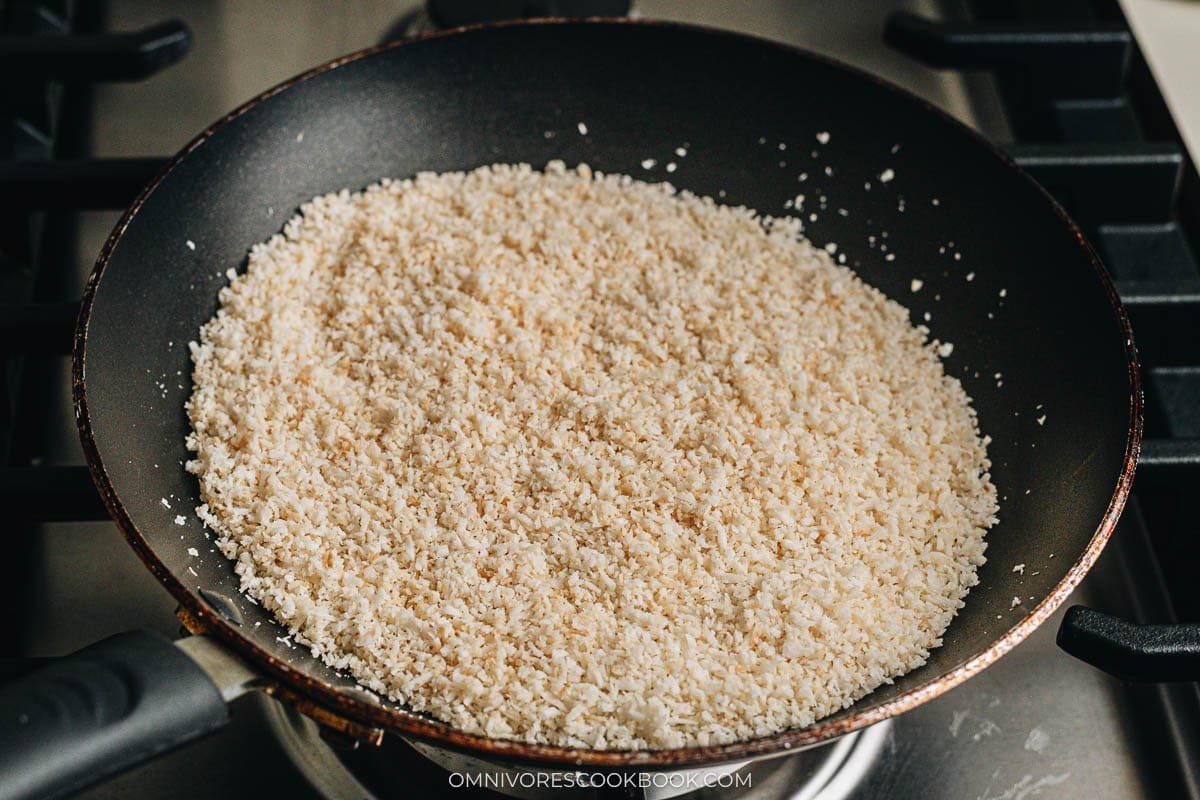
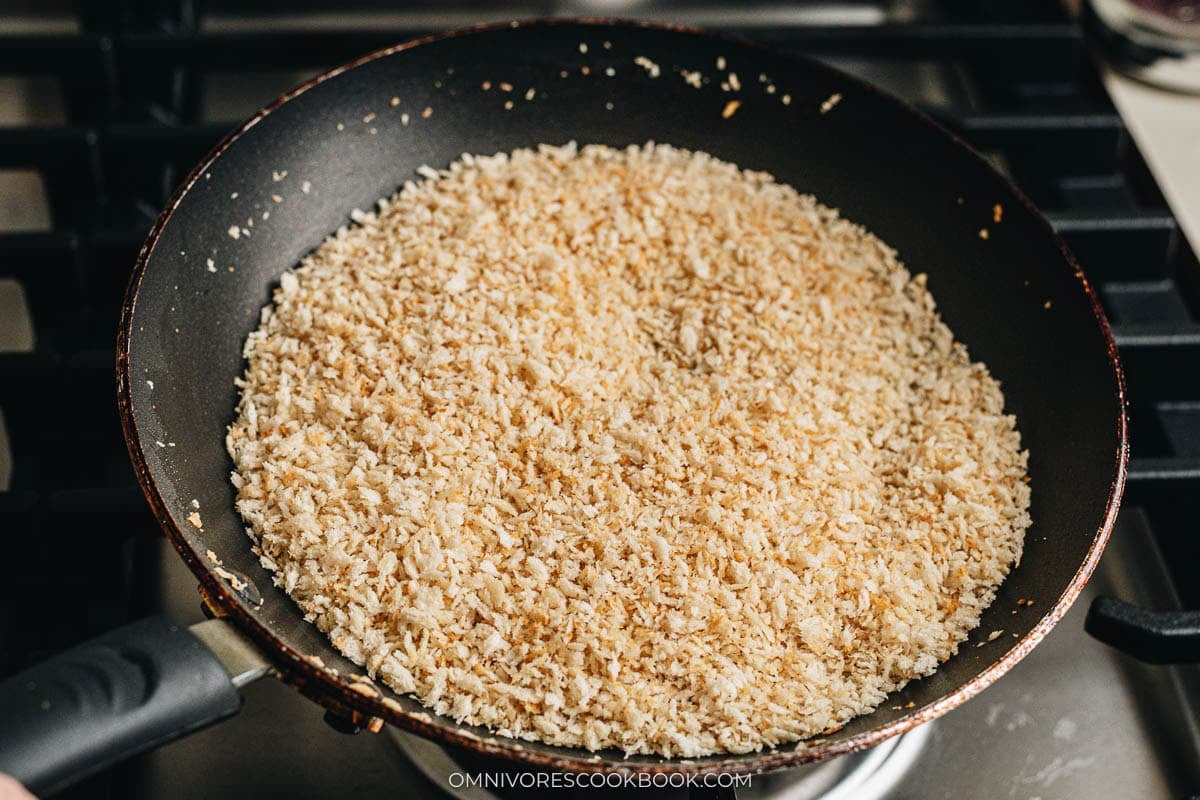
To solve these culinary obstacles, recipe developers have refined a multi-step preparation process. Rather than applying raw coconut directly to the protein, pre-toasting both the shredded coconut and Japanese-style panko breadcrumbs in a dry pan draws out excess moisture and initiates the browning process. This technique ensures that the final coating achieves a deep, uniform golden color and maximum crunch during the brief cooking cycle required for delicate seafood.
Step-by-Step Methodology for Home Preparation
The creation of restaurant-quality air fryer coconut shrimp relies on precise structural layering and temperature control. Below is the standardized protocol utilized by culinary professionals to ensure structural integrity and flavor development.
Ingredient Procurement and Preparation
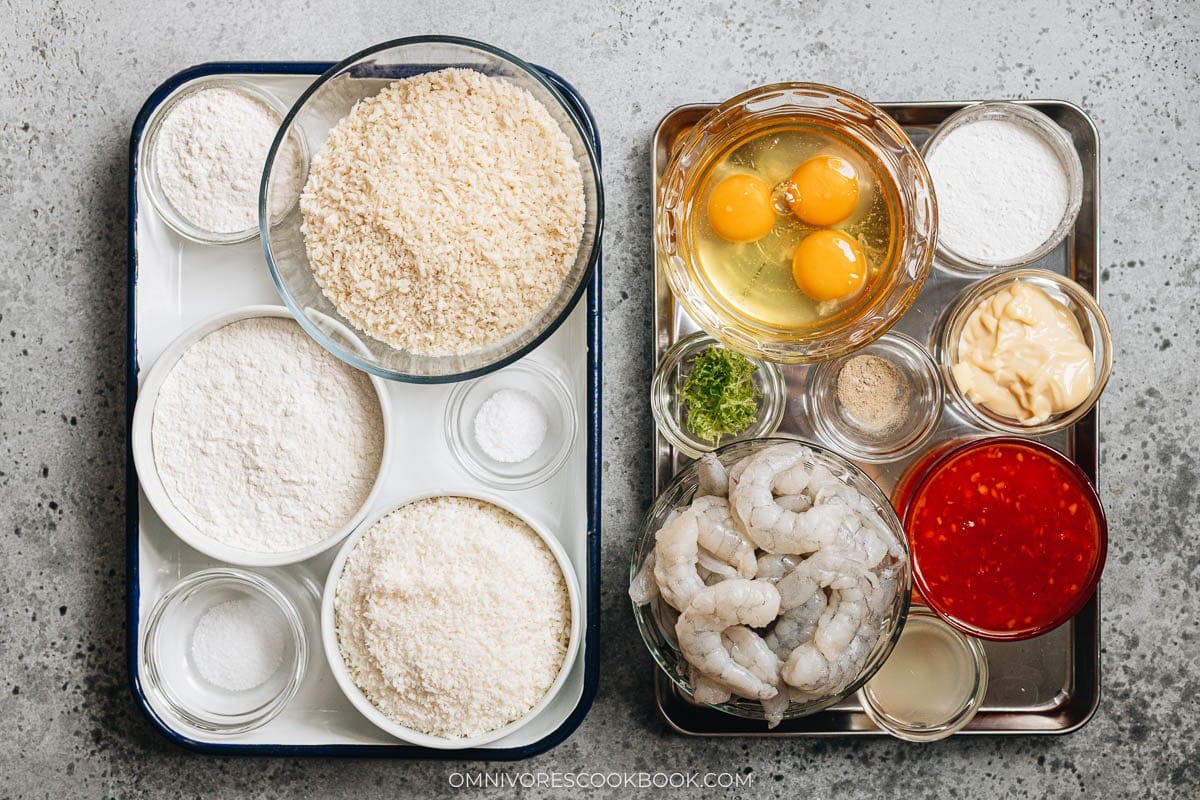
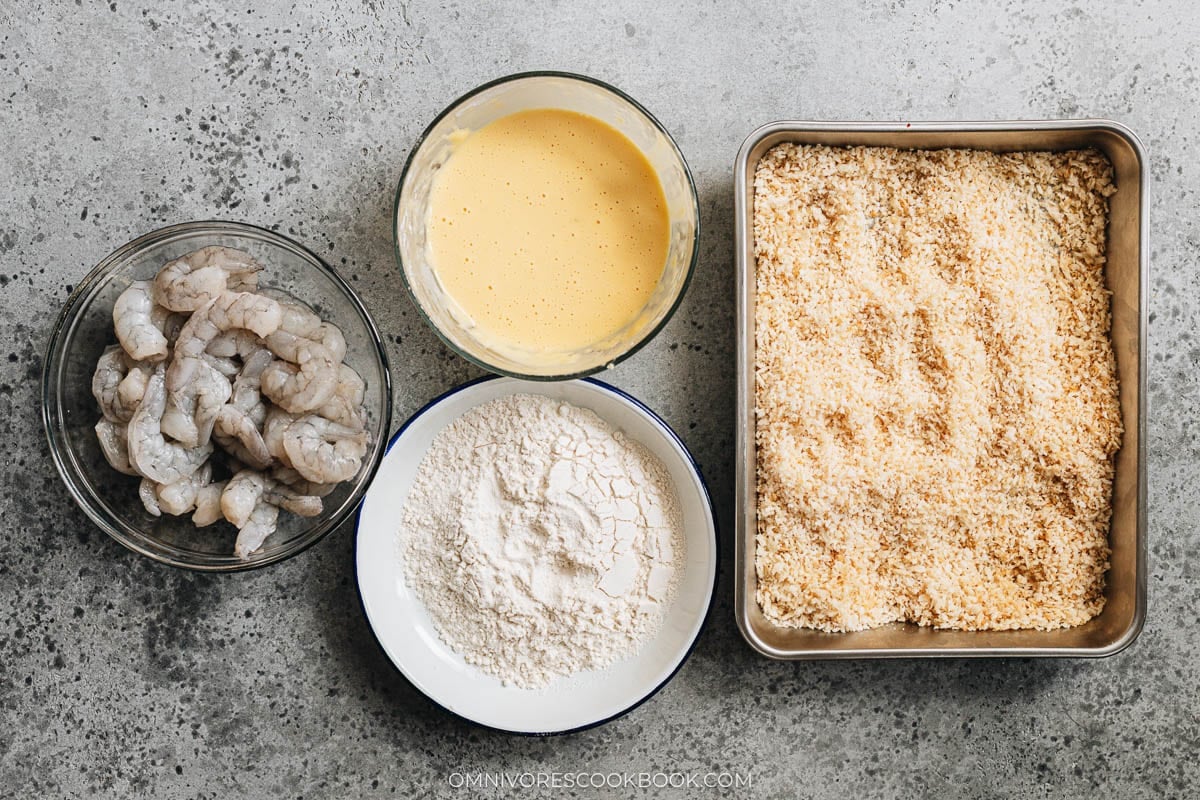
- Shrimp: Medium-sized shrimp, thoroughly peeled and deveined, serve as the optimal base. Patting the seafood completely dry with paper towels is a critical preliminary step, ensuring that the initial flour dredge adheres effectively.
- Seasoning: A foundational seasoning of kosher salt and finely ground white pepper provides subtle baseline flavor without overpowering the tropical profile of the coconut.
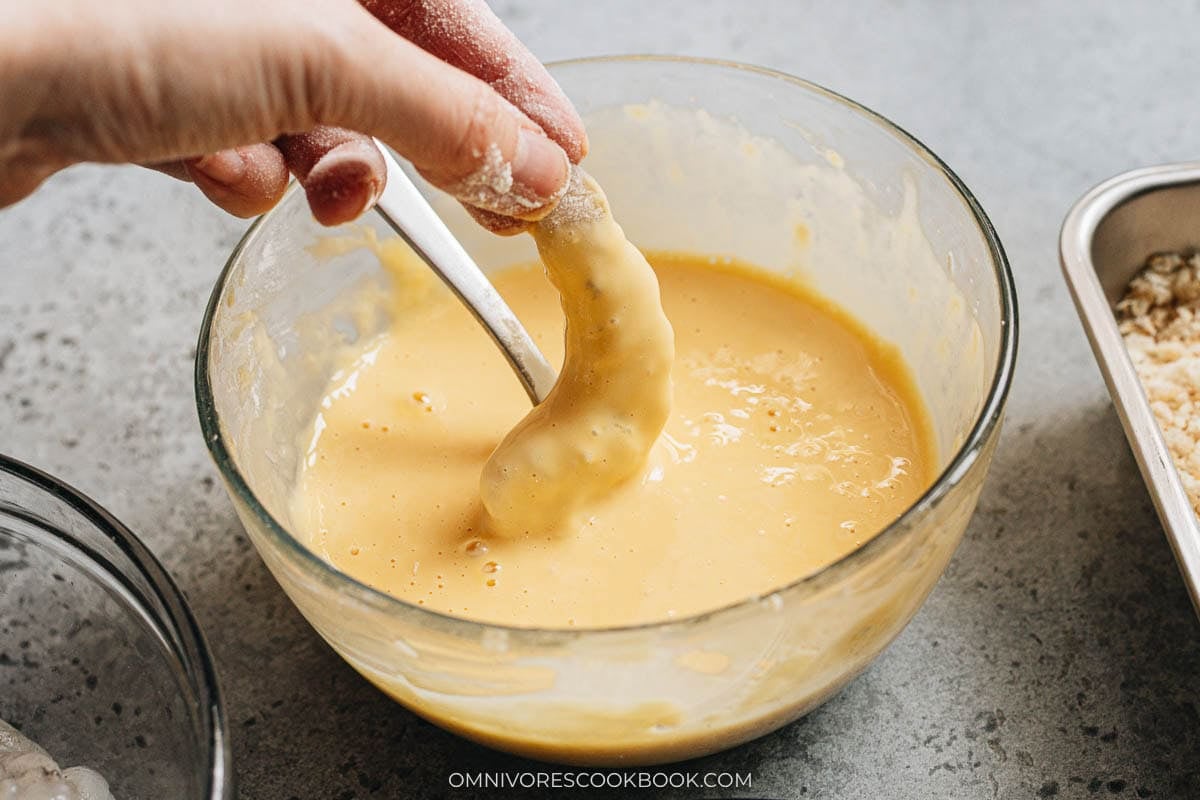
- The Sticky Binder: A dense, tacky batter composed of whole eggs, mayonnaise, flour, and cornstarch acts as an industrial-grade adhesive, permanently bonding the breading layers to the shrimp surface.
- The Crust Matrix: A balanced ratio of pre-toasted shredded coconut (which provides distinct texture and sweetness) and panko breadcrumbs (which deliver structural crunch) creates a durable outer shell.
- Dipping Accompaniment: A vibrant sauce featuring Thai sweet chili, freshly squeezed lime juice, grated lime zest, and a few drops of fish sauce balances the richness of the fried coating.
Chronological Preparation Workflow
- Moisture Extraction: Season the patted-dry shrimp with salt and white pepper, allowing the salinity to penetrate the muscle tissue while gathering remaining ingredients.
- Coconut Toasting: Place shredded coconut in an unheated pan over medium heat, agitating frequently until the strands transition to a light golden hue. Immediately transfer to a cool plate to halt the cooking process and prevent burning.
- Panko Toasting: In the same pan, distribute panko breadcrumbs and apply a light, direct misting of high-smoke-point cooking oil. Toast over medium heat, stirring constantly until golden brown, then transfer to a separate cooling plate.
- Station Assembly: Establish a standard three-stage breading station: a bowl of plain flour for the initial dry dredge; a bowl containing the whisked egg, mayonnaise, flour, and cornstarch batter; and a bowl housing the cooled coconut-panko mixture combined with a pinch of salt.
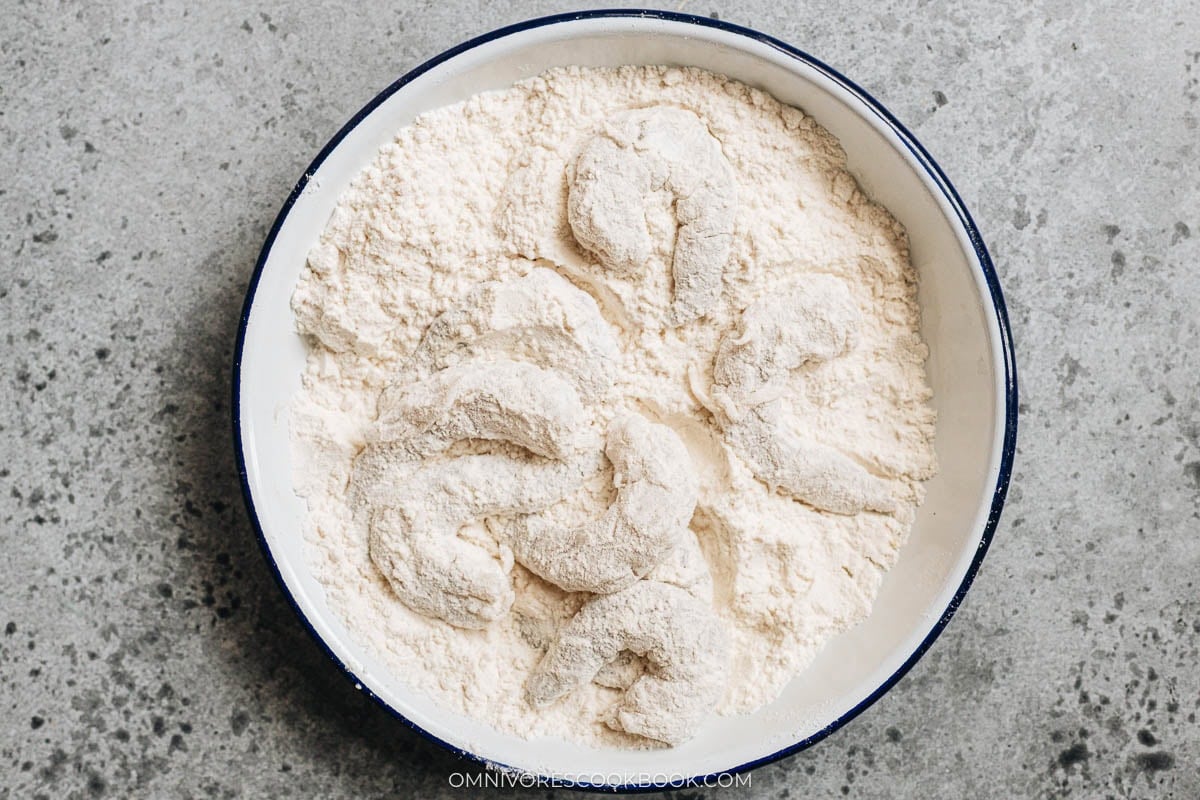
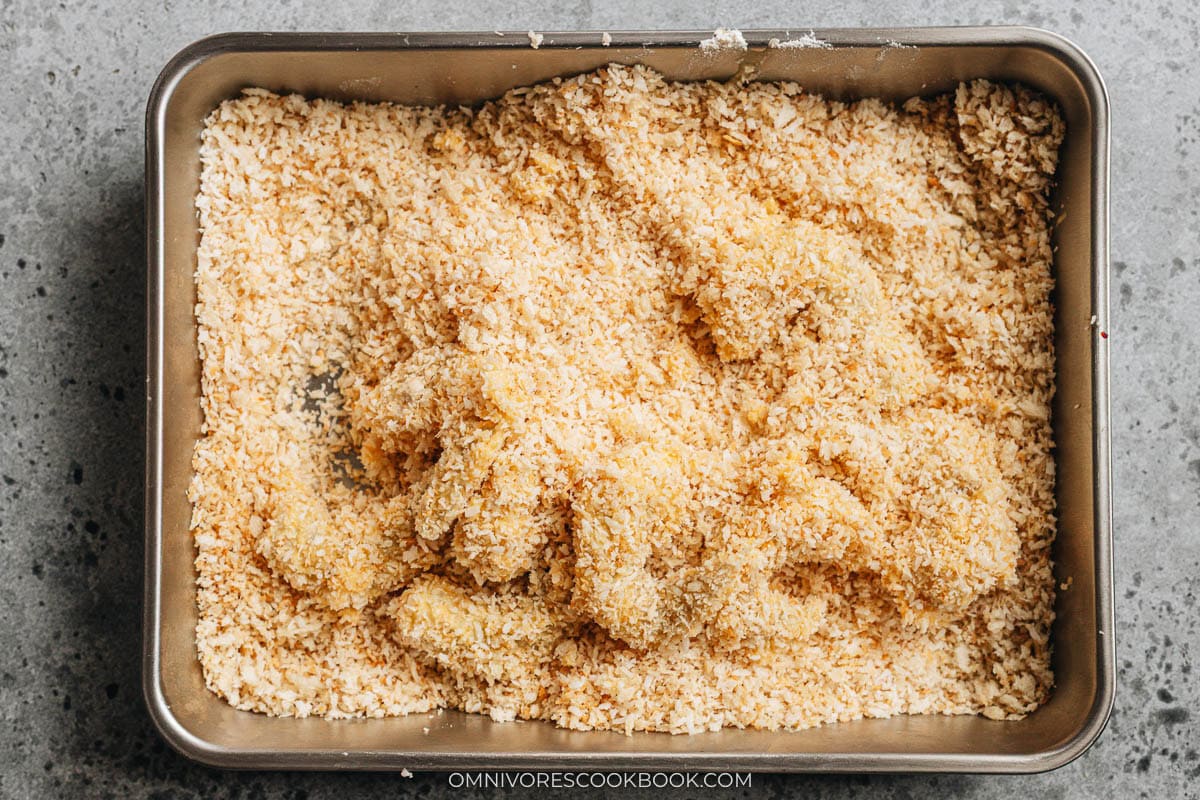
- Breading Protocol: Utilizing a "dry hand, wet hand" technique to prevent clumping, dredge a small batch of shrimp in flour, shake off excess, submerge thoroughly in the adhesive egg batter, and finally press firmly into the coconut-panko blend.
- Resting Phase: Transfer coated shrimp to a baking sheet and allow them to rest undisturbed for 10 minutes. This mandatory resting period allows the binder to hydrate and set the crust, drastically reducing the likelihood of shedding during cooking.
- Thermal Processing: Preheat the air fryer to 380°F (193°C) for five minutes. Lightly coat the basket with oil to prevent sticking. Arrange the shrimp in a single, non-overlapping layer to ensure unobstructed hot air circulation.
- Cooking and Flipping: Apply a generous mist of oil to the exposed tops of the shrimp. Air fry for approximately three minutes, carefully invert each piece, apply a secondary mist of oil, and continue cooking for an additional three to four minutes until the shrimp are opaque and fully cooked.
Nutritional Profile and Dietary Considerations
For health-conscious consumers, transitioning from traditional immersion frying to air-frying yields notable nutritional adjustments. According to standardized dietary analysis, a typical serving of air fryer coconut shrimp—incorporating the accompanying sweet chili lime sauce—contains approximately 620 kilocalories, 34 grams of protein, 67 grams of carbohydrates, and 24 grams of total fat, of which 12 grams are saturated fat derived primarily from the coconut meat and mayonnaise binder.
While the dish remains relatively high in sodium (averaging 1,881 milligrams per serving, driven largely by commercial condiments and seasoning), the total lipid content is substantially lower than deep-fried equivalents, which absorb significant quantities of cooking oil throughout the frying process.
Broader Economic and Culinary Implications
The widespread adoption of air fryers has measurably impacted how urban and suburban households consume restaurant-style comfort foods. By lowering the barrier to entry for complex frying techniques—which previously required hazardous quantities of hot oil, specialized ventilation, and intensive post-cooking waste disposal—appliances of this nature have driven an increase in scratch-cooking for traditionally outsourced menu items.
Culinary analysts observe that the trend reflects a broader consumer demand for elevated home dining experiences that balance convenience with gourmet execution. As home cooks continue to experiment with cross-cultural flavor pairings, recipes that successfully bridge the gap between casual American appetizers and Southeast Asian flavor profiles will likely remain prominent fixtures in contemporary domestic recipe curation.