Mastering San Choy Bow: The Rise of Cantonese Pork Lettuce Wraps in Modern Culinary Culture


Originating as an intricate banquet-style delicacy in traditional Cantonese cuisine, San Choy Bow has successfully transitioned into a globally recognized staple of contemporary dining. Characterized by its finely minced, tender pork filling, contrasting crunchy textures from water chestnuts, and fresh lettuce cradles, this dish bridges the gap between historical heritage and modern culinary adaptation. As home cooks and commercial establishments alike embrace interactive, lighter dining formats, San Choy Bow serves as a prime example of how regional Chinese gastronomy continues to influence international palates.
Historical Evolution and Cultural Migration
The roots of San Choy Bow trace back centuries within the Cantonese culinary tradition, where it historically appeared as a refined course during elaborate multi-course banquets. Unlike everyday homestyle dishes, banquet preparations emphasized precision knife skills, delicate balancing of flavors, and premium ingredients.
During the late 20th century, as Cantonese culinary influence expanded globally through diaspora communities, traditional dishes underwent subtle adaptations to fit Western dining preferences. The introduction of San Choy Bow to Western Chinese restaurants marked a pivotal shift, repositioning it from a formal banquet centerpiece to an engaging, accessible appetizer. Culinary historians note that this transition capitalized on a growing consumer appetite for interactive dining experiences—dishes where guests assemble their own food at the table. Furthermore, the use of fresh lettuce leaves as a low-carbohydrate alternative to traditional wheat or rice wrappers predated the modern global wellness movement, positioning the dish uniquely ahead of its time.
Anatomical Breakdown of Flavors and Textures

Achieving the authentic flavor profile of San Choy Bow relies on a precise synergy of savory, sweet, and aromatic components. Culinary experts emphasize that the foundation rests on the preparation of the brown sauce, typically combining oyster sauce, Shaoxing rice wine, hoisin sauce, and balanced variations of light and dark soy sauces. This mixture provides the umami backbone without overpowering the delicate protein.
Protein selection is equally critical. Traditionally utilizing finely ground pork for its natural moisture retention and capacity to absorb aromatics, the recipe also accommodates leaner alternatives such as ground chicken or turkey. However, culinary testing indicates that leaner poultry requires careful adjustment of cooking fats to prevent dryness.
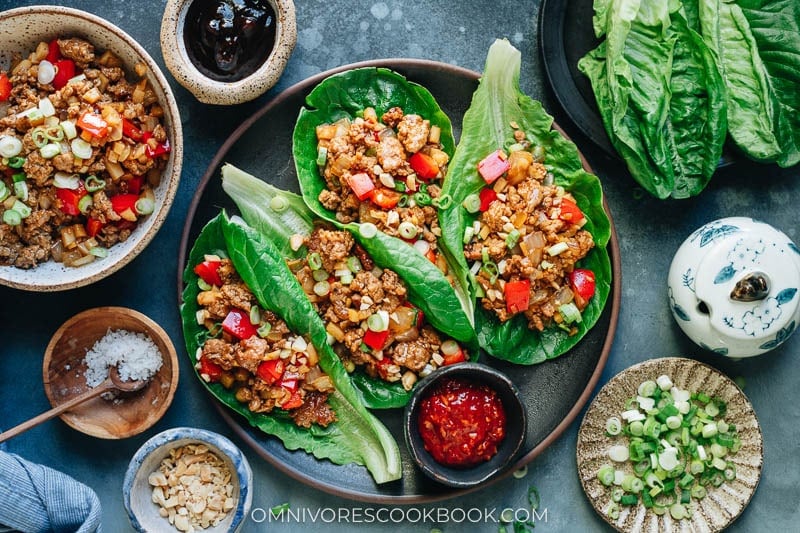
The textural contrast—widely regarded by chefs as the hallmark of a successful San Choy Bow—is achieved through the incorporation of diced water chestnuts and red bell peppers. Water chestnuts, prized for their ability to retain crispness even after high-heat cooking, provide the quintessential snap. Canned bamboo shoots frequently serve as an effective substitute when fresh water chestnuts are unavailable. Finally, the dish is framed by sturdy lettuce varieties, predominantly iceberg, butterhead, or romaine, which offer a cool, crisp structural vessel for the warm, highly seasoned filling.

Chronological Preparation and Kitchen Methodology
The execution of San Choy Bow demands rapid, high-heat cooking techniques typical of Cantonese stir-frying, commonly referred to as "wok hei" principles adapted for standard domestic cookware. Culinary professionals recommend a strict chronological workflow to ensure optimal results within a rapid 25-minute preparation window:
- Sauce Preparation: All liquid seasoning elements are combined in a single vessel prior to heat application, ensuring instantaneous and uniform incorporation during the cooking phase.
- Protein Searing: Ground pork is introduced to a preheated skillet over medium-high heat with minimal oil. To achieve optimal Maillard browning—which imparts deep, savory notes—the meat remains undisturbed for the initial two to three minutes before being broken down into smaller granules.
- Aromatic Infusion: Finely minced onion, garlic, and ginger are introduced adjacent to the protein, allowing them to release their essential oils directly into the rendered pork fats before final integration.
- Vegetable Integration: Water chestnuts and red peppers are folded in near the conclusion of the cooking process. This brief exposure to heat softens the raw edge while preserving the essential structural crunch.
- Assembly: The mixture is allowed to rest briefly off the heat to prevent premature wilting of the lettuce leaves, after which it is portioned alongside garnishes such as roasted peanuts, sliced scallions, and chili garlic condiments.
Nutritional Profile and Dietary Adaptability

Dietary analysis of standard San Choy Bow preparations indicates a favorable nutritional balance, aligning with contemporary consumer demands for protein-dense, moderate-calorie meals. A typical single-serving portion yields approximately 232 kilocalories, containing roughly 22.7 grams of protein, 14.5 grams of carbohydrates, and 9.4 grams of total fat.
Nutritionists note that the dish’s inherent adaptability allows it to easily conform to various dietary restrictions. By substituting the ground pork with plant-based proteins, such as crumbled firm tofu or textured vegetable protein, kitchens can replicate the exact flavor and textural profile for vegetarian and vegan consumers. Additionally, the elimination of grain-based wrappers significantly reduces carbohydrate density, making it a favored option for low-carb and gluten-conscious meal planning, provided that gluten-free tamari is substituted for traditional soy and oyster sauces.
Broader Culinary Implications and Industry Impact

The enduring popularity of San Choy Bow reflects wider shifts in consumer behavior toward experiential and customizable dining. Food service analysts observe that interactive dishes enhance guest engagement, driving higher satisfaction scores in both restaurant and home-entertaining environments.
Furthermore, the adaptability of the recipe—spanning from a light opening course to a substantial main meal when paired with steamed rice or soy sauce noodles—demonstrates the versatility required of modern fusion and regional Asian recipes. As global interest in authentic yet accessible Asian home cooking continues to rise, traditional dishes like San Choy Bow remain vital cultural ambassadors, bridging culinary heritage with contemporary nutritional and lifestyle preferences.