Yukhoe Kimbap: The Culinary Evolution of Traditional Korean Beef Tartare and Seaweed Rice Rolls

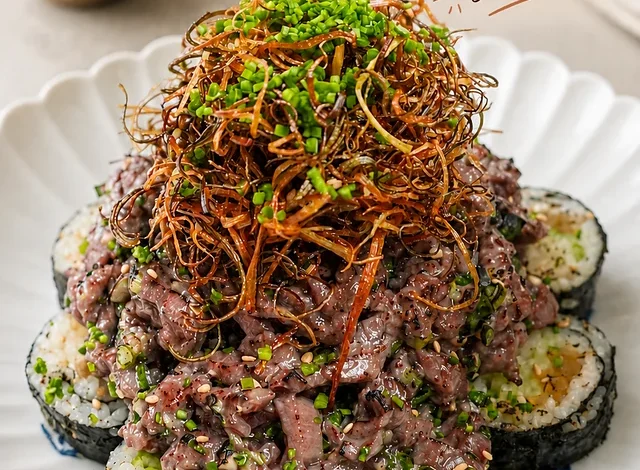
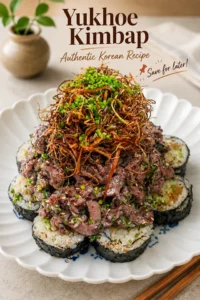
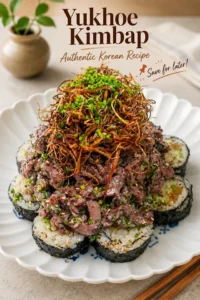
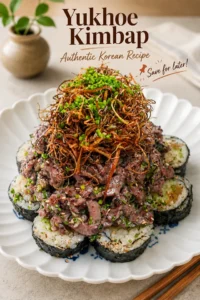
The convergence of traditional Korean culinary techniques and modern fusion gastronomy has yielded a sophisticated new dish: Yukhoe Kimbap. This elevated take on the classic seaweed rice roll replaces the traditional cooked fillings—such as seasoned spinach, carrot, and beef bulgogi—with the delicate, refined profile of yukhoe, a Korean-style raw beef tartare. By balancing the savory, soft texture of high-quality raw beef with the crisp, refreshing crunch of Korean pear and pickled radish, the dish has transitioned from a niche regional delicacy into a centerpiece for contemporary dinner parties and high-end fusion menus.

Historical Context and Culinary Foundations
The evolution of kimbap is rooted in the 20th-century adaptation of Japanese norimaki, which was transformed into a distinctively Korean staple. Traditionally, kimbap serves as a portable, balanced meal, utilizing various cooked proteins and vegetables. Yukhoe, conversely, traces its origins to the Goryeo Dynasty, particularly influenced by the food cultures of the Jeonju region. Jeonju is famously associated with the development of sophisticated meat-based dishes, including the world-renowned Jeonju Bibimbap, which often features fresh, raw beef as a premium topping.

The integration of these two concepts—the portability of kimbap and the luxuriousness of yukhoe—represents a broader trend in global Korean cuisine where street food elements are elevated through the use of high-quality ingredients and precise preparation methods. The dish is not merely a combination of components; it is a structural redesign of how raw proteins interact with seasoned grains and umami-rich seaweed.

Scientific and Technical Preparation
The preparation of Yukhoe Kimbap requires strict adherence to food safety and technical precision. The primary component, the beef, must be sourced from high-quality, lean cuts such as the top round or eye of round, which are selected specifically for their suitability for raw consumption. Chefs and home cooks alike are advised to consult with professional butchers to ensure the integrity of the protein.

Chronologically, the assembly of the dish follows a precise order to maintain structural and textural integrity:

- Preparation of Aromatics: Green onions or leeks are julienned and fried at a controlled temperature of approximately 160°C (320°F). This process serves two purposes: the creation of a crispy garnish and the extraction of a fragrant, savory green onion oil.
- Sauce Emulsification: The yukhoe sauce—a blend of soy sauce, sesame oil, garlic, and sweeteners—is whisked until emulsified. This ensures a consistent coating that does not compromise the texture of the beef.
- Grain Seasoning: The rice base is seasoned with a precise ratio of sesame oil, seeds, and salt to provide a nutty contrast to the raw beef.
- Structural Assembly: The kimbap is rolled with a minimalist interior consisting of Korean pear, cucumber, and pickled radish (danmuji or pickled oriental melon). The raw beef is applied only at the final stage of assembly.
Analysis of Flavor Profiles and Textural Balance
From a culinary analysis perspective, Yukhoe Kimbap achieves a high degree of "mouthfeel" diversity. The soft, buttery texture of the raw beef is contrasted by the high-frequency crunch of the Korean pear and the fibrous bite of the pickled vegetables. The inclusion of fried green onions introduces an element of "savoriness" (umami) that mitigates the potential for the beef to taste overly metallic or plain.

The use of Korean pear is particularly significant; its high water content and natural fructose provide a cooling sensation that cleanses the palate, a technique often used in traditional raw beef dishes to prevent palate fatigue. The optional use of a culinary torch to lightly sear the top of the beef is a contemporary adaptation that introduces a Maillard-reaction-induced smoky flavor, further distinguishing this dish from traditional, purely raw preparations.

Market Trends and Consumer Reception
The rise of "fusion-traditional" dishes is reflective of a larger shift in the consumer market, where interest in authentic global flavors is coupled with a desire for aesthetically driven, "shareable" dining experiences. The visual presentation of Yukhoe Kimbap—typically served with the beef piled generously atop the rolls—aligns with the demands of the social-media-centric culinary landscape.

Data from the food service industry suggests that consumers are increasingly seeking out "high-value" street food. While standard kimbap remains a low-cost, high-volume product, the incorporation of premium raw beef elevates the dish to a higher price point, making it suitable for upscale appetizer menus. This shift mirrors the successful global expansion of other premium Korean imports, such as galbi (beef ribs) and refined bulgogi preparations.

Logistical and Safety Considerations
Despite the appeal of the dish, it requires rigorous logistics. The shelf life of the assembled roll is significantly shorter than that of traditional kimbap due to the raw protein content. Consequently, the dish is designed for "made-to-order" service. Experts in the culinary field emphasize that the beef should be kept at temperatures below 5°C (41°F) until the final moment of seasoning. The decision to keep the garlic and green onion separate from the beef until the moment of service is a critical safety and quality control measure, preventing the raw aromatics from breaking down the proteins or altering the flavor profile prematurely.

Broader Implications for Global Cuisine
The emergence of dishes like Yukhoe Kimbap signals a maturation of Korean food culture in international markets. It demonstrates a move away from the "buffet-style" perception of Korean food toward a more nuanced, technique-driven culinary identity. By deconstructing and reconstructing familiar components, chefs are able to highlight the versatility of traditional ingredients like sesame oil, nori, and pickled radishes.

Furthermore, the dish provides a template for future innovation. If the basic principles of "seasoned rice base + fresh crunch + premium raw protein" are applied, the potential for further variations—using different proteins or seasonal vegetables—is substantial.

Conclusion: A Synthesis of Tradition and Modernity
Yukhoe Kimbap stands as a testament to the balance between ancestral Korean culinary arts and contemporary innovation. It respects the integrity of the ingredients while embracing the creative liberty of modern fusion. As interest in high-quality, authentic, yet accessible Korean dining continues to rise, dishes that prioritize both texture and structural beauty will likely remain at the forefront of the culinary conversation. Whether served as a small plate at a sophisticated dinner party or as a signature item in a modern bistro, the dish offers a unique experience that bridges the gap between the familiar comfort of a traditional roll and the sophisticated profile of a refined tartare.