Mastering the Ultimate 5-Minute Vietnamese Dipping Sauce (Nuoc Cham): A Culinary Guide to Southeast Asia’s Defining Condiment

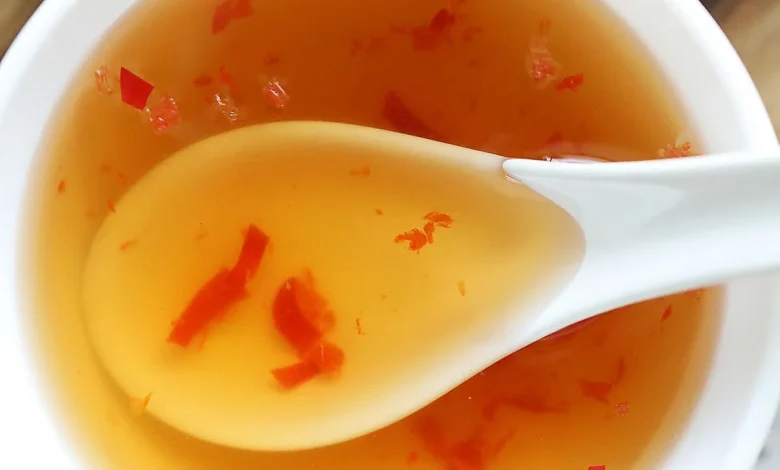
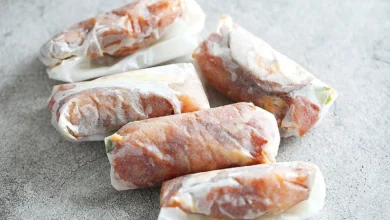
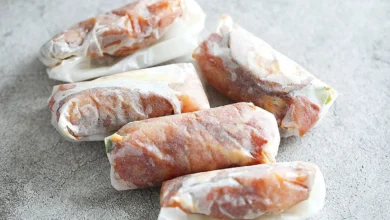
The global culinary landscape often measures the authenticity of a regional cuisine not by its heavily spiced main courses, but by the precision of its supporting condiments. In Vietnamese gastronomy, that benchmark is undeniably nuoc cham—a translucent, golden dipping sauce that achieves a delicate equilibrium of sweet, savory, saline, and acidic notes. Traditionally served alongside fresh spring rolls (gọi cuốn), crispy egg rolls, and cold vermicelli noodle bowls (bún), this ubiquitous table accompaniment serves as an essential flavor architecture for Vietnamese dining.
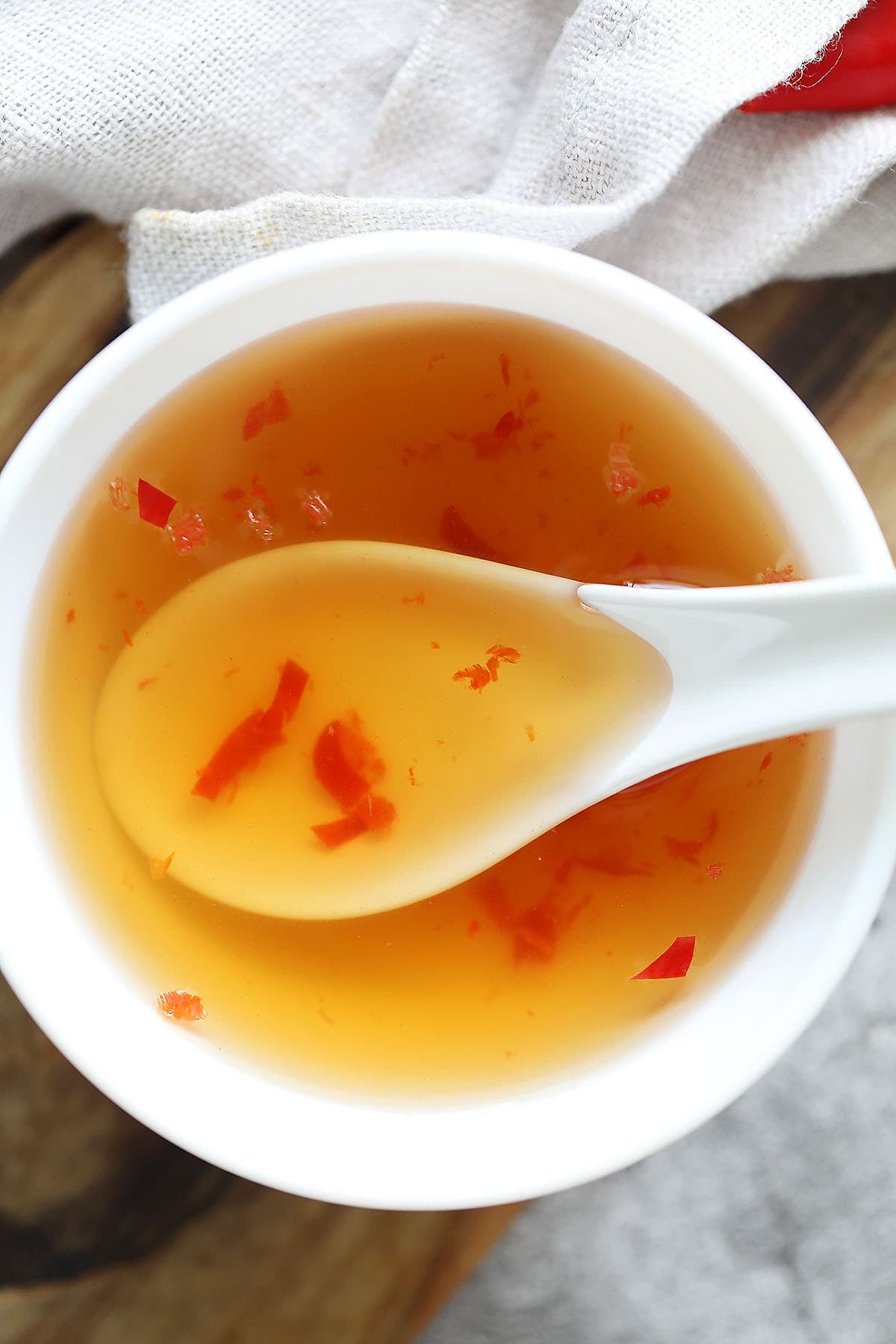
For home cooks seeking to replicate the vibrant flavors of traditional Vietnamese restaurants, a simple yet meticulously balanced 5-minute recipe offers an accessible gateway. By utilizing a foundational ratio of premium fish sauce, warm water, white granulated sugar, freshly squeezed lime juice, and pounded red chilies, culinary enthusiasts can produce an authentic table sauce entirely free of artificial additives or unresolved sugar sediment.
Historical Evolution and Cultural Significance of Nuoc Cham
The origins of nuoc cham are inextricably linked to the history of nuoc mam—traditional fermented fish sauce—which has served as a cornerstone of coastal Southeast Asian diets for more than two millennia. Historical records indicate that early coastal communities in what is now Vietnam utilized the high-protein byproduct of salted, fermented anchovies and pelagic fish as a vital nutritional supplement and a method of food preservation. Over generations, simple fermented fish extract evolved into sophisticated secondary sauces tailored to complement specific regional dishes.
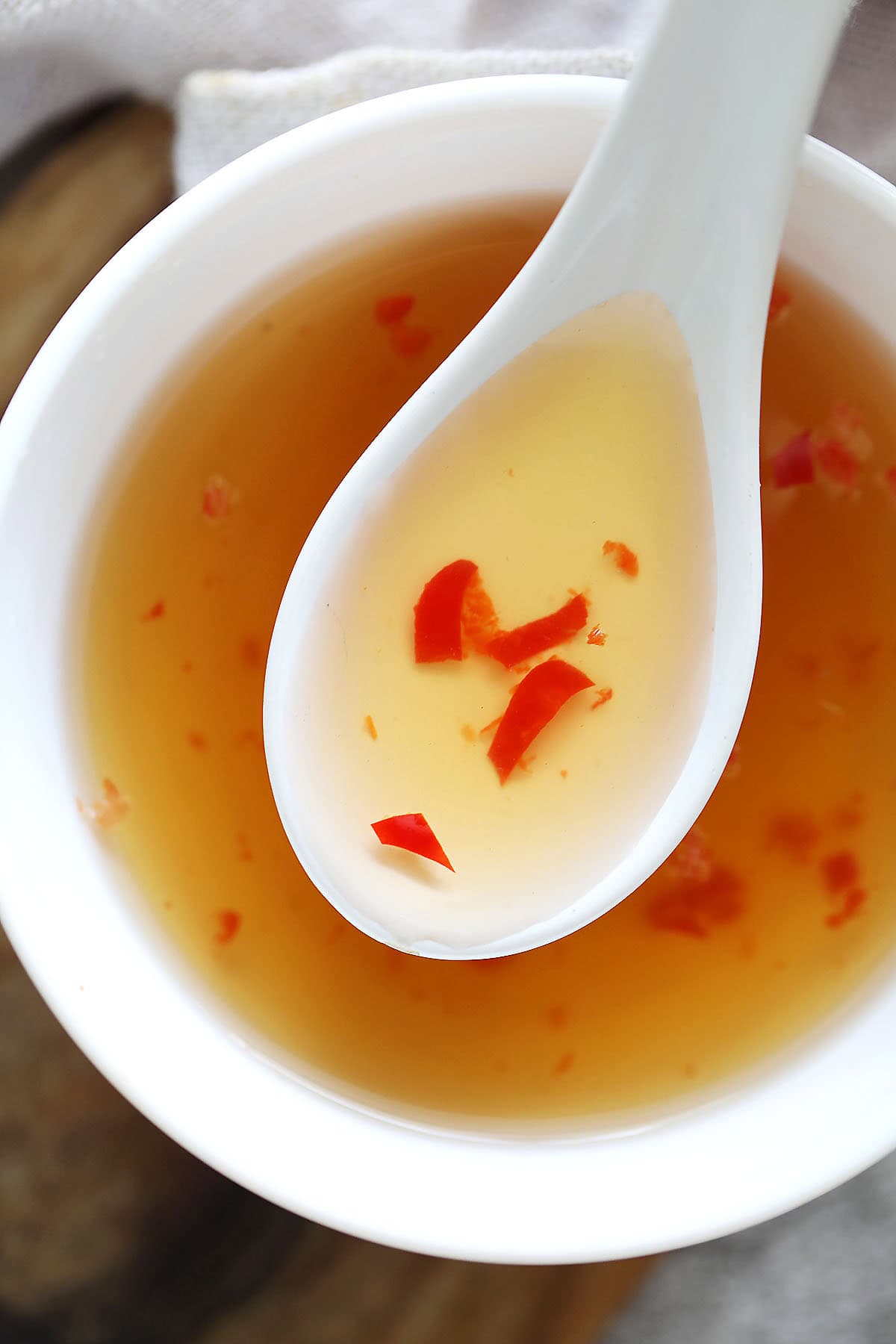
In contemporary culinary terminology, a vital distinction exists between the base ingredient and the finished condiment. Linguistically, nuoc cham functions as a broad descriptor encompassing any Vietnamese dipping sauce. Conversely, nuoc mam denotes unadulterated, bottled fish sauce. When fish sauce is diluted with water and tempered with sugar, citrus, and aromatics, the precise designation becomes nuoc mam cham (dipping fish sauce), though colloquial usage universally shortens the term to nuoc cham. Across Vietnam’s three distinct culinary regions—the north, central highlands, and south—variations of this sauce reflect local preferences, ranging from the lighter, more understated profiles of the north to the sweeter, more robust iterations of the south.
Anatomy of the Recipe: Core Ingredients and Procedural Precision
Achieving restaurant-quality results at home requires an understanding of ingredient chemistry and procedural mechanics. The formula relies strictly on everyday pantry staples, yet each component plays a precise chemical and sensory role in the final composition.
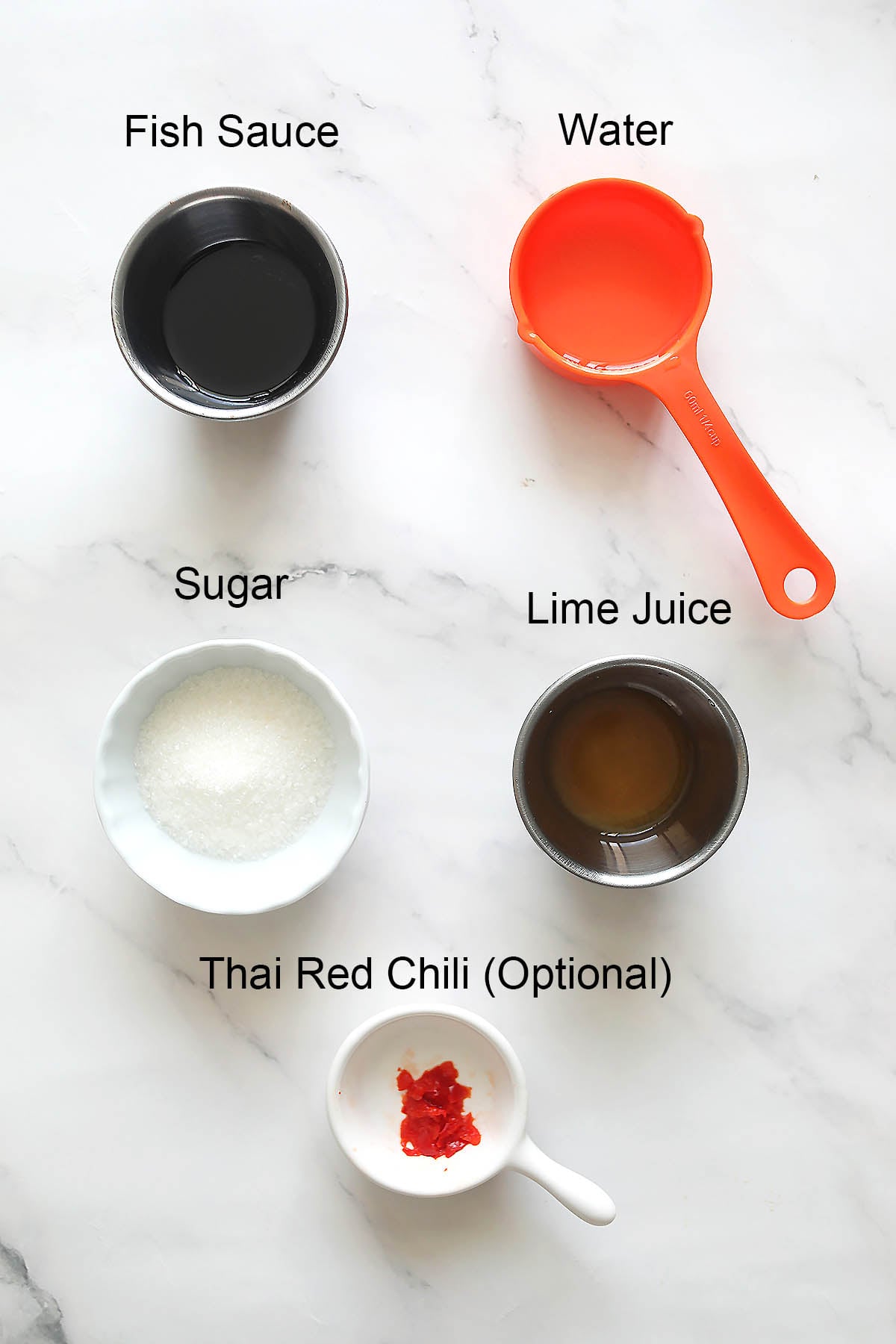
- Fish Sauce (Nuoc Mam): As the primary saline and umami backbone, the choice of fish sauce dictates the clarity and depth of the finished product. Premium brands—typically originating from historical production hubs such as Phu Quoc or Phan Thiet—utilize only first-press anchovies and sea salt, resulting in a clean, amber-hued liquid with a high protein content and minimal metallic aftertaste.
- Warm Water: Temperature control is critical. Warm water facilitates the rapid dissolution of sugar granules, eliminating the heavy, unappealing sediment that often settles at the bottom of improperly mixed bowls. However, water must remain warm rather than boiling to preserve the volatile aromatic compounds of the subsequent citrus additions.
- White Granulated Sugar: Culinary purists emphasize the necessity of standard white cane sugar. Unlike brown sugar or molasses-heavy alternatives, refined white sugar maintains the characteristic clear, golden transparency of authentic nuoc cham without introducing competing caramelized notes that obscure the delicate interplay of fish sauce and lime.
- Fresh Lime Juice: Citrus acidity provides the necessary brightness to cut through the rich, savory depth of fermented fish protein. Culinary experts strongly advise against bottled citrus substitutes, which frequently rely on chemical preservatives that impart a flat, artificial aftertaste. Furthermore, food science dictates that fresh lime must take precedence over lemon; limes possess a distinct floral sweetness and aromatic profile, whereas lemons deliver a harsh, one-dimensional sourness that destabilizes the sauce’s equilibrium.
- Fresh Red Chilies: Thai bird’s eye chilies or standard fresh red chilies provide adjustable heat and vibrant visual contrast. Traditional preparation often involves lightly pounding the chilies in a mortar and pestle rather than merely slicing them; this mechanical action rupturing cellular walls releases capsaicin and natural fruit juices directly into the liquid, ensuring a more uniform distribution of spice.
Step-by-Step Preparation Protocol
Executing this foundational recipe requires precise measurement and adherence to a strict sequence to ensure proper emulsion and flavor balancing.
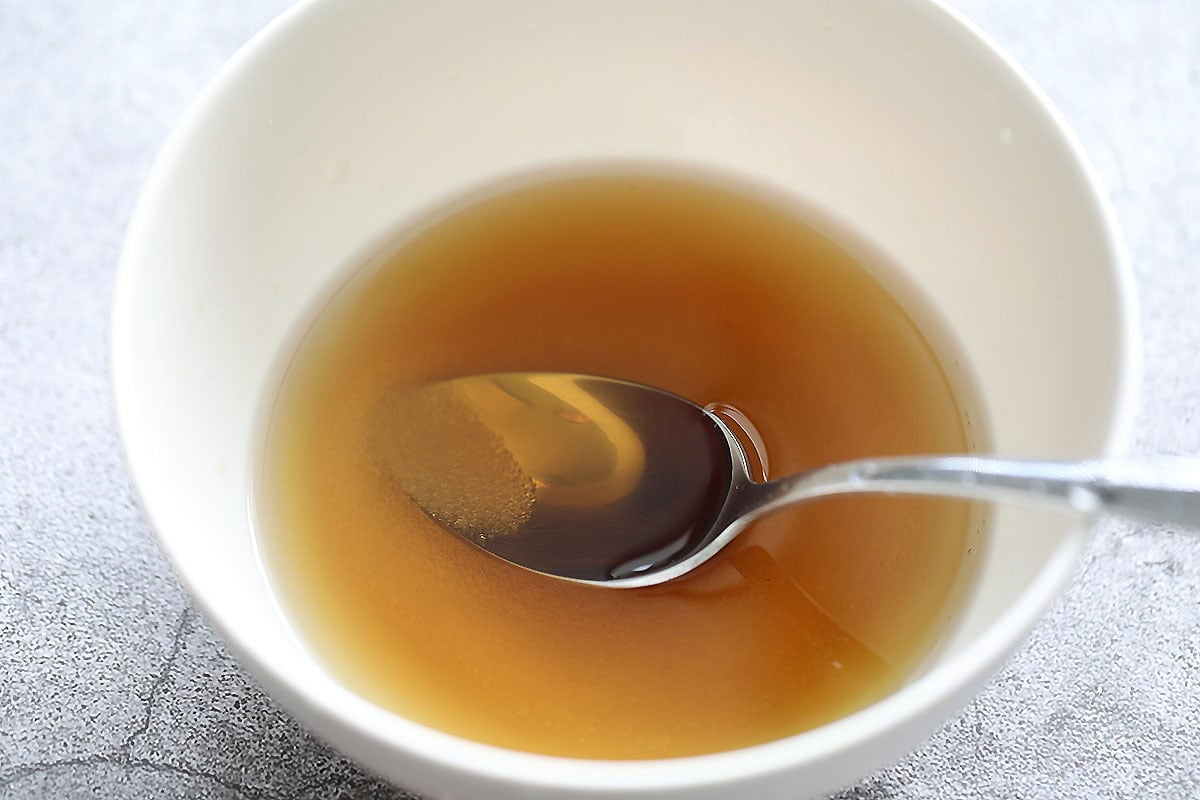
- Phase One – Base Integration: Combine designated measurements of premium fish sauce, warm water, white granulated sugar, and freshly squeezed lime juice in a non-reactive glass or ceramic mixing bowl.
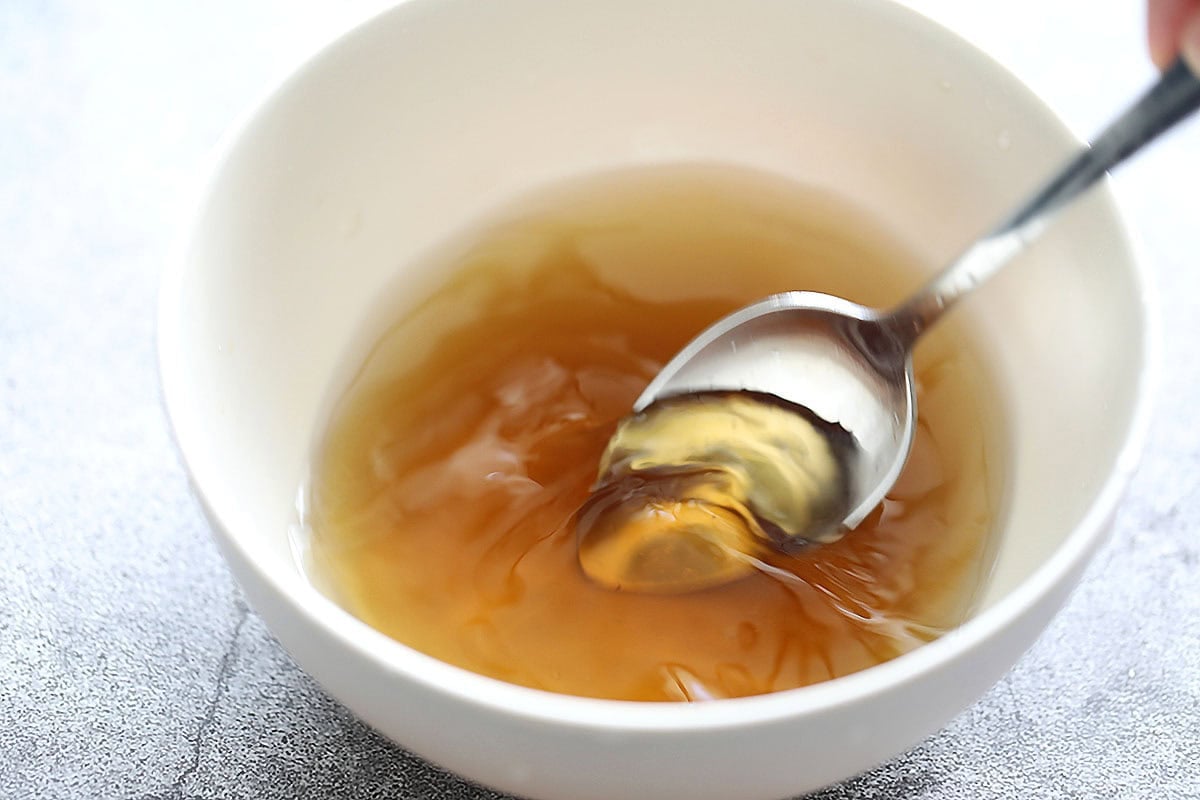
- Phase Two – Dissolution and Adjustment: Vigorously stir the mixture for approximately 30 seconds until all sugar crystals have completely dissolved into the solution. Prior to introducing aromatics, the cook must taste the base liquid. Because commercial fish sauce formulations vary significantly in sodium concentration and protein intensity, adjustments may be necessary at this juncture—incorporating a minor splash of warm water to temper excessive saltiness, or introducing supplementary lime juice to elevate acidity.
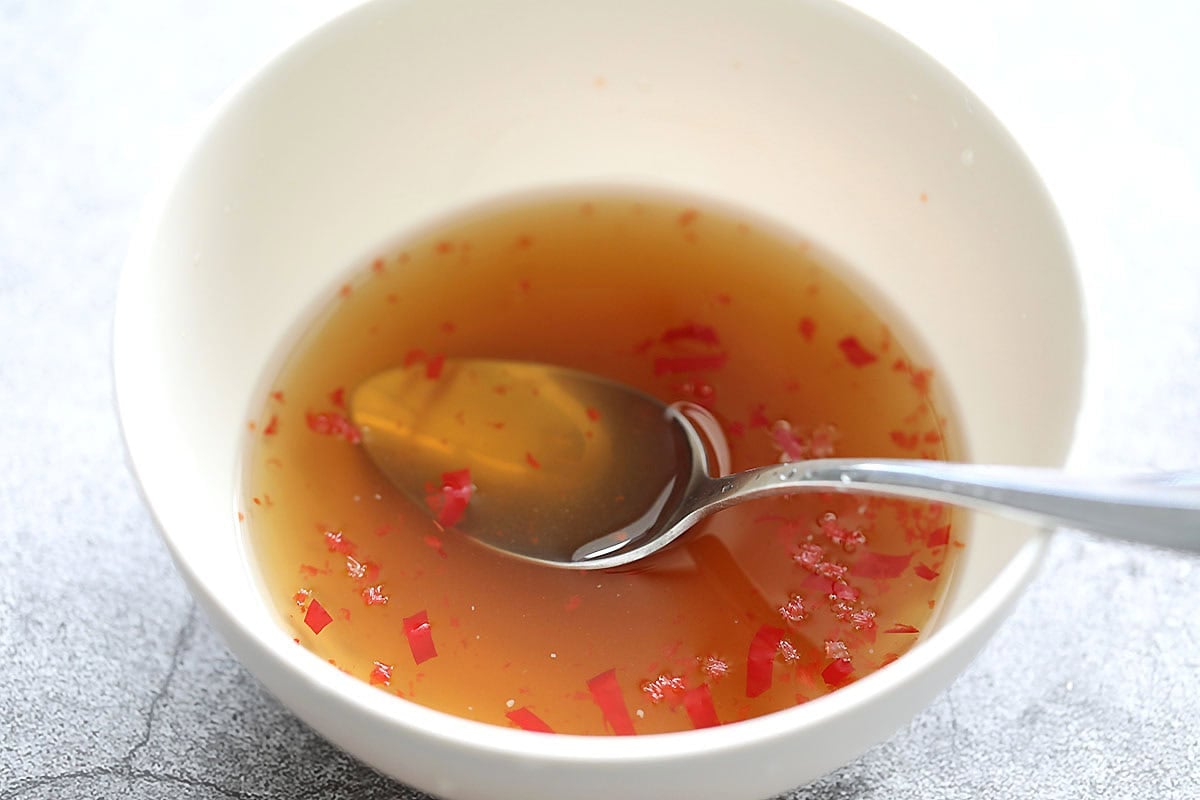
- Phase Three – Infusion: Introduce the prepared, lightly pounded red chilies into the liquid, stirring thoroughly to integrate the spice throughout the volume.
- Phase Four – Distribution and Storage: Serve immediately in small individual dipping dishes alongside spring rolls, grilled meats, or vermicelli bowls. Alternatively, transfer surplus quantities to a sterile, airtight glass container for refrigeration.
Storage, Shelf Life, and Food Safety Considerations
Proper storage protocols are essential for maintaining the sensory integrity and safety of nuoc cham. When prepared strictly with fish sauce, water, sugar, and lime juice, the high sodium and acid content acts as a natural preservative, allowing the sauce to maintain optimal flavor characteristics for up to two weeks when stored in an airtight glass container within a refrigerated environment (maintaining temperatures below 40°F / 4°C).
However, culinary adaptations frequently introduce perishable fresh aromatics—most notably minced garlic (nước mắm chấm tỏi ớt). Food safety authorities note that the introduction of raw garlic introduces moisture and potential microbial load, which significantly reduces the safe refrigeration window to approximately three to five days. For extended preservation, the basic, additive-free sauce can be frozen in suitable freezer-safe containers for up to three months; upon thawing overnight in refrigeration, the liquid requires vigorous stirring to restore uniform consistency.
Nutritional Profile and Dietary Implications
For health-conscious consumers and culinary professionals analyzing dietary metrics, standard nuoc cham offers a remarkably lightweight profile when utilized as a table condiment. A standard recipe yields approximately 3/4 cup (180 ml), designed to accommodate a serving size of four individuals.
- Caloric Value: Approximately 27 kilocalories per serving.
- Macronutrient Breakdown:
- Carbohydrates: ~7 grams (predominantly derived from dissolved sucrose)
- Protein: ~0.4 grams (derived from fish hydrolysates)
- Total Fat: ~0.03 grams (negligible lipid content)
- Sodium: ~532 milligrams per serving, reflecting the heavy sodium concentration inherent to fish-sauce-based preparations.
Due to the elevated sodium content, individuals managing hypertension or sodium-restricted diets are advised to consume the condiment in moderation. Nevertheless, because nuoc cham functions strictly as a surface dipping sauce or dressing rather than a primary caloric source, its overall nutritional impact within a balanced Southeast Asian meal remains minimal.
Broader Culinary Impact and Modern Adaptations
The enduring popularity of nuoc cham highlights a broader global shift toward condiments that rely on the strategic manipulation of the five basic tastes: sweet, sour, salty, bitter, and umami. By successfully balancing these contrasting sensations within a matter of minutes, home cooks can elevate simple grilled proteins, fresh vegetables, and rice noodles into complex gastronomic experiences.
As Southeast Asian cuisine continues to secure a permanent, prominent foothold in international home kitchens, mastering foundational techniques like the preparation of authentic nuoc cham empowers culinary enthusiasts to explore regional cooking with confidence, precision, and historical appreciation.