The Timeless Appeal of Old-School Oatmeal Fudge Bars: A Bakery Classic Reinvented for Modern Kitchens

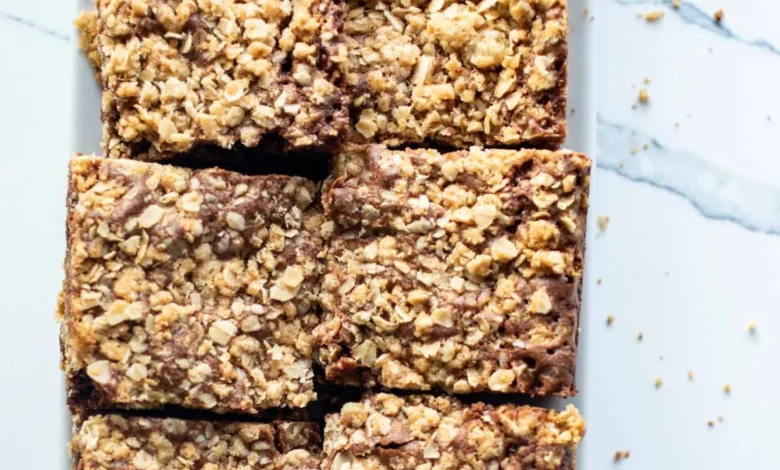
The intersection of comfort baking and commercial viability has long dictated the success of neighborhood coffeehouses and artisan bakeries. Among the pantheon of counter displays that have defined the American bakery landscape over the past several decades, few items have achieved the enduring popularity of the oatmeal fudge bar. Combining a rustic, fiber-forward oat base with an unashamedly decadent chocolate fudge center, this pastry has managed to bypass shifting dietary trends by offering a psychological compromise: the perceived wholesomeness of oats paired with the undeniable indulgence of rich chocolate.
Originally popularized in community bakeries and independent coffee shops during the late 20th century, these bars were formulated to solve a specific culinary and economic challenge for pastry chefs. Bakeries required items that were structurally robust, easy to portion, highly cost-effective, and capable of holding their texture and moisture over a multi-day display window without drying out. Rolled oats provided an ideal structural framework, offering durability and a nutty, toasty flavor profile that could withstand heavy butter and sugar ratios. The chocolate filling, traditionally composed of sweetened condensed milk, butter, and chocolate or cocoa, offered a dense, fudge-like consistency that contrasted sharply with the crumbly, chewy texture of the baked oat crust.
Over the years, bakers who worked intimately with these recipes have introduced subtle yet impactful refinements. Modern adaptations of the classic formulation frequently incorporate heightened levels of high-quality cocoa powder and a precise injection of flaky sea salt to balance the intense sweetness of the fudge center. These adjustments elevate what was once a straightforward, utilitarian bakery snack into a more sophisticated confection. The dual-layered construction—where a portion of the oat mixture is pressed firmly into the bottom of the pan and the remainder is scattered loosely over the top before baking—creates a textural interplay of golden, caramelized edges and a soft, molten-to-cool chocolate center.
Evolution of Coffeehouse Pastries and Consumer Psychology
The psychology behind the enduring appeal of the oatmeal fudge bar lies in what food historians and culinary analysts refer to as the "health halo" effect. By anchoring a dessert with a primary ingredient widely recognized as a health food—whole grain oats—bakers inadvertently provided consumers with a rationalization for indulgence. Throughout the 1990s and early 2000s, as public awareness regarding whole grains, fiber, and heart health began to climb, coffeehouse sales data consistently indicated that items featuring oats, bran, or fruit experienced steadier afternoon demand than purely decadent options like traditional brownies or blondies.
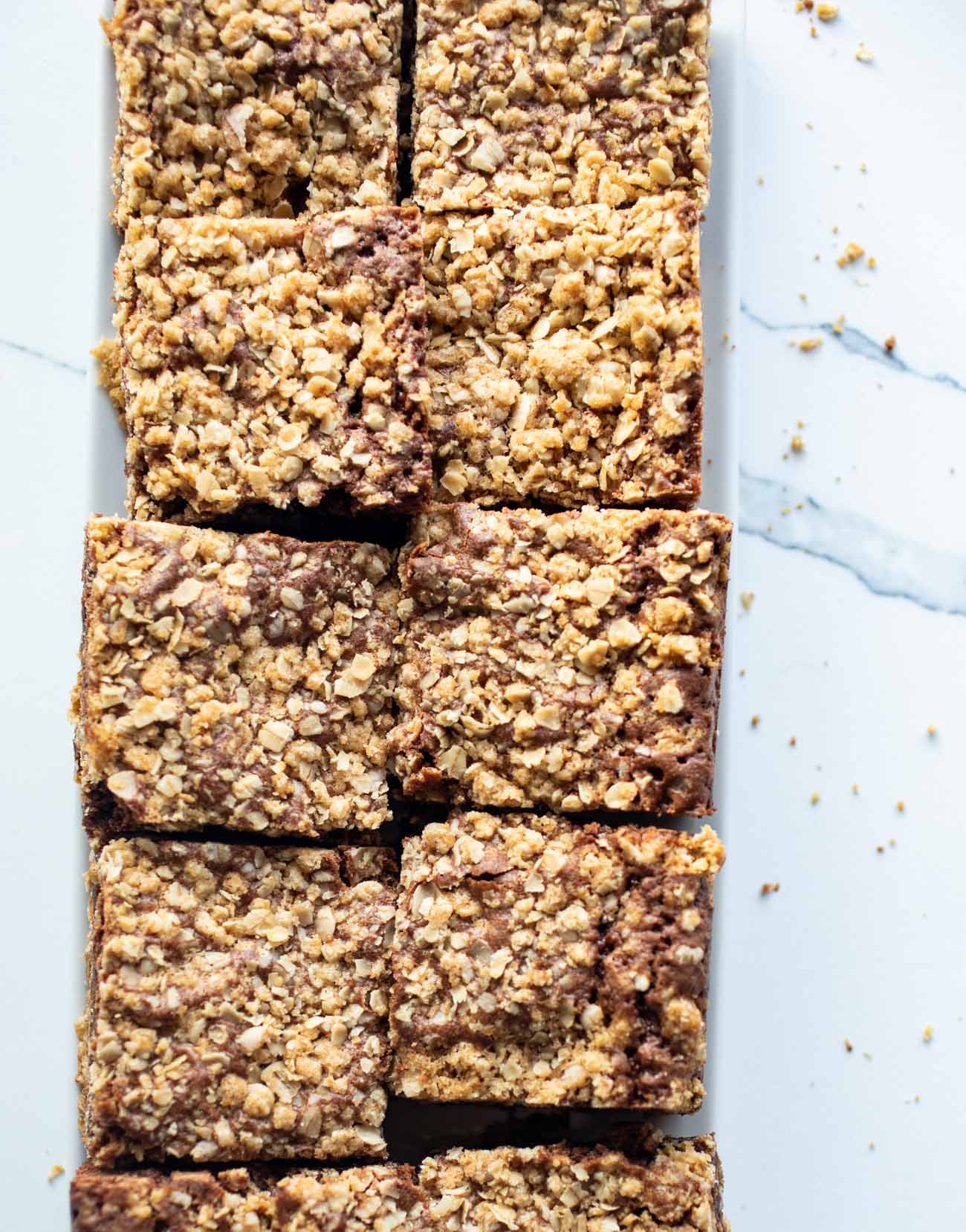
Patrons convinced themselves that the presence of oats mitigated the caloric density of the rich chocolate ganache-like center. Food psychologists note that this cognitive dissonance plays a major role in repeat purchases. When customers are given permission to indulge under the guise of wholesome ingredients, frequency of consumption rises. Bakery operators noted that these bars frequently became ritualistic purchases for regular morning and afternoon commuters, who viewed the item as both a breakfast-adjacent energy source and a mid-day reward.
Furthermore, the economic efficiency of the recipe made it a staple for small business owners. Unlike delicate pastries requiring laminated doughs, precise temperature control, or short shelf lives, oatmeal fudge bars can be produced in large sheet pans, scaled easily to accommodate varying demand, and held at room temperature or under modest refrigeration for up to a week without a significant degradation in quality.
Recipe Formulation and Technical Specifications
Recreating a commercial-grade oatmeal fudge bar at home requires a strict adherence to ingredient ratios and thermal management. Standardized for high-yield production—typically yielding 24 substantial squares per standard sheet pan—the formulation relies on a division of the base dough.
The structural components are divided into two distinct categories: the crust-and-topping matrix and the fudge filling.
Crust and Topping Composition
- Rolled Oats: The foundational element, providing structural integrity, chewiness, and a nutty flavor profile upon baking. Old-fashioned rolled oats are preferred over quick oats to maintain texture.
- All-Purpose Flour: Acts as a binder to unify the oats, butter, and sugars into a cohesive, crumbly dough.
- Leavening Agents: A precise measure of baking soda combined with salt ensures a light rise and balances the sweetness. Enhanced quantities of fine sea salt are integrated into modern iterations to sharpen the flavor profile of the toasted grains.
- Fats and Sweeteners: Unsalted butter, creamed with a combination of dark brown sugar and granulated sugar, provides the moisture and caramelized depth necessary for deep golden-brown edges.
Fudge Filling Composition
- Chocolate Component: A blend of high-grade cocoa powder and semi-sweet or bittersweet chocolate chips ensures a robust, complex chocolate flavor rather than a flat, one-dimensional sweetness.
- Dairy Matrix: Sweetened condensed milk serves as the primary base for the fudge, providing the necessary sugars, milk solids, and moisture to create a thick, stable emulsion that sets firmly upon cooling without crystallizing.
- Binding and Flavor Enhancers: Butter is whisked into the warm chocolate mixture to impart gloss and mouthfeel, alongside a splash of pure vanilla extract and an additional pinch of salt to round out the flavor profile.
Chronological Development of the Modern Oatmeal Fudge Bar
The trajectory of the oatmeal fudge bar from a regional bakery secret to a widely shared culinary staple reflects broader shifts in home baking culture and the democratization of professional recipes through digital media.
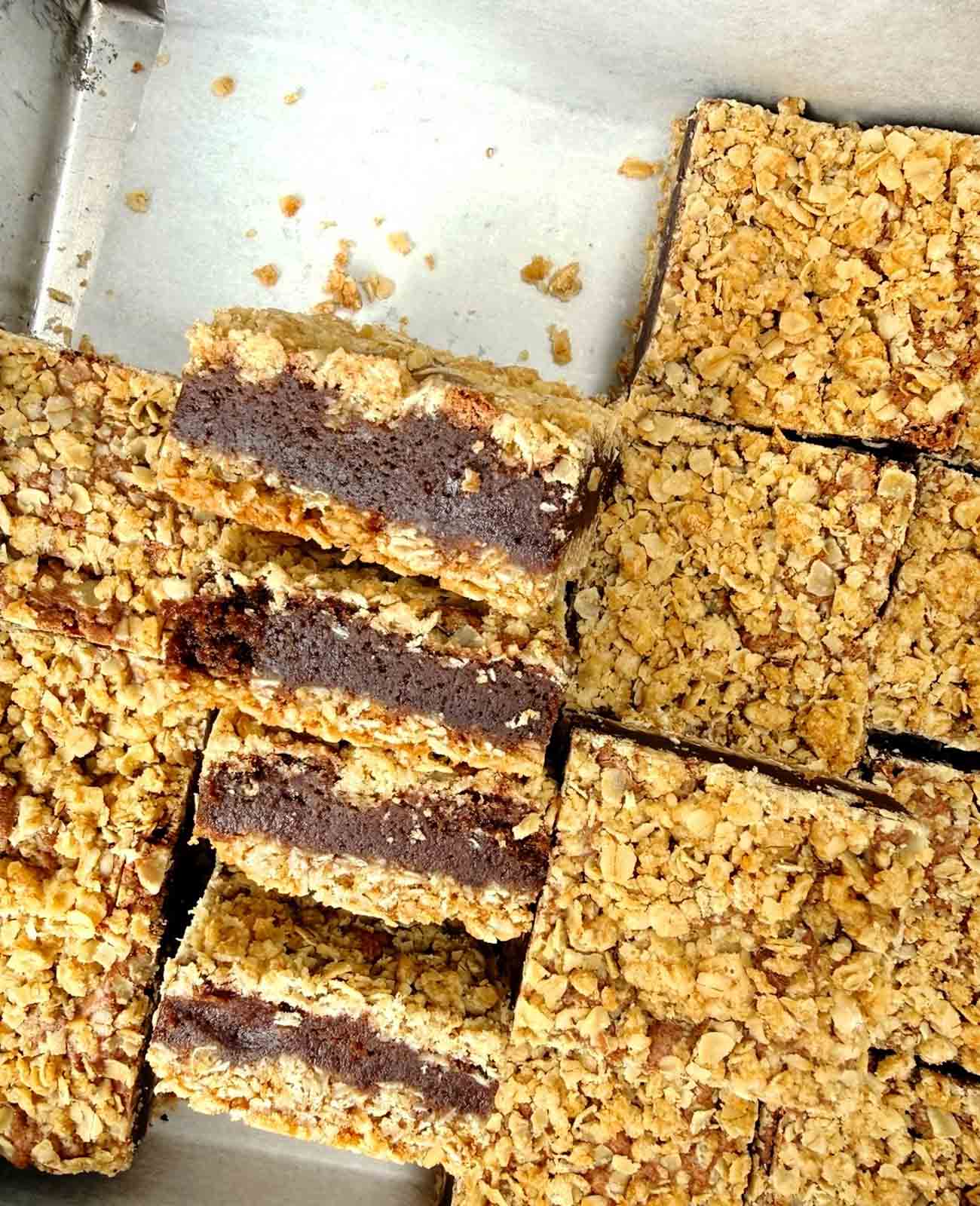
- Late 1990s to Early 2000s: The recipe circulates informally within commercial kitchen networks, utilized primarily by pastry chefs in independent coffeehouses seeking high-margin, crowd-pleasing display items.
- Mid-2000s to 2010s: As food blogs and early digital recipe platforms gain prominence, bakers begin documenting and publishing institutional recipes for home kitchens, sparking localized interest in nostalgic, diner-style and bakery-style treats.
- 2020s: Culinary professionals revisit heritage recipes with a focus on ingredient quality—upgrading standard baking chocolate to single-origin or high-cocoa-percentage varieties, increasing salt content to align with modern palates favoring sweet-salty combinations, and optimizing yield scaling for home ovens.
- November 2026: Continued refinement of the formulation emphasizes precise structural integrity, ensuring the top oat layer achieves an optimal crunch while the fudge center remains stable, thick, and rich.
Economic and Cultural Implications
The enduring popularity of comfort-driven baked goods like the oatmeal fudge bar carries notable implications for the broader food service and retail baking industries. In periods of economic uncertainty or cultural stress, consumer spending consistently gravitates toward "comfort foods"—items associated with nostalgia, simplicity, and emotional security. Unlike avant-garde or highly technical pastries that require specialized training and expensive ingredients, the oatmeal fudge bar utilizes pantry staples that remain relatively insulated from severe supply chain shocks.
From a commercial perspective, independent bakeries and cafes rely on high-margin, shelf-stable tray bakes to offset the high labor costs and high wastage rates associated with perishable breakfast pastries like croissants and Danishes. An oatmeal fudge bar can be sliced uniformly, wrapped individually for grab-and-go convenience, or served plated alongside coffee, maximizing its utility across multiple revenue streams within a single establishment.
Moreover, the transition of this recipe from professional back-of-house operations into home kitchens underscores a wider trend in culinary transparency. Consumers increasingly demand access to the exact formulations utilized by their favorite local establishments. By demystifying professional bakery recipes, culinary chroniclers empower home bakers to replicate commercial-grade quality, bridging the gap between industrial efficiency and artisanal craft.
As culinary trends continue to oscillate between hyper-modern innovation and rustic nostalgia, the oatmeal fudge bar remains a testament to the power of balanced textures and complementary flavors. Its survival across decades of dietary shifts proves that when a recipe is fundamentally sound, thoughtfully engineered, and deeply satisfying, it transcends ephemeral food fads to secure a permanent place in the global culinary canon.