The annual resurgence of holiday baking traditions brings renewed attention to the technical demands of gingerbread production. Among the most sought-after standards for home bakers is the crisp, non-spreading cutout cookie, a staple of seasonal confectionery that balances high-intensity ginger profiles with the viscous, earthy sweetness of molasses. Recent culinary data indicates that the demand for egg-free dough formulations has increased significantly, driven by a desire for structural integrity during the complex rolling and cutting processes required for intricate holiday motifs.

The Chemistry of the Crisp Gingerbread Profile
At its core, the science of a superior gingerbread cookie relies on the precise calibration of leavening agents and protein structures. Unlike softer varieties that incorporate eggs to provide moisture and loft, this specific, egg-free formulation prioritizes a rigid, snappy texture. The omission of eggs is a calculated choice; eggs introduce water, which can lead to a softer, more cake-like crumb. By excluding them, the baker achieves a higher density of dry ingredients relative to liquid, which is the primary driver of the "snap" associated with traditional gingerbread men and structural gingerbread houses.
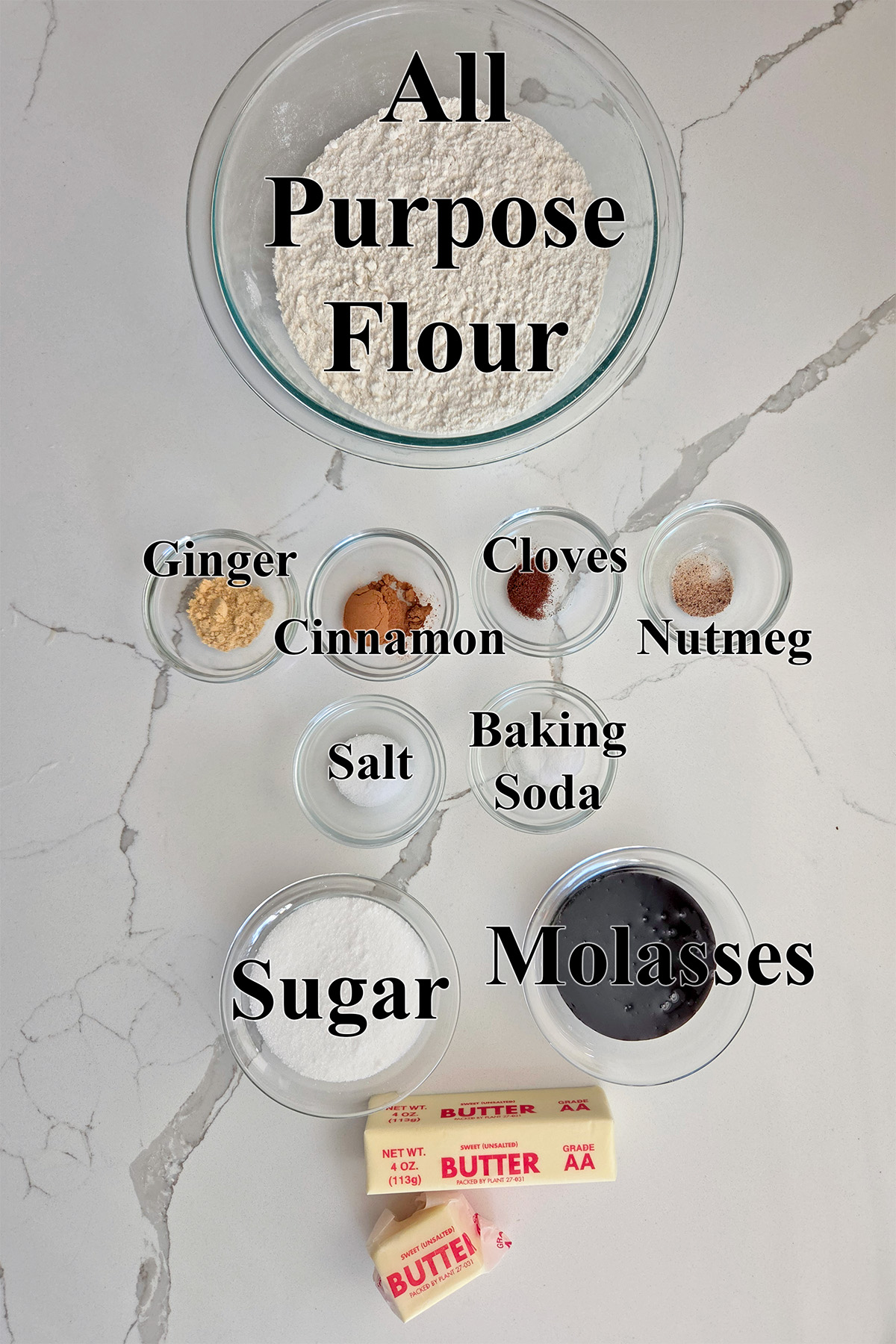
The inclusion of molasses—specifically dark or blackstrap varieties—serves two functions: it provides the signature deep, complex flavor profile and contributes to the Maillard reaction, which is essential for the rich, dark coloration of the finished cookie. The ratio of ginger, cinnamon, and cloves must be carefully balanced to ensure that the spice intensity is present without becoming overwhelming. Furthermore, the limited use of baking soda serves to provide just enough lift to prevent the cookie from being excessively hard, while maintaining the flatness required for professional-grade decorative work.

Chronological Workflow for Optimal Production
For the professional or dedicated home baker, efficiency is paramount during the holiday season. The following timeline outlines the most effective approach to managing the production of these cookies from initial preparation to final storage.
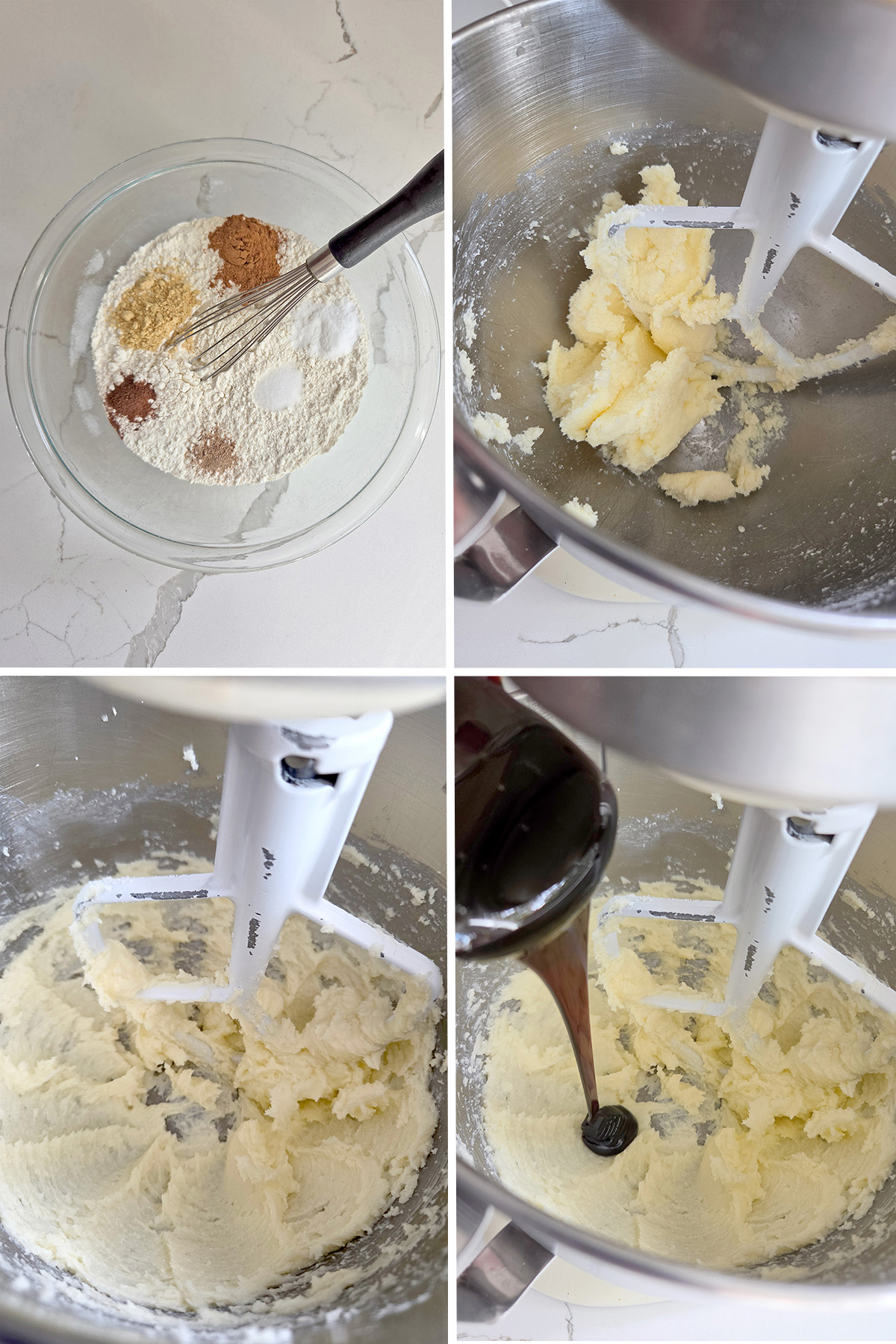
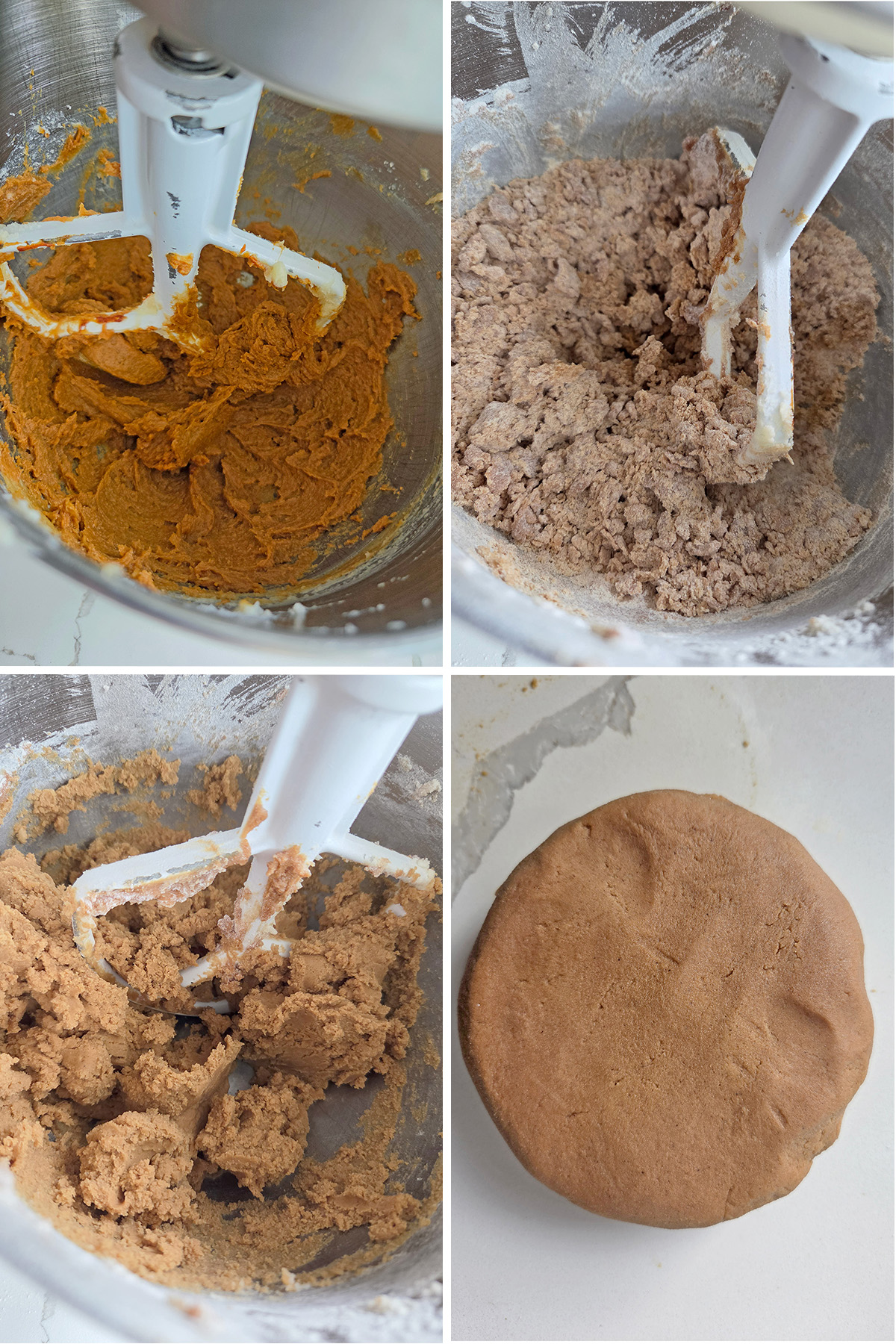
The process begins with the preparation of the dough, which requires approximately 45 minutes of active labor. During this phase, the dry ingredients are whisked to ensure even distribution of spices, followed by the careful creaming of butter and sugar. The molasses is introduced next, acting as the primary binding agent in the absence of eggs. Once the dough is formed into a disk, it enters a mandatory cooling phase. Chilling the dough for at least one hour is non-negotiable; this rest period allows the fats to solidify, which is critical for preventing the dough from losing its shape when transferred to the baking sheet.
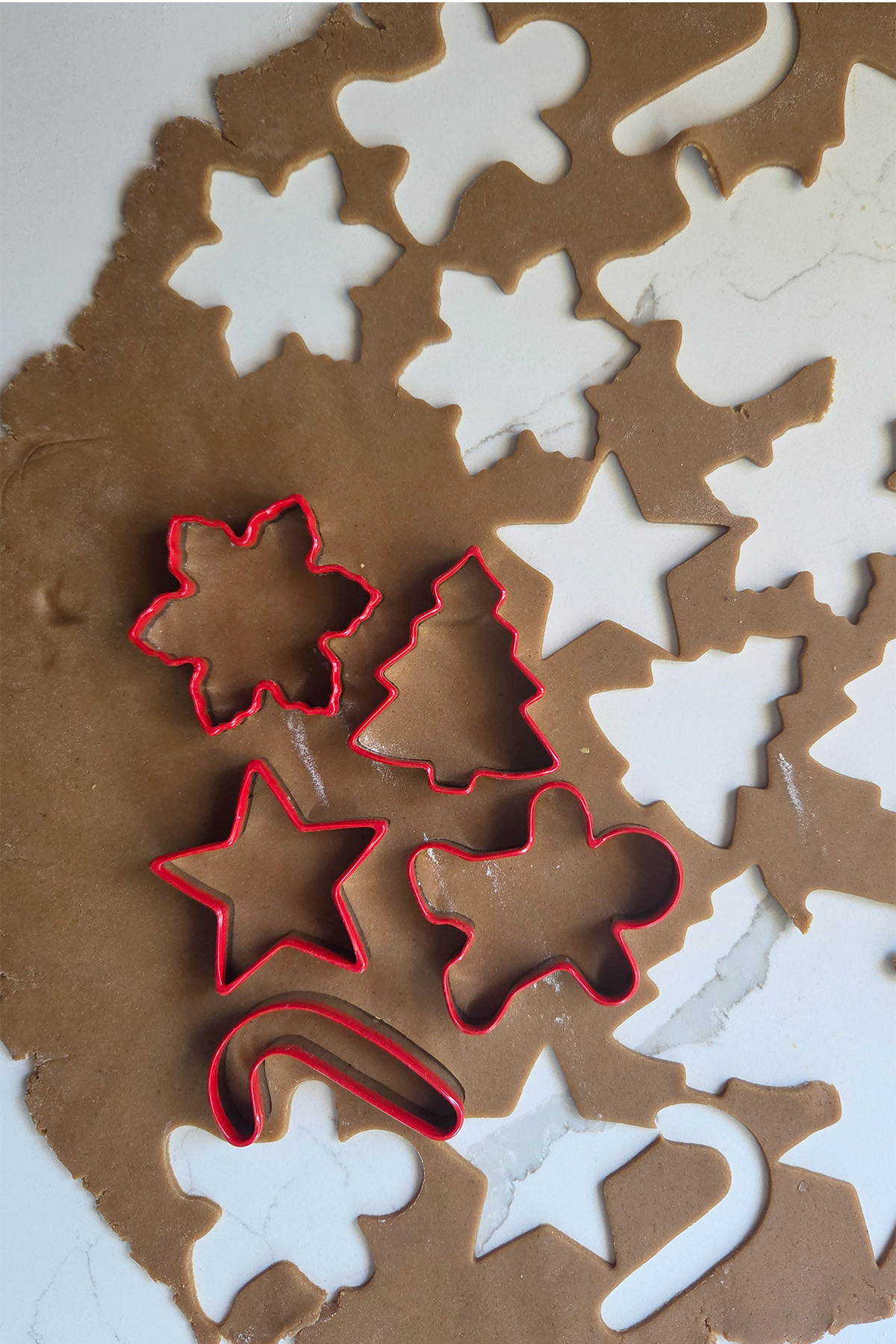
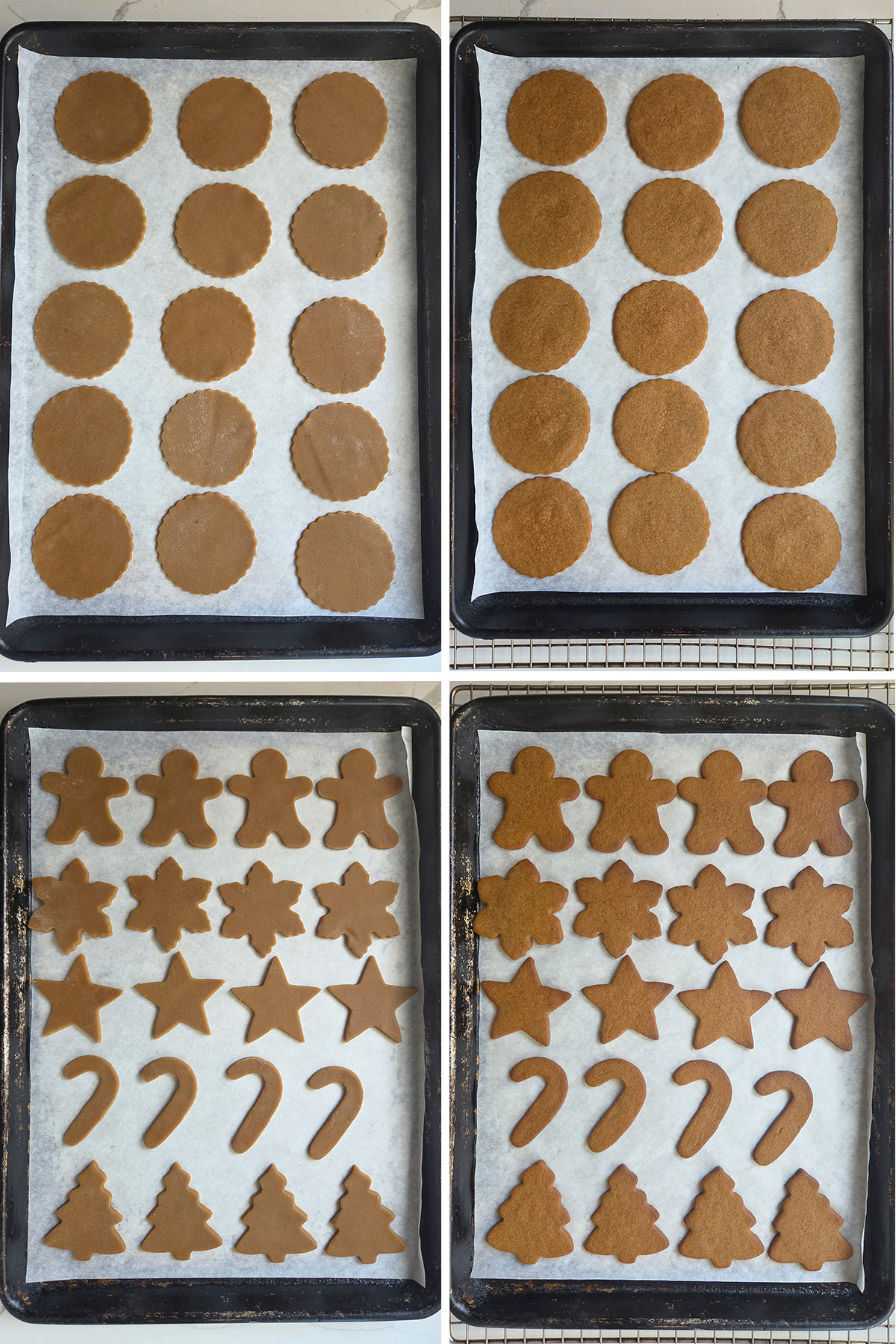
Following the chill, the rolling and cutting phase requires precision. By rolling the dough to 1/8 of an inch, bakers ensure an all-out crisp texture. If a softer, chewier center is desired, a thickness of 1/4 inch is recommended. After cutting, the cookies should be baked for approximately 6 minutes, though this window is sensitive to the ambient temperature of the kitchen and the material of the baking pan. Post-baking, the cookies require cooling on a rack, which allows the steam to escape and the structure to set fully.
Comparative Analysis of Leavening Agents
In the broader context of baking science, comparing this gingerbread recipe to standard gingersnap formulations reveals the necessity of specialized ingredient ratios. Gingersnaps, which are intended to have a more open, aerated texture, often utilize up to four times the amount of baking soda found in this gingerbread recipe. This higher leavening count causes the dough to expand and crack during the baking process, creating the "snap" effect on the surface. Conversely, the gingerbread recipe’s restrained leavening ensures that the dough remains stable, allowing for clean edges that are perfect for intricate piping with royal icing.
Storage and Longevity in Culinary Applications
The logistical benefits of this particular recipe extend to its shelf-life, a factor of increasing importance for those who prepare holiday treats well in advance. Baked gingerbread cookies, when stored in an airtight container, maintain their structural integrity and flavor profile for up to two weeks. This stability allows for the decoupling of the baking process from the decorating process.
Advanced techniques for long-term storage include the freezing of unbaked, pre-cut dough shapes. By freezing cutouts on a parchment-lined tray, bakers can move them to freezer-safe containers for up to one month. Notably, these cookies do not require thawing; they can be transferred directly from the freezer to the oven, though an additional one to two minutes of baking time may be required. This method offers a significant advantage for catering and event planning, as it minimizes the last-minute stress typically associated with holiday dessert preparation.
The Role of Royal Icing in Professional Decorating
The aesthetic appeal of the gingerbread cookie is largely dependent on the application of royal icing, an egg-white or meringue-powder-based medium that dries to a hardened, matte finish. From a professional standpoint, royal icing is the industry standard because it provides a durable canvas that does not smudge or lose its shape during transport or display.
The technique requires a piping bag fitted with a small round tip, allowing for precise line work. For practitioners looking to include children in the process, the method can be simplified by allowing for broader applications of icing followed by the application of granulated sugars or nonpareils. It is important to note that if cookies are to be used as ornamental fixtures—such as tree hangers—a small hole must be made using a skewer while the dough is still in its raw state, prior to entering the oven.
Nutritional Profile and Dietary Implications
In evaluating the nutritional content, a single serving of this gingerbread cookie provides approximately 63 kilocalories. The carbohydrate content sits at 9 grams, with 4 grams of sugar and 3 grams of fat. While not a low-calorie food, the recipe is notable for its relatively low sodium content (37 milligrams) compared to many commercialized holiday treats. The absence of eggs also makes this a viable option for those managing mild egg sensitivities, provided the workspace is free of cross-contamination.
Broader Culinary Impact
The cultural endurance of the gingerbread cookie is rooted in its versatility. Beyond the traditional gingerbread man, the dough serves as a foundation for architectural baking. Because the recipe maintains its shape with minimal spreading, it is highly suitable for constructing complex, three-dimensional structures. Analysts in the baking industry note that as home cooking trends move toward "slow-food" and artisanal production, recipes that emphasize structural integrity and ingredient quality—such as the use of real ginger and high-quality molasses—are seeing a resurgence in popularity.
This approach to gingerbread reflects a shift toward quality-first baking, where the baker is encouraged to understand the underlying physical properties of the ingredients. By mastering the variables of dough thickness, chilling time, and baking duration, the home baker can elevate a standard holiday snack into a high-quality confection that stands up to professional standards. The ability to work ahead, combined with the longevity of the finished product, makes this recipe a foundational tool for the seasonal calendar, providing a reliable result that serves both the aesthetic and culinary requirements of the holiday season.
As food science continues to influence home baking, the integration of precise, measured techniques—such as the "dip and sweep" method for measuring flour—remains the most effective way to ensure consistency. By following these guidelines, bakers can minimize waste, optimize time, and produce a product that retains its quality from the first day of baking through the end of the holiday period.