The Art and Science of Crafting Sourdough Pumpkin Bagels Through Natural Fermentation

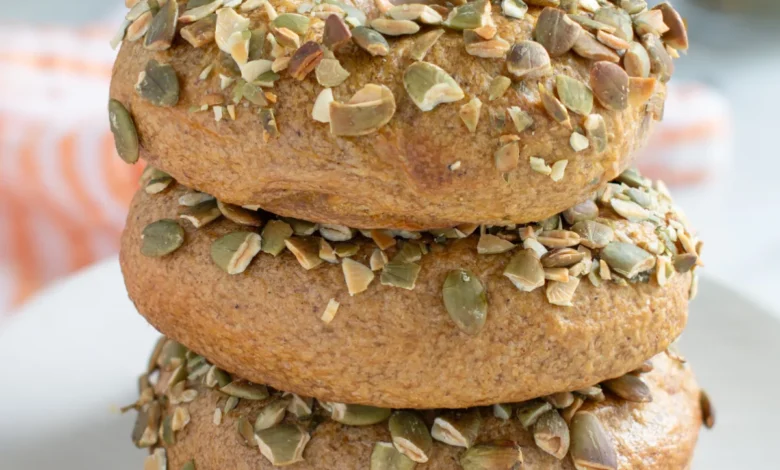
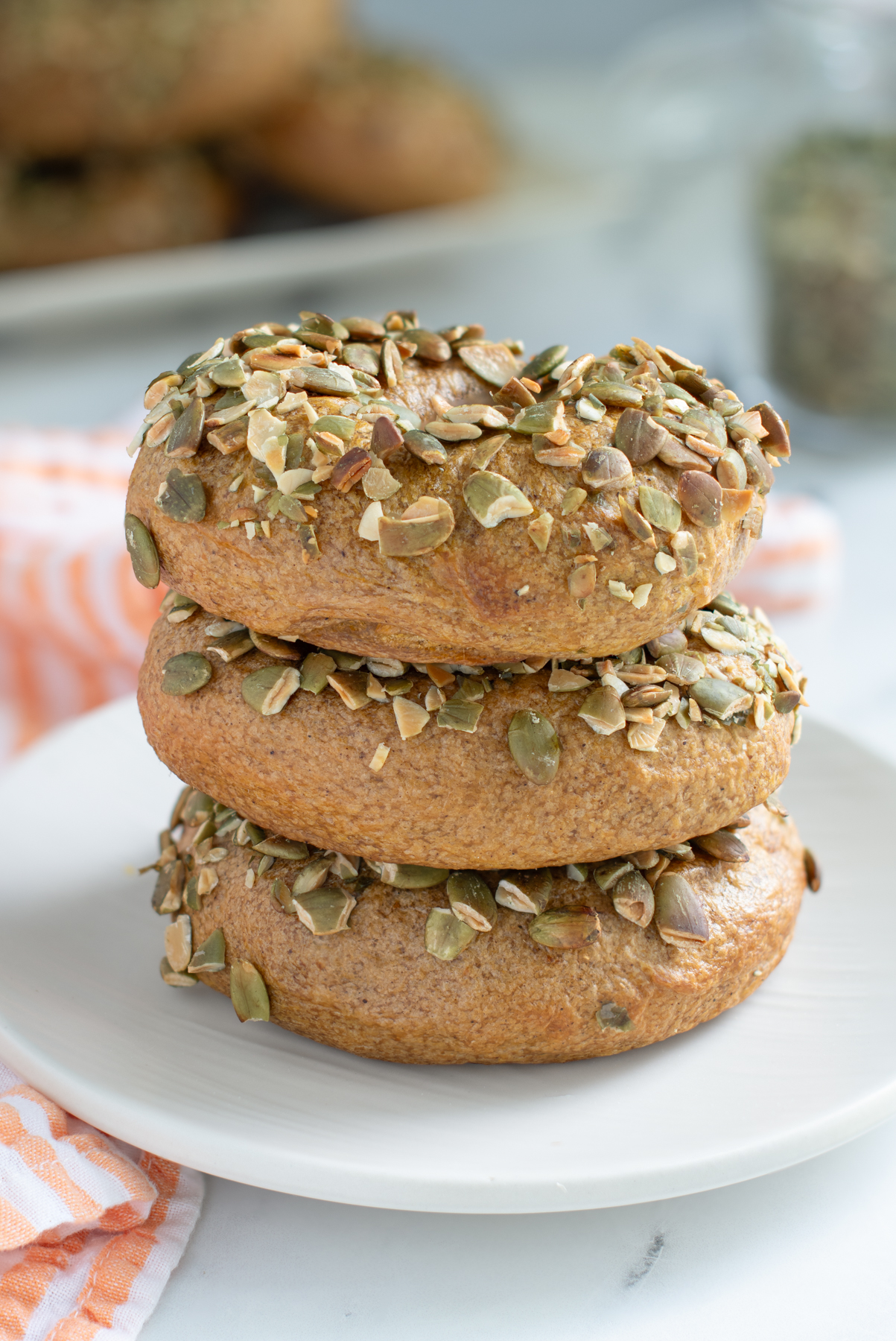
The culinary world has seen a significant shift toward artisanal baking, with sourdough fermentation leading the movement. Among the most recent innovations in this space is the development of the sourdough pumpkin bagel—a product that bridges the gap between traditional New York-style bagel production and seasonal flavor profiles. Unlike conventional bagels that rely on commercial yeast for rapid aeration, this method utilizes an active sourdough starter to achieve a distinctively dense, chewy crumb and a complex flavor profile that avoids the saccharine tendencies of typical seasonal baked goods.
The Science of Enriched Sourdough Fermentation
At the core of the sourdough pumpkin bagel lies the intricate chemistry of wild yeast and lactic acid bacteria. Traditional bagels are categorized as lean doughs, typically consisting of only high-protein flour, water, salt, and a malt sweetener. The inclusion of pumpkin purée introduces significant moisture, fiber, and beta-carotene to the dough matrix, which fundamentally alters the fermentation kinetics.
According to baking scientists, the introduction of pumpkin and warm spices—such as cinnamon, nutmeg, and ginger—acts as a mild inhibitor to yeast activity. Consequently, the fermentation period for these bagels is necessarily extended compared to a standard plain sourdough bagel. This extended fermentation is not merely a logistical requirement; it is a critical step for flavor development. As the dough rests, the bacteria produce acetic and lactic acids, which help break down the pumpkin’s complex starches, resulting in a more digestible product with a nuanced, earthy sweetness rather than a sugary one.
A Chronology of the Two-Day Production Cycle
The production of these bagels follows a rigorous two-day schedule, adhering to the biological needs of the sourdough starter.
Day One: Activation and Mixing
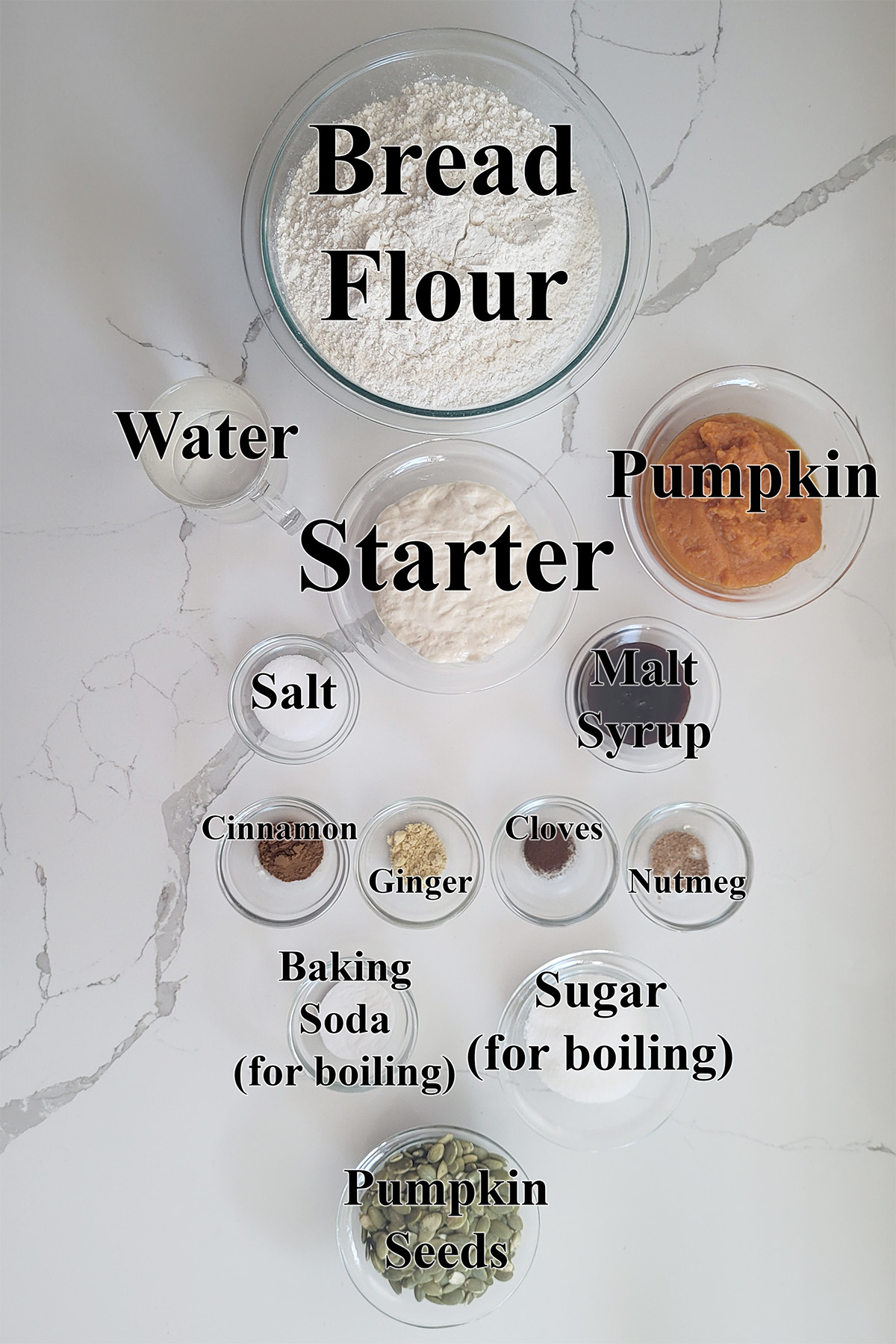
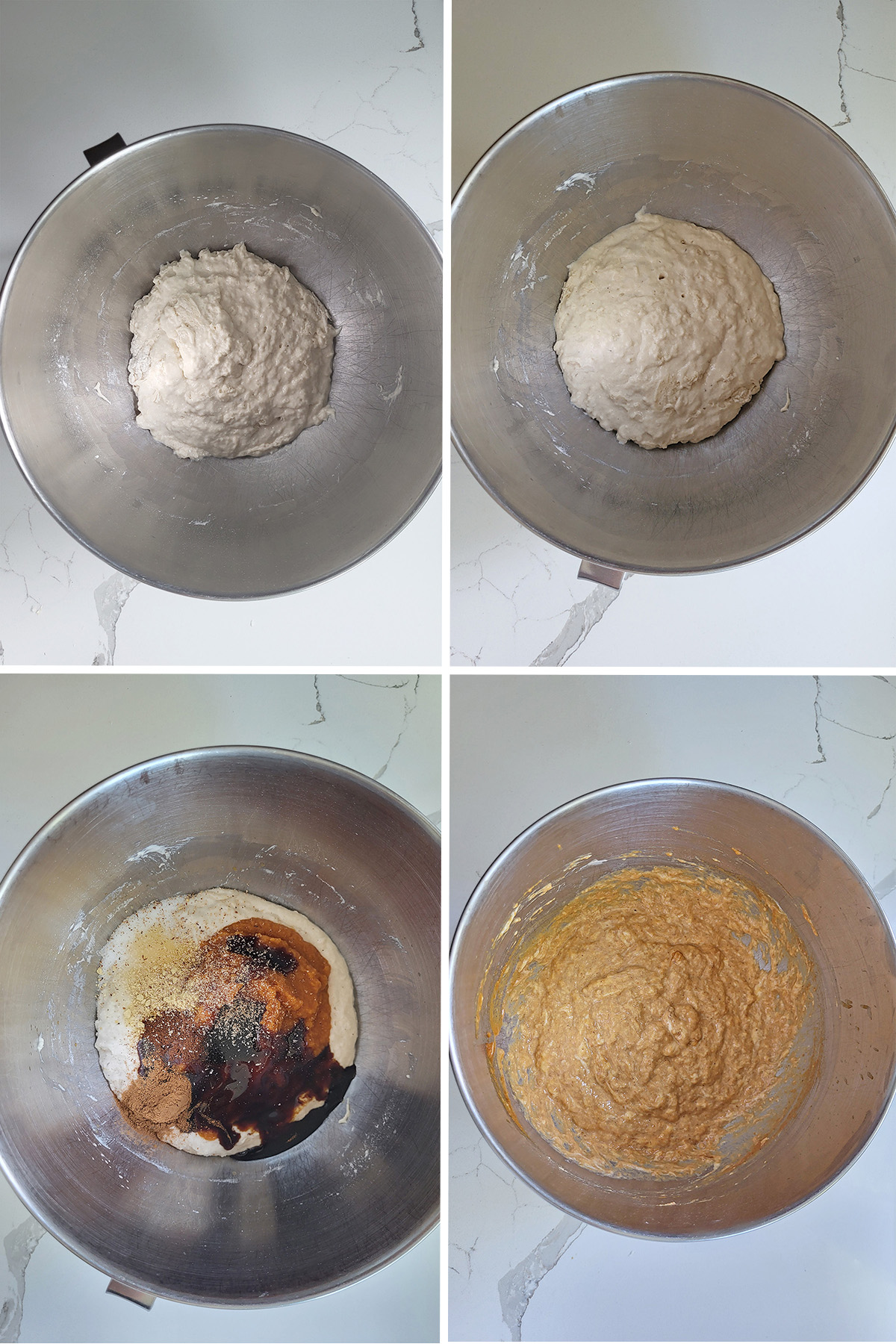
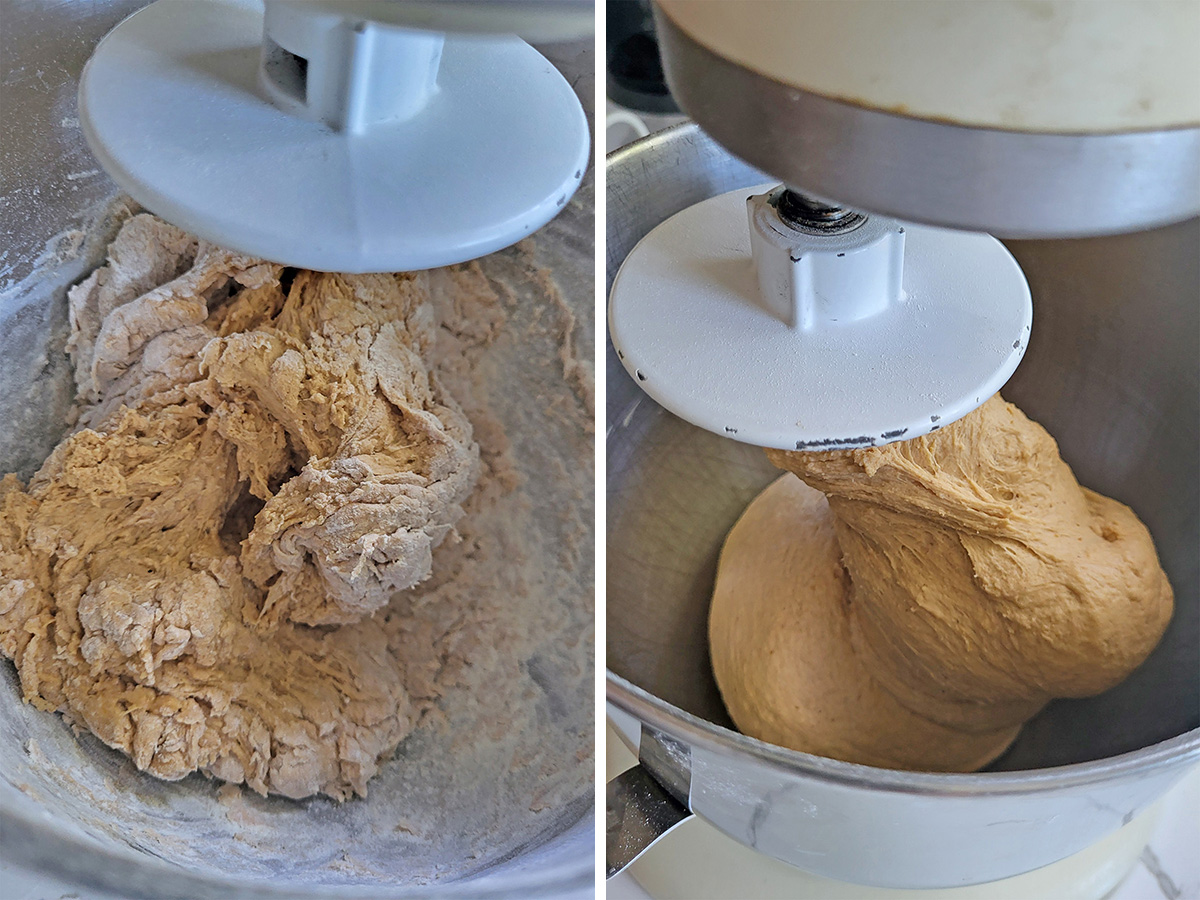
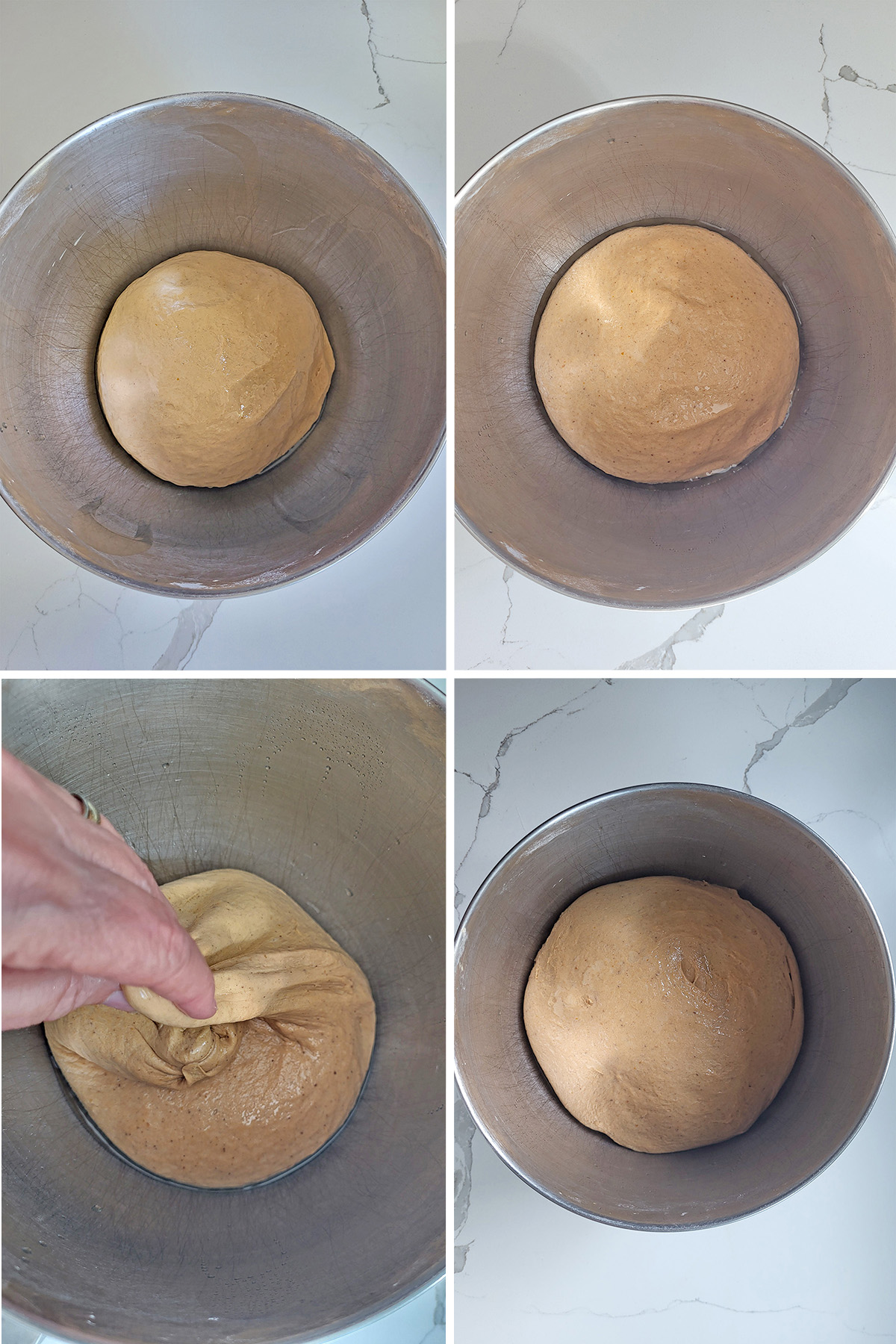
The process begins with the maintenance of the sourdough starter. Bakers must feed the culture at least 8 to 12 hours before mixing to ensure maximum vigor. Once the starter is active and at its peak, it is incorporated into the dough along with bread flour, water, salt, barley malt syrup, and the pumpkin base. The dough is kneaded until it achieves a smooth, elastic consistency, a step essential for developing the gluten structure required to hold the dense shape of a bagel. Following mixing, the dough undergoes a bulk fermentation phase. During this time, the baker performs a series of folds to strengthen the gluten network, a process that continues until the dough exhibits sufficient aeration.
Day Two: Shaping, Boiling, and Baking
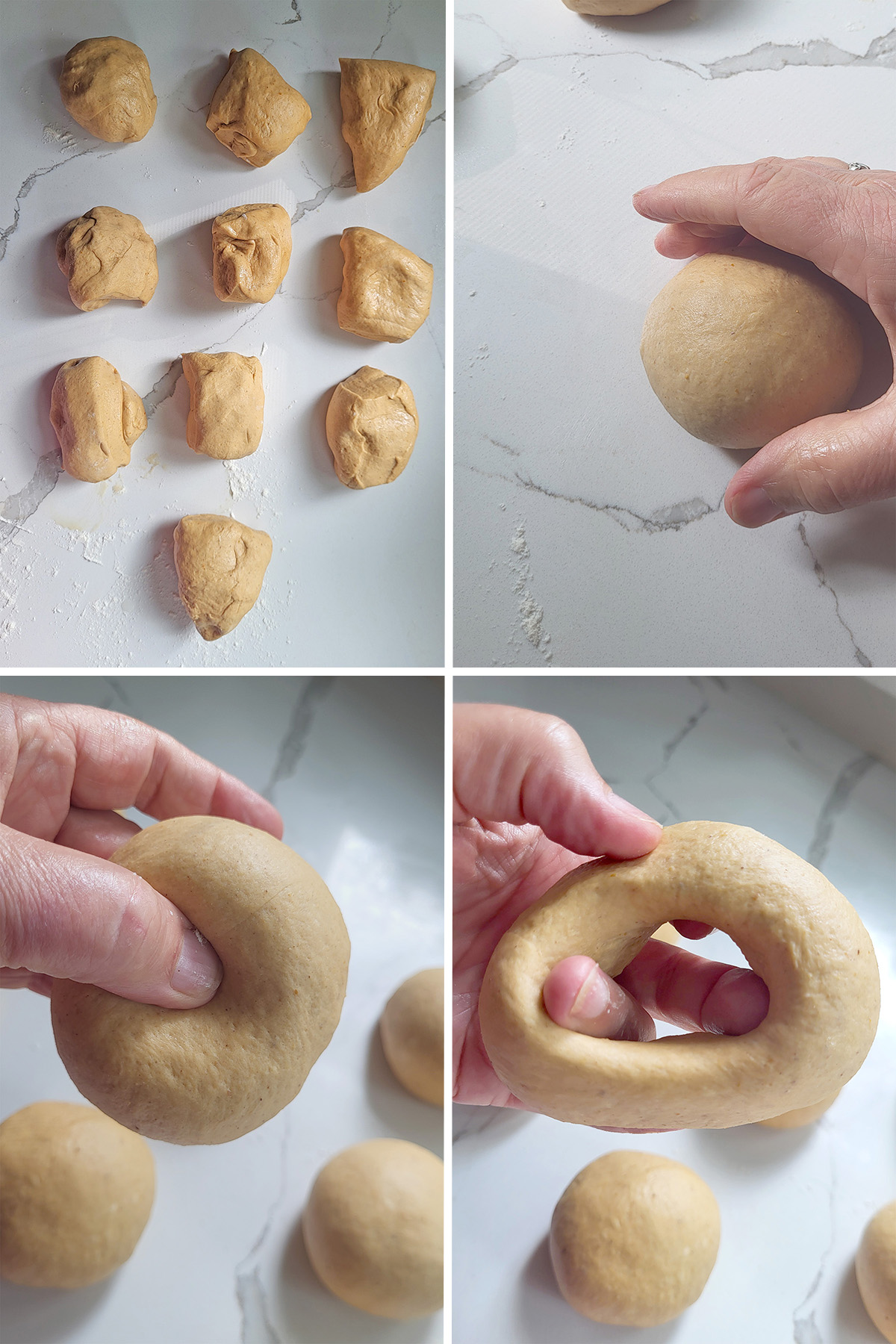
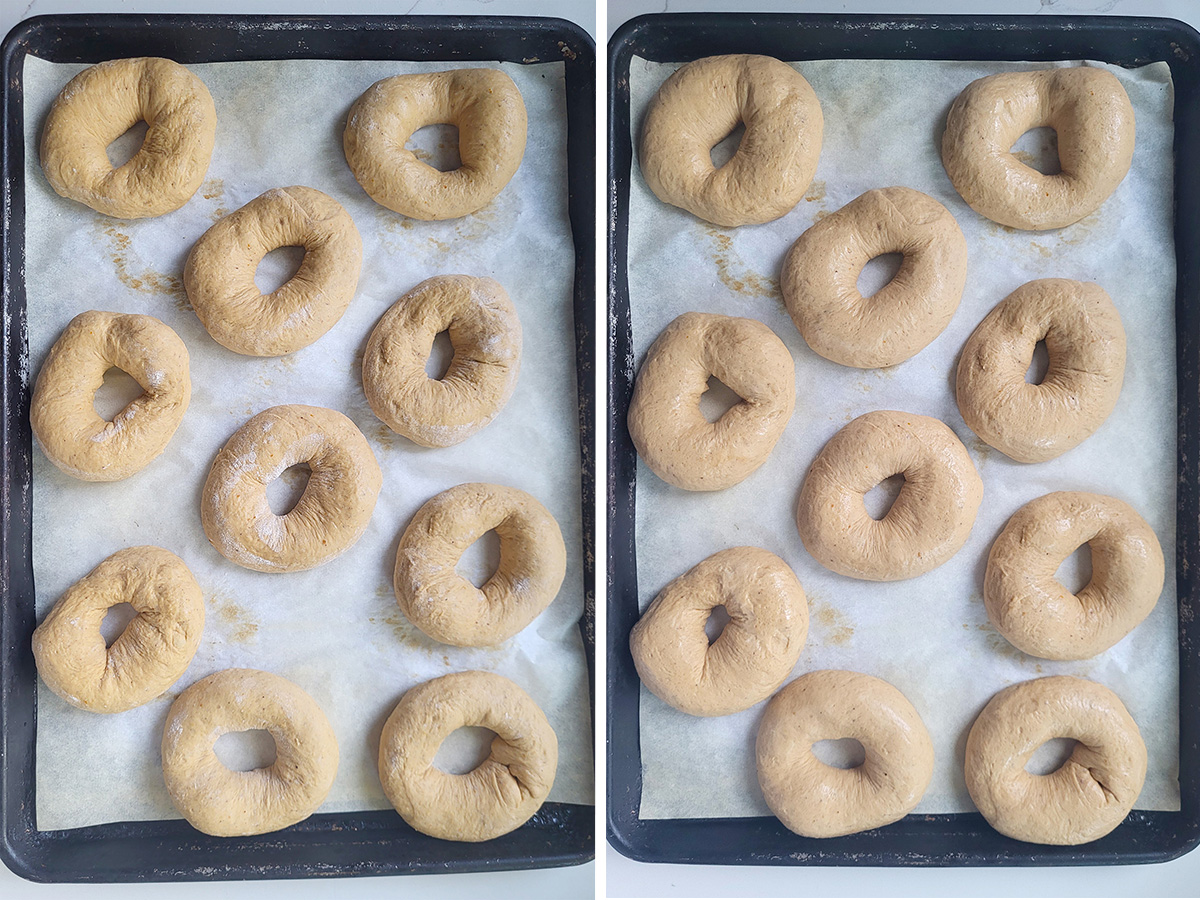
After an overnight rest, the dough is divided and shaped into the traditional bagel form. A crucial, yet often overlooked, stage is the cold proof. By placing the shaped bagels in a refrigerator, the baker slows down the final fermentation, which tightens the crumb and enhances the crust’s blistered texture.
The final steps involve a brief boil in a water bath, often infused with barley malt or molasses, followed by a high-temperature bake. The boiling process gelatinizes the surface starches, creating the signature chewy exterior, while the oven’s heat sets the structure, ensuring the interior remains moist and soft.
Nutritional Profile and Dietary Implications
From a nutritional perspective, the incorporation of pumpkin provides a modest increase in dietary fiber and Vitamin A. A standard serving of this sourdough pumpkin bagel—approximately one unit—contains roughly 331 calories, with 11 grams of protein and 58 grams of carbohydrates.
The use of sourdough fermentation offers additional advantages. Research into sourdough processing suggests that the long fermentation time helps in the partial degradation of phytates, which are compounds found in grains that can interfere with mineral absorption. By extending the fermentation duration, the bioavailability of minerals such as iron and calcium is improved, making the sourdough pumpkin bagel a more nutritionally dense option compared to bagels made with rapid-acting commercial yeasts.
Market Context and Consumer Trends
The rise of the sourdough pumpkin bagel is reflective of a broader consumer trend favoring "slow food." In recent years, data from the baking industry indicates a 15% year-over-year increase in consumer interest regarding home-baked sourdough goods. This interest is driven by a desire for transparency in ingredients and a growing appreciation for the technical skill involved in traditional baking.
Market analysts suggest that the "pumpkin spice" fatigue that has hit the mass-market coffee and bakery sectors in previous years has led consumers to seek more sophisticated, less sugary alternatives. The sourdough pumpkin bagel satisfies the seasonal demand for autumn flavors while maintaining the integrity of a savory breakfast staple. By focusing on the inherent flavor of real pumpkin rather than artificial flavorings, artisanal bakeries are successfully positioning these items as premium, high-quality products.
Professional Guidance on Troubleshooting
For home bakers and professionals alike, managing the variables of this recipe is key to consistency. The most common challenge encountered during production is the slower rise time caused by the enrichment of the dough. The fats and sugars present in the pumpkin purée create a more viscous environment for the wild yeast.
Experts advise that the "Baking Sense" approach—monitoring the dough’s visual cues rather than relying strictly on the clock—is the most reliable method for success. If the bulk fermentation is sluggish, extending the room-temperature proof by an additional hour or two is often necessary. Furthermore, the storage of the finished product is a significant factor in quality control. Because these bagels are preservative-free, they are best consumed within 24 hours of baking. For long-term storage, the industry-standard recommendation is to slice the bagels 75% of the way through before freezing. This allows for immediate, convenient toasting, which restores the crust’s crispness without compromising the interior texture.
Future Implications for the Bakery Sector
The success of recipes like the sourdough pumpkin bagel suggests a long-term viability for seasonal, sourdough-based breads. As consumers continue to move away from processed food additives, the ability to produce flavorful, shelf-stable, and nutritionally superior products through fermentation will remain a competitive advantage for bakeries.
The technical requirements of this recipe—specifically the mastery of the two-day schedule—also serve as a barrier to entry, protecting the value of artisanal bakers in an increasingly automated food industry. As more consumers adopt home sourdough practices, the demand for sophisticated, well-tested recipes that move beyond basic loaves is expected to grow.
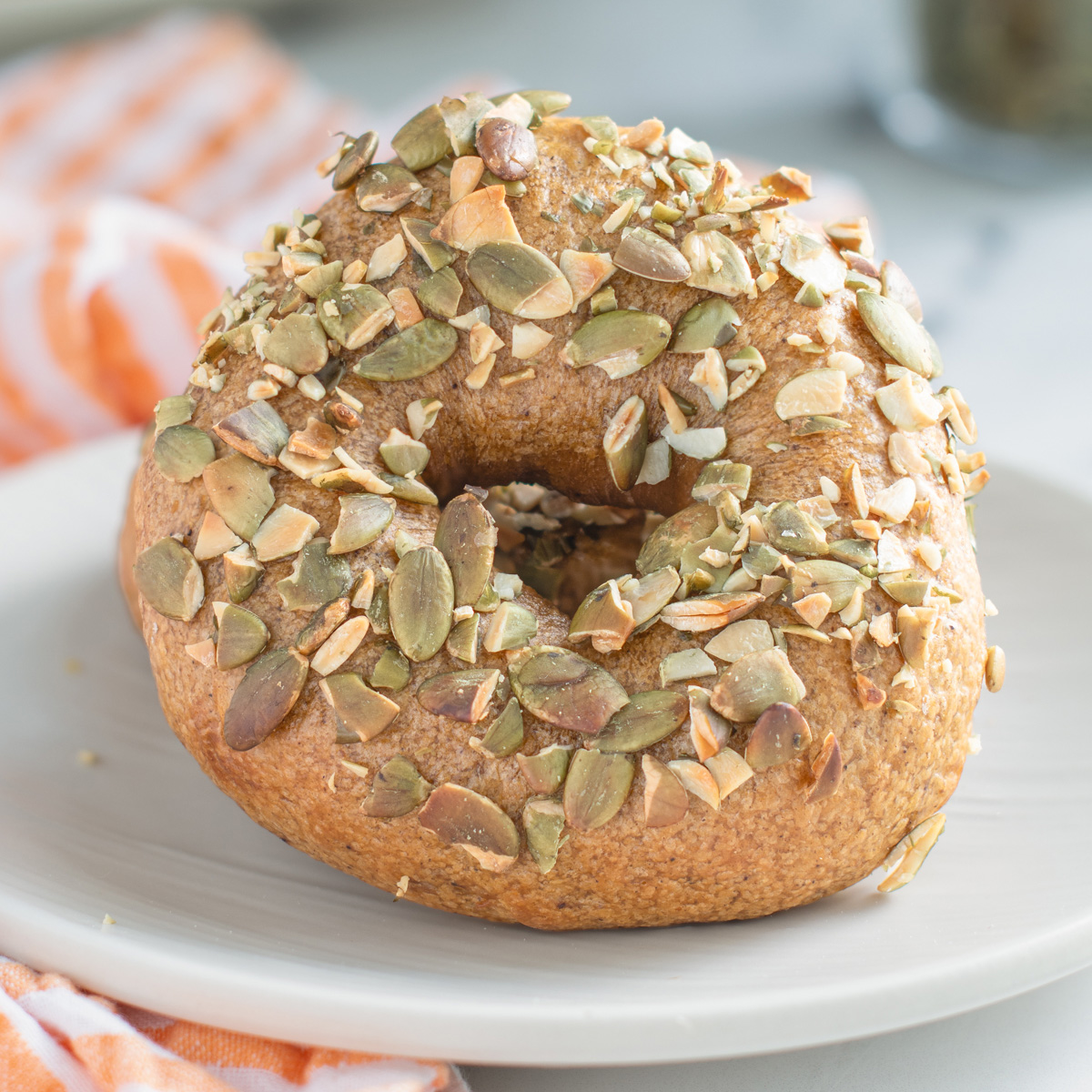
In conclusion, the sourdough pumpkin bagel is more than a seasonal novelty; it is an example of how traditional techniques can be adapted to accommodate modern flavor preferences. Through careful management of fermentation, precise timing, and a focus on high-quality ingredients, this recipe offers a blueprint for how the baking industry can continue to innovate while honoring the fundamental principles of sourdough production. Whether enjoyed with a savory cream cheese spread or a light dusting of seeds for added texture, these bagels represent the intersection of historical baking wisdom and contemporary culinary curiosity.