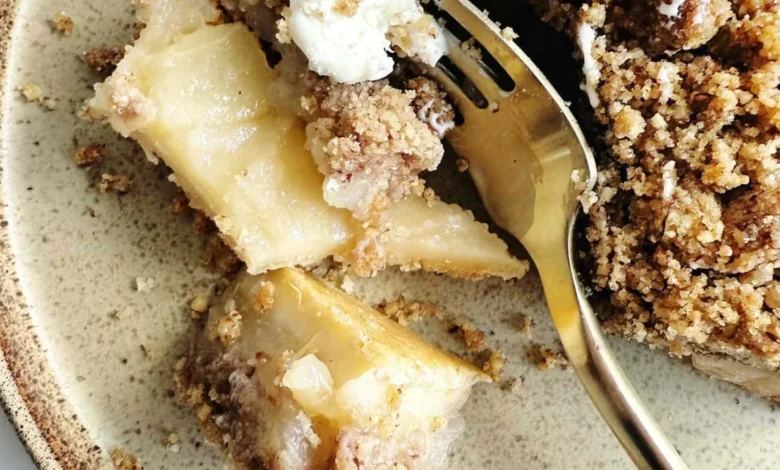
The culinary landscape of the American Midwest has long been defined by a quiet dedication to comfort baking, where seasonal ingredients meet generational techniques passed down through neighborhood coffeehouses and weathered paperback cookbooks. Among the enduring recipes of this tradition is a specific pear tart that has quietly evolved over the past twenty years, transitioning from a commercial coffee shop staple in south Minneapolis to a celebrated seasonal dessert featured across domestic kitchens during the autumn and winter holidays. The recipe, rooted in classic American baking literature and refined through decades of professional and home-testing, highlights the intersection of technique, accessibility, and seasonal produce in modern baking.
Origins in the Midwest Coffeehouse Scene
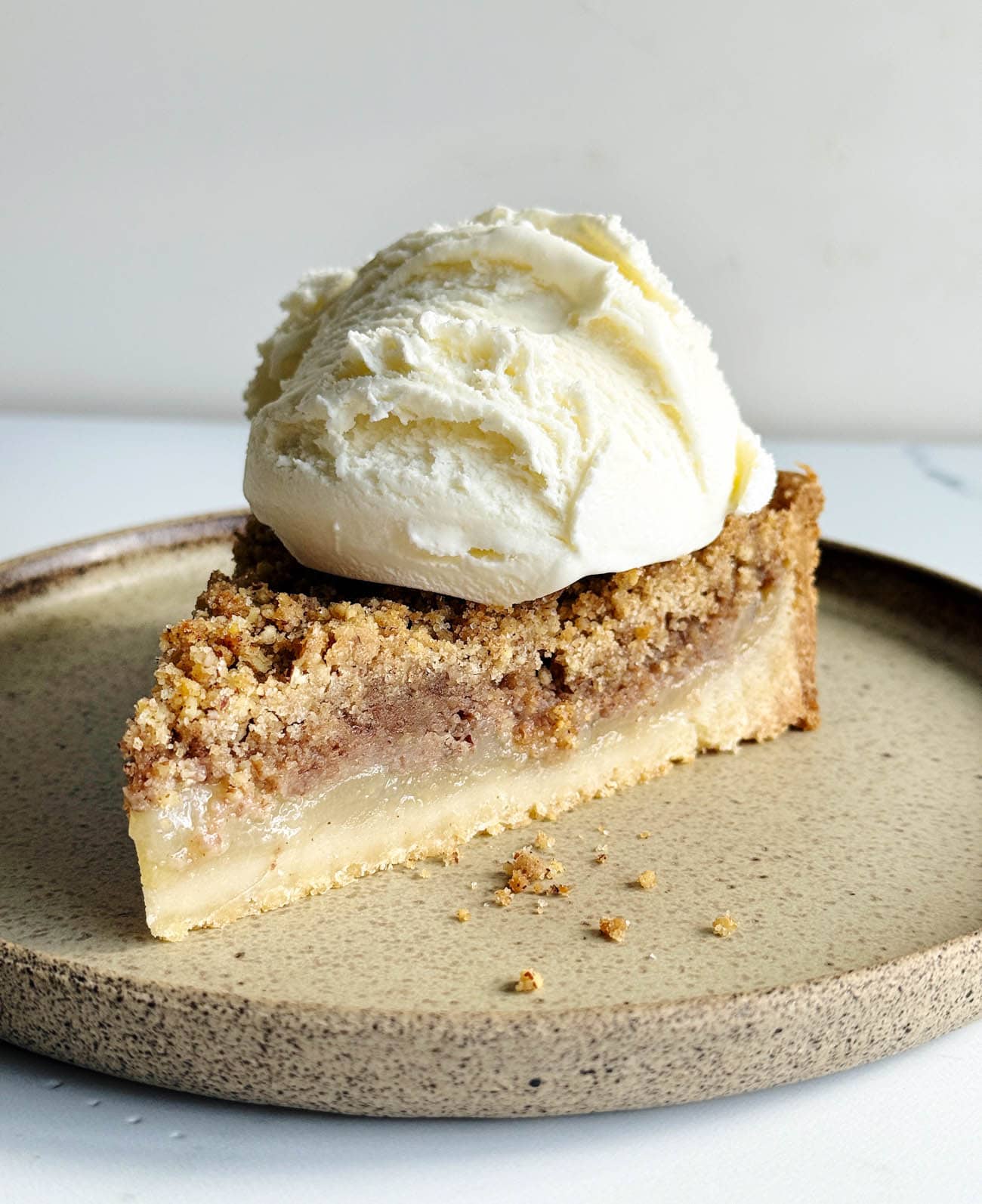
The genesis of the pear streusel tart dates back to the early 2000s, emerging within the vibrant and competitive specialty coffeehouse culture of south Minneapolis. During this period, independent coffee shops functioned not merely as purveyors of caffeinated beverages, but as localized culinary hubs where scratch-made pastries were crafted daily to satisfy a discerning clientele. Bakers moving between these neighborhood establishments frequently brought signature recipes with them, allowing popular items to cross-pollinate across different commercial kitchens.
The foundational blueprint for the tart originated not from a professional pastry academy, but from a trusted source in home economics: the iconic American reference manual, The Joy of Cooking. Specifically, the recipe draws heavily from the principles outlined in the dedicated volume All About Pies & Tarts. Published as part of the broader culinary documentation effort by the Joy of Cooking franchise, this specialized text emphasizes structural integrity in pastry, the physics of fruit fillings, and the balance of textures between crisp crusts and tender interiors.
A Two-Decade Evolution of Technique
Over the course of twenty years, the recipe underwent a series of systematic iterations designed to optimize both flavor profiles and preparation efficiency for contemporary bakers. Professional bakers and culinary developers frequently refine traditional formulas to address common pain points, such as time constraints, ingredient availability, and structural failures during baking.
Several key modifications transformed the original cookbook adaptation into its current form:
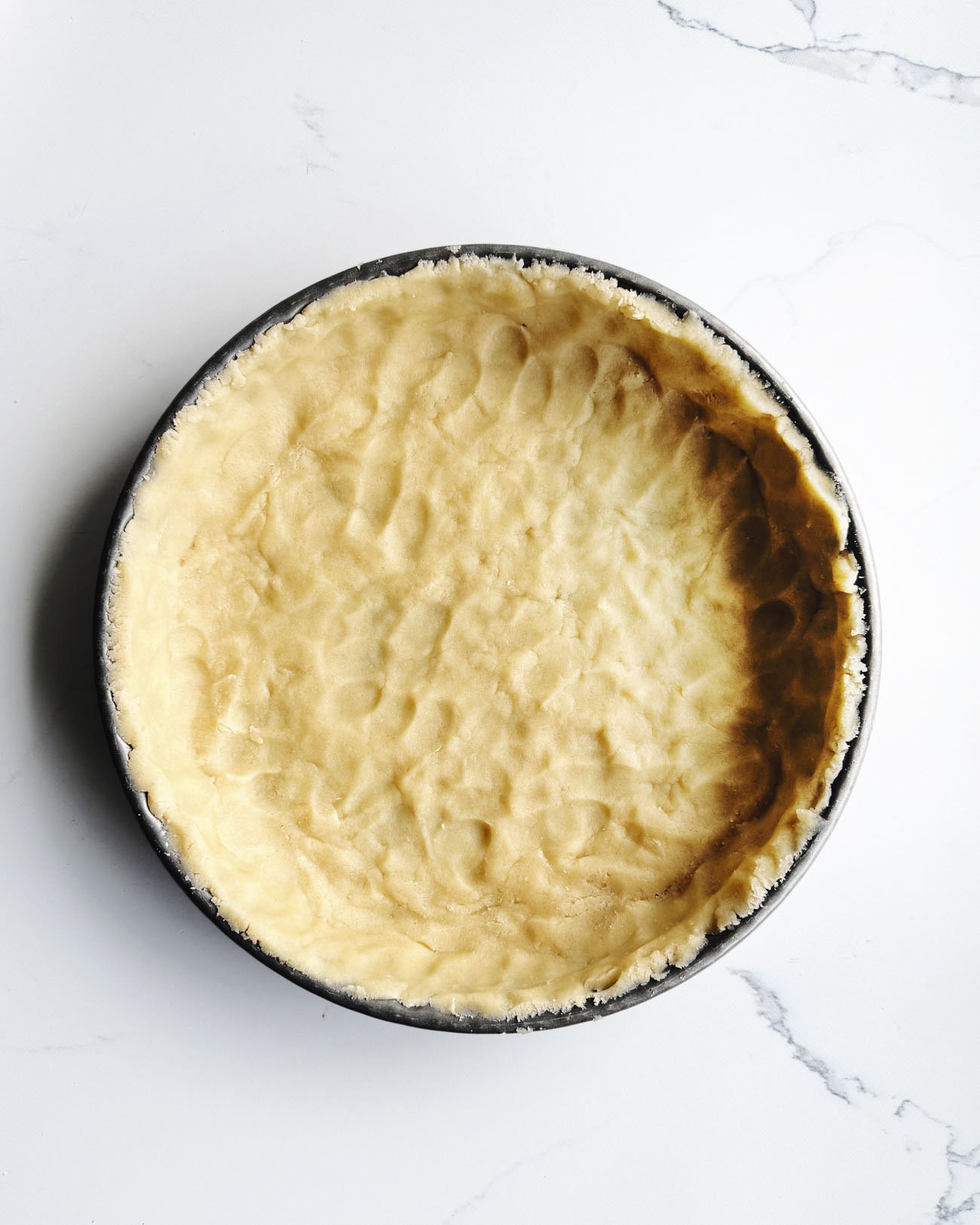
- Crust Adaptation: Traditional rolled pie crusts often intimidate home bakers due to requirements for precise temperature control, structural manipulation, and delicate transfer techniques. The adoption of a "pat-in-the-pan" crust eliminates these barriers, utilizing a forgiving dough matrix that can be pressed directly into the tart pan and easily patched if minor tears occur during handling.
- Filling Enhancement: To elevate the natural flavor profile of the fruit, the filling was modified with the addition of fresh lemon juice to provide bright acidity, pure vanilla extract for aromatic depth, and freshly grated nutmeg to introduce warm, earthy undertones that complement orchard fruits.
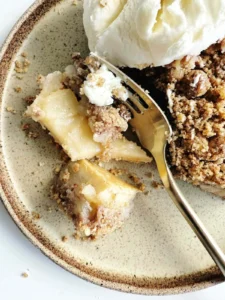
- Textural Contrast: The crowning element of the modern iteration is a signature pecan streusel. By incorporating chopped pecans into the traditional butter-sugar-flour crumb topping, the dessert achieves a distinct textural duality, contrasting the tender, juicy fruit and flaky crust with a rich, toasted nut crunch.
Material and Equipment Innovations in Baking
The evolution of this recipe mirrors broader advancements in baking technology and kitchen tools over the last two decades. Modern pastry testing emphasizes reproducibility and the reduction of common culinary errors, particularly when dealing with custard- or fruit-filled crusts.
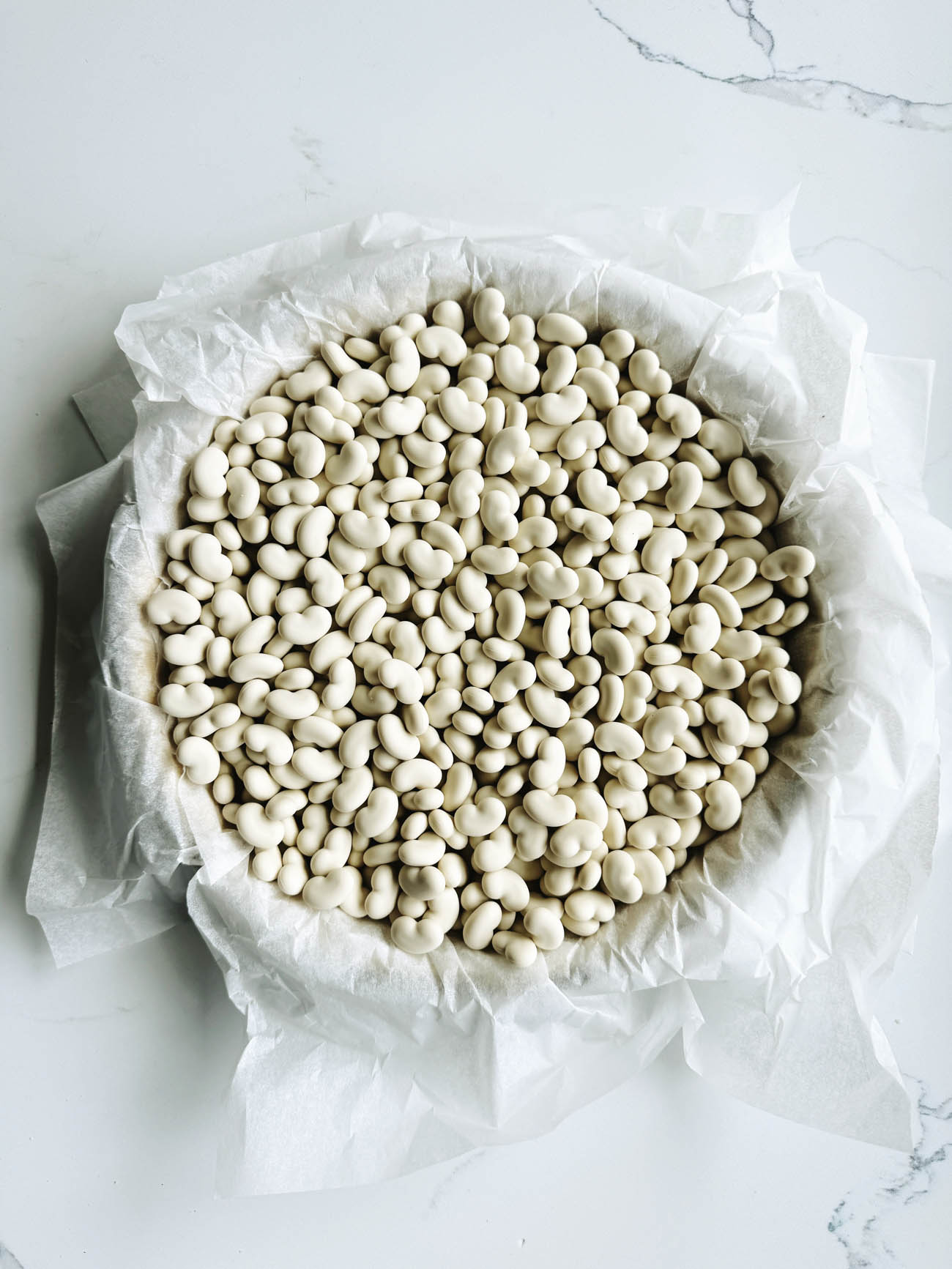
A critical component highlighted in the recipe’s development is the necessity of blind baking—pre-baking the crust prior to adding the wet filling. Without this step, moisture from the fruit compromises the bottom pastry, resulting in a dense, undercooked texture rather than the desired crisp bite. While traditional methods frequently utilize dried beans or raw rice as weights to prevent the crust from buckling, contemporary bakers have increasingly adopted specialized silicone baking beans, such as those popularized by pastry chef Erin McDowell. These modern tools offer distinct advantages over organic weights: they are reusable, non-porous, dishwasher safe, and distribute heat evenly across the pastry base without absorbing butter or moisture.
Ingredient Selection and Seasonal Dynamics
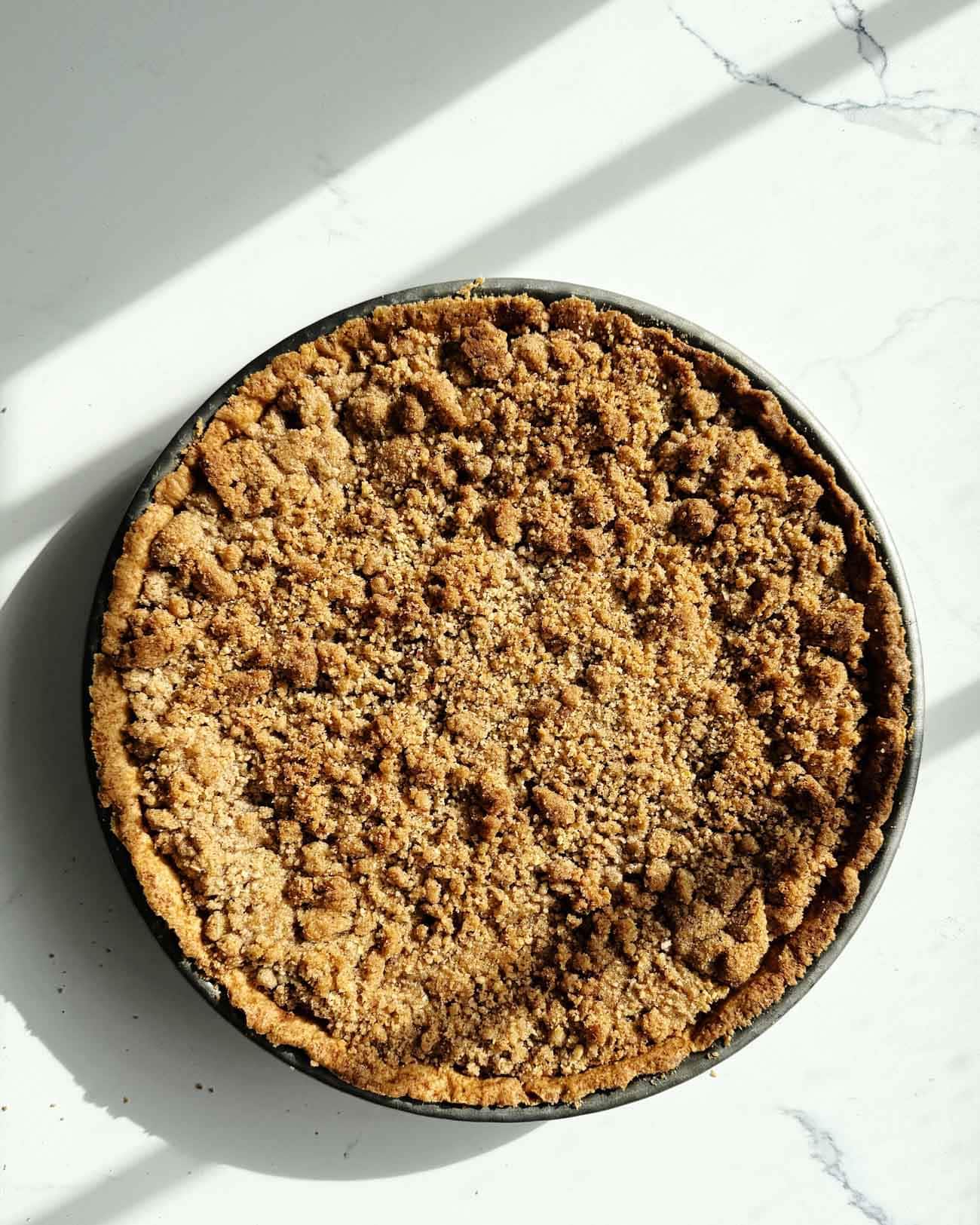
Fruit selection plays a determinative role in the success of the pear streusel tart. Culinary testing consistently identifies Bartlett pears as the optimal fruit variety for this specific application. Unlike firmer varieties such as Bosc or D’Anjou, which tend to hold their shape and density when cooked, Bartlett pears break down more readily under heat, releasing their natural juices to create a rich, syrupy consistency within the filling without becoming overly mealy.
The timing of the bake is intrinsically linked to the ripeness of the fruit. Because ripe Bartlett pears contain higher sugar and moisture content, baking times can vary significantly based on ambient kitchen temperature and fruit maturity. Professional bakers advise monitoring the visual cues of the dessert rather than relying strictly on a timer, noting that the filling must reach a vigorous boil within the crust before it is removed from the oven to ensure proper setting and gelatinization of the juices.
Broader Culinary Implications and Holiday Relevance
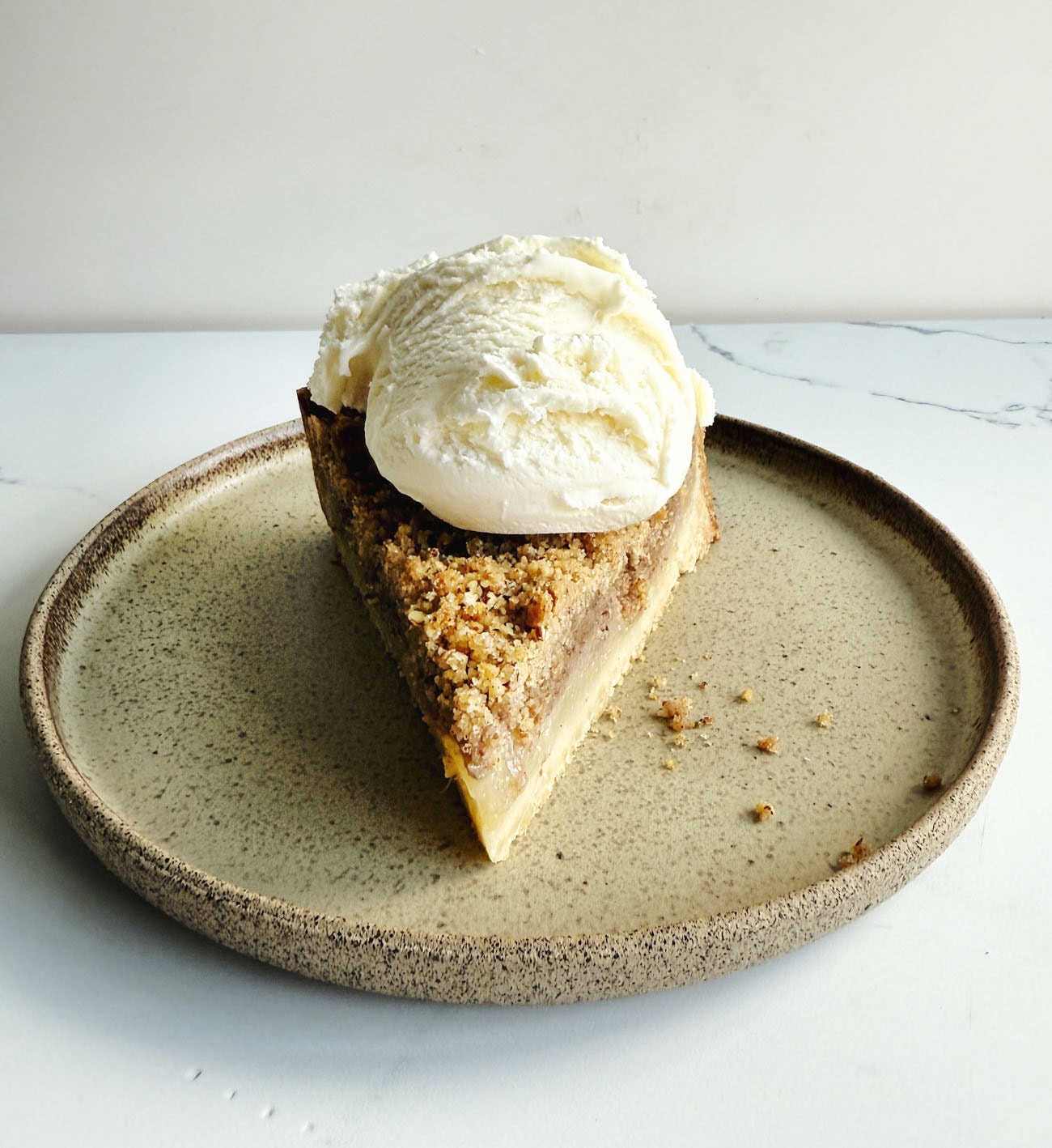
The longevity of the pecan streusel pear tart speaks to a broader cultural shift in modern baking toward accessible, seasonally focused comfort food. As commercial bakeries face rising ingredient costs and labor shortages, recipes that offer high visual and sensory appeal with streamlined preparation methods have become increasingly valuable to both professional operations and home kitchens.
Positioned neatly between the transition from late autumn harvest to the peak of the winter holiday season, the dessert serves as an alternative to traditional pumpkin or apple pies during Thanksgiving and subsequent gatherings. By bridging the gap between historical culinary texts like The Joy of Cooking and modern home-baking innovations, the tart exemplifies how classic recipes endure, adapting to new tools and tastes while retaining the foundational warmth that made them popular decades prior.