The Evolution of Holiday Baking: Why Sugar Cookie Bars are Replacing Traditional Cut-Outs in Modern Kitchens

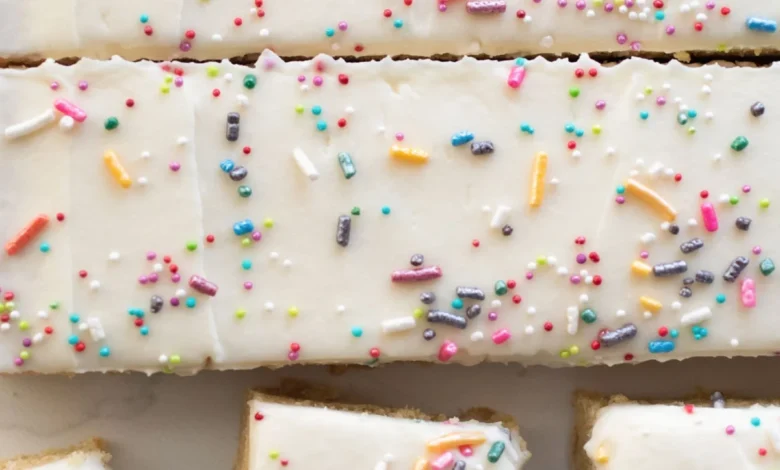
The culinary landscape of the winter holiday season has undergone a subtle yet significant shift in recent years, driven by a growing demand for culinary efficiency without the sacrifice of traditional flavor. At the center of this movement is the sugar cookie bar, a streamlined iteration of the classic holiday staple that has rapidly gained popularity among home bakers and professional pastry chefs alike. While the ritual of rolling, cutting, and meticulously decorating individual sugar cookies remains a cherished nostalgic activity for many families, contemporary time constraints and changing lifestyle patterns have catalyzed a widespread transition toward pan-baked alternatives. This evolution reflects broader trends in home economics, where convenience, consistency, and time-saving methodologies increasingly dictate holiday traditions.
Background Context and Culinary Evolution
The history of the holiday sugar cookie is rooted in European baking traditions, particularly the German Lebkuchen and the Scandinavian spiced biscuits that became synonymous with winter festivities. In North America, the practice of rolling out dough and using festive metal or plastic cookie cutters gained prominence during the mid-20th century, coinciding with the mass production of household baking supplies and the proliferation of holiday cookbooks. For generations, decorating days—characterized by hours spent mixing royal icing, applying sprinkles, and managing sticky dough—functioned as a cornerstone of family socialization during December.
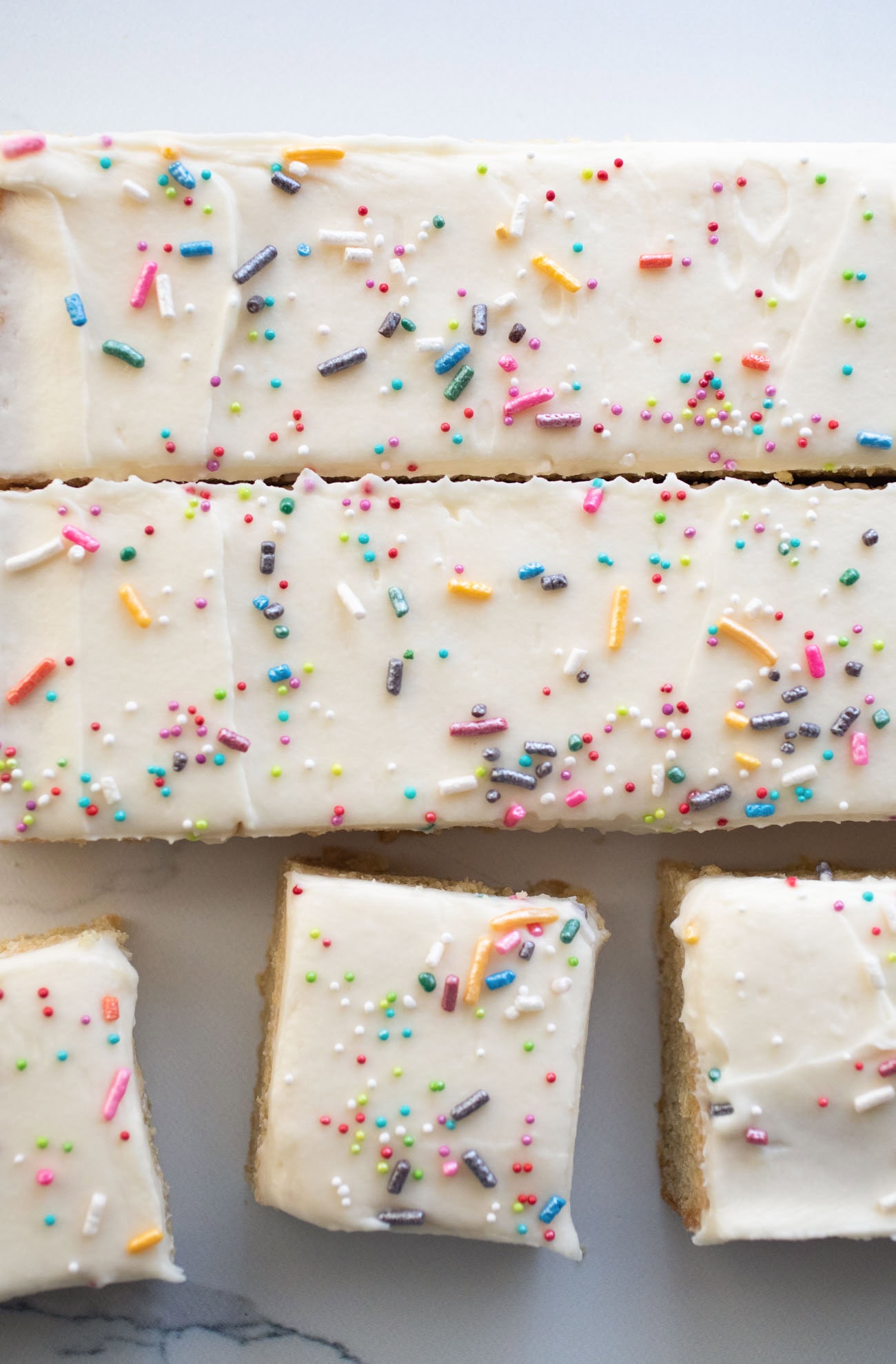
However, the intensive labor requirements of traditional cut-out cookies have presented a challenge for contemporary households balancing full-time employment, childcare, and complex holiday schedules. The development of the sugar cookie bar addresses this friction point directly. By pressing enriched dough into a standard 9-by-13-inch baking pan, home bakers can eliminate the time-consuming processes of chilling, rolling, cutting, and re-rolling dough scraps. Culinary historians note that while bar cookies, such as brownies and blondies, have long existed for their sheer practicality, adapting the classic butter-and-sugar profile of holiday cookies into a sheet format represents a deliberate modernization of a heritage recipe.
Chronology of the Trend and Recipe Adaptation
The transition from individual cut-outs to pan-baked bars accelerated significantly during the digital recipe boom of the late 2010s and early 2020s, driven by food bloggers, cookbook authors, and culinary influencers seeking to simplify holiday preparations. Professional bakers and recipe developers began experimenting with established sugar cookie formulations—such as those featured in popular culinary literature including the cookbook 100 Cookies—modifying moisture ratios and fat content to ensure that the baked slab retained the desired structural integrity while delivering a superior texture.
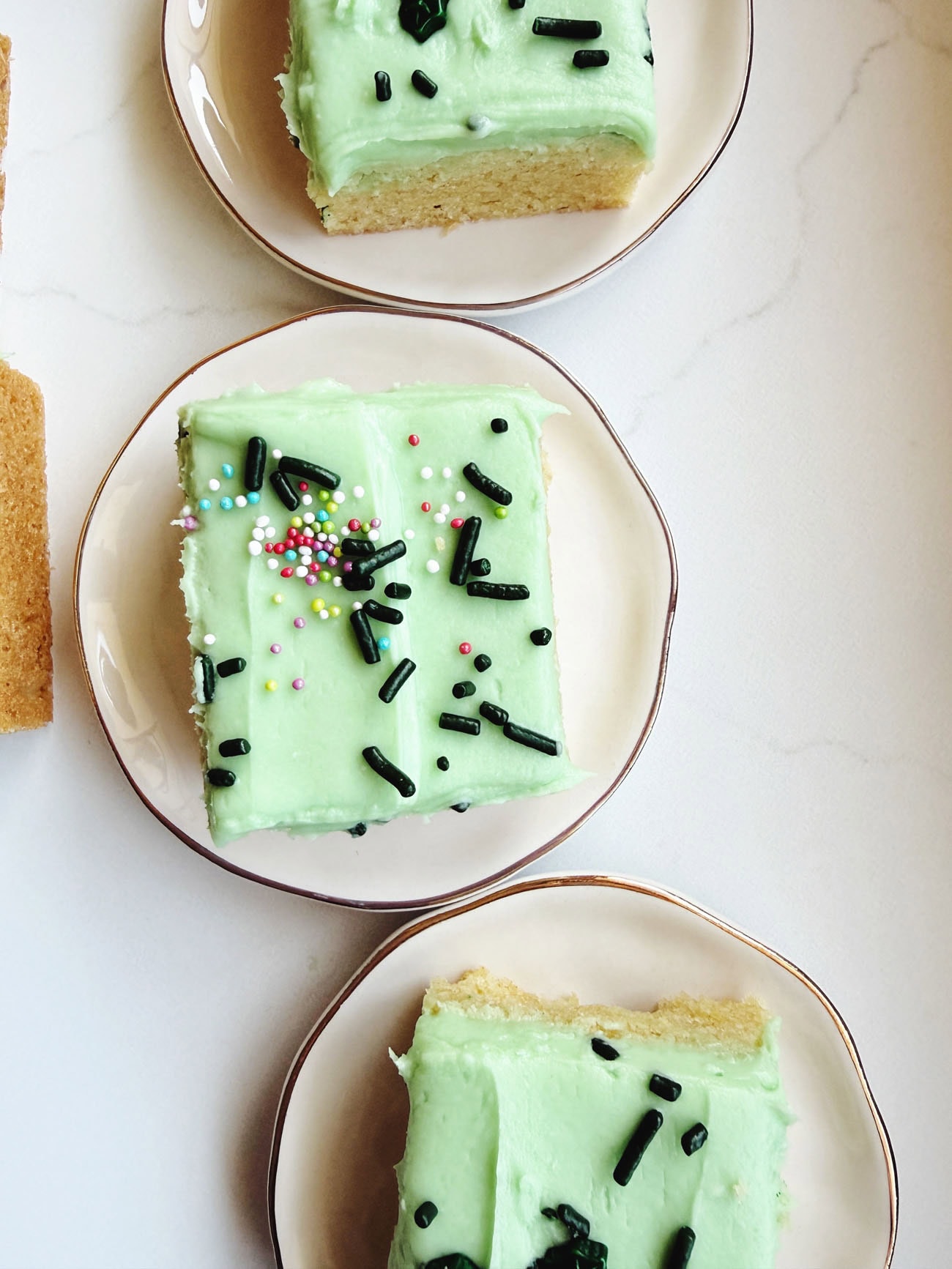
Unlike traditional rolled cookies, which rely on a firmer dough to hold their shape during baking, sugar cookie bars are formulated with higher moisture retention and precise fat-to-flour ratios. This chemical adjustment yields a distinct textural profile: a soft, chewy interior center complemented by crisp edges, topped traditionally with a layer of buttercream or cream cheese frosting. The inclusion of frosting not only enhances the flavor profile but also acts as a natural sealant, locking in moisture and keeping the bars tender for days after baking. This longevity has made the dessert a staple for holiday bake sales, office gatherings, and postal gift boxes, where traditional decorated cookies might easily fracture or stale.
Data and Market Observations in Home Baking

Market research focusing on seasonal consumer goods indicates a steady rise in the sales of baking pans, parchment paper, and pre-made frostings during the fourth quarter of each calendar year, correlating with an increased interest in simplified baking techniques. Culinary educators report that instructional content related to sheet-pan desserts and bar variations experiences a 40% to 60% surge in web traffic between November and December compared to the rest of the year.
Furthermore, consumer surveys conducted by culinary associations suggest that while traditionalists still value the aesthetic appeal of intricately iced individual cookies, a significant majority of home cooks prioritize time efficiency when preparing baked goods for large groups. The sugar cookie bar bridges this gap by offering a canvas for decorative icing, sprinkles, and holiday coloring while reducing active preparation and clean-up time by up to 70%.
Statements and Industry Perspectives
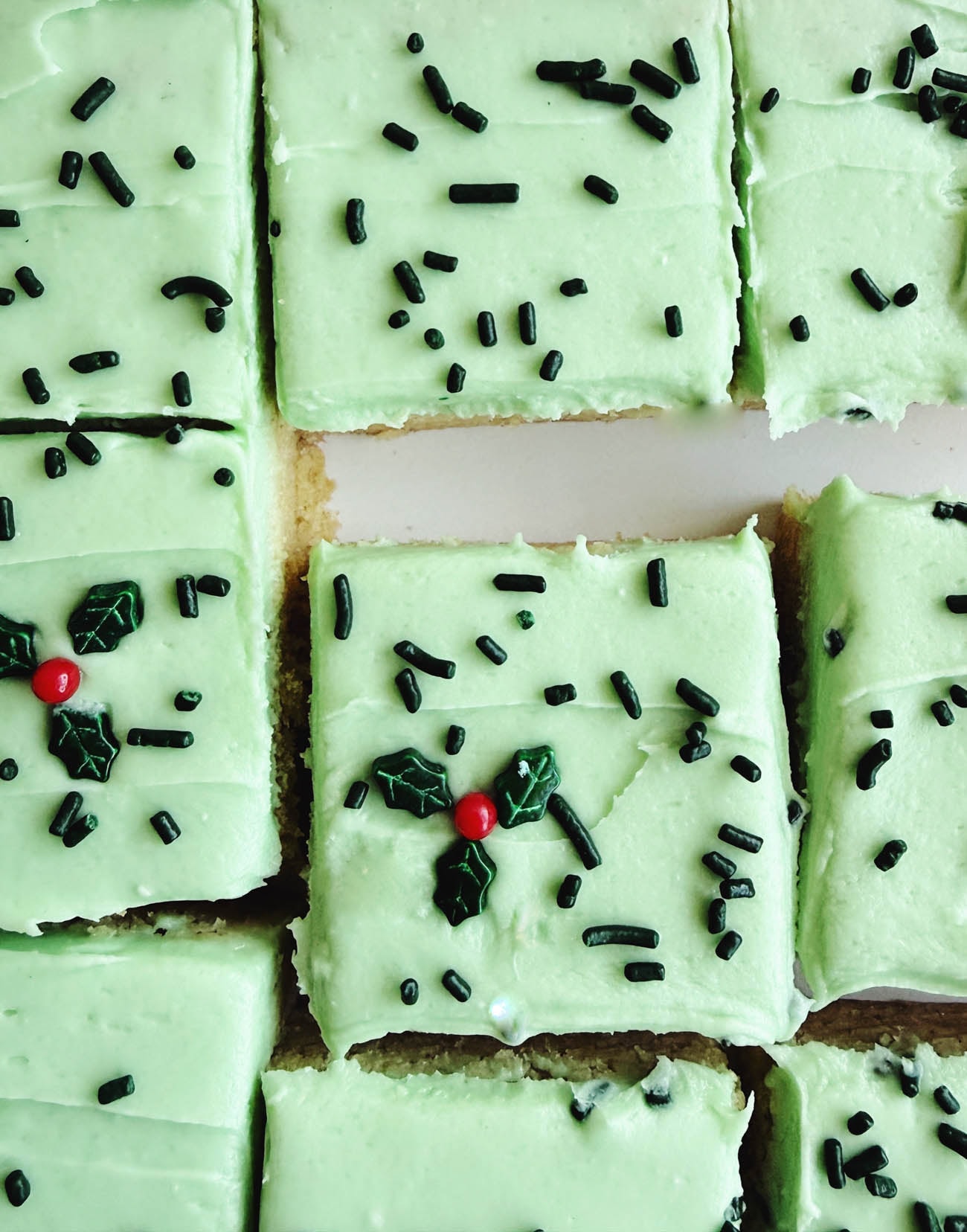
Culinary professionals and cookbook authors have increasingly endorsed sheet-pan variations as a practical evolution of classic recipes rather than a compromise in quality.
"The modern kitchen requires versatility," notes a prominent food writer and recipe developer specializing in home baking. "Baking sugar cookies in a pan is not about cutting corners; it is about recognizing that the joy of baking should be accessible, even when time is limited. You still get the buttery, nostalgic flavor of a holiday sugar cookie, but you reclaim hours that would otherwise be spent scraping dough off a countertop."
Baking technologists emphasize that the science of the pan-baked cookie allows for better moisture control. Because the dough bakes as a single, contiguous mass, evaporation occurs primarily at the surface and edges, leaving the interior protected and remarkably soft. This contrasts with individual cookies, which are prone to over-baking and drying out if left in the oven for even a minute too long.
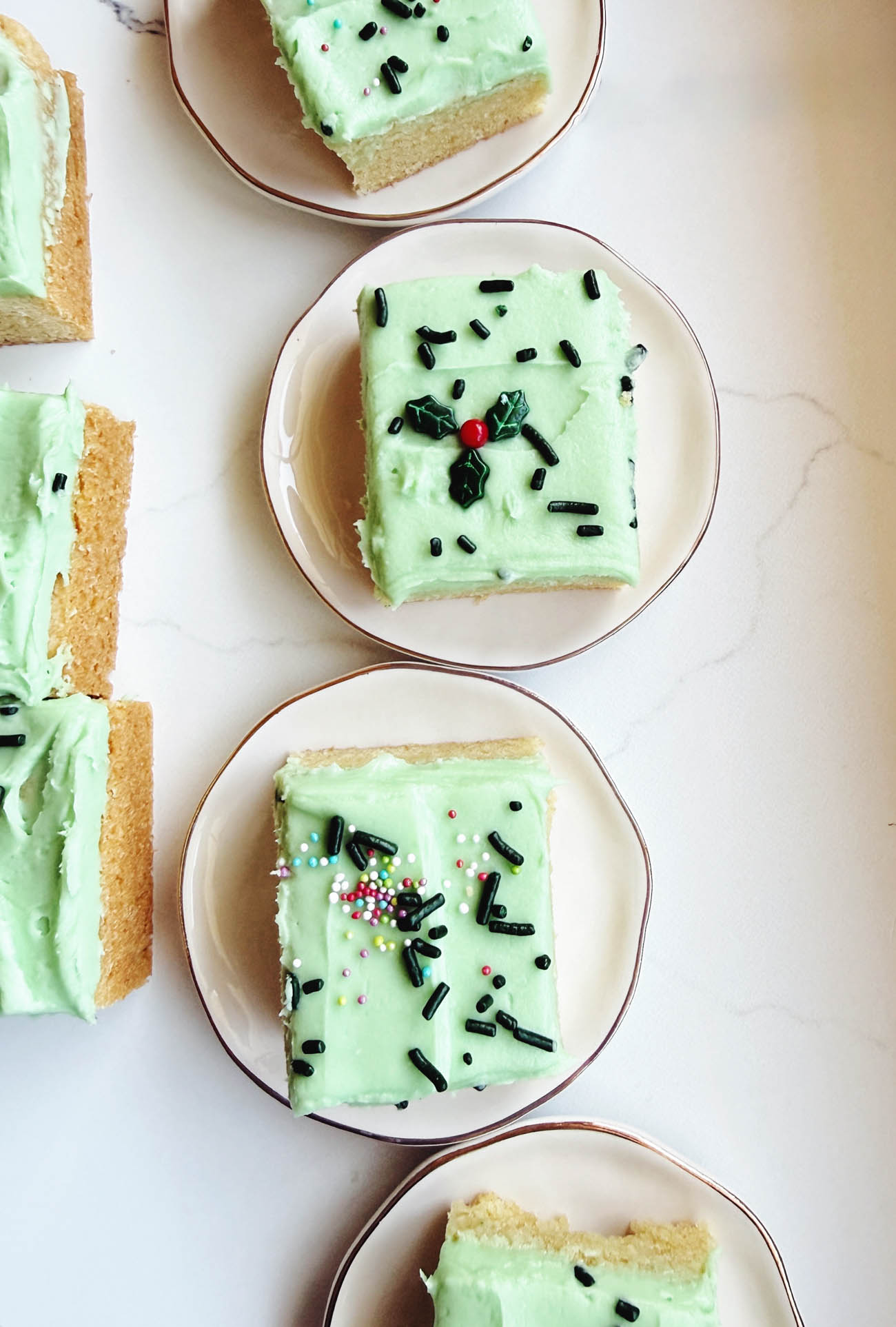
Broader Impact and Future Implications
The growing preference for streamlined holiday baking has broader implications for consumer culture and the publishing industry. Cookbook authors now routinely include pan-baked alternatives alongside traditional recipes to accommodate readers seeking lower-stress cooking methods. Additionally, the trend has influenced the manufacturing of bakeware, with increased demand for specialized non-stick 9-by-13-inch pans and precision offset spatulas designed specifically for frosting sheet cakes and cookie bars efficiently.
As culinary traditions continue to adapt to modern lifestyles, the sugar cookie bar exemplifies how heritage recipes can be re-engineered to fit contemporary needs without losing their cultural resonance. Whether served at a formal holiday gathering or baked as a quick weekend project with children, the bar format ensures that the flavors and rituals of winter celebrations remain accessible to a broader demographic of home cooks, securing its place as a permanent fixture in the modern seasonal repertoire.