Revamped Lemon Meringue Cake Recipe Blends Nostalgia with Modern Baking Techniques for a Showstopping Dessert Experience

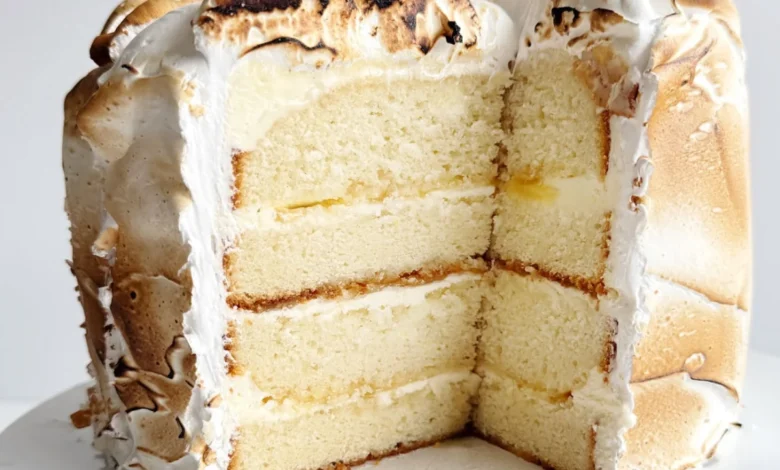
The evolution of classic dessert recipes often requires a delicate balance between honoring tradition and incorporating modern culinary insights. Recently, the culinary world has taken notice of a significant update to a beloved lemon meringue cake recipe originally published in a debut cookbook years ago. What began as a traditional family-recipe adaptation for a birthday celebration has transformed into a masterclass in texture, flavor balancing, and baking science. This modern iteration elevates the traditional lemon meringue profile by introducing a tender white cake base, a vibrant lemon curd layer, and the structural precision of the reverse creaming method.
The Genesis of a Birthday Request
The origins of this updated confection trace back to a specific personal milestone: a mother-in-law’s birthday celebration. When tasked with baking a celebratory dessert, the creator of the original recipe decided to revisit a lemon meringue layer cake featured in their first published baking book. Rather than executing the recipe as originally written, an opportunity arose to experiment with structural and flavor components.
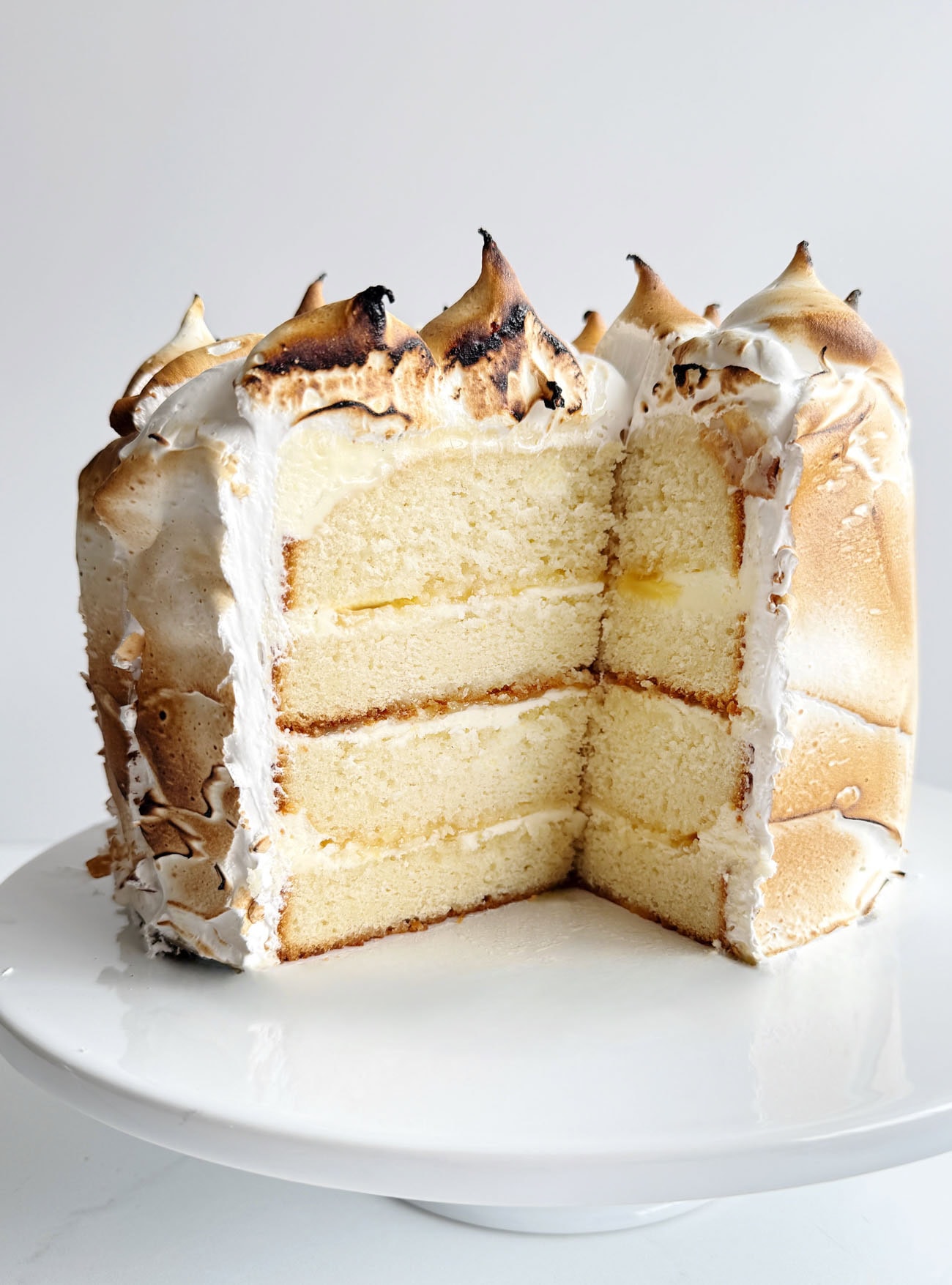
The initial version of the cake relied on a traditional yellow cake base. While well-received upon its original publication, contemporary baking preferences often lean toward lighter, more delicate crumb structures that do not compete with rich frostings and assertive fruit fillings. By substituting the yellow cake base with a refined white cake formulation, the baker achieved a significantly lighter and more tender texture. This modification allowed the surrounding elements—specifically a rich buttercream and a billowy meringue topping—to harmonize without overwhelming the palate.
Structural Innovations: The Reverse Creaming Method
A critical component of this recipe’s success lies in its execution technique, specifically the adoption of the reverse creaming method. Traditional cake-making often begins by creaming butter and sugar together, incorporating air to create a fluffy structure. However, reverse creaming—a technique popularized by inventive pastry chefs and baking scientists—involves coating the flour and dry ingredients directly with softened butter before introducing liquids.
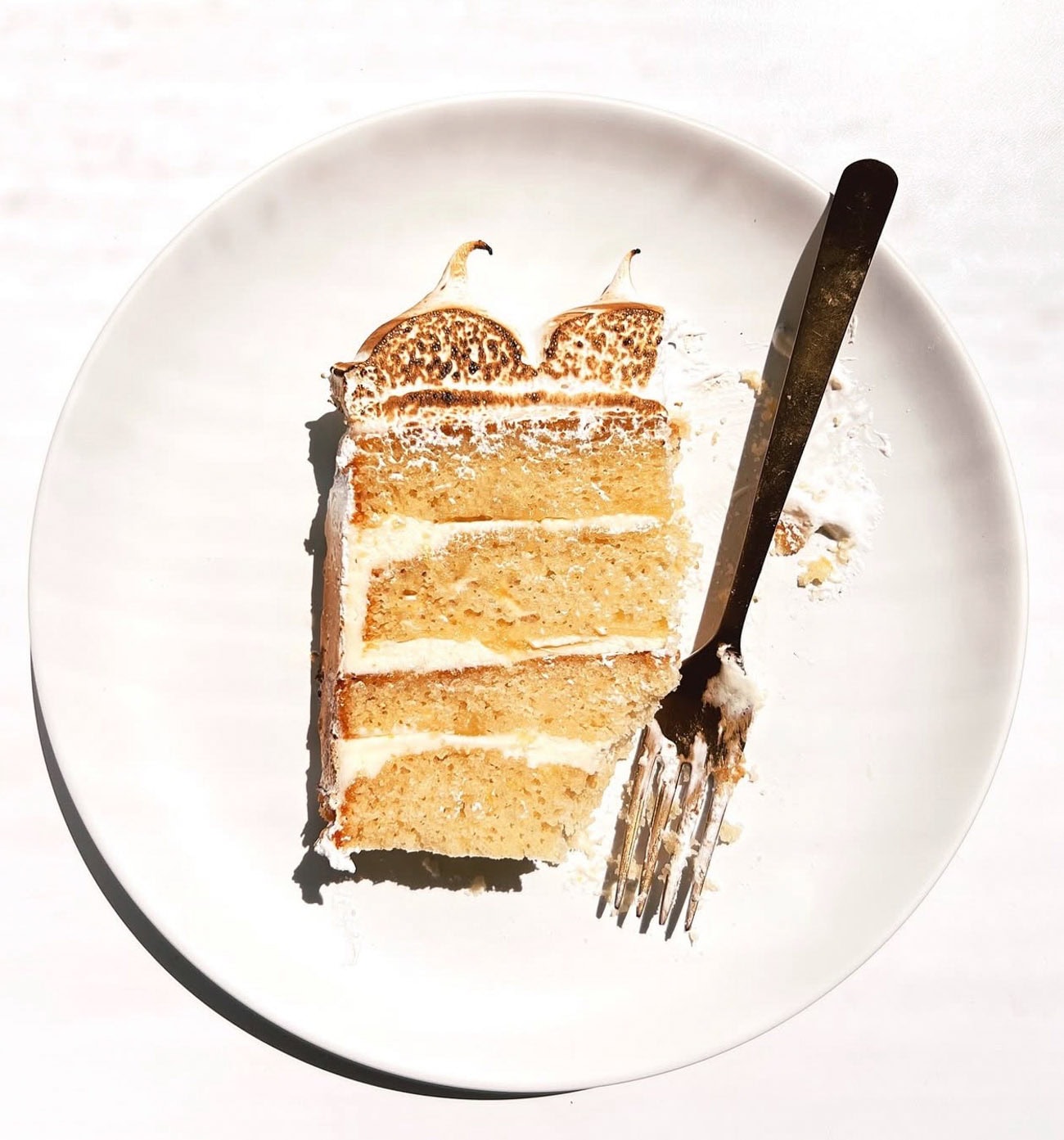
This method yields distinct textural advantages. Cakes prepared using reverse creaming exhibit a remarkably fine, uniform crumb and significantly reduced doming during the baking process. For home bakers and professionals alike, a flat cake layer eliminates the tedious need for leveling cakes prior to assembly, creating a stable foundation for stacked layer cakes. Furthermore, the absence of excessive aeration results in a velvety, melt-in-the-mouth consistency that holds up exceptionally well to moisture-heavy additions like soaking syrups and fruit curds.
Balancing Flavors: Texture, Zest, and Sweetness
Achieving the ideal lemon dessert requires navigating the fine line between vibrant acidity and cloying sweetness. This updated recipe addresses that challenge through a multi-tiered flavor strategy.
While the original iteration featured a lemon soak to infuse moisture and citrus notes into the crumb, the updated version introduces an additional layer of house-made lemon curd. This concentrated citrus element provides a sharp, tart contrast to the sweet buttercream and toasted meringue. The architectural layers of the cake now consist of:
- A tender white cake foundation providing a neutral, fine-crumb base
- A specialized lemon soaking syrup to lock in moisture and aromatic citrus oils
- A vibrant lemon curd layer delivering an intense burst of natural acidity
- A rich, stable buttercream filling balancing the tart fruit elements
- A billowy, torched meringue topping providing visual drama and textural contrast
Professional Baking Insights and Technical Specifications

For culinary enthusiasts attempting complex layered desserts, precise measurements and ingredient handling dictate the final outcome. Professional pastry kitchens heavily emphasize weight measurements over volume, a principle strongly advocated in modern baking literature.
A persistent challenge in home baking is the variance in flour measurement. Standard volumetric measurements (such as cups) can fluctuate wildly depending on how the flour is scooped, settling rates, and humidity. Culinary data indicates that a single cup of all-purpose flour can weigh anywhere from 120 grams to 142 grams. Through extensive recipe testing and averaging total metrics, culinary experts have standardized this specific formulation around 142 grams per cup. Utilizing a digital kitchen scale to measure ingredients in grams ensures reproducibility, preventing dense or dry cake textures.
Additionally, component longevity is a vital consideration for complex layered cakes. Professional bakers note that un-frosted cake layers possess considerable freezer stability. Wrapped securely in plastic wrap, the white cake layers can be frozen for up to two weeks without compromising their structural integrity or flavor profile, allowing for efficient meal and event preparation.
Broader Implications for Contemporary Baking Trends
The widespread interest in updated classic recipes reflects a broader cultural movement within modern gastronomy. As home cooking and baking experiences have surged in popularity over the last decade, consumers are increasingly seeking recipes that offer both reliability and elevated sensory experiences.
Food science communicators and recipe developers note that modern audiences are no longer satisfied with static instructions; they demand to know the "why" behind specific techniques. Explanations regarding the chemistry of reverse creaming, the importance of precise weight metrics, and the strategic layering of acidic elements cater to a more informed, discerning demographic of home bakers.
As this lemon meringue cake transitions from a personal family favorite to a widely shared culinary staple, it exemplifies how foundational recipes can be successfully modernized. By merging rigorous technique with thoughtful flavor calibration, contemporary baking continues to breathe new life into traditional desserts, ensuring their relevance for generations of celebrations to come.