The Ultimate Guide to Baking Moist and Tender Oatmeal Scones for Breakfast or Brunch

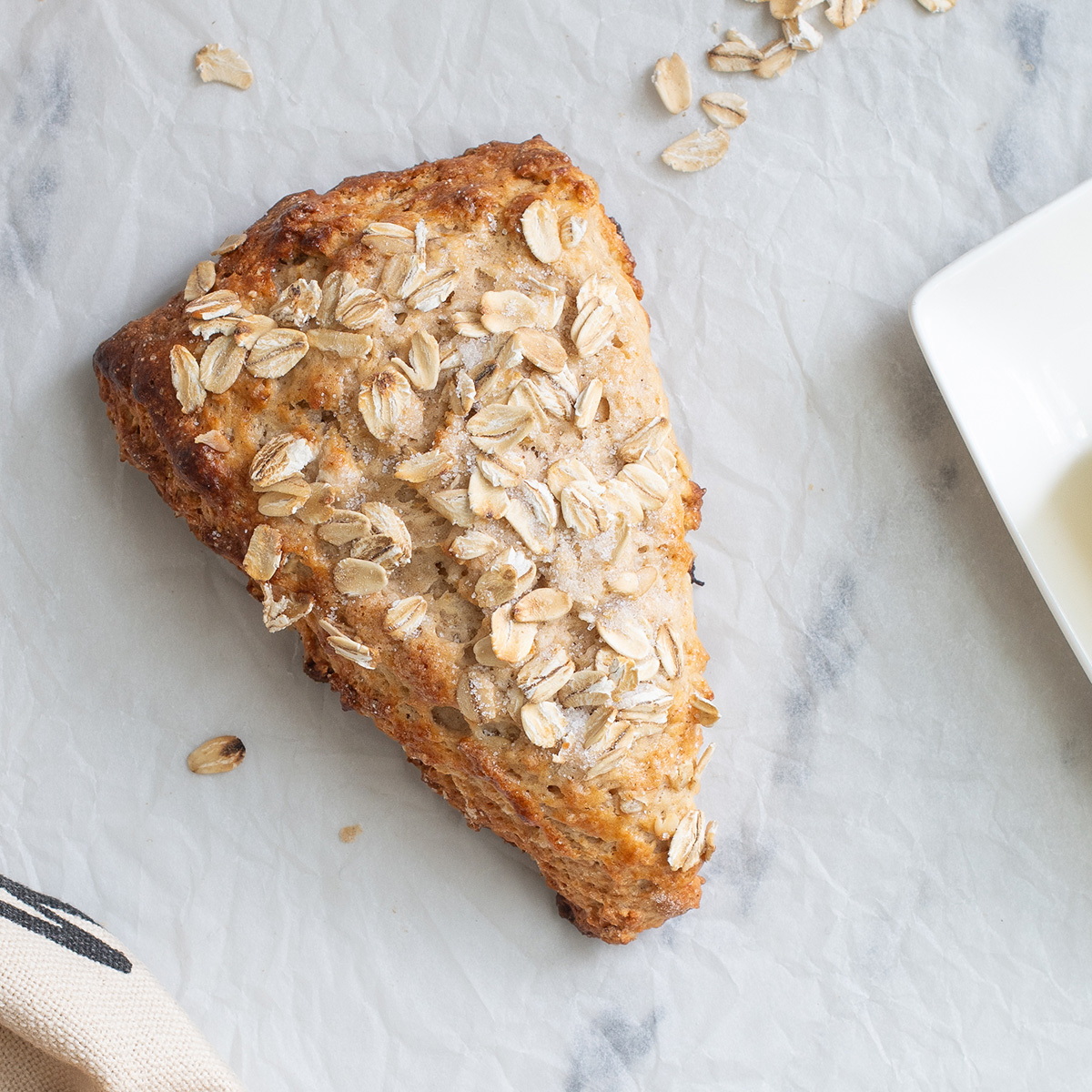
The evolution of home baking has seen a significant shift toward recipes that emphasize both efficiency and quality, a trend exemplified by the recent introduction of a professional-grade oatmeal scone recipe. Developed by a veteran pastry chef with over seven years of experience in high-end British tea houses, this recipe bridges the gap between traditional techniques and modern culinary convenience. By applying the "cold-butter" method—a standard in professional pastry arts—the recipe ensures that the final product maintains a delicate, crumbly texture while providing the nutritional and textural benefits associated with rolled oats.
Culinary Methodology and Technical Foundation
At the core of these oatmeal scones lies a precise chemical process that relies on temperature control. In professional baking, the "cold-butter" technique is essential for achieving the desired flaky structure. When cold fat is cut into flour, it remains solid during the initial mixing phase. As the scones enter a high-heat oven, the cold butter melts, releasing steam that creates distinct, airy layers within the dough.
The inclusion of rolled oats serves a dual purpose beyond flavor. Oats are highly hygroscopic, meaning they absorb and retain moisture from the surrounding environment. This characteristic helps the scones maintain their freshness for several days, a notable improvement over traditional wheat-flour-only recipes, which tend to stale within 24 hours. The integration of honey provides a secondary benefit, as honey is a natural humectant that further prevents the crumb from drying out during the cooling process.

Historical and Nutritional Context
Scones originated in Scotland in the early 16th century, though their early iterations were significantly different from the leavened versions served today. Originally made with oats and cooked on a griddle, these early "bannocks" were a staple of the working-class diet. Over the centuries, the recipe transitioned into the refined tea-time staple recognized in the United Kingdom and internationally.
Modern nutrition science highlights the benefits of incorporating whole grains into breakfast staples. According to the United States Department of Agriculture (USDA), whole oats are a significant source of dietary fiber, particularly beta-glucan, which has been associated with improved heart health and blood sugar regulation. While a traditional scone might be considered a "refined" pastry, the addition of oats increases the fiber profile, offering a more balanced nutritional option for the first meal of the day.
Chronology of Preparation
Achieving professional results at home requires an adherence to a specific timeline. For those prioritizing convenience, the process is designed to be segmented:
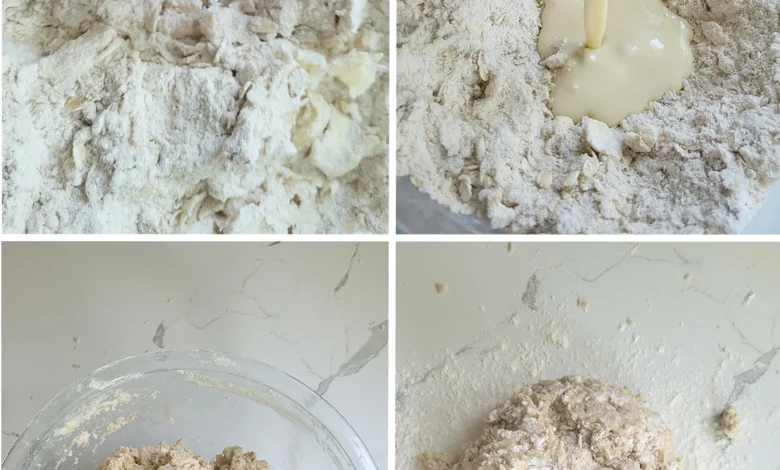
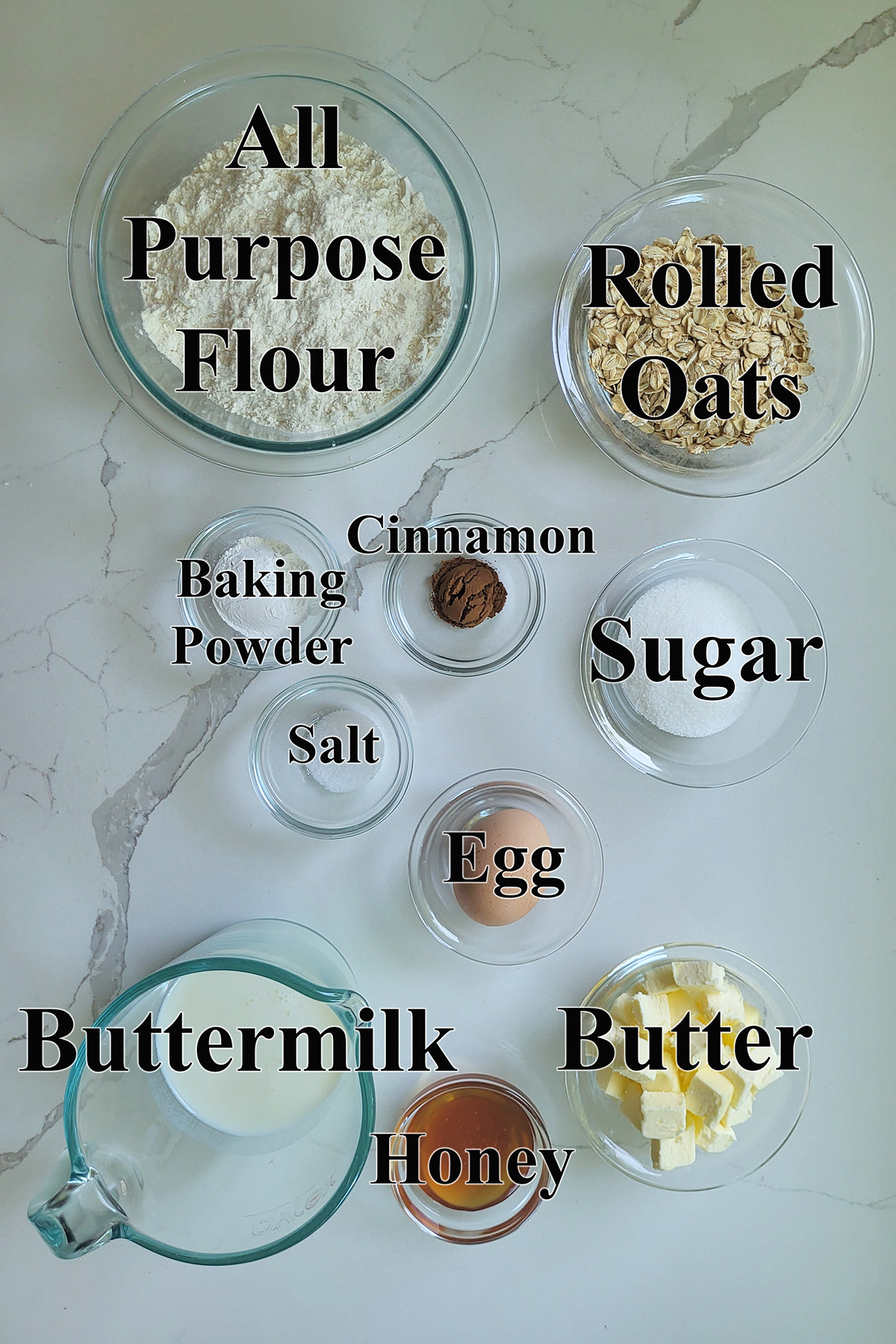
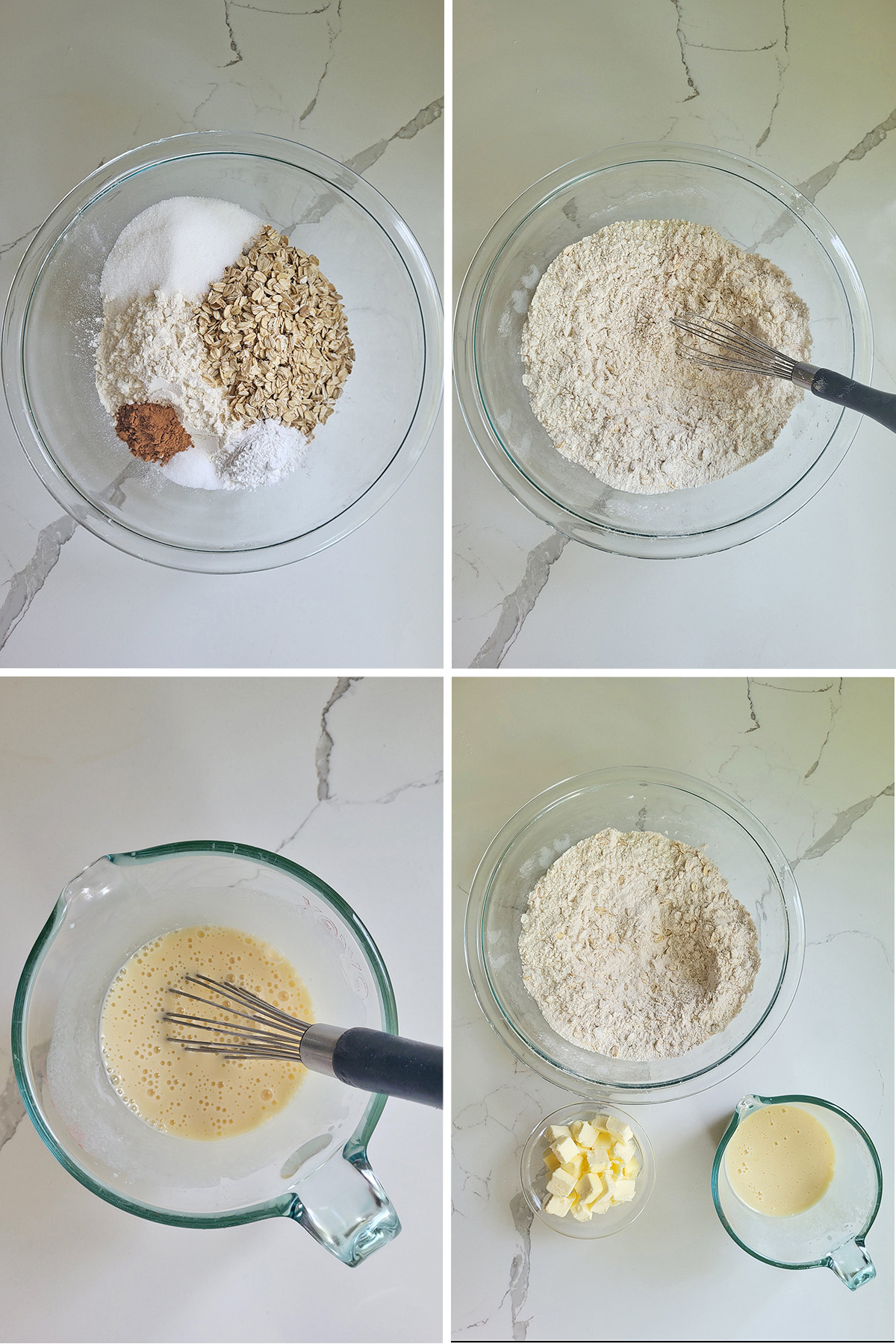
- Preparation (0–15 minutes): Dry ingredients, including flour, rolled oats, sugar, cinnamon, and leavening agents, are combined. Cold butter is integrated until the mixture resembles coarse meal.
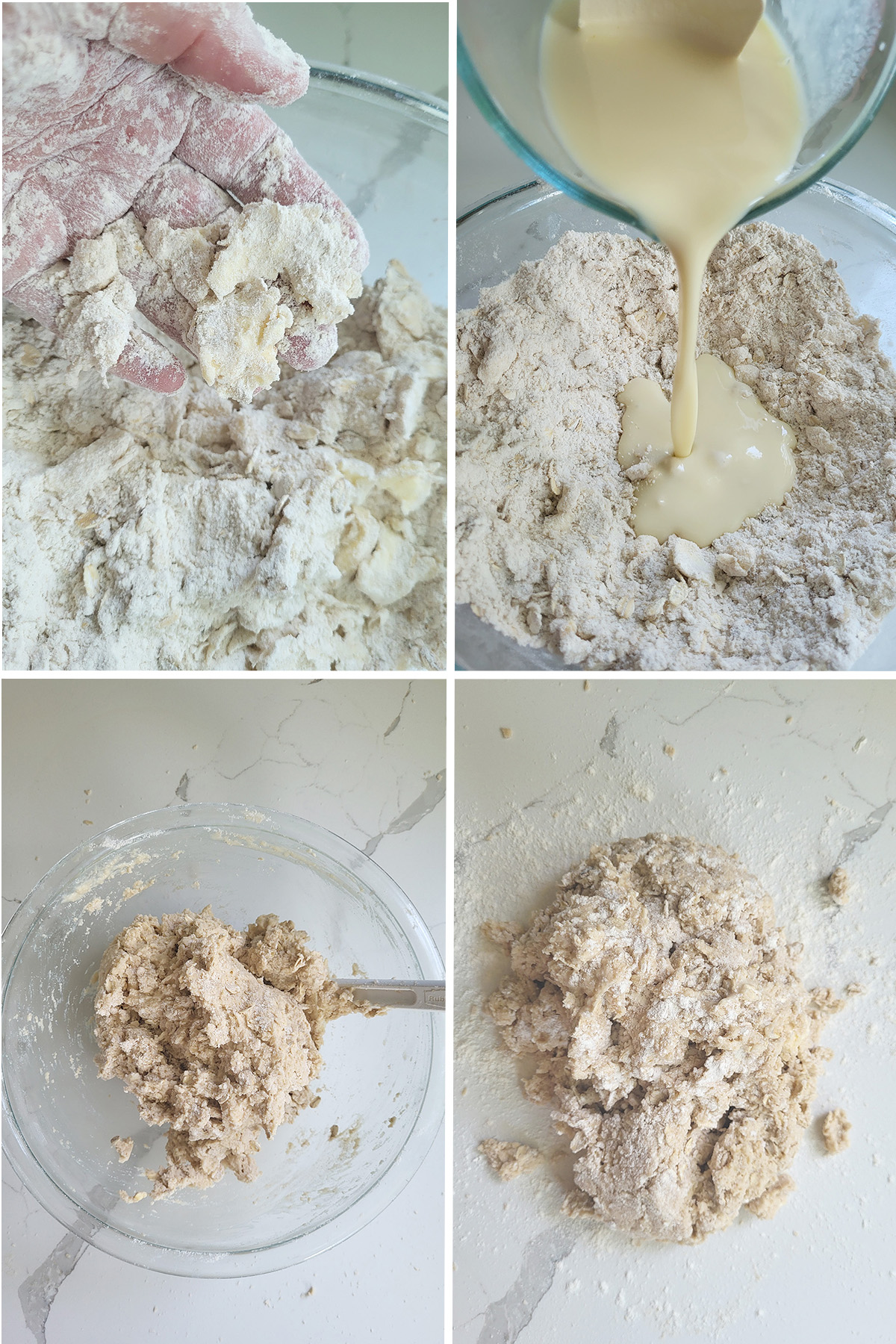
- Hydration (15–20 minutes): Wet ingredients, typically a combination of eggs, cream, or milk, are added. Minimal handling is required at this stage to prevent the development of gluten, which would result in a tough, bread-like texture rather than a tender scone.
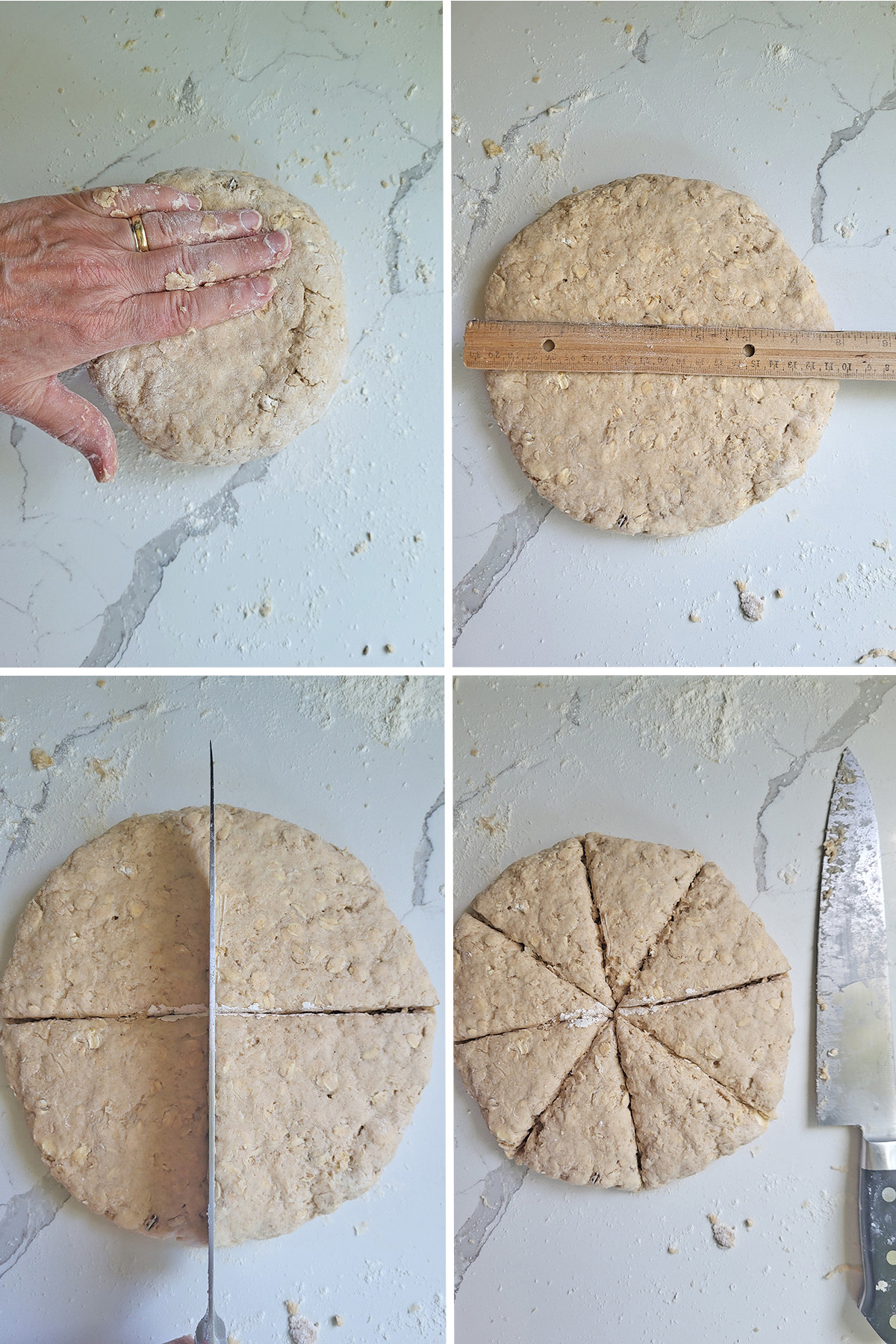
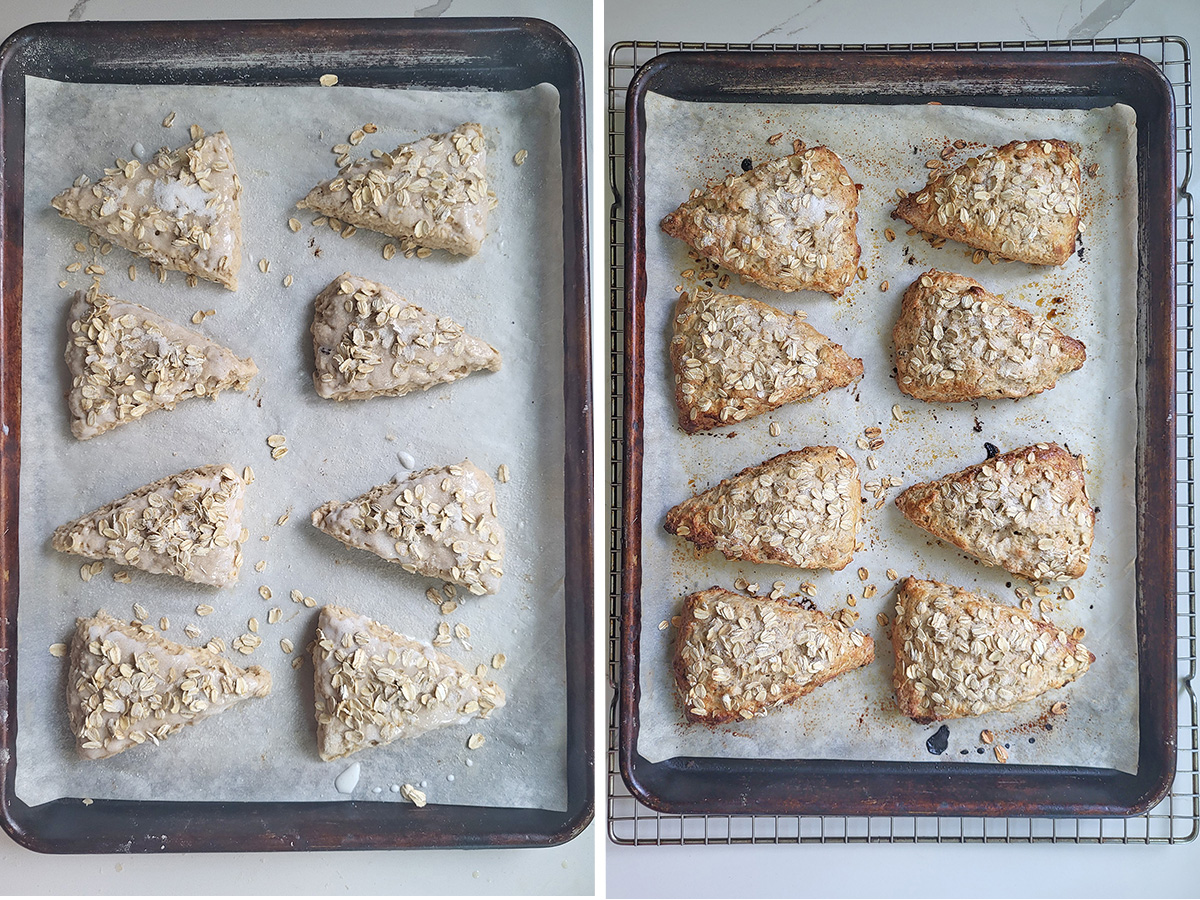
- Shaping (20–30 minutes): The dough is formed into a disk and portioned into wedges. A final brush of liquid and a dusting of oats are applied to create a "craggy" texture on the surface.
- Baking (30–45 minutes): The scones are baked at a high temperature (typically 400°F or 200°C) to ensure a rapid rise.
The flexibility of the dough is a key feature for modern households; it can be prepared 12 to 24 hours in advance and refrigerated, allowing for immediate baking the following morning without a significant loss in quality or rise.
Professional Insights and Handling Techniques
A common challenge in high-hydration or butter-rich doughs is the tendency for the mixture to adhere to the baker’s hands, often leading to over-handling. Industry experts recommend a technique involving the use of residual flour as a "release agent." Rather than washing hands repeatedly—which introduces unnecessary moisture and heat—bakers are encouraged to rub hands with dry flour over a waste receptacle. This simple, effective technique preserves the integrity of the dough and maintains the required temperature of the butter.
Furthermore, the "dip and sweep" method for measuring flour remains the gold standard in professional kitchens when scales are not available. By dipping a measuring cup directly into the flour canister and leveling the top, the baker avoids the compaction that occurs when scooping, which can add up to 20% more flour than a recipe requires, leading to dry and dense baked goods.
Market Implications and Culinary Trends
The resurgence of interest in rustic, artisanal-style pastries reflects a broader trend in the food industry toward "comfort baking." As consumer interest in farm-to-table and heritage grains increases, recipes that incorporate oats, ancient grains, and natural sweeteners like honey are gaining traction.
The economic implications for the home baking sector are also notable. As ingredient costs for high-quality, pre-packaged goods rise, home preparation of staples like scones allows for significant cost savings. Furthermore, the ability to utilize simple pantry staples—flour, oats, butter, and honey—makes this recipe resilient against supply chain volatility.
Expert Recommendations for Serving
While the scones are designed to stand alone, culinary standards suggest pairing them with specific accompaniments to enhance the flavor profile. The slight sweetness of the honey and the earthiness of the oats pair exceptionally well with citrus-based preserves, such as Meyer lemon marmalade. The acidity of the citrus cuts through the rich, buttery mouthfeel of the scone, creating a balanced palate experience.
Storage and Long-Term Preservation
To maintain the quality of the product after baking, proper storage is critical. Scones should be kept in an airtight container at room temperature for up to two days. For extended storage, freezing is the recommended method. Once cooled, the scones should be wrapped tightly in plastic film and then placed in a freezer-safe bag. When ready to serve, they can be reheated directly from a frozen state in a preheated oven at 350°F (175°C) for approximately 10 minutes, restoring the integrity of the crust and the softness of the crumb.
Conclusion: The Future of Home Baking
The continued popularity of classic, reliable recipes suggests that even in an era of complex culinary technology, the fundamental techniques of baking remain unchanged. By focusing on the core principles of temperature management, ingredient selection, and proper handling, home bakers can achieve results that rival those of commercial establishments. The oatmeal scone, with its blend of historical roots and modern convenience, stands as a testament to the enduring appeal of well-crafted, simple food. As the culinary landscape continues to evolve, the emphasis on such foundational recipes will likely remain a pillar of the home kitchen, providing both sustenance and a creative outlet for bakers at all skill levels.