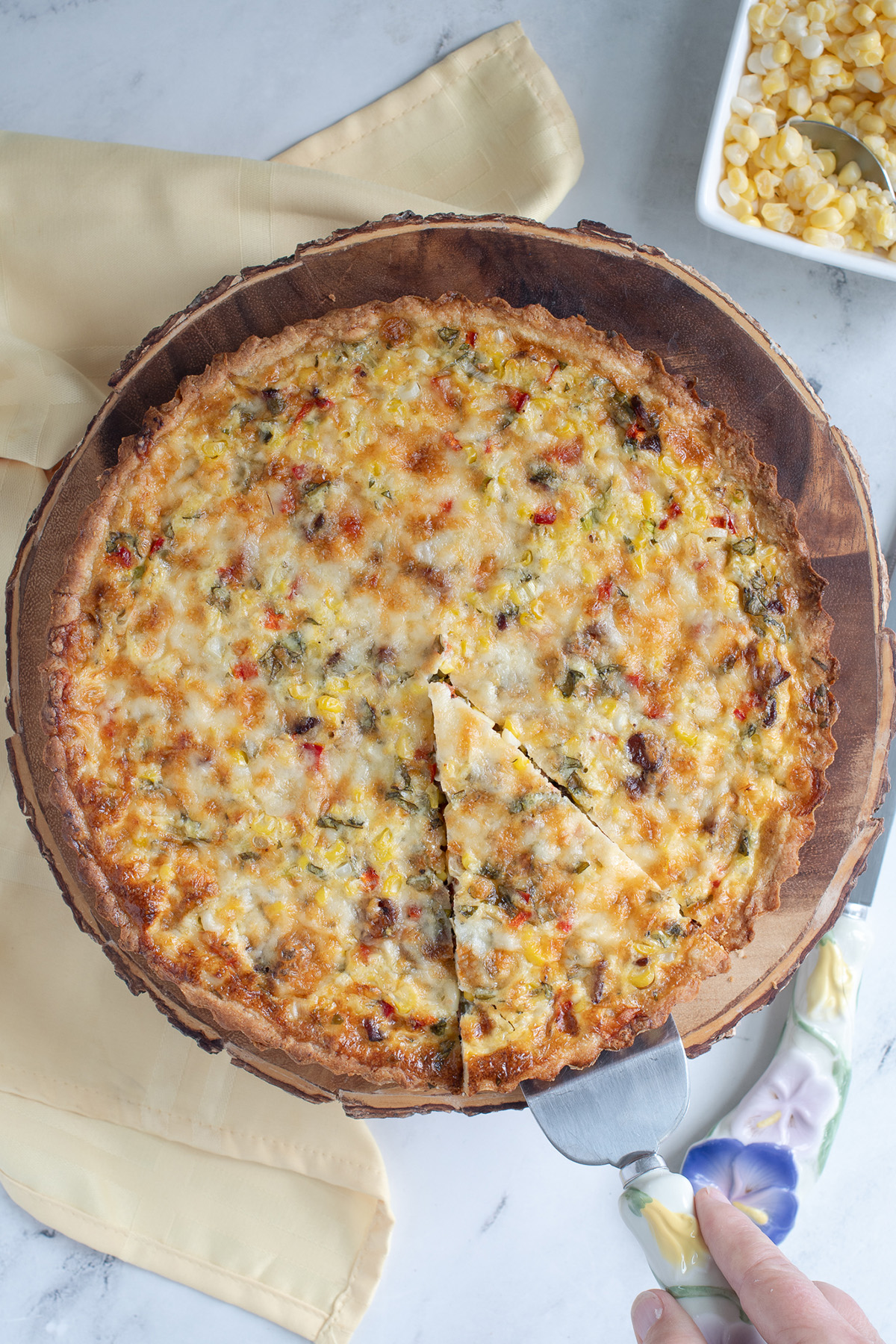
The culinary landscape of home baking has shifted significantly toward savory preparations that prioritize fresh, seasonal produce over traditional egg-heavy recipes. A prime example of this evolution is the emergence of the artisanal Corn Quiche, a dish that balances the natural sweetness of summer corn with the structural integrity of a bespoke cornmeal crust. Unlike traditional quiches that rely on a high ratio of custard to vegetable fillings, this contemporary iteration serves as a bridge between the classic French tart and the modern vegetable-forward meal, offering a sophisticated solution for brunch, lunch, or dinner.
Culinary Origins and the Evolution of the Savory Tart
The history of the quiche is rooted in the Lorraine region of France, where the original quiche lorraine consisted of an open-faced pastry crust filled with a mixture of custard, smoked lardons, and cheese. Over the 20th century, the dish gained international prominence, often becoming synonymous with brunch culture. However, as dietary preferences have moved toward more fiber-rich, vegetable-dense meals, professional chefs and home cooks alike have sought to reimagine the base-to-filling ratio.
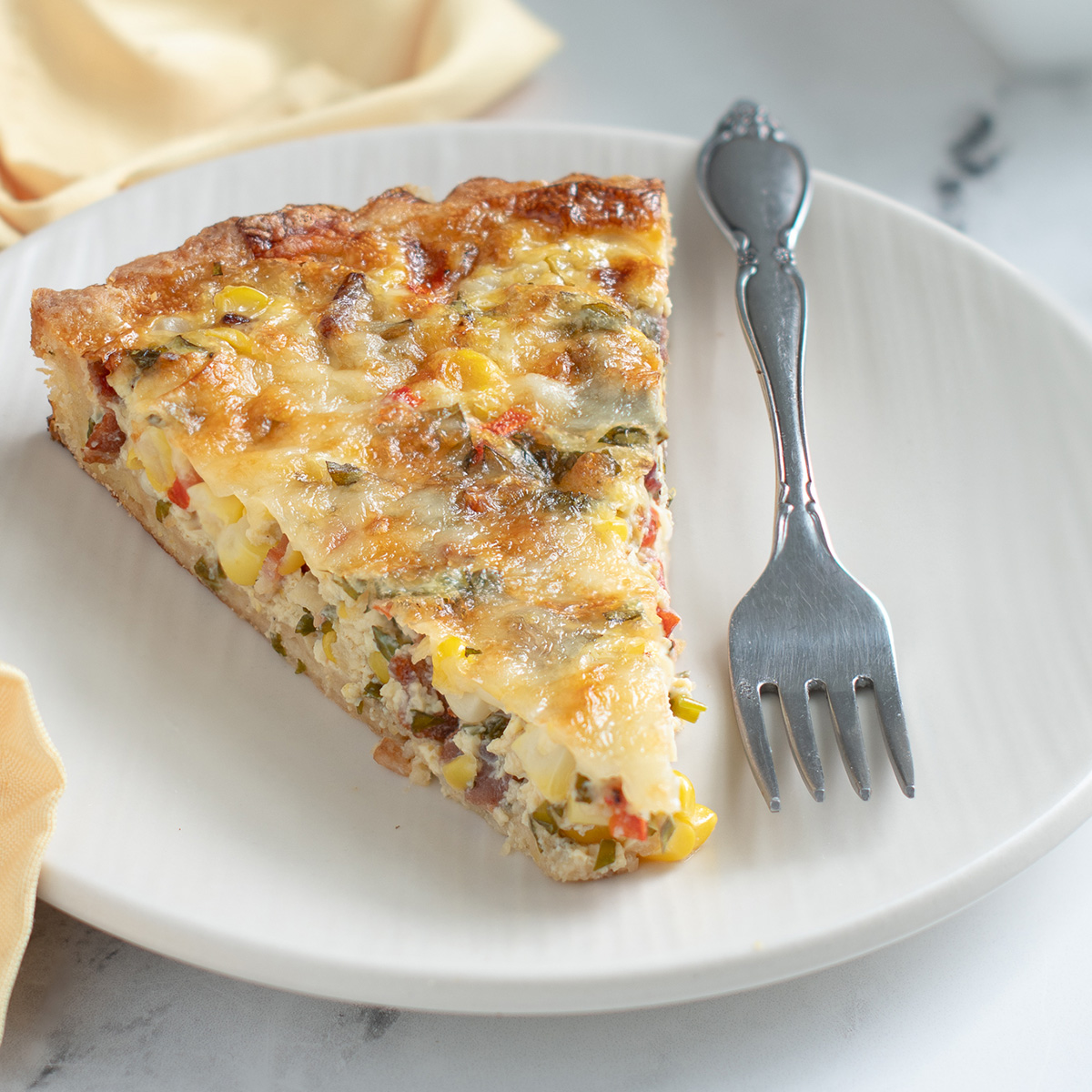
The current innovation—the integration of a cornmeal-infused crust—serves a dual purpose. From a technical standpoint, the coarse texture of the cornmeal provides a sturdy foundation that resists becoming soggy when subjected to the moisture of fresh vegetables. From a sensory perspective, the cornmeal echoes the flavor profile of the filling, creating a cohesive dish that emphasizes the earthy, sweet notes of the corn kernels.
Technical Composition and Ingredient Profiles
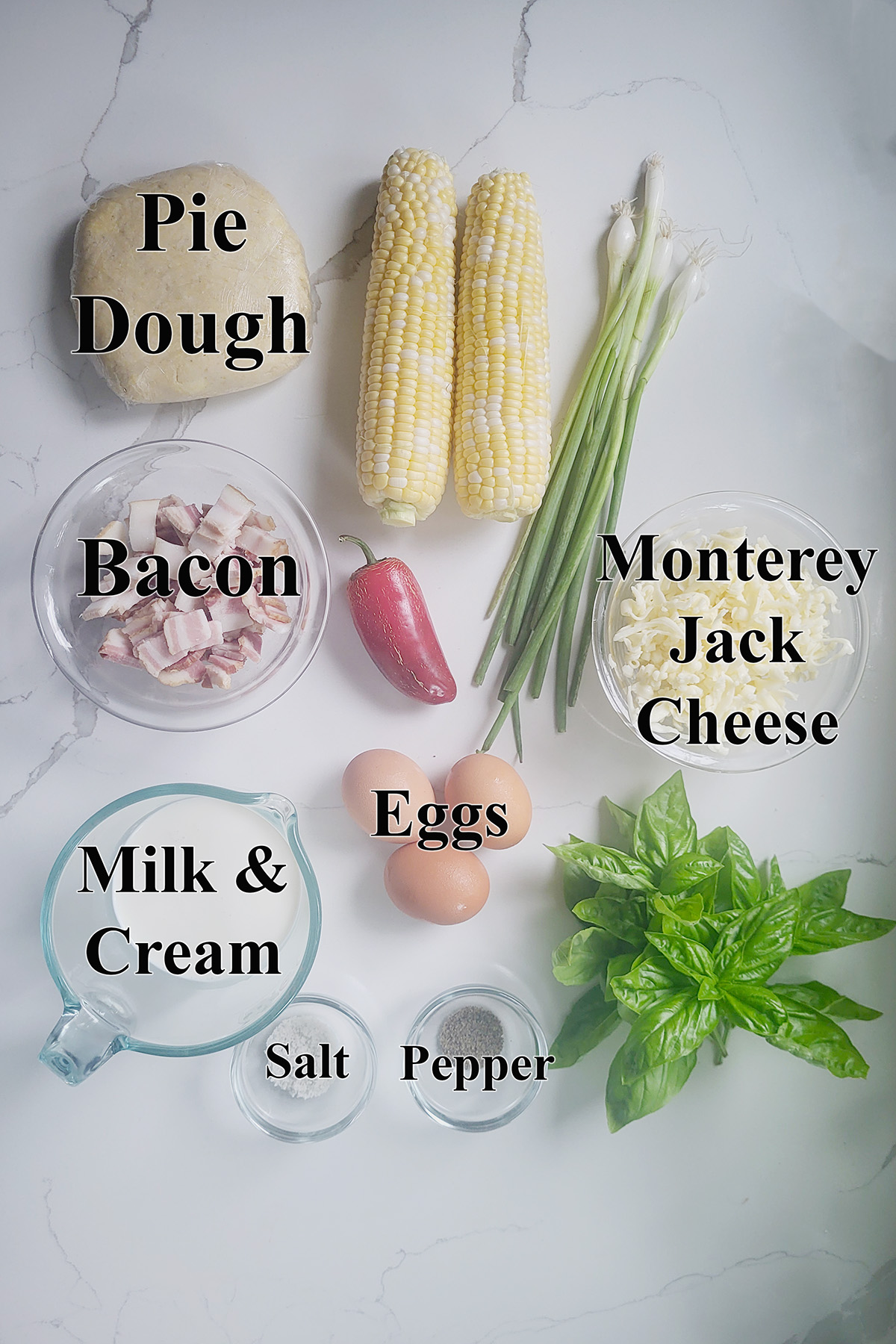
The structural success of this dish depends on the precise calibration of the custard. In standard quiches, a high volume of heavy cream and eggs is utilized to solidify the entire interior. In this refined version, the egg-to-dairy ratio is intentionally minimized. The goal is to provide just enough binder to hold the corn, diced jalapeños, fresh basil, and Monterey Jack cheese in a uniform slice.
The inclusion of jalapeño introduces a capsicum-driven heat that cuts through the richness of the cheese and the sweetness of the corn. When combined with the herbal aromatics of fresh basil, the profile shifts from a one-note savory dish to a complex, layered experience. For those seeking alternatives, culinary experts note that the jalapeño can be substituted with mild bell peppers for a less intense flavor profile, while frozen corn serves as a viable, year-round substitute for fresh kernels without compromising the integrity of the finished product.
The Procedural Timeline for Preparation
For the home cook, the preparation of this quiche is a multi-stage process that typically spans 75 minutes of total time, including 45 minutes of hands-on labor and 30 minutes of baking. A chronological breakdown of the workflow is as follows:
- Phase One: The Crust (0–20 minutes): The dough is prepared using a cornmeal-flour blend, chilled to ensure flakiness, and rolled out.
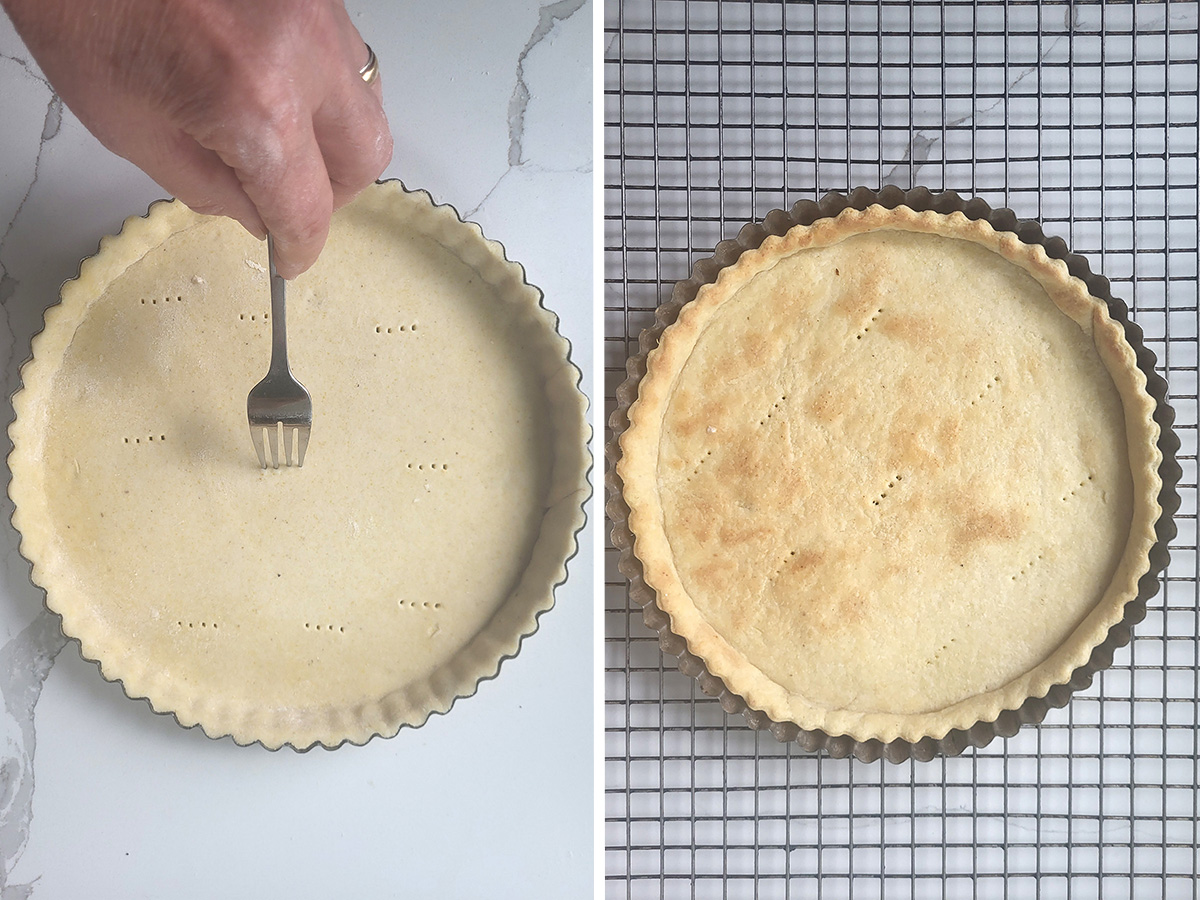
- Phase Two: Pre-Baking (20–40 minutes): This stage, known as "blind baking," is essential. Using a tart pan or a 9-inch pie plate, the crust is weighted down with foil and pie weights. This prevents the edges from sliding and ensures the base is fully cooked before the custard is added.
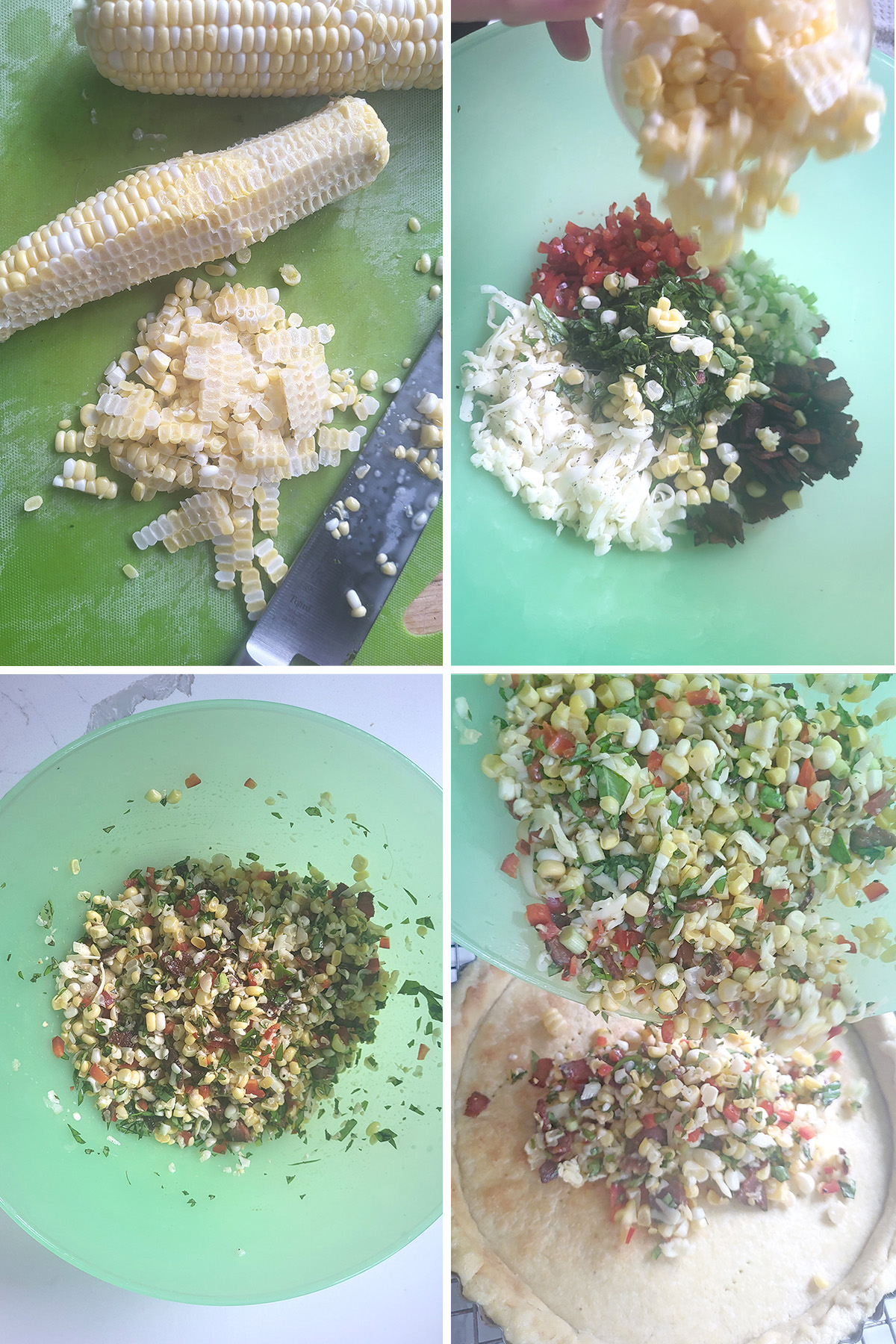
- Phase Three: Filling Preparation (40–55 minutes): During the blind-baking phase, the corn, cheese, and herbs are mixed. The custard—a delicate blend of eggs and dairy—is whisked separately.
- Phase Four: Assembly and Bake (55–85 minutes): The vegetable mixture is layered into the hot shell, followed by the custard. The dish is baked at a temperature sufficient to set the center without overcooking the delicate ingredients.
Comparative Analysis: Tart Pan versus Pie Plate
A recurring debate in baking circles concerns the use of a traditional fluted tart pan versus a standard pie plate. A fluted tart pan is designed with a removable bottom, which allows for clean, aesthetically pleasing slices. In contrast, a standard pie plate is sloped and lacks the vertical edge required to hold the structure of a delicate crust during the initial bake.
When utilizing a pie plate, the use of structural aids such as pie weights or dried beans is non-negotiable. Without these, the centrifugal force and heat expansion can cause the dough to slip, resulting in a thin or uneven crust. By lining the crust with foil and filling it completely, the cook exerts uniform pressure, allowing the crust to bake into a stable vessel.
Nutritional Considerations and Dietary Impact
From a nutritional standpoint, this dish offers a more balanced macronutrient profile than many traditional pastries. A single slice—defined as one-sixth of the total recipe—contains approximately 286 kilocalories. This caloric load is distributed across 12 grams of protein, 23 grams of fat, and 8 grams of carbohydrates.
The protein content is largely derived from the eggs and the Monterey Jack cheese, while the fat content is primarily composed of monounsaturated and saturated fats from the crust and dairy. With 1 gram of dietary fiber per serving, the dish is not a significant source of fiber, but its high vegetable density provides essential micronutrients, including Vitamin A and calcium. These values are consistent with a moderate-energy meal, suitable for those monitoring their daily caloric intake while seeking a nutrient-dense option.
Storage and Preservation Protocols
The stability of a quiche is often underestimated. Because the structure is set by the proteins in the egg, the dish holds its shape well after cooling. Culinary guidelines suggest that once the quiche has reached room temperature, it should be refrigerated. It maintains its optimal quality for 48 hours when kept in an airtight container.
For long-term storage, the quiche can be frozen for up to one month. The primary challenge in reheating is the potential for the crust to lose its crispness. Experts recommend a slow rewarm in a low-temperature oven (approximately 200°F or 95°C) to allow the heat to penetrate the custard without drying out the edges or over-browning the top.
Broader Market Implications
The popularity of this specific recipe signals a wider consumer trend: the "gourmet-at-home" movement. As inflation impacts the cost of dining out, consumers are increasingly turning to recipes that offer high-end, complex flavor profiles using accessible, pantry-staple ingredients. Corn, a perennial and affordable crop, combined with basic dairy and flour, allows for a luxury experience at a fraction of the cost of restaurant equivalents.
Furthermore, the "make-ahead" versatility of this dish appeals to the time-constrained professional. The ability to prepare the crust and the filling separately, and even store the raw dough for future use, addresses the need for efficiency in the modern kitchen. By providing the option to scale the recipe or freeze components, the approach acknowledges the realities of contemporary lifestyle management.
Final Assessment
The Corn Quiche, when executed with attention to the interplay between the cornmeal crust and the savory filling, represents a successful synthesis of traditional technique and modern culinary preference. It avoids the heaviness of standard quiche while providing a substantial, flavorful, and nutritionally balanced meal. Whether adopted by the casual cook or the seasoned baker, the recipe remains a testament to the fact that minimal intervention with high-quality, seasonal ingredients often yields the most satisfying results in the kitchen. As home cooking continues to evolve, dishes like this—which are adaptable, scalable, and deeply rooted in flavor—will likely remain staples of the domestic repertoire.