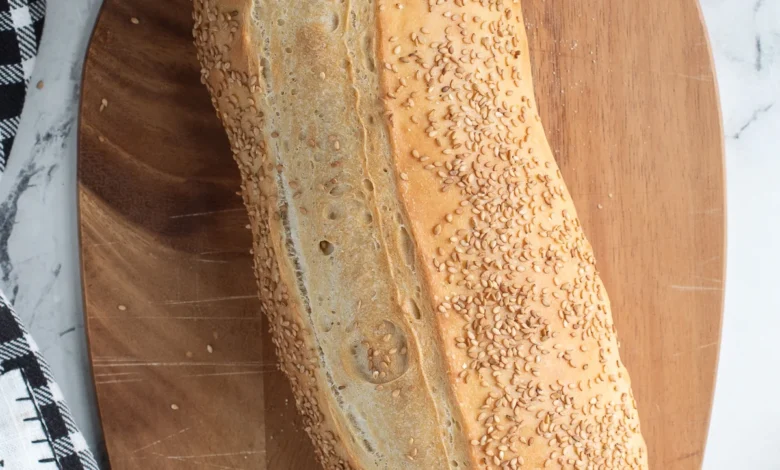
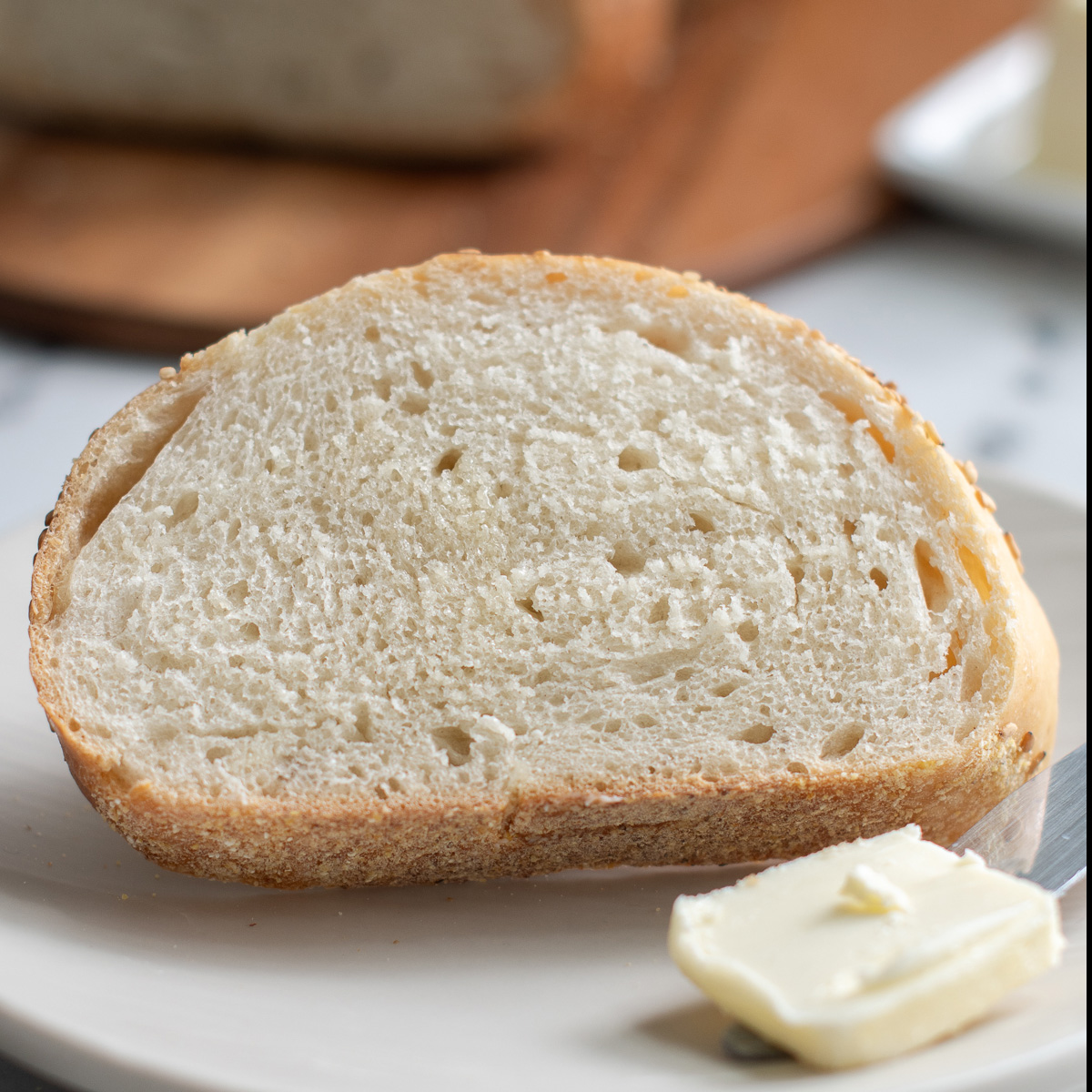
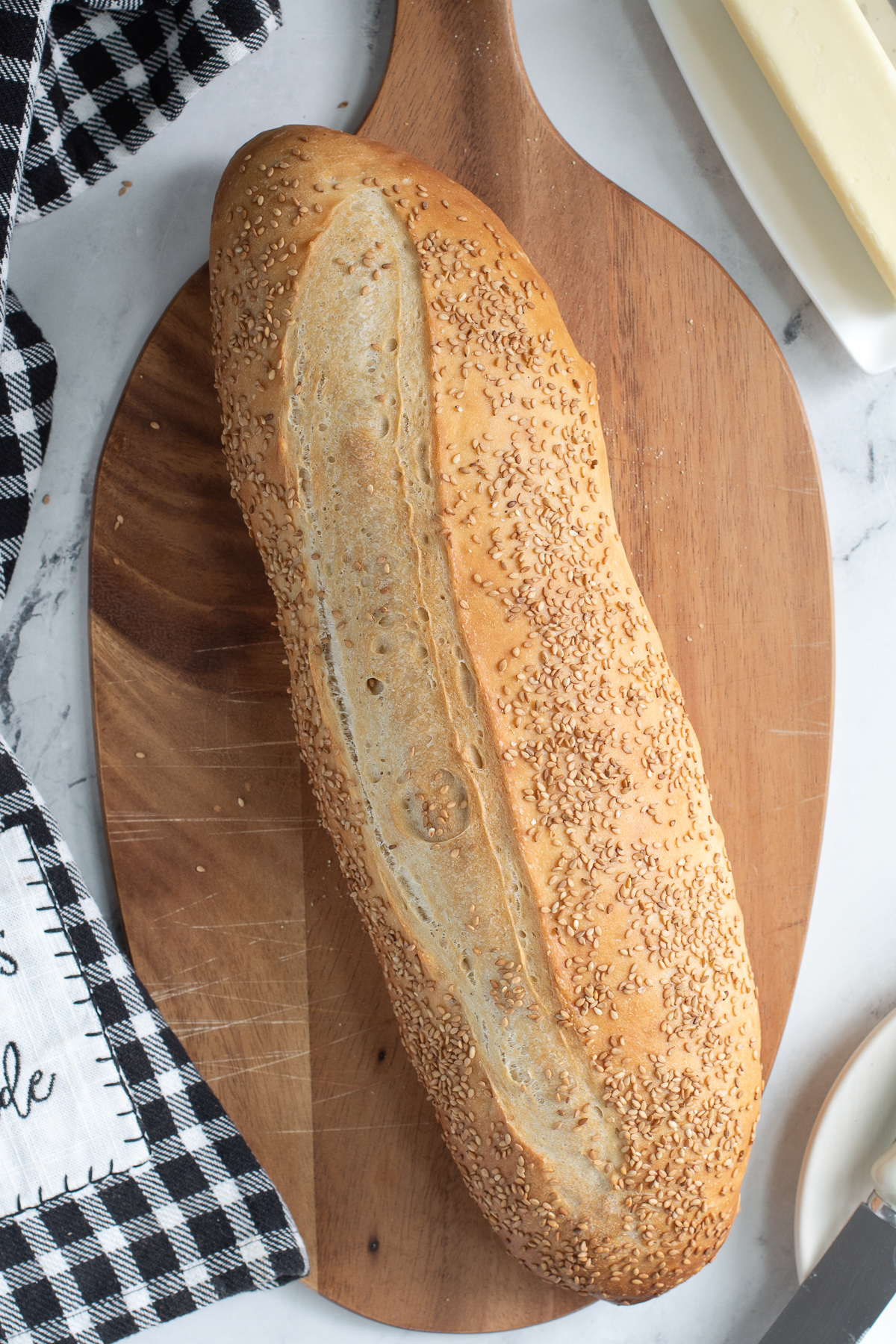
The pursuit of the perfect loaf of Italian bread—defined by its distinct torpedo shape, thin crackly exterior, and airy, tender crumb—has long been a hallmark of culinary tradition in the Northeastern United States, particularly within the New York and New Jersey metropolitan areas. While commercial grocery store offerings have become ubiquitous, artisanal bakers and home enthusiasts are increasingly returning to traditional fermentation techniques to replicate the depth of flavor found in classic neighborhood bakeries. Central to this resurgence is the adoption of overnight cold fermentation, a method that elevates simple pantry staples into a complex, nuanced loaf that far surpasses mass-produced alternatives.
The Science of Cold Fermentation
The transition from a standard, quick-rise bread to a professional-grade loaf is fundamentally rooted in biochemistry. When yeast is introduced to flour and water, it begins the process of converting sugars into carbon dioxide and ethanol. In a traditional, rapid-rise scenario, this process occurs at room temperature, often resulting in a one-dimensional flavor profile. By contrast, cold fermentation—or retarding the dough in a refrigerated environment—dramatically alters this trajectory.
At temperatures between 35°F and 40°F (1.7°C to 4.4°C), the activity of the yeast slows significantly, but it does not cease. This extended timeframe allows for the production of organic acids, specifically lactic and acetic acids, which are responsible for the characteristic tang and deep, wheaty aroma associated with high-quality bread. Furthermore, cold fermentation allows enzymes present in the flour, such as amylase, to break down complex starches into simpler sugars over a longer period. This process, known as proteolysis, also softens the gluten network, making the dough more extensible and easier to shape while enhancing the final texture of the crumb.
Historical and Regional Context
The specific style of Italian bread commonly found in the tri-state area of New York, New Jersey, and Connecticut evolved as a distinct sub-genre of Mediterranean baking. While Italian-style breads vary wildly across the Italian peninsula—ranging from the dense pane di Altamura of Puglia to the salt-less tuscan loaves—the American interpretation emerged as a fusion of Italian technique and the high-volume requirements of the 20th-century immigrant experience.
These loaves, characterized by their "beefier" profile compared to the slender French baguette, were designed for versatility. The structural integrity of the torpedo shape allows for a significant "spring" in the oven, creating a thin, crisp crust that protects the soft, porous interior. This crumb structure is engineered to serve as a vehicle for culinary applications, whether acting as a sponge for rich tomato-based sauces, providing the foundation for substantial Italian-style subs, or serving as a canvas for garlic-infused butter.
Technical Parameters for the Home Baker
Achieving professional results in a domestic kitchen requires adherence to specific technical protocols. The primary recommendation among baking experts is the transition from volumetric measurements to weight-based measurements. While a standard "cup" of flour can vary by as much as 20% depending on how it is packed, the use of a digital scale ensures the hydration ratio—the percentage of water to flour—remains consistent.
The "dip and sweep" method, often cited as a compromise for those without scales, involves dipping a measuring cup into a container of flour and leveling it off with a straight edge. However, this is increasingly viewed as insufficient for consistent results in bread making. Precise hydration levels are critical; a loaf that is too dry will result in a dense, tough crumb, while one that is over-hydrated may lose its characteristic torpedo shape during the final proofing and baking phases.
Chronology of the Baking Process
The production timeline for a high-quality Italian loaf typically spans two calendar days, a schedule that favors the modern home cook who values planning over intensity.
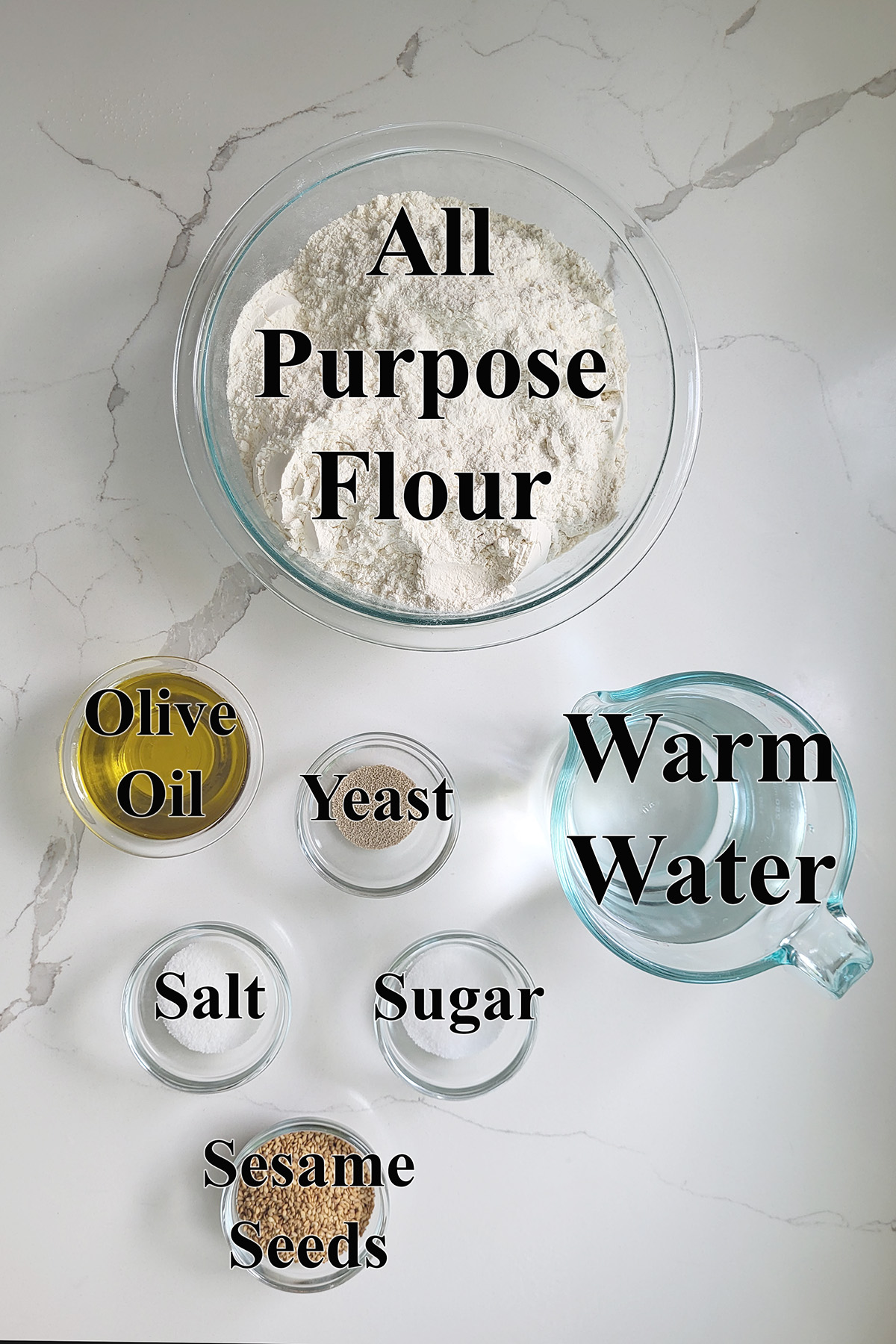
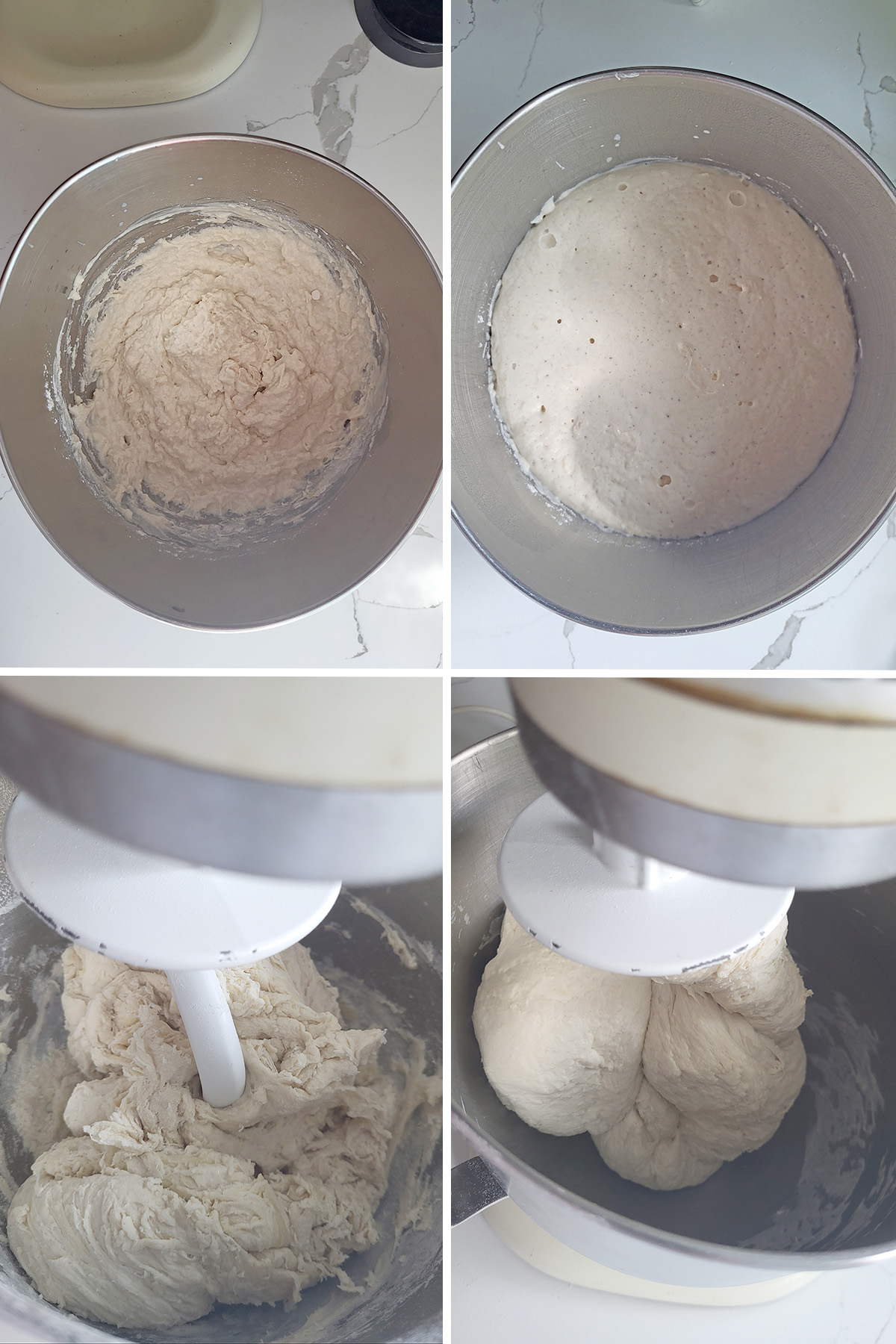
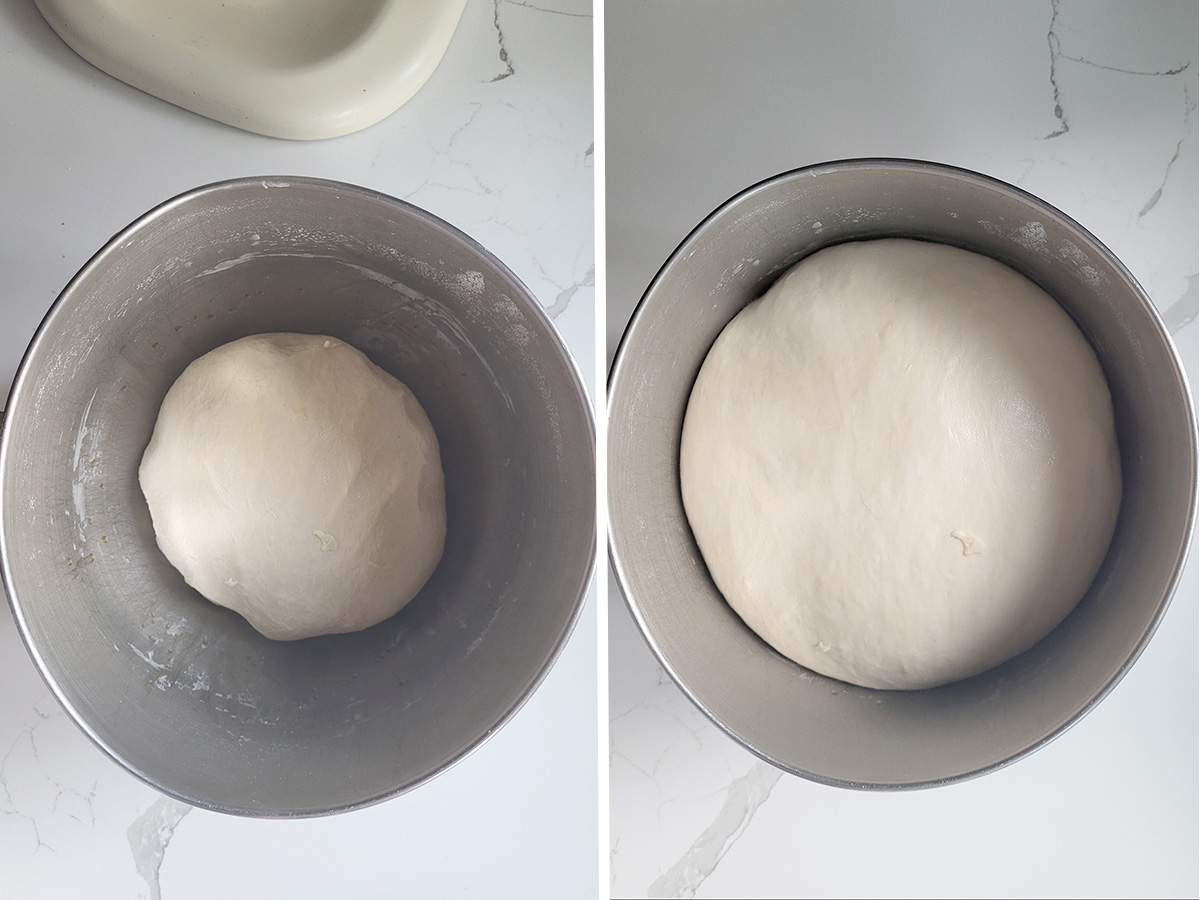
- Day One: Mixing and Initial Development: The process begins with the combination of high-protein bread flour, water, yeast, and a measured amount of salt. Mechanical kneading, typically via a stand mixer with a dough hook, is employed to build a robust gluten structure. The dough is then allowed a short bulk fermentation period before being transferred to a chilled environment.
- The Cold Retard: The dough is placed in a refrigerated space for a period of 8 to 24 hours. During this phase, the cold-fermentation process matures the flavor and stabilizes the dough structure.
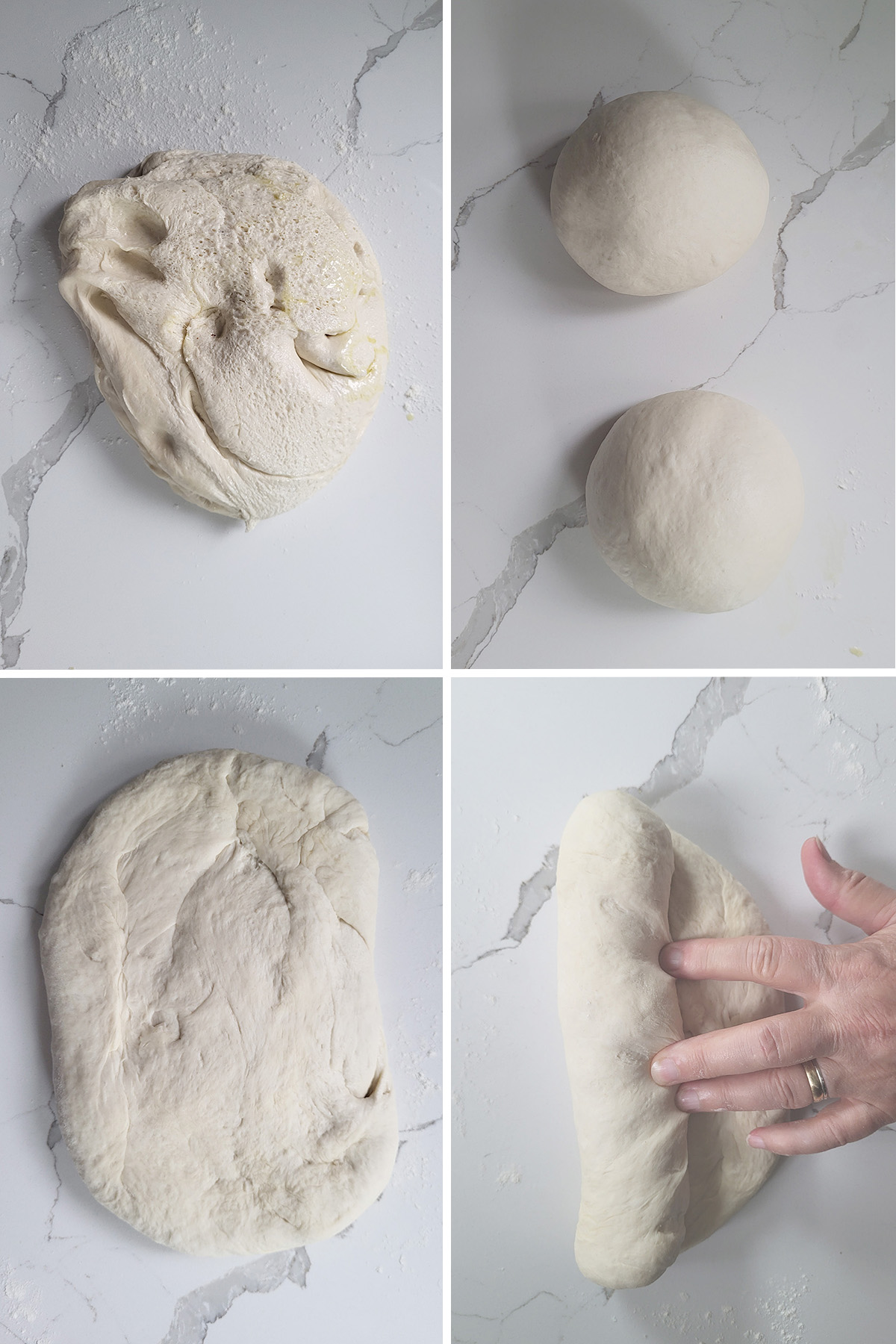
- Day Two: Shaping and Final Proofing: Upon removal from the refrigerator, the dough is divided into equal portions. The shaping technique—a critical step in achieving the torpedo form—involves folding the dough to create tension across the surface. This tension is vital for proper oven-spring.
- Baking: The final stage requires a high-heat environment, often reaching 400°F to 425°F. Steam injection, or the placement of a pan of water at the base of the oven, is standard practice. The steam keeps the crust gelatinized for the first several minutes of baking, allowing the loaf to expand fully before the crust sets and browns.
Broader Culinary Implications
The shift toward "slow bread" is reflective of a wider trend in home cooking: the rejection of ultra-processed, preservative-laden convenience foods in favor of traditional methods that emphasize ingredient quality and digestive health. By controlling the fermentation duration, home bakers are not only improving the sensory experience—taste, smell, and texture—but are also making the final product more digestible. The extended fermentation time allows for the partial degradation of gluten proteins and the breakdown of phytates, which can otherwise interfere with nutrient absorption.
Furthermore, the versatility of the Italian torpedo loaf encourages a wide range of secondary culinary projects. Because the bread is designed to hold its own against hearty ingredients, it is the primary choice for the "hero" or "hoagie" sandwich, a staple of regional American cuisine. The ability to create a crusty, airy loaf at home allows for the preparation of these meals with fresher components, free from the stabilizers and additives often found in mass-produced, store-bought rolls.
Troubleshooting and Consistency
For those new to the process, the "Bread Hub" or institutional baking schools often highlight common pitfalls, such as improper proofing or insufficient steam. A loaf that fails to rise often indicates dead yeast or a cold environment that was too restrictive for the fermentation to initiate. Conversely, a loaf that spreads flat rather than rising vertically suggests that the dough was over-proofed or lacked sufficient structural tension during the shaping phase.
As with any technical craft, documentation is essential. Keeping a baking journal to record variables—ambient room temperature, hydration percentages, and proofing times—allows the baker to iterate and improve. The consensus among professionals is that the "art" of baking is actually a rigorous application of science. When the variables of moisture, temperature, and time are controlled, the result is a consistent, high-quality product that bridges the gap between home-cooked simplicity and professional-grade culinary performance.
Ultimately, the act of baking bread is an exercise in patience. In an era of instant gratification, the two-day process of creating a simple loaf of Italian bread serves as a reminder of the value inherent in traditional methods. Whether for the purpose of a simple pasta dinner or the construction of an elaborate sandwich, the effort required to master the torpedo loaf offers a tangible reward that remains largely unattainable through commercial channels. By integrating these practices into the weekly routine, home bakers can elevate their culinary output, ensuring that the legacy of classic, crusty Italian bread continues to thrive in kitchens across the country.