The evolution of home baking in the 21st century has seen a significant shift toward efficiency without the sacrifice of artisanal quality. At the center of this culinary movement is the humble strawberry muffin, a staple of breakfast culture that balances the delicate, ephemeral nature of fresh fruit with the structural requirements of a morning quick bread. Recent developments in baking science have refined the traditional "muffin method," a technique that relies on the separation of dry and wet ingredients to achieve a hearty, moist crumb that distinguishes the muffin from its dessert-oriented counterpart, the cupcake.
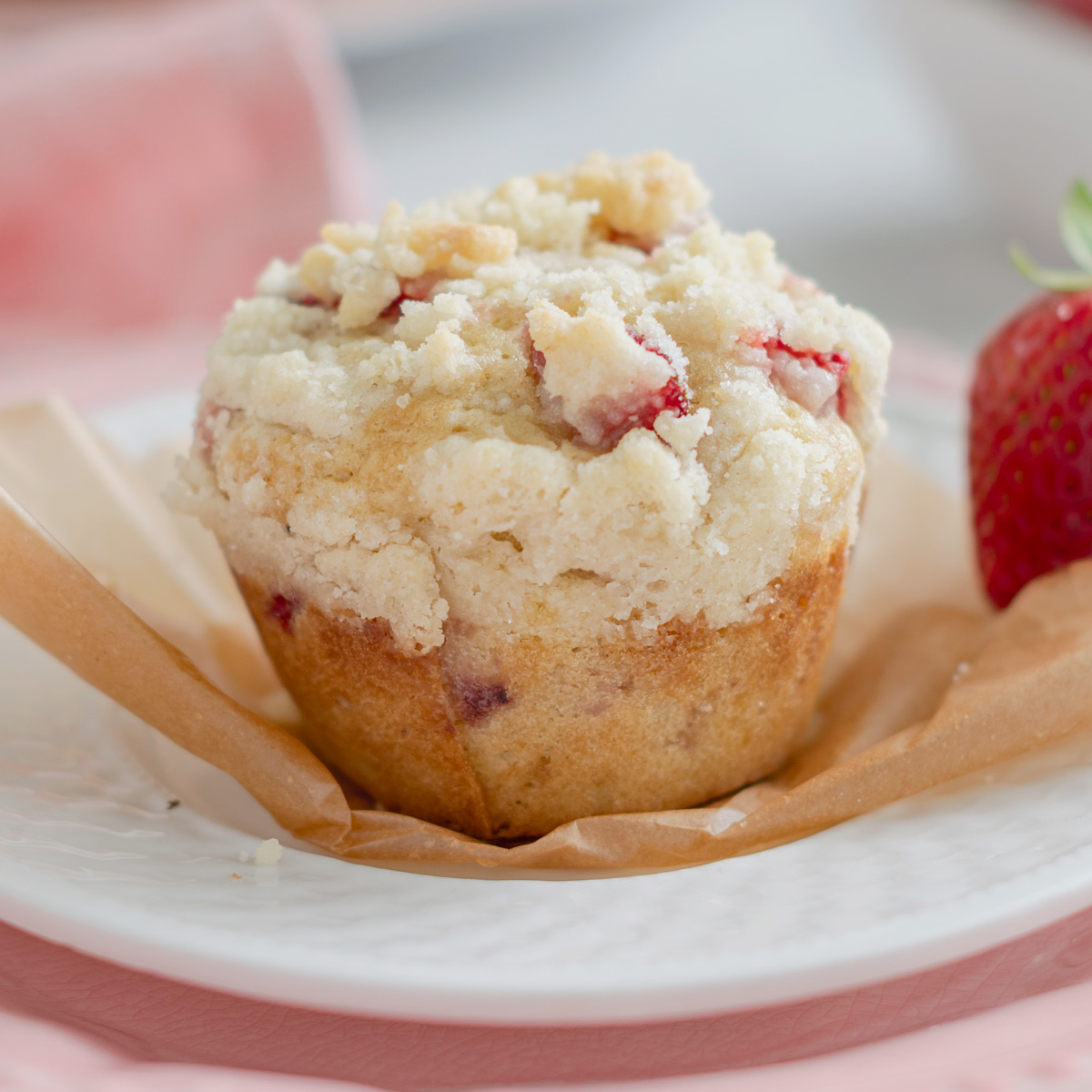
The Anatomy of a Muffin: Distinguishing Identity
Culinary historians and pastry professionals alike often debate the precise classification of the muffin. While casual observers may mistake a muffin for an unfrosted cupcake, food scientists emphasize that the two are fundamentally different in both composition and intent. A classic cupcake requires the "creaming method," wherein butter and sugar are aerated to create a delicate, fine-textured crumb designed to support heavy frosting.
In contrast, the muffin is categorized as a quick bread. It utilizes a higher protein flour—typically all-purpose rather than the low-protein cake flour—to create a sturdier structure capable of suspending heavy inclusions like fresh strawberries, nuts, or seeds. The resulting crumb is intentionally more open and substantial, providing a tactile experience that complements a morning coffee or tea. By maintaining lower ratios of sugar, fat, and eggs, the muffin avoids the cloying sweetness of confectionery items, securing its place as a breakfast or snack-time food rather than a post-dinner indulgence.
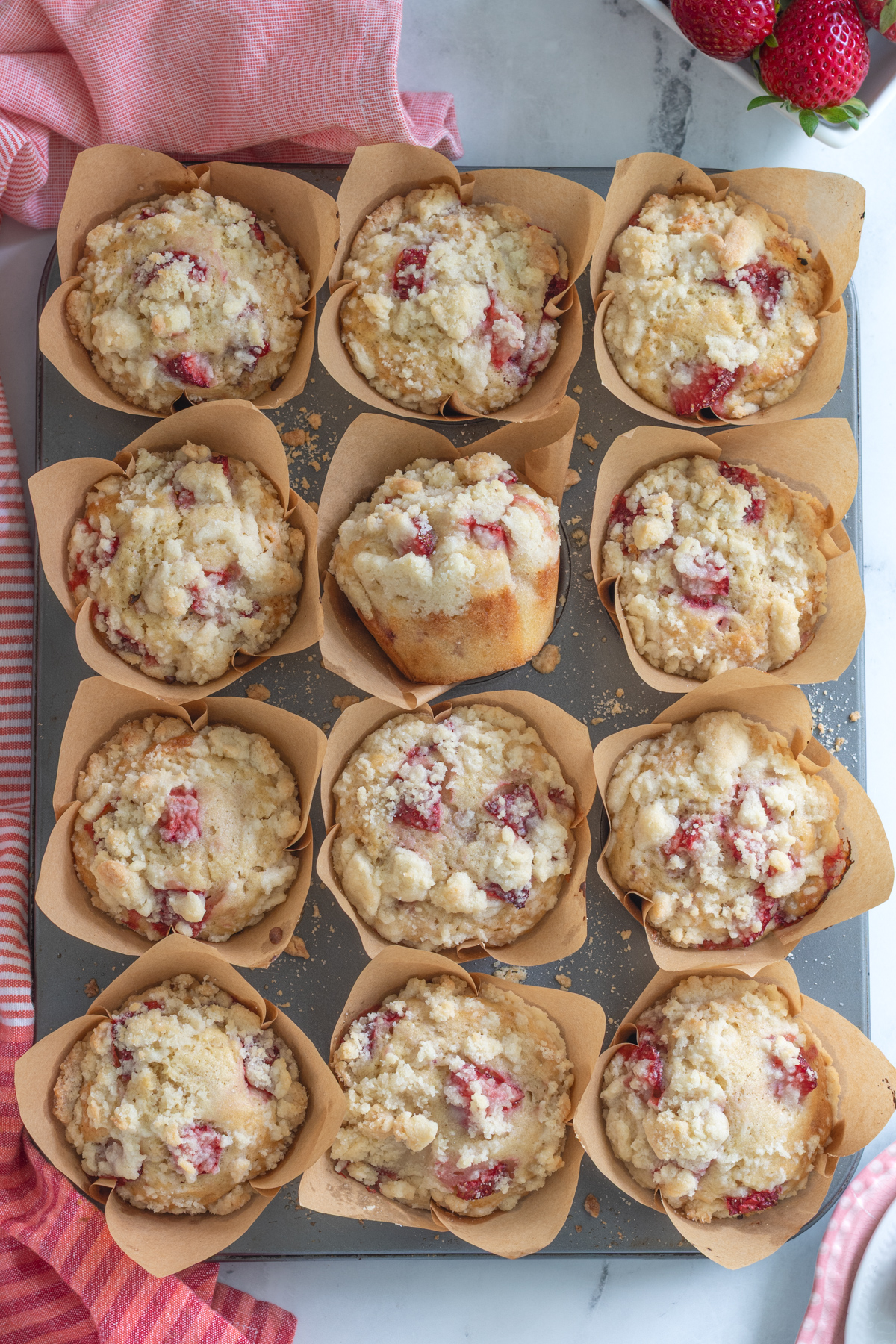
The Muffin Method: A Chronology of Technique
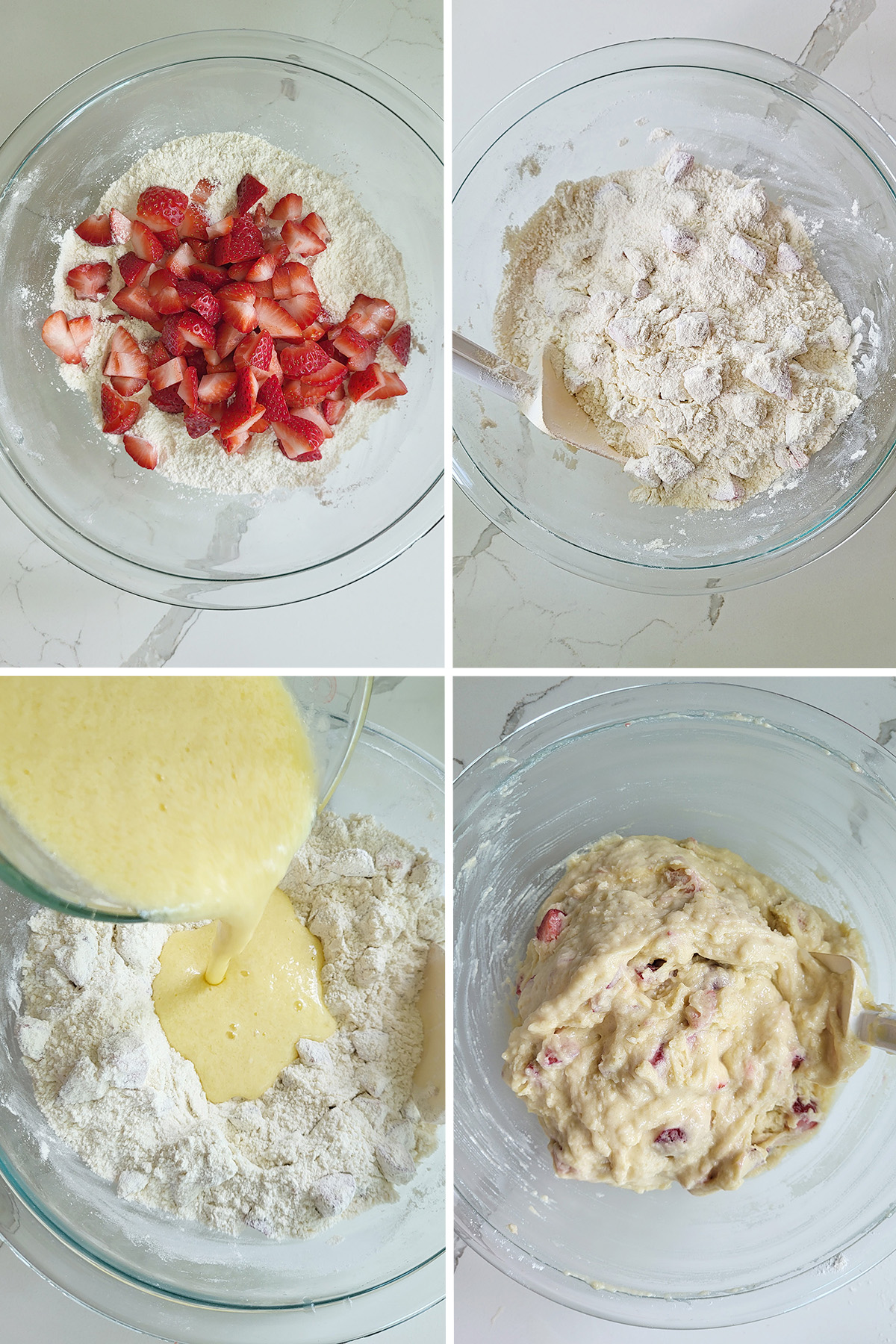
The "muffin method" emerged as a standardized practice to streamline the production of quick breads. Historically, the process has been refined to eliminate the need for electric mixers, relying instead on manual folding to prevent over-development of gluten. The process typically follows a precise chronological flow:
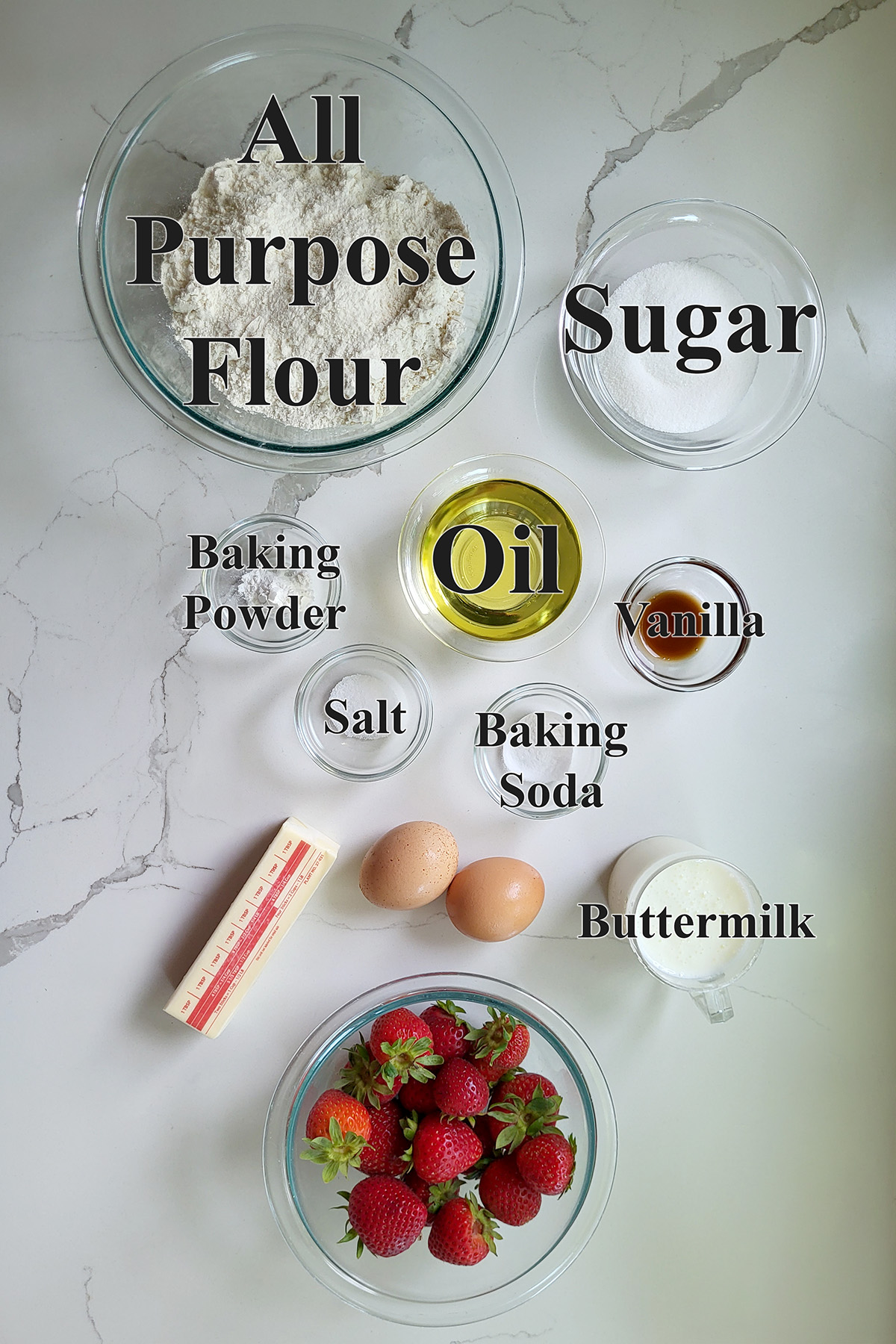
- Dry Ingredient Integration: The process begins by whisking flour, leavening agents, and salt in a large bowl. This ensures that the chemical leaveners are evenly distributed, preventing "tunnels" or uneven rises in the finished product.
- Wet Ingredient Emulsification: In a secondary vessel, buttermilk, oil, eggs, and flavorings are whisked together. The use of buttermilk is particularly significant; the acidity of the fermented dairy reacts with the leavening agents to produce carbon dioxide, resulting in a tender, tangy crumb.
- The Minimalist Fold: The wet and dry mixtures are combined with minimal agitation. According to culinary standards, the batter should remain slightly lumpy. Excessive mixing at this stage develops gluten proteins, which would lead to a tough, bread-like texture rather than the desired moist, tender crumb.
- Incorporation of Fresh Fruit: Fresh strawberries, often tossed in a small amount of flour to prevent sinking, are folded in last. The moisture released from the berries during the baking process serves as a secondary hydration source, contributing to the overall longevity of the muffin.
Scientific Implications of Ingredients and Storage
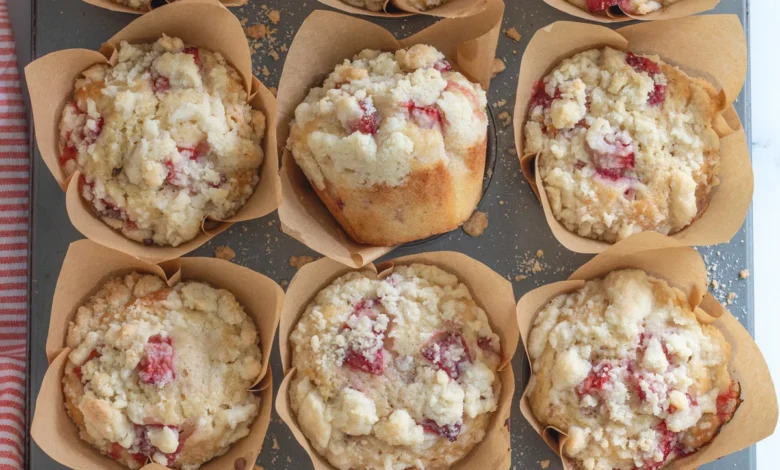
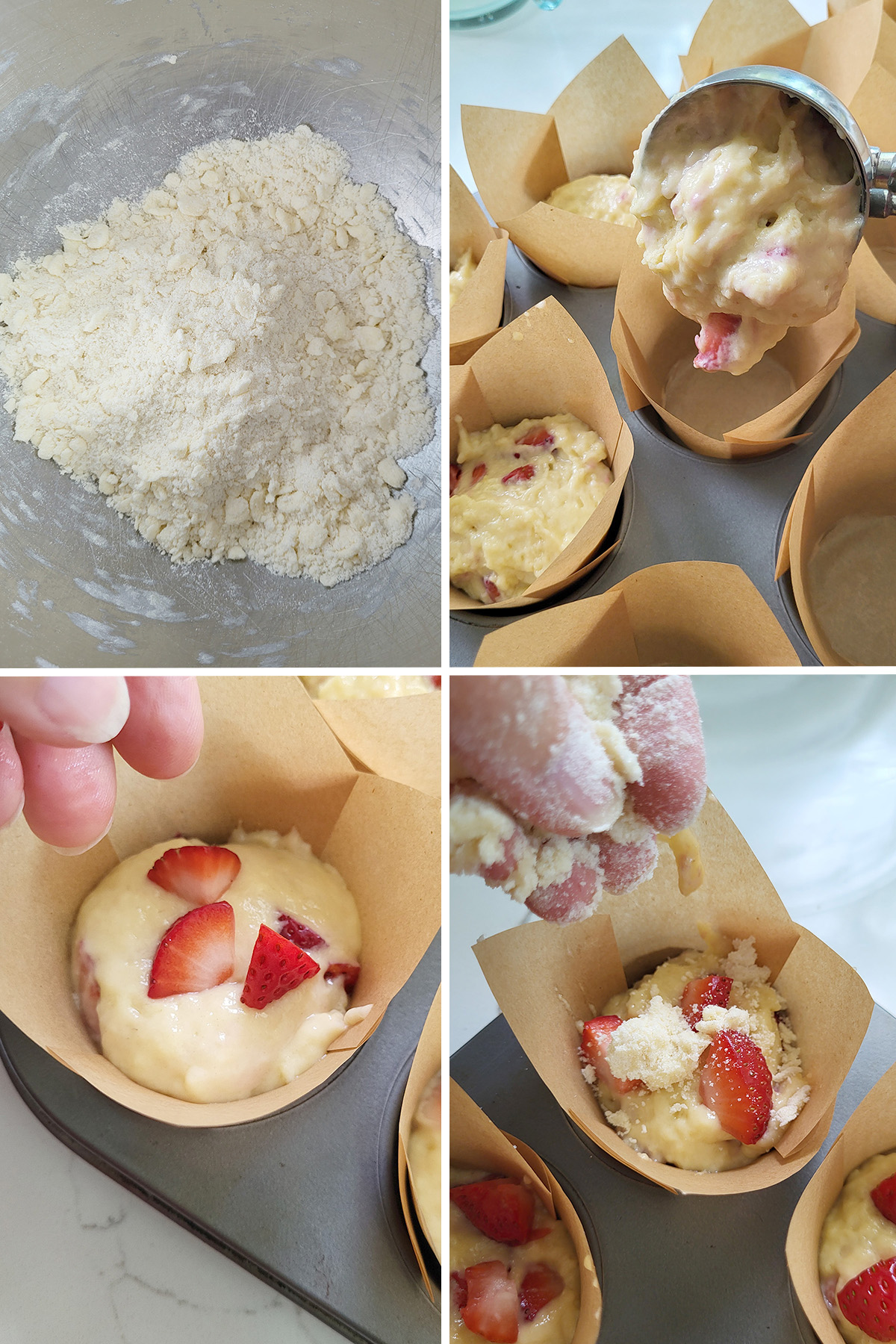
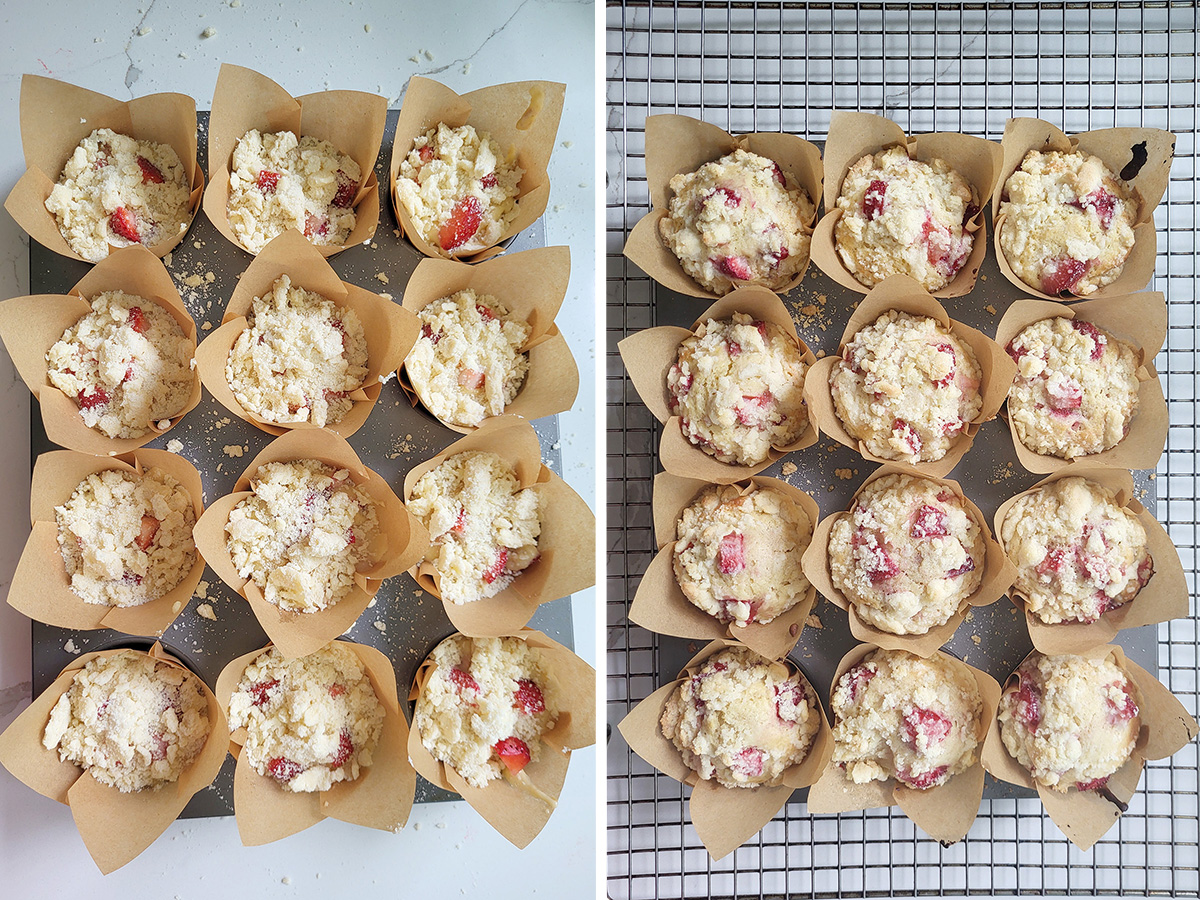
The inclusion of fresh strawberries introduces specific challenges, primarily concerning water content. Fresh fruit is high in moisture, which can lead to sogginess if not managed correctly. Modern recipes mitigate this by incorporating a crumb topping—often a shortbread-style mixture of butter, flour, and sugar. This layer serves a dual purpose: it adds a textural contrast of crunch against the soft interior and acts as a semi-permeable shield that allows steam to escape while preventing the top of the muffin from becoming excessively wet.
Nutritional analysis of a standard 12-muffin batch reveals a balanced profile for a quick bread, typically yielding approximately 299 calories per unit. With a composition of 40 grams of carbohydrates and 5 grams of protein, the muffin functions as a caloric-dense energy source. However, the perishable nature of fresh fruit creates a limited shelf life. Industry best practices recommend consuming these products within 48 hours of baking. Refrigeration is generally discouraged, as the cold environment accelerates starch retrogradation, leading to a dry, stale texture. For long-term storage, freezing at 0 degrees Fahrenheit is recommended, followed by a low-temperature reheating process to restore the crumb structure.
Professional Observations on Batter Management
One of the most debated topics in home baking circles is the utility of resting batter. Empirical testing indicates that while the "muffin method" does not strictly require a rest period to activate the leavening, there are tangible benefits to doing so for organizational efficiency.
Data comparing muffins baked immediately versus those chilled overnight suggests that the difference in the final "dome" or "rise" is statistically insignificant. The thick batter, bolstered by double-acting baking powder, provides sufficient structural integrity to withstand the shift from the refrigerator to a preheated oven. This has profound implications for commercial bakeries and home bakers alike, as it allows for the preparation of ingredients the evening prior, effectively reducing the active labor time during the morning hours.
Broader Impact on Home Baking Trends
The resurgence of interest in scratch-made muffins is linked to broader consumer trends favoring "clean label" eating and ingredient transparency. By moving away from commercially processed mixes, bakers gain control over the quality of fats and the freshness of the fruit. The shift toward incorporating more fiber-rich flours and reducing refined sugar content has transformed the muffin from a "treat" into a versatile component of a modern, fast-paced diet.
Furthermore, the adaptability of the base muffin recipe—often referred to as a "master recipe"—allows for seasonal variations. By swapping strawberries for blueberries, raspberries, or even savory elements like cheddar and herbs, the foundational technique remains consistent. This modularity is a hallmark of efficient culinary education, empowering the baker to maximize resources while minimizing waste.
Conclusion and Practical Application
To successfully execute these recipes, precision is paramount. Professional bakers frequently cite the "dip and sweep" method for measuring flour as a critical step in ensuring consistent results. Because flour can compress in the bag or container, scooping directly with a measuring cup often results in "packing," leading to an excess of flour and a dry, dense final product. By lightly spooning the flour into the cup and sweeping off the excess, the baker ensures the aeration necessary for a light crumb.
As the industry continues to prioritize ease and accessibility, the strawberry muffin remains a paragon of classic, straightforward baking. It relies not on complex equipment or labor-intensive processes, but on the careful application of fundamental chemistry and high-quality seasonal produce. Whether for a professional kitchen or a domestic setting, the objective remains the same: to create a balanced, moist, and flavorful product that honors the integrity of the fresh fruit at its core. By adhering to these standardized techniques, bakers can ensure a high-quality outcome that meets both sensory expectations and nutritional standards.