Unlocking the Culinary Potential of Zucchini: A Deep Dive into Summer’s Most Versatile Vegetable and Its Myriad Applications

As summer reaches its peak, gardens, farmers’ markets, and grocery store aisles overflow with a verdant abundance: the humble zucchini. Often underestimated, this unassuming green squash emerges as a culinary powerhouse, offering unparalleled versatility across an astonishing array of dishes, from hearty breakfast frittatas to decadent chocolate cakes and savory flatbreads. Far from being relegated to a simple side dish, zucchini’s mild flavor profile, high water content, and adaptable texture have cemented its status as a "Most Valuable Veggie" (MVV) in kitchens worldwide, challenging cooks to explore its sweet and savory potential.

The Zucchini Phenomenon: A Seasonal Deluge and Culinary Challenge

The annual summer surge of zucchini is a familiar experience for many home gardeners, often leading to a "zucchini surplus" that prompts creative culinary solutions. This prolific growth, especially from late spring through early fall, means that finding ways to utilize this bountiful crop becomes a delightful, if sometimes daunting, challenge. Historically, zucchini, a type of summer squash, traces its origins to the Americas, where various squash species have been cultivated for thousands of years. The specific variety we recognize today as zucchini was developed in Italy in the late 19th century, gaining popularity and spreading globally due to its ease of cultivation and nutritional benefits. Its name itself, "zucchini," is the plural diminutive of "zucca," the Italian word for squash. This historical journey from ancient American staple to modern European delicacy highlights its enduring appeal and adaptability, making it a staple in numerous cuisines today.
A Nutritional Profile Worth Savoring
Beyond its culinary flexibility, zucchini boasts an impressive nutritional profile, contributing significantly to a healthy diet. It is remarkably low in calories, making it an excellent choice for weight management, while being rich in water, which aids in hydration, particularly during warmer months. A single cup of raw zucchini (approximately 124 grams) contains only about 17 calories and a substantial 95% water content. This mild-mannered vegetable is also a good source of essential vitamins and minerals, including Vitamin C, which is crucial for immune function and skin health, and Vitamin B6, important for metabolism. Furthermore, it provides significant amounts of Vitamin A, particularly in its skin, which is vital for vision and immune health. Other notable nutrients include potassium, magnesium, and manganese, all contributing to overall bodily functions, from blood pressure regulation to bone health. Its fiber content, though not exceptionally high, contributes to digestive health and can promote feelings of fullness. These nutritional attributes underscore why incorporating zucchini into daily meals is not just a seasonal trend but a smart dietary choice. Nutritionists frequently recommend zucchini for its comprehensive health benefits and its ability to add bulk and nutrients to meals without excessive calories.
The Magic Ingredient: Moisture and Texture in Disguise

One of zucchini’s most remarkable qualities, particularly in baking, is its ability to impart unparalleled moisture without significantly altering the flavor of the final product. Comprising mostly water, when shredded, it seamlessly integrates into batters and doughs, mimicking the moistening effect of ingredients like applesauce or carrots in classics such as carrot cake. This characteristic makes zucchini an ideal "secret ingredient" in sweet treats, where its presence is often undetectable to tasters, allowing for a stealthy inclusion of vegetables. This phenomenon is vividly demonstrated in popular recipes like chocolate zucchini bread, peanut butter chocolate chip zucchini bread, and even rich chocolate zucchini cake. These baked goods emerge incredibly moist and tender, with the zucchini contributing to a luxurious texture that might otherwise require additional fats or sugars. Culinary experts often laud zucchini for this unique property, recommending it as a natural enhancer for baked goods, allowing for a lighter, yet equally indulgent, experience. This quality has propelled zucchini into a favored ingredient for those seeking to enhance the nutritional value and texture of their baked goods without compromising on taste.

Sweet Delights: Zucchini’s Surprising Role in Desserts and Breakfasts

The notion of zucchini in desserts might surprise some, but its mildness makes it a perfect canvas for sweet flavor pairings. The culinary community has embraced zucchini in an array of sweet applications, moving beyond the traditional zucchini bread.
- Zucchini Breads and Muffins: These remain cornerstone recipes, celebrated for their comforting aroma and moist crumb. Recipes like "Favorite Zucchini Bread" and "Simply Zucchini Muffins" often incorporate warm spices like cinnamon and nutmeg, complementing the subtle earthiness of the zucchini. The beauty of these items lies in their versatility as breakfast, snack, or even a light dessert. Varieties like "Cream Cheese Zucchini Muffins" elevate the experience with a rich, cheesecake-style filling, adding another layer of indulgence. "Greek Yogurt Zucchini Bread" offers a wholesome twist, utilizing yogurt for moisture and often reducing refined sugars, appealing to health-conscious consumers. These adaptations highlight the vegetable’s capacity to fit into various dietary preferences.
- Cakes: The "Zucchini Cake with Brown Butter Cream Cheese Frosting" exemplifies how this vegetable can anchor a sophisticated dessert. The zucchini provides a tender, moist base that perfectly supports the rich, nutty notes of brown butter frosting. Similarly, "Chocolate Zucchini Cake" is a consistent reader favorite, employing a generous three cups of shredded zucchini to create an unapologetically rich and decadent treat, proving that vegetables can indeed be the most indulgent way to enjoy dessert. Its consistent popularity, especially during peak season, speaks to its broad appeal.
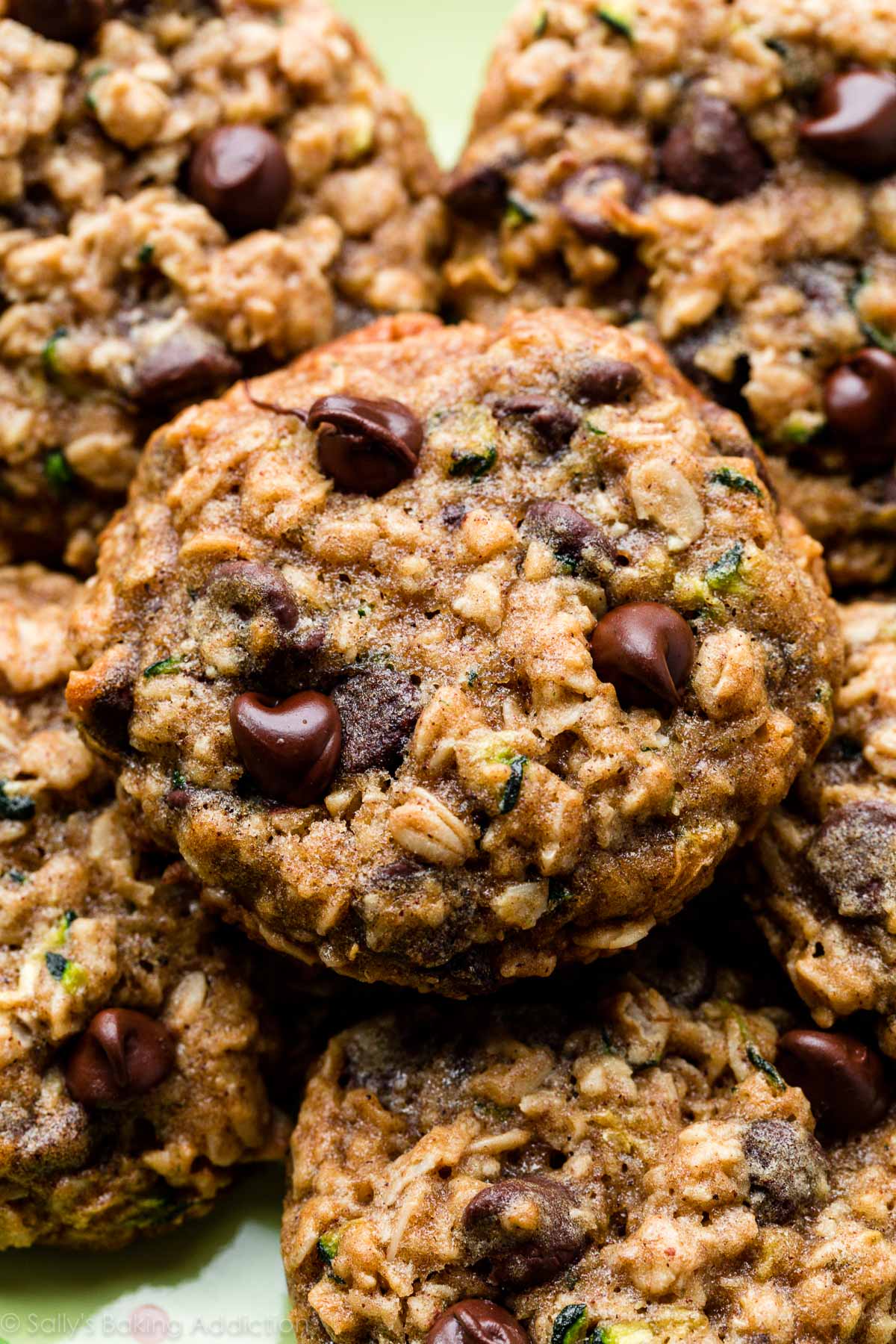
- Cookies: Even cookies benefit from zucchini’s moistening power. "Zucchini Oatmeal Chocolate Chip Cookies" offer an extra-soft texture with chewy centers and crisp edges, marrying the wholesome appeal of oats with the subtle freshness of zucchini and the classic comfort of chocolate chips. These diverse applications demonstrate how zucchini can transform familiar sweet recipes, adding depth and nutrition without compromising on flavor or texture. The success of these recipes challenges conventional perceptions of what a vegetable can achieve in the dessert category.
Savory Innovations: Zucchini Takes Center Stage in Main Courses and Sides

While its sweet applications are noteworthy, zucchini truly shines in the savory realm, offering an almost endless spectrum of meal possibilities. Its ability to absorb flavors and its adaptable form make it a chef’s delight, whether as a main component or a supportive element.
- Pasta Alternatives: The trend of "zucchini noodles" (zoodles) has revolutionized low-carb and gluten-free eating. Spiralized zucchini offers a fresh, light alternative to traditional pasta, pairing exquisitely with rich sauces and proteins. Dishes like "Bruschetta Chicken with Zucchini Noodles" and "Peanut Chicken Zucchini Noodles" showcase how zucchini can lighten up classic meals while providing a satisfying textural experience and absorbing robust flavors from savory peanut sauce or vibrant bruschetta toppings. This innovation speaks to the growing demand for healthier, plant-forward meal options and has become a staple for many health-conscious individuals.
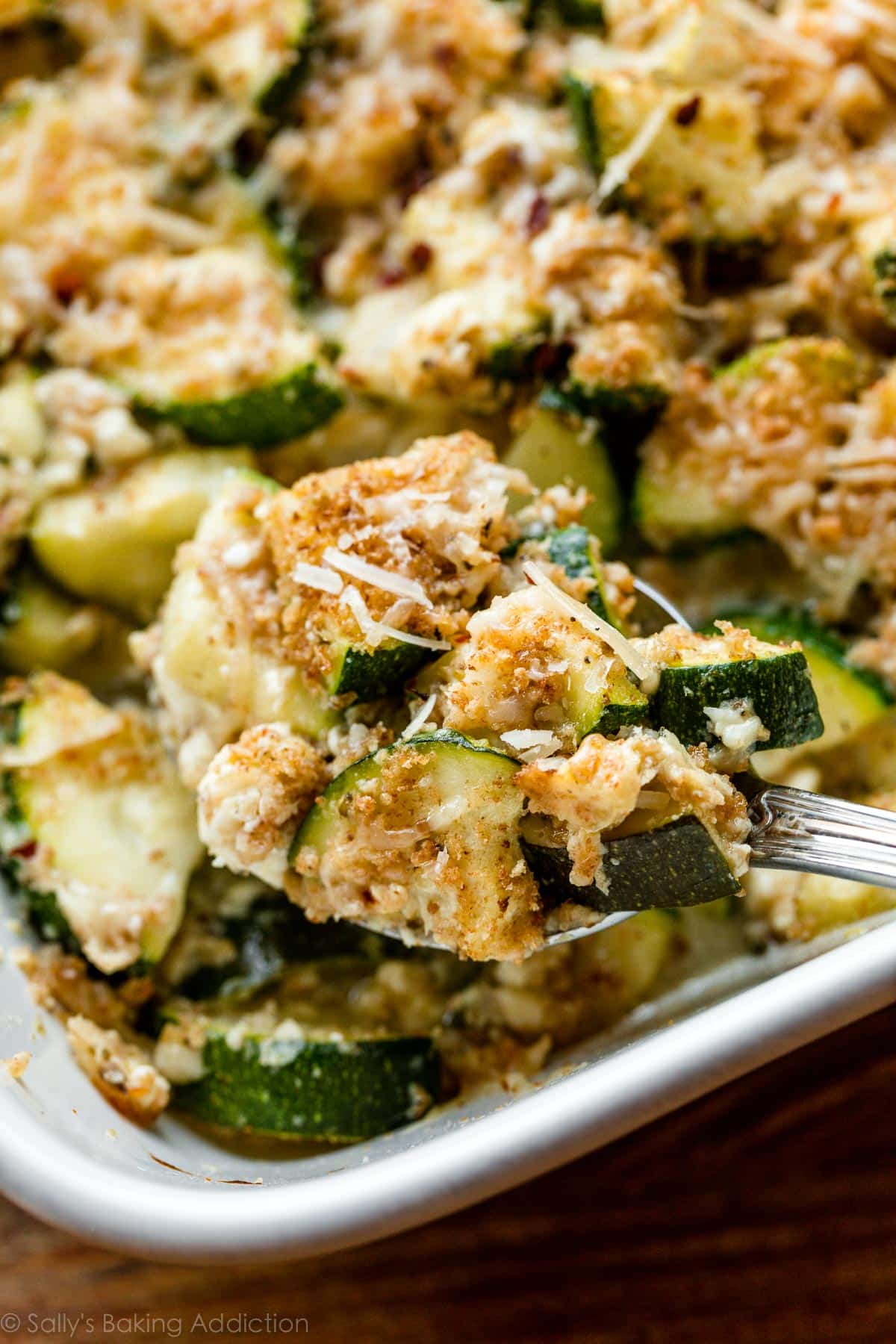
- Hearty Casseroles and Fritters: Zucchini’s structure holds up well in baked dishes and can be shredded for crispy preparations. The "Easy Zucchini Casserole Recipe," often seasoned with herbs like oregano, thyme, basil, and garlic, provides a comforting side dish that bakes quickly without requiring pre-cooking. Shredded zucchini is also the star of stovetop "Zucchini Fritters," which can be made gluten-free and flavored with garlic and fresh herbs, serving as a versatile accompaniment for breakfast, lunch, or dinner. Similarly, "Zucchini & Sweet Potato Fritters" combine the earthy sweetness of potato with zucchini, onion, and garlic for a flavorful vegetarian option. These dishes demonstrate zucchini’s adaptability to various cooking methods and flavor profiles.
- Breakfast and Brunch Staples: Zucchini effortlessly integrates into egg-based dishes. An "Easy Frittata" can be packed with zucchini alongside other vegetables like sweet potato and bell peppers, creating a healthy, protein-rich meal suitable for any time of day. "Crustless Veggie Quiche" offers a lightened-up, low-calorie option, where zucchini, yellow squash, and bell pepper deliver a heavy flavor punch alongside cheese. These preparations offer delicious and nutritious ways to start the day.
- Global Flavors: Zucchini’s mildness allows it to adapt to various global cuisines. In "Zucchini & Herbed Ricotta Flatbread," it joins roasted tomatoes and fresh basil for a Mediterranean-inspired meal. It also finds a place in comforting "Thick & Hearty Minestrone Soup," contributing to a medley of colorful vegetables. Even on "Roasted Vegetable Whole Wheat Pizza," zucchini slices add a fresh, tender bite to a wholesome base. Its ability to complement a wide range of spices and ingredients ensures its place in diverse culinary traditions.
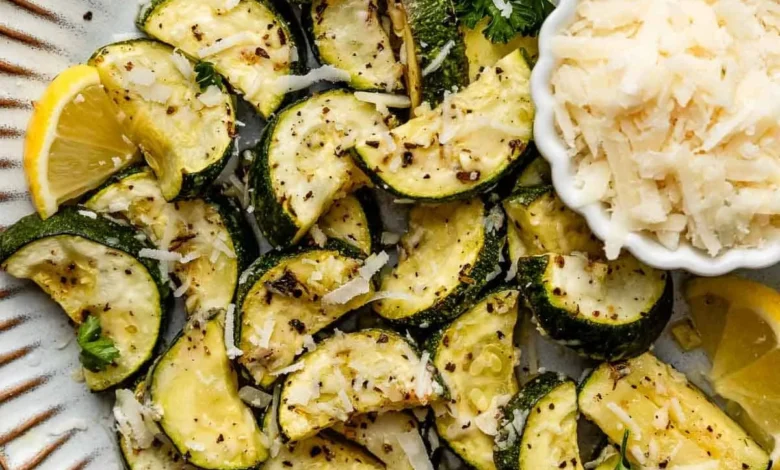
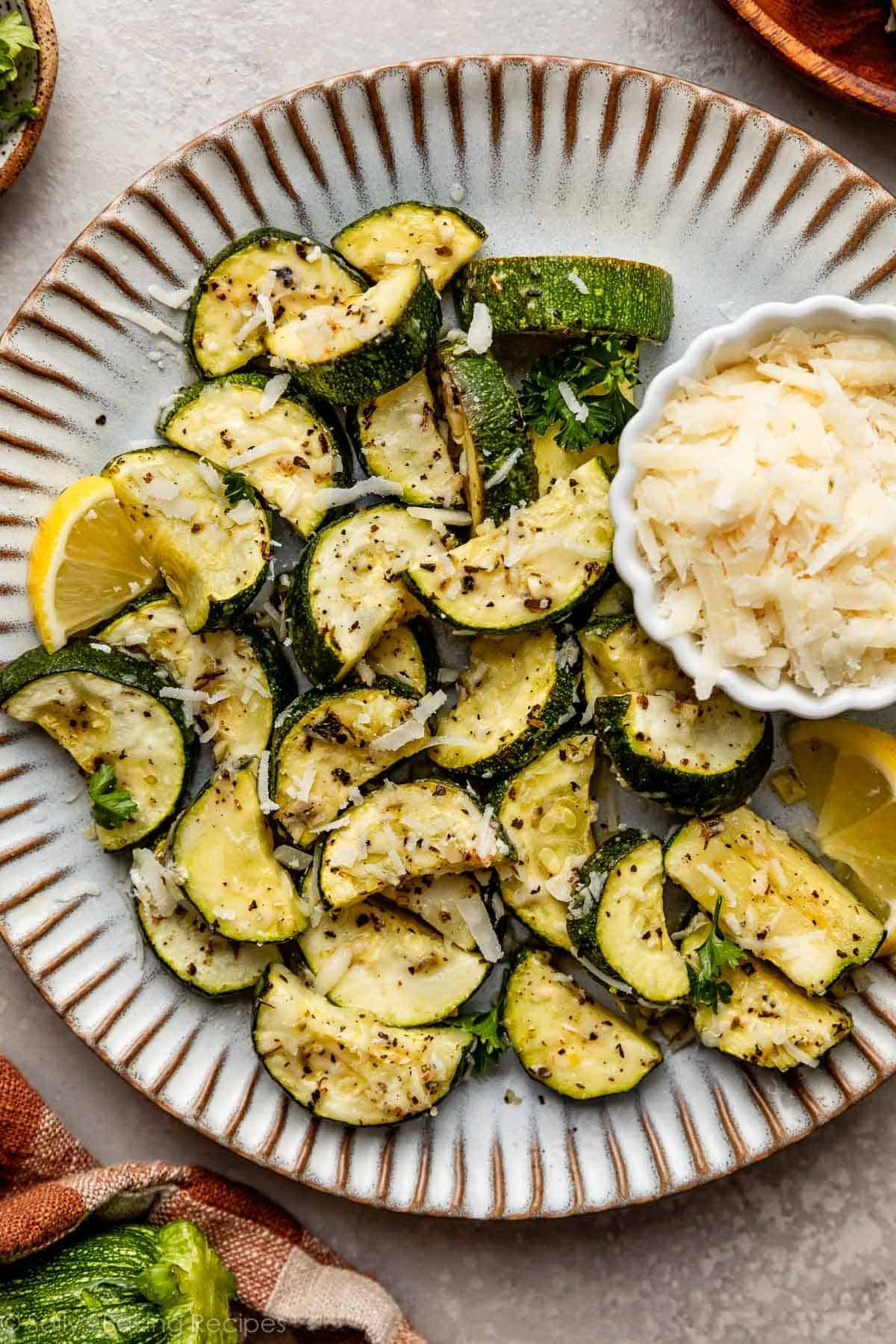
- Quick and Flavorful Sides: For those seeking minimal prep, roasting zucchini remains a top choice. A recipe for "Roasted Lemon Garlic Zucchini" highlights how simple preparation can yield maximum flavor. By tossing 1.5 pounds of medium zucchini (about 3-4 pieces) with olive oil, minced garlic, lemon juice, dried oregano, salt, and black pepper, and then roasting at 400°F (200°C) for 15-20 minutes, stirring halfway, a tender yet firm side dish emerges. Finishing with freshly grated Parmesan cheese adds a salty, umami depth. This method is praised for its speed and its ability to pair with a wide variety of main dishes, becoming a household favorite for its efficiency and delicious outcome.
Practical Tips for Home Cooks: Maximizing Your Zucchini Harvest

Given the generous yields of zucchini, especially for home gardeners, efficient preparation and storage are key to minimizing waste and extending its enjoyment.

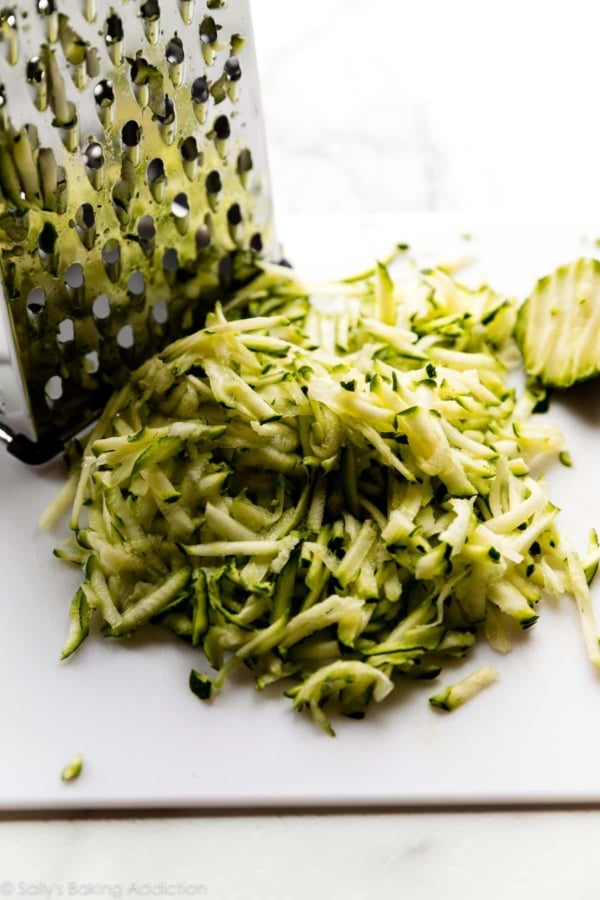
- Shredding and Freezing: For recipes requiring shredded zucchini, a simple box grater or food processor can expedite the process. To preserve a surplus, shredded zucchini can be easily frozen. The technique involves shredding, then squeezing out as much moisture as possible using paper towels or a clean kitchen towel. The de-moisturized zucchini is then spooned into a zipped-top freezer bag, flattened to allow for quicker thawing, and can be stored for up to 3-4 months. When ready to use, thaw and blot dry again if excessively liquidy, then incorporate into any recipe calling for shredded zucchini. This method ensures that the essence of summer can be enjoyed well into the colder months, providing a convenient supply for year-round cooking.
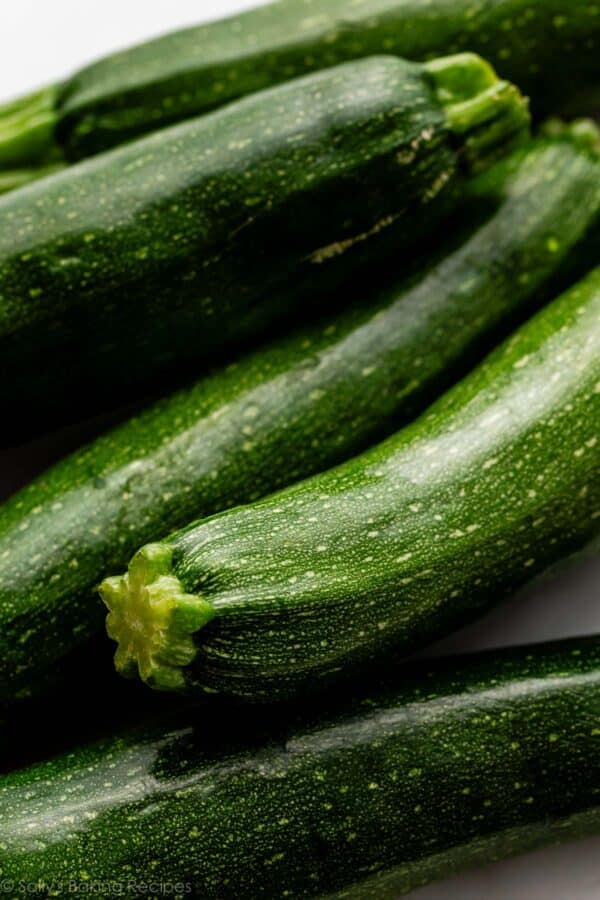
- Selecting and Storing: When choosing zucchini, look for firm, unblemished specimens that are small to medium in size, as larger zucchini can sometimes be watery and less flavorful with more developed seeds. Store unwashed zucchini in a plastic bag in the refrigerator’s crisper drawer for up to a week. Washing immediately before use is recommended to prevent premature spoilage. Proper selection and storage are crucial for maintaining the quality and extending the shelf life of this delicate vegetable.
Broader Implications: Health Trends and Sustainable Eating

The widespread embrace of zucchini reflects broader trends in nutrition and sustainable living. Its high nutrient density and low caloric impact align perfectly with increasing consumer demand for healthy, whole-food ingredients. The ease with which it can be grown, even in small home gardens, supports local food movements and reduces food miles, contributing to more sustainable dietary practices. Furthermore, its adaptability means it can cater to various dietary preferences and restrictions, from gluten-free to vegetarian and low-carb diets, making it an inclusive ingredient in a diverse culinary landscape. The growing awareness of food waste also positions zucchini, with its numerous preservation methods, as a key component in reducing household waste.

A Culinary Champion

From breakfast to dessert, and from simple roasted sides to complex main courses, zucchini truly earns its title as the "Most Valuable Veggie." Its mild flavor, incredible moisture-retaining properties, and impressive nutritional profile make it an indispensable ingredient for home cooks and professional chefs alike. As summer continues to unfold, there’s no better time to head to the farmers’ market, grocery store, or your own backyard and gather this versatile green gem, ready to transform it into a myriad of delicious creations. The possibilities are, indeed, endless, cementing zucchini’s place as a celebrated and essential component of modern cuisine.