The culinary landscape continually evolves, witnessing the emergence of refined interpretations of classic comfort foods. Among these innovations, the Creamy Almond & Lemon Coffee Cakes distinguish themselves as a notable entry, blending traditional coffee cake structure with sophisticated flavor profiles and streamlined preparation techniques. This particular recipe, developed by a prominent food blogger, represents an iterative refinement of a popular series, highlighting a commitment to both gastronomic excellence and practical home baking.
The Art of Flavor Pairing: Almond and Lemon in Culinary History
The combination of almond and lemon, central to these coffee cakes, is a classic yet often "underrated" pairing, celebrated for its harmonious balance of tartness, richness, and fragrant notes. Historically, both ingredients have played significant roles across diverse culinary traditions. Lemon, originating from Asia and introduced to Europe via the Middle East, quickly became a staple in Mediterranean and European cooking for its acidic brightness, essential oils, and preservative qualities. Its zest and juice are indispensable in everything from savory dishes to elaborate desserts, providing a refreshing counterpoint to richer elements.
Almonds, native to the Middle East and South Asia, boast an even longer history, featuring prominently in ancient diets and rituals. In confectionery, almonds are foundational, forming the basis of marzipan, frangipane, macarons, and numerous cakes and pastries across Europe, particularly in France, Italy, and Spain. Their subtle, nutty sweetness and tender texture lend themselves to a myriad of applications, often providing depth and a luxurious mouthfeel.
When paired, lemon’s sharp, sunny acidity cuts through almond’s inherent richness, preventing the latter from becoming cloying, while the almond’s warm, nutty aroma adds a complex, grounding dimension to the lemon’s vibrant zest. This synergistic relationship creates a flavor profile that is both invigorating and comforting, appealing to a broad spectrum of palates. Culinary experts frequently cite this combination as an example of how contrasting elements can achieve perfect equilibrium, a principle foundational to gourmet baking.
Anatomy of a Coffee Cake: Layers of Refinement
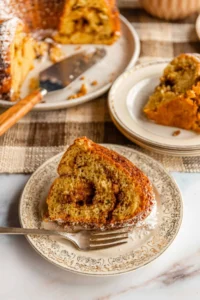
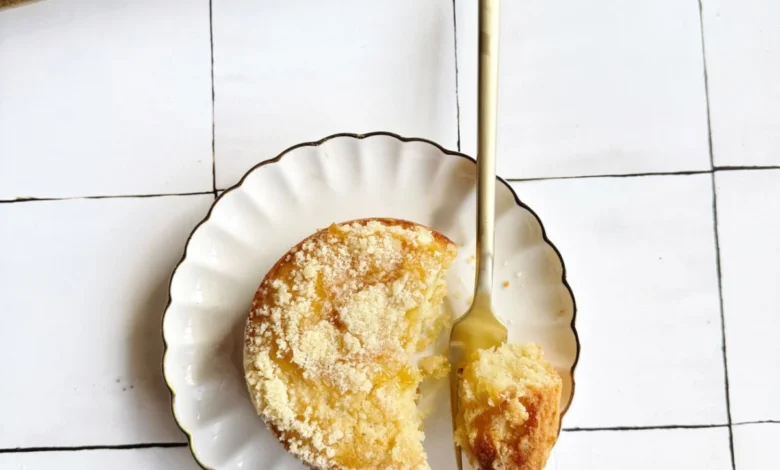
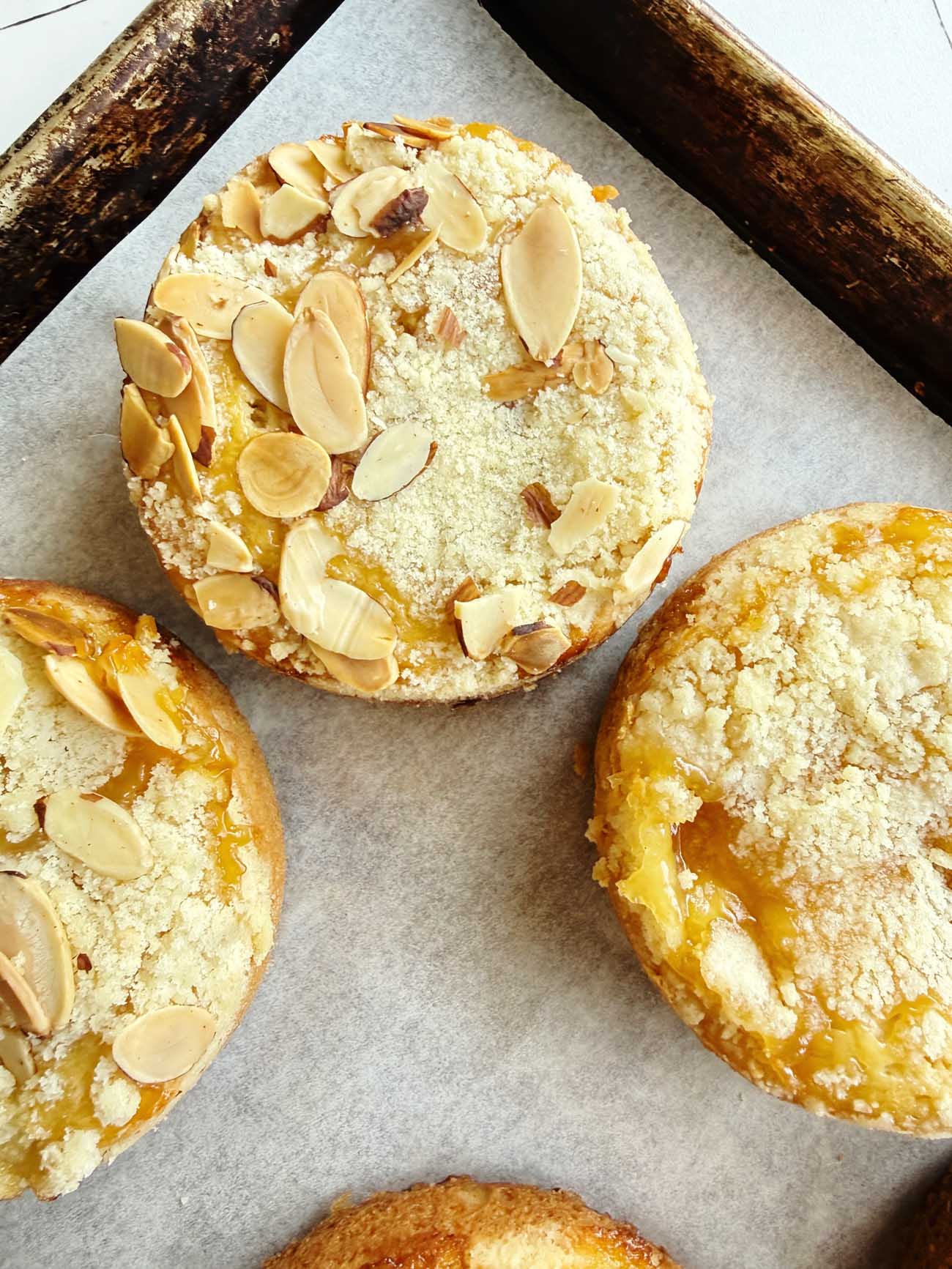
The Creamy Almond & Lemon Coffee Cakes are meticulously constructed, featuring a multi-layered design that contributes to their distinctive texture and flavor complexity. This architecture is key to delivering a "punch" in each bite, as described by the developer.
-
The Cake Base: The foundation is a classic coffee cake batter, engineered to be moist and tender, providing a stable yet yielding base for the subsequent layers. Coffee cakes, which trace their origins to the Kaffeekuchen of German and Scandinavian traditions, typically feature a simple, often yeast-leavened or chemically leavened cake, designed to be enjoyed alongside coffee or tea. Modern interpretations often forgo yeast for quicker preparation, relying on baking powder and soda for lift. The specific formulation here ensures it can support the richer fillings without becoming soggy.
-
The Rich Almond Cream: Immediately above the cake layer lies a generous stratum of almond cream. This component is crafted using both almond flour and almond extract, maximizing the nutty essence. Almond flour, made from blanched, finely ground almonds, contributes a delicate texture and a pronounced almond flavor, as well as moisture and richness. The almond extract intensifies this flavor, providing a concentrated aromatic boost. This cream layer adds a luxurious, almost frangipane-like quality, enriching the overall mouthfeel and contributing a significant portion of the cake’s "creamy" designation. Its fat content also helps to keep the cake moist.
-
The Zesty Lemon Curd: A pivotal element, the homemade lemon curd, introduces a critical tart counterpoint. Lemon curd is a thick, intensely flavored spread typically made from lemon juice, zest, eggs, sugar, and butter. Its preparation involves careful heating and whisking to achieve a smooth, emulsified texture, where the egg proteins thicken the mixture to a custard-like consistency. The curd’s bright, acidic notes are essential for balancing the richness of the almond cream and the cake base, preventing the dessert from being overly sweet or heavy. The quality of the curd significantly impacts the final taste, making a homemade version preferable for its vibrant, fresh lemon character.
-
The Streusel Topping: Capping these layers is a light streusel, providing a crucial textural contrast. Streusel, derived from the German word "streuen" (to sprinkle), is a crumbly topping typically made from flour, sugar, butter, and sometimes spices or nuts. Its origins are also rooted in German baking, where it was used on various cakes and pastries to add a sweet, crispy element. In this recipe, the streusel serves not only to add crunch but also to neatly cover each cake, contributing to its aesthetic appeal. The innovation lies in its preparation: it is made from the dry cake base mixture, a technique that significantly streamlines the baking process by reducing the number of bowls and preparation time, appealing to the modern home baker seeking efficiency.
Innovation in the Kitchen: Streamlining Recipe Development
The development of these Creamy Almond & Lemon Coffee Cakes is part of a broader chronology of recipe innovation from the same developer. Prior iterations include "original jammy cakes," followed by seasonal variations such as pumpkin, carrot, banana, and cherry. This systematic approach demonstrates a commitment to exploring diverse flavor profiles while maintaining a consistent and successful core structure.
The iterative process of recipe development is a cornerstone of culinary progress. It involves:
- Conceptualization: Identifying a desirable flavor combination or a gap in existing recipes.
- Experimentation: Testing various ingredient ratios, preparation methods, and baking times.
- Refinement: Adjusting components based on taste tests and feedback to achieve optimal results.
- Adaptation: Applying a successful base recipe to new flavor profiles or ingredient combinations.
The particular innovation of creating the streusel from the dry cake base mix is a testament to thoughtful recipe design. This method not only saves time and reduces cleanup but also ensures a cohesive flavor profile, as the streusel inherently shares flavor notes with the cake itself. This efficiency is a growing priority for home bakers, reflecting broader lifestyle trends where time-saving techniques are highly valued without compromising quality. Culinary experts often point to such clever techniques as indicators of well-engineered recipes, making them more accessible and enjoyable for a wider audience.
The Tools of the Trade: Specialized Baking Equipment
The recipe specifies the use of eight 4-inch springform cake pans, standard 4-inch cake pans, or jumbo muffin pans. This recommendation highlights a trend towards individual portioning in baking, offering several advantages:
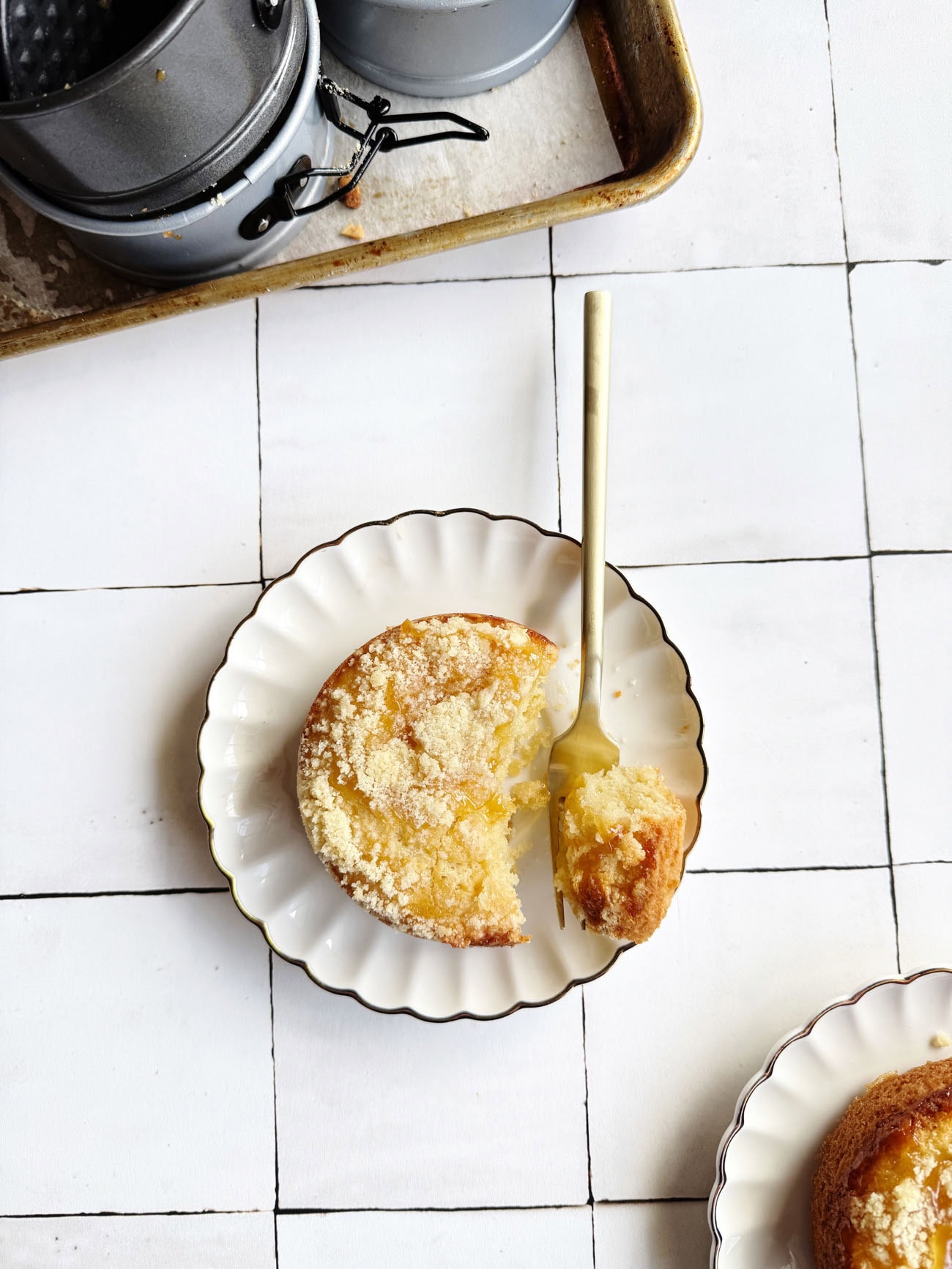
- Portion Control: Individual cakes inherently manage portion sizes, which can be appealing for dietary considerations or simply for serving convenience.
- Presentation: Small, individual cakes offer an elegant and professional presentation, suitable for gatherings or as thoughtful gifts.
- Even Baking: Smaller pans often facilitate more even baking, reducing the risk of undercooked centers or overbaked edges, especially with layered desserts.
- Versatility: The suggestion of multiple pan types (springform for easy release, standard for simplicity, jumbo muffin tins for accessibility) indicates a consideration for diverse home kitchen setups, making the recipe adaptable.
The choice of pan material and size directly impacts heat distribution and baking time. Metal pans, particularly those with darker finishes, tend to absorb and conduct heat more efficiently, leading to quicker baking and browner crusts. Springform pans, with their removable sides, are particularly useful for delicate layered cakes, minimizing disturbance upon demolding. The trend towards individual desserts also reflects a broader market shift, where consumers increasingly seek personalized experiences and aesthetically pleasing food items.
Beyond the Bake: Serving and Storage Considerations
The recommendation to consume the cakes "just barely warm" points to an optimal sensory experience. Warmth enhances the aromatic compounds of both lemon and almond, making the flavors more pronounced and the textures softer and more yielding, particularly the almond cream and lemon curd. The melted butter in the streusel also contributes to a more tender crumb when warm.
However, the cakes are also noted to be "great the next day," indicating good keeping qualities. This is a practical consideration for home bakers who often prepare items in advance. Proper storage, typically in an airtight container at room temperature for a day or refrigerated for longer periods (due to the perishable nature of the lemon curd and almond cream), is crucial for maintaining freshness and food safety. The structural integrity of the cakes, even with multiple layers, suggests a robust recipe design that withstands cooling and subsequent enjoyment.
The Science of Baking: Precision and Consistency
A critical note provided by the developer emphasizes the importance of weighing flour: "Throughout my recipes posted on this website, 1 cup of flour equals 142g. Please note that 1 cup of flour can range anywhere from 120g to 142g, depending on the baker or website. I found that after weighting many cups of flour and averaging the total, mine always ended up around this number. Weighing your flour instead of using cup measurements is the surest way to get the result I intended when developing the recipe."
This statement underscores a fundamental principle in professional baking and patisserie: precision. Volumetric measurements (cups) are inherently inconsistent due to variations in how ingredients are scooped, sifted, or packed. The density of flour can vary significantly, impacting the final hydration and gluten development of a dough or batter. A difference of 20 grams per cup across a multi-cup recipe can lead to substantial alterations in texture, moisture, and overall outcome.
Weighing ingredients, particularly flour, provides an exact and repeatable quantity, ensuring that home bakers can replicate the recipe developer’s intended results with high fidelity. This practice aligns with professional culinary standards and is increasingly advocated in home baking for its reliability and precision, leading to fewer baking failures and more consistent successes. It reflects a growing sophistication among home bakers who are adopting more scientific approaches to their craft.
Culinary Landscape: The Role of Food Blogs and Recipe Creators
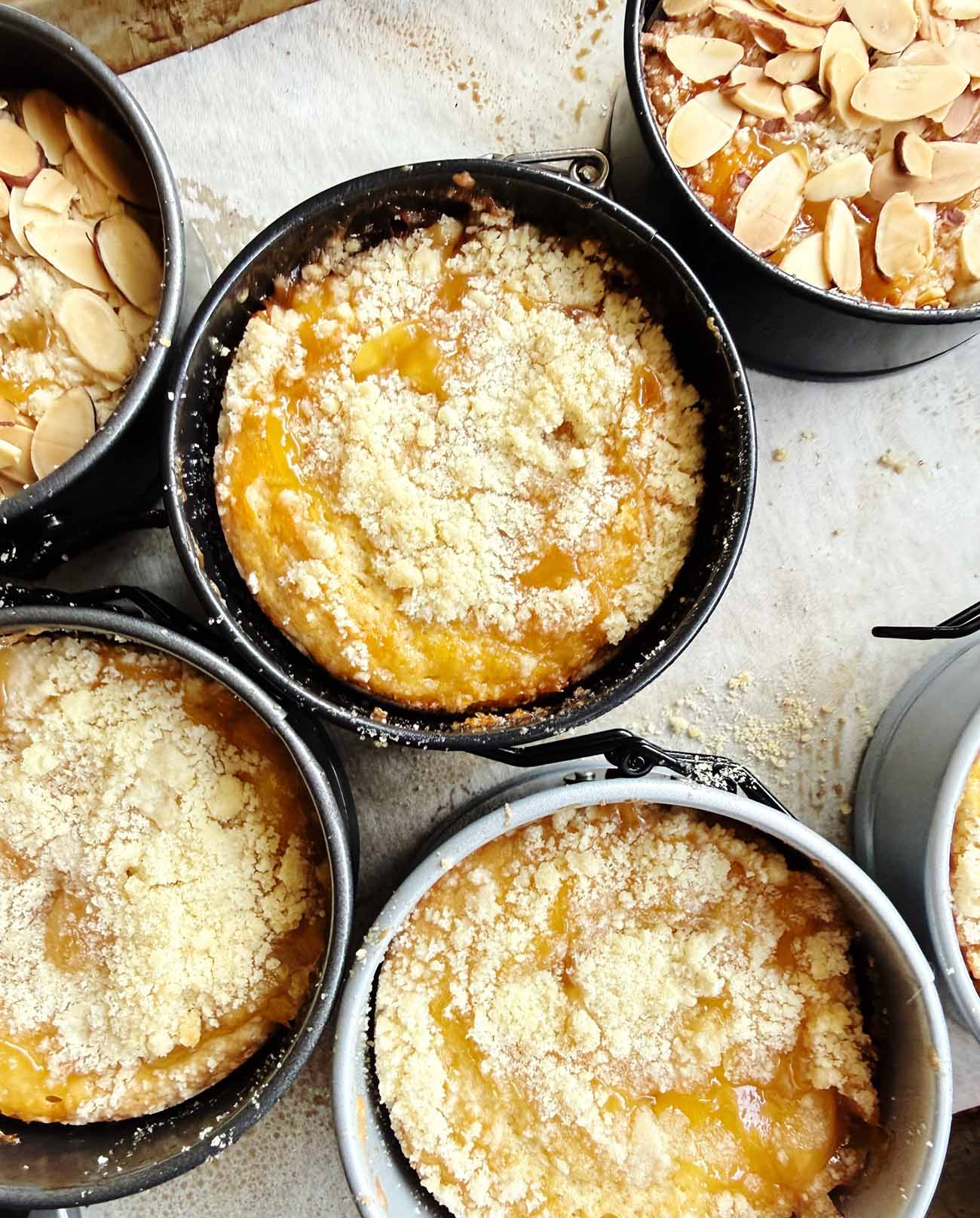
The context of these coffee cakes within a food blog ("The Vanilla Bean Blog") highlights the significant role of independent recipe developers and online platforms in today’s culinary world. Food blogs serve as vital conduits for disseminating recipes, techniques, and culinary inspiration to a global audience. They often feature:
- Recipe Testing and Development: Bloggers dedicate considerable time to developing, testing, and refining recipes, often documenting their process.
- Visual Appeal: High-quality photography, as seen in the images accompanying this recipe, is crucial for attracting readers and conveying the appeal of the finished product.
- Community Engagement: Blogs foster communities of home bakers, allowing for sharing of tips, modifications, and feedback.
- Accessibility: They democratize access to diverse culinary knowledge, making complex techniques and gourmet recipes approachable for the average home cook.
The success of a recipe like the Creamy Almond & Lemon Coffee Cakes on such a platform speaks to the demand for well-tested, innovative, and visually appealing content that combines classic flavors with modern convenience.
Market Trends and Consumer Preferences
The popularity of desserts such as these coffee cakes aligns with several broader market trends:
- Comfort Food Revival: In times of uncertainty, consumers often gravitate towards comforting, nostalgic foods. Coffee cakes fit this category perfectly, offering a sense of warmth and familiarity.
- Demand for Artisanal Quality: There’s a growing appreciation for homemade or "homemade-style" baked goods that emphasize quality ingredients and thoughtful preparation over mass-produced items.
- Flavor Sophistication: While comfort is key, consumers also seek nuanced and sophisticated flavor combinations. The almond and lemon pairing exemplifies this, moving beyond basic vanilla or chocolate.
- Individual Portions and Convenience: The rise of mini-desserts and single-serving options reflects busy lifestyles and a desire for controlled indulgence. Recipes that offer streamlined preparation are particularly attractive.
- Ingredient Focus: The use of specific ingredients like almond flour (often associated with gluten-free baking, though not exclusively, and valued for its flavor and texture) and fresh lemon curd taps into consumer interest in quality and sometimes, specific dietary considerations.
Conclusion: A Testament to Thoughtful Baking
The Creamy Almond & Lemon Coffee Cakes represent a compelling synthesis of culinary tradition and modern innovation. From their carefully balanced flavor profile of tart lemon and rich almond to their multi-layered texture and efficient streusel technique, these cakes embody the thoughtfulness characteristic of skilled recipe development. Their adaptability to various pan types, emphasis on precise measurement, and position within a lineage of successful recipes underscore their appeal to contemporary home bakers. More than just a dessert, they are an exemplary demonstration of how classic components can be reimagined to create a fresh, fragrant, and utterly satisfying culinary experience, reflecting broader trends in home baking and consumer preferences for quality, convenience, and sophisticated flavors.