Mastering the Art of Traditional Italian Bread: A Comprehensive Guide to Achieving Bakery-Quality Results at Home

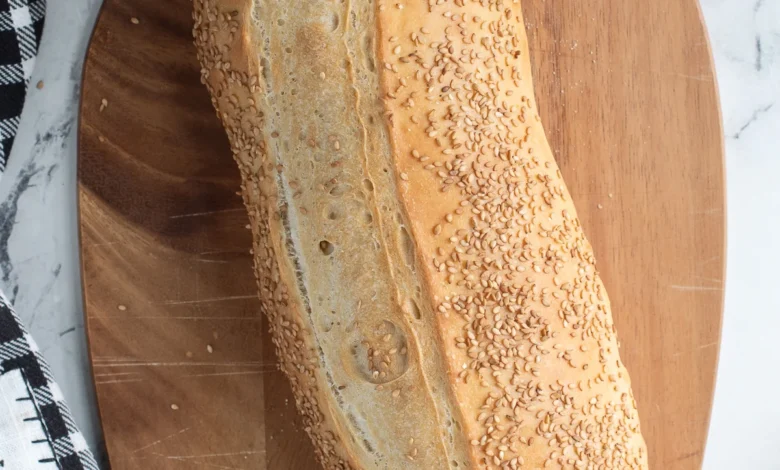
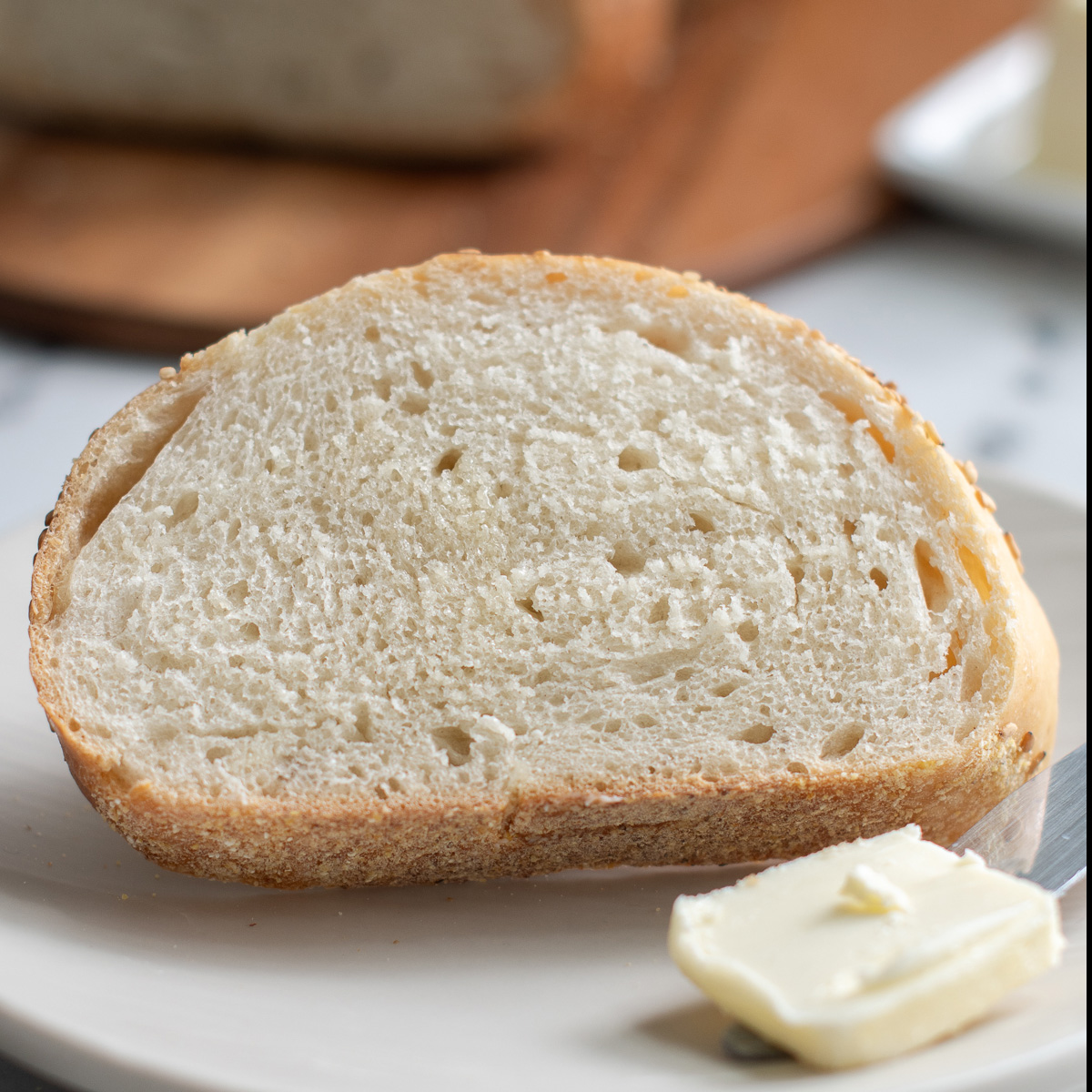
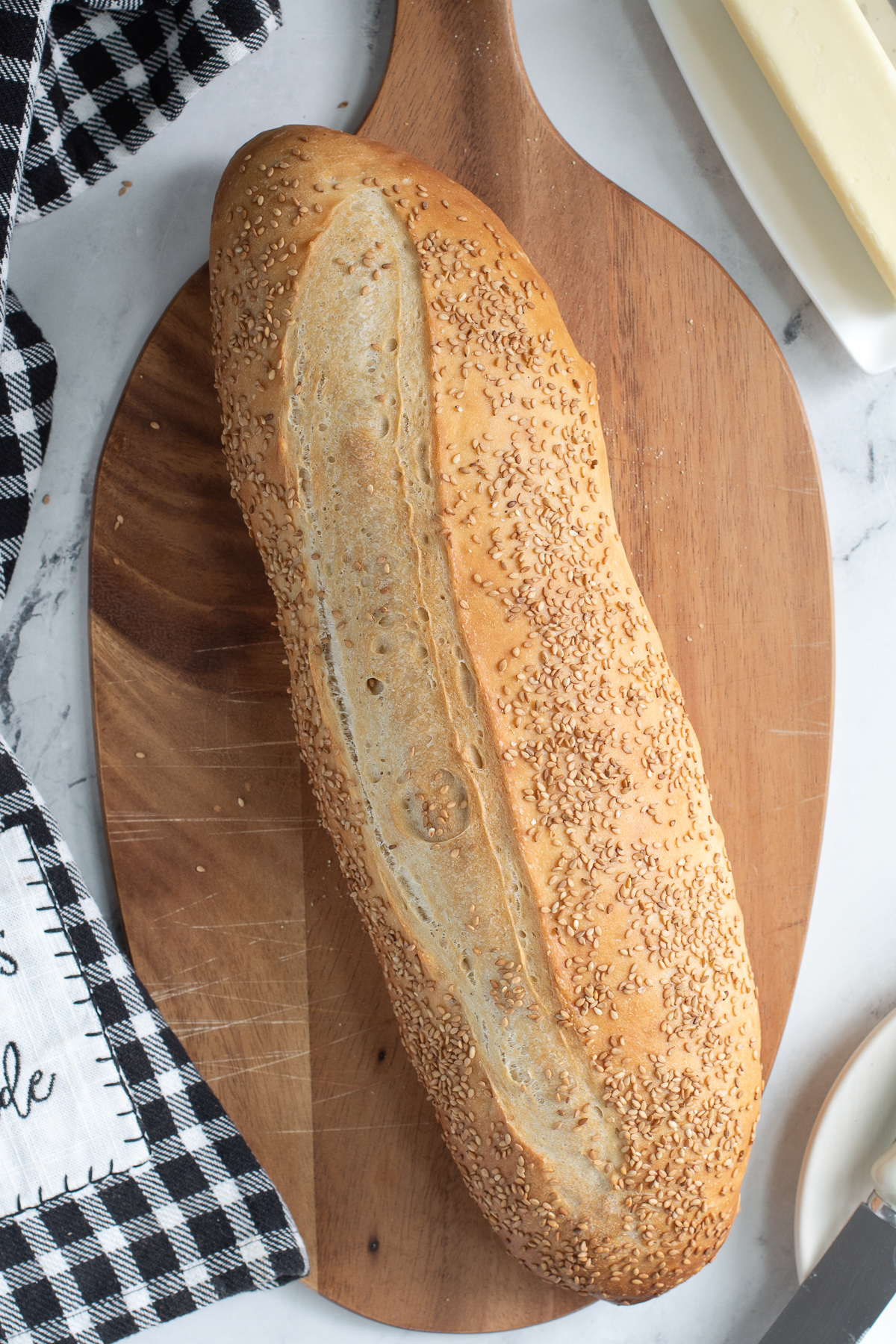
The pursuit of the perfect loaf of Italian bread—characterized by its signature torpedo silhouette, thin, crackly exterior, and a cloud-like, airy crumb—has long been a hallmark of artisanal baking. While mass-produced supermarket alternatives often rely on chemical additives and accelerated proofing methods, the traditional approach favored by home bakers in the Northeastern United States prioritizes patience and enzymatic development. By utilizing a deliberate cold fermentation process, bakers can elevate a simple mixture of flour, water, yeast, and salt into a culinary staple that mirrors the quality found in boutique bakeries.
The Science of Cold Fermentation and Flavor Development
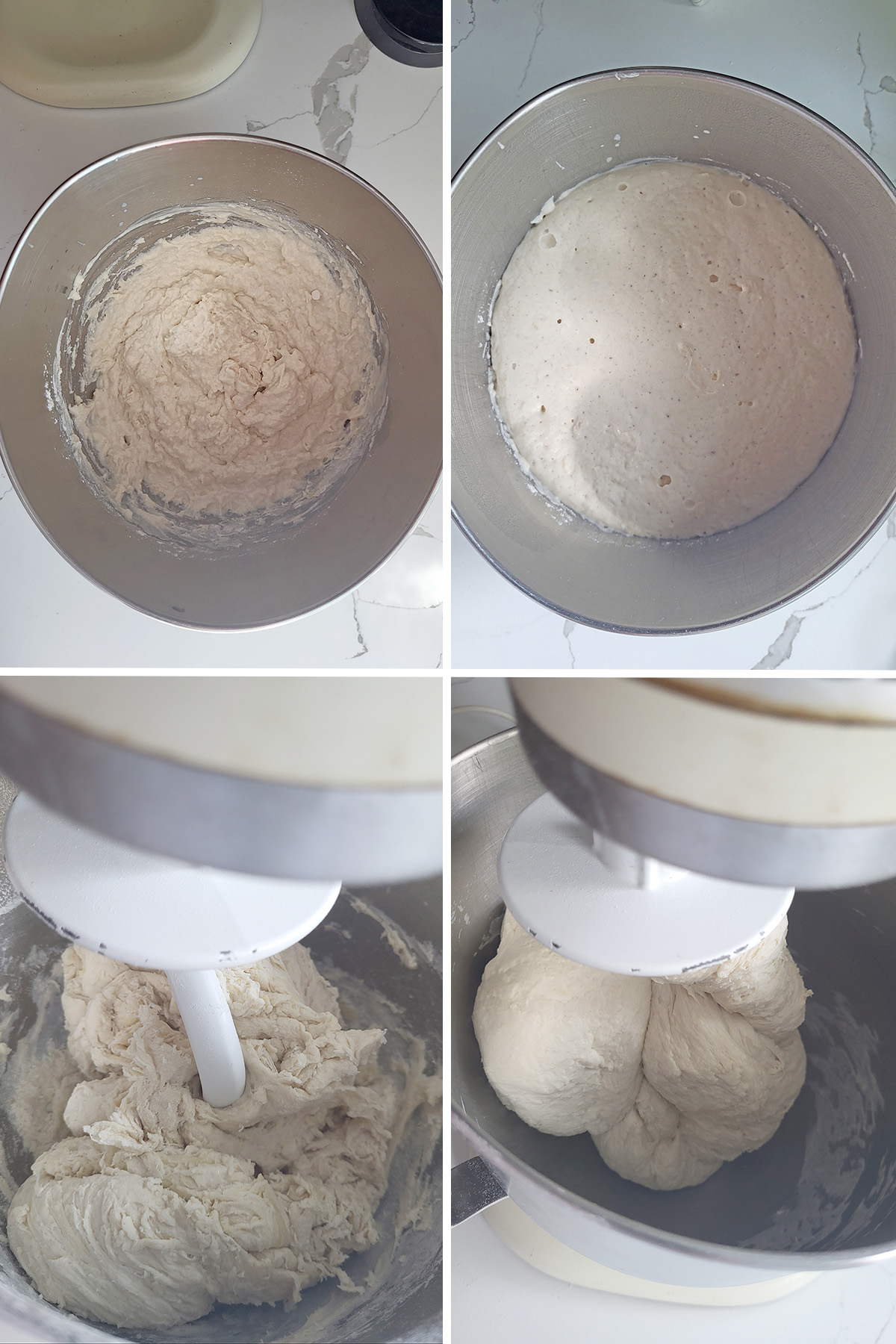
At the heart of high-quality bread production lies the concept of fermentation. When yeast consumes the sugars present in flour, it produces carbon dioxide and ethanol, which are responsible for leavening and flavor. However, the rate of this activity is highly temperature-dependent. By introducing an overnight cold fermentation phase—placing the shaped or bulk-fermented dough into a refrigerated environment (typically 38°F to 40°F)—the baker effectively slows the yeast metabolism.
This deceleration is not merely a logistical convenience; it is a chemical necessity for superior flavor. During this extended, cold period, the enzymes amylase and protease begin to break down starches into simpler sugars and proteins into amino acids. This enzymatic activity provides the yeast with a more complex fuel source, resulting in the production of organic acids, such as lactic and acetic acid, which provide the nuanced, tangy flavor profile associated with professional-grade bread. Furthermore, the stabilization of the dough’s gluten network during the cold rise leads to improved oven spring—the rapid expansion of the loaf upon hitting the intense heat of the oven—and a more uniform, delicate crumb structure.
Chronological Breakdown of the Baking Process
The production of an authentic Italian loaf is a multi-stage process that requires approximately 10 to 12 hours of total time, though the active labor is relatively minimal. The chronology of the process typically follows this progression:
- Mixing and Autolyse: The initial stage involves the hydration of flour and the incorporation of yeast and salt. Allowing the flour to hydrate fully before intensive kneading, a process known as autolyse, facilitates gluten development.
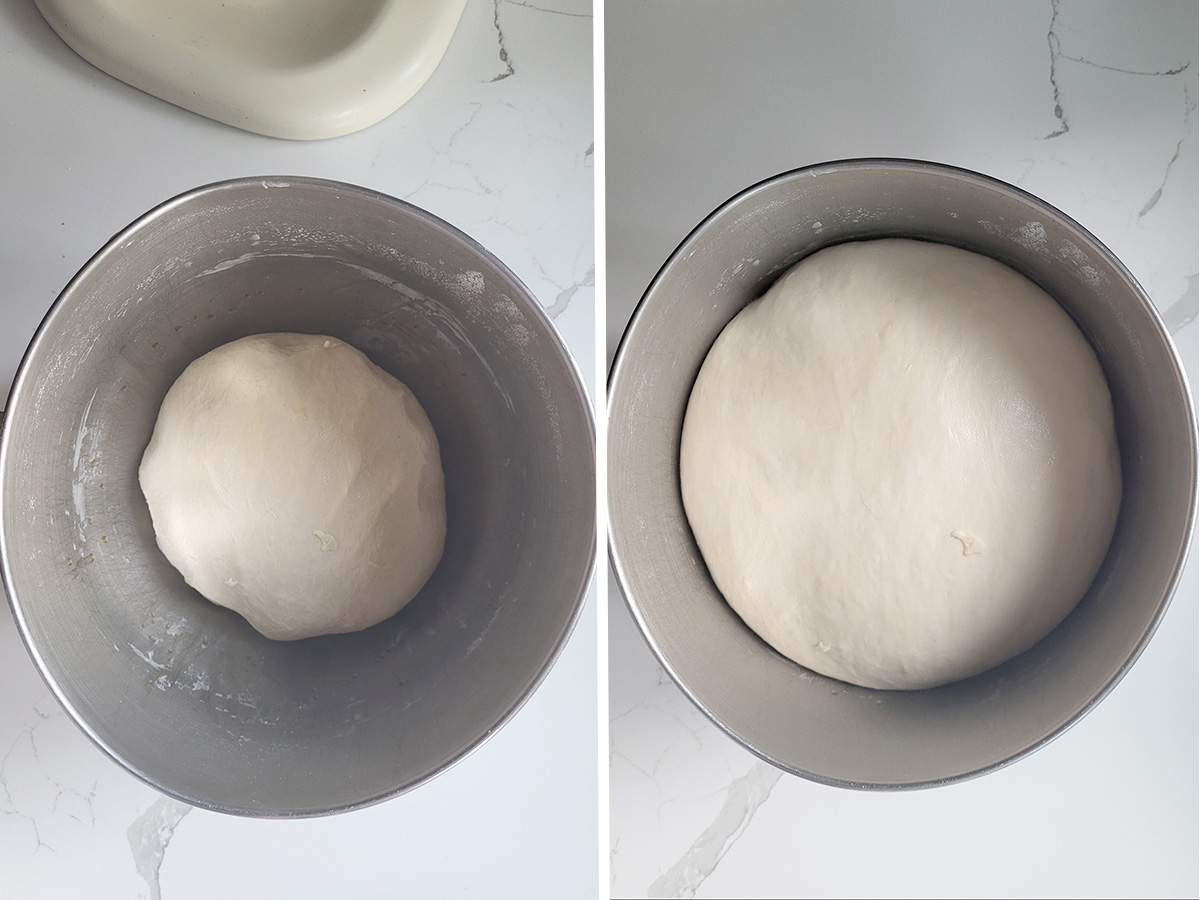
- Primary Fermentation: The dough undergoes an initial rise at room temperature, allowing for the establishment of a robust yeast colony.
- Cold Retardation: The dough is moved to a refrigerated environment for a minimum of eight hours. This is the critical stage for flavor development and texture refinement.
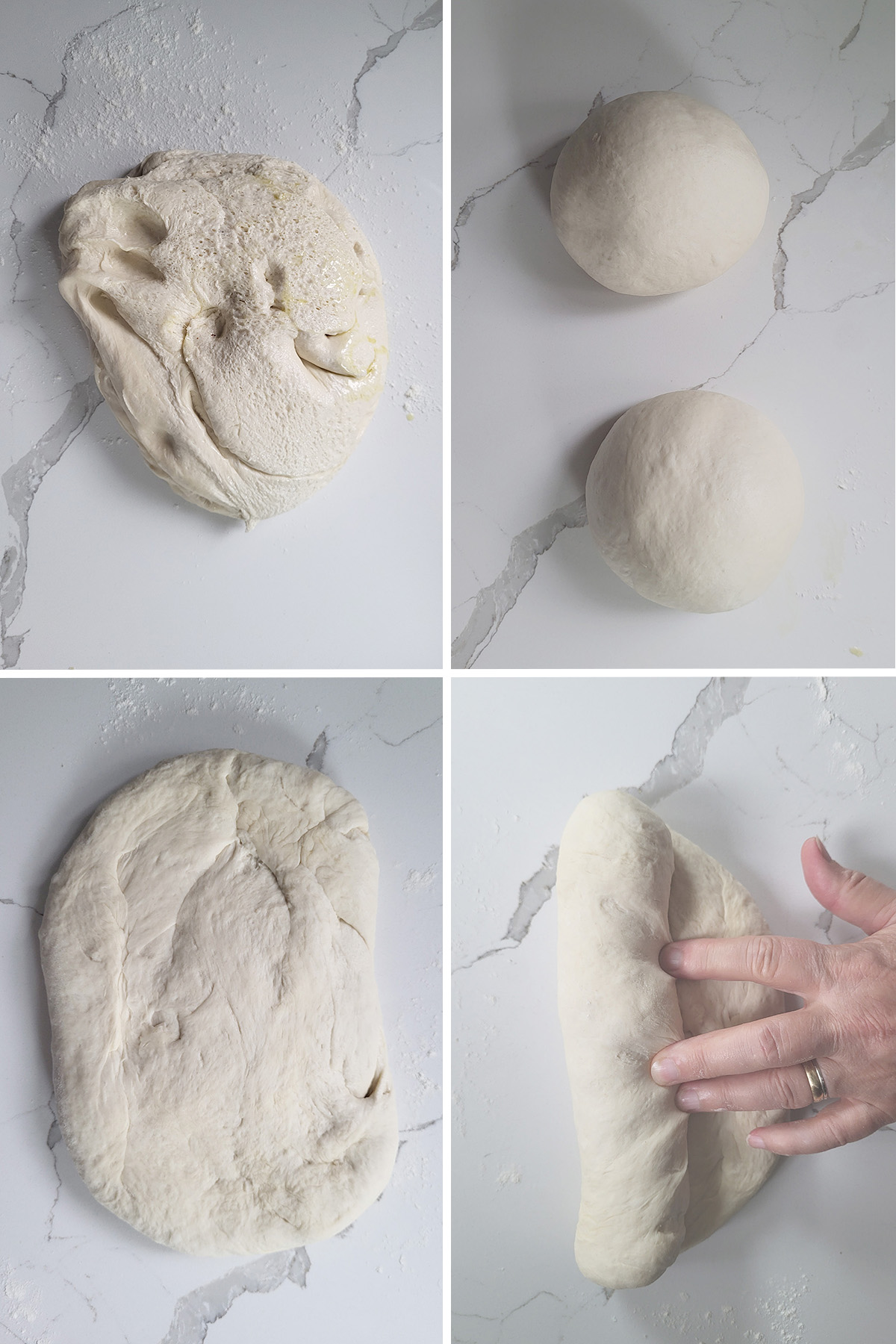
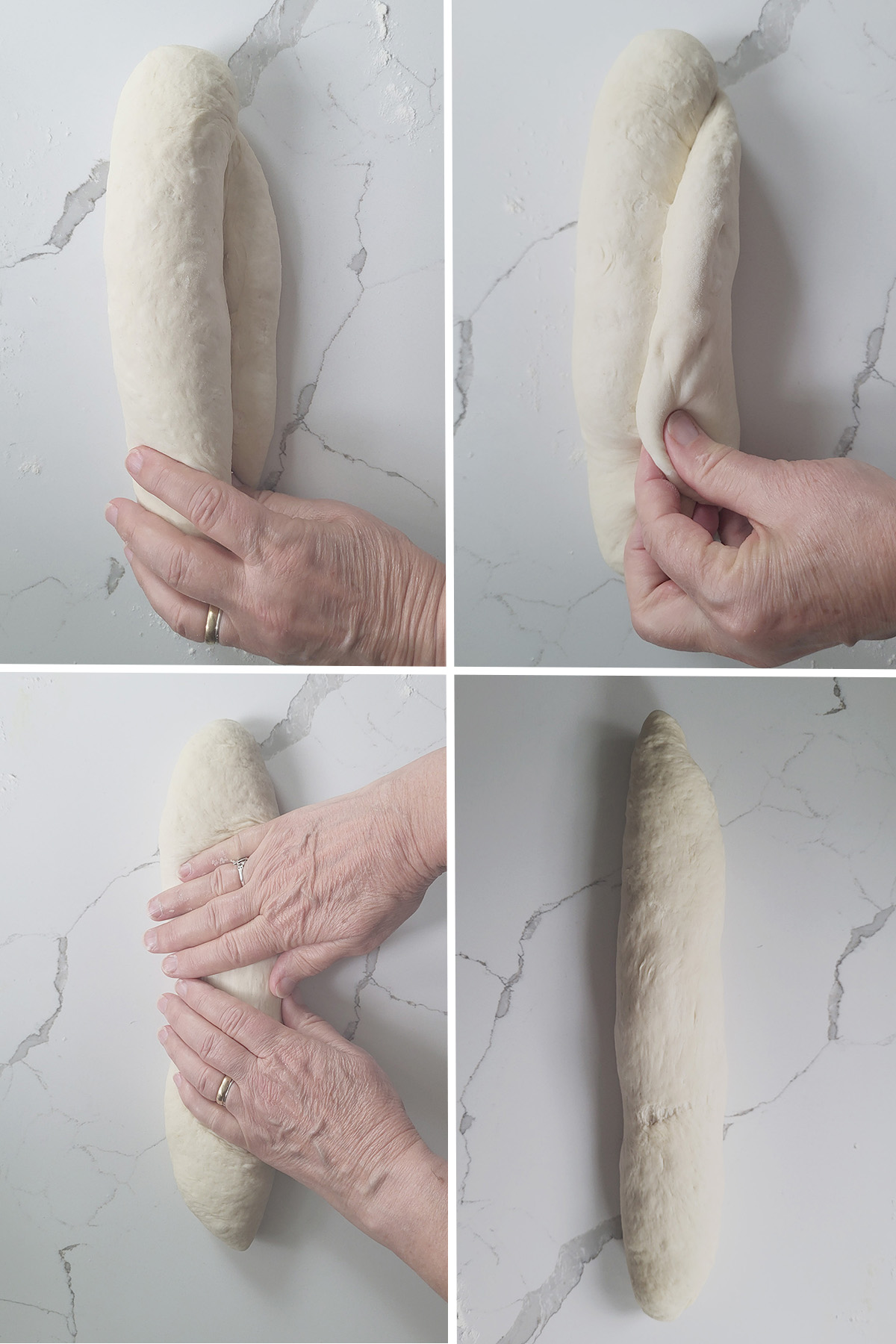
- Shaping: Once removed from the cold, the dough is divided and formed into its traditional torpedo shape. This must be done with care to preserve the gas bubbles developed during the long fermentation.
- Final Proof: The shaped loaves rest, allowing the dough to relax and regain ambient temperature, which ensures an even rise in the oven.
- Scoring and Baking: Before entering the oven, the surface of the loaf is scored—a shallow cut that controls the expansion of the bread. Baking at a high temperature (typically 425°F to 450°F) is essential to achieve the characteristic thin, crisp crust.
Nutritional Profile and Dietary Context
For those monitoring their nutritional intake, it is important to understand the composition of traditional Italian bread. A standard serving, typically defined as one slice, contains approximately 111 kilocalories. The macronutrient breakdown is dominated by complex carbohydrates, which provide approximately 21 grams per serving. Protein content is relatively modest at 3 grams per serving, while fat content is kept low at approximately 2 grams.
Because this bread is produced without the heavy preservatives or industrial dough conditioners found in commercial manufacturing, it remains a "clean label" food product. However, its lack of preservatives means that its shelf life is limited to roughly 24 to 48 hours at room temperature. To mitigate food waste, professional bakers recommend freezing pre-sliced portions. When properly defrosted and reheated at 200°F, the bread can regain a significant portion of its original crispness, providing a sustainable solution for home consumers.
Regional Significance and Culinary Versatility
The "Italian bread" common to the New York and New Jersey metropolitan areas is distinct from the crusty, denser loaves found in other regions of the world. Historically, this style was adapted by Italian-American communities to suit the local palate, resulting in a bread that serves as a versatile culinary vehicle. Its structural integrity makes it an ideal accompaniment for pasta dishes, particularly those with heavy tomato-based sauces that require a bread with enough "soak" capacity.
Furthermore, the wide, elongated shape of the torpedo loaf is specifically suited for the construction of large-format sandwiches, such as the classic Italian hero or hoagie. The crumb is aerated enough to absorb dressings and oils without becoming sodden, yet firm enough to hold the weight of cured meats, cheeses, and pickled vegetables. This versatility has cemented its place as a staple in the regional culinary identity of the Northeast.
Expert Recommendations for Consistency
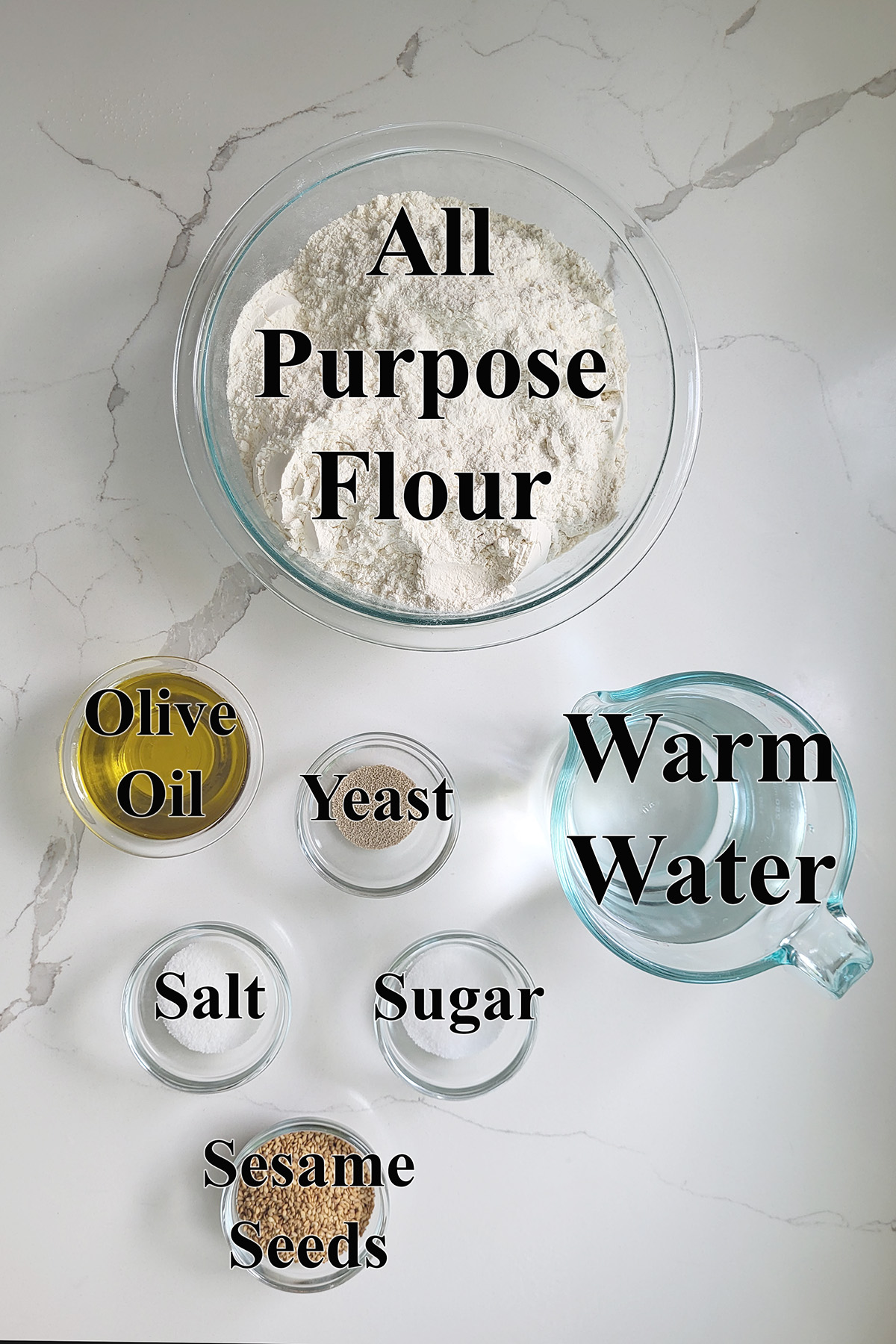
Achieving consistent results in bread baking is often the primary challenge for home enthusiasts. The most significant variable in baking failure is the inconsistency of volumetric measurements. Professional bakers exclusively use mass-based measurements (grams) to ensure the ratio of flour to water—the hydration percentage—remains constant.
When measuring flour, the "dip and sweep" method is the industry-standard recommendation for those without a digital scale. This involves dipping the measuring cup into the flour container and leveling it off with a flat edge, rather than packing the flour into the cup, which can result in an excess of flour by weight and a dry, dense final product.
Broader Implications for the Home Baking Industry
The rising interest in artisanal bread baking, accelerated by the global events of the early 2020s, has led to a significant increase in the availability of educational resources. Platforms like the "Baking School" and specialized "Bread Hubs" have emerged to provide home bakers with technical support, troubleshooting, and advanced techniques.
This shift represents a broader movement toward culinary self-sufficiency. As consumers become more cognizant of the ingredients in their food, the demand for transparency and quality has forced a re-evaluation of commercial bread production. The move toward home-based, fermented bread-making is not just a hobby; it is a rejection of the high-fructose corn syrup, dough conditioners, and emulsifiers that characterize industrial white bread.
Analyzing the Future of Home Baking
Looking forward, the integration of technology into the kitchen—such as high-precision digital scales, steam-injected home ovens, and climate-controlled proofing boxes—is further narrowing the gap between the professional bakery and the home kitchen. While the fundamental chemistry of bread baking remains unchanged, the accessibility of tools and information allows for a higher baseline of quality among amateur bakers.
As the industry continues to evolve, the focus is expected to remain on long-fermentation techniques. The health implications of these methods, specifically regarding the digestibility of gluten and the bioavailability of nutrients, are becoming a subject of increased scientific interest. By allowing the dough to ferment for extended periods, bakers are essentially "pre-digesting" the flour, making the final product more accessible to those with mild sensitivities.
In summary, the creation of a classic Italian loaf is a testament to the balance between biological necessity and culinary artistry. By respecting the timeline of the yeast, employing precise measurement techniques, and utilizing the cold fermentation method, the home baker can transcend the limitations of the grocery store aisle. Whether used to accompany a family dinner or as the foundation for a meal-sized sandwich, the resulting bread serves as both a functional food and a piece of cultural history. As more households adopt these artisanal methods, the standard for what constitutes "good bread" continues to rise, marking a significant and positive shift in domestic culinary standards.