The Ultimate Guide to Crafting Bakery-Quality Homemade Apple Fritters From Scratch

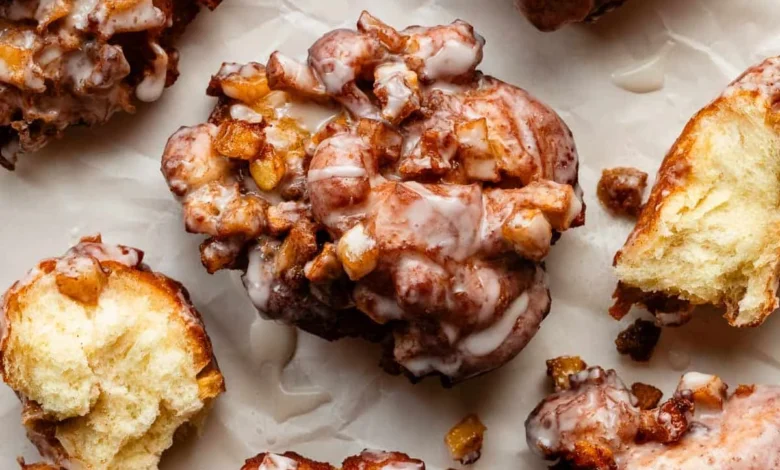
Culinary enthusiasts and home bakers are increasingly turning their attention toward traditional, labor-intensive pastry arts, with homemade apple fritters emerging as a dominant trend in seasonal baking. Combining elements of yeast-raised doughnuts and spiced fruit cakes, these pastries demand precision, patience, and a willingness to embrace a hands-on, flour-dusted kitchen environment. While commercial iterations are readily available in bakeries and supermarkets, culinary experts emphasize that the scratch-made approach yields a distinct textural contrast: a shatteringly crisp, caramelized exterior paired with a pillowy, tender crumb bursting with fresh, cinnamon-spiced fruit.
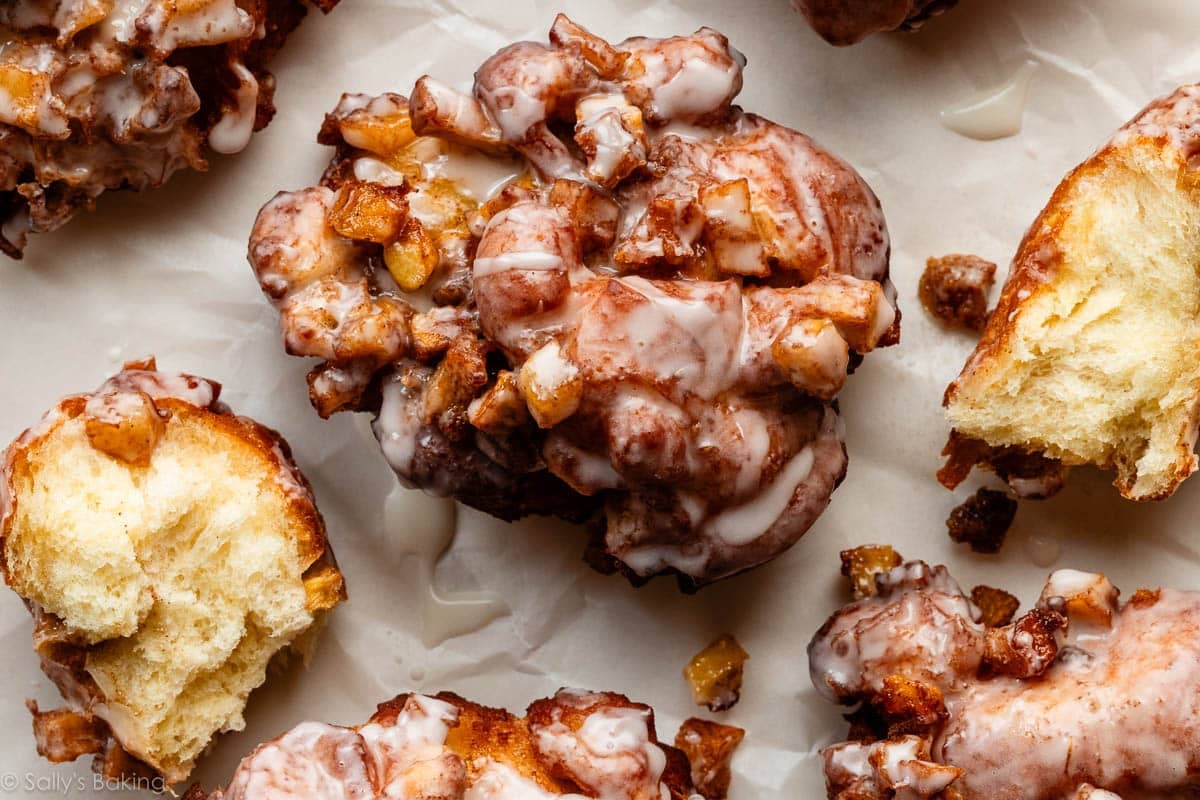
Anatomy of the Modern Apple Fritter
The apple fritter occupies a unique category in pastry science. Unlike a standard ring doughnut, which relies on uniform proofing and a centralized hole for even cooking, a fritter is a composite structure. It integrates chunks of fresh fruit—typically firm, tart varieties such as Granny Smith or Honeycrisp—directly into a rich, yeast-leavened dough enriched with butter, eggs, and milk.
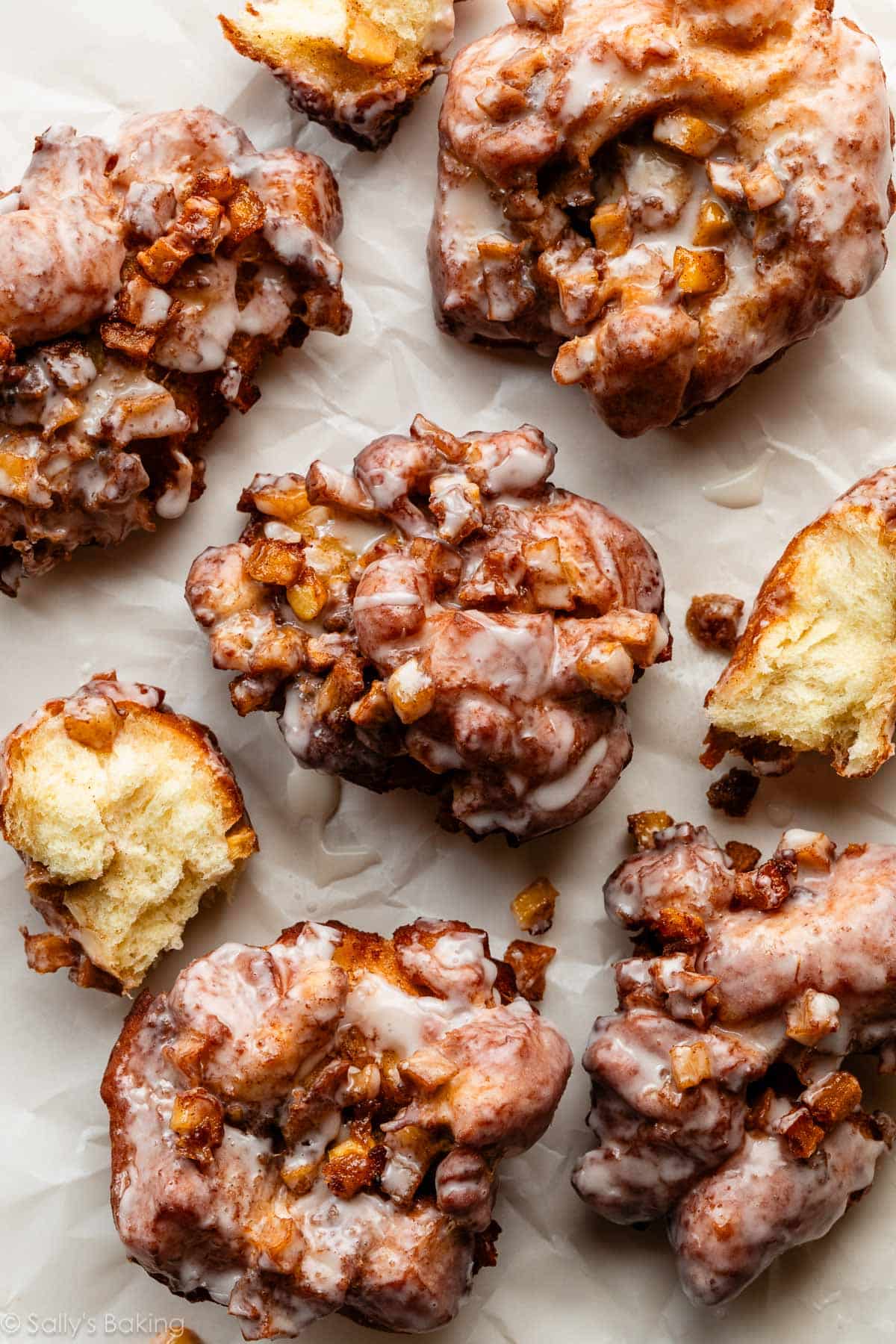
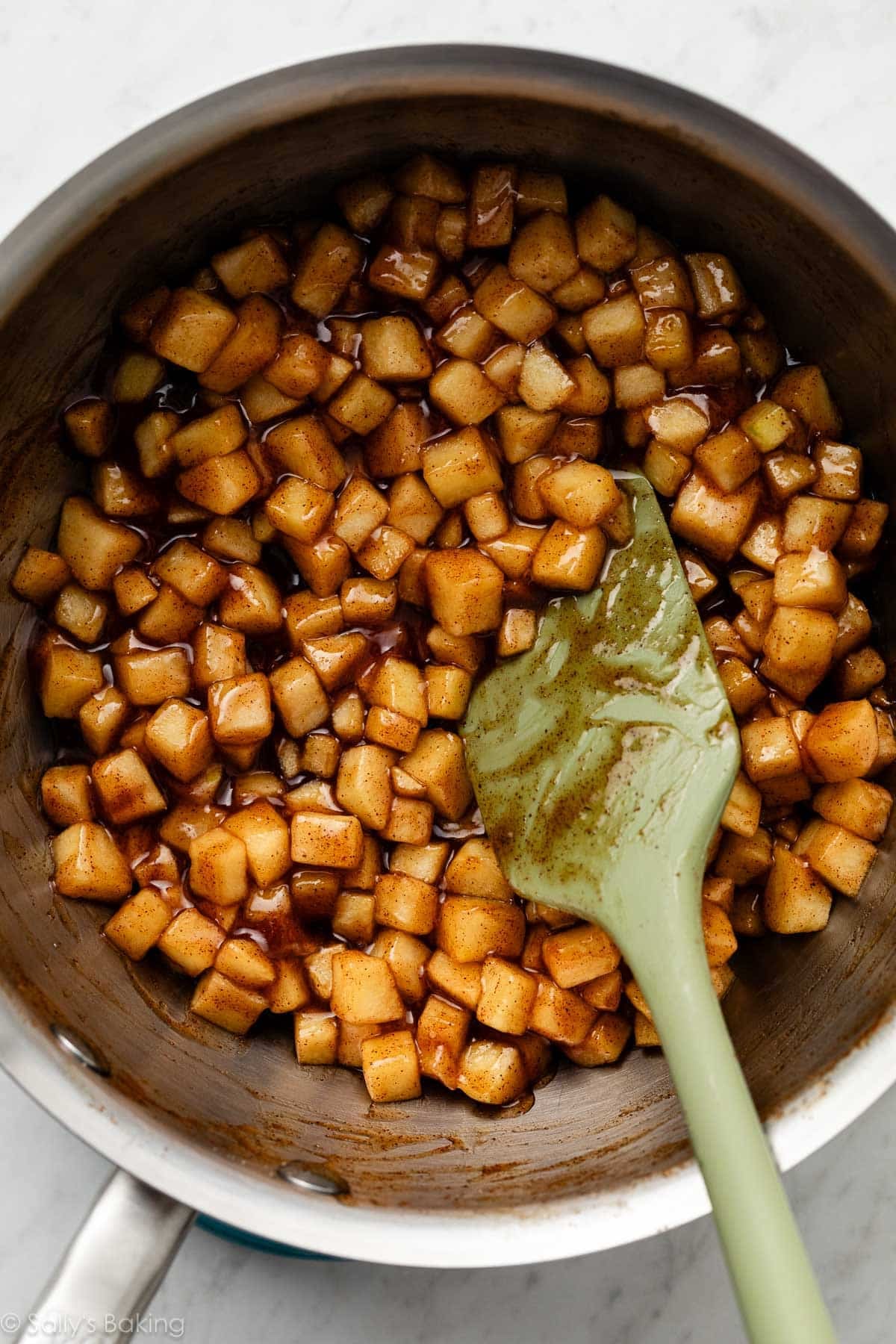
According to professional pastry chefs, the secret to an exceptional fritter lies in the management of moisture. Fresh apples naturally release water during the cooking process, which can compromise the structural integrity of the dough if not properly managed. To counteract this, culinary testing indicates that pre-cooking the diced apples with brown sugar, spices, and a cornstarch slurry stabilizes the filling. This preliminary step concentrates the flavor while preventing excess liquid from creating a dense, soggy interior.
The Chronology of Preparation: A Multi-Step Process
Executing a successful batch of homemade apple fritters requires a structured timeline, typically spanning three to four hours from initial mixing to the final glaze.
Phase 1: Dough Development and Primary Fermentation
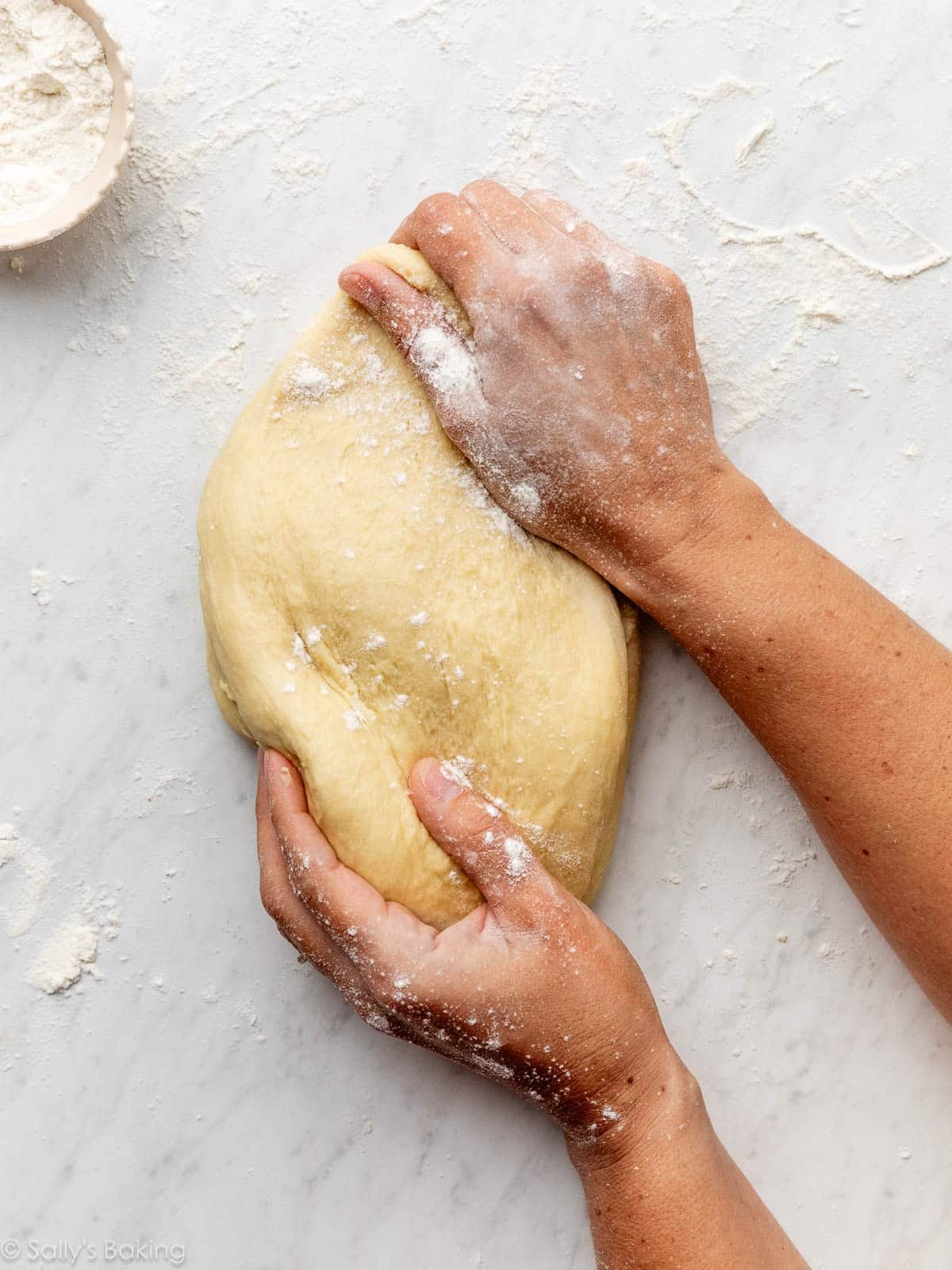
The process begins with the activation of active dry or instant yeast in warm liquid. Flour, sugar, salt, eggs, and softened butter are incorporated to form a soft, pliable dough. Following professional baking standards, the dough must undergo thorough kneading—either via a stand mixer fitted with a dough hook or vigorously by hand—to develop the gluten network necessary for trapping gases produced during fermentation. The primary rise takes between one and two hours, during which the dough doubles in volume in a warm, draft-free environment.
Phase 2: Filling Preparation and Cooling
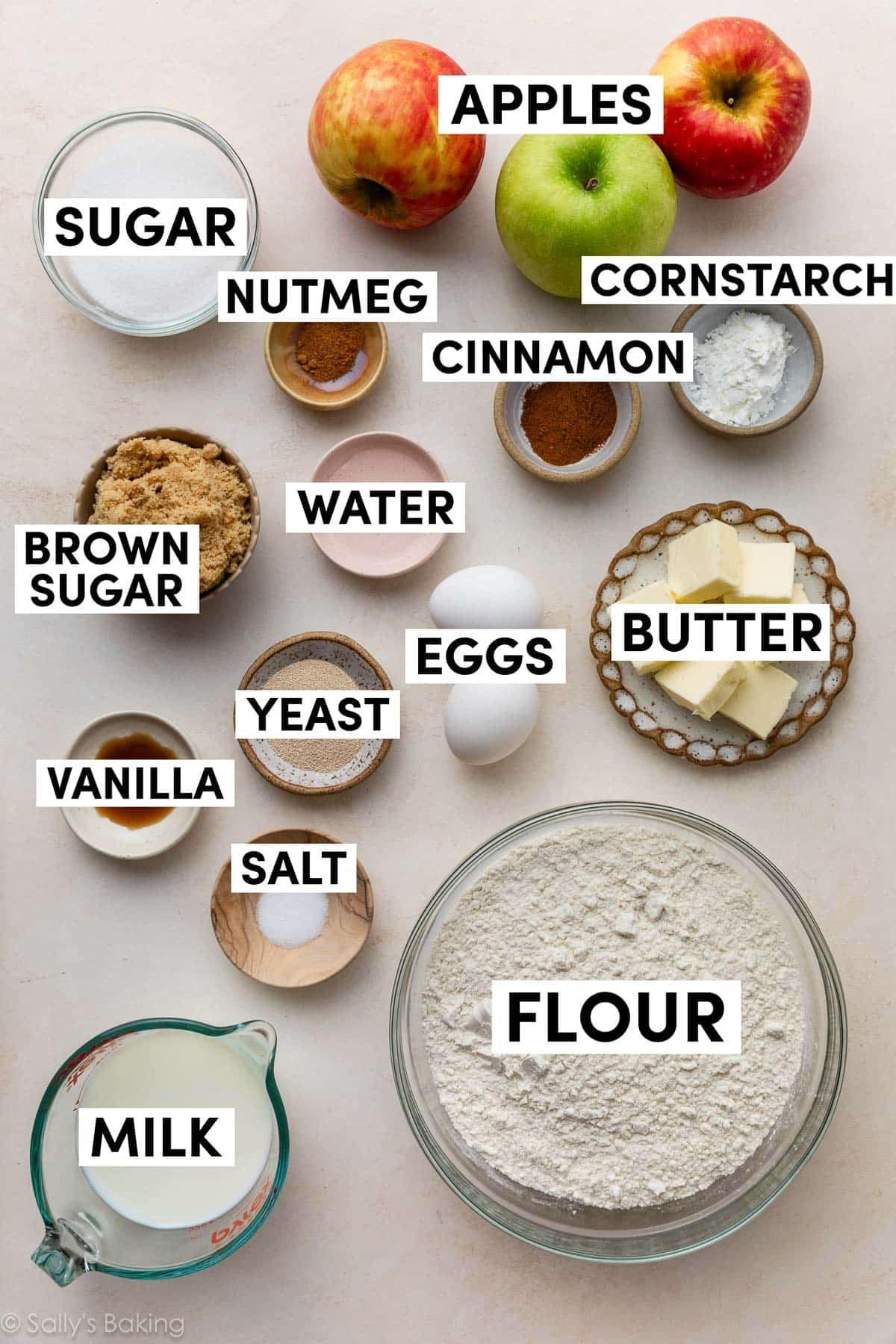
Simultaneously, the apple component is prepared. Chefs recommend dicing firm baking apples into uniform pieces to ensure even distribution. Tossed with brown sugar, cinnamon, and nutmeg, the fruit is gently simmered before the introduction of a cornstarch thickening agent. Crucially, this filling must cool completely before integration; introducing warm fruit to yeast dough can prematurely kill the leavening agents and alter the texture of the fat.
Phase 3: The Art of Shaping and Crosshatching
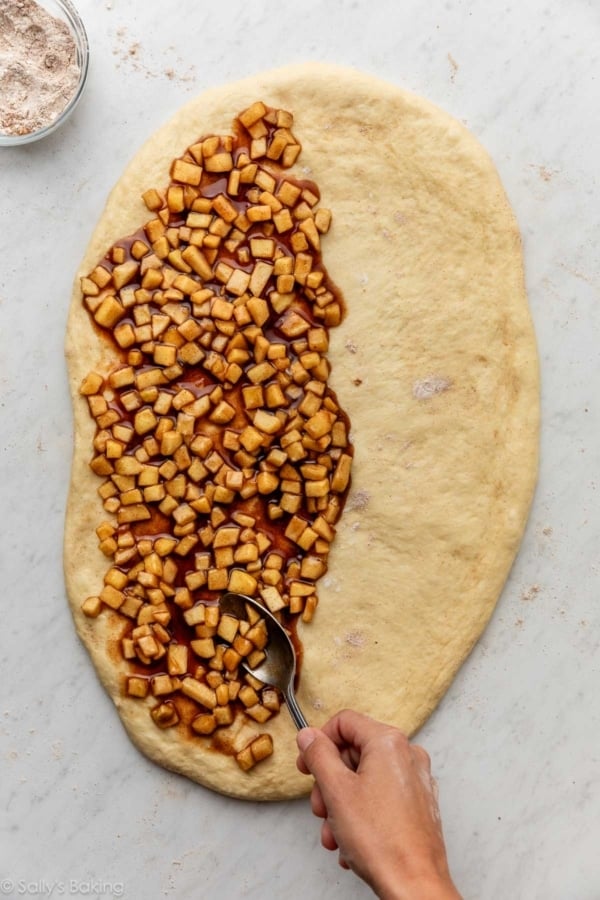
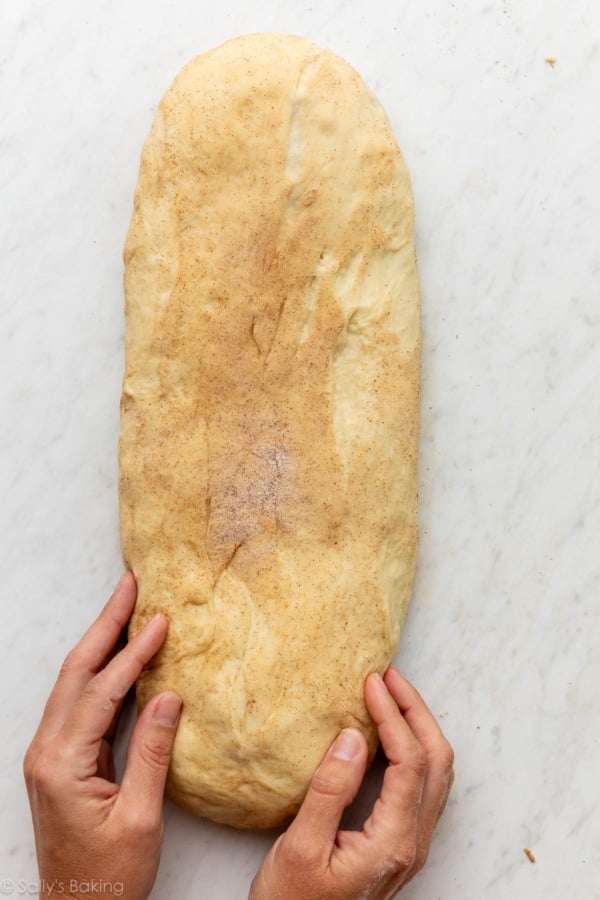
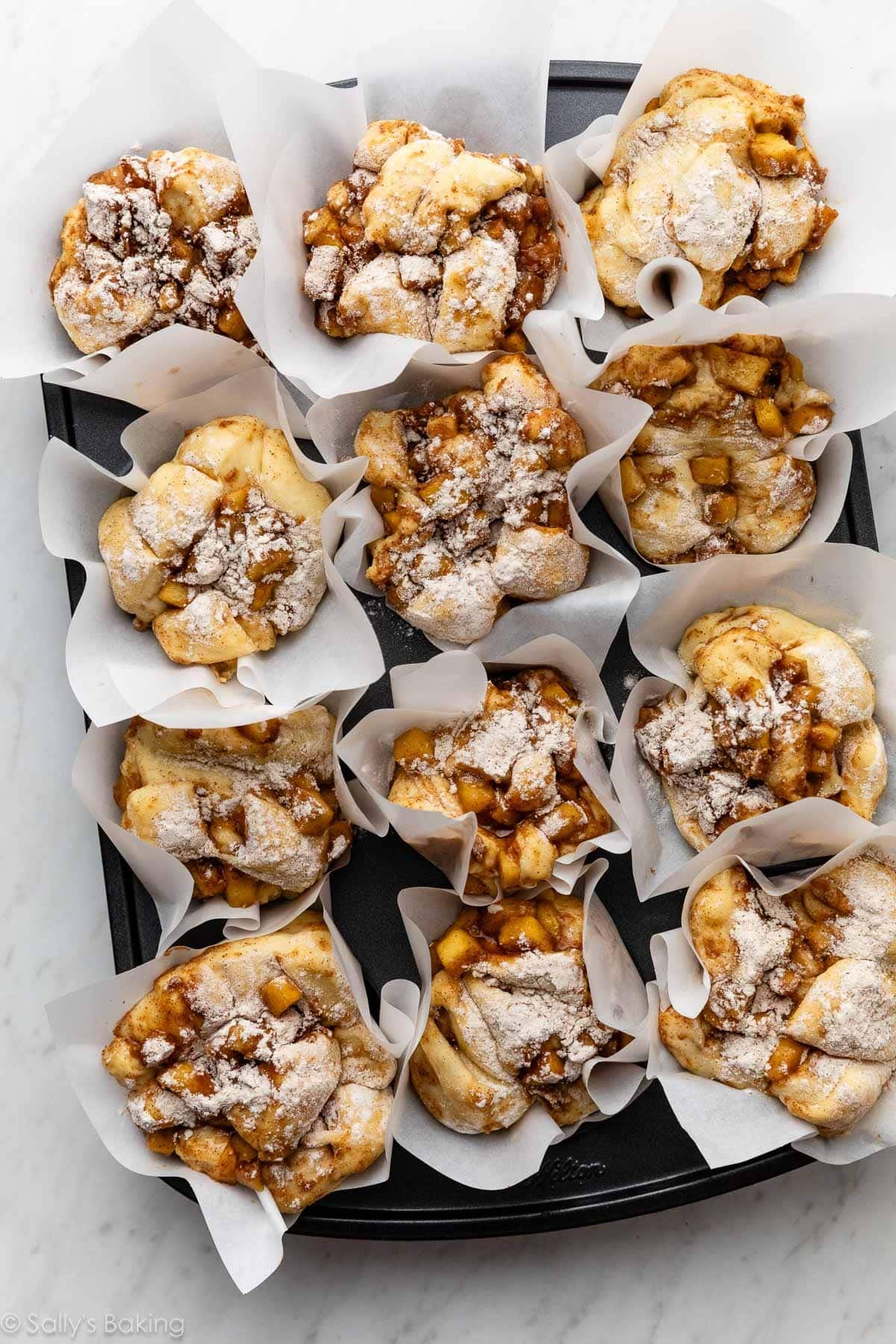
Shaping apple fritters is widely recognized as the most demanding phase of the recipe, often described by bakers as a controlled, messy endeavor. The risen dough is rolled into a flat oval, topped with the cooled apple filling, folded over like a calzone, and generously dusted with a spiced flour mixture designed to absorb residual moisture.
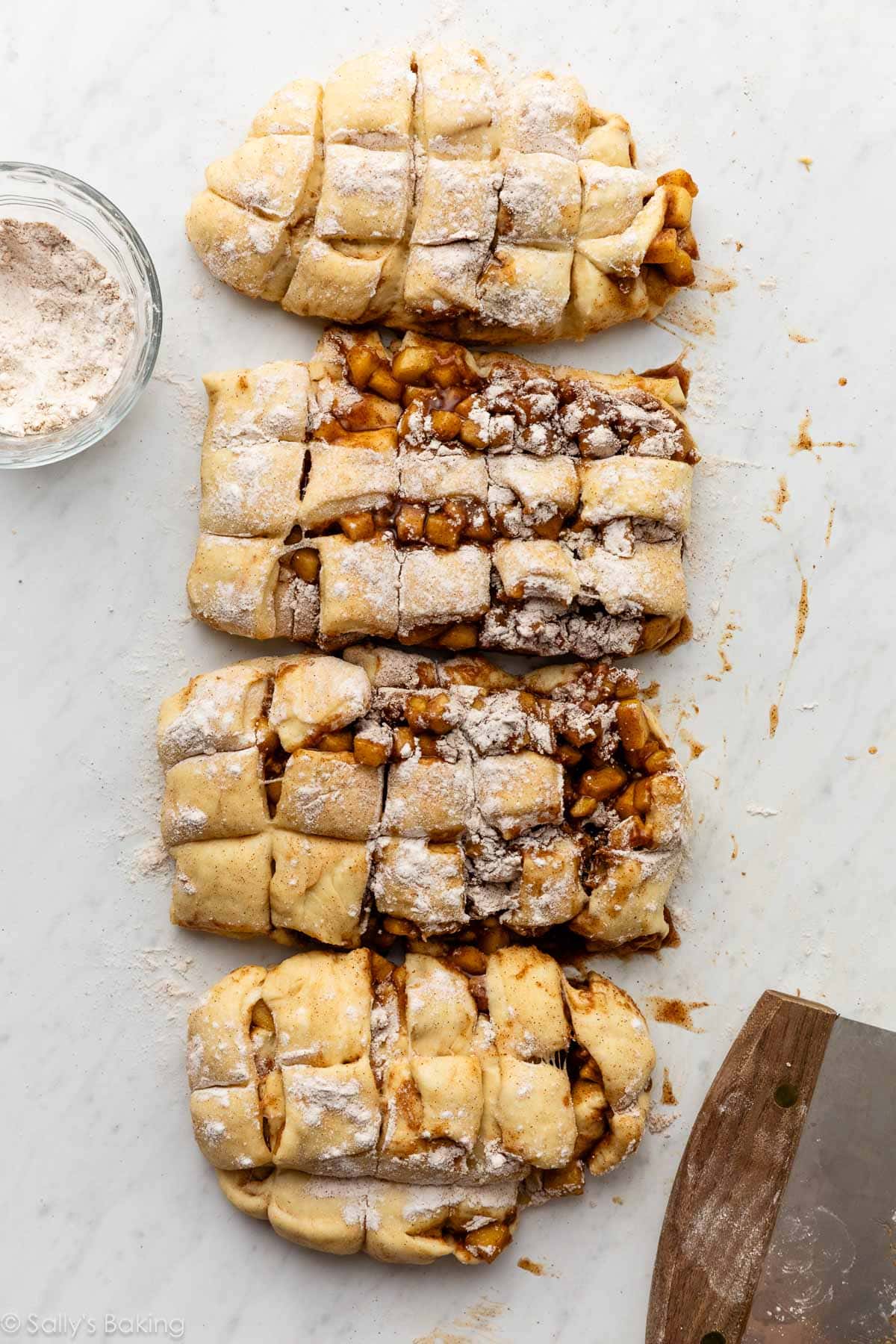
Using a bench scraper or a sharp knife, the baker scores the dough in a dense crosshatch pattern, cutting mostly through the log without completely separating it. The mass is then divided into approximately twelve uneven, rustic portions. Culinary historians note that uniformity is intentionally sacrificed here; the uneven edges and protruding fruit are defining characteristics that create the signature craggy surface profile essential for oil absorption and caramelization.
Frying Mechanics: Temperature Control and Safety
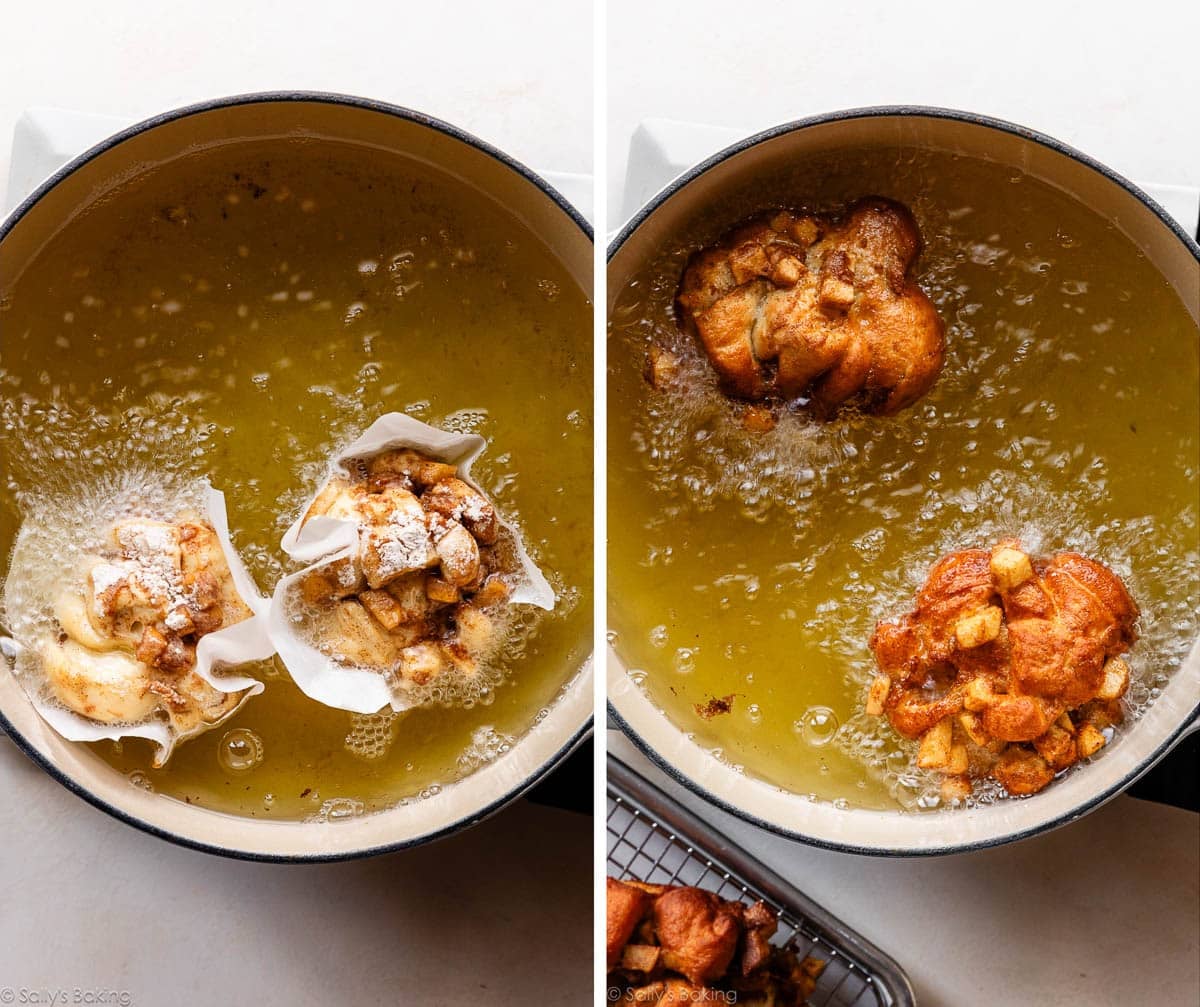
The transformation from raw dough to golden pastry occurs via hot-oil frying. Industry standards mandate the use of a heavy-bottomed vessel, such as a Dutch oven or a deep cast-iron pot, paired with a reliable candy or oil thermometer.
Culinary scientists stress the importance of selecting a neutral cooking oil with a high smoke point, such as canola, peanut, or vegetable oil, typically heated to a consistent range of 350°F to 375°F (175°C to 190°C). Oils with strong flavors, like unrefined olive oil, or low smoke points are strictly discouraged, as they break down under sustained high heat and impart bitter notes to the delicate pastry.
To facilitate handling without deforming the rustic shapes, bakers often employ a specialized technique: placing each shaped portion onto an individual square of parchment paper. The fritter is lowered directly into the hot oil on its paper backing, which is easily removed with tongs after the initial two minutes of frying. Frying is conducted in small batches of two or three to prevent the oil temperature from dropping precipitously, which would result in greasy, oil-saturated dough rather than a crisp, light crust.
Finishing and Industry Analysis on Flavor Profiles
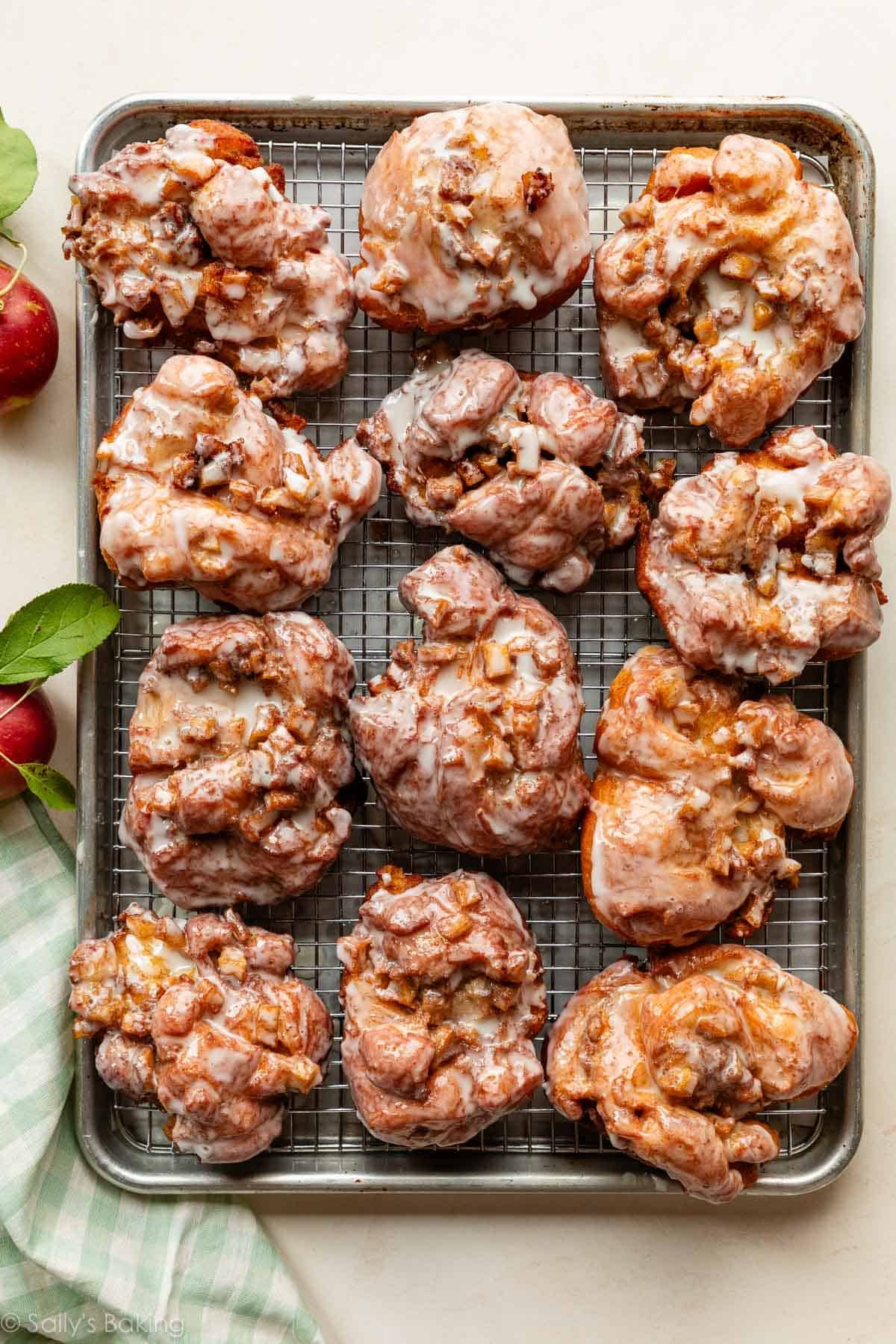
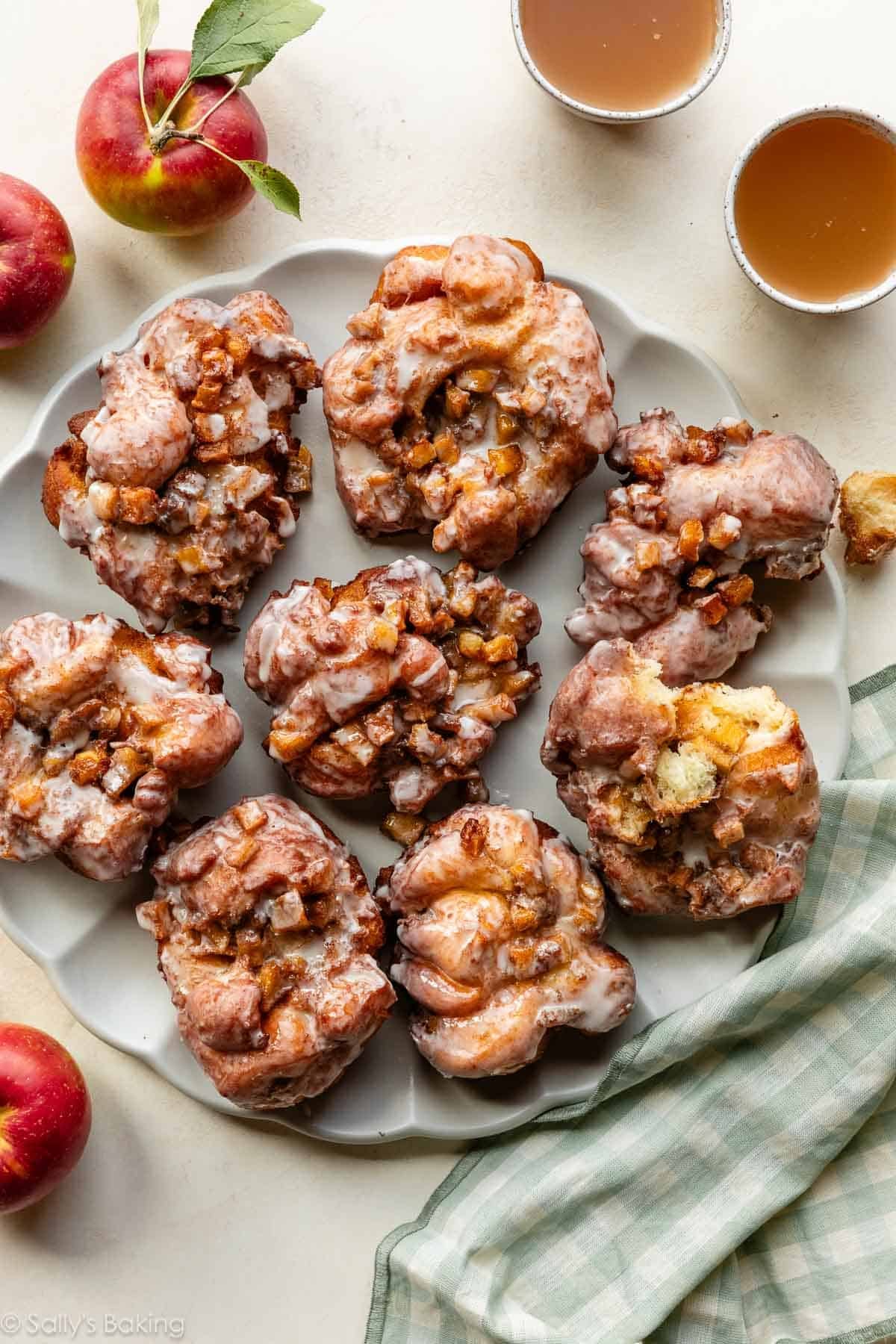
Once removed from the fryer, the fritters are transferred to a wire cooling rack set over a parchment-lined baking sheet to allow excess oil to drain efficiently. Any loose apple pieces that detach during the frying process are traditionally gathered and pressed back into the warm pastries.
The final element is the application of a classic vanilla glaze, composed simply of confectioners’ sugar, milk, and vanilla extract. While recipe developers have experimented with variations incorporating apple cider or additional spices into the liquid component, consumer taste tests consistently favor a straightforward vanilla glaze. Industry analysts suggest that the neutral sweetness of the plain glaze provides an ideal foil for the robust cinnamon and tart fruit flavors concentrated inside the pastry, ensuring a balanced sensory experience.
Economic and Cultural Implications of Scratch-Baking Trends
The resurgence of interest in scratch-made bakery items reflects a broader consumer shift toward experiential cooking. Market researchers observing the baking sector note a steady increase in sales of specialized kitchen hardware—such as bench scrapers, Dutch ovens, and precision frying thermometers—alongside stable demand for baking staples like unbleached flour and yeast.
Nutritionists and culinary economists point out that while convenience foods continue to dominate daily consumption, weekend baking has evolved into a deliberate leisure activity. Preparing items that traditionally belong in commercial bakery display cases allows home cooks to exercise technical skill, engage tactile senses, and share artisanal products within their communities.
Safety and Waste Management Protocols
Culinary safety guidelines emphasize stringent protocols when managing hot frying oil in a residential setting. Water must be kept entirely away from the heating vessel to prevent dangerous splattering. Furthermore, proper disposal of used cooking oil is a critical environmental consideration; pouring oil down domestic plumbing systems can lead to severe pipe clogs and municipal sewer damage. Standard disposal procedures dictate that oil must cool completely before being transferred to a sealable container and discarded with household refuse, or taken to a designated municipal recycling facility where programs exist.
Conclusion: The Verdict on Traditional Fritters
Ultimately, crafting homemade apple fritters requires a significant investment of time, physical effort, and post-cooking cleanup. However, culinary consensus maintains that the sensory rewards—marked by the interplay of a crunchy exterior, an airy interior, and spiced fruit—justify the labor. For baking enthusiasts willing to navigate the complexities of yeast dough and hot-oil management, the resulting pastry offers an unmatched culinary standard difficult to replicate through mass-production methods.