The Seasonal Significance of Berry Cultivation and the Evolution of Culinary Applications


The annual arrival of berry season represents a pivotal period for both the agricultural sector and the culinary industry. For a limited window, typically spanning late spring through mid-summer depending on regional climate zones, the harvest of blueberries, raspberries, blackberries, and cherries reaches peak production. This seasonal surge is not merely a matter of agricultural output but a significant driver of consumer behavior, retail trends, and culinary innovation. As these crops reach their peak nutrient density and flavor profiles, the market experiences a notable shift in demand, prompting home bakers and professional pastry chefs alike to adapt their menus to incorporate these ephemeral ingredients.
Agricultural Context and Market Dynamics
The cultivation of summer berries is a highly sensitive process, heavily reliant on specific chilling hours during the winter and precise temperature fluctuations during the spring. According to the United States Department of Agriculture (USDA) National Agricultural Statistics Service, the production volume of these specific crops remains concentrated in temperate regions where the interplay of soil acidity and moisture levels can be tightly managed. Blueberries, for instance, require specific soil pH levels between 4.5 and 5.5 to thrive, making their seasonal availability a reflection of sophisticated horticultural management.
The short duration of the harvest season—often lasting only four to six weeks—creates a "scarcity effect" in the consumer market. This limited availability historically drives up demand, which in turn influences the pricing strategies of grocery retailers and the menu planning of restaurants. When berries are at their most abundant, their price point decreases, allowing for the widespread adoption of these fruits as primary ingredients rather than decorative garnishes.

Chronological Progression of the Season
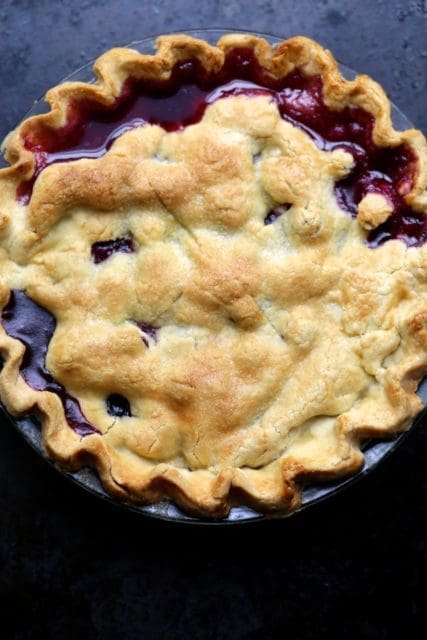
The berry season typically commences in early May with the arrival of early-ripening raspberry varieties and some southern-grown blueberries. As temperatures rise throughout June, the volume of harvest increases significantly, marking the peak of the season. During this phase, the concentration of sugars in the fruit is at its zenith, making these berries ideal for processing into jams, pies, cobblers, and other baked goods.
By late July, the primary season for many varieties begins to wane, leading to the introduction of late-season blackberries and cherries. This chronological progression is critical for producers, who must manage logistics, cold storage, and distribution to ensure that the fruit reaches the consumer before the natural degradation of the berries occurs. For the baking industry, this timeline dictates the rotation of seasonal offerings, moving from early-summer light pastries to heartier, late-summer fruit-forward desserts.

Culinary Methodology and Technical Application
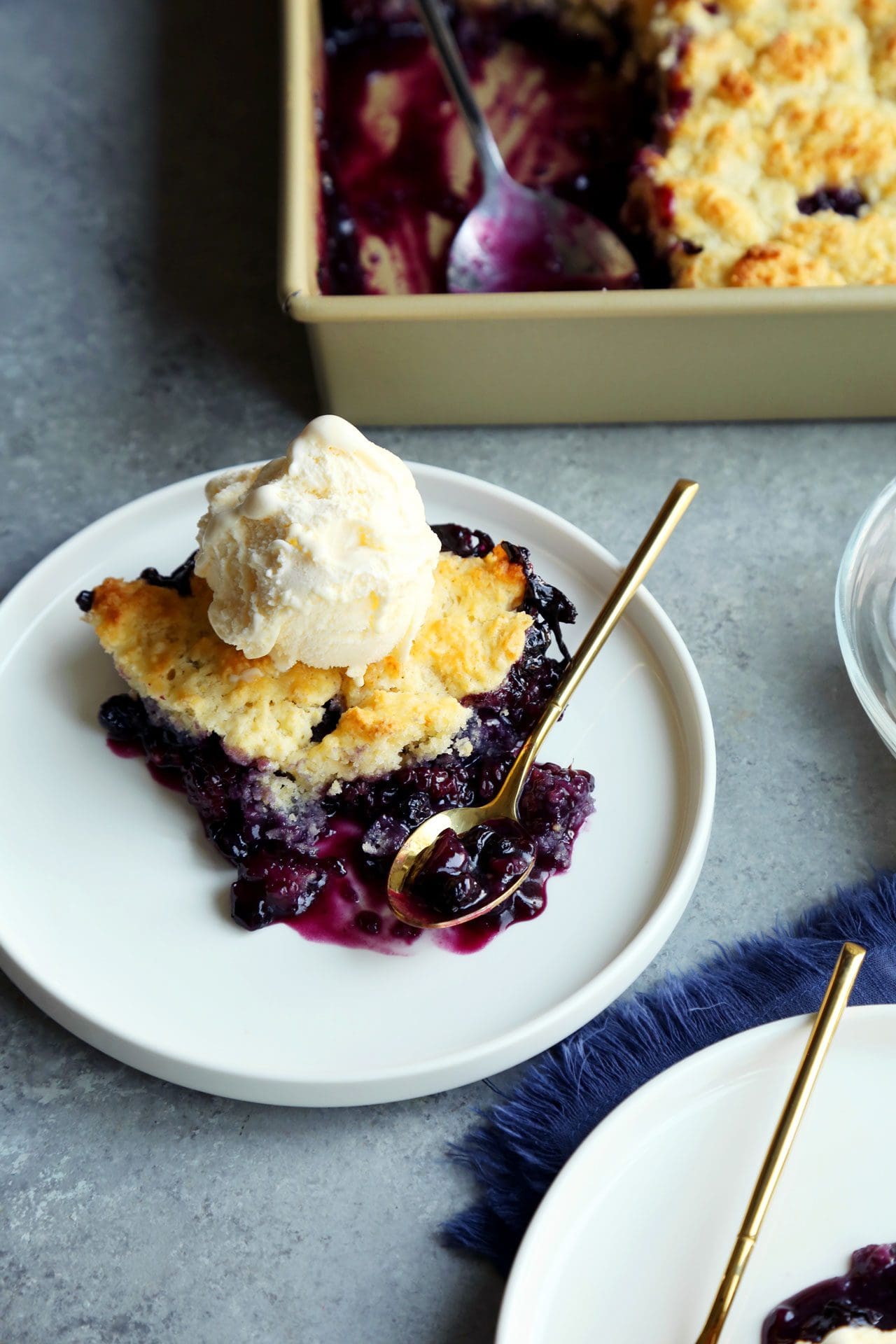
The transformation of raw berries into stable culinary products involves specific chemical and physical processes. To maintain structural integrity during the baking process, recipes often incorporate thickening agents such as cornstarch or flour. These agents are essential for managing the high moisture content of the fruit, which would otherwise result in excessive liquid and compromised pastry crusts.
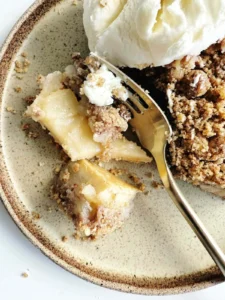
Professional culinary analysis suggests that the popularity of berry-based desserts, such as cobblers and crisps, stems from the simplicity of the preparation relative to the complexity of the flavor profile. By utilizing the fruit’s natural acidity and sugar content, bakers can achieve a balanced dessert with minimal additional sweeteners. Techniques such as the "browning" of butter—a process of heating butter until the milk solids caramelize—add a nutty, complex depth that complements the bright, floral notes of raspberries and the deep, earthy tones of blueberries.
Analysis of Consumer Trends
Data from culinary research organizations indicate that "comfort baking" remains a dominant trend, particularly during peak harvest times. The move toward home-based preparation of traditional desserts like cobblers and pie bars has been bolstered by the availability of high-quality produce and a growing consumer interest in farm-to-table practices. Furthermore, the rise of dietary-inclusive recipes, such as almond flour-based bars, reflects a broader shift in the industry toward accommodating diverse nutritional needs without sacrificing the traditional textures associated with berry-based desserts.
The use of frozen berries has also become a subject of industry standard-setting. While fresh fruit is preferred for raw applications, food scientists note that flash-frozen berries retain nearly all of their nutritional value and flavor. When properly thawed and drained of excess water, frozen berries are functionally equivalent to fresh fruit for the purposes of baking, allowing for a longer consumption window for the harvest.
Official Guidelines and Food Safety
The handling of berries during the peak season is subject to standard food safety protocols. Experts in food science emphasize the importance of washing and, in the case of long-term storage or processing, drying the fruit to prevent microbial growth. In the context of large-scale production, such as the preparation of "Big Berry" cakes or large-format cobblers, the removal of excess surface moisture is paramount to ensure the stability of frostings and the structural integrity of the base, preventing the "bleeding" of fruit juices into other components of the dish.
Broader Economic and Environmental Implications
The impact of a strong berry season extends beyond the kitchen. Local economies, particularly in regions where berry picking is a tourist attraction, rely heavily on the success of the crop. Agritourism, which allows consumers to harvest their own fruit, provides a secondary revenue stream for farmers and fosters a closer connection between the public and agricultural production.

Furthermore, the environmental sustainability of berry production has come under increased scrutiny. Sustainable farming practices, such as integrated pest management and water conservation, are becoming increasingly common among major producers. The market’s shift toward these practices suggests that consumers are not only interested in the culinary potential of the fruit but also in the ethical implications of its production.
Future Outlook for Seasonal Baking
As the culinary landscape continues to evolve, the application of berries in modern pastry remains rooted in tradition while embracing contemporary techniques. The emergence of "lazy-genius" recipes—methods designed for efficiency without compromising quality—indicates a shift in consumer demand toward convenience. The ability to produce a sophisticated, high-quality dessert with minimal labor is now a hallmark of successful recipe development.

The integration of berries into diverse culinary forms, from the classic Dutch Baby pancake to the modern, gluten-free lemon-raspberry bar, demonstrates the versatility of these crops. Whether through the lens of professional culinary arts or the domestic sphere, the berry season stands as a testament to the importance of seasonal eating. By aligning culinary output with the natural harvest cycle, the industry is able to maximize both the economic potential of the crops and the satisfaction of the consumer.
In summary, the short and glorious nature of berry season is a complex phenomenon that bridges agriculture, economics, and culinary science. Through careful management of the harvest and innovative approaches to baking, the industry continues to capitalize on the unique properties of these fruits, ensuring that the bounty of the season is utilized to its fullest extent. As we look toward future harvests, the focus will likely remain on enhancing these traditional preparations while continuing to prioritize quality, sustainability, and accessibility for the home baker and the professional alike. The success of these endeavors rests upon the continued appreciation for the seasonality of the produce and the technical expertise required to transform the raw harvest into the enduring classics of the summer dessert table.