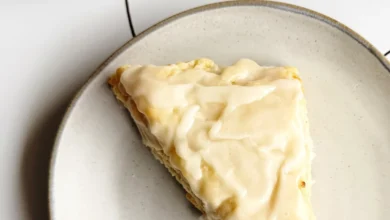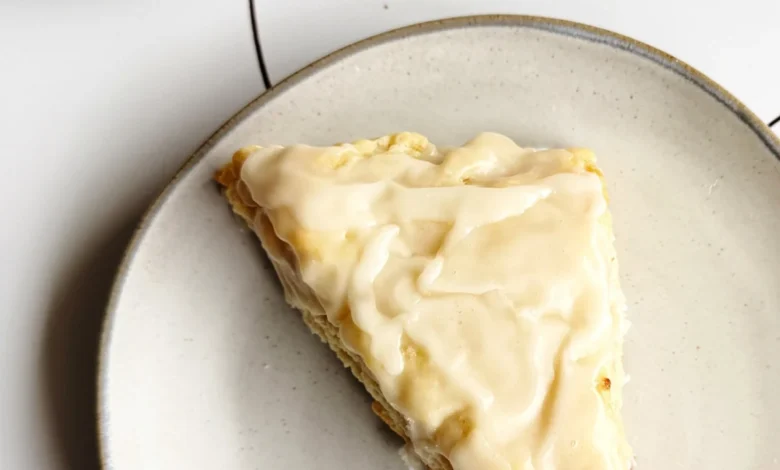
The culinary world has long debated the appropriateness of incorporating chocolate into traditional British-style scones, a pastry traditionally characterized by its subtle sweetness and crumbly yet tender crumb. While culinary purists often argue that chocolate belongs strictly in cookies, cakes, or confections, contemporary bakers increasingly embrace innovative flavor pairings that challenge orthodox breakfast traditions. Among the most successful and harmonious of these modern combinations is the pairing of bright, tart citrus with the creamy, sweet profile of white chocolate. This dynamic flavor duo serves as the foundation for an increasingly popular seasonal pastry: the Lemon White Chocolate Scone.
Culinary historians trace the origins of the scone to the Scottish bannock, a flat, quick-bread cake baked on a griddle using oats or barley. Over centuries, as baking powder and baking soda became widely available commercial commodities, the scone evolved into an oven-baked, leavened treat enriched with butter, cream, and eggs. Traditional variations favor dried fruits such as currants or raisins, but modern baking trends have expanded the flavor spectrum to include fresh berries, stone fruits, savory cheeses, and, controversially, various forms of chocolate.
The integration of citrus and white chocolate represents a sophisticated evolution in scone-making. Lemons provide a sharp, acidic contrast that cuts through the inherent sweetness and heavy dairy fats of white chocolate, creating a balanced flavor profile that pairs exceptionally well with hot beverages like coffee and black tea. However, successfully executing this pastry requires a precise understanding of ingredient chemistry and baking mechanics, particularly given the unique melting properties of white chocolate compared to its dark and milk counterparts.
Understanding the Ingredients and Chemical Mechanics
At the heart of any exceptional scone lies the quality of its foundation. Professional pastry chefs and home bakers alike emphasize that a superior scone relies on a buttery base enriched with high-fat dairy. In contemporary recipes, traditional milk or buttermilk is frequently replaced or supplemented with crème fraîche, a cultured cream containing a higher butterfat content than standard sour cream. The addition of an extra egg yolk further elevates the formulation, introducing additional lipids and proteins that contribute to a richer flavor profile and a noticeably more tender crumb structure.

The inclusion of white chocolate introduces specific technical challenges. Unlike dark or milk chocolate, which contain cocoa solids that maintain structural integrity to varying degrees under heat, white chocolate is composed primarily of cocoa butter, sugar, and milk solids. Because it lacks cocoa solids, white chocolate has a lower melting point and can easily scorch or clump if mishandled. Culinary experts recommend finely chopping the white chocolate into small, uniform pieces before incorporating it into the dough. This ensures that the chocolate remains evenly distributed throughout the pastry rather than melting into pockets of grease during the baking process.
Furthermore, the citrus component—typically fresh lemon zest and juice—demands careful handling. Lemon zest contains essential oils that impart intense aromatic flavor without adding excess liquid to the dough, which could otherwise compromise the structural integrity of the layers. When combined with a measured amount of fresh juice, the acid in the lemon interacts gently with the leavening agents, contributing to the overall rise and tenderization of the pastry.
Methodological Innovations: Layering and Mixing Techniques
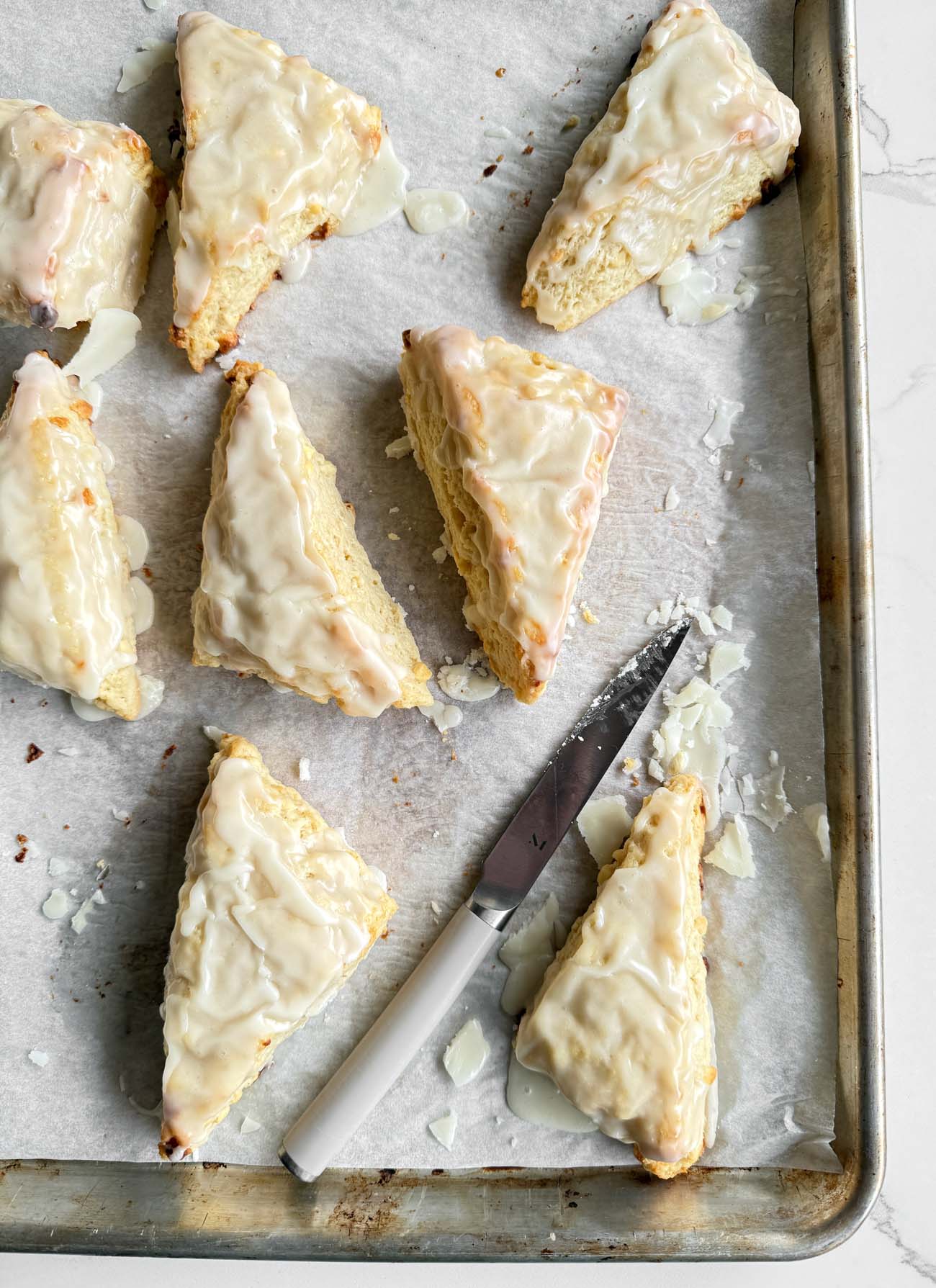
Achieving the coveted tall, lofty scone with a flaky texture requires specific folding and laminating techniques borrowed from puff pastry production. Rather than simply mixing the dough and cutting it directly, professional techniques involve gently folding the dough over itself multiple times prior to cutting. This process creates distinct micro-layers of butter and flour. When the scones enter a hot oven, the water content in the butter evaporates, creating steam that forces the layers apart and results in a high-rising, flaky pastry.
Another critical advancement in home baking methodology is the integration of stand mixers. While traditional recipes heavily favor manual labor using a pastry cutter or fingertips to cut cold butter into flour, modern bakers with physical constraints—such as repetitive strain injuries or wrist issues—have successfully adapted stand mixers for scone production. By utilizing the paddle attachment on a low setting, bakers can cut the butter into the flour until it reaches the desired texture of small peas.
However, bakers must exercise extreme caution to avoid over-mixing the dough, which develops the gluten network in the flour and leads to tough, dense scones rather than light, tender ones. Once the dry ingredients and butter are blended, wet ingredients and the chopped white chocolate are typically folded in gently by hand using a flexible spatula, ensuring minimal gluten development.
Chronology of Modern Scone Evolution
The transformation of the scone from a rustic griddle cake to a gourmet café staple spans several distinct historical and culinary phases:
- Pre-19th Century: The evolution of the Scottish bannock into the early iteration of the baked scone, utilizing rudimentary leavening agents and primitive baking environments.
- Late 19th to Early 20th Century: The widespread commercial adoption of chemical baking powder, transforming scones into lighter, oven-baked tea cakes popularized throughout the British Empire.
- Late 20th Century: The emergence of North American bakery chains and specialty coffee shops introducing heavily sweetened, oversized scones loaded with non-traditional mix-ins like chocolate chips, nuts, and artificial flavorings.
- Early 21st Century: The gourmet craft-baking movement, emphasizing artisanal ingredients, cultured dairy products like crème fraîche, balanced flavor profiles (such as lemon and white chocolate), and advanced structural techniques like lamination.
Supporting Data and Consumer Preferences
Market research within the baking and specialty coffee sector indicates a sustained consumer demand for artisanal morning pastries that offer complex flavor profiles. Data compiled by specialty food associations reveal that citrus-infused baked goods experience a notable surge in popularity during the late winter and early spring months, as consumers seek bright, refreshing flavors to counter dreary weather conditions.
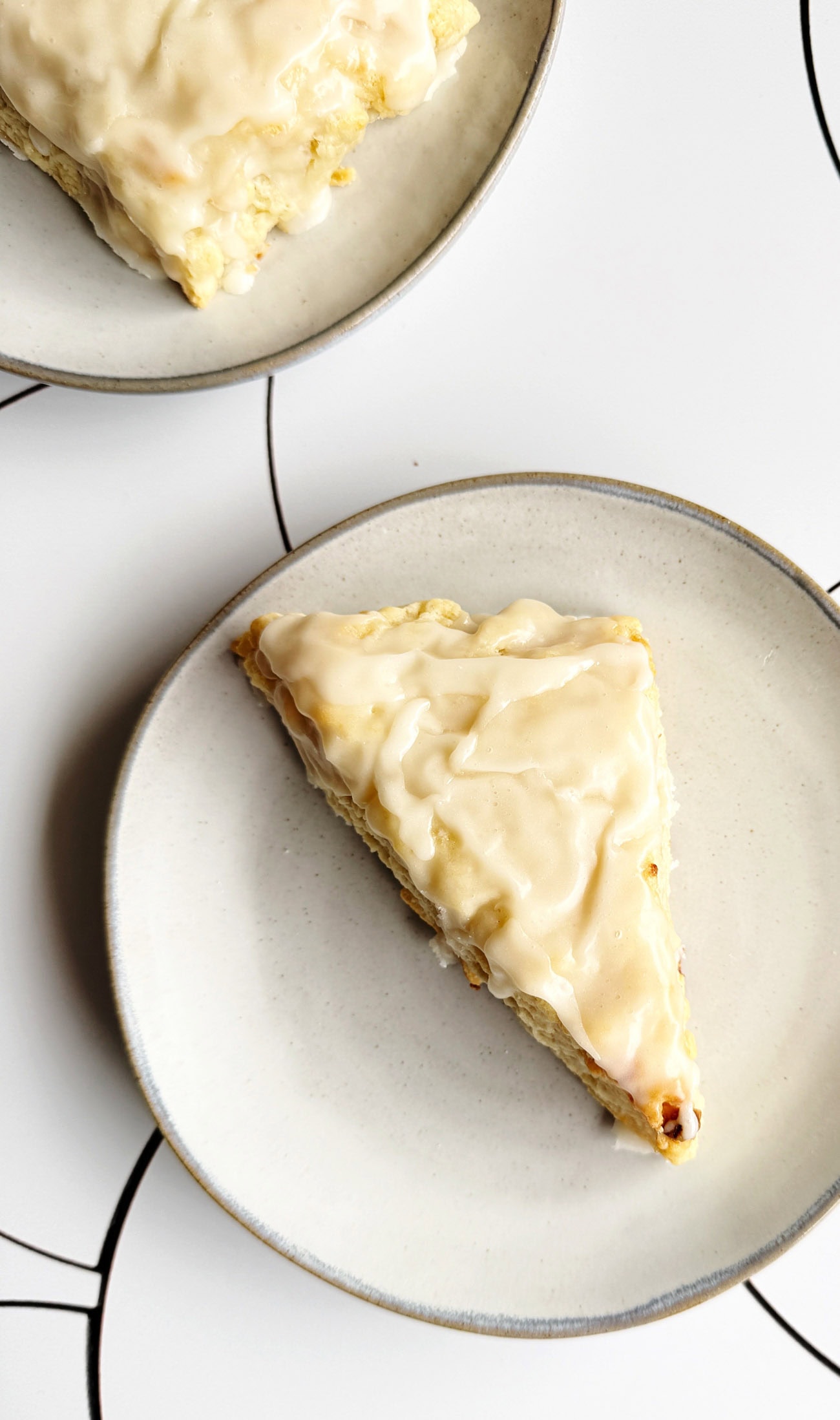
Additionally, consumer preference surveys highlight a growing appreciation for scratch-made baked goods that prioritize high-fat, high-quality dairy components. The use of crème fraîche and extra egg yolks in scone formulations directly correlates with higher consumer satisfaction ratings regarding texture, moisture retention, and overall mouthfeel. Pastry longevity is another critical metric; studies on crumb staling indicate that applying a light sugar and citrus glaze to warm pastries significantly reduces moisture loss, keeping scones tender and palatable for hours—or even days—after initial baking.
Industry Perspectives and Expert Analysis
Culinary analysts and professional pastry chefs generally view the incorporation of unorthodox mix-ins into traditional recipes as a positive reflection of culinary creativity, provided fundamental baking science is respected.
"Baking is ultimately a science rooted in precise ratios of fat, flour, liquid, and leavening," notes a prominent culinary instructor specializing in pastry arts. "When bakers introduce ingredients like white chocolate or high-acid citrus into a classic scone formula, they must compensate for the chemical and physical changes those ingredients introduce. Chopping white chocolate finely and employing a lamination-style fold are not merely stylistic choices; they are functional necessities to achieve the desired structural outcome."
Furthermore, ergonomic adaptations in the kitchen—such as the utilization of stand mixers for labor-intensive steps like cutting butter into flour—have garnered support from occupational health advocates. As home baking continues to grow as both a hobby and a therapeutic outlet, minimizing physical strain ensures that enthusiasts of all ages and physical abilities can continue to engage in complex baking projects without risking repetitive stress injuries.
Broader Implications and Future Trends
The continued popularity of sophisticated scone recipes underscores a broader cultural shift toward elevated home cooking and the democratization of gourmet techniques. Consumers are increasingly willing to invest time in mastering professional-level skills—such as dough lamination and precise temperature control—within their home kitchens.
As supply chains for specialty ingredients like high-fat European-style butter, cultured dairy, and single-origin white chocolates become more accessible to everyday shoppers, the boundary between commercial patisserie and home baking continues to blur. The lemon white chocolate scone stands as a prime example of this evolution: a harmonious blend of traditional baking science, modern flavor balancing, and accessible technique that satisfies both the traditionalist and the culinary adventurer.