The Ultimate Guide to Crafting Authentic Pumpkin Spice New York Style Bagels at Home

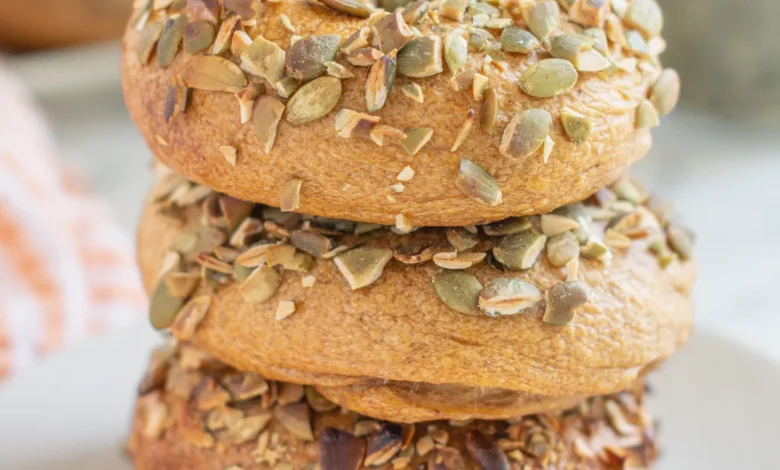
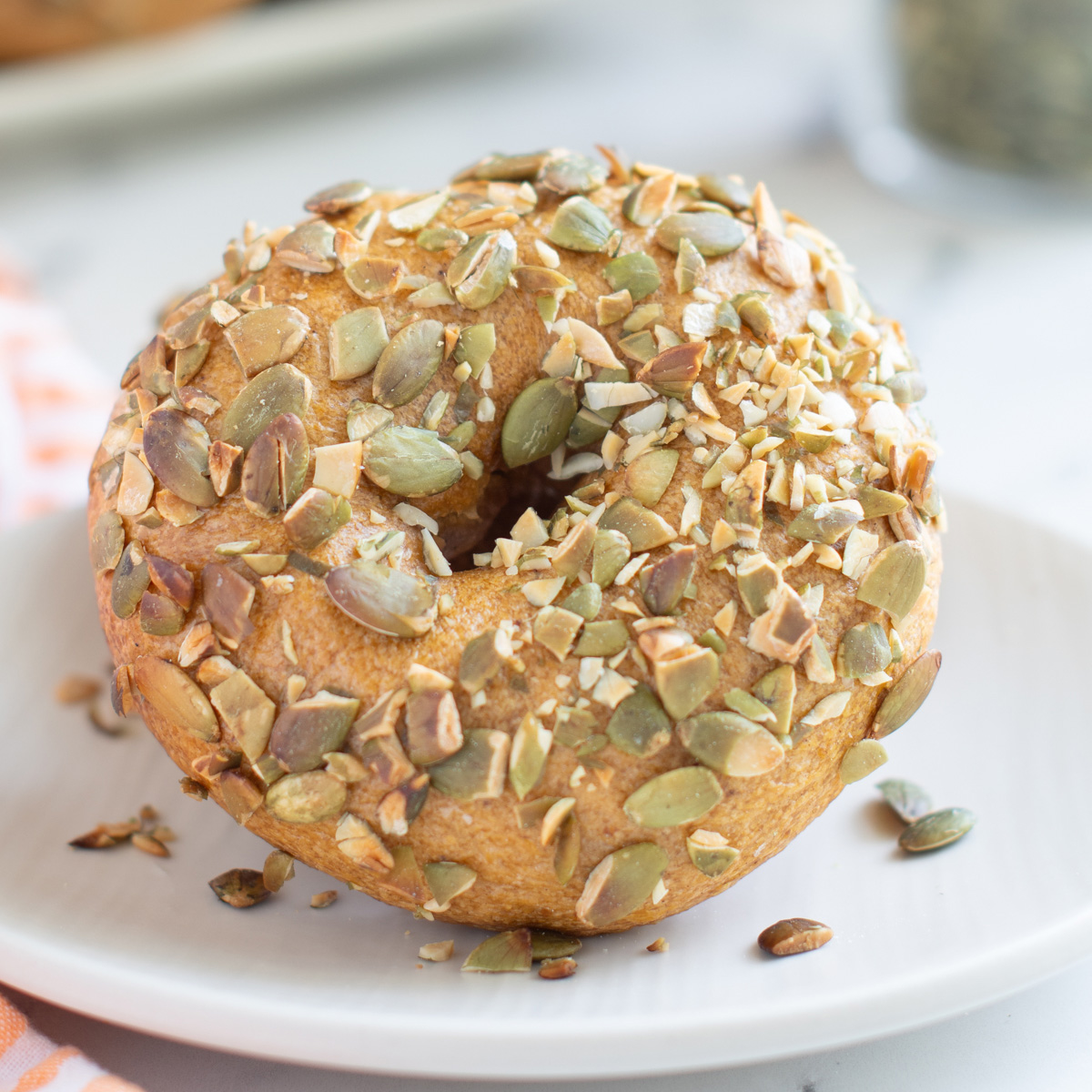
The quintessential New York bagel is defined by a specific set of physical characteristics: a dense, chewy interior crumb and a blistered, shiny exterior crust achieved through a precise process of boiling and high-heat baking. While traditional recipes rely on a lean dough of high-gluten flour, water, yeast, salt, and a sweetener like barley malt syrup, culinary artisans are increasingly experimenting with seasonal inclusions. The emergence of the pumpkin-infused bagel represents a sophisticated intersection of traditional artisanal baking techniques and modern consumer demand for seasonal, flavor-forward breakfast options. This development requires a delicate balance of moisture content, as the addition of pumpkin puree—which contains a high percentage of water—can easily compromise the structural integrity and chewiness that define the classic bagel profile.
The Evolution of Seasonal Baking Techniques
Historically, the New York bagel gained prominence in the late 19th and early 20th centuries, brought to the United States by Eastern European Jewish immigrants. The process remained largely unchanged for decades, focusing on the Maillard reaction during the boiling and baking stages to create a complex, savory flavor. The integration of pumpkin into this rigid formula is a relatively recent innovation. Unlike breads or cakes where pumpkin can be added freely, a bagel dough must maintain a high degree of elasticity to survive the boiling process without losing its shape or turning gummy.
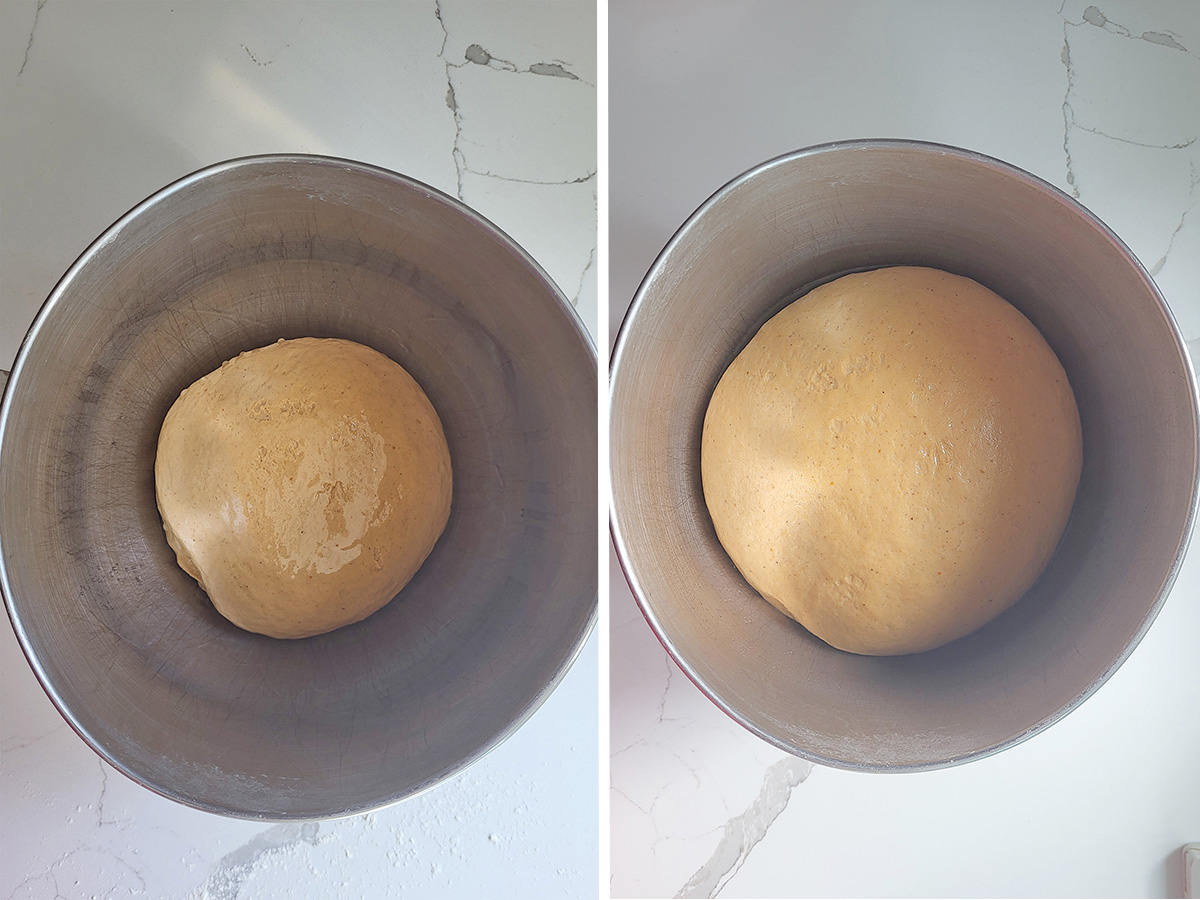
Professional bakers have noted that the key to incorporating pumpkin is a controlled, two-day fermentation process. By allowing the dough to rise slowly in a cold environment, the gluten structure is better able to support the added fiber and moisture of the squash. This "cold proof" method, typically spanning 12 to 24 hours, also serves a functional purpose beyond flavor development; it prevents the yeast from over-proofing in the presence of the sugar-heavy pumpkin puree, which would otherwise lead to a collapsed structure.
Chronology of the Two-Day Baking Process
The production of high-quality pumpkin bagels is structured around a rigorous timeline designed to maximize both flavor and texture. This schedule is often utilized in professional bakeries and is increasingly recommended for home bakers seeking consistent results.
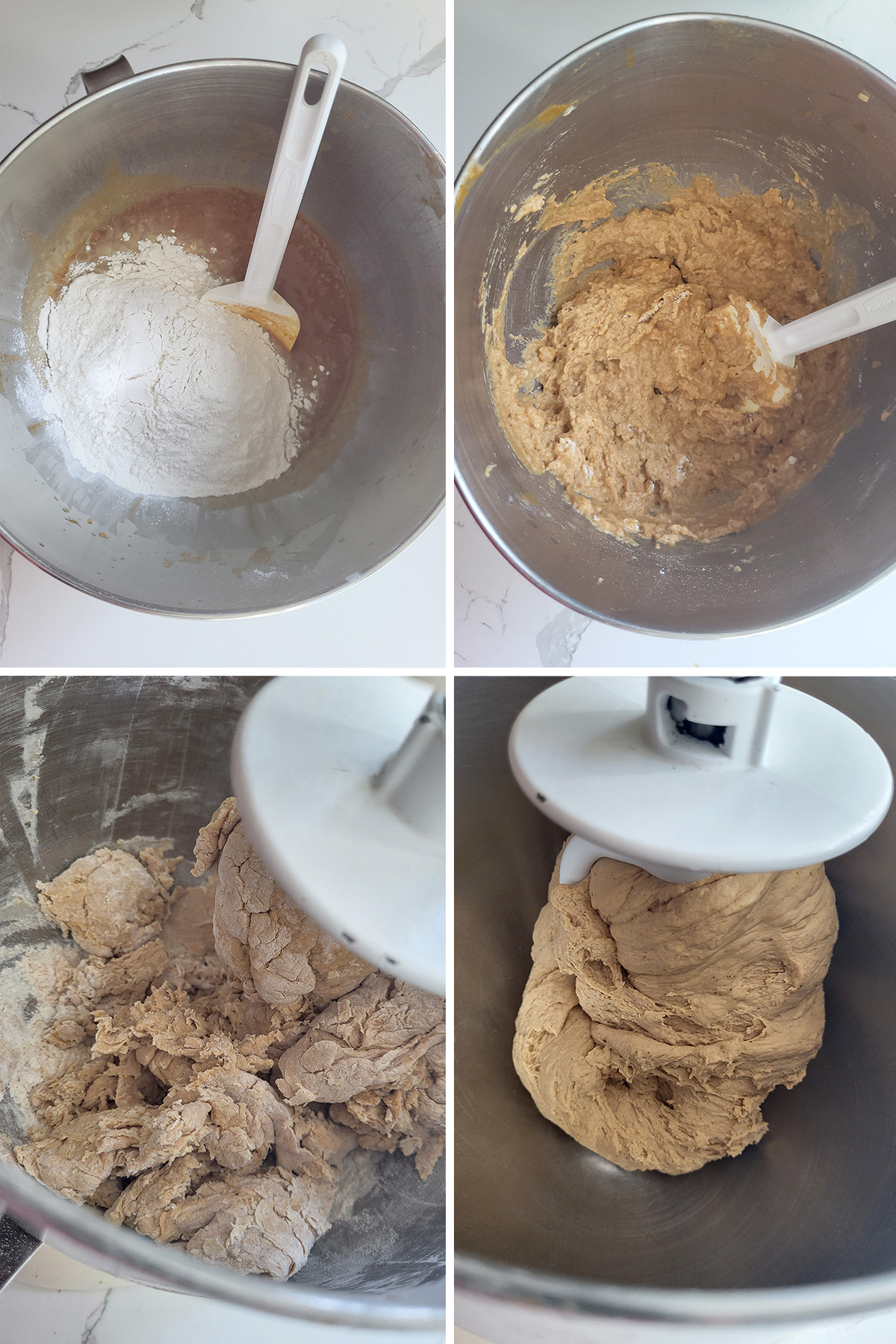
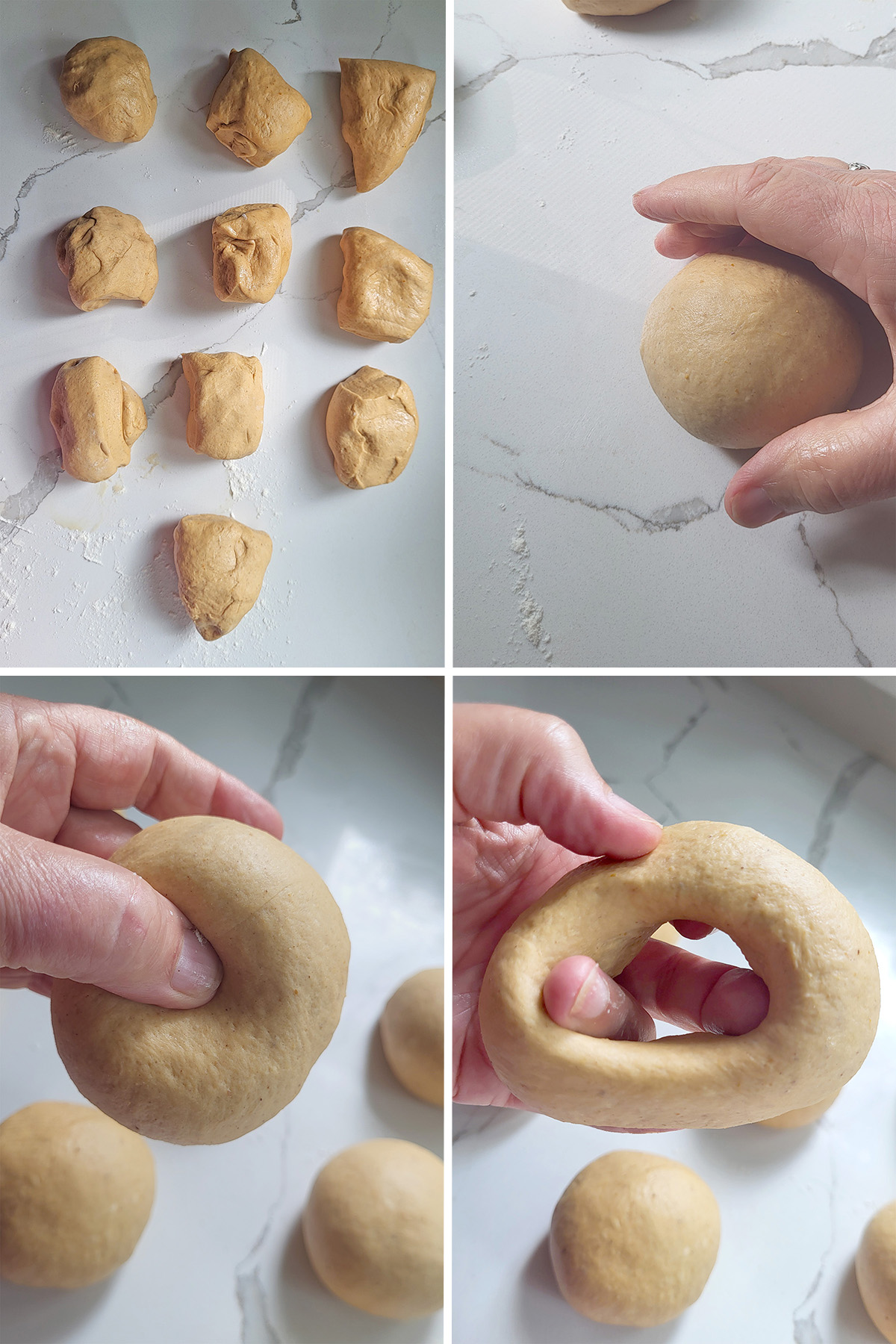
- Day One: Dough Development and Primary Fermentation: The process begins with the integration of pumpkin puree—preferably canned for its consistent moisture content—and a specialized spice blend, usually consisting of cinnamon, nutmeg, ginger, and cloves. The dough is mixed to a high degree of gluten development, often requiring a heavy-duty mixer to handle the density of the dough. Following the mix, the dough undergoes a brief initial rise before being divided and shaped into rings.
- The Cold Proofing Stage: Once shaped, the bagels are placed in a refrigerated environment. This is the most critical stage of the process. During this 12-hour period, enzymatic activity continues to break down starches into sugars, which contributes to the eventual browning of the crust during the bake.
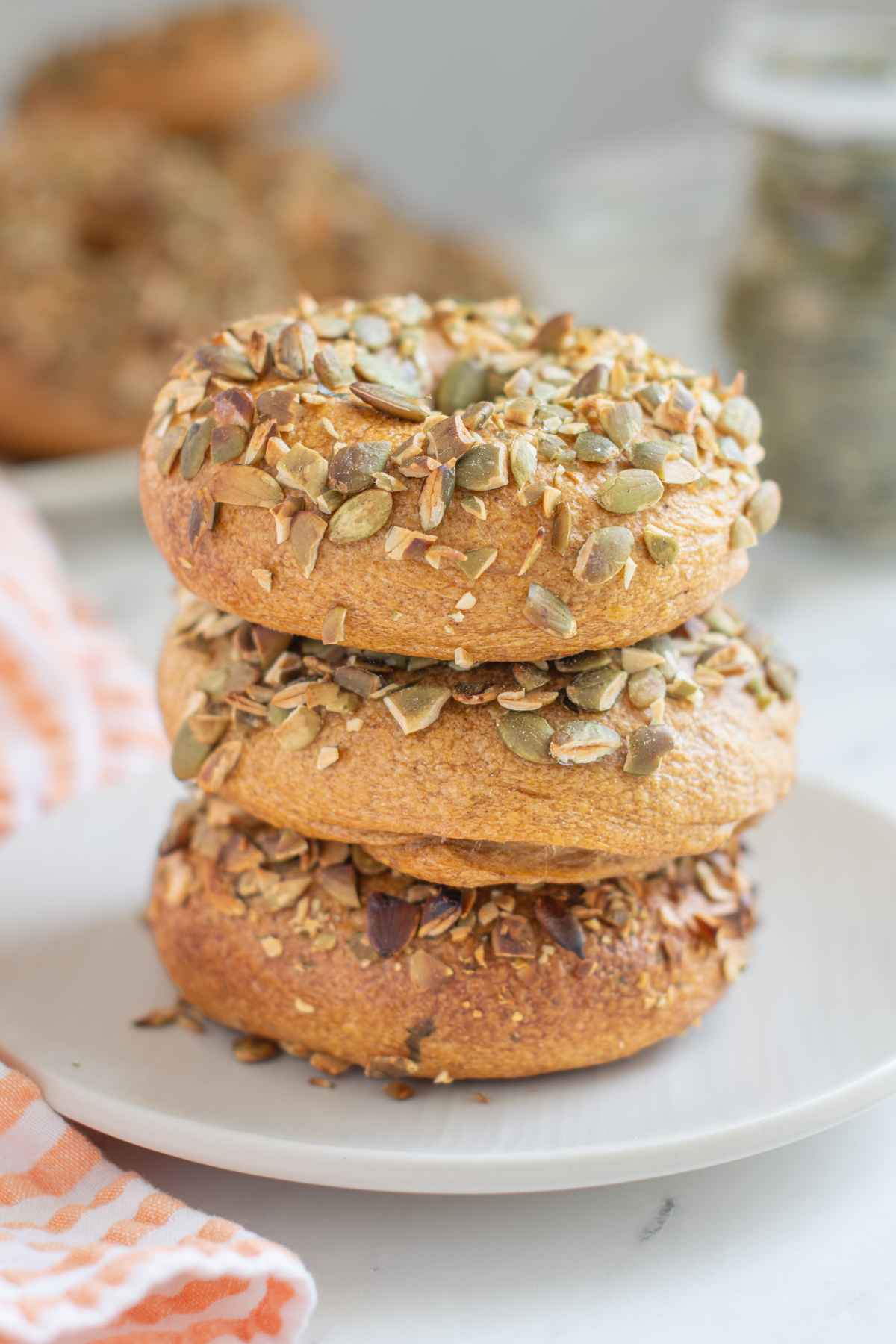
- Day Two: Boiling and High-Heat Baking: On the final day, the bagels are removed from the cold environment and immediately transferred to a boiling water bath. This step is essential, as the boiling gelatinizes the starches on the surface of the dough, which creates the trademark "shiny" crust. Following the boil, the bagels are finished in an oven heated to approximately 425°F to 450°F, allowing for a rapid rise—often called "oven spring"—before the crust sets.
Nutritional Profile and Ingredient Considerations
The inclusion of pumpkin puree alters the nutritional composition of the traditional bagel. A standard bagel typically contains approximately 250 to 300 calories, but the addition of pumpkin and the associated sugars can shift this profile. Analysis shows that these specialty bagels contain roughly 363 kilocalories per serving. The carbohydrate content, while elevated, is balanced by a protein content of approximately 13 grams, largely derived from the high-gluten flour used in the base.
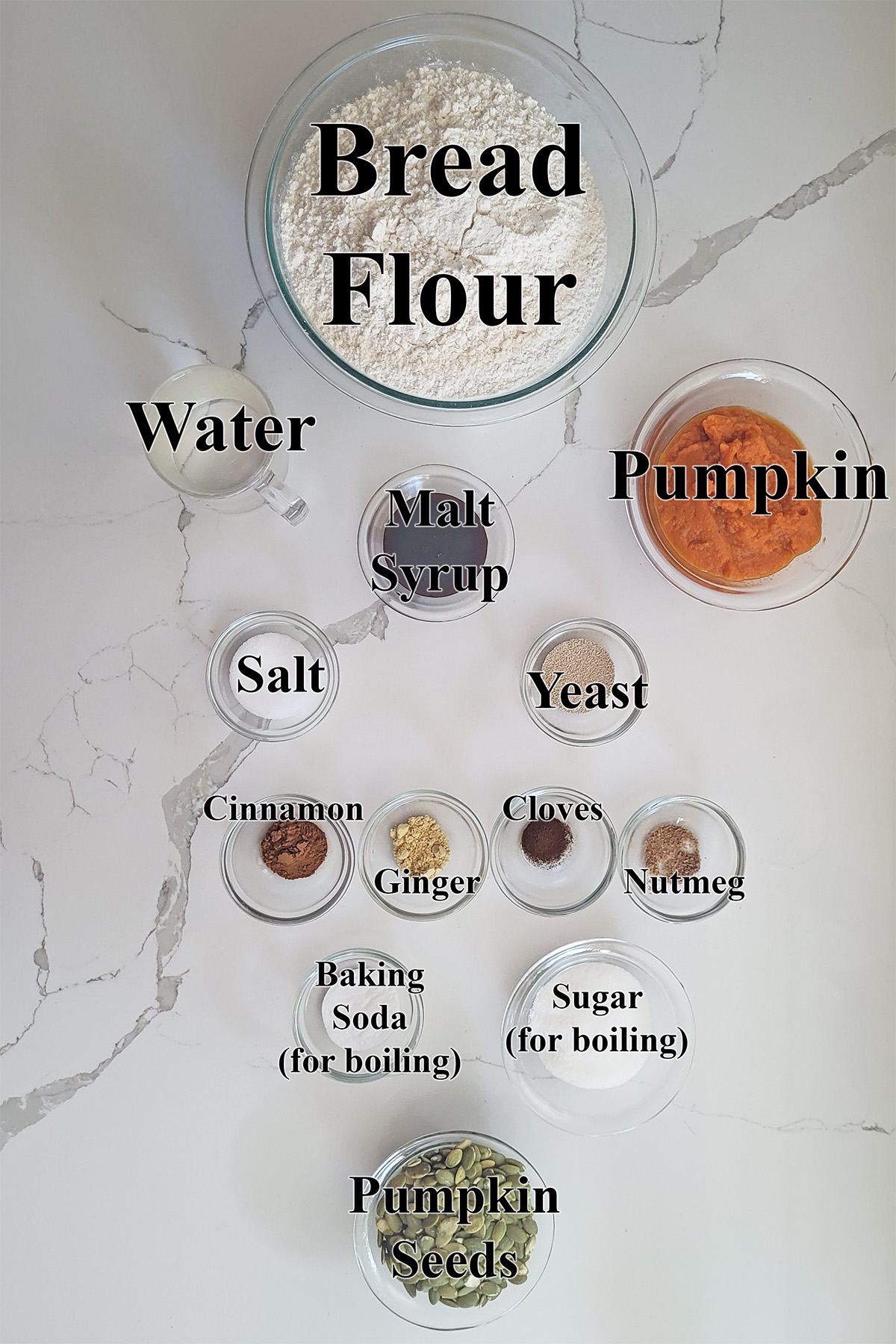
From an ingredient standpoint, experts emphasize the importance of "dip and sweep" measurement for flour. Because flour density can fluctuate based on environmental humidity, volumetric measurements are often prone to error. Using a digital scale to measure grams of flour is the industry standard for ensuring that the ratio of pumpkin moisture to dry ingredients remains within the optimal range. Additionally, the use of barley malt syrup remains the gold standard for flavoring; however, in instances where it is unavailable, a combination of honey and molasses provides a similar depth of flavor and color, which is vital for the aesthetic appeal of the pumpkin-tinted dough.
Market Trends and Consumer Demand
The rise of the pumpkin-infused bagel is symptomatic of the broader "pumpkin spice" phenomenon, which has seen an annual growth rate in consumer goods since the early 2010s. According to market research, the seasonal shift toward autumnal flavors creates a distinct window of high demand in the fourth quarter. For artisanal bakeries, adding a seasonal bagel is a low-risk, high-reward strategy to increase foot traffic.
However, industry analysts suggest that the success of these products depends entirely on execution. A "gimmicky" product that sacrifices the fundamental chewy texture of the bagel for the sake of a trend often faces poor repeat-purchase rates. The most successful versions are those that treat the pumpkin not as a dessert element, but as a savory-leaning ingredient that complements the natural, slight bitterness of the malt and yeast. By keeping the spice profile subtle, bakers ensure that the product remains a breakfast staple rather than a pastry-like dessert.
Expert Perspectives on Home Production
Baking professionals argue that the home kitchen is fully capable of producing commercial-grade bagels provided the baker adheres to the science of the process. The transition from a standard bagel to a pumpkin version involves a "hydration adjustment." Because pumpkin puree is essentially water and fiber, a baker must be prepared to adjust the total liquid content of the recipe based on the consistency of the pumpkin used.
"The temptation is to treat the dough like a muffin batter," notes one baking consultant. "But a bagel is a structural exercise. You are building a frame of gluten that must trap air while holding the weight of the pumpkin fibers. If you treat the dough with the respect it deserves during the fermentation phase, the result is a product that is indistinguishable in texture from a plain bagel, with the added complexity of seasonal spices."
Broader Implications for Artisan Baking
The success of the pumpkin bagel highlights a shift in consumer behavior: the desire for "at-home artisanal" experiences. As more consumers invest in high-quality kitchen equipment, the barrier to entry for complex baking projects has lowered. The documentation of these processes—through detailed tutorials and recipe archives—democratizes skills that were once exclusive to professional, institutional bakers.
Furthermore, the adaptability of this recipe to include sourdough variations suggests that the "pumpkin spice" trend is maturing. Consumers are moving away from artificial flavorings and toward recipes that utilize whole ingredients. This reflects a larger movement in the culinary world toward transparent, ingredient-focused food preparation. Whether a baker chooses to use a commercial yeast for speed or a sourdough starter for a more nuanced, acidic flavor profile, the underlying principles of the New York bagel remain the benchmark for quality.
In conclusion, the pumpkin bagel is more than a fleeting seasonal trend. It is a technical challenge that rewards the patient baker. By understanding the interaction between the dough’s gluten network and the moisture of the pumpkin, and by strictly adhering to the two-day fermentation cycle, one can produce a product that honors the legacy of the New York bagel while embracing the flavors of the season. As the market for artisanal breads continues to expand, the integration of such seasonal variations will likely remain a fixture of both commercial bakeries and the home baking repertoire.