The Ultimate Guide to Selecting and Preparing Seasonal Apple Desserts for Autumn Gatherings

As the autumnal season shifts, the agricultural cycle reaches a peak in orchard productivity, bringing a surplus of pomaceous fruits to markets and pantries. For home bakers and culinary professionals alike, this period marks a transition in menu planning, necessitating a strategic approach to selecting varieties and preparation methods. The following analysis examines the optimal utilization of seasonal apple harvests through a variety of established baking techniques, ranging from traditional pastry work to contemporary sheet cake applications.
The Science of Varietal Selection in Baking
The success of any apple-based confection is fundamentally tied to the structural integrity of the fruit selected. According to agricultural guidelines for culinary usage, apples are categorized by their cellular structure and acidity levels. For baking applications, experts recommend varieties that possess a firm, crisp texture and a balanced acidity profile, such as Granny Smith, Honeycrisp, and Braeburn.
These varieties are preferred because they contain high levels of pectin and structural fibers that prevent the fruit from breaking down into a homogenous purée when subjected to high thermal energy. Conversely, cultivars like Red Delicious—often characterized by a mealy, soft flesh—are generally discouraged in professional baking environments because they lose their form during the cooking process, resulting in an undesirable textural outcome. The inclusion of tart varieties also serves a functional purpose; the natural acidity offsets the high sucrose content typically required in dessert recipes, creating a balanced flavor profile that is essential for high-quality pastry.

A Chronology of Apple Dessert Evolution
The history of apple-based desserts in Western culinary tradition reflects shifting social trends in dining, from the slow-prepared, labor-intensive pies of the early 20th century to the efficiency-focused tray bakes and bars that have gained popularity in modern, high-speed catering environments.
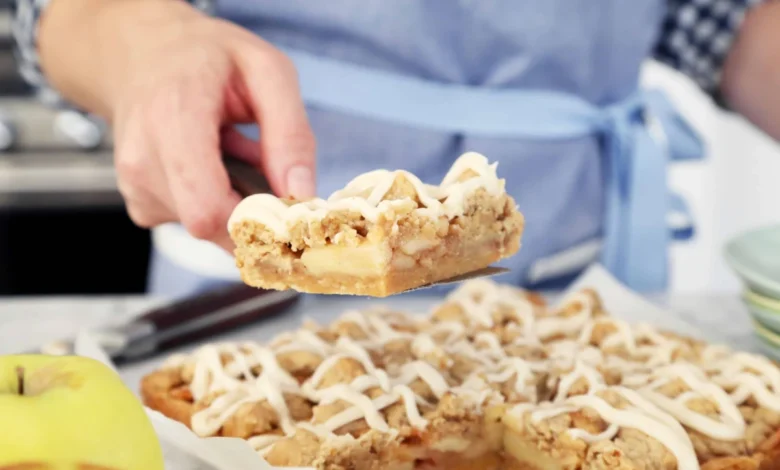
Throughout the early 2000s, the focus remained largely on "classic" preparations. The traditional apple pie—a staple of the American holiday table—saw a surge in interest as a cultural touchstone. By the mid-2010s, there was a measurable shift toward "crowd-sized" desserts. The development of apple pie bars and cheesecake-infused squares represented a strategic move by home bakers to maximize efficiency without compromising the aesthetic or flavor profiles traditionally associated with the fruit.

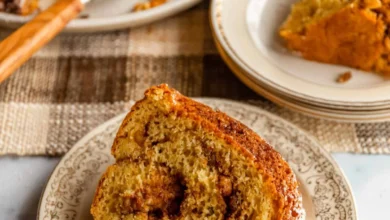
Most recently, in the 2020s, there has been a resurgence in artisanal, "project-based" baking. The emergence of complex, overnight dough preparations—such as the apple fritter focaccia—indicates a growing consumer interest in the intersection of traditional bread-making techniques and seasonal fruit applications. This trend mirrors broader movements in the culinary world toward fermentation and slow-food methodologies.
Comparative Analysis of Baking Methods
When determining which recipe is most suitable for a specific event, bakers must weigh factors such as preparation time, serving capacity, and transportability.

| Dessert Category | Primary Demographic | Preparation Complexity | Shelf Stability |
|---|---|---|---|
| Sheet Cakes | Large Groups | Moderate | High |
| Pies/Crumbles | Formal Dinners | High | Moderate |
| Bars/Squares | Casual Events | Low | High |
| Cookies/Biscuits | On-the-go Consumption | Low | Very High |
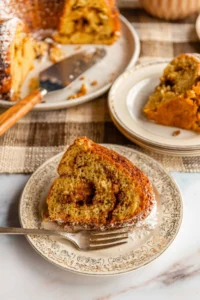
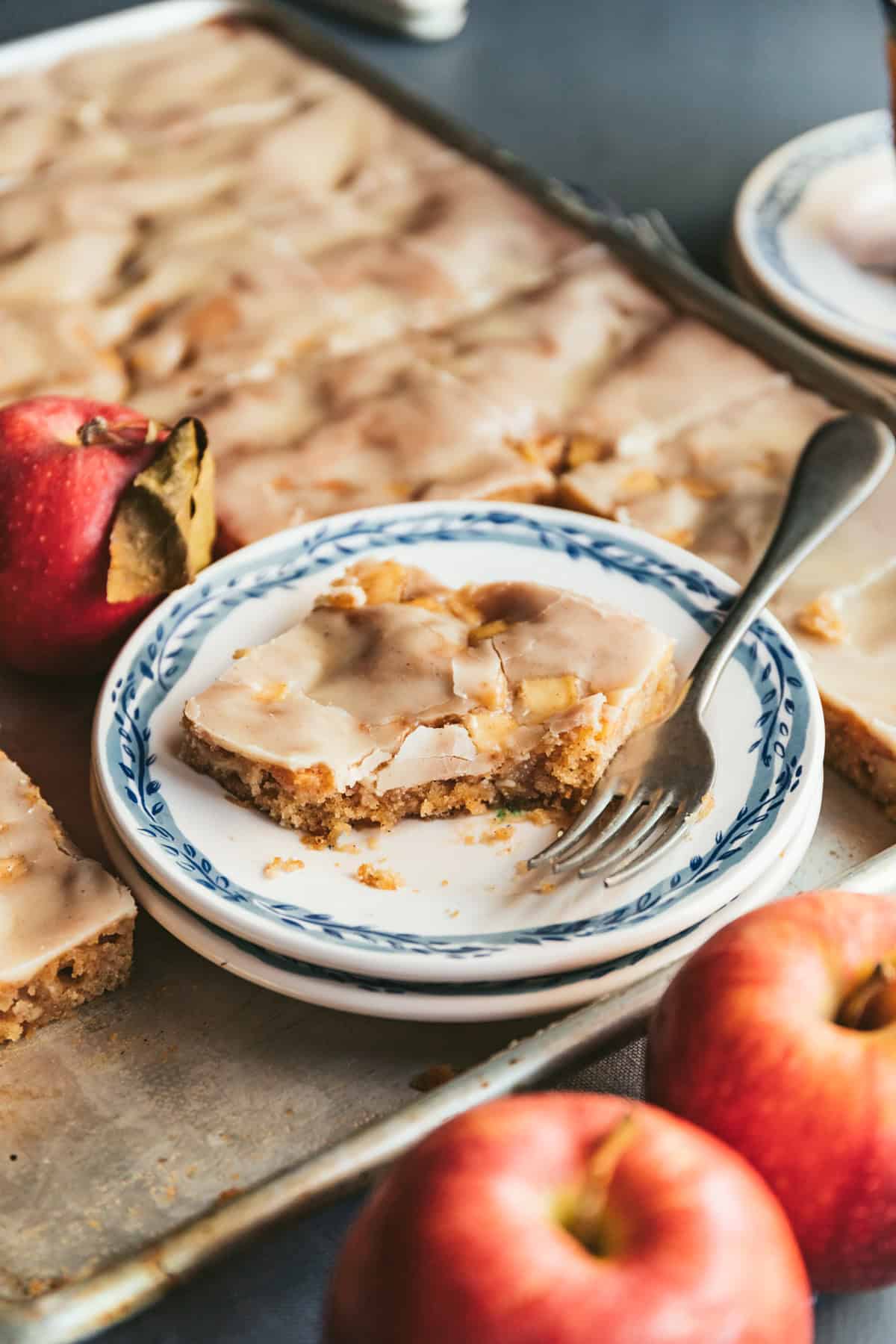
Sheet cakes, such as the apple cinnamon Texas sheet cake, provide an efficient solution for high-volume service. These preparations are designed for scale, allowing for a consistent, high-yield product that is easily portioned. In contrast, traditional pies and crumbles remain the gold standard for formal holiday gatherings, where the presentation of a whole, centerpiece-worthy dish is often as important as the flavor.
Structural Integrity and Economic Impact
The apple industry has seen significant fluctuations in harvest yields over the past decade, directly impacting the availability of specific varieties for seasonal baking. Data from the U.S. Apple Association suggests that while production volume remains relatively stable, the demand for specific "baking-grade" apples increases by approximately 15% during the months of October and November.

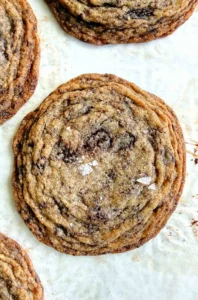
From a culinary perspective, the implication of this seasonal demand is a push toward "make-ahead" recipes. The rise of freezer-friendly options, such as browned butter oatmeal apple cookies, reflects an economic and logistical necessity for home bakers who must manage their time effectively during the peak holiday season. By utilizing freezer-stable recipes, households can maintain a consistent supply of seasonal desserts, mitigating the risk of ingredient shortages or time constraints during peak holiday weeks.
Professional Perspectives on Holiday Culinary Strategy
Culinary consultants emphasize that a well-rounded dessert menu should balance textures and preparation methods. For a standard holiday event, a menu that incorporates both a high-effort "showstopper" (such as an apple-cranberry crumble pie) and a low-effort, high-efficiency item (such as apple pie biscuits) is considered best practice.

"The objective is to minimize stress while maximizing the sensory experience," says an industry analyst specializing in food trends. "By utilizing recipes that leverage the natural characteristics of the fruit—rather than masking them—bakers can create a cohesive experience that bridges the gap between traditional comfort food and modern convenience."
Furthermore, the integration of savory elements, such as pecans or browned butter, has been noted as a significant trend. The inclusion of pralines and nut-based crusts adds a dimension of complexity to the dessert, providing a textural contrast to the soft, cooked fruit. This practice is increasingly common in high-end home kitchens and continues to gain traction in professional catering circles as a way to elevate simple, rustic ingredients.

Broader Implications and Future Trends
The future of apple-based baking appears to be moving toward the "fused" dessert—products that combine two distinct styles into one. The apple-cheesecake bar is a prime example of this hybridity, blending the rich, dense profile of a cheesecake with the classic, spiced notes of an apple tart. This trend suggests that consumers are moving away from monolithic dessert styles and toward complex, multi-layered profiles.
Additionally, as more individuals look to incorporate seasonal, locally-sourced produce into their diets, the emphasis on using the correct variety of apple becomes a point of consumer education. There is a clear correlation between the success of a recipe and the baker’s knowledge of apple chemistry. As this knowledge becomes more widespread through digital platforms and culinary publications, the quality of home-baked goods is expected to rise.

Conclusion
Planning an effective seasonal menu requires a systematic approach to ingredients and time management. By selecting appropriate apple varieties, understanding the logistical benefits of different baking formats, and balancing the preparation of classic and contemporary dishes, bakers can ensure success throughout the autumn and winter months. Whether the goal is to feed a large gathering with a sheet cake or to provide a refined, holiday-specific pie, the key remains the thoughtful application of fundamental culinary principles. As the industry continues to evolve, the emphasis will undoubtedly remain on the marriage of traditional, high-quality ingredients with modern, efficient techniques that accommodate the fast-paced lifestyle of the contemporary household.